Tacu Tacu (Tacu Tacu) — Peruvian Rice and Bean Skillet Cake
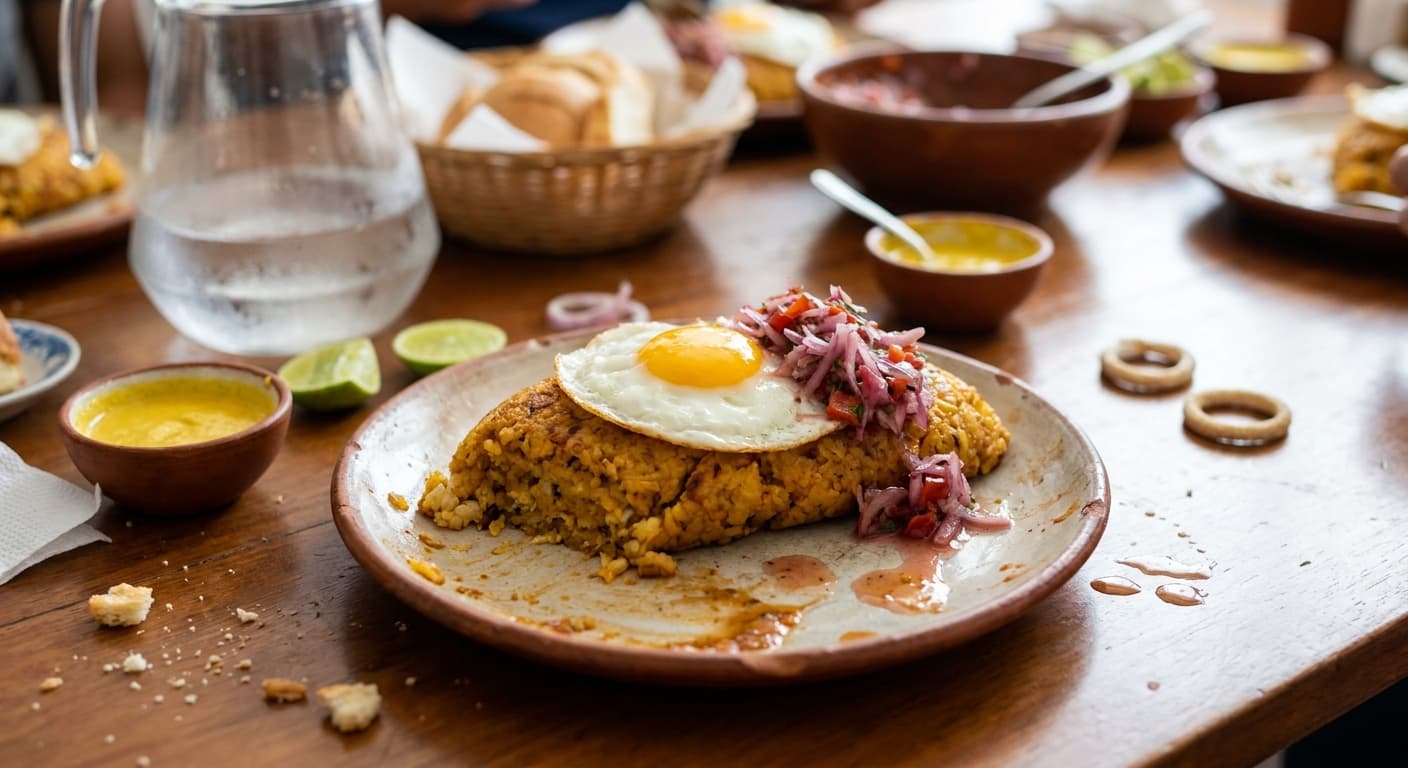
Tacu tacu is a beloved Peruvian way to transform cooked beans and rice into a crisp, golden skillet cake. Born from Afro-Peruvian home cooking, it is often served with salsa criolla and a fried egg for a satisfying everyday meal.
Printable Recipe Card
Servings: 4 · Total: 55 min · Difficulty: medium
Ingredients (quick list)
- 500 g cooked canary beans (with beans drained but not rinsed)
- 120 ml bean cooking liquid (reserved from the cooked beans)
- 600 g cooked long-grain white rice (chilled cooked rice gives the best texture)
- 1 medium red onion (finely diced, about 150 g)
- 3 clove garlic (finely minced)
- 2 tbsp aji amarillo paste
- 1 tsp ground cumin
- 1 tsp dried oregano
- 1.5 tsp fine sea salt
- 0.5 tsp freshly ground black pepper
- 5 tbsp vegetable oil (divided for sofrito and frying)
- 45 ml fresh lime juice
+ 3 more in the full ingredients section below.
Steps (summary)
- Make the salsa criolla first so the onion can mellow while the tacu tacu cooks. Combine the sliced red onion, lime juice, aji l…
- Heat 2 tbsp of the vegetable oil in a wide nonstick or well-seasoned cast-iron skillet over medium heat. Add the diced red onio…
- Add the garlic, aji amarillo paste, cumin, oregano, 1.5 tsp salt, and black pepper to the skillet. Cook for 2 minutes, stirring…
- Add the cooked canary beans and 120 ml bean cooking liquid to the sofrito. Mash about half of the beans directly in the skillet…
- Fold in the chilled cooked rice and stir until every grain is coated with the seasoned bean mixture. Cook for 4 minutes over me…
- Divide the mixture into 4 equal portions and shape each portion into an oval cake about 2.5 cm thick. Wipe the skillet clean, a…
+ 2 more steps in the full instructions section below.
Cultural Background
Tacu tacu reflects Peru's Afro-Peruvian culinary heritage and the practical brilliance of home cooks who transformed leftover beans and rice into a new dish. It remains a staple of coastal restaurants and family kitchens.
Equipment
💡 Tips
- Use day-old rice because freshly cooked rice is too moist and can make the cakes collapse.
- Mash only part of the beans; fully pureed beans make the mixture heavy, while all-whole beans prevent it from binding.
- Let the cakes sit undisturbed during frying, because moving them too early breaks the crust.
⚠️ Common Mistakes
❌ Using hot freshly cooked rice
✅ Fix: Chill the rice completely before mixing so the grains firm up and the cakes hold their shape.
❌ Adding too much bean liquid
✅ Fix: Use exactly 120 ml at first, and cook the mixture down until it is thick enough to mound.
❌ Flipping before the crust forms
✅ Fix: Cook each cake undisturbed for at least 4 minutes, then turn it with a wide spatula in one confident motion.
🧊 How to Store
Store cooked tacu tacu cakes in an airtight container for up to 3 days in the refrigerator. Reheat in a lightly oiled skillet over medium heat for 4 minutes per side to restore the crust; avoid microwaving if possible.
📅 Make Ahead
Cook the beans and rice 1 day ahead and refrigerate them separately. The salsa criolla can be made 2 hours ahead, but add the cilantro within 30 minutes of serving for a fresher flavor.
🍽️ Pairs Well With
- Salsa criolla
- fried egg
- lomo saltado
- seared plantains
- avocado slices
- ají verde.
Regional Variations
- Coastal versions often serve tacu tacu with fried egg, salsa criolla, and a pan-fried steak or seafood.
- Tacu tacu con mariscos tops the rice-and-bean cake with a saucy seafood preparation popular in Lima restaurants.
- Some Peruvian households use lentils instead of canary beans, especially when repurposing leftover menestras from the previous day.
Ingredients
- 500 gcooked canary beans (with beans drained but not rinsed)
- 120 mlbean cooking liquid (reserved from the cooked beans)
- 600 gcooked long-grain white rice (chilled cooked rice gives the best texture)
- 1medium red onion (finely diced, about 150 g)
- 3 clovegarlic (finely minced)
- 2 tbspaji amarillo paste
- 1 tspground cumin
- 1 tspdried oregano
- 1.5 tspfine sea salt
- 0.5 tspfreshly ground black pepper
- 5 tbspvegetable oil (divided for sofrito and frying)
- 45 mlfresh lime juice
- 1aji limo chile (seeded and finely sliced)
- 10 sprigfresh cilantro (leaves roughly chopped)
- 4eggs
🔄 Substitutions
- canary beans→ pinto beans
- aji limo chile→ serrano chile
- aji amarillo paste→ 2 tbsp roasted yellow bell pepper puree plus 0.25 tsp cayenne pepper
Instructions
- 1
Make the salsa criolla first so the onion can mellow while the tacu tacu cooks. Combine the sliced red onion, lime juice, aji limo chile, cilantro, and 0.25 tsp salt in a bowl, then toss firmly for 30 seconds and let stand for at least 15 minutes.
- 2
Heat 2 tbsp of the vegetable oil in a wide nonstick or well-seasoned cast-iron skillet over medium heat. Add the diced red onion and cook for 6 to 8 minutes, stirring often, until it is soft, glossy, and just beginning to turn golden at the edges.
- 3
Add the garlic, aji amarillo paste, cumin, oregano, 1.5 tsp salt, and black pepper to the skillet. Cook for 2 minutes, stirring constantly, until the paste darkens slightly and the garlic smells fragrant but does not brown.
- 4
Add the cooked canary beans and 120 ml bean cooking liquid to the sofrito. Mash about half of the beans directly in the skillet with a potato masher or wooden spoon, leaving the rest partly whole so the finished cake has both creamy and distinct bean textures.
- 5
Fold in the chilled cooked rice and stir until every grain is coated with the seasoned bean mixture. Cook for 4 minutes over medium heat, pressing and turning the mixture, until it holds together when squeezed with a spoon.
- 6
Divide the mixture into 4 equal portions and shape each portion into an oval cake about 2.5 cm thick. Wipe the skillet clean, add 1.5 tbsp oil, and heat over medium-high heat until the oil shimmers.
- 7
Fry 2 cakes at a time for 4 to 5 minutes on the first side without moving them, so a deep golden crust forms. Turn carefully with a wide spatula and cook the second side for 4 minutes, adding the remaining 1.5 tbsp oil before frying the final 2 cakes.
- 8
In a separate small skillet, heat 1 tbsp vegetable oil over medium heat and fry the eggs until the whites are set and the yolks remain soft, about 3 minutes. Serve each tacu tacu hot with 1 fried egg on top and a generous spoonful of salsa criolla alongside.
🪪 Recipe Passport
Cultural Background
Tacu tacu reflects Peru's Afro-Peruvian culinary heritage and the practical brilliance of home cooks who transformed leftover beans and rice into a new dish. It remains a staple of coastal restaurants and family kitchens.
Regional Variations
Researched from multiple sources and validated by the Zaffaron editorial team. Every recipe is tested for accuracy, measurements, and cultural authenticity.
📚 Sources & Cultural References
- Gaston Acurio — Peru: The Cookbook — (2015)
- Tony Custer — The Art of Peruvian Cuisine — (2003)
Sources cited by the Zaffaron editorial team during recipe research. Cultural and culinary references supporting authenticity claims.
Nutrition per serving
Pairs well with
If you enjoyed this recipe, here are a few related Zaffaron recipes to try next.
- Huancayo-Style Potatoes (Papa a la Huancaína) — Peruvian Potatoes in Ají Amarillo Cheese Sauce
- Peruvian Ceviche (Ceviche Peruano) — Lime-Cured Fish with Ají and Sweet Potato
- Peruvian Rotisserie Chicken (Pollo a la Brasa) — Charred Spice-Marinated Roast Chicken
- Lima-Style Causa (Causa Limeña) — Chilled Potato Terrine with Chicken and Avocado
Does your family make this differently?
Every family has their own version. Maybe your grandmother adds a secret ingredient, or your aunt has a completely different technique. Preserve your family's version — with their name on it, forever.
You Might Also Like
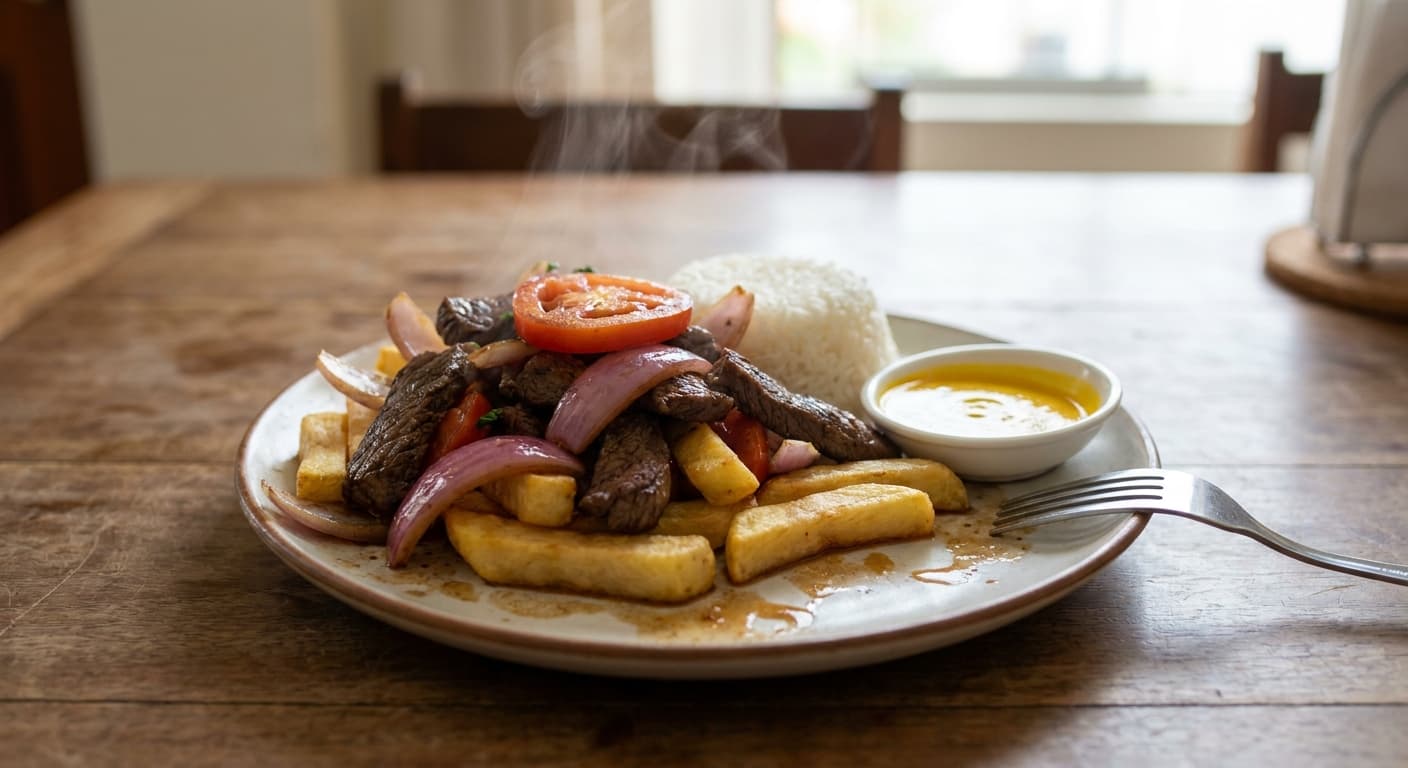
Lomo Saltado (Lomo Saltado) — Peruvian Beef Stir-Fry with Fries
Peruvian · Main Courses · 50 min
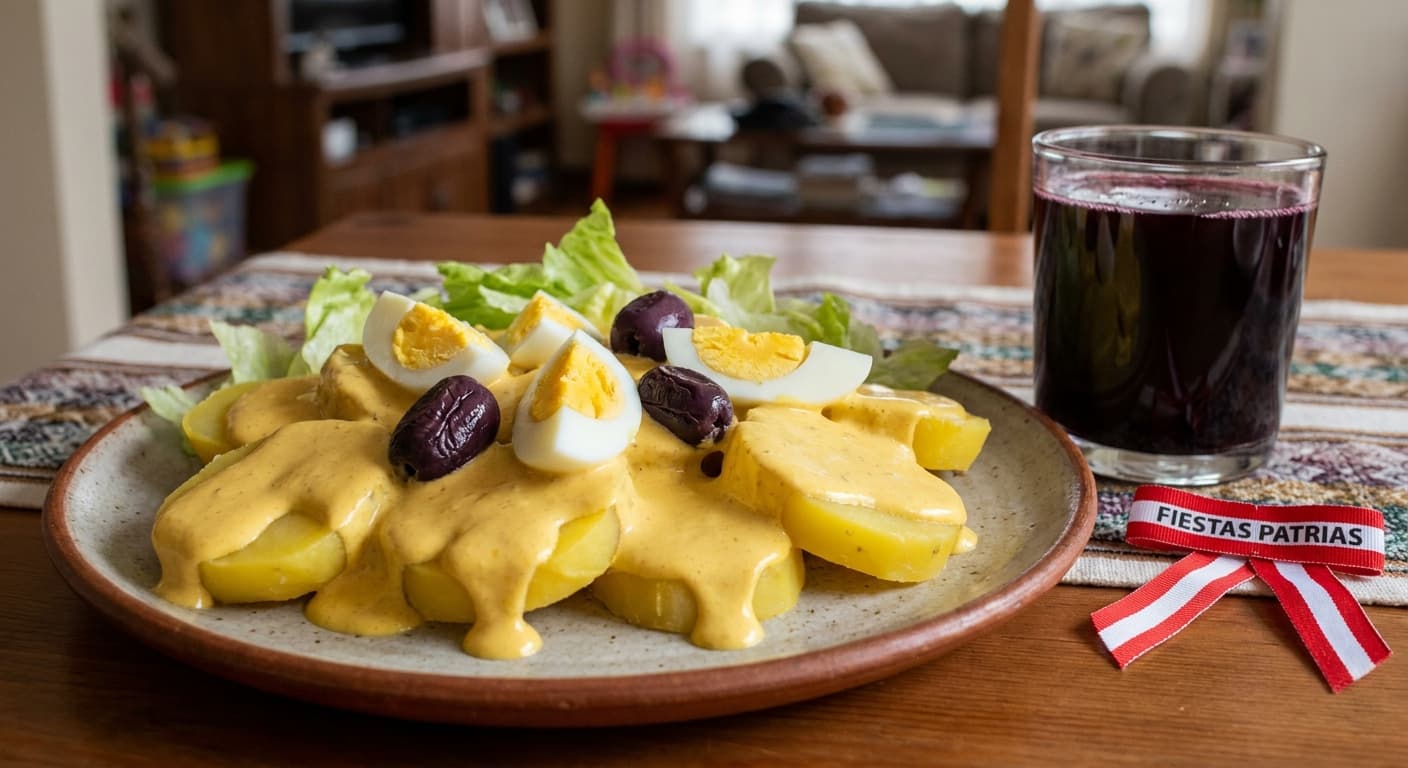
Huancayo-Style Potatoes (Papa a la Huancaína) — Peruvian Potatoes in Ají Amarillo Cheese Sauce
Peruvian · Appetizers · 45 min
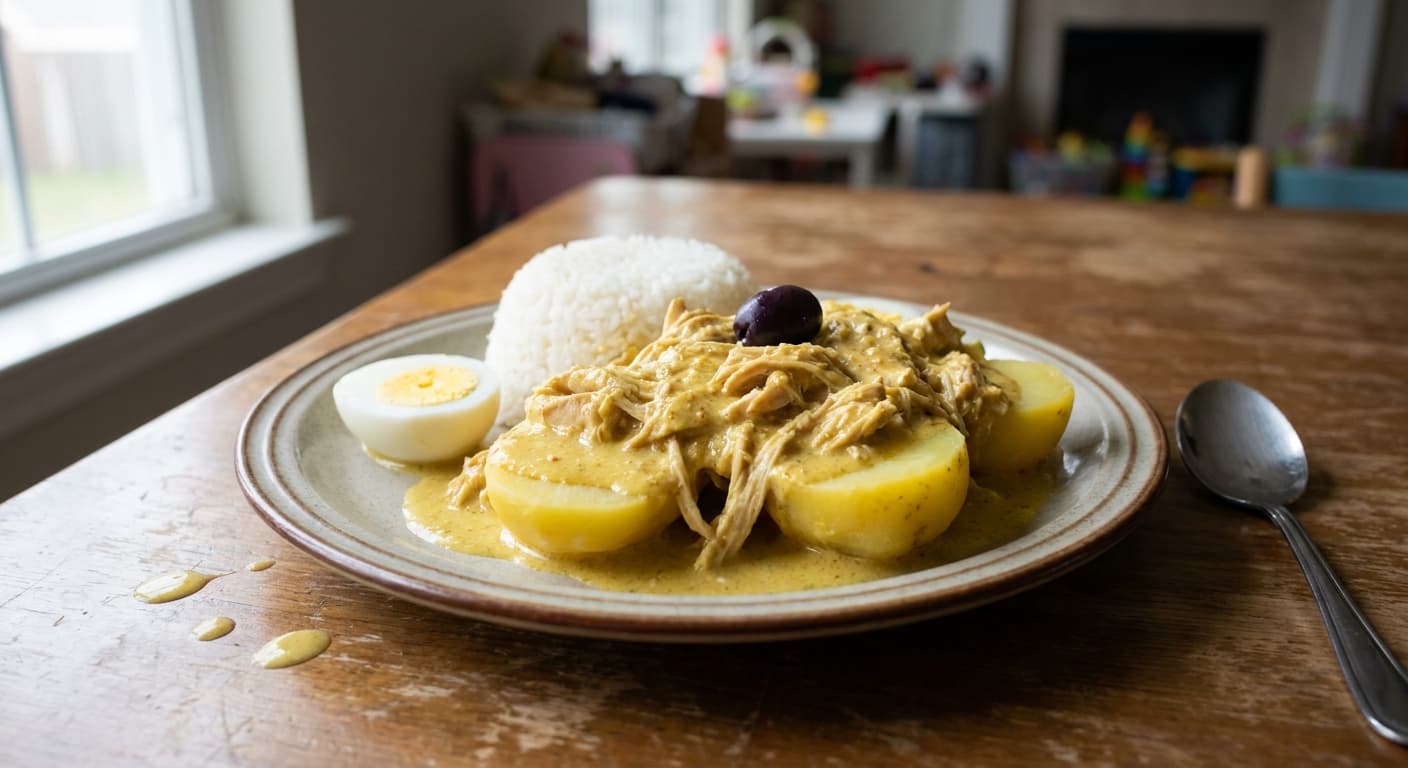
Peruvian Creamed Chili Chicken (Ají de Gallina) — Silky Ají Amarillo Chicken Stew
Peruvian · Main Courses · 80 min
Num Pang Pate (នំប៉័ងប៉ាតេ) — Cambodian Baguette with Pate and Pickles
Cambodian · Main Courses · 60 min
Rye Bread and Beer Porridge (Øllebrød) — Traditional Danish Breakfast
Danish · Main Courses · 65 min
Brigadeiro (Brigadeiro) — Brazilian Chocolate Party Truffles
Brazilian · Desserts · 37 min
Tacos al Pastor (Tacos al Pastor) — Adobo-Marinated Pork Tacos with Pineapple
Mexican · Main Courses · 65 min
Senegalese Fish and Rice (Ceebu Jën) — Tomato-Braised National Dish
West african · Rice Dishes · 120 min
Reviews
Cooked this recipe?
Tap the stars to rate it — that's all it takes. A few words are welcome but optional.
No ratings yet. Cooked this one? Be the first to rate it — it takes one tap.