Rolet Goosht Ba Panir (رولت گوشت با پنیر) — Persian Cheese-Stuffed Beef Rolls
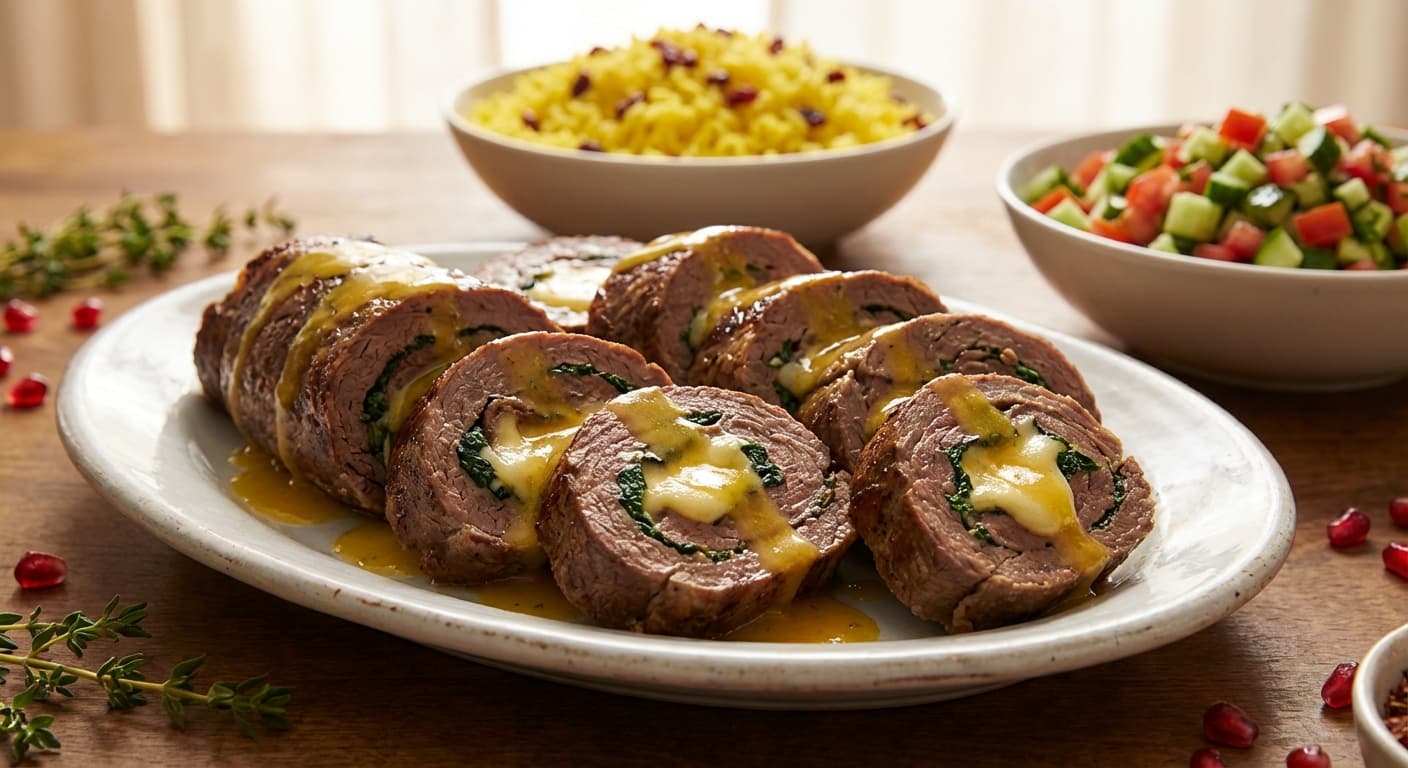
Tender beef slices are rolled around a nutmeg-scented ground beef, Gouda, and spinach filling, then seared and gently baked. Finished with a buttery lemon pan sauce, these rolls are rich, savory, and elegant for dinner or entertaining.
Printable Recipe Card
Servings: 4 · Total: 80 min · Difficulty: medium
Ingredients (quick list)
- 600 g Beef top round slices (thin, for roulade) (8 slices, about 75 g each; pounded to 3–4 mm thickness)
- 10 g Sea salt (divided)
- 2 g Black pepper (about 1 tsp, divided)
- 30 ml Lemon juice (2 tbsp, divided)
- 350 g Ground beef (85–90% lean) (for filling)
- 150 g Yellow onion (finely grated; squeeze out excess liquid)
- 6 g Garlic (2 cloves, finely grated)
- 1 g Ground nutmeg (about 1/2 tsp)
- 60 ml Whole milk (1/4 cup)
- 120 g Fresh spinach (stems removed; chopped)
- 30 g Unsalted butter (2 tbsp, divided)
- 160 g Gouda cheese (cut into 8 batons (about 20 g each) for easy rolling)
+ 3 more in the full ingredients section below.
Steps (summary)
- Prepare the beef slices: place each slice between baking paper and pound to 3–4 mm thickness for even rolling. Season both side…
- Make the filling base: melt 15 g butter in a skillet over medium heat. Add spinach and cook 2–3 minutes until just wilted and m…
- Assemble the rolls: lay beef slices flat with the short side facing you. Divide the ground beef mixture into 8 equal portions (…
- Sear for color: heat neutral oil in a heavy oven-safe skillet over medium-high heat until shimmering, about 2 minutes. Add roll…
- Bake gently: preheat oven to 180°C (350°F). Pour beef stock into the skillet around the rolls (not over them). Transfer to the…
- Finish the buttery lemon pan sauce: place the skillet over medium heat. Whisk flour into the hot pan juices and simmer 2–3 minu…
Cultural Background
Meat roulades filled with cheese and greens are common in modern Iranian home cooking and entertaining, reflecting a contemporary approach to presentation while keeping familiar flavors like butter, lemon, and warm spices. They are often served as a special-occasion appetizer or main when hosts want a dish that slices neatly and looks refined on the table.
Equipment
💡 Tips
- Choose top round or sirloin slices cut for roulade; if the butcher can slice 4–5 mm thick, pounding becomes easier and the rolls cook evenly.
- Squeeze grated onion very well; excess liquid makes the filling steam and can push cheese out during baking.
- Cut Gouda into batons rather than shredding; batons melt into a cohesive center and leak less.
- If using toothpicks, soak them in water for 10 minutes so they do not scorch during searing and baking.
- For cleaner slices, chill the rested rolls 10 minutes, then slice with a sharp knife wiped between cuts.
⚠️ Common Mistakes
❌ Overfilling the rolls or spreading filling too thick
💡 Why: Thick filling expands and pushes cheese out as it heats, causing leaks and uneven cooking.
✅ Fix: Keep filling to a thin, even layer and leave a 1.5 cm border; use baton-shaped cheese centered lengthwise.
❌ Skipping the onion squeeze step
💡 Why: Watery onion releases steam, weakening the meat bind and making the filling crumbly.
✅ Fix: Grate onion, then squeeze firmly in a cloth or fine sieve until mostly dry before mixing.
❌ Cooking at too high heat after searing
💡 Why: Aggressive heat tightens beef slices and can burst the seam, while cheese melts and escapes.
✅ Fix: Sear for color, then bake gently at 180°C (350°F) and rest before slicing; use a thermometer for doneness.
❌ Slicing immediately after cooking
💡 Why: Juices run out and the cheese center can spill, making slices messy and drier.
✅ Fix: Rest 8 minutes, then slice with a sharp knife; chill briefly for extra-clean cuts.
🧊 How to Store
Refrigerate cooked rolls in an airtight container up to 3 days. Store sauce separately if possible. Reheat covered in a 160°C (320°F) oven for 12–15 minutes or until hot; avoid microwaving at high power to prevent cheese blowouts. Freeze cooked rolls (unsauced) up to 2 months; thaw overnight in the fridge before reheating.
📅 Make Ahead
Assemble and secure the rolls up to 24 hours ahead; store covered in the refrigerator. Sear and bake just before serving for best texture. The sauce can be made up to 2 days ahead and reheated gently, whisking in 5–10 ml stock or water if it tightens.
🍽️ Pairs Well With
- Saffron rice or plain steamed basmati rice
- Shirazi salad (cucumber-tomato-onion with lemon)
- Pickled vegetables (torshi) or quick-pickled cucumbers
- Fresh herbs platter (mint
- basil
- radish) for a modern Iranian-style table
Regional Variations
- Tehran (modern home-style)Often made as small, toothpick-secured appetizer rolls and served with a light lemon-butter sauce or reduced pan juices for a refined party platter.
- Northern Iran (Caspian-influenced)Spinach may be increased and paired with more tart elements such as extra lemon or a splash of sour grape juice, emphasizing a brighter balance against rich meat and cheese.
Ingredients
- 600 gBeef top round slices (thin, for roulade) (8 slices, about 75 g each; pounded to 3–4 mm thickness)
- 10 gSea salt (divided)
- 2 gBlack pepper (about 1 tsp, divided)
- 30 mlLemon juice (2 tbsp, divided)
- 350 gGround beef (85–90% lean) (for filling)
- 150 gYellow onion (finely grated; squeeze out excess liquid)
- 6 gGarlic (2 cloves, finely grated)
- 1 gGround nutmeg (about 1/2 tsp)
- 60 mlWhole milk (1/4 cup)
- 120 gFresh spinach (stems removed; chopped)
- 30 gUnsalted butter (2 tbsp, divided)
- 160 gGouda cheese (cut into 8 batons (about 20 g each) for easy rolling)
- 30 mlNeutral oil (2 tbsp (sunflower, grapeseed, or canola))
- 180 mlBeef stock (3/4 cup, low sodium preferred)
- 8 gAll-purpose flour (1 tbsp, to lightly thicken sauce)
🔄 Substitutions
- Gouda cheese→ Low-moisture mozzarella or young Edam
- Beef top round slices→ Veal cutlets or thinly sliced turkey breast
- Whole milk→ Evaporated milk (same amount) or 2% milk
Instructions
- 1
Prepare the beef slices: place each slice between baking paper and pound to 3–4 mm thickness for even rolling. Season both sides with 6 g sea salt and 1 g black pepper. Drizzle with 15 ml lemon juice, rub in, cover, and refrigerate 20 minutes to lightly tenderize and brighten the flavor.
- 2
Make the filling base: melt 15 g butter in a skillet over medium heat. Add spinach and cook 2–3 minutes until just wilted and moisture evaporates. Transfer to a plate and cool 5 minutes. In a bowl, mix ground beef, grated onion (well-squeezed), garlic, nutmeg, 4 g sea salt, and 1 g black pepper, then stir in milk until tacky.
- 3
Assemble the rolls: lay beef slices flat with the short side facing you. Divide the ground beef mixture into 8 equal portions (about 50–55 g each) and spread in a thin layer, leaving a 1.5 cm border. Add a line of spinach and place one Gouda baton in the center. Roll tightly and secure with toothpicks or kitchen twine.
- 4
Sear for color: heat neutral oil in a heavy oven-safe skillet over medium-high heat until shimmering, about 2 minutes. Add rolls seam-side down and sear 2 minutes per side, turning carefully, for 8–10 minutes total. You want deep browning for flavor while keeping the cheese contained; reduce heat if butterfat smokes.
- 5
Bake gently: preheat oven to 180°C (350°F). Pour beef stock into the skillet around the rolls (not over them). Transfer to the oven and bake 12–15 minutes, or until the center reaches 71°C (160°F). Remove from oven, move rolls to a plate, and rest 8 minutes to keep juices inside before slicing.
- 6
Finish the buttery lemon pan sauce: place the skillet over medium heat. Whisk flour into the hot pan juices and simmer 2–3 minutes until lightly thickened. Turn off heat and whisk in remaining 15 g butter and remaining 15 ml lemon juice. Taste and adjust with up to 0.5 g salt if needed. Slice rolls into halves and spoon sauce over.
🪪 Recipe Passport
Cultural Background
Meat roulades filled with cheese and greens are common in modern Iranian home cooking and entertaining, reflecting a contemporary approach to presentation while keeping familiar flavors like butter, lemon, and warm spices. They are often served as a special-occasion appetizer or main when hosts want a dish that slices neatly and looks refined on the table.
Regional Variations
Researched from multiple sources and validated by the Zaffaron editorial team. Every recipe is tested for accuracy, measurements, and cultural authenticity.
Nutrition per serving
Pairs well with
If you enjoyed this recipe, here are a few related Zaffaron recipes to try next.
Does your family make this differently?
Every family has their own version. Maybe your grandmother adds a secret ingredient, or your aunt has a completely different technique. Preserve your family's version — with their name on it, forever.
You Might Also Like
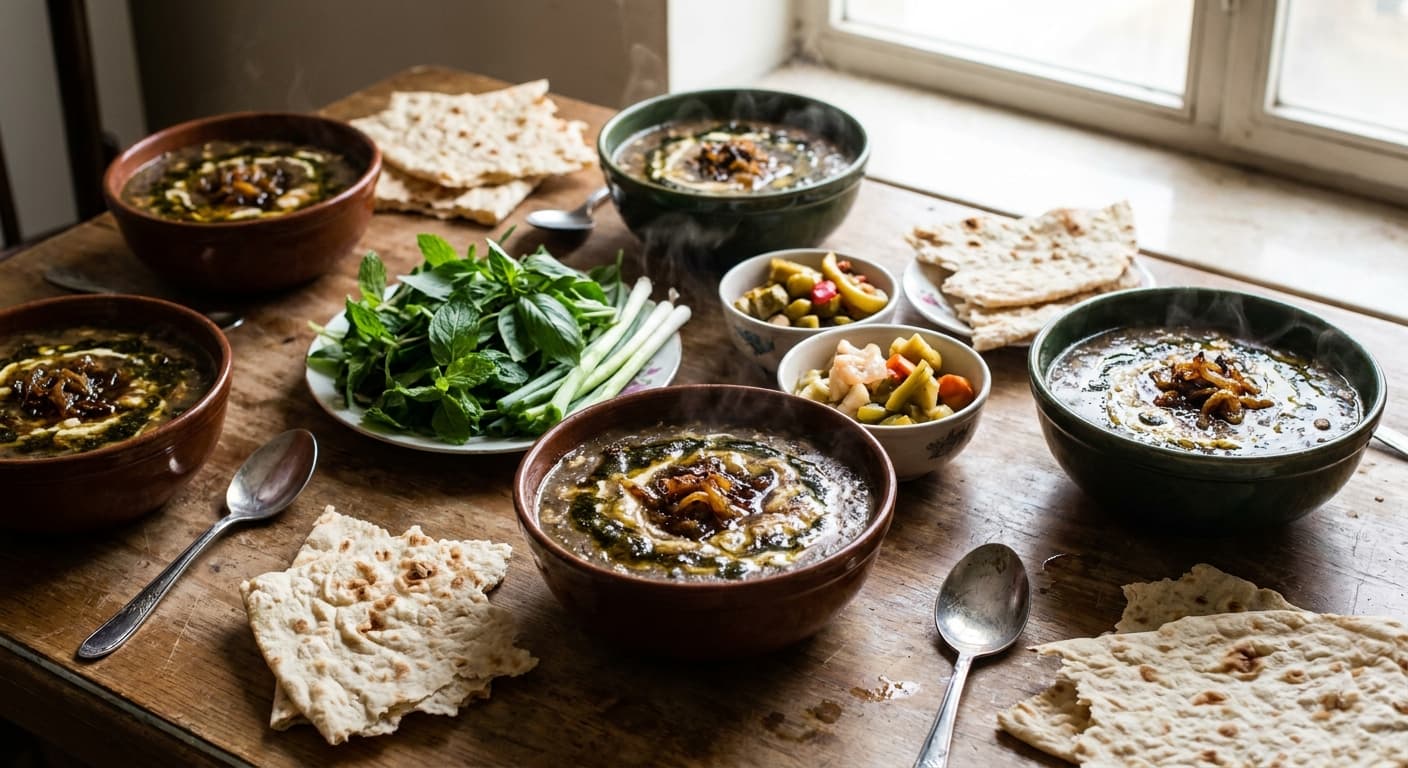
Ash-e Torsh (آش ترش) — Sour Herb and Legume Soup
Persian · Soups · 145 min
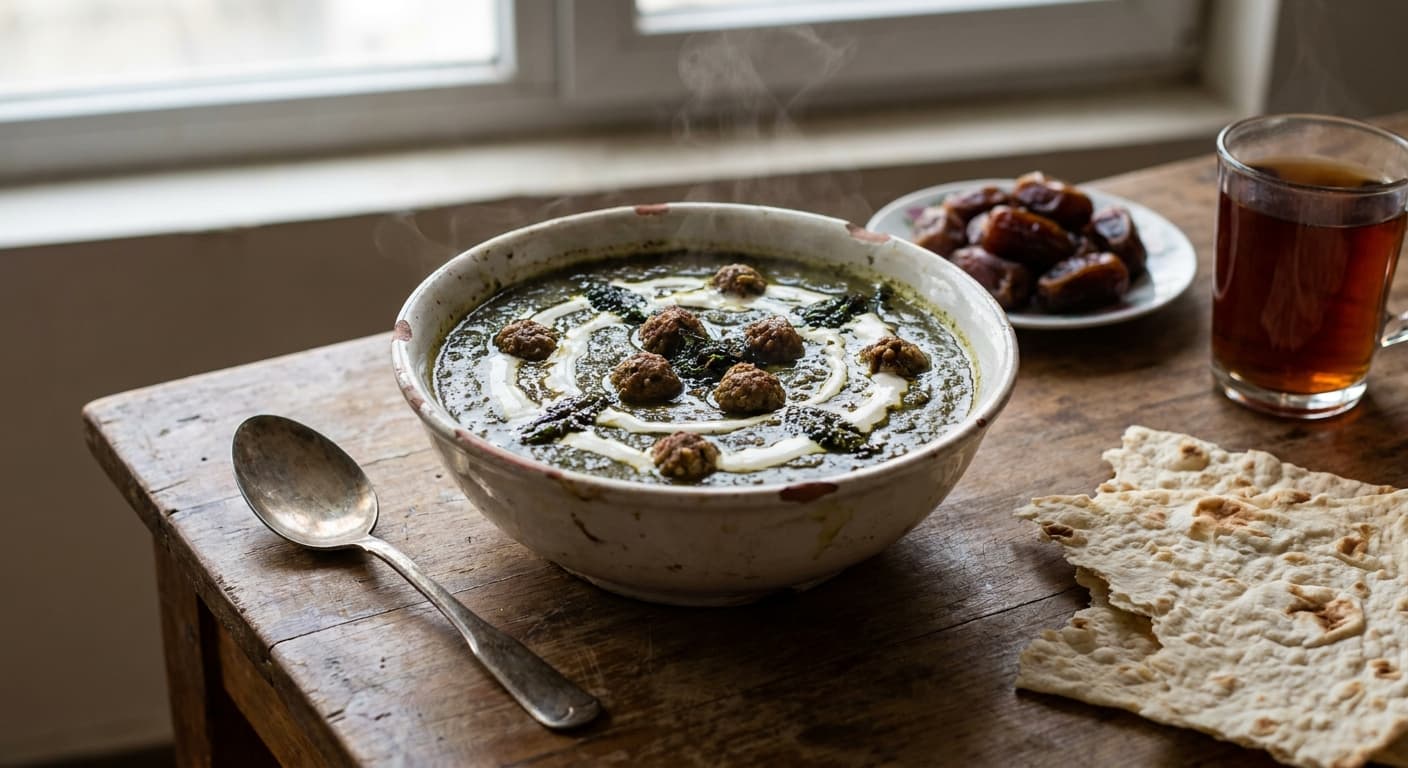
Ash-e Sak (آش ساک) — Golestani Spinach, Legume, and Meatball Soup
Persian · Soups · 175 min
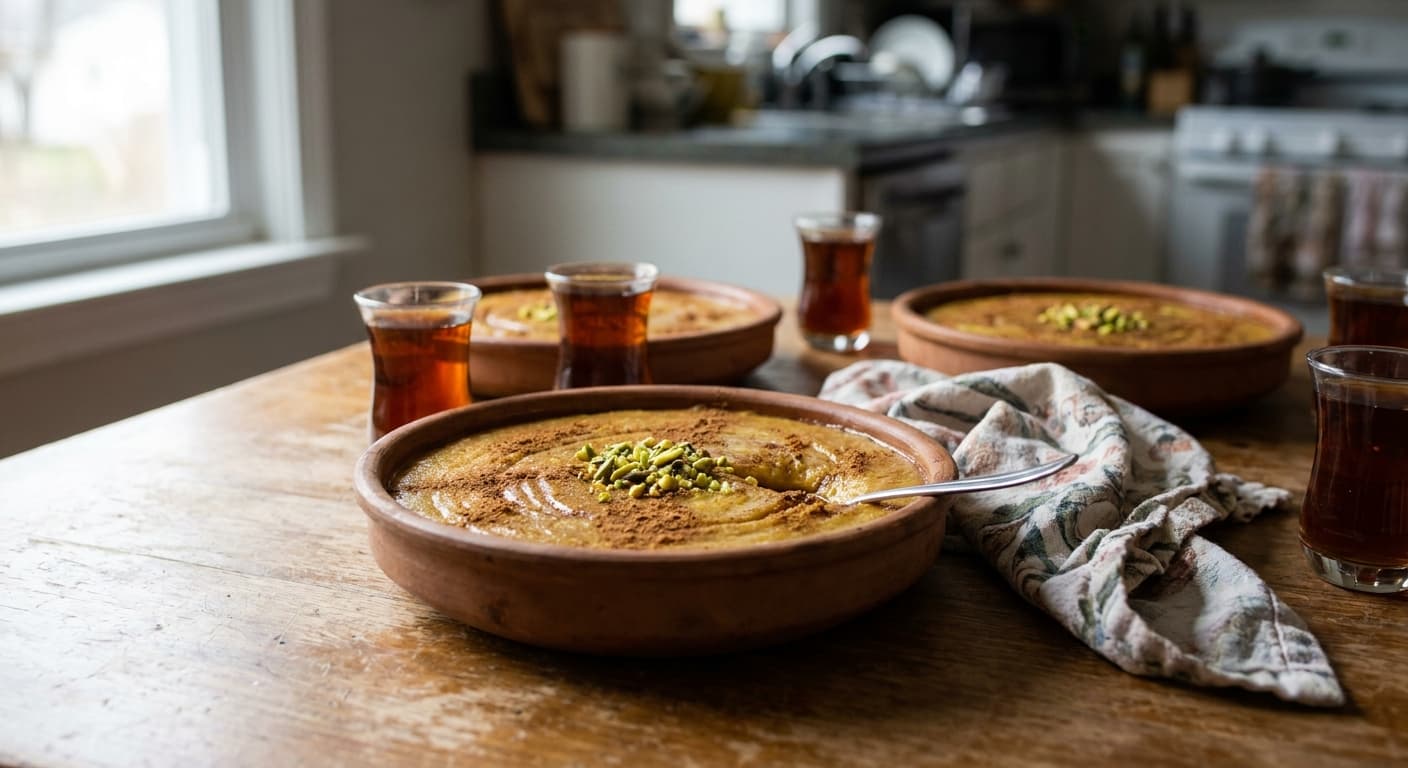
Persian Kachi (کاچی) — Saffron Rosewater Pudding
Persian · Desserts · 45 min
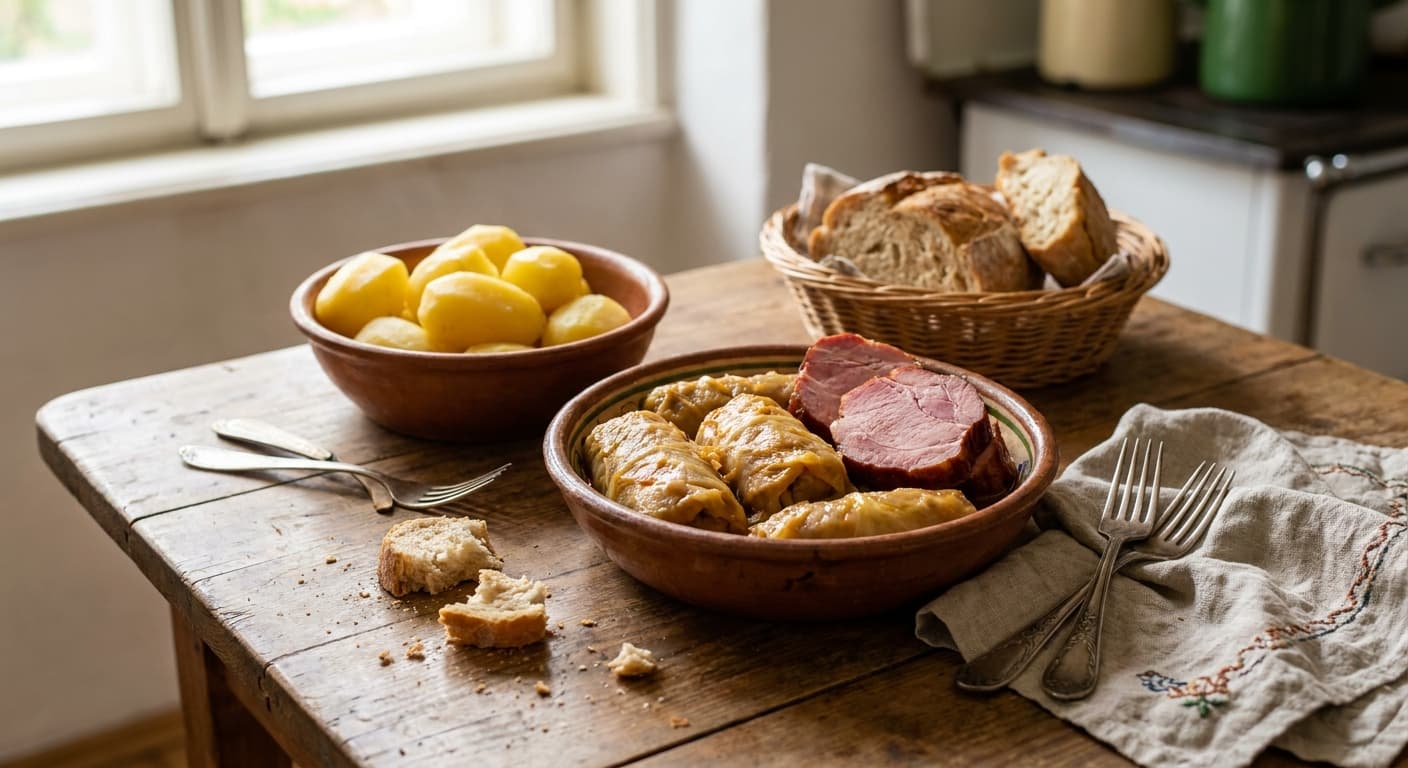
Sinj Stuffed Cabbage Rolls (Sinjski arambaši) — Hand-Chopped Meat in Sour Cabbage
Croatian · Main Courses · 245 min
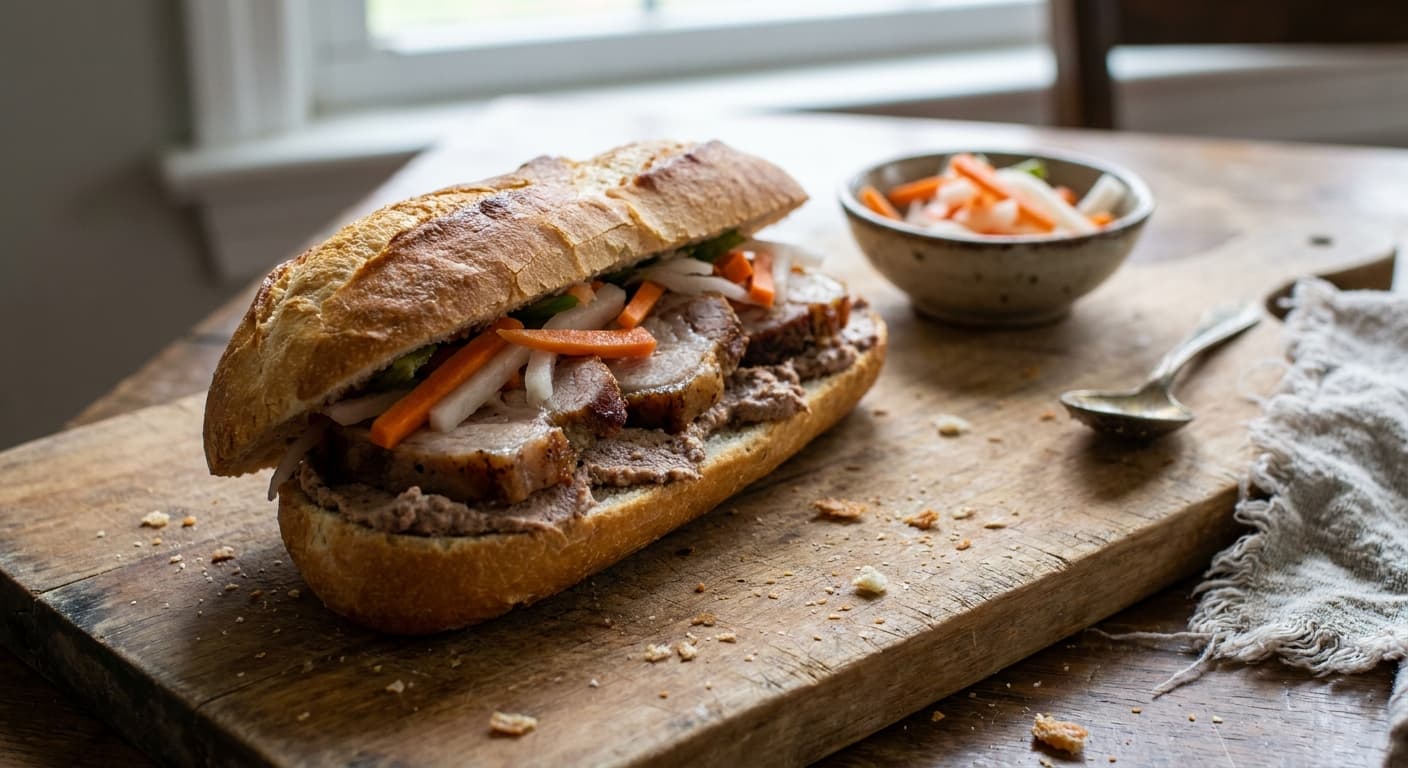
Num Pang Pate (នំប៉័ងប៉ាតេ) — Cambodian Baguette with Pate and Pickles
Cambodian · Main Courses · 60 min
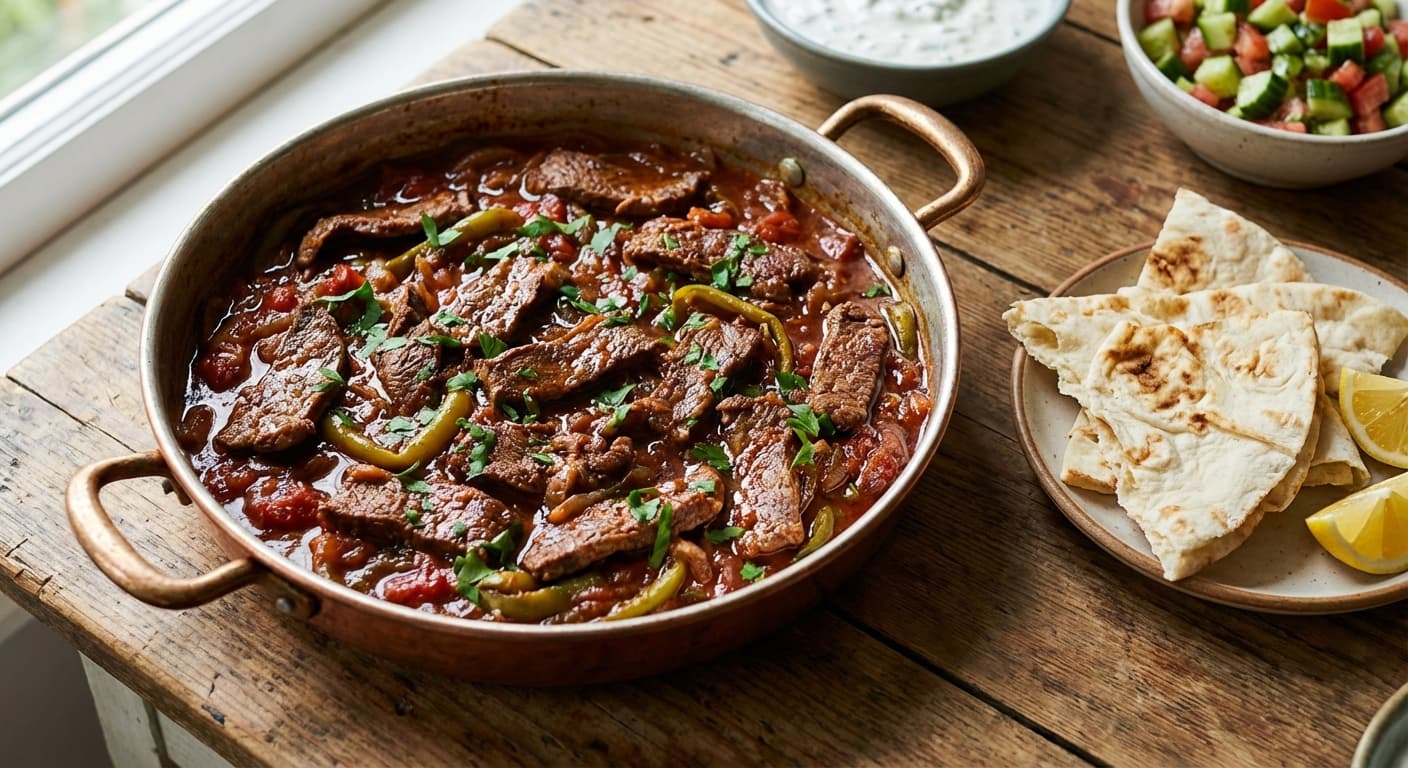
Sac Kavurma (Saç Kavurma) — Thin-Sliced Turkish Meat Sautéed with Onions
Turkish · Main Courses · 38 min
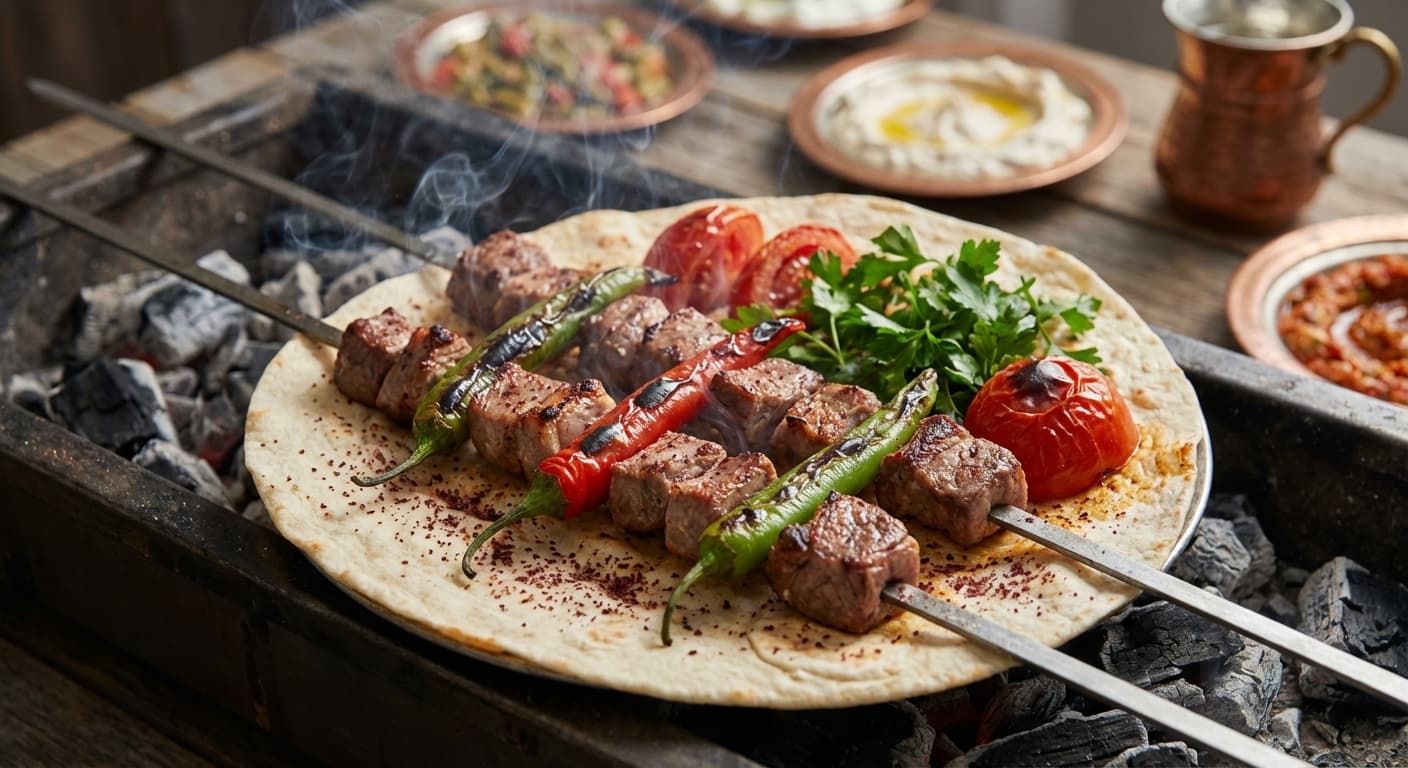
Turkish Shish Kebab (Şiş Kebap) — Charcoal-Grilled Marinated Lamb Skewers
Turkish · Kebabs · 37 min
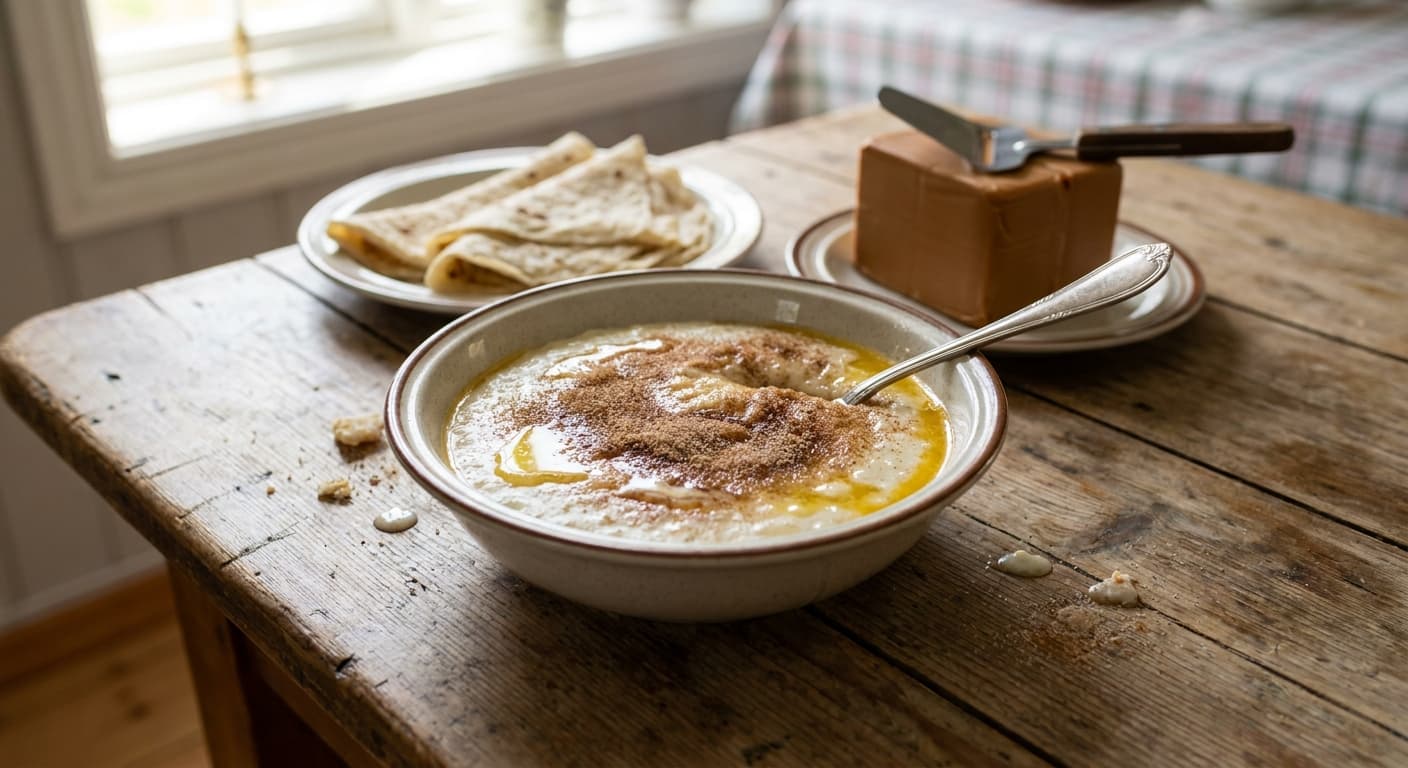
Norwegian Sour Cream Porridge (Rømmegrøt) — Festive Dairy Porridge with Cinnamon Sugar
Norwegian · Side Dishes · 35 min
Reviews
Cooked this recipe?
Tap the stars to rate it — that's all it takes. A few words are welcome but optional.
No ratings yet. Cooked this one? Be the first to rate it — it takes one tap.