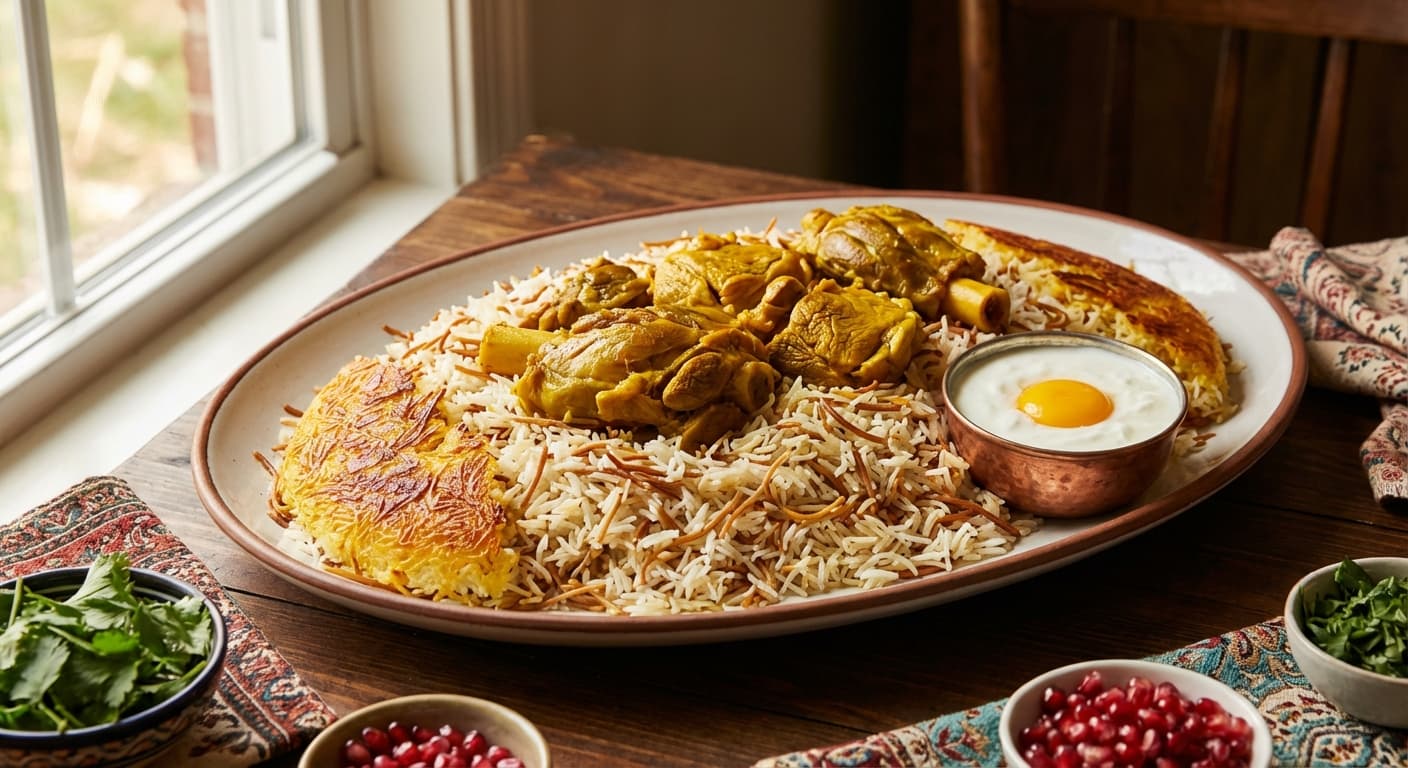
Reshteh Polo (رشته پلو) — Persian Celebration Noodle Rice with Braised Lamb
Fragrant basmati rice layered with toasted polo noodles and crowned with tender saffron-braised lamb. Traditionally served for Nowruz, this celebratory dish balances nutty noodles, aromatic spices, and golden tahdig.
Printable Recipe Card
Servings: 6 · Total: 210 min · Difficulty: medium
Ingredients (quick list)
- 500 g Basmati rice (aged if possible; rinsed until water runs mostly clear)
- 30 g Fine sea salt (for rice soaking and boiling water; adjust to taste)
- 180 g Polo noodles (reshteh) (broken into 5–7 cm pieces)
- 70 g Solid oil (vegetable shortening or refined sheep tail fat) (divided; for toasting noodles and steaming rice)
- 120 g Plain yogurt (for yogurt tahdig (optional but traditional))
- 1 large Egg yolk (for yogurt tahdig; omit if making plain tahdig)
- 0.25 tsp Saffron threads, dried (finely ground and bloomed in hot water)
- 30 ml Water (boiling, for blooming saffron)
- 900 g Lamb leg meat (boneless, cut into 4–5 cm chunks)
- 300 g Onion (thinly sliced)
- 2 tsp Turmeric (ground)
- 2 leaves Bay leaf
+ 1 more in the full ingredients section below.
Steps (summary)
- Soak the rice: rinse basmati rice 5–7 times until the water is mostly clear. Cover with 1.5 liters cool water and dissolve 20 g…
- Start the lamb braise: heat 30 g solid oil in a heavy pot over medium-high heat (about 190°C surface heat). Add sliced onion an…
- Braise until tender: add 900 ml hot water and bring to a gentle simmer. Reduce heat to low, cover, and cook 75–90 minutes, stir…
- Toast the noodles: in a wide skillet, melt 40 g solid oil over medium heat. Add broken polo noodles and stir constantly for 4–6…
- Parboil rice and noodles: bring 3.5 liters water to a rolling boil in a large pot. Add remaining 10 g salt. Drain soaked rice a…
- Prepare the tahdig base: in a bowl, whisk yogurt, egg yolk, and the bloomed saffron for tahdig until smooth. Add 2 ladles (abou…
+ 2 more steps in the full instructions section below.
Cultural Background
Reshteh polo is commonly served during Nowruz and other gatherings, where the noodles are associated with “threads” of life and hopes for smoother paths ahead. It is often paired with a rich braise and shared family-style, reflecting the importance of hospitality and seasonal celebration in Iranian food traditions.
Equipment
💡 Tips
- For the cleanest noodle flavor, toast until light golden only; darker noodles can taste bitter and stain the rice.
- If using very thin noodles, reduce their boil time to 60–90 seconds to prevent breakage and mushy texture.
- Keep the rice mound airy when layering; compacting it reduces steam circulation and can make the rice dense.
- For extra saffron aroma, reserve 1 tablespoon bloomed saffron water and drizzle over the rice just before serving.
- If your pot runs hot, use a heat diffuser during the low-steam phase to prevent an overly dark crust.
⚠️ Common Mistakes
❌ Overboiling the rice and noodles before steaming
💡 Why: They continue cooking during steaming, so overboiling leads to a gummy, broken texture.
✅ Fix: Boil rice only until al dente, then add noodles for the final 2–3 minutes (or less for thin noodles) and drain immediately.
❌ Toasting noodles too dark
💡 Why: Deep browning can make the dish taste bitter and turn the rice gray-brown.
✅ Fix: Toast over medium heat, stirring constantly, and stop at light golden; residual heat will continue browning for a minute.
❌ Burning the tahdig
💡 Why: High heat during the long steam phase can scorch the crust before the rice finishes steaming.
✅ Fix: After the first 10 minutes, reduce to low heat and use a diffuser if needed; rest 10 minutes off heat before unmolding.
❌ Watery lamb sauce
💡 Why: Excess liquid dilutes saffron aroma and makes plating messy.
✅ Fix: Simmer uncovered at the end 10–15 minutes to reduce, or remove lamb and reduce the liquid briefly, then return lamb to glaze.
🧊 How to Store
Cool leftovers within 2 hours. Refrigerate rice and lamb separately in airtight containers for up to 3 days. Reheat rice covered with 2–3 tablespoons water in a pot on low 10–15 minutes or microwave covered; reheat lamb with a splash of broth until steaming hot. Freeze lamb up to 2 months; rice freezes but loses some texture.
📅 Make Ahead
Braise the lamb up to 2 days ahead; cool and refrigerate in its sauce, then reheat gently before serving. Toast the noodles up to 3 days ahead and store airtight at room temperature. Parboil and steam the rice the day of serving for best texture and a crisp tahdig.
🍽️ Pairs Well With
- Shirazi salad (cucumber
- tomato
- onion with lime)
- Plain yogurt with dried mint
- Pickled vegetables
- Fresh herbs platter
Regional Variations
- Tehran and central IranOften served with yogurt-based tahdig and a saffron-forward lamb braise; the rice is typically lightly seasoned to highlight the noodle aroma.
- Azerbaijan and northwest IranSome households add a touch more turmeric and onion to the braise and prefer a thicker, more reduced sauce spooned over the rice at the table.
- Khorasan (northeast Iran)Saffron may be used more generously when available, and the lamb is sometimes cooked until very soft for easier serving at large gatherings.
Ingredients
- 500 gBasmati rice (aged if possible; rinsed until water runs mostly clear)
- 30 gFine sea salt (for rice soaking and boiling water; adjust to taste)
- 180 gPolo noodles (reshteh) (broken into 5–7 cm pieces)
- 70 gSolid oil (vegetable shortening or refined sheep tail fat) (divided; for toasting noodles and steaming rice)
- 120 gPlain yogurt (for yogurt tahdig (optional but traditional))
- 1 largeEgg yolk (for yogurt tahdig; omit if making plain tahdig)
- 0.25 tspSaffron threads, dried (finely ground and bloomed in hot water)
- 30 mlWater (boiling, for blooming saffron)
- 900 gLamb leg meat (boneless, cut into 4–5 cm chunks)
- 300 gOnion (thinly sliced)
- 2 tspTurmeric (ground)
- 2 leavesBay leaf
- 1 tspBlack pepper (freshly ground)
🔄 Substitutions
- Lamb leg meat→ Beef chuck
- Solid oil (vegetable shortening or refined sheep tail fat)→ Ghee or unsalted butter
- Polo noodles (reshteh)→ Thin spaghetti or angel hair
Instructions
- 1
Soak the rice: rinse basmati rice 5–7 times until the water is mostly clear. Cover with 1.5 liters cool water and dissolve 20 g of the salt into it. Soak 60 minutes at room temperature. Meanwhile, bloom saffron for both lamb and tahdig separately in boiling water; cover and steep 10 minutes.
- 2
Start the lamb braise: heat 30 g solid oil in a heavy pot over medium-high heat (about 190°C surface heat). Add sliced onion and cook 8–10 minutes until golden. Add lamb, turmeric, black pepper, and bay leaves; brown 10–12 minutes, turning pieces to color all sides.
- 3
Braise until tender: add 900 ml hot water and bring to a gentle simmer. Reduce heat to low, cover, and cook 75–90 minutes, stirring every 20 minutes. When lamb is nearly tender, stir in 10 g salt and the bloomed saffron (with its water). Simmer uncovered 10–15 minutes to slightly thicken.
- 4
Toast the noodles: in a wide skillet, melt 40 g solid oil over medium heat. Add broken polo noodles and stir constantly for 4–6 minutes until evenly light golden and nutty-smelling; do not let them turn dark brown. Transfer to a bowl to stop cooking and keep the noodles crisp.
- 5
Parboil rice and noodles: bring 3.5 liters water to a rolling boil in a large pot. Add remaining 10 g salt. Drain soaked rice and add it to the boiling water; boil 4 minutes. Add toasted noodles and boil 2–3 minutes more, until rice is al dente (soft outside, firm center). Drain in a colander and rinse quickly with 250 ml warm water.
- 6
Prepare the tahdig base: in a bowl, whisk yogurt, egg yolk, and the bloomed saffron for tahdig until smooth. Add 2 ladles (about 200 g) of the drained rice-noodle mixture and stir to coat. This mixture helps form a crisp, golden crust while keeping the center rice fluffy.
- 7
Layer and steam: heat a nonstick or well-seasoned pot (24–26 cm) over medium. Add 30 g solid oil and swirl. Spread the yogurt-rice mixture evenly on the bottom. Layer the remaining rice-noodle mixture in a loose mound, sprinkling with 2–3 tablespoons water to create steam. Cover lid with a towel and steam 10 minutes on medium, then 45 minutes on low.
- 8
Finish and serve: rest the pot off heat 10 minutes. Meanwhile, warm the lamb gently 5 minutes and spoon a little saffron broth over it for shine. Fluff rice carefully, keeping noodles distributed. Invert the pot onto a platter to release tahdig, or remove tahdig in pieces. Top rice with lamb and a few spoonfuls of braising juices.
🪪 Recipe Passport
Cultural Background
Reshteh polo is commonly served during Nowruz and other gatherings, where the noodles are associated with “threads” of life and hopes for smoother paths ahead. It is often paired with a rich braise and shared family-style, reflecting the importance of hospitality and seasonal celebration in Iranian food traditions.
Regional Variations
Researched from multiple sources and validated by the Zaffaron editorial team. Every recipe is tested for accuracy, measurements, and cultural authenticity.
Nutrition per serving
Pairs well with
If you enjoyed this recipe, here are a few related Zaffaron recipes to try next.
Does your family make this differently?
Every family has their own version. Maybe your grandmother adds a secret ingredient, or your aunt has a completely different technique. Preserve your family's version — with their name on it, forever.
You Might Also Like
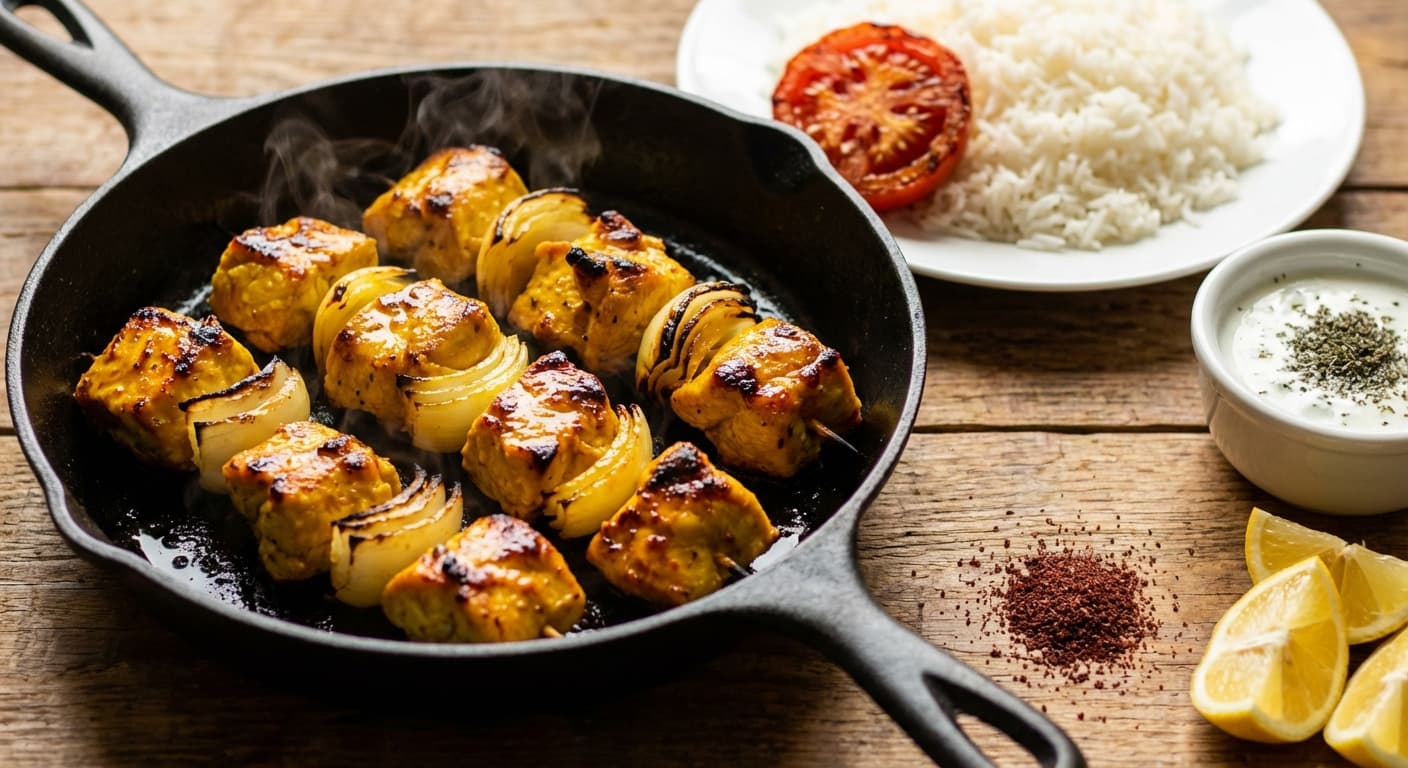
Pan-Seared Joojeh Kebab (جوجه کباب تابهای) — Persian Saffron Skillet Chicken
Persian · Kebabs · 34 min
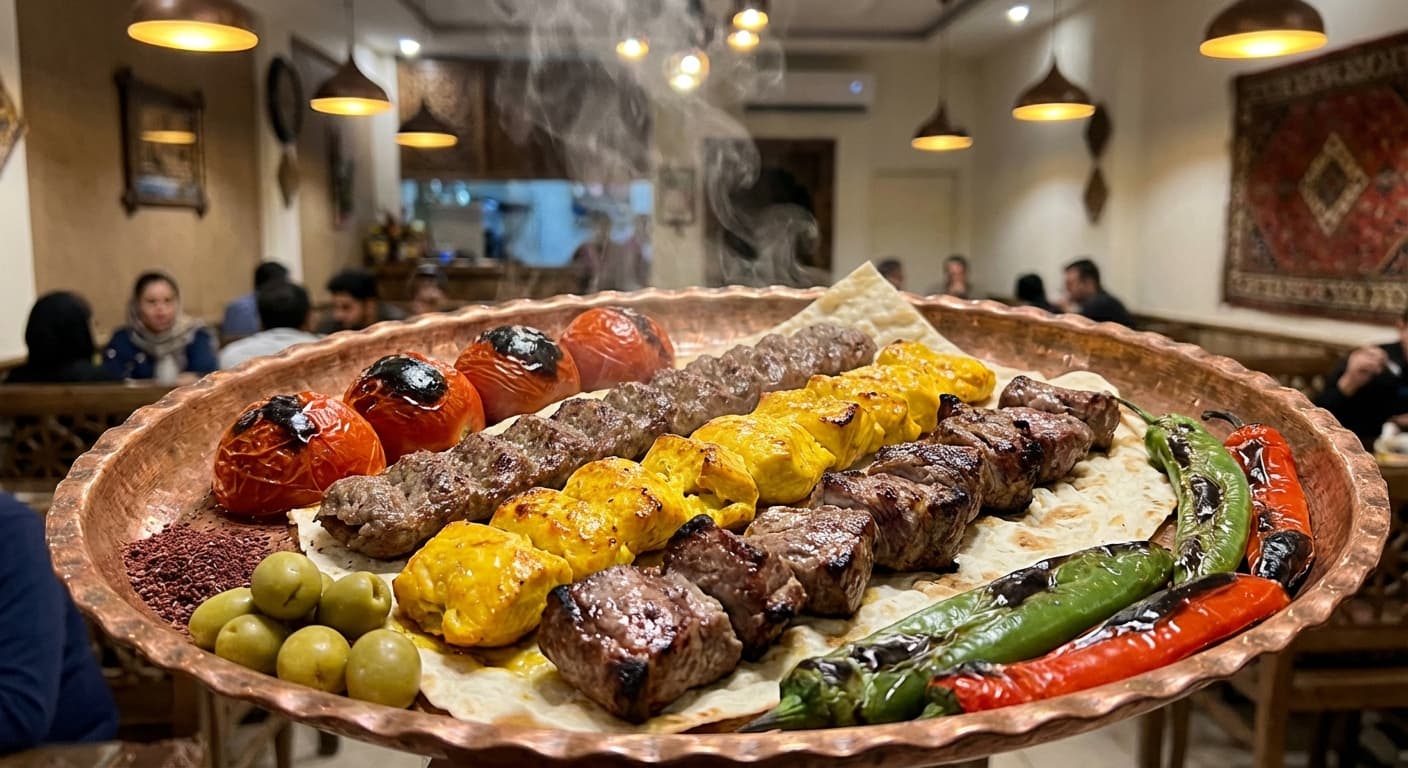
Kabab Vijeh (کباب ویژه) — Royal Persian Mixed Grill Platter
Persian · Kebabs · 70 min
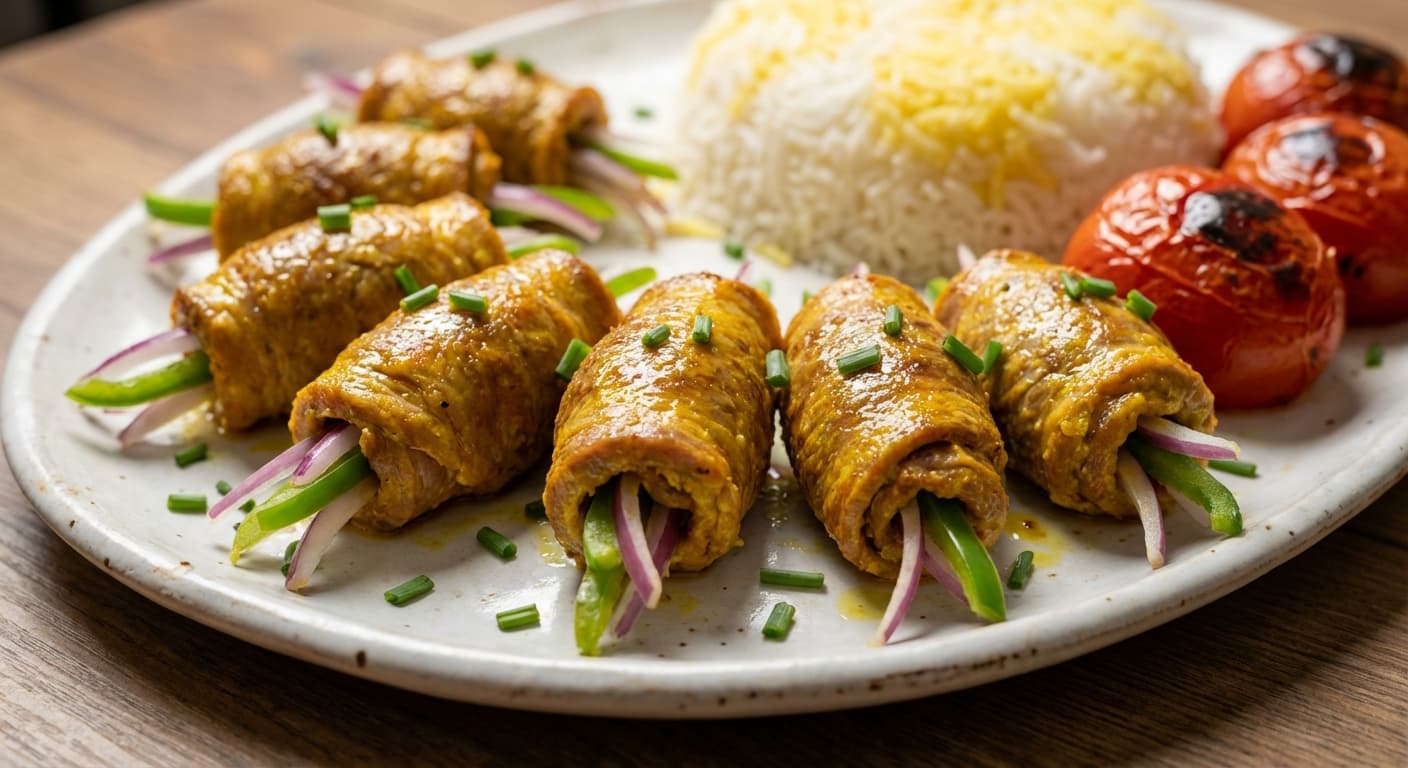
Bulgar Kabab (کباب بلغار) — Persian Rolled Saffron Fillets
Persian · Kebabs · 37 min
Japanese Oyakodon (親子丼) — Chicken and Egg Rice Bowl
Japanese · Rice Dishes · 29 min
Cantonese Chicken Congee (粵式雞粥) — Silky Rice Porridge with Ginger
Chinese · Rice Dishes · 95 min
Chicken Chygyrtma (Toyuq Çığırtması) — Azerbaijani Chicken with Eggs and Tomatoes
Azerbaijani · Main Courses · 65 min
Turkish Cağ Kebab (Cağ Kebabı) — Erzurum Slow-Roasted Charcoal Lamb Skewer
Turkish · Kebabs · 160 min
Aabgoosht-e Giahi (آبگوشت گیاهی) — Persian Vegetarian Stone Soup
Persian · Stews · 990 min
Reviews
Cooked this recipe?
Tap the stars to rate it — that's all it takes. A few words are welcome but optional.
No ratings yet. Cooked this one? Be the first to rate it — it takes one tap.