Reshteh Polo (رشته پلو) — Persian Noodle Rice with Saffron Lamb
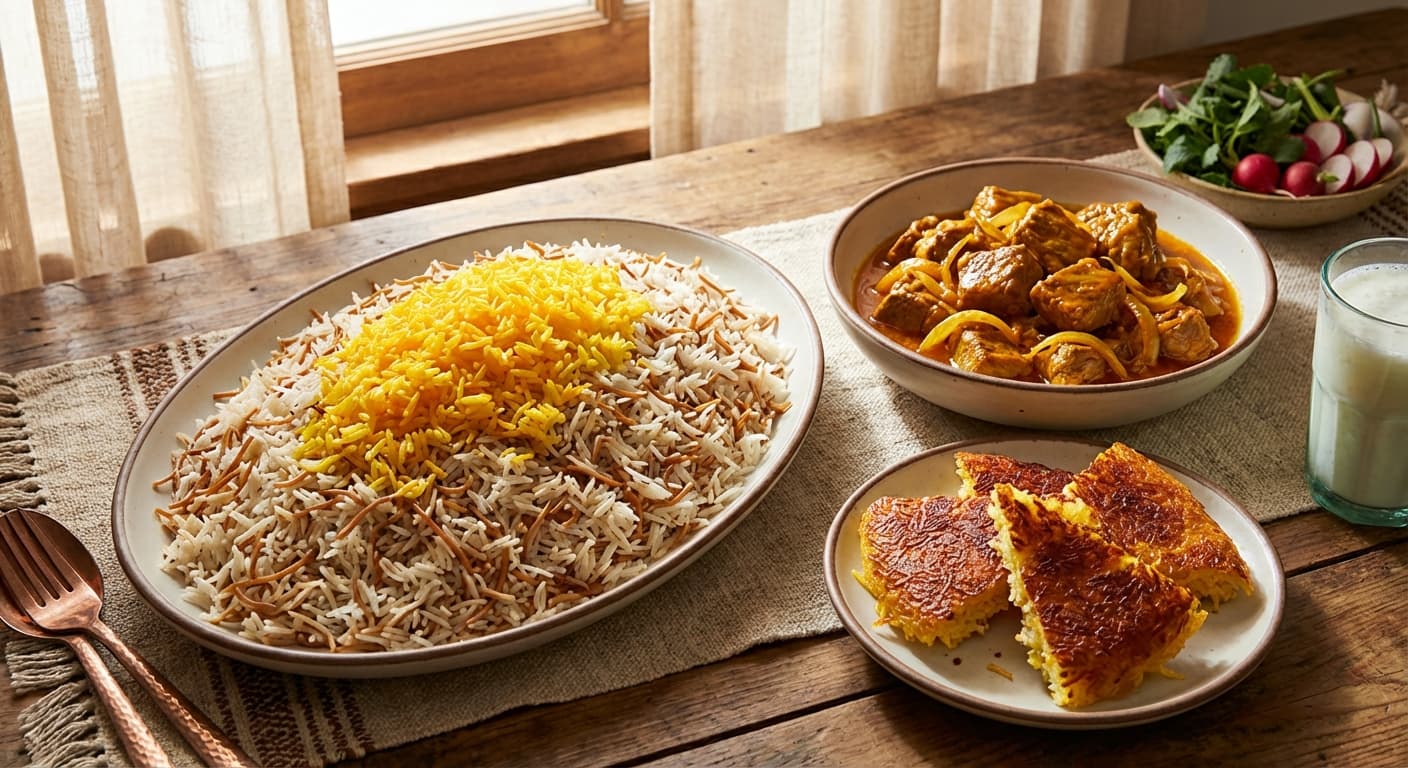
Reshteh Polo is a Nowruz favorite, symbolizing “holding the threads of life” as noodles weave through fragrant basmati rice. Served with saffron lamb and sweet onions, it’s a celebratory, deeply aromatic Persian centerpiece.
Printable Recipe Card
Servings: 6 · Total: 140 min · Difficulty: medium
Ingredients (quick list)
- 450 g Basmati rice (white, aged) (Rinsed until water runs mostly clear)
- 150 g Persian reshteh noodles (Broken into 5–7 cm pieces)
- 60 ml Vegetable oil (Divided)
- 18 g Fine sea salt (For boiling water and seasoning)
- 2 tsp Ground turmeric (Divided)
- 800 g Lamb leg meat (boneless), cut into 3 cm cubes (Trim excess surface fat)
- 300 g Yellow onions, thinly sliced (About 2 medium)
- 2 leaf Bay leaf (Dried)
- 900 ml Water (Plus more for parboiling rice)
- 0.3 g Saffron threads (Finely ground)
- 60 ml Hot water (for blooming saffron) (Just off the boil)
Steps (summary)
- Bloom the saffron by grinding the threads to a fine powder, then stirring in 60 ml hot water. Cover and let it steep for 15 min…
- Rinse the basmati rice several times until the water runs mostly clear, then soak it in plenty of cool water with 10 g of the s…
- Heat 30 ml of the vegetable oil in a heavy pot over medium-high heat and add the sliced onions. Cook for 10–12 minutes, stirrin…
- Add the lamb cubes to the pot and sprinkle with 1 tsp turmeric and 4 g of the remaining salt. Sear for 6–8 minutes, turning to…
- Add 900 ml water and the bay leaves, scraping the bottom to release any browned bits. Bring to a boil, then cover and simmer on…
- While the lamb simmers, toast the reshteh noodles in a dry skillet over medium heat for 3–5 minutes until a shade darker and nu…
+ 7 more steps in the full instructions section below.
Cultural Background
A beloved Nowruz dish, Reshteh Polo is served to symbolize grasping the “threads” of destiny in the new year. The interlaced noodles and rice represent continuity and good fortune, often paired with saffron-scented meat for celebration.
Equipment
💡 Tips
- Toast the reshteh until nutty but not dark brown; 1–2 shades deeper is enough to avoid bitterness.
- Keep the rice al dente during parboil; the final steaming finishes cooking and preserves long, separate grains.
- For a stronger saffron aroma, warm the bloomed saffron briefly over very low heat for 30 seconds before using.
⚠️ Common Mistakes
❌ Overcooking the rice during parboil so it turns mushy after steaming.
✅ Fix: Boil until al dente with a firm center, then drain promptly and steam to finish.
❌ Skipping noodle toasting or toasting too dark.
✅ Fix: Toast 3–5 minutes until nutty and lightly deepened in color; stir constantly to prevent scorching.
❌ Watery lamb sauce that soaks the rice.
✅ Fix: Simmer uncovered 5–10 minutes to reduce, and serve sauce mostly on the lamb rather than pouring over all the rice.
🧊 How to Store
Cool rice and lamb within 1 hour, then refrigerate airtight up to 3 days. Reheat rice covered with 30 ml water in a pot on low for 12–15 minutes; rewarm lamb and sauce gently on the stove so the meat stays tender.
📅 Make Ahead
Toast the noodles up to 3 days ahead and store airtight at room temperature. The lamb can be braised 1 day ahead and refrigerated in its sauce; reheat gently, then cook and steam the rice fresh for best texture.
🍽️ Pairs Well With
- Mast-o-khiar
- Shirazi salad
- torshi
- sabzi khordan
- pickled garlic.
Regional Variations
- Some Tehran-style versions add 60 g raisins sautéed with onions for a sweet contrast alongside the lamb.
- In a few households, a pinch of ground cinnamon (0.25 tsp) is added to the lamb braise for a warmer holiday aroma.
- Chicken thighs are sometimes used instead of lamb for a lighter, faster Nowruz table.
Ingredients
- 450 gBasmati rice (white, aged) (Rinsed until water runs mostly clear)
- 150 gPersian reshteh noodles (Broken into 5–7 cm pieces)
- 60 mlVegetable oil (Divided)
- 18 gFine sea salt (For boiling water and seasoning)
- 2 tspGround turmeric (Divided)
- 800 gLamb leg meat (boneless), cut into 3 cm cubes (Trim excess surface fat)
- 300 gYellow onions, thinly sliced (About 2 medium)
- 2 leafBay leaf (Dried)
- 900 mlWater (Plus more for parboiling rice)
- 0.3 gSaffron threads (Finely ground)
- 60 mlHot water (for blooming saffron) (Just off the boil)
🔄 Substitutions
- Persian reshteh noodles→ Thin vermicelli noodles
- Lamb leg meat→ Beef chuck
- Vegetable oil→ Ghee
Instructions
- 1
Bloom the saffron by grinding the threads to a fine powder, then stirring in 60 ml hot water. Cover and let it steep for 15 minutes so the color and aroma fully develop.
- 2
Rinse the basmati rice several times until the water runs mostly clear, then soak it in plenty of cool water with 10 g of the salt for 20 minutes. Soaking helps the grains elongate and cook evenly, which is essential for fluffy Reshteh Polo.
- 3
Heat 30 ml of the vegetable oil in a heavy pot over medium-high heat and add the sliced onions. Cook for 10–12 minutes, stirring often, until deeply golden and sweet, then push them to one side of the pot.
- 4
Add the lamb cubes to the pot and sprinkle with 1 tsp turmeric and 4 g of the remaining salt. Sear for 6–8 minutes, turning to brown several sides, because browning builds the savory base that perfumes the rice.
- 5
Add 900 ml water and the bay leaves, scraping the bottom to release any browned bits. Bring to a boil, then cover and simmer on low for 60–70 minutes until the lamb is tender and the broth is lightly reduced.
- 6
While the lamb simmers, toast the reshteh noodles in a dry skillet over medium heat for 3–5 minutes until a shade darker and nutty-smelling. Stir constantly so they toast evenly and do not scorch, then set aside to cool.
- 7
Bring a large pot of water to a rolling boil and add the remaining 4 g salt. Drain the soaked rice and add it to the boiling water, cooking for 5 minutes, then add the toasted noodles and cook 2–3 minutes more until the rice is al dente with a firm center.
- 8
Drain the rice and noodles in a colander and rinse quickly with 250 ml cool water to stop the cooking and remove excess surface starch. Let it drain for 5 minutes so the final dish steams rather than turns soggy.
- 9
Return the rice pot to the stove and add 30 ml vegetable oil and 2 tbsp (30 ml) water to help form a crisp tahdig. Spoon in a layer of the rice-noodle mixture, then mound the rest into a gentle pyramid to encourage even steaming.
- 10
Use the handle of a spoon to poke 5–6 holes down to the bottom of the pot to vent steam. Cover the lid with a clean towel, place it on the pot, and steam on medium heat for 10 minutes, then reduce to low and steam 35 minutes more.
- 11
When the lamb is tender, remove the bay leaves and stir in 45 ml of the bloomed saffron water, reserving 15 ml for the rice. Simmer uncovered for 5 minutes so the sauce becomes glossy and saffron-scented without turning watery.
- 12
Transfer 120 g of the cooked rice-noodle mixture to a bowl and mix it with the reserved 15 ml saffron water to create saffron rice for garnish. Fluff the remaining rice gently in the pot with a fork to separate grains without breaking them.
- 13
Serve the Reshteh Polo on a platter, topping it with the saffron rice and arranging the saffron lamb and onions alongside or over the center. If you want tahdig, loosen the bottom crust with a spatula and plate it separately, because it softens quickly once covered.
🪪 Recipe Passport
Cultural Background
A beloved Nowruz dish, Reshteh Polo is served to symbolize grasping the “threads” of destiny in the new year. The interlaced noodles and rice represent continuity and good fortune, often paired with saffron-scented meat for celebration.
Regional Variations
Researched from multiple sources and validated by the Zaffaron editorial team. Every recipe is tested for accuracy, measurements, and cultural authenticity.
Nutrition per serving
Pairs well with
If you enjoyed this recipe, here are a few related Zaffaron recipes to try next.
- Sabzi Polo ba Tahchin-e Morgh-e Torsh (سبزی پلو با تهچین مرغ ترش) — Tart Herb Rice with Saffron Chicken Tahchin
- Shensel Shotormorgh (شنسل شترمرغ) — Persian Saffron Ostrich Schnitzel
- Roasted Beef Bone Broth (عصاره گوشت) — Persian Roasted Marrow Bone Elixir
- Roulat-e Esfenaj (رولت اسفناج) — Persian Spinach & Cream Cheese Roll
Does your family make this differently?
Every family has their own version. Maybe your grandmother adds a secret ingredient, or your aunt has a completely different technique. Preserve your family's version — with their name on it, forever.
You Might Also Like
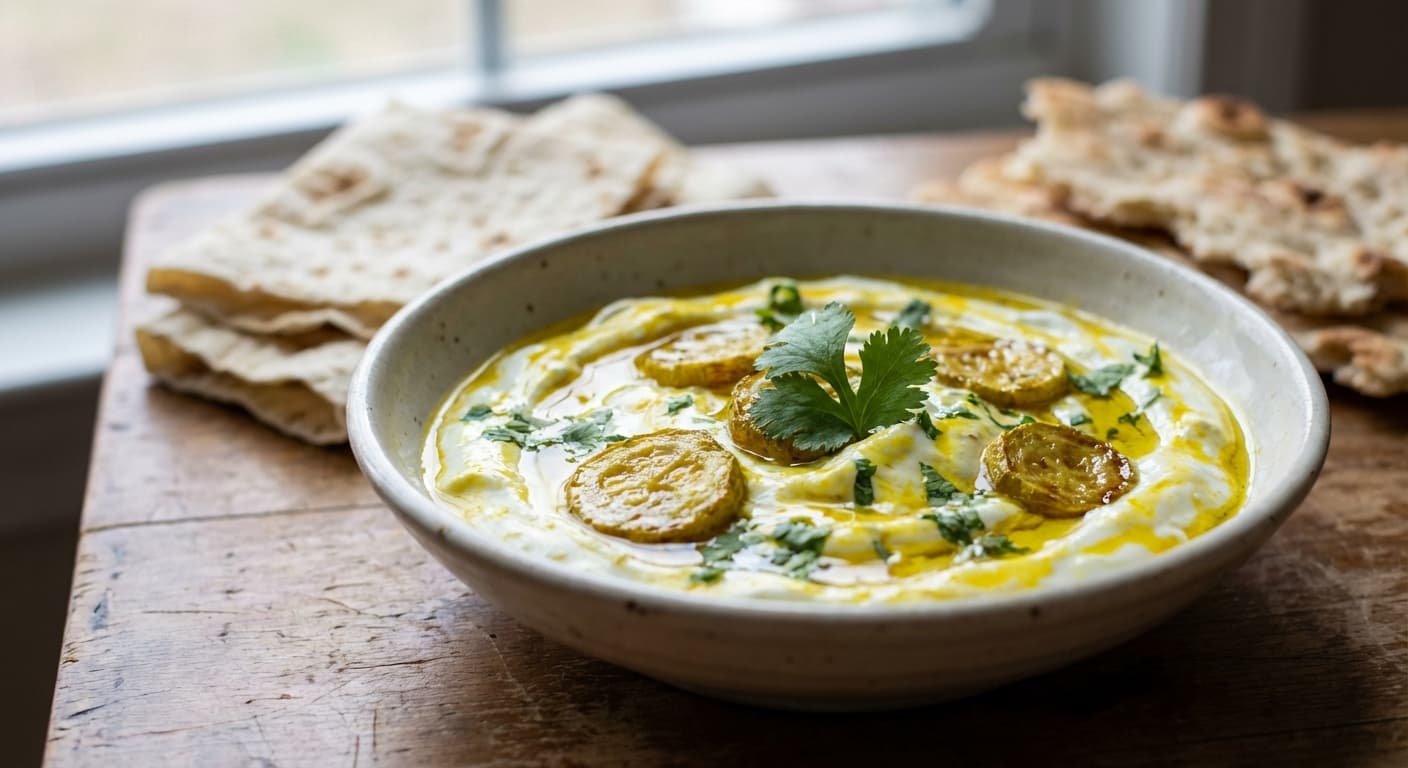
Borani Kadu (بورانی کدو) — Saffron-Infused Zucchini and Yogurt Dip
Persian · Appetizers · 40 min
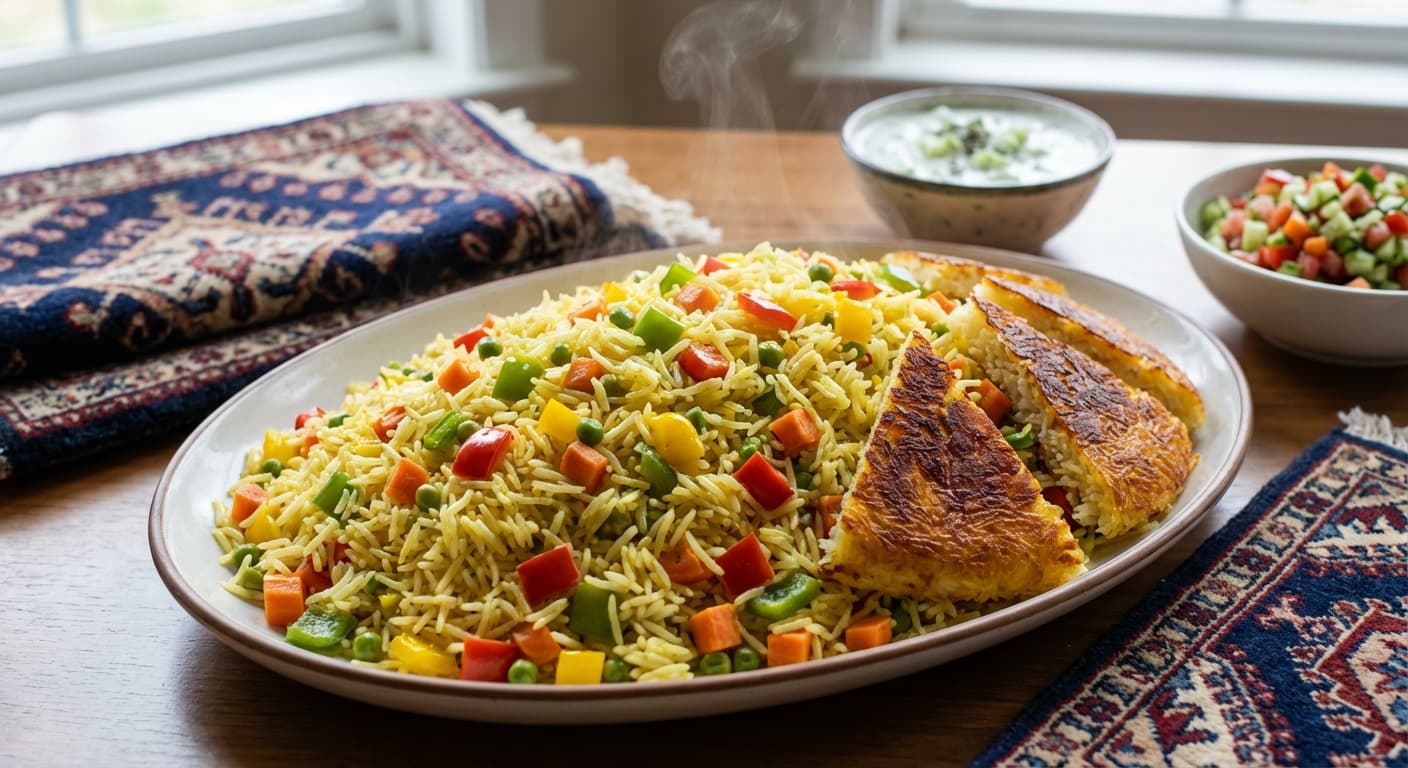
Mixed Vegetable Rice (برنج با مخلوط سبزیجات) — Persian-Style Aromatic Pilaf
Persian · Rice Dishes · 75 min
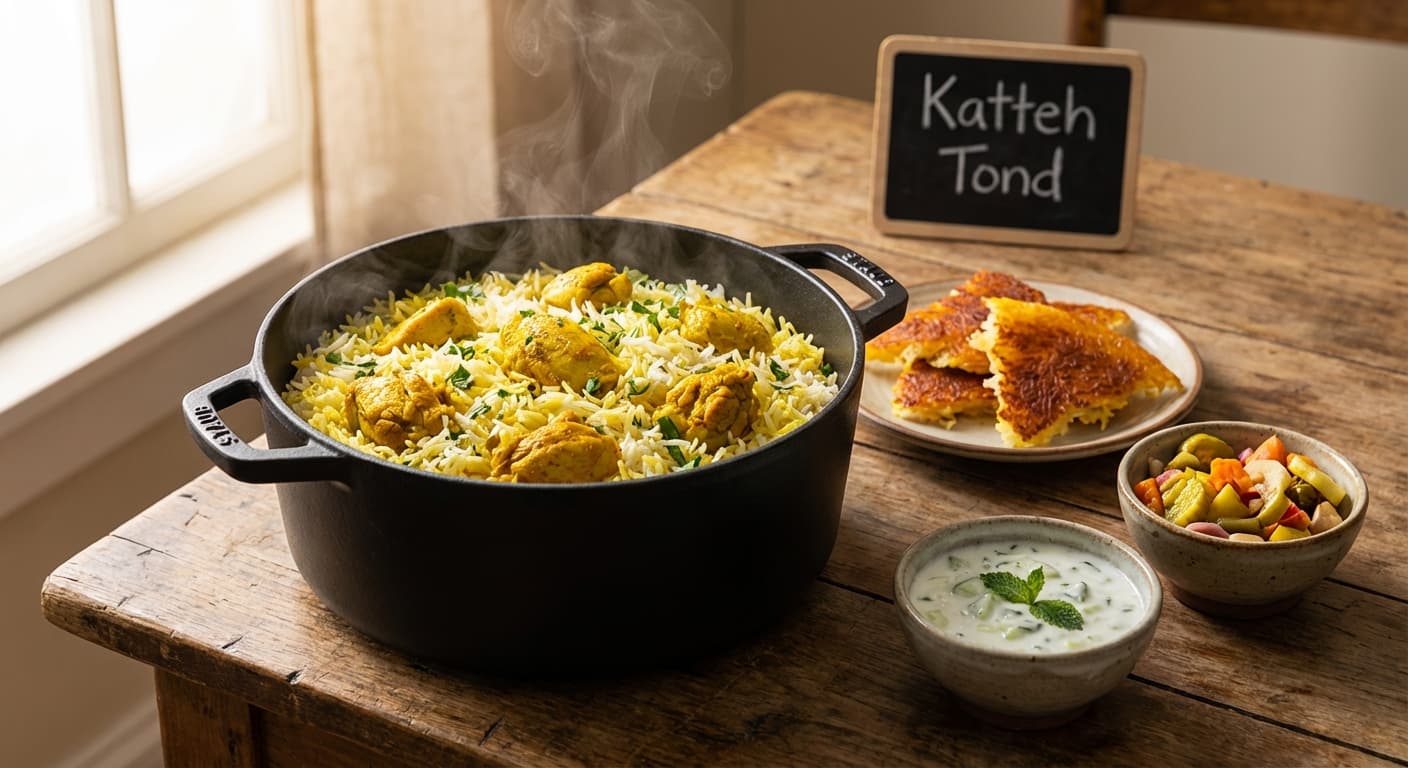
Katteh Tond (کته تند) — Spicy Caspian-Style One-Pot Chicken Rice
Persian · Rice Dishes · 85 min
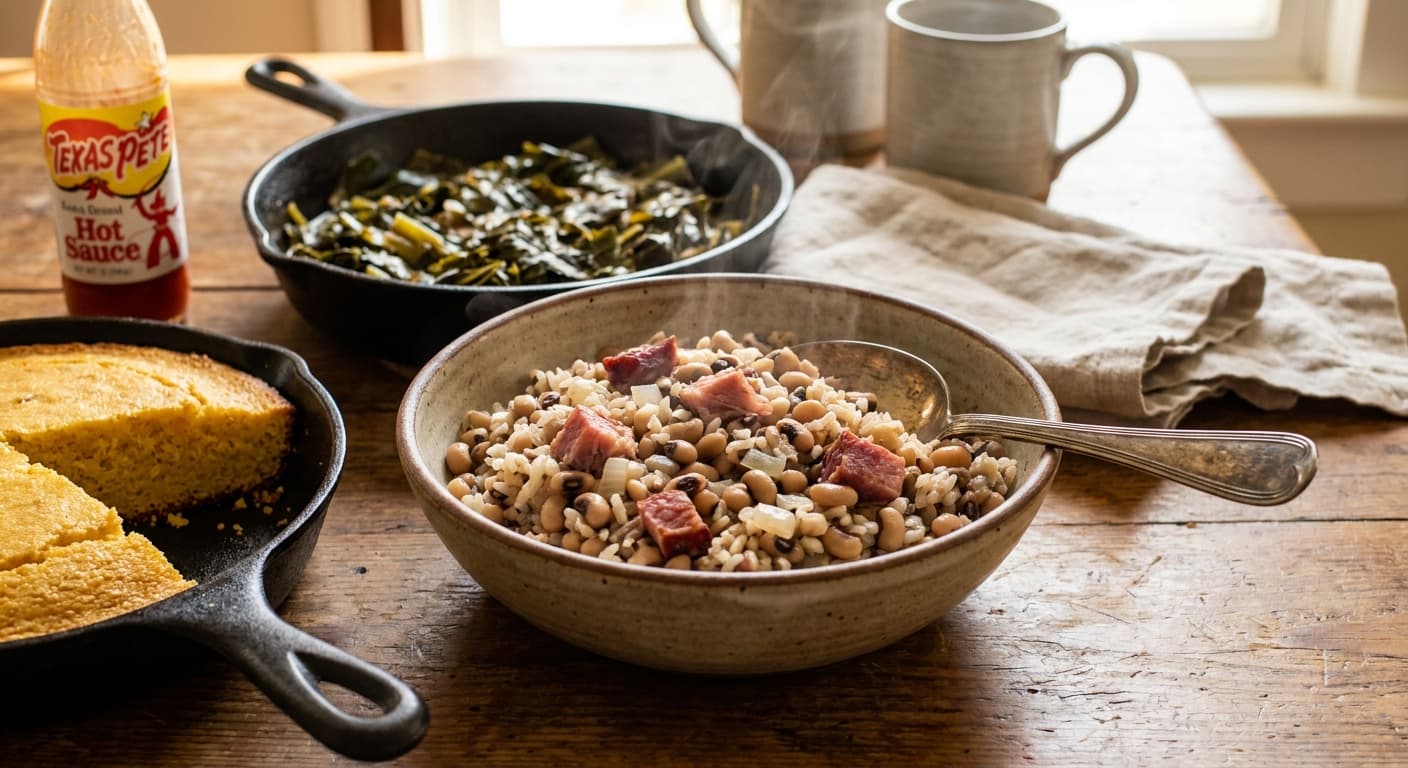
Hoppin' John (Hoppin' John) — Southern Black-Eyed Peas and Rice
American · Rice Dishes · 115 min
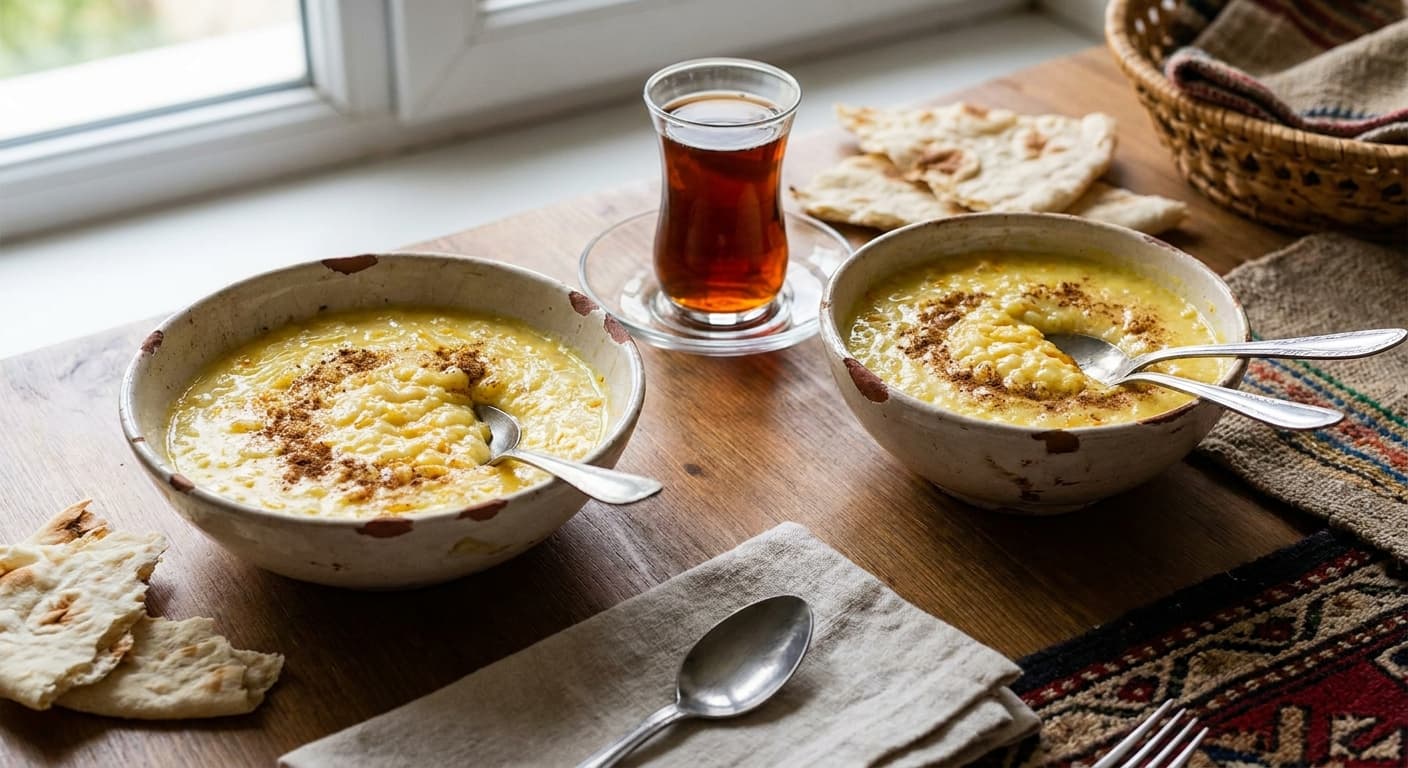
Azerbaijani Milk-Rice Porridge (Südlü Sıyıq) — Creamy Breakfast Rice with Saffron
Azerbaijani · Rice Dishes · 50 min
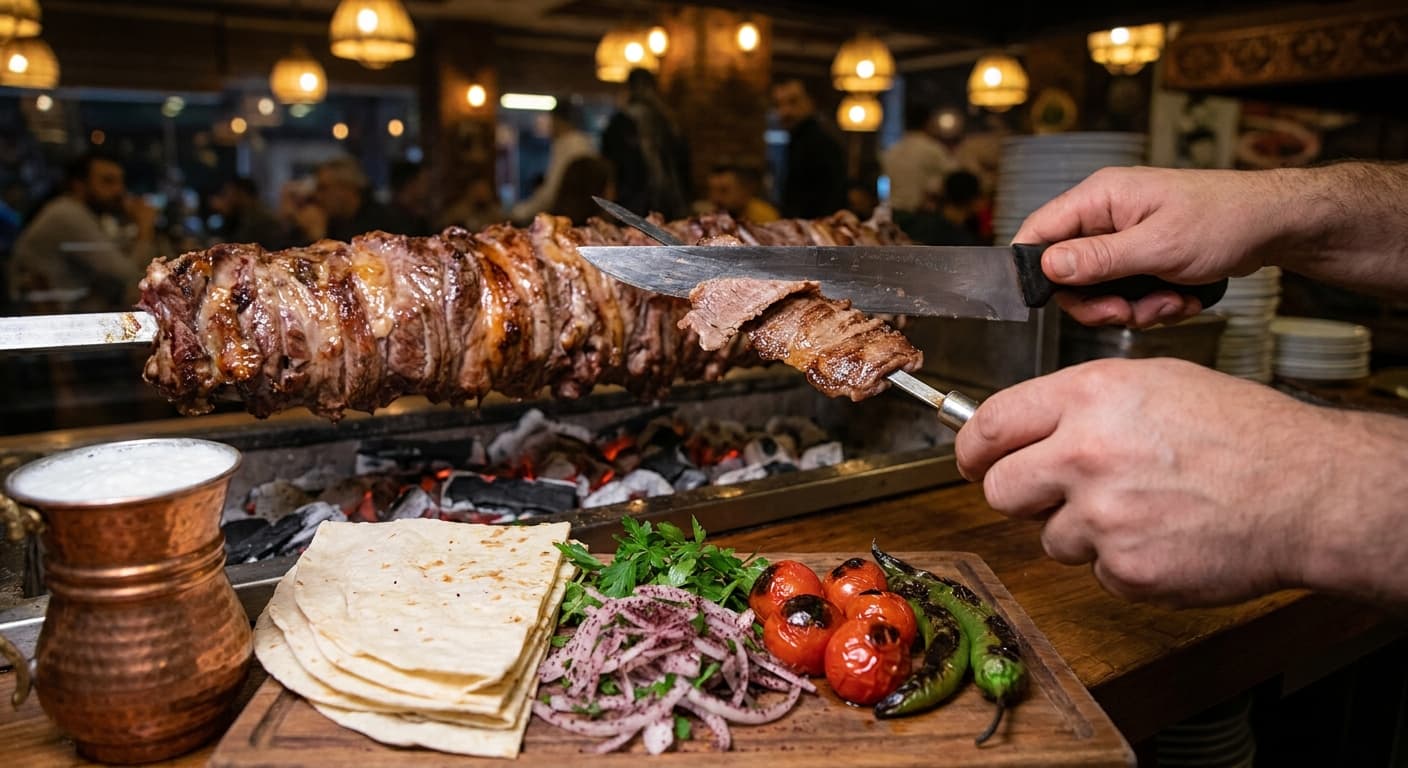
Turkish Cağ Kebab (Cağ Kebabı) — Erzurum Slow-Roasted Charcoal Lamb Skewer
Turkish · Kebabs · 160 min
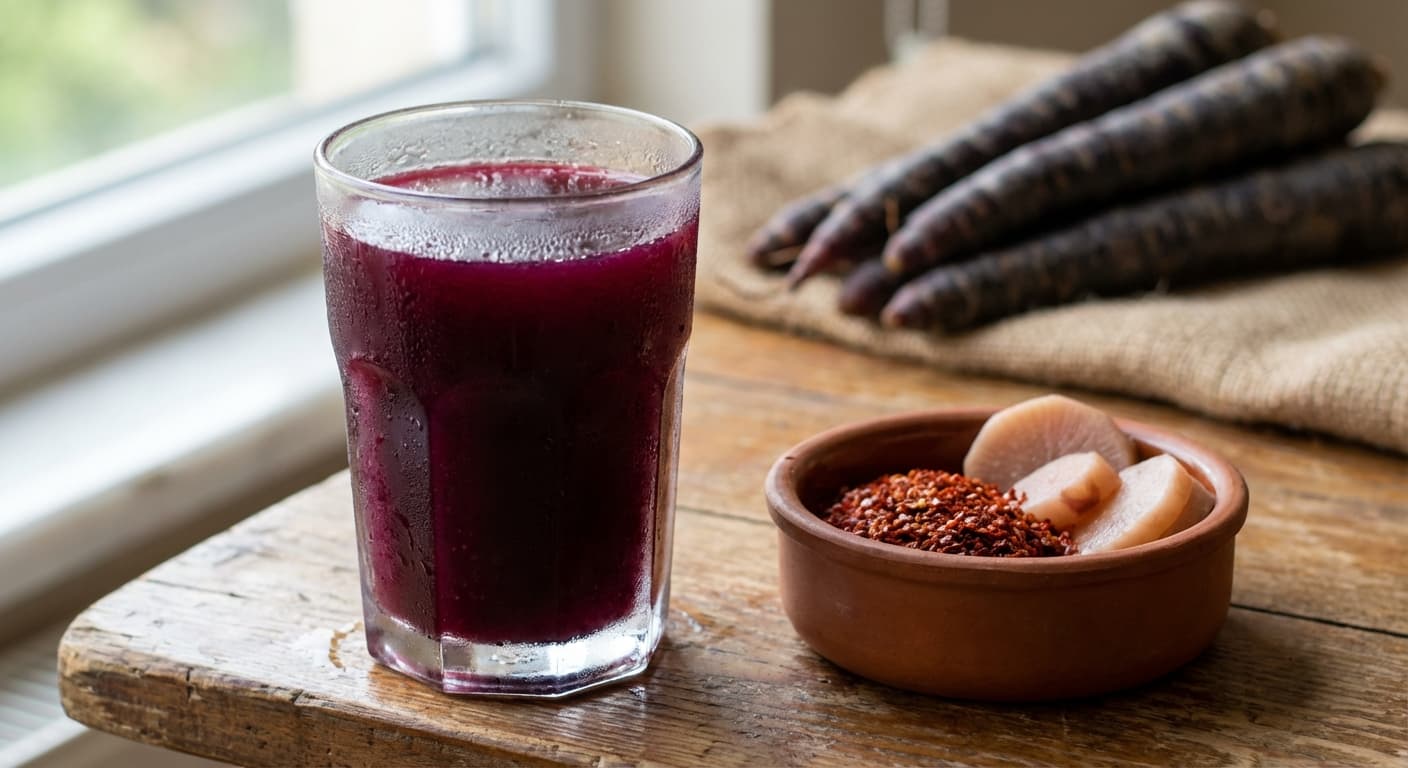
Salgam Juice (Şalgam) — Spicy, tangy fermented black-carrot drink
Turkish · Drinks · 25 min
Sabzi Chalaw (سبزی چلو) — Afghan Herb Rice with Meat Stew
Afghan · Rice Dishes · 130 min
Reviews
Cooked this recipe?
Tap the stars to rate it — that's all it takes. A few words are welcome but optional.
No ratings yet. Cooked this one? Be the first to rate it — it takes one tap.