Roasted Beef Bone Broth (عصاره گوشت) — Persian Roasted Marrow Bone Elixir
Asareh Goosht is a classic Persian restorative broth, traditionally simmered for hours to extract collagen and deep flavor from roasted bones and herbs. Served warm and clear, it’s prized for comfort, strength, and gentle nourishment.
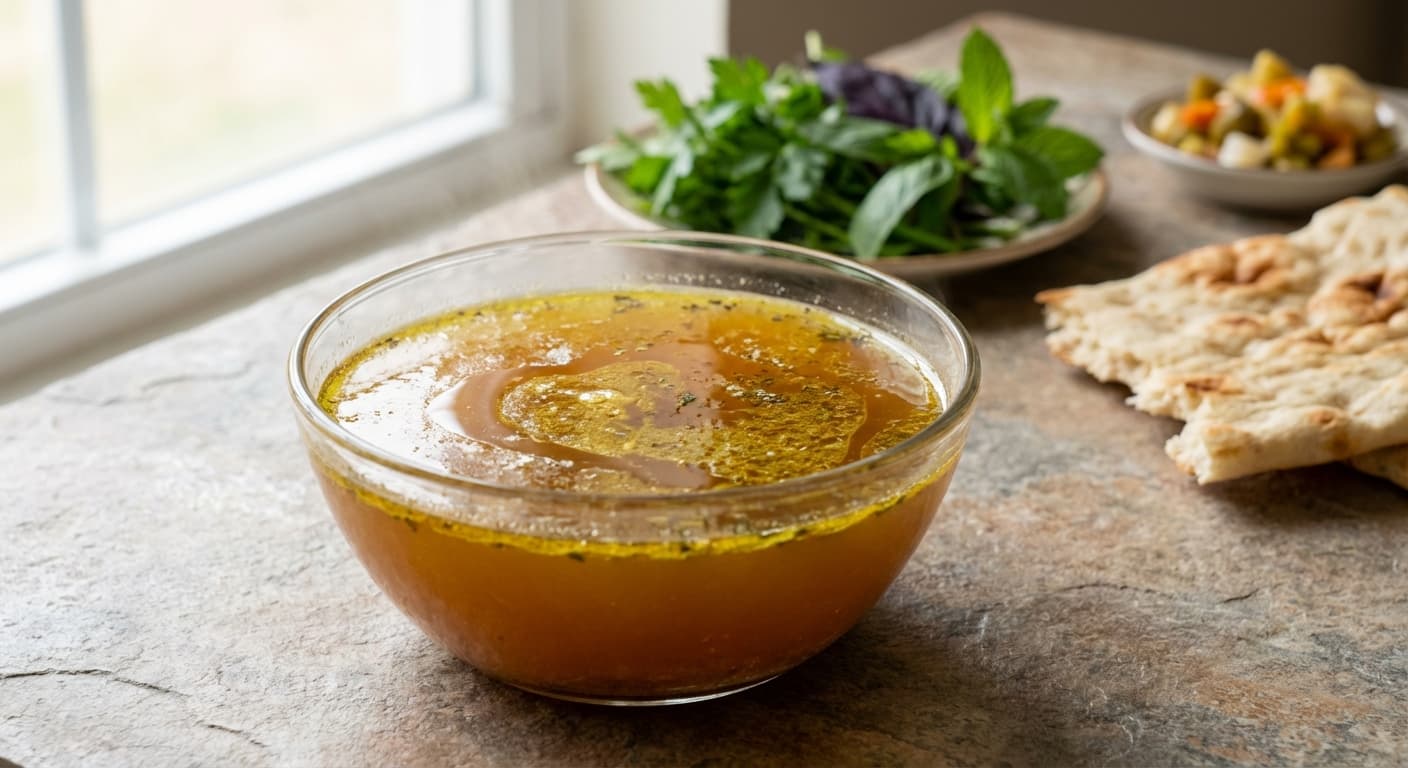
Printable Recipe Card
Servings: 8 · Total: 565 min · Difficulty: medium
Ingredients (quick list)
- 2000 g beef marrow bones (mixed knuckle and marrow bones) (cut into 5–8 cm pieces if possible)
- 300 g onion (1 large, quartered)
- 200 g carrots (2 medium, cut into large chunks)
- 150 g leek (white and light-green parts, split and rinsed well)
- 150 g celery (2–3 stalks, cut into large chunks)
- 2 leaf bay leaf
- 2 tsp black peppercorns (whole)
- 20 g fresh parsley (stems and leaves, tied into a bundle)
- 15 g fresh basil (tied into a bundle)
- 3500 ml water (cold)
Steps (summary)
- Preheat the oven to 220°C. Arrange the beef bones in a single layer on a sturdy roasting tray so they brown rather than steam.
- Roast the bones for 35 minutes, turning them once halfway through for even color. Continue roasting for 10 more minutes if need…
- Transfer the roasted bones to a large stockpot (at least 6 liters). Pour 250 ml of the measured water into the roasting tray an…
- Add the onion, carrots, leek, and celery to the pot, spacing them around the bones. Pour in the remaining water so the bones ar…
- Set the pot over medium-high heat and bring it just to a gentle simmer; this should take about 20–30 minutes. As foam rises, sk…
- Add the bay leaves and black peppercorns, then reduce the heat to low. Maintain a bare simmer (small bubbles, not a rolling boi…
+ 3 more steps in the full instructions section below.
Cultural Background
In Persian home cooking, Asareh Goosht is valued as a strengthening broth served to guests, elders, and anyone needing comfort. Its long simmer reflects the Iranian tradition of patient, layered cooking that turns simple bones and herbs into nourishment.
Equipment
💡 Tips
- For a clearer broth, keep the simmer under 95°C and skim the first 45 minutes carefully.
- Roasting until deep brown (not pale) is the key to the signature nutty, restorative flavor.
- If you want a firmer gel when chilled, include more knuckle/joint bones within the 2000 g total.
⚠️ Common Mistakes
❌ Boiling the broth hard for hours, making it cloudy and greasy-tasting.
✅ Fix: Keep it at a bare simmer and skim early; strain twice for a clean finish.
❌ Under-roasting the bones, resulting in a flat, pale broth.
✅ Fix: Roast at 220°C until deep brown and deglaze the tray to capture fond.
❌ Adding herbs at the start, turning the broth dull and bitter.
✅ Fix: Add basil and parsley only in the last 30 minutes for a fresh Persian aroma.
🧊 How to Store
Refrigerate strained broth in sealed containers within 2 hours of cooking and use within 4 days. Freeze for up to 3 months in 500 ml portions; thaw overnight in the fridge and reheat gently to 75°C to preserve clarity and aroma.
📅 Make Ahead
Roast the bones and chop the vegetables up to 24 hours ahead, refrigerating them separately. The finished broth improves after chilling overnight, when fat can be removed and the flavor rounds out.
🍽️ Pairs Well With
- Sangak bread
- lavash
- fresh herbs (sabzi khordan)
- torshi
- a squeeze of fresh lemon
- cooked rice (chelow).
Regional Variations
- Tehran-style: kept very clear and lightly aromatic, often served as a simple cup of broth alongside bread and herbs.
- Azeri-influenced: includes extra black peppercorns and more onion for a bolder, sweeter backbone.
- Home-style winter version: simmered longer (up to 10 hours) for a firmer gel and richer mouthfeel when chilled.
Ingredients
- 2000 gbeef marrow bones (mixed knuckle and marrow bones) (cut into 5–8 cm pieces if possible)
- 300 gonion (1 large, quartered)
- 200 gcarrots (2 medium, cut into large chunks)
- 150 gleek (white and light-green parts, split and rinsed well)
- 150 gcelery (2–3 stalks, cut into large chunks)
- 2 leafbay leaf
- 2 tspblack peppercorns (whole)
- 20 gfresh parsley (stems and leaves, tied into a bundle)
- 15 gfresh basil (tied into a bundle)
- 3500 mlwater (cold)
🔄 Substitutions
- fresh basil→ fresh mint
- leek→ yellow onion (additional 150 g)
- celery→ celeriac (150 g)
Instructions
- 1
Preheat the oven to 220°C. Arrange the beef bones in a single layer on a sturdy roasting tray so they brown rather than steam.
- 2
Roast the bones for 35 minutes, turning them once halfway through for even color. Continue roasting for 10 more minutes if needed until the bones are deeply browned with caramelized edges.
- 3
Transfer the roasted bones to a large stockpot (at least 6 liters). Pour 250 ml of the measured water into the roasting tray and scrape up the browned bits, then add that liquid to the pot for extra depth.
- 4
Add the onion, carrots, leek, and celery to the pot, spacing them around the bones. Pour in the remaining water so the bones are fully submerged by at least 2 cm.
- 5
Set the pot over medium-high heat and bring it just to a gentle simmer; this should take about 20–30 minutes. As foam rises, skim 60 ml at a time with a ladle until the surface looks clean and the simmer is steady.
- 6
Add the bay leaves and black peppercorns, then reduce the heat to low. Maintain a bare simmer (small bubbles, not a rolling boil) for 8 hours, partially covered, topping up with 250 ml water if the bones become exposed.
- 7
In the final 30 minutes, add the parsley and basil bundles so the broth stays fragrant rather than grassy. Keep the heat low and avoid vigorous boiling, which can make the broth cloudy and harsh.
- 8
Remove the pot from the heat and let it rest for 15 minutes so sediment settles slightly. Strain through a fine-mesh sieve into a clean pot, then strain once more through a sieve lined with damp cheesecloth for a clear, golden broth.
- 9
Cool the broth quickly by placing the pot in an ice bath and stirring for 10 minutes, then refrigerate. Once chilled, lift off the fat cap and reserve 30 g for cooking if desired, leaving the broth clean and collagen-rich.
🪪 Recipe Passport
Cultural Background
In Persian home cooking, Asareh Goosht is valued as a strengthening broth served to guests, elders, and anyone needing comfort. Its long simmer reflects the Iranian tradition of patient, layered cooking that turns simple bones and herbs into nourishment.
Regional Variations
Researched from multiple sources and validated by the Zaffaron editorial team. Every recipe is tested for accuracy, measurements, and cultural authenticity.
Nutrition per serving
Pairs well with
If you enjoyed this recipe, here are a few related Zaffaron recipes to try next.
Does your family make this differently?
Every family has their own version. Maybe your grandmother adds a secret ingredient, or your aunt has a completely different technique. Preserve your family's version — with their name on it, forever.
You Might Also Like
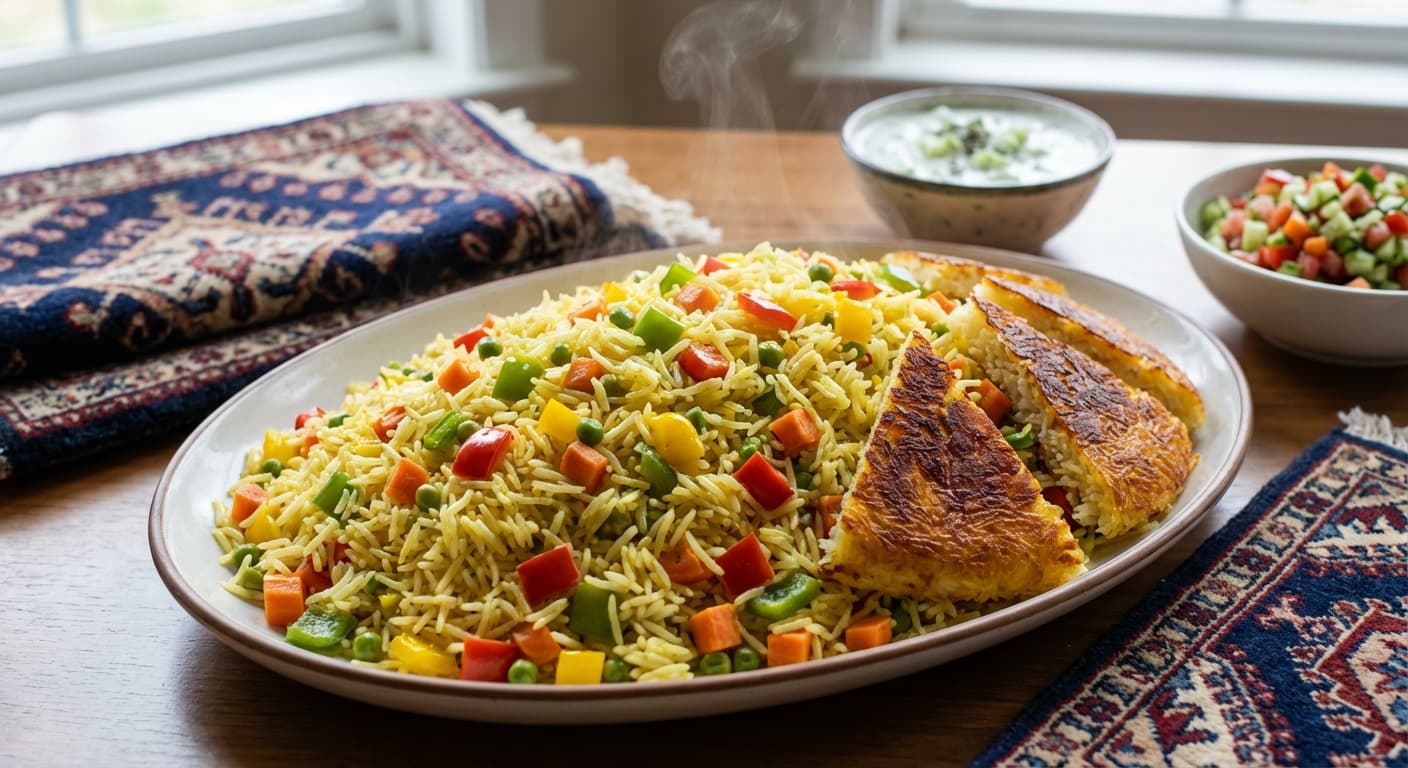
Mixed Vegetable Rice (برنج با مخلوط سبزیجات) — Persian-Style Aromatic Pilaf
Persian · Rice Dishes · 75 min
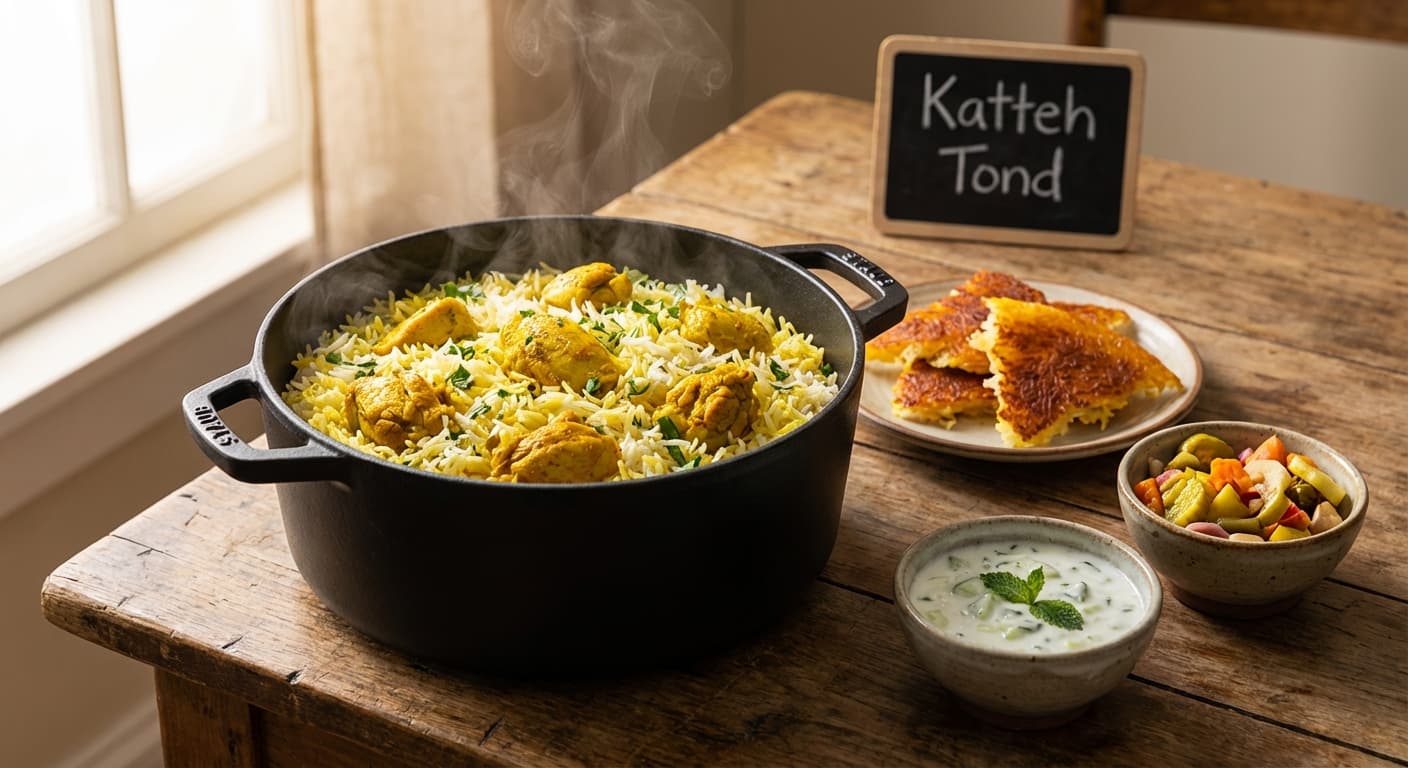
Katteh Tond (کته تند) — Spicy Caspian-Style One-Pot Chicken Rice
Persian · Rice Dishes · 85 min
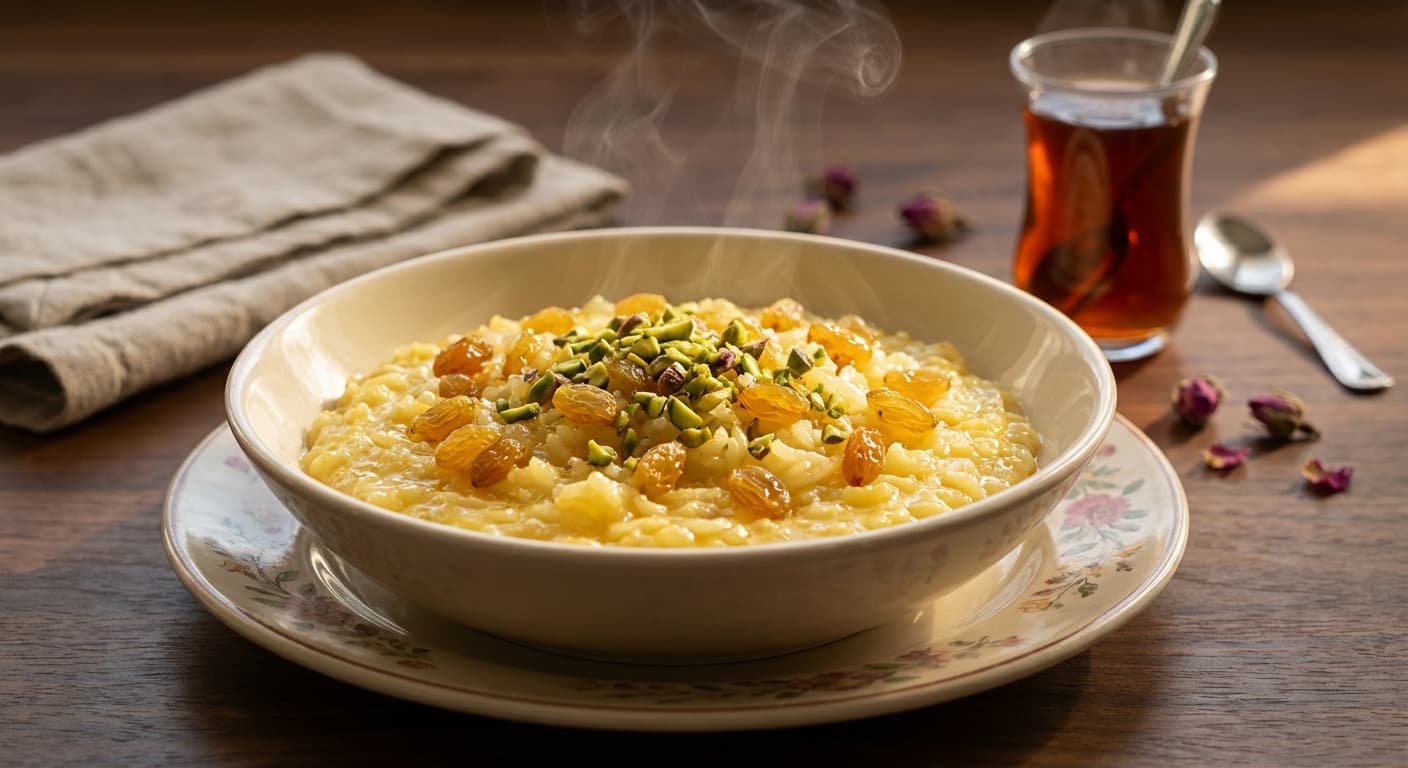
Saffron Sweet Rice (پلو شیرینی زعفرانی) — Festive Persian milk-saffron rice with nuts
Persian · Rice Dishes · 75 min
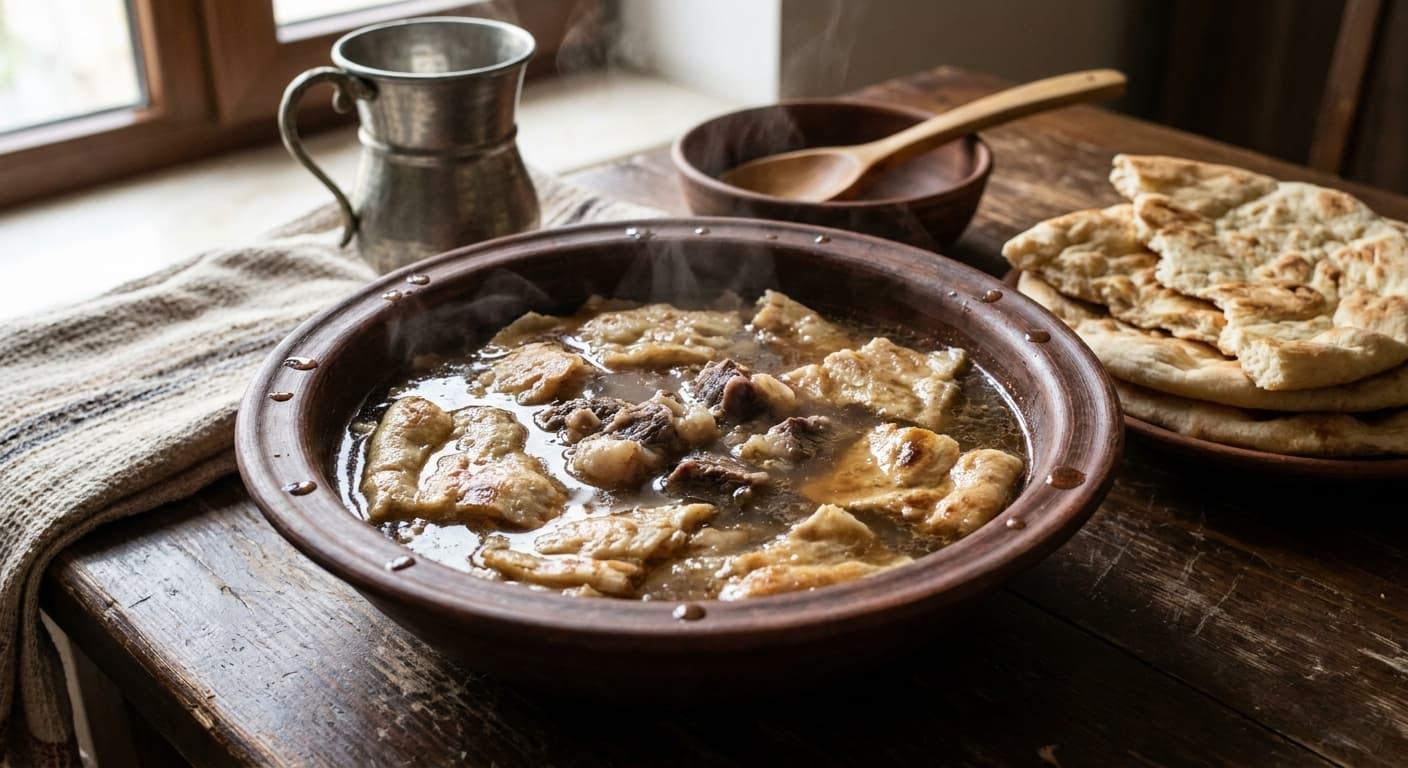
Dogroma (Dograma) — Turkmen Mutton and Bread Broth
Turkmen · Soups · 175 min
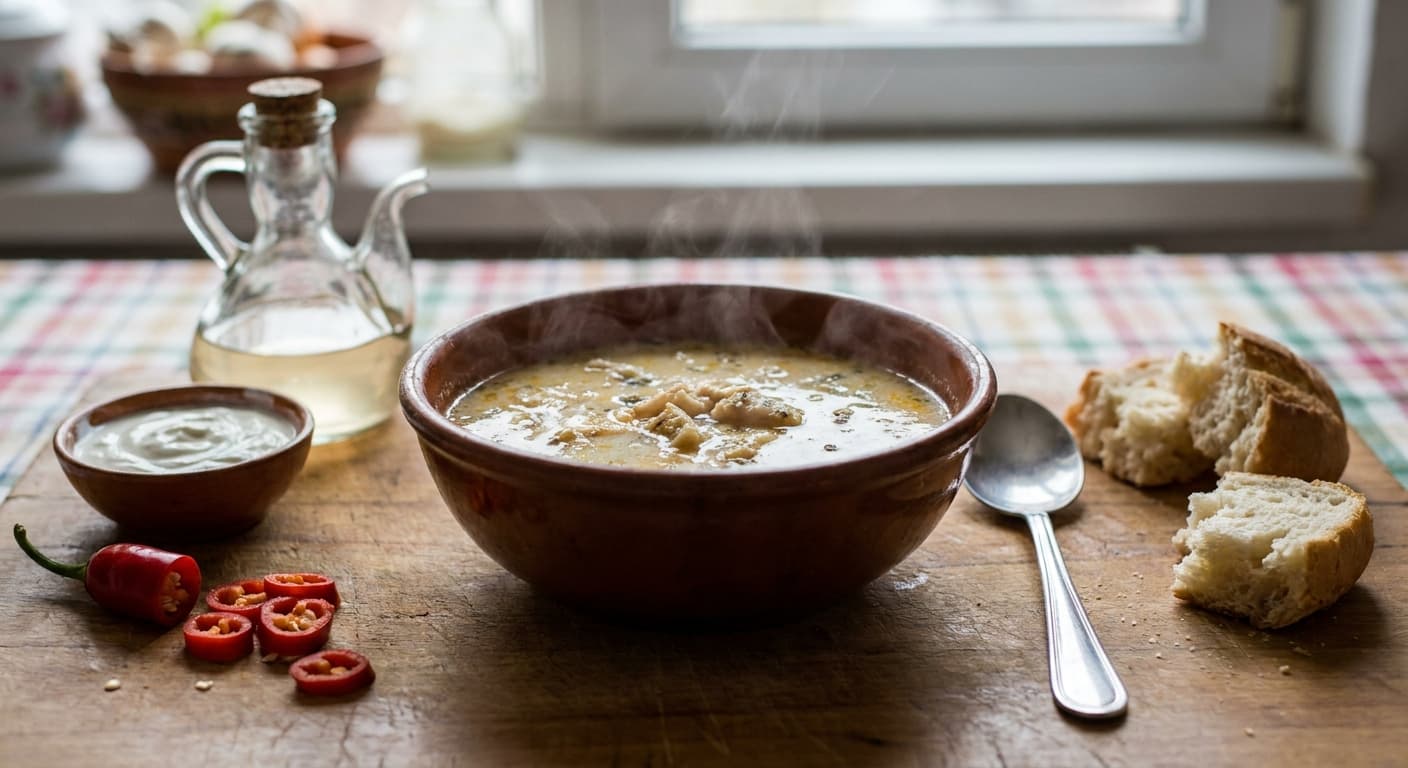
Romanian Tripe Soup (Ciorbă de burtă) — Creamy Sour Beef Tripe Soup
Romanian · Soups · 270 min
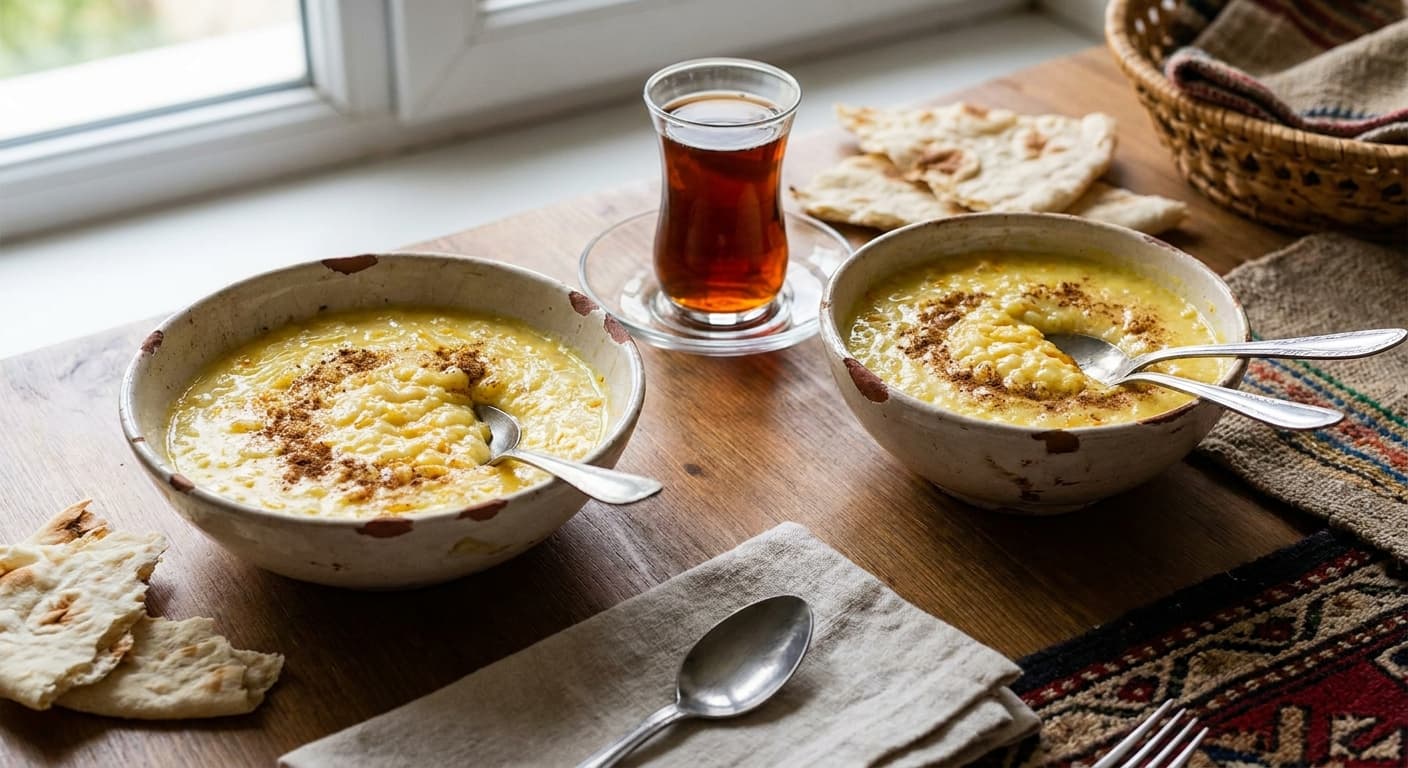
Azerbaijani Milk-Rice Porridge (Südlü Sıyıq) — Creamy Breakfast Rice with Saffron
Azerbaijani · Rice Dishes · 50 min
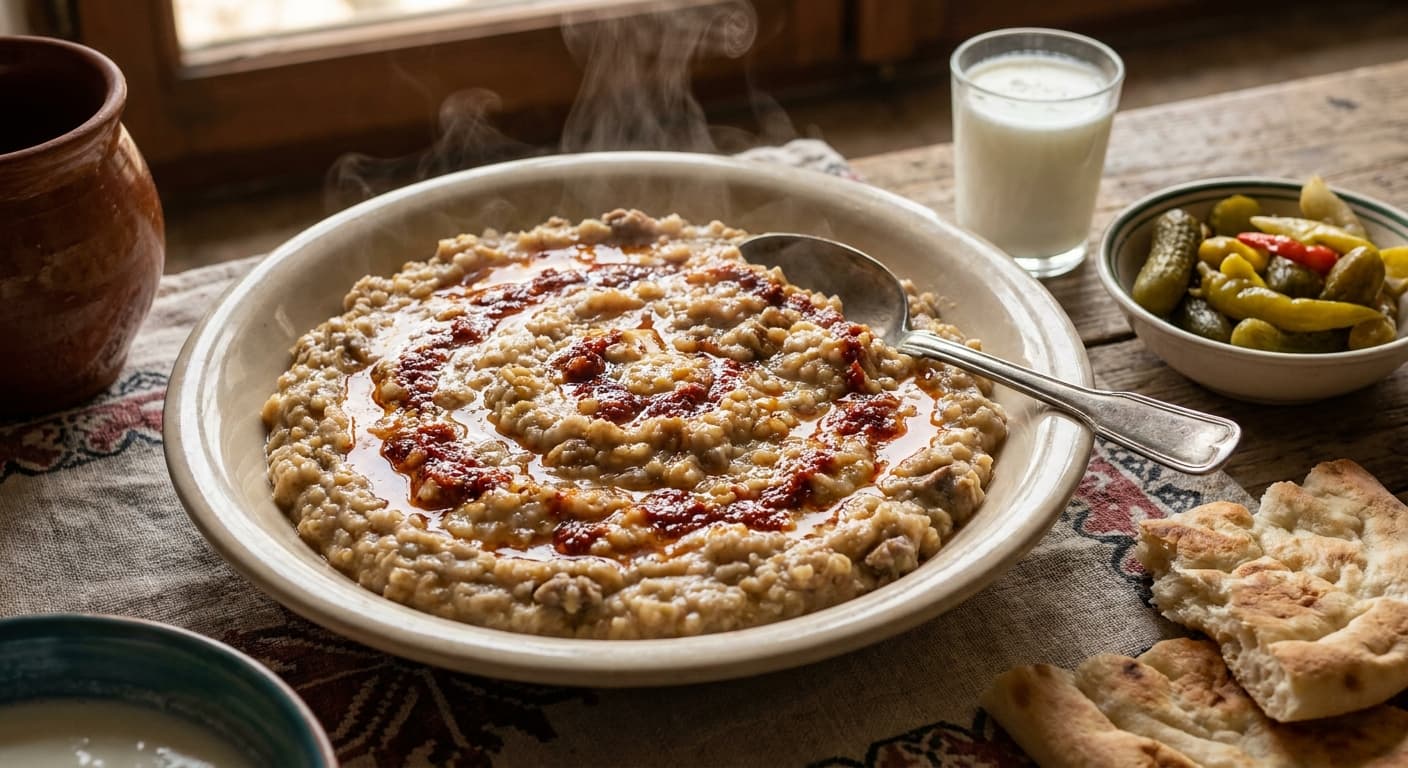
Keshkek (Keşkek) — Creamy Ceremonial Wheat and Lamb Stew
Turkish · Stews · 240 min
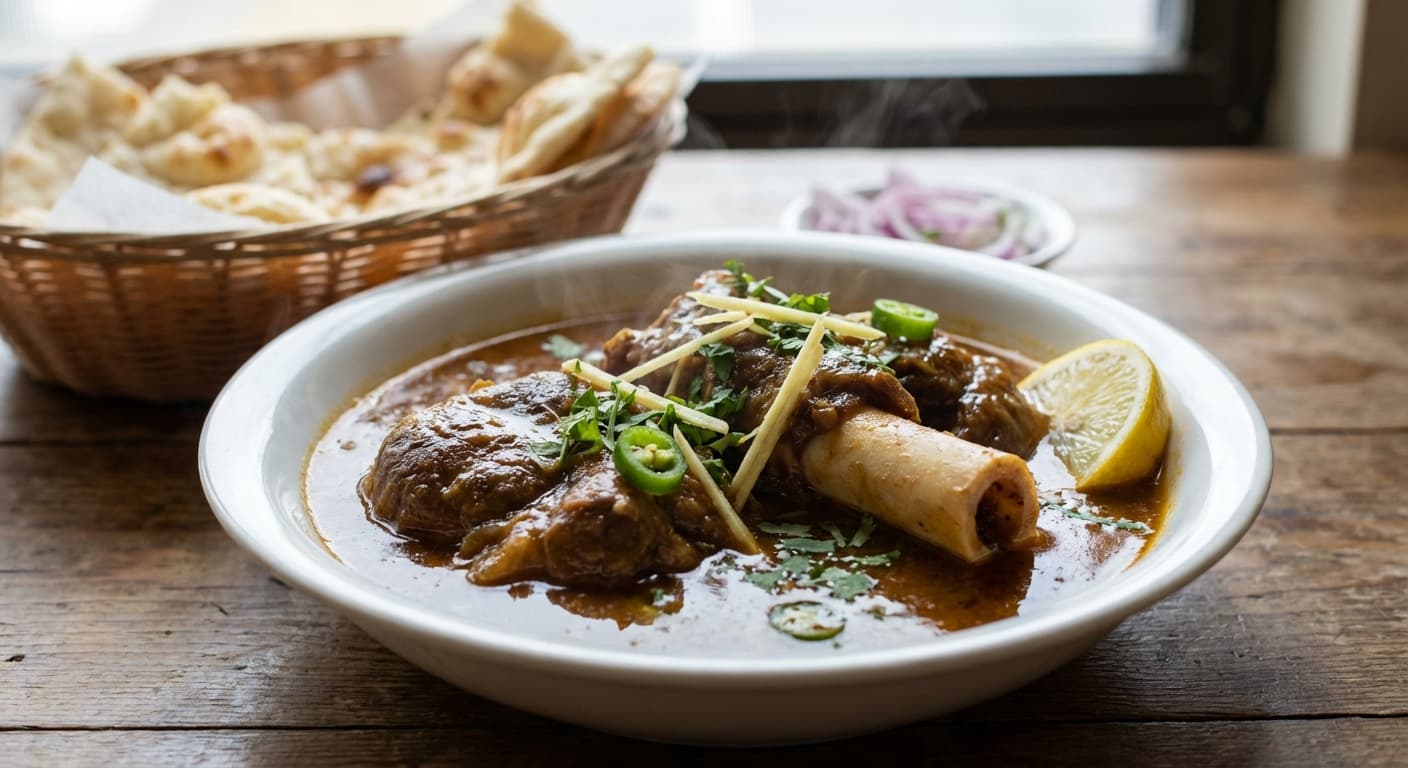
Nihari (نہاری) — Indian Overnight-Cooked Beef Stew with Warming Spices
Indian · Stews · 275 min
Reviews
Cooked this recipe?
Tap the stars to rate it — that's all it takes. A few words are welcome but optional.
No ratings yet. Cooked this one? Be the first to rate it — it takes one tap.