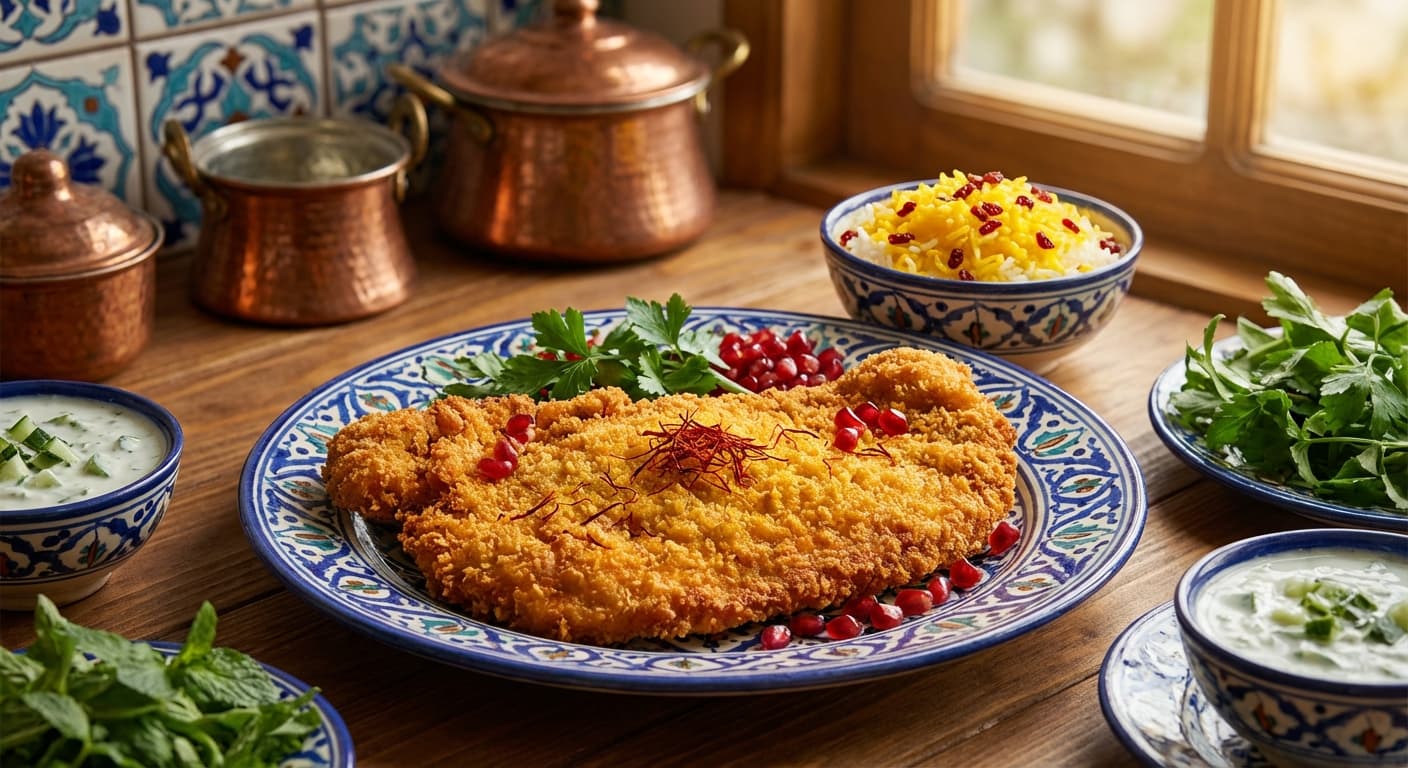
Shensel Shotormorgh (شنسل شترمرغ) — Persian Saffron Ostrich Schnitzel
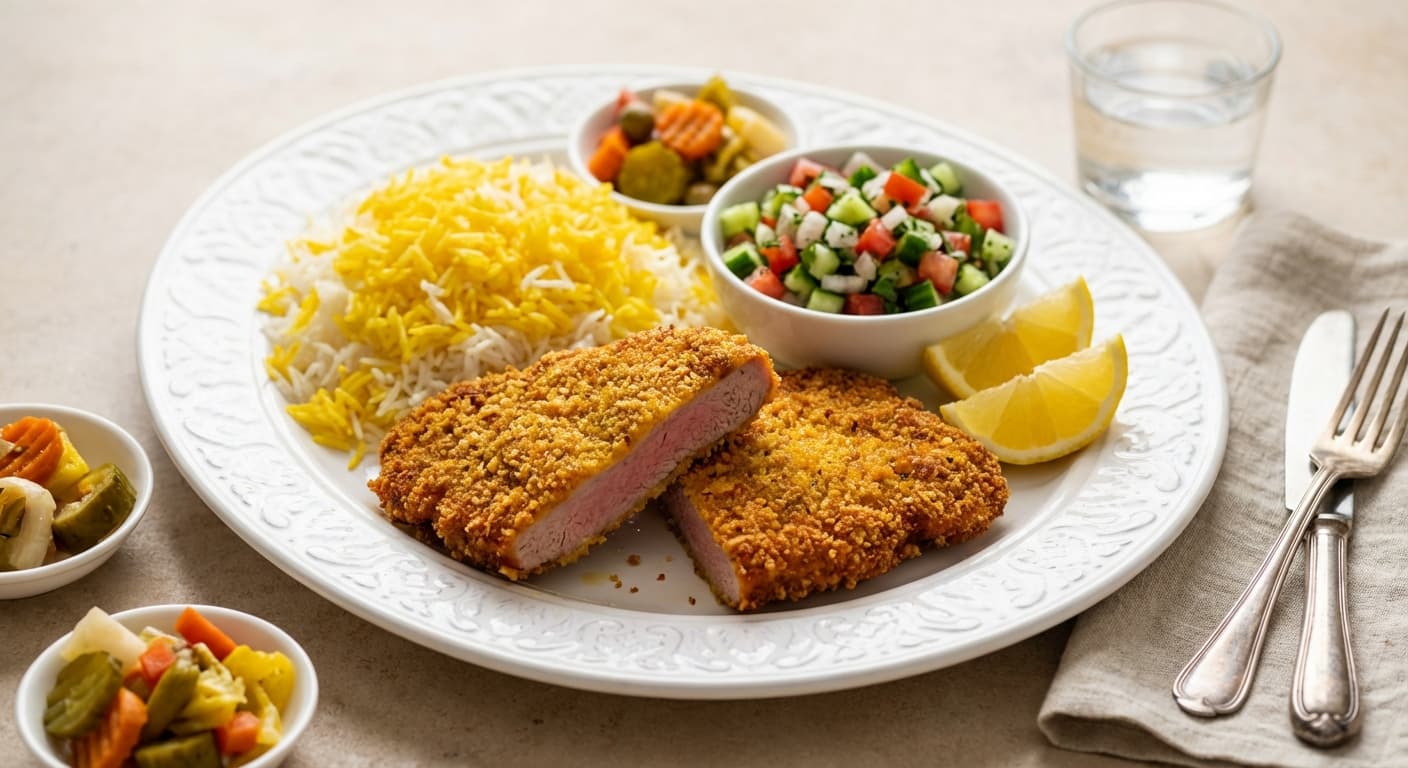
Crispy, golden schnitzel made with lean ostrich fillet, perfumed with saffron water and coated in fine breadcrumbs. A Persian-inspired twist on a European classic, pan-fried until tender inside and shatteringly crisp outside.
Printable Recipe Card
Servings: 4 · Total: 65 min · Difficulty: medium
Ingredients (quick list)
- 600 g Ostrich fillet (trimmed; cut into 4 pieces (about 150 g each))
- 8 g Sea salt (about 1 1/4 tsp, divided)
- 2 g Freshly ground black pepper (about 1 tsp)
- 3 g Garlic powder (about 1 tsp)
- 0.25 g Saffron threads (about 1/2 tsp loosely packed)
- 45 ml Hot water (about 3 tbsp, for blooming saffron)
- 90 g All-purpose wheat flour (about 3/4 cup, for dredging)
- 1 Large egg (about 50 g without shell)
- 120 g Fine breadcrumbs (about 1 1/2 cups; use fine, dry crumbs for best crust)
- 240 ml Neutral vegetable oil (about 1 cup, for shallow-frying (use as needed))
Steps (summary)
- Bloom the saffron: grind saffron threads to a powder with the back of a spoon, then stir in 45 ml hot water. Cover and steep 15…
- Season and lightly marinate: pat the ostrich dry. Sprinkle both sides with 6 g of the salt (reserve 2 g for the breading) plus…
- Set up a dry-to-wet breading station: place flour in a wide plate and mix in the remaining 2 g salt. In a bowl, beat the egg wi…
- Bread the cutlets thoroughly: dredge each piece in flour, shaking off excess. Dip into saffron egg, letting extra drip for 5 se…
- Fry to golden crisp: heat 1.5–2 cm oil in a heavy skillet to 175°C (350°F). Fry 2 cutlets at a time for 2–3 minutes per side, a…
- Drain and serve: move schnitzels to a rack (not paper towels) and rest 3 minutes so steam does not soften the crust. If cooking…
Cultural Background
This dish reflects a modern Persian-inspired approach that pairs saffron, a prized ingredient in Iranian cooking, with a European-style breaded cutlet technique. It is often served as a special-occasion main where saffron’s aroma signals hospitality and care in preparation.
Equipment
💡 Tips
- For the most aromatic saffron water, grind threads finely before steeping and keep the cup covered so volatile aromas do not escape.
- Ostrich is very lean; avoid overcooking. Pull the cutlets as soon as they reach 60–63°C in the center for a tender bite.
- Fine, dry breadcrumbs create a thinner, shatter-crisp crust; coarse crumbs brown unevenly and can fall off.
- Resting the breaded cutlets on a rack for 10 minutes helps the coating hydrate and cling during frying.
- Maintain oil temperature between 170–180°C; cooler oil makes the crust greasy, hotter oil burns crumbs before the meat cooks.
⚠️ Common Mistakes
❌ Skipping the pounding step
💡 Why: Uneven thickness causes the thin parts to overcook before the thick center is done, making lean ostrich dry.
✅ Fix: Pound to an even 8–10 mm thickness; if pieces vary, cut and portion so each cutlet is similar in size.
❌ Oil temperature too low
💡 Why: Breadcrumbs absorb oil before they set, leading to a heavy, greasy crust.
✅ Fix: Preheat to 175°C and fry in small batches; let oil return to temperature between batches.
❌ Not letting the breading set before frying
💡 Why: Freshly breaded cutlets shed crumbs in the pan and develop bald spots.
✅ Fix: Rest breaded cutlets on a rack for 10 minutes; press breadcrumbs firmly onto the surface and edges.
❌ Overcooking the meat
💡 Why: Ostrich is very lean and quickly turns tough and dry when cooked past doneness.
✅ Fix: Use an instant-read thermometer and remove at 60–63°C; rest 3 minutes so carryover heat finishes cooking.
🧊 How to Store
Best eaten fresh. Refrigerate leftovers in an airtight container up to 2 days. Re-crisp on a rack in a 200°C (400°F) oven for 8–10 minutes; avoid microwaving, which softens the crust. Do not refry repeatedly, as the coating darkens and the meat dries.
📅 Make Ahead
Bloom saffron up to 24 hours ahead and refrigerate covered. Bread the cutlets up to 4 hours ahead; keep uncovered on a rack in the refrigerator to prevent sogginess, then fry just before serving.
🍽️ Pairs Well With
- Persian-style saffron rice
- Shirazi salad (cucumber-tomato-onion salad)
- Plain yogurt with chopped herbs
- Pickled vegetables
Regional Variations
- Tehran-style modern home cookingOften served with saffron rice and a crisp salad; some cooks add a small amount of brewed saffron to the egg wash for deeper color and aroma.
- Iranian diaspora (Europe and North America)Commonly paired with a lemon wedge and a simple herb yogurt on the side; turkey or chicken may replace ostrich when it is not readily available.
Ingredients
- 600 gOstrich fillet (trimmed; cut into 4 pieces (about 150 g each))
- 8 gSea salt (about 1 1/4 tsp, divided)
- 2 gFreshly ground black pepper (about 1 tsp)
- 3 gGarlic powder (about 1 tsp)
- 0.25 gSaffron threads (about 1/2 tsp loosely packed)
- 45 mlHot water (about 3 tbsp, for blooming saffron)
- 90 gAll-purpose wheat flour (about 3/4 cup, for dredging)
- 1Large egg (about 50 g without shell)
- 120 gFine breadcrumbs (about 1 1/2 cups; use fine, dry crumbs for best crust)
- 240 mlNeutral vegetable oil (about 1 cup, for shallow-frying (use as needed))
🔄 Substitutions
- Ostrich fillet→ Turkey breast cutlets
- Fine breadcrumbs→ Panko breadcrumbs, pulsed briefly in a food processor
- Neutral vegetable oil→ Refined sunflower oil or refined canola oil
Instructions
- 1
Bloom the saffron: grind saffron threads to a powder with the back of a spoon, then stir in 45 ml hot water. Cover and steep 15 minutes until deeply colored. Meanwhile, place ostrich pieces between sheets of parchment and gently pound to an even 8–10 mm thickness for quick, tender cooking.
- 2
Season and lightly marinate: pat the ostrich dry. Sprinkle both sides with 6 g of the salt (reserve 2 g for the breading) plus all black pepper and garlic powder. Drizzle 30 ml (2 tbsp) of the saffron water over the meat, turning to coat. Rest 20 minutes at cool room temperature.
- 3
Set up a dry-to-wet breading station: place flour in a wide plate and mix in the remaining 2 g salt. In a bowl, beat the egg with the remaining 15 ml (1 tbsp) saffron water until uniform. Spread breadcrumbs on a third plate, pressing them flat so they adhere evenly.
- 4
Bread the cutlets thoroughly: dredge each piece in flour, shaking off excess. Dip into saffron egg, letting extra drip for 5 seconds. Press firmly into breadcrumbs on both sides, especially around edges. Transfer to a rack and rest 10 minutes to help the coating set.
- 5
Fry to golden crisp: heat 1.5–2 cm oil in a heavy skillet to 175°C (350°F). Fry 2 cutlets at a time for 2–3 minutes per side, adjusting heat to keep 170–180°C. The crust should be deep golden and the center just cooked through (about 60–63°C).
- 6
Drain and serve: move schnitzels to a rack (not paper towels) and rest 3 minutes so steam does not soften the crust. If cooking in batches, keep warm on a rack in a 95°C (200°F) oven for up to 15 minutes. Serve immediately while crisp and aromatic.
🪪 Recipe Passport
Cultural Background
This dish reflects a modern Persian-inspired approach that pairs saffron, a prized ingredient in Iranian cooking, with a European-style breaded cutlet technique. It is often served as a special-occasion main where saffron’s aroma signals hospitality and care in preparation.
Regional Variations
Researched from multiple sources and validated by the Zaffaron editorial team. Every recipe is tested for accuracy, measurements, and cultural authenticity.
Nutrition per serving
Pairs well with
If you enjoyed this recipe, here are a few related Zaffaron recipes to try next.
Does your family make this differently?
Every family has their own version. Maybe your grandmother adds a secret ingredient, or your aunt has a completely different technique. Preserve your family's version — with their name on it, forever.
You Might Also Like
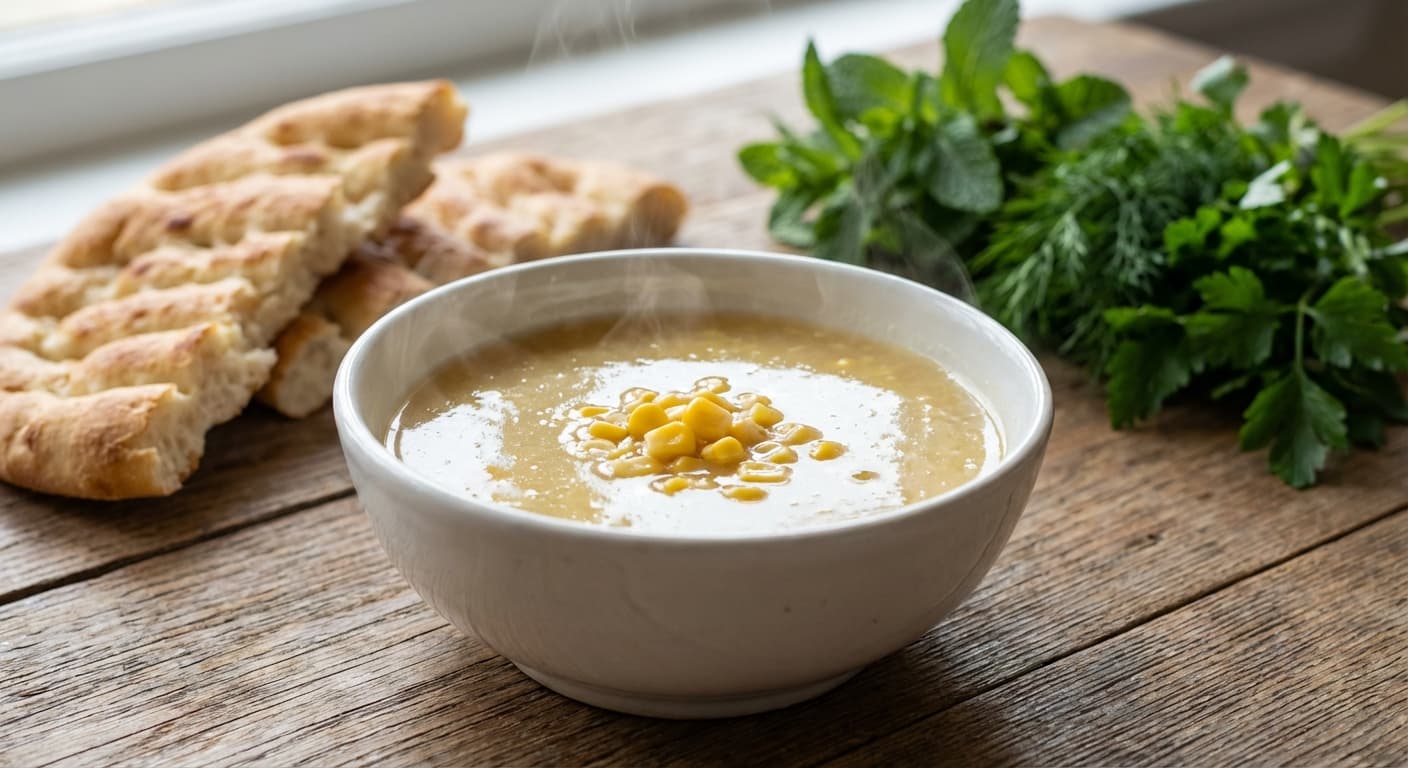
Persian Sweet Corn Soup (سوپ ذرت) — Silky Golden Comfort Soup
Persian · Soups · 50 min
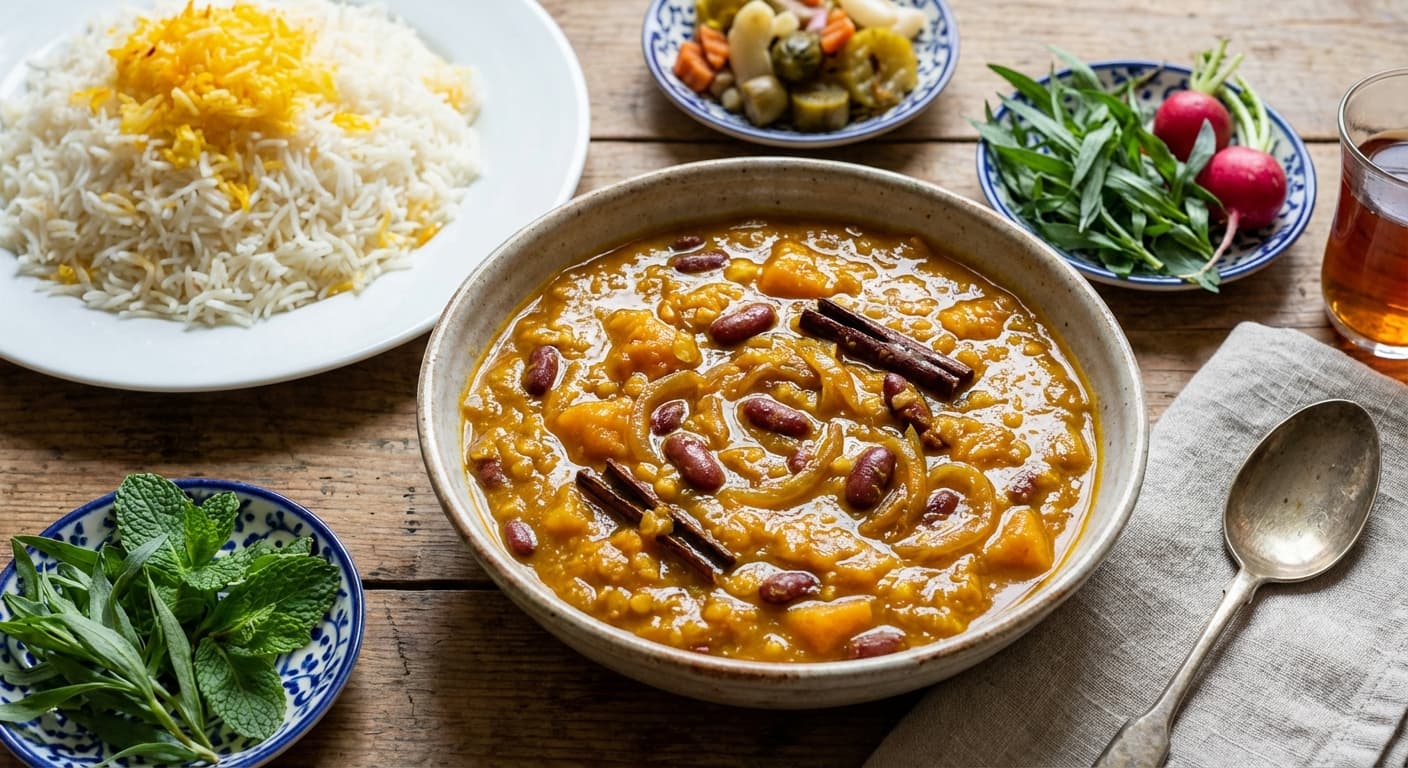
Gheimeh Kadoo Halvai (قیمه کدو حلوایی) — Sweet Pumpkin & Legume Stew
Persian · Stews · 110 min
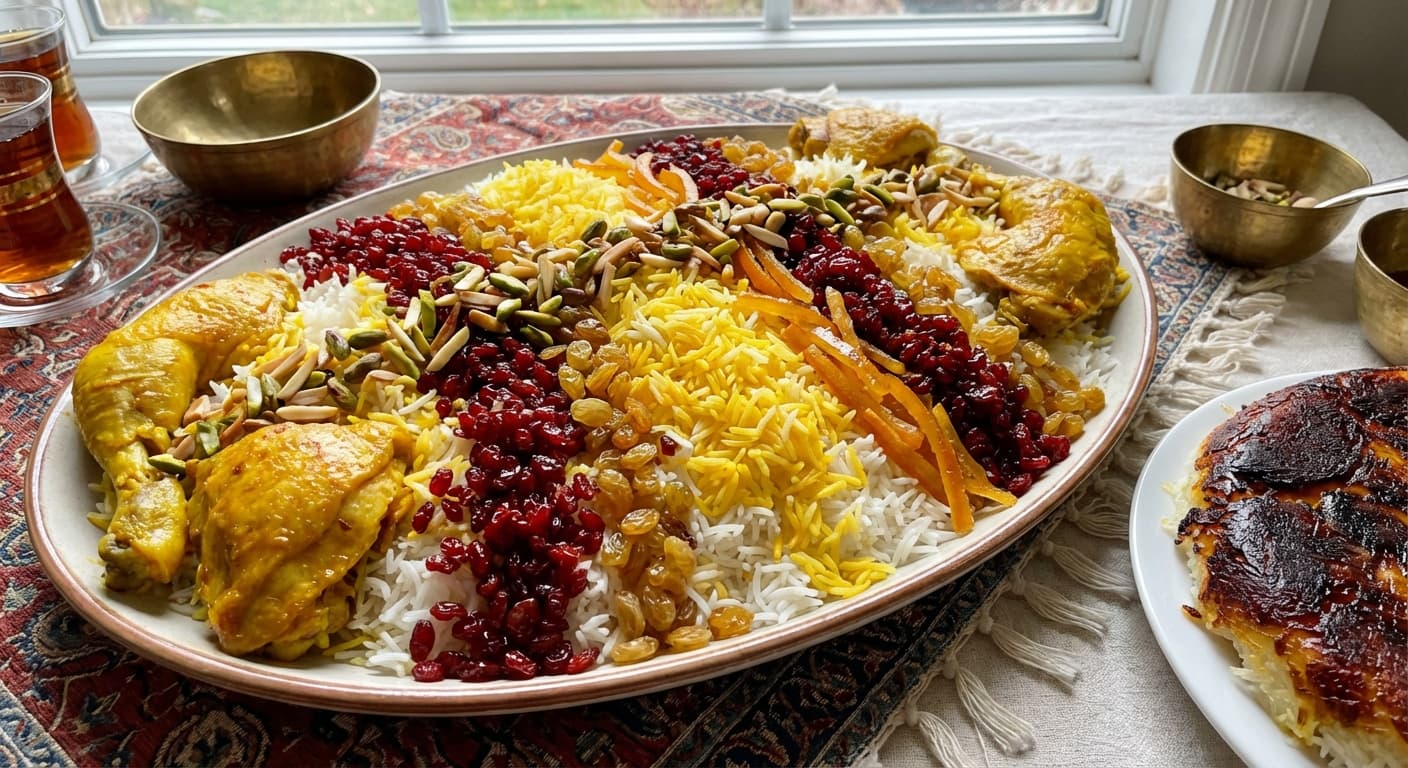
Jeweled Rice (مرصع پلو) — Festive Persian rice with saffron chicken and jeweled fruits
Persian · Rice Dishes · 135 min
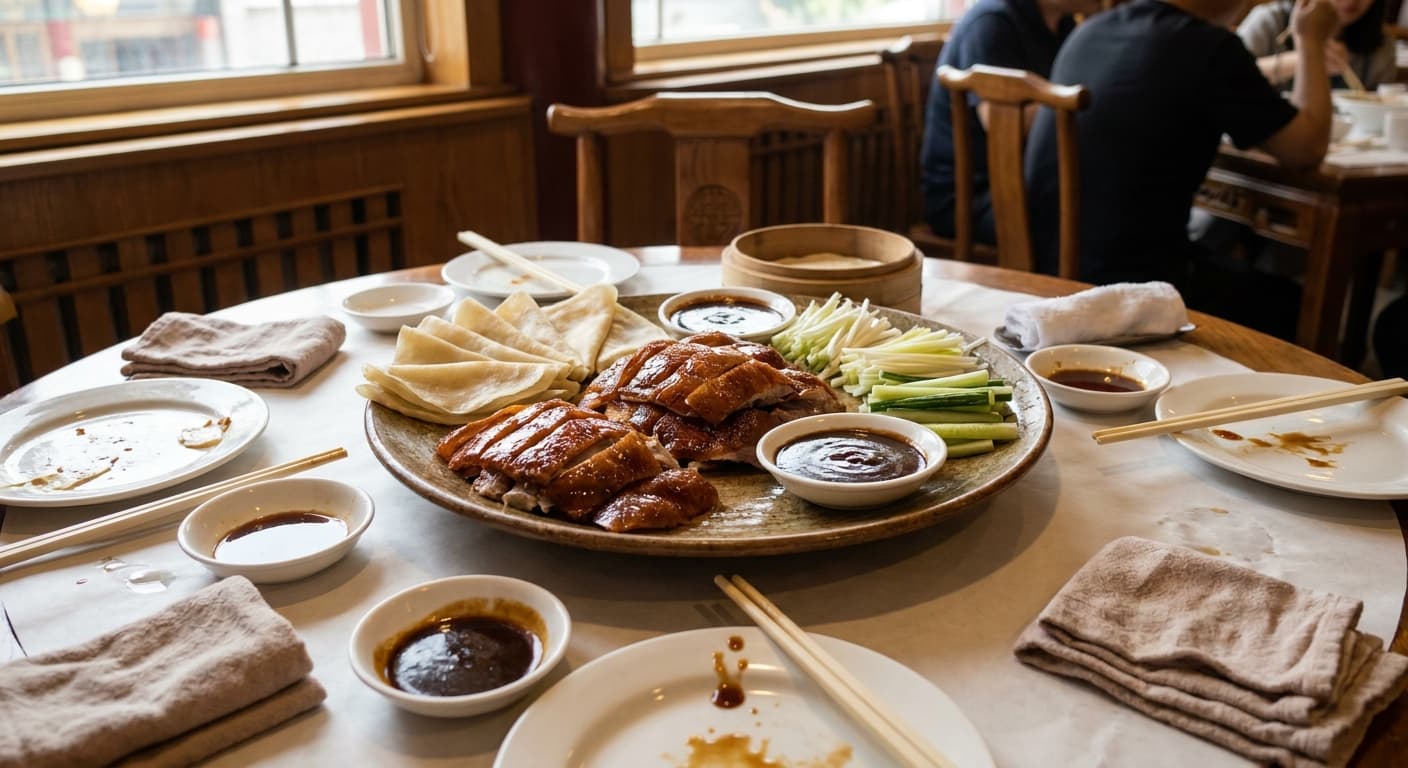
Peking Duck (北京烤鸭) — Crisp-Skinned Beijing Roast Duck
Chinese · Main Courses · 180 min
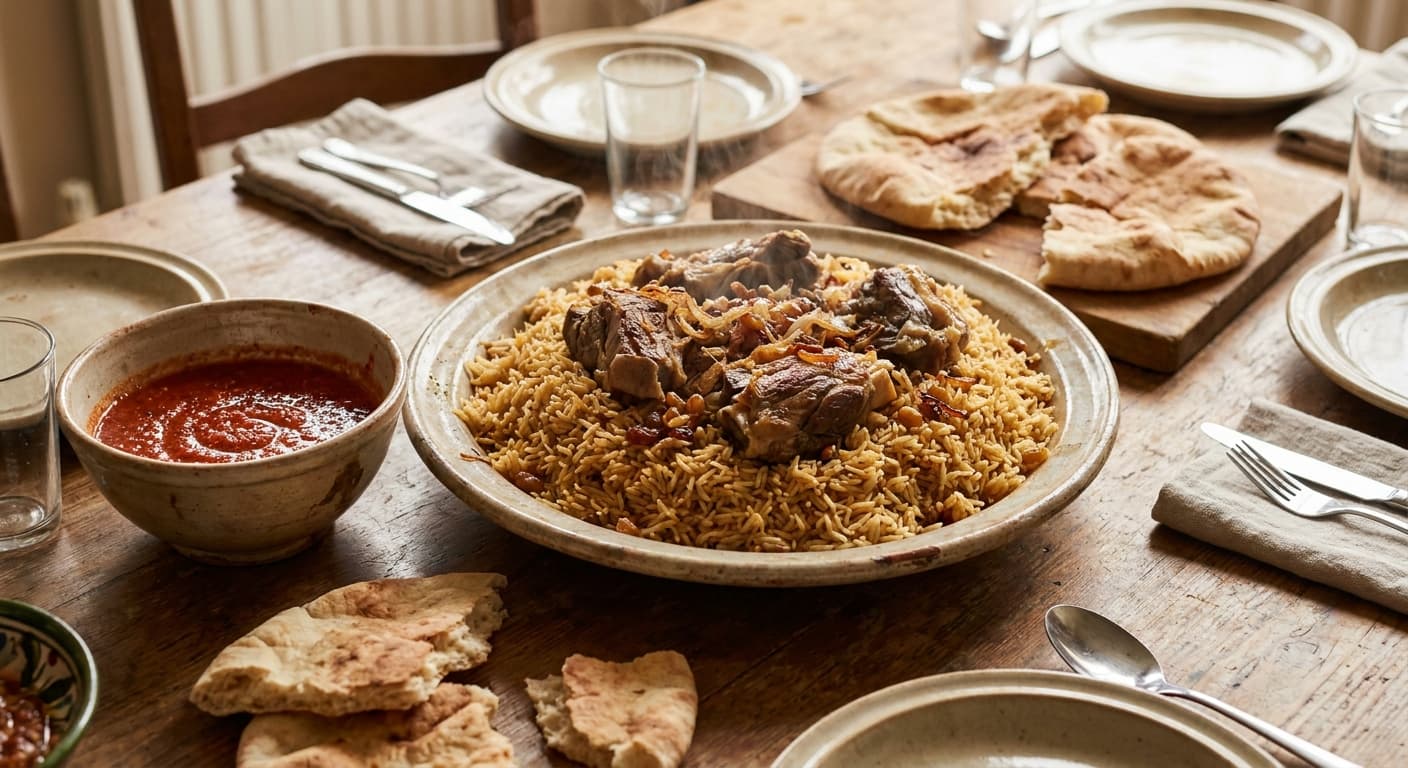
Yemeni Mandi (مندي) — Smoke-Scented Spiced Rice and Lamb
Yemeni · Main Courses · 170 min
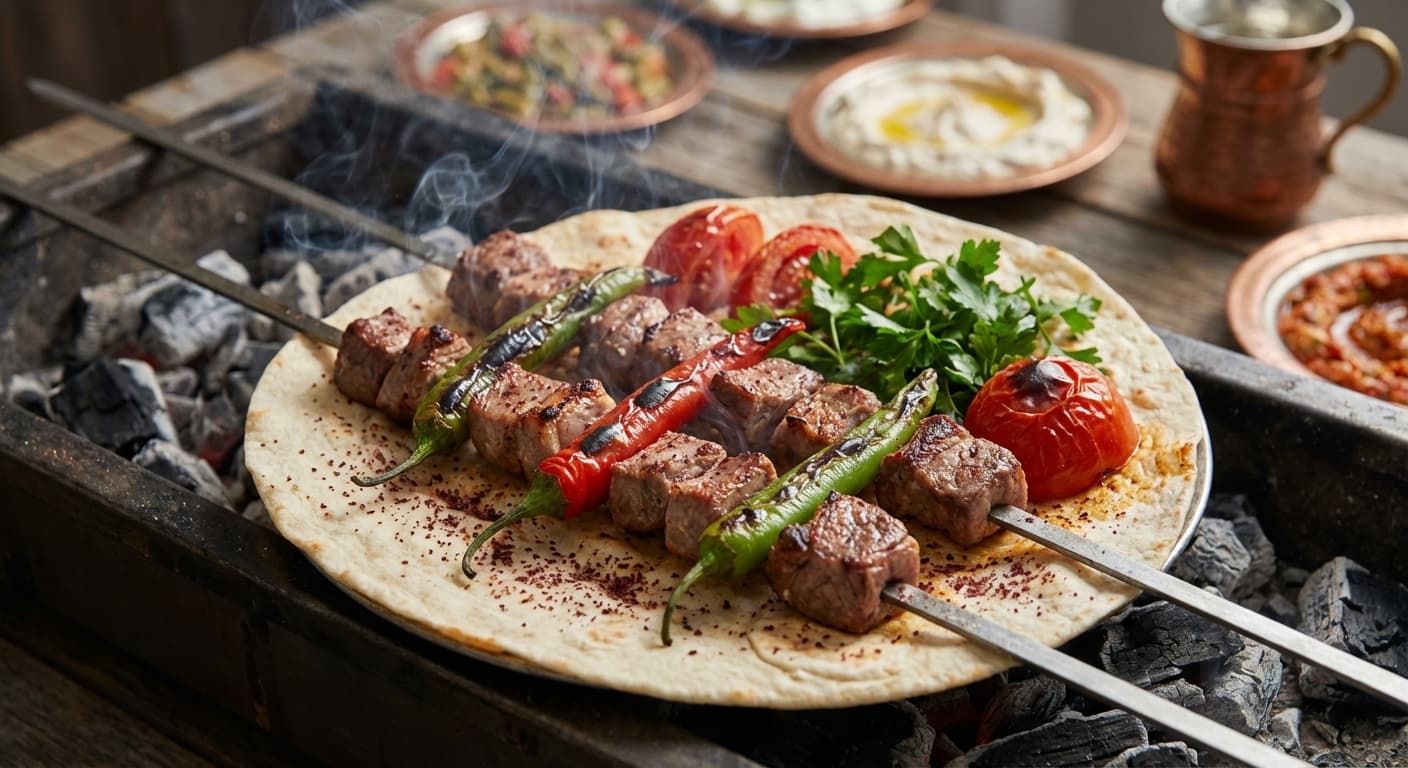
Turkish Shish Kebab (Şiş Kebap) — Charcoal-Grilled Marinated Lamb Skewers
Turkish · Kebabs · 37 min
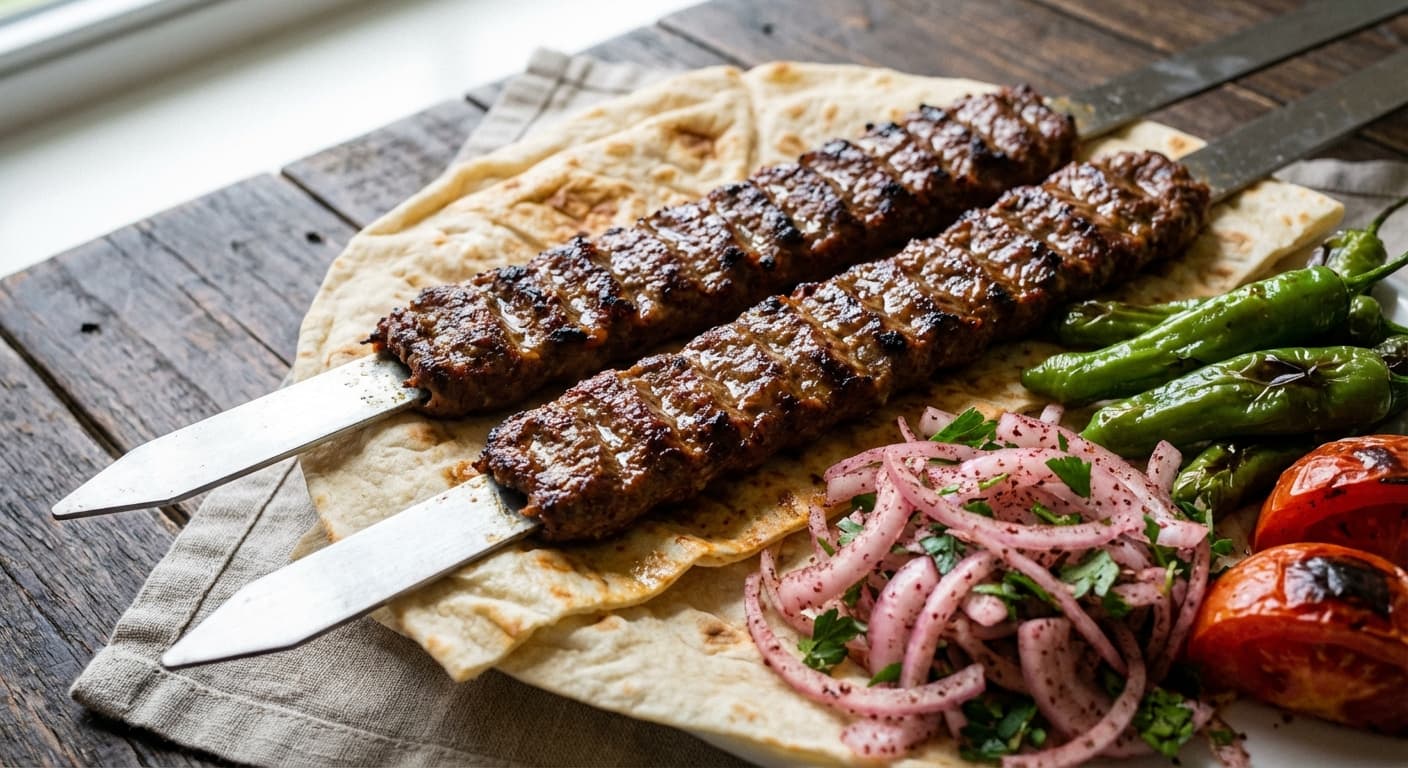
Urfa Kebab (اورفا کباب) — Mild Turkish minced skewer with sumac onions
Turkish · Kebabs · 37 min
Saffron Ostrich Schnitzel (شنسل شترمرغ) — Crispy Persian-Style Cutlets with Saffron
Persian · Kebabs · 37 min
Reviews
Cooked this recipe?
Tap the stars to rate it — that's all it takes. A few words are welcome but optional.
No ratings yet. Cooked this one? Be the first to rate it — it takes one tap.