Shang Polo (شنگ پلو) — Persian Wild Garlic Rice
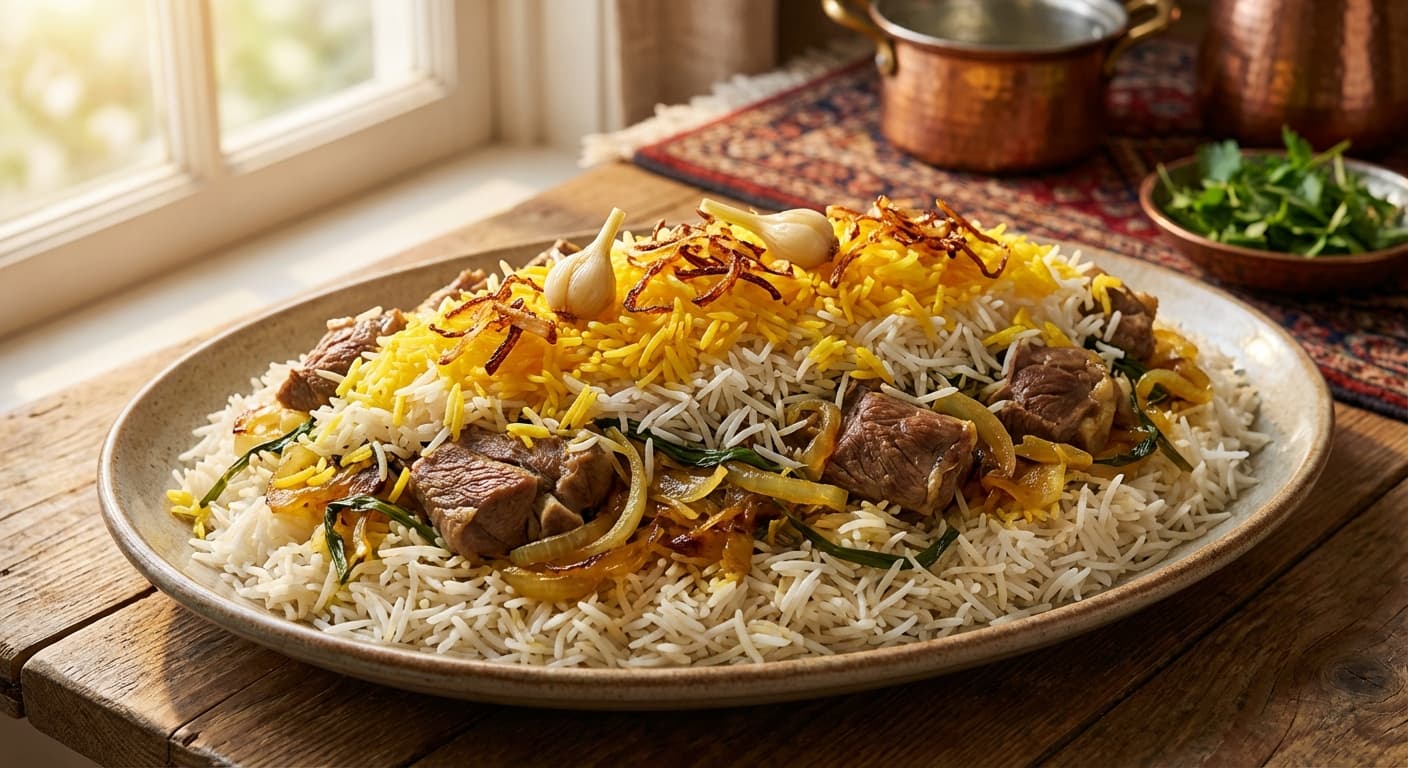
Shang Polo is a springtime Persian layered rice dish scented with wild garlic and saffron. Fluffy basmati is combined with tender lamb or beef, turmeric, and onions for a pungent, earthy, seasonal flavor.
Printable Recipe Card
Servings: 6 · Total: 155 min · Difficulty: medium
Ingredients (quick list)
- 500 g Basmati rice (rinsed until water runs mostly clear, then soaked)
- 18 g Fine sea salt (divided (for soaking water, boiling water, and seasoning meat))
- 3000 ml Boiling water (for parboiling rice)
- 300 g Yellow onion (thinly sliced)
- 600 g Lamb shoulder or beef chuck (cut into 3 cm cubes)
- 60 ml Neutral oil (divided)
- 2 tsp Ground turmeric
- 600 ml Water (for braising meat (add more if needed))
- 250 g Wild garlic (shang) (trimmed, washed well, and sliced into 1 cm pieces (leaves and tender stems))
- 0.25 tsp Saffron powder (bloomed in hot water)
- 45 ml Hot water (for blooming saffron)
Steps (summary)
- Rinse the basmati rice 5–7 times until the water is mostly clear. Soak it in plenty of cool water with 10 g of the salt for 45…
- Cook the meat: heat 45 ml oil in a heavy pot over medium-high heat. Add sliced onion and sauté 8–10 minutes until golden. Add l…
- While the meat simmers, bloom the saffron: grind the saffron powder (if needed) and stir it into 45 ml hot water. Cover and let…
- Parboil the rice: bring 3000 ml boiling water to a rolling boil in a large pot and add the remaining 8 g salt. Drain the soaked…
- Prepare the wild garlic layer: in a skillet over medium heat, warm the remaining 15 ml oil. Add the sliced wild garlic and saut…
- Assemble and steam: in a nonstick pot, heat 45 ml oil over medium heat. Add 60 ml water and swirl; this helps form a crisp base…
+ 2 more steps in the full instructions section below.
Cultural Background
Shang Polo is a seasonal rice dish associated with spring foraging in parts of western Iran, including areas near the Zagros Mountains. It is commonly prepared when wild garlic is at its peak, highlighting the tradition of using fresh, local greens in layered rice dishes.
Equipment
💡 Tips
- Wild garlic can hold sand; wash in several changes of water, then spin or towel-dry so it steams rather than stews.
- Keep the wild garlic sauté brief; overcooking makes it dull and can add bitterness.
- If using beef, plan for the longer end of the simmering time; add 60–120 ml extra water if the pot dries before the meat is tender.
- For a stronger aroma, reserve 20 g of the sliced wild garlic and scatter it raw between layers; it will soften during steaming.
- A towel-wrapped lid prevents condensation from dripping back and making the rice sticky.
⚠️ Common Mistakes
❌ Overboiling the rice during parboil
💡 Why: Fully cooked grains break during steaming and turn sticky, losing the distinct fluffy texture.
✅ Fix: Boil only until elongated with a firm center (6–8 minutes), then drain immediately and rinse briefly with cool water.
❌ Cooking the wild garlic too long or browning it
💡 Why: Overcooking dulls the bright aroma and can create bitterness.
✅ Fix: Sauté 2–3 minutes only until wilted; it will finish cooking during the final steam.
❌ Skipping steam holes and towel-wrapped lid
💡 Why: Poor steam circulation and excess condensation can make the rice unevenly cooked and wet.
✅ Fix: Poke 5–6 holes down to the bottom layer and wrap the lid with a towel to absorb moisture during steaming.
❌ Letting the meat stew dry or remain tough
💡 Why: Insufficient liquid or time prevents collagen from breaking down, leaving chewy pieces.
✅ Fix: Keep a gentle simmer with enough water to barely cover; extend cooking 10–20 minutes as needed until fork-tender.
🧊 How to Store
Cool leftovers within 2 hours. Refrigerate airtight for up to 3 days. Reheat covered with 2–3 tablespoons water in a pot on low 10–15 minutes, or microwave covered 2–3 minutes, stirring once. Tahdig is best fresh; re-crisp in a dry skillet 2–3 minutes per side.
📅 Make Ahead
Soak and drain the rice up to 45 minutes ahead. The meat can be braised 1 day in advance and refrigerated in its juices; rewarm gently before layering. Wash and slice the wild garlic up to 6 hours ahead, then keep wrapped in a towel-lined container in the refrigerator.
🍽️ Pairs Well With
- Plain yogurt or yogurt-cucumber salad
- Shirazi-style tomato and cucumber salad
- Pickled vegetables
- Fresh herbs and radishes
Regional Variations
- Lorestan and neighboring Zagros areasOften made with lamb and a generous amount of wild garlic for a stronger, more pungent aroma, sometimes with a slightly higher ratio of herbs to rice during peak spring harvest.
- Tehran and other large citiesMore commonly prepared with market substitutes such as leeks and chives when wild garlic is unavailable, and sometimes served with extra saffron-tinted rice for a more pronounced color contrast.
Ingredients
- 500 gBasmati rice (rinsed until water runs mostly clear, then soaked)
- 18 gFine sea salt (divided (for soaking water, boiling water, and seasoning meat))
- 3000 mlBoiling water (for parboiling rice)
- 300 gYellow onion (thinly sliced)
- 600 gLamb shoulder or beef chuck (cut into 3 cm cubes)
- 60 mlNeutral oil (divided)
- 2 tspGround turmeric
- 600 mlWater (for braising meat (add more if needed))
- 250 gWild garlic (shang) (trimmed, washed well, and sliced into 1 cm pieces (leaves and tender stems))
- 0.25 tspSaffron powder (bloomed in hot water)
- 45 mlHot water (for blooming saffron)
🔄 Substitutions
- Wild garlic (shang)→ Leeks (200 g) + garlic chives (60 g)
- Lamb shoulder or beef chuck→ Boneless chicken thighs (600 g)
- Saffron powder→ Saffron threads (0.3 g)
Instructions
- 1
Rinse the basmati rice 5–7 times until the water is mostly clear. Soak it in plenty of cool water with 10 g of the salt for 45 minutes at room temperature. Meanwhile, trim and wash the wild garlic thoroughly to remove grit, then slice into 1 cm pieces and set aside to drain.
- 2
Cook the meat: heat 45 ml oil in a heavy pot over medium-high heat. Add sliced onion and sauté 8–10 minutes until golden. Add lamb or beef cubes, turmeric, and 4 g salt; sear 6–8 minutes, turning to brown most sides. Pour in 600 ml water, bring to a boil, then cover and simmer on low 45–60 minutes until tender.
- 3
While the meat simmers, bloom the saffron: grind the saffron powder (if needed) and stir it into 45 ml hot water. Cover and let stand 10 minutes to deepen color and aroma. Keep it warm near the stove so it stays fluid for drizzling later.
- 4
Parboil the rice: bring 3000 ml boiling water to a rolling boil in a large pot and add the remaining 8 g salt. Drain the soaked rice and add it to the pot. Boil 6–8 minutes, stirring gently twice, until grains are elongated but still firm in the center. Drain immediately in a colander and rinse briefly with 250 ml cool water to stop cooking.
- 5
Prepare the wild garlic layer: in a skillet over medium heat, warm the remaining 15 ml oil. Add the sliced wild garlic and sauté 2–3 minutes just until wilted and fragrant; do not brown. Taste a piece—its sharpness should soften slightly while staying bright. Remove from heat and keep ready for layering.
- 6
Assemble and steam: in a nonstick pot, heat 45 ml oil over medium heat. Add 60 ml water and swirl; this helps form a crisp base. Layer 1/3 of the rice, then scatter half the wild garlic and spoon on half the meat with a little of its cooking juices. Repeat, finishing with rice on top. Poke 5–6 steam holes, cover with a towel-wrapped lid, and steam 10 minutes on medium.
- 7
Finish the dam (final steam): reduce heat to low and continue steaming 35–45 minutes until the rice is fully tender and aromatic. Drizzle the bloomed saffron over the top during the last 5 minutes so it perfumes the rice without overcooking. If the pot seems dry early, add 2 tablespoons water around the edges and continue steaming.
- 8
Serve: turn off the heat and rest the pot, covered, for 10 minutes to set the crust. Gently fluff and mix the top layers in a serving platter, keeping some saffron-tinted rice aside for garnish. For tahdig, loosen the edges with a spatula and invert the pot onto a plate. Serve the crisp crust alongside the wild garlic rice and meat.
🪪 Recipe Passport
Cultural Background
Shang Polo is a seasonal rice dish associated with spring foraging in parts of western Iran, including areas near the Zagros Mountains. It is commonly prepared when wild garlic is at its peak, highlighting the tradition of using fresh, local greens in layered rice dishes.
Regional Variations
Researched from multiple sources and validated by the Zaffaron editorial team. Every recipe is tested for accuracy, measurements, and cultural authenticity.
Nutrition per serving
Pairs well with
If you enjoyed this recipe, here are a few related Zaffaron recipes to try next.
Does your family make this differently?
Every family has their own version. Maybe your grandmother adds a secret ingredient, or your aunt has a completely different technique. Preserve your family's version — with their name on it, forever.
You Might Also Like
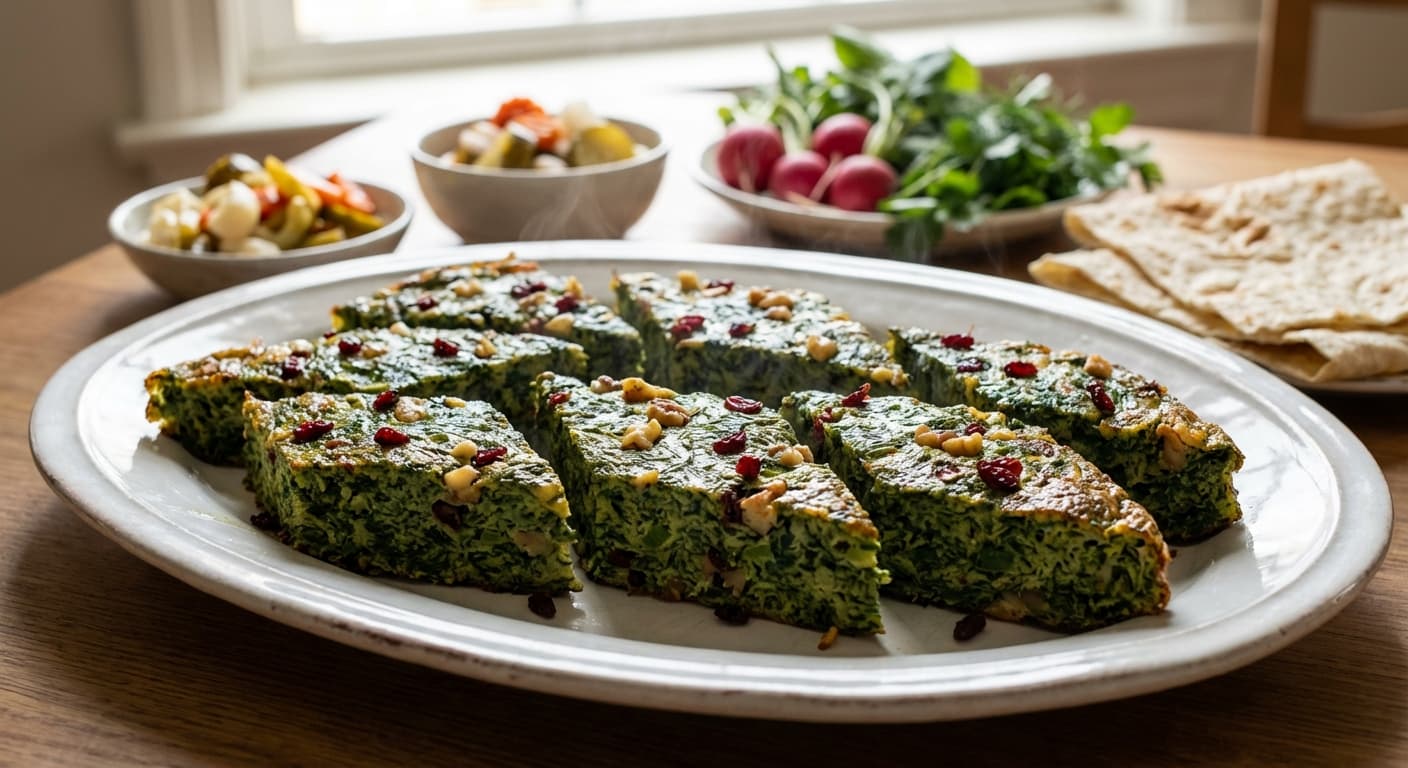
Kuku Sabzi (کوکو سبزی) — Emerald Persian Herb Frittata
Persian · Main Courses · 38 min
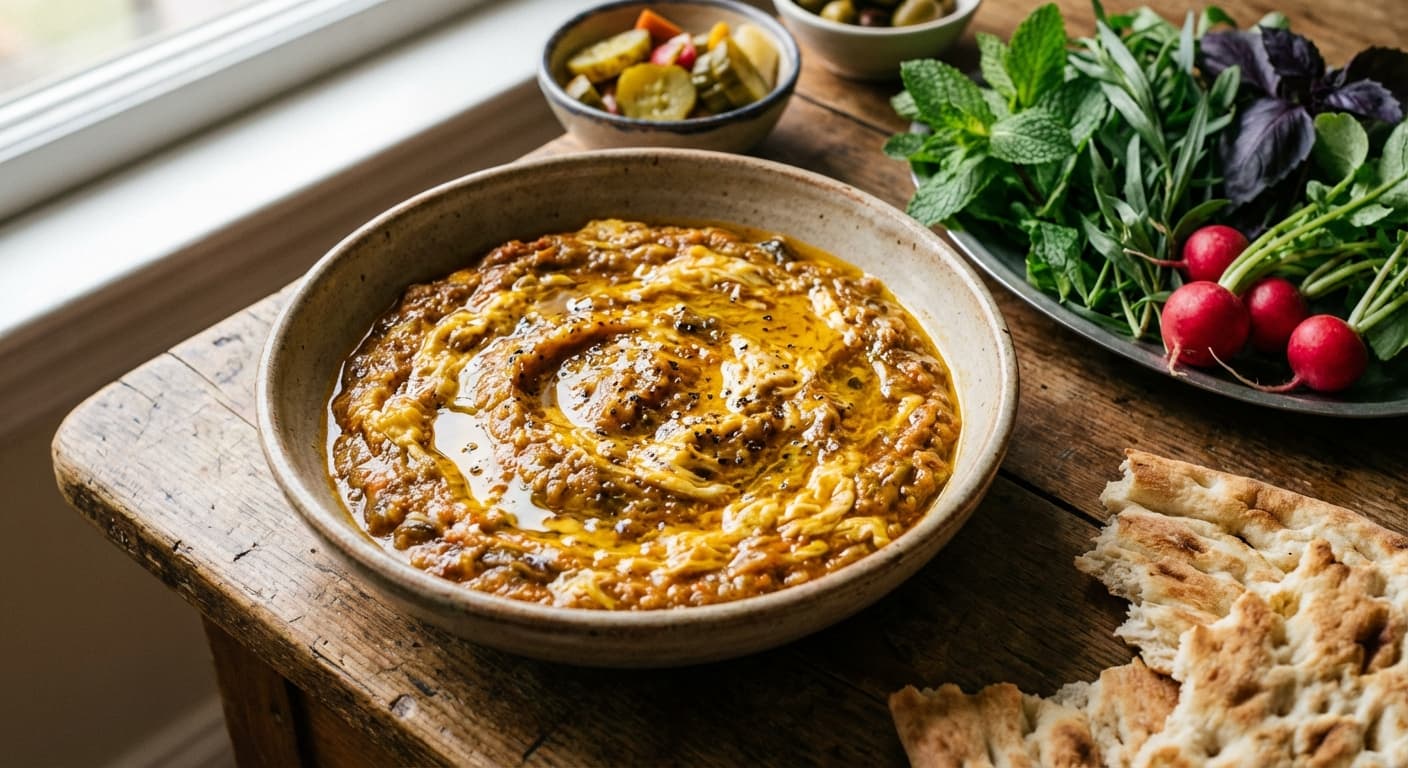
Smoked Silk Mirza Ghasemi (میرزا قاسمی) — Silky smoked eggplant with tomato, garlic, and eggs
Persian · Appetizers · 60 min
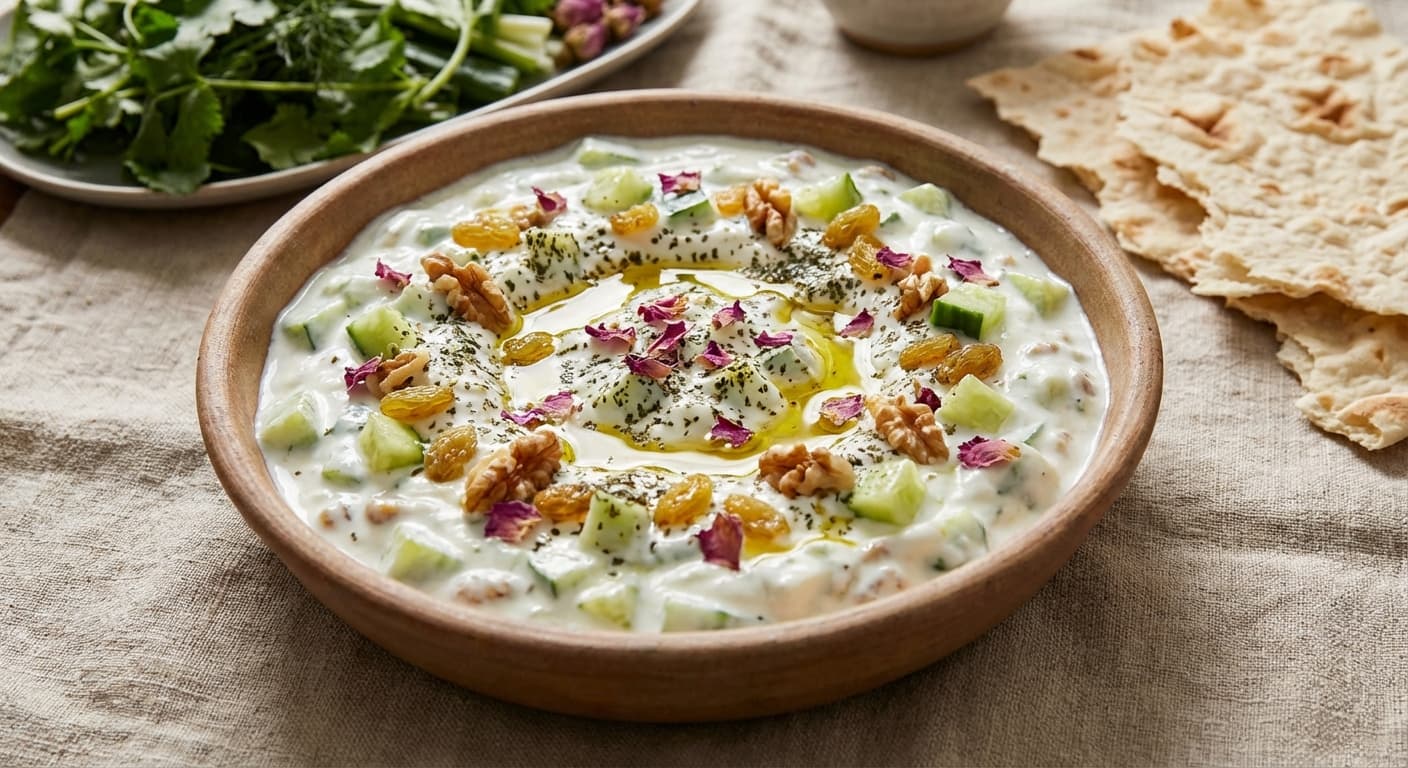
Mast-o-Khiar (ماست و خیار) — Persian Cucumber and Herb Yogurt Dip
Persian · Side Dishes · 25 min
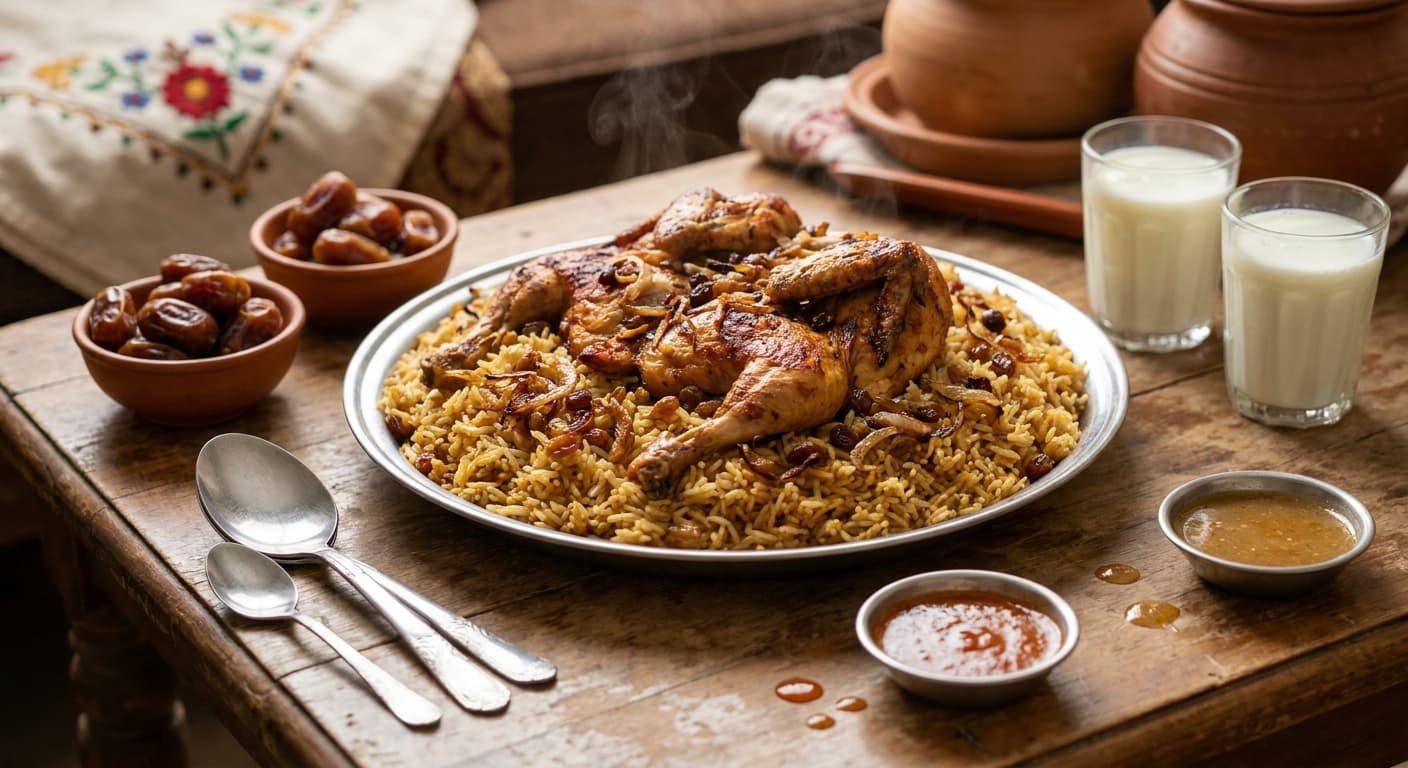
Emirati Machboos (مكبوس إماراتي) — Spiced Chicken Rice with Dried Lime
Gulf arabian · Rice Dishes · 110 min
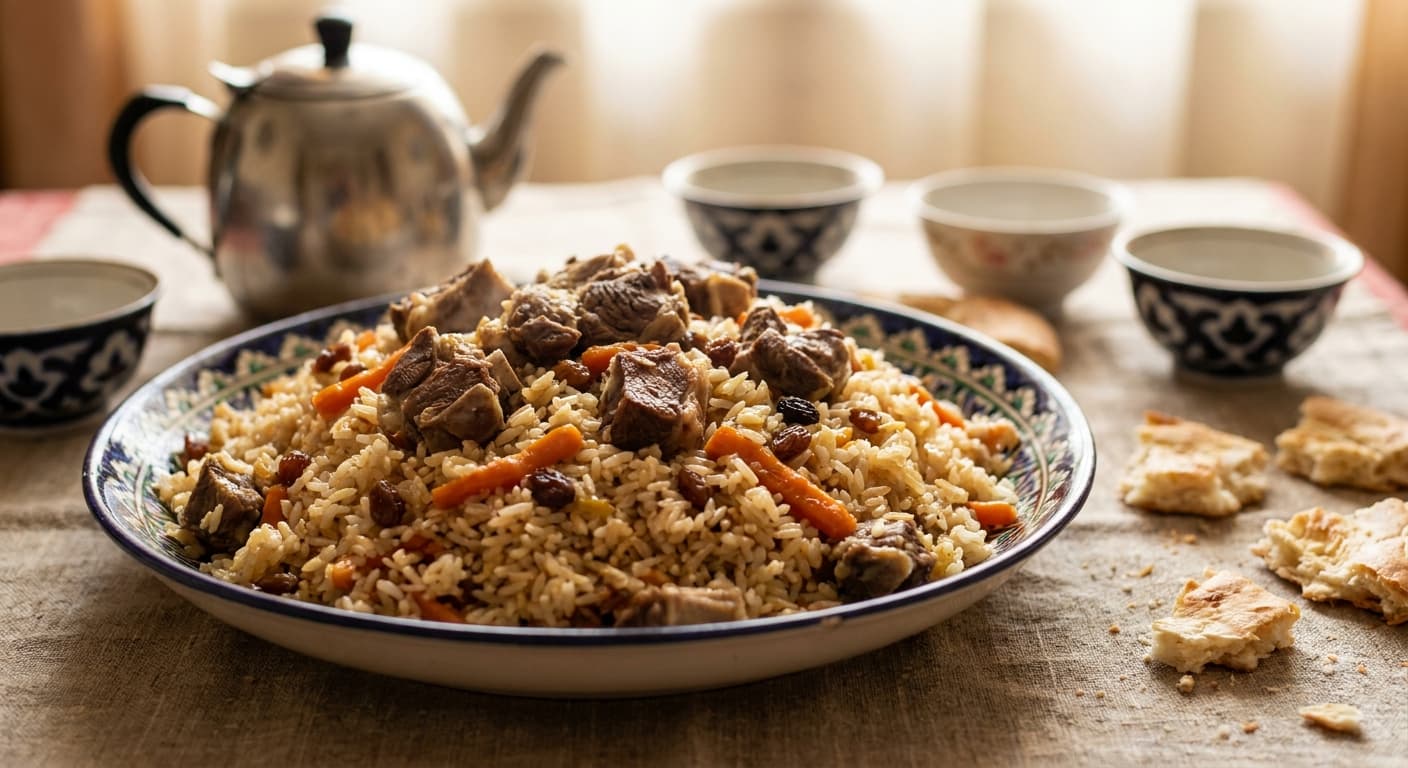
Uzbek Plov (Oʻzbek palovi) — Lamb, Rice, Carrots, and Cumin Pilaf
Uzbek · Rice Dishes · 130 min
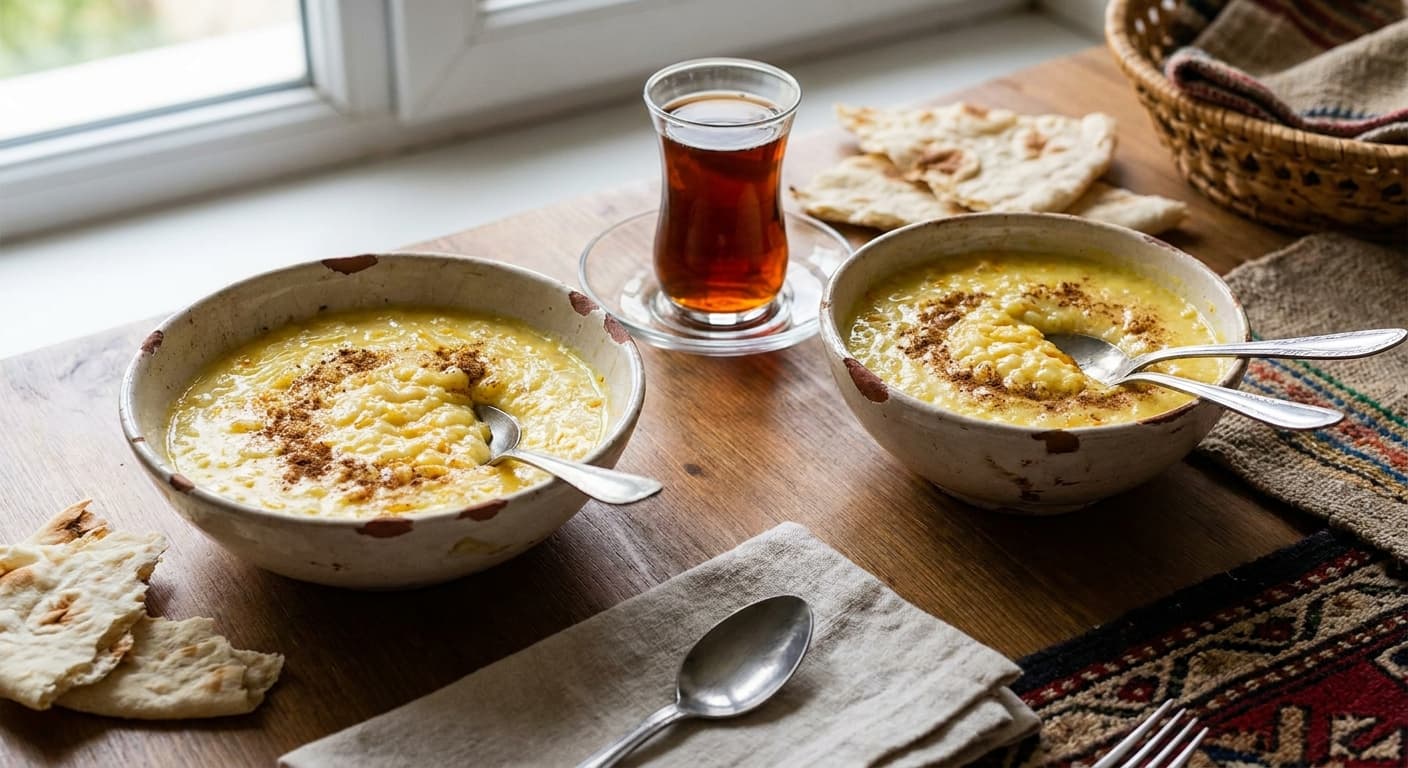
Azerbaijani Milk-Rice Porridge (Südlü Sıyıq) — Creamy Breakfast Rice with Saffron
Azerbaijani · Rice Dishes · 50 min
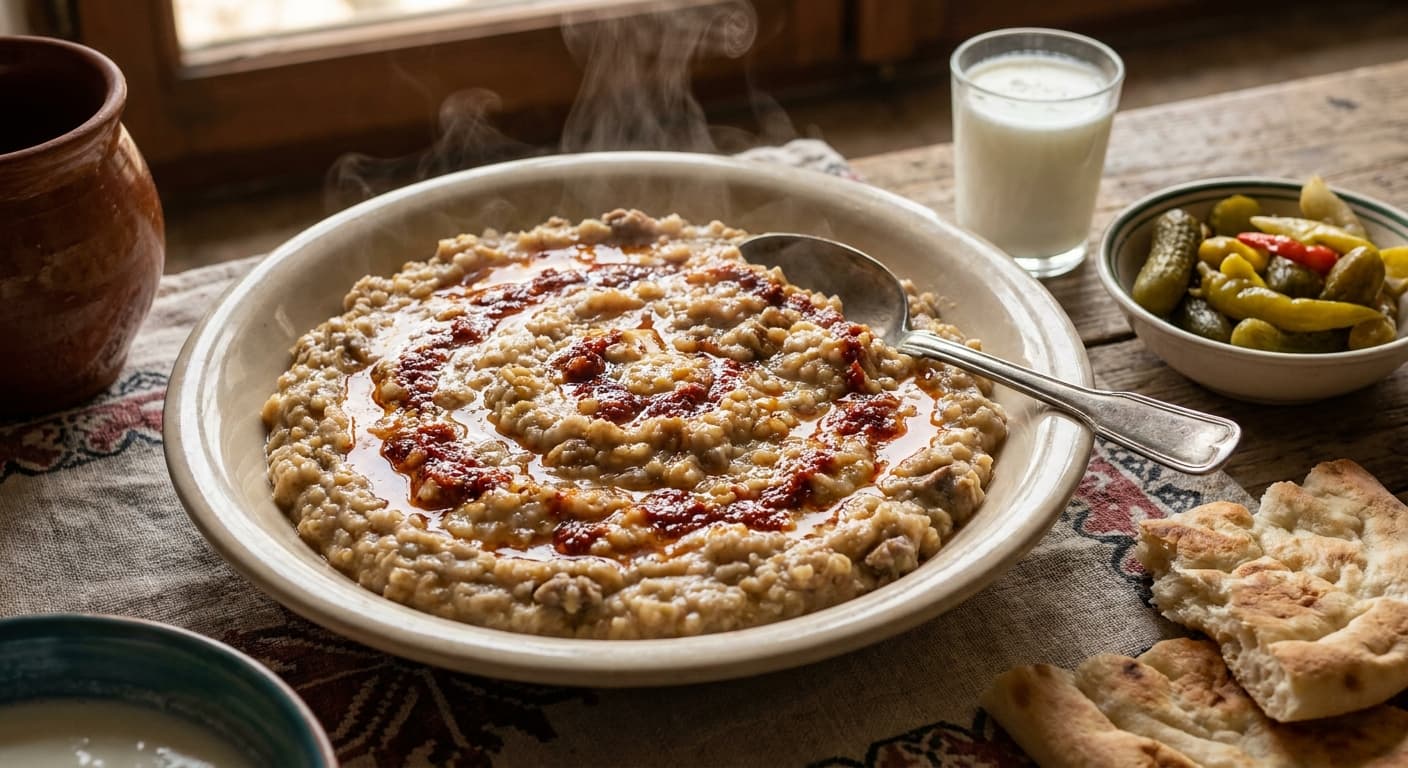
Keshkek (Keşkek) — Creamy Ceremonial Wheat and Lamb Stew
Turkish · Stews · 240 min
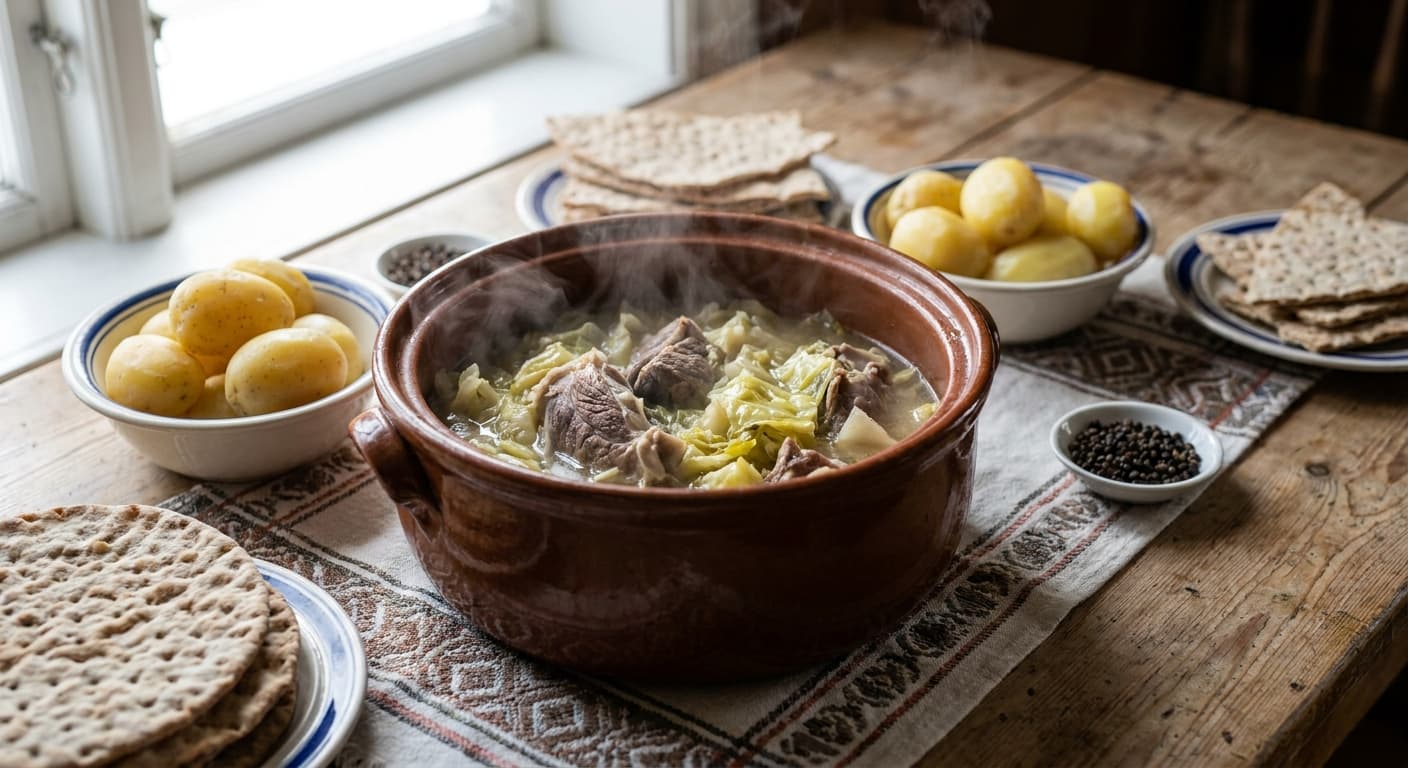
Norwegian Lamb and Cabbage Stew (Fårikål) — Peppery Autumn National Dish
Norwegian · Stews · 170 min
Reviews
Cooked this recipe?
Tap the stars to rate it — that's all it takes. A few words are welcome but optional.
No ratings yet. Cooked this one? Be the first to rate it — it takes one tap.