Shushtari Polo (شوشترى پلو) — Persian Black-Eyed Pea and Dill Rice
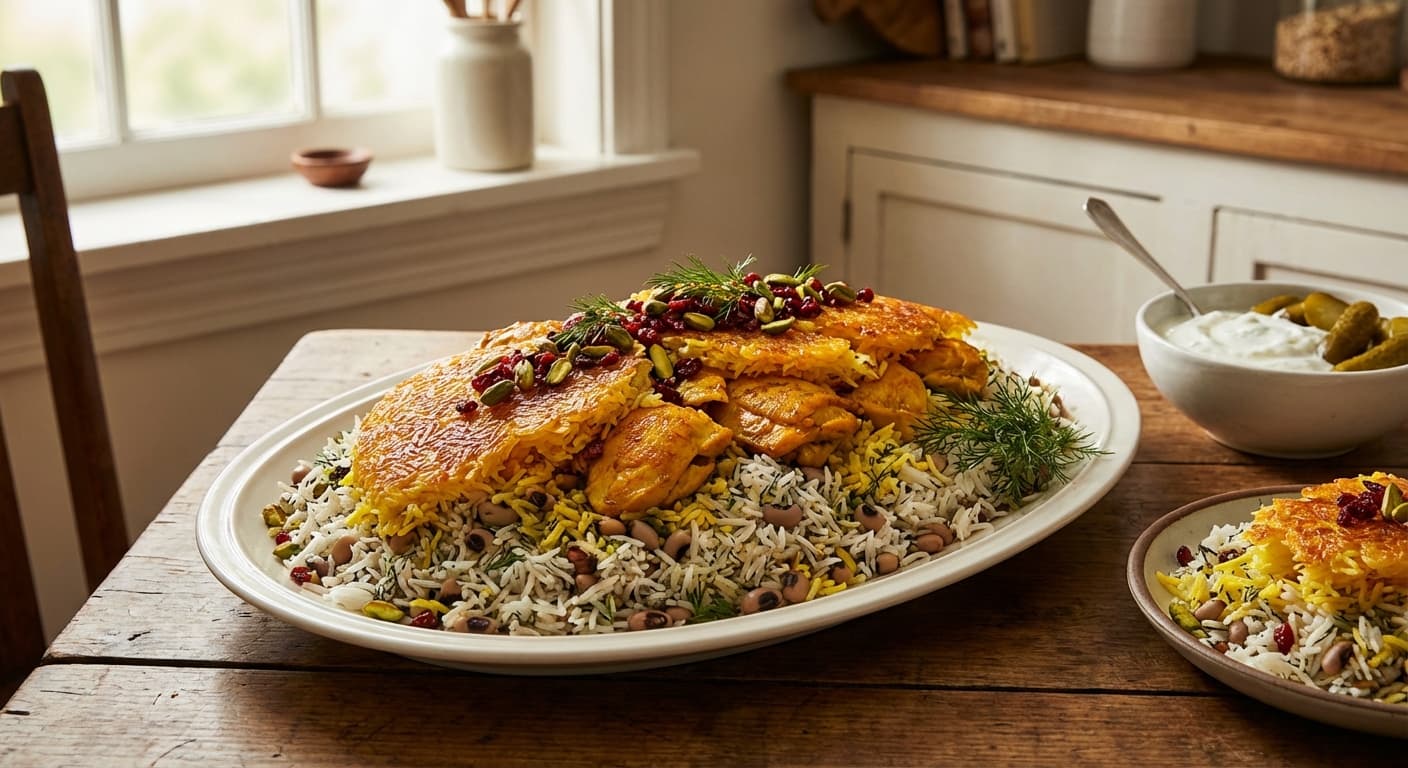
Shushtari Polo is a fragrant Persian layered rice from Khuzestan, combining saffron-steamed basmati with tender chicken, black-eyed peas, and fresh dill. Earthy legumes and bright herbs make it festive yet comforting.
Printable Recipe Card
Servings: 6 · Total: 170 min · Difficulty: medium
Ingredients (quick list)
- 600 g Basmati rice (rinsed until water runs mostly clear)
- 24 g Fine sea salt (for soaking water, boiling water, and final seasoning)
- 2000 ml Water (for soaking and parboiling rice (plus more as needed))
- 0.4 g Saffron threads (ground and bloomed)
- 60 ml Hot water (just off the boil, for blooming saffron)
- 220 g Black-eyed peas (dried) (rinsed)
- 250 g Onion (thinly sliced)
- 700 g Chicken fillet (boneless, skinless, cut into 3–4 cm pieces)
- 45 ml Neutral oil (such as sunflower or grapeseed)
- 3 g Ground turmeric
- 2 g Black pepper (freshly ground)
- 120 g Fresh dill (finely chopped, thick stems removed)
+ 4 more in the full ingredients section below.
Steps (summary)
- Rinse the basmati rice 4–6 times until the water is mostly clear. Cover with 1.2 liters of water and dissolve 18 g of the salt…
- Cook the black-eyed peas: bring 1.5 liters water to a boil, add peas, and boil 10 minutes. Reduce to a gentle simmer and cook 2…
- Braise the chicken: heat 45 ml oil in a wide pan over medium heat. Add sliced onion and cook 8–10 minutes until golden. Add tur…
- Parboil the rice: bring a large pot of water to a rolling boil (about 3 liters; add more than listed if needed) and add the rem…
- Prepare the pot and optional yogurt tahdig: in a heavy pot, warm 30 ml oil and 20 g melted butter over medium heat. For tahdig,…
- Layer the polo: reduce heat to low. Add a thin layer of rice over the base, then sprinkle a portion of dill and black-eyed peas…
+ 2 more steps in the full instructions section below.
Cultural Background
Shushtari Polo is associated with Shushtar in Iran’s Khuzestan province and is often prepared for family gatherings where layered rice dishes are served as centerpieces. The combination of legumes and herbs reflects regional preferences for hearty, aromatic meals suited to sharing.
Equipment
💡 Tips
- Keep black-eyed peas intact by simmering gently and salting only after they are tender if your water is very hard.
- Fresh dill gives the brightest flavor; if it is very wet after washing, dry it well so it does not make the rice soggy.
- For stronger saffron aroma, bloom saffron with hot water and keep it covered; add most of it near the end (on top) rather than mixing throughout.
- If your pot runs hot, place a heat diffuser under it during steaming to prevent scorching the tahdig before the rice finishes.
- Cut chicken into similar sizes so it cooks evenly and stays tender during the final steam.
⚠️ Common Mistakes
❌ Overboiling the rice during parboil
💡 Why: Fully cooked grains break during steaming and turn clumpy instead of fluffy.
✅ Fix: Boil only until elongated with a slightly firm center (6–8 minutes), then drain immediately and steam to finish.
❌ Cooking black-eyed peas until they split
💡 Why: Split peas mash into the rice layers and make the dish heavy and muddy.
✅ Fix: Simmer gently and start checking at 25 minutes; drain as soon as they are tender and hold their shape.
❌ Steaming on heat that is too high
💡 Why: The bottom burns before the rice finishes steaming, and the chicken can dry out.
✅ Fix: Use low heat for 45–55 minutes; add a heat diffuser if needed and keep the lid tightly covered with a towel.
❌ Adding wet dill straight after washing
💡 Why: Excess water creates steam pockets that can make the rice gummy.
✅ Fix: Spin or pat dill dry thoroughly, then chop; if using frozen dill, reduce added fats slightly and keep heat low.
🧊 How to Store
Cool leftovers within 2 hours. Refrigerate airtight up to 3 days. Reheat covered with 1–2 tablespoons water in a pot over low heat 12–15 minutes, or microwave covered 2–4 minutes, stirring once. Tahdig will soften; re-crisp in a dry skillet 3–5 minutes.
📅 Make Ahead
Soak and cook black-eyed peas up to 2 days ahead; refrigerate airtight. Braise the chicken up to 1 day ahead and chill in its reduced juices. On cooking day, parboil rice and steam the assembled layers fresh for best texture and tahdig.
🍽️ Pairs Well With
- Shirazi salad (cucumber
- tomato
- onion with lemon)
- Plain yogurt or cucumber yogurt
- Pickled vegetables
- Fresh herbs and radishes
- Lime wedges
Regional Variations
- Khuzestan (Shushtar and nearby towns)Often made with generous fresh dill and a pronounced saffron finish, with chicken braised simply using onion and turmeric before being layered into the rice.
- Tehran and other large citiesCommonly prepared with a thicker yogurt tahdig and sometimes a slightly richer finish using more butter; some cooks mix a small portion of saffron rice separately to garnish the top.
Ingredients
- 600 gBasmati rice (rinsed until water runs mostly clear)
- 24 gFine sea salt (for soaking water, boiling water, and final seasoning)
- 2000 mlWater (for soaking and parboiling rice (plus more as needed))
- 0.4 gSaffron threads (ground and bloomed)
- 60 mlHot water (just off the boil, for blooming saffron)
- 220 gBlack-eyed peas (dried) (rinsed)
- 250 gOnion (thinly sliced)
- 700 gChicken fillet (boneless, skinless, cut into 3–4 cm pieces)
- 45 mlNeutral oil (such as sunflower or grapeseed)
- 3 gGround turmeric
- 2 gBlack pepper (freshly ground)
- 120 gFresh dill (finely chopped, thick stems removed)
- 40 gUnsalted butter (melted)
- 150 gPlain yogurt (for tahdig base (optional but traditional))
- 1 largeEgg yolk (for tahdig base (optional))
- 15 gAll-purpose flour (about 2 tablespoons, for tahdig base (optional))
🔄 Substitutions
- Chicken fillet→ Boneless chicken thighs
- Fresh dill→ Frozen dill
- Black-eyed peas (dried)→ Canned black-eyed peas
Instructions
- 1
Rinse the basmati rice 4–6 times until the water is mostly clear. Cover with 1.2 liters of water and dissolve 18 g of the salt in it. Soak 60 minutes at room temperature. Meanwhile, grind the saffron and stir it with 60 ml hot water; cover and steep 15 minutes.
- 2
Cook the black-eyed peas: bring 1.5 liters water to a boil, add peas, and boil 10 minutes. Reduce to a gentle simmer and cook 25–35 minutes until tender but not split. Drain well and set aside. If needed, rinse briefly with warm water to remove excess starch, then drain again.
- 3
Braise the chicken: heat 45 ml oil in a wide pan over medium heat. Add sliced onion and cook 8–10 minutes until golden. Add turmeric and black pepper, stir 30 seconds, then add chicken pieces. Sear 4–5 minutes, turning once. Add 200 ml water, cover, and simmer 18–22 minutes until just cooked; uncover and reduce juices to a glossy coating, 3–5 minutes.
- 4
Parboil the rice: bring a large pot of water to a rolling boil (about 3 liters; add more than listed if needed) and add the remaining 6 g salt. Drain the soaked rice and add it to the boiling water. Boil 6–8 minutes until the grains are elongated and the center is slightly firm. Drain immediately and rinse quickly with 250 ml warm water to stop cooking; drain thoroughly.
- 5
Prepare the pot and optional yogurt tahdig: in a heavy pot, warm 30 ml oil and 20 g melted butter over medium heat. For tahdig, whisk yogurt, egg yolk, and flour until smooth, then mix in 2–3 spatulas of parboiled rice. Spread this mixture in the pot as an even layer; cook 2 minutes until it sizzles gently.
- 6
Layer the polo: reduce heat to low. Add a thin layer of rice over the base, then sprinkle a portion of dill and black-eyed peas, and nestle in some chicken. Repeat layering, finishing with rice on top. Poke 5–6 holes to the bottom with a spoon handle. Drizzle remaining butter and 1–2 tablespoons oil over the top, then spoon 2–3 tablespoons saffron water across the surface.
- 7
Steam: cover the lid with a clean towel and place it tightly on the pot. Steam on low heat 45–55 minutes, rotating the pot once halfway for even heat. The rice should smell fragrant and release visible steam when you lift the lid briefly. Rest off heat 10 minutes before unmolding.
- 8
Serve: gently fluff the rice, keeping layers intact. If using tahdig, loosen edges with a spatula, invert onto a platter, and place the crisp crust beside or on top of the rice. Drizzle remaining saffron water (if any) over the serving platter for color and aroma, and serve hot.
🪪 Recipe Passport
Cultural Background
Shushtari Polo is associated with Shushtar in Iran’s Khuzestan province and is often prepared for family gatherings where layered rice dishes are served as centerpieces. The combination of legumes and herbs reflects regional preferences for hearty, aromatic meals suited to sharing.
Regional Variations
Researched from multiple sources and validated by the Zaffaron editorial team. Every recipe is tested for accuracy, measurements, and cultural authenticity.
Nutrition per serving
Pairs well with
If you enjoyed this recipe, here are a few related Zaffaron recipes to try next.
- Soop-e Reshteh Farangi (سوپ رشته فرنگی) — Persian-Style Chicken Noodle Soup
- Soup-e Adas va Pasta (سوپ عدس و پاستا) — Persian Lentil and Pasta Soup
- Sini Ordour (سینی اردور) — Persian Salad Olivieh & Seafood Appetizer Platter
- Smoked Silk Mirza Ghasemi (میرزا قاسمی) — Silky smoked eggplant with tomato, garlic, and eggs
Does your family make this differently?
Every family has their own version. Maybe your grandmother adds a secret ingredient, or your aunt has a completely different technique. Preserve your family's version — with their name on it, forever.
You Might Also Like
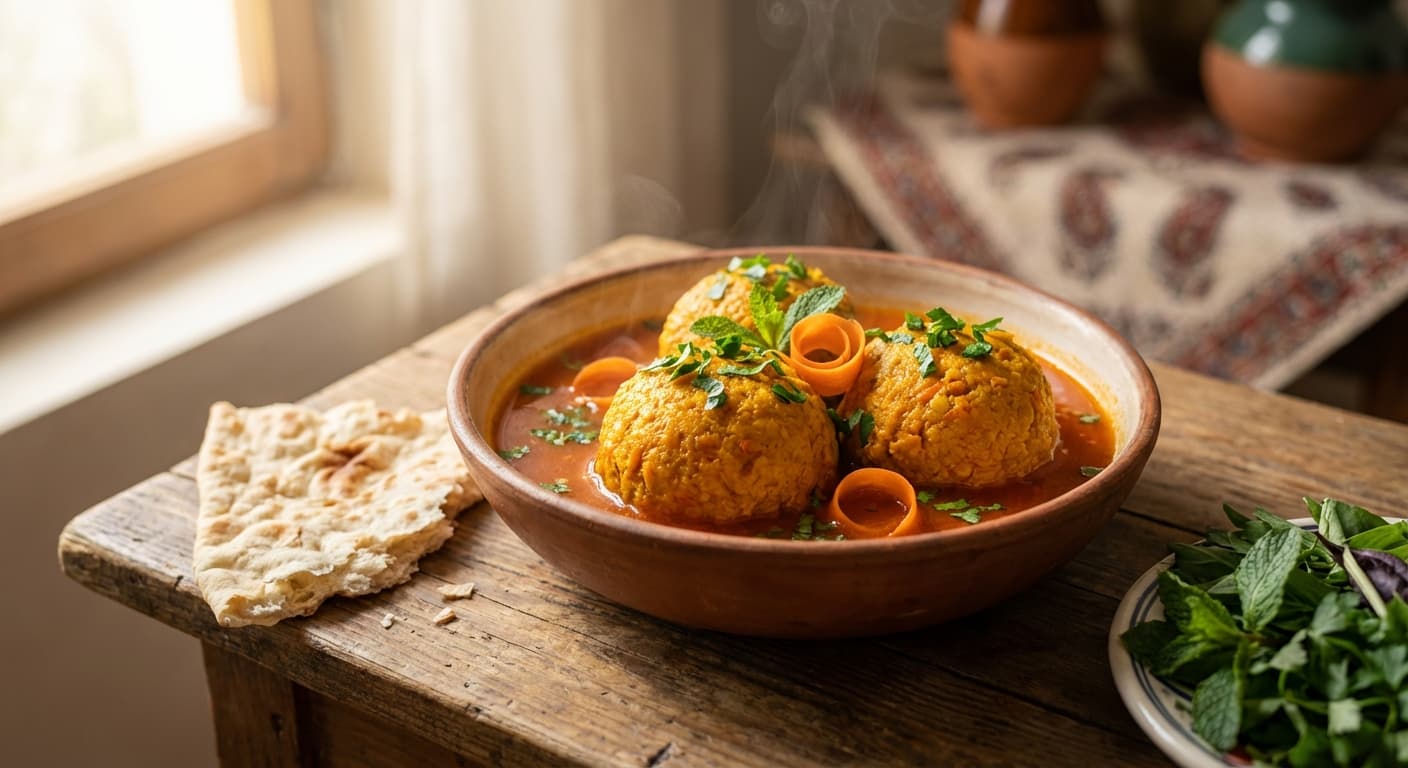
Koofteh Havij (کوفته هویج) — Persian Carrot Meatballs in Saffron-Tomato Broth
Persian · Main Courses · 120 min
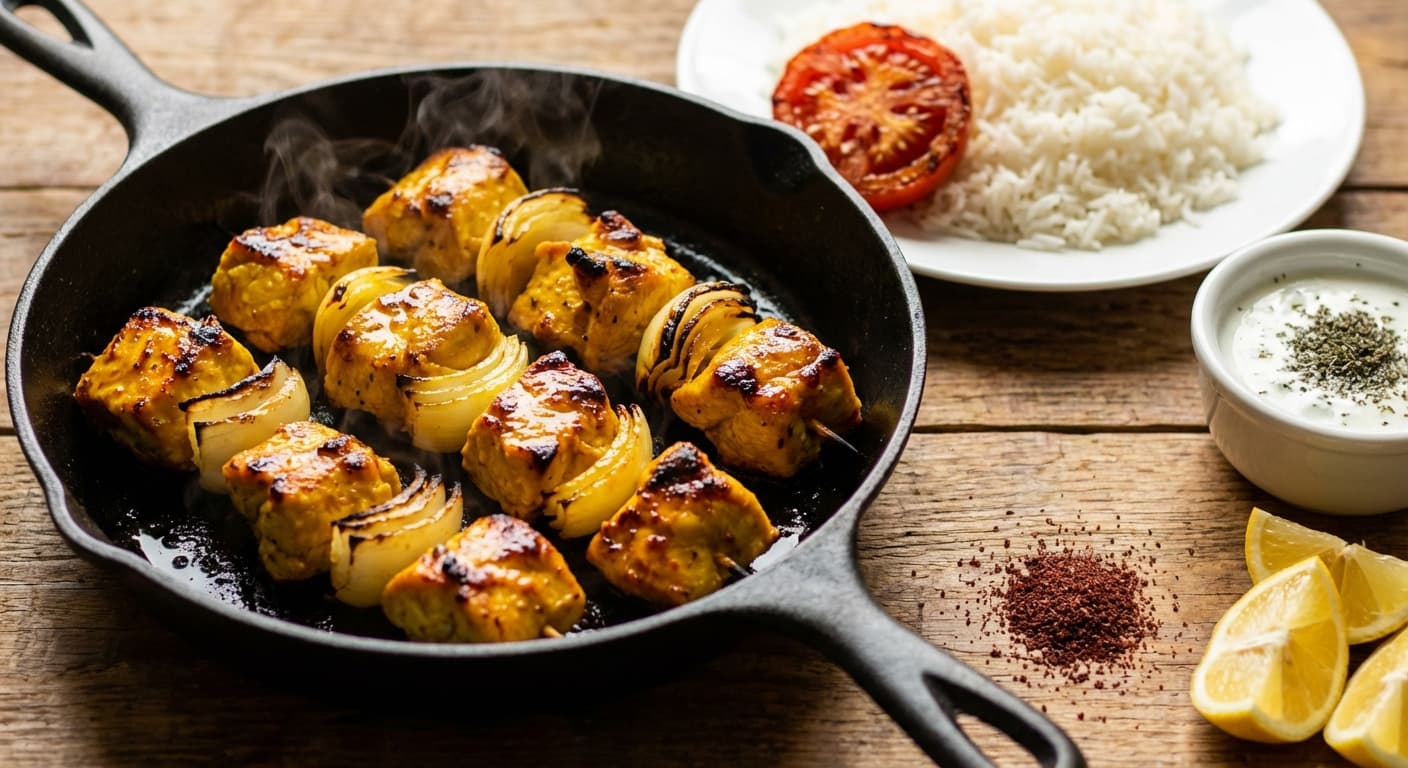
Pan-Seared Joojeh Kebab (جوجه کباب تابهای) — Persian Saffron Skillet Chicken
Persian · Kebabs · 34 min
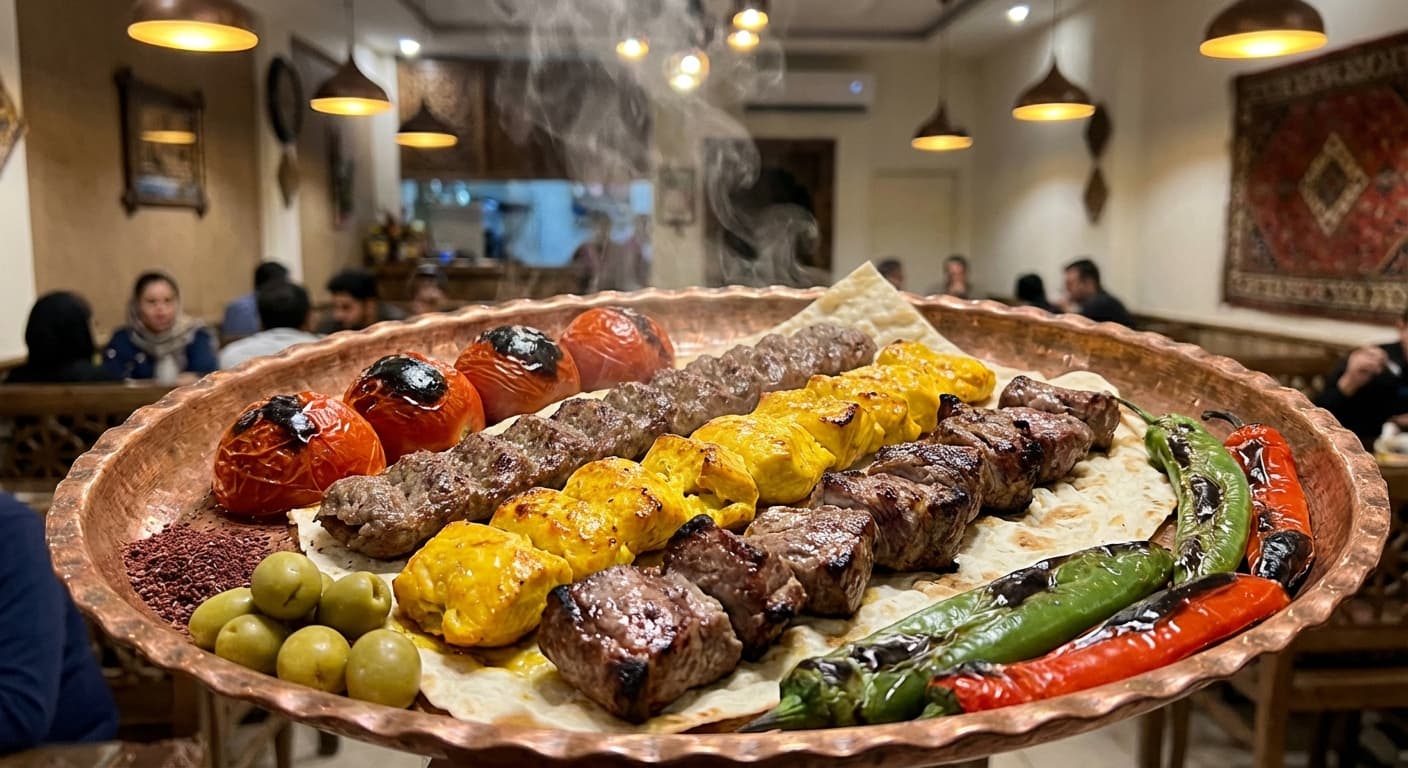
Kabab Vijeh (کباب ویژه) — Royal Persian Mixed Grill Platter
Persian · Kebabs · 70 min
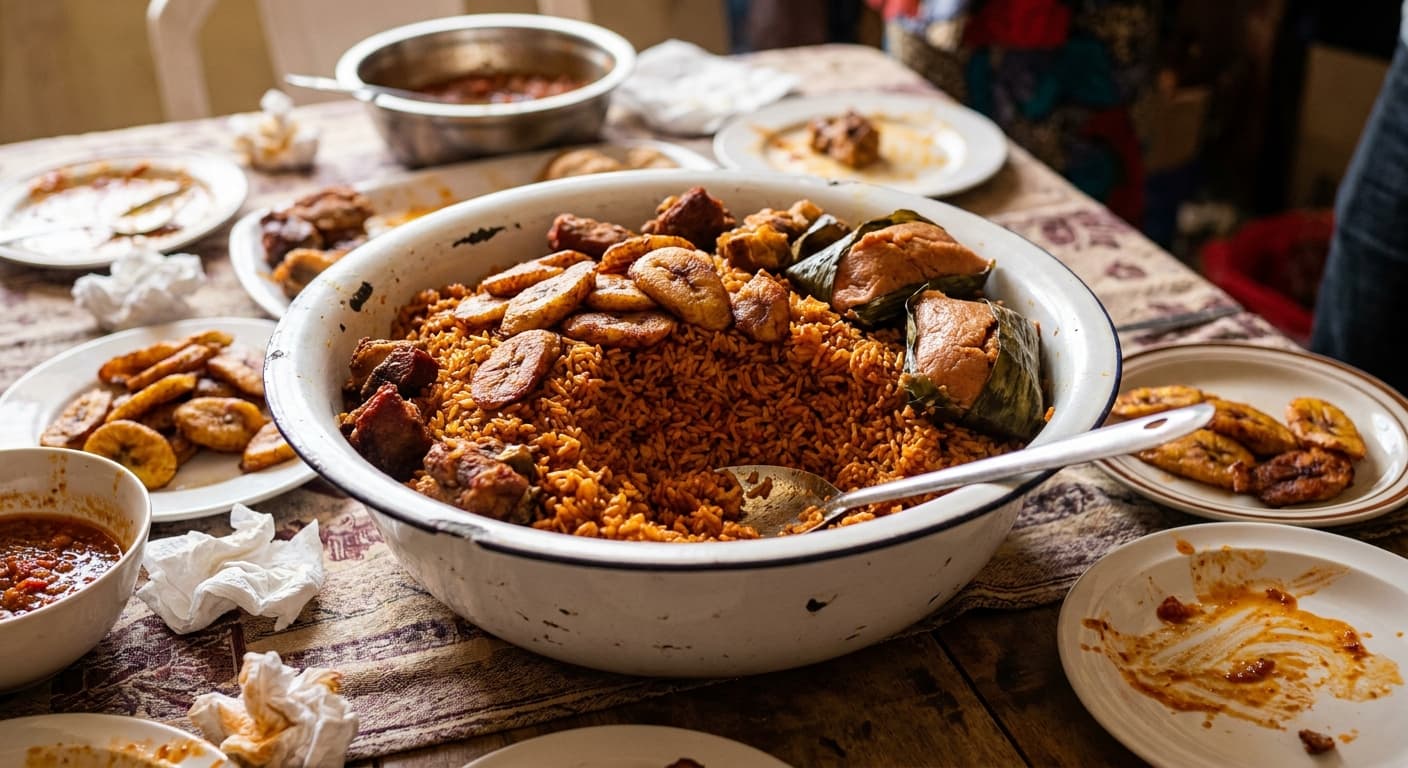
Nigerian Jollof Rice (Jollof Rice) — Smoky Party-Style Tomato Rice
West african · Rice Dishes · 80 min
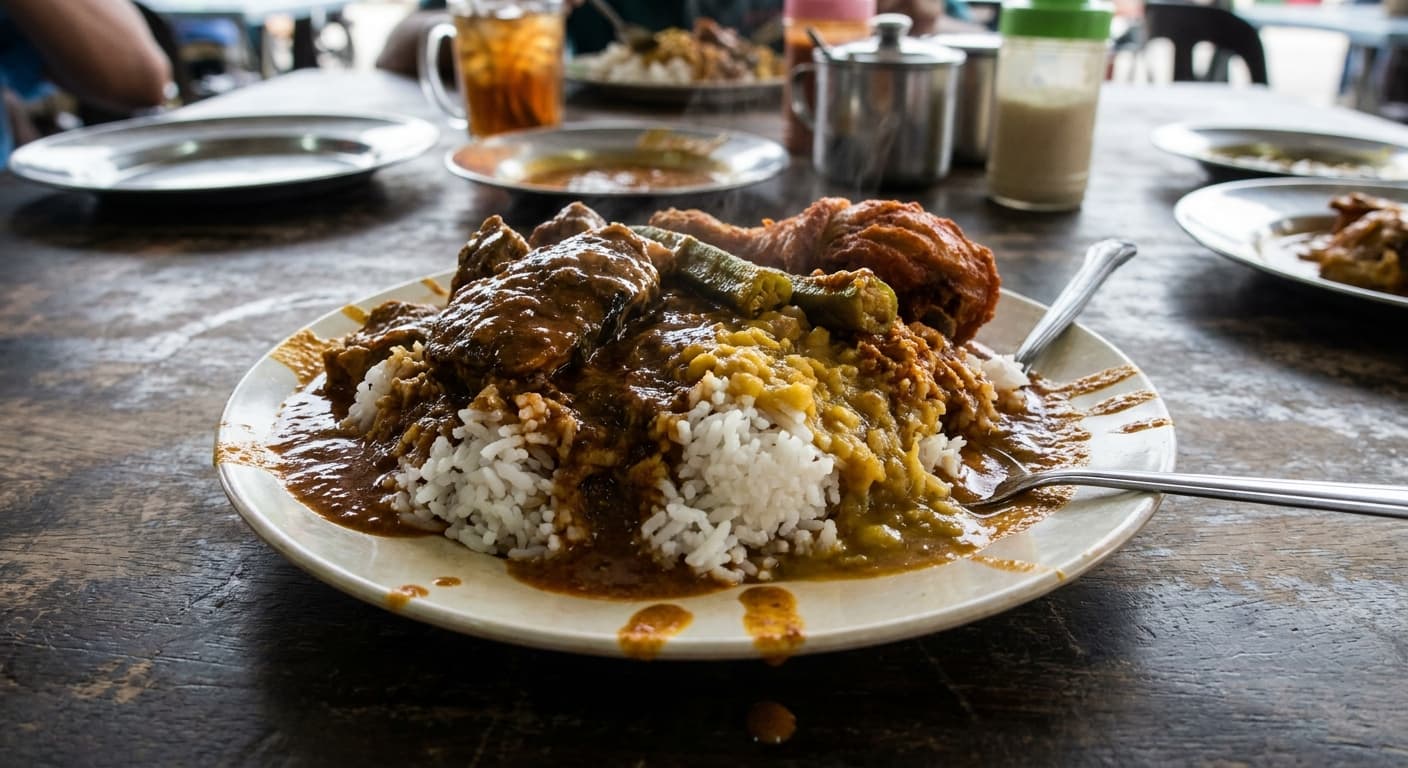
Nasi Kandar (Nasi Kandar) — Penang Mamak Curry Rice Plate
Malaysian · Rice Dishes · 110 min
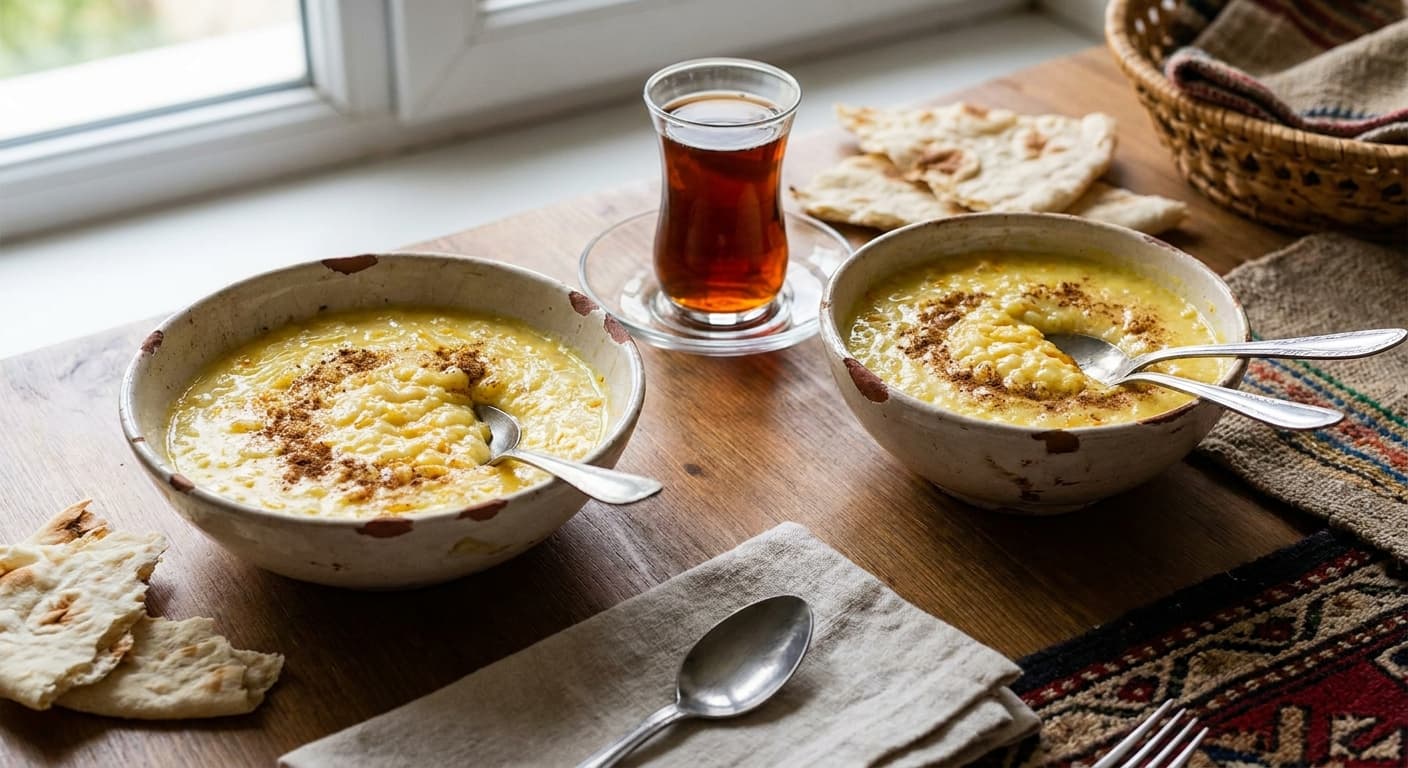
Azerbaijani Milk-Rice Porridge (Südlü Sıyıq) — Creamy Breakfast Rice with Saffron
Azerbaijani · Rice Dishes · 50 min
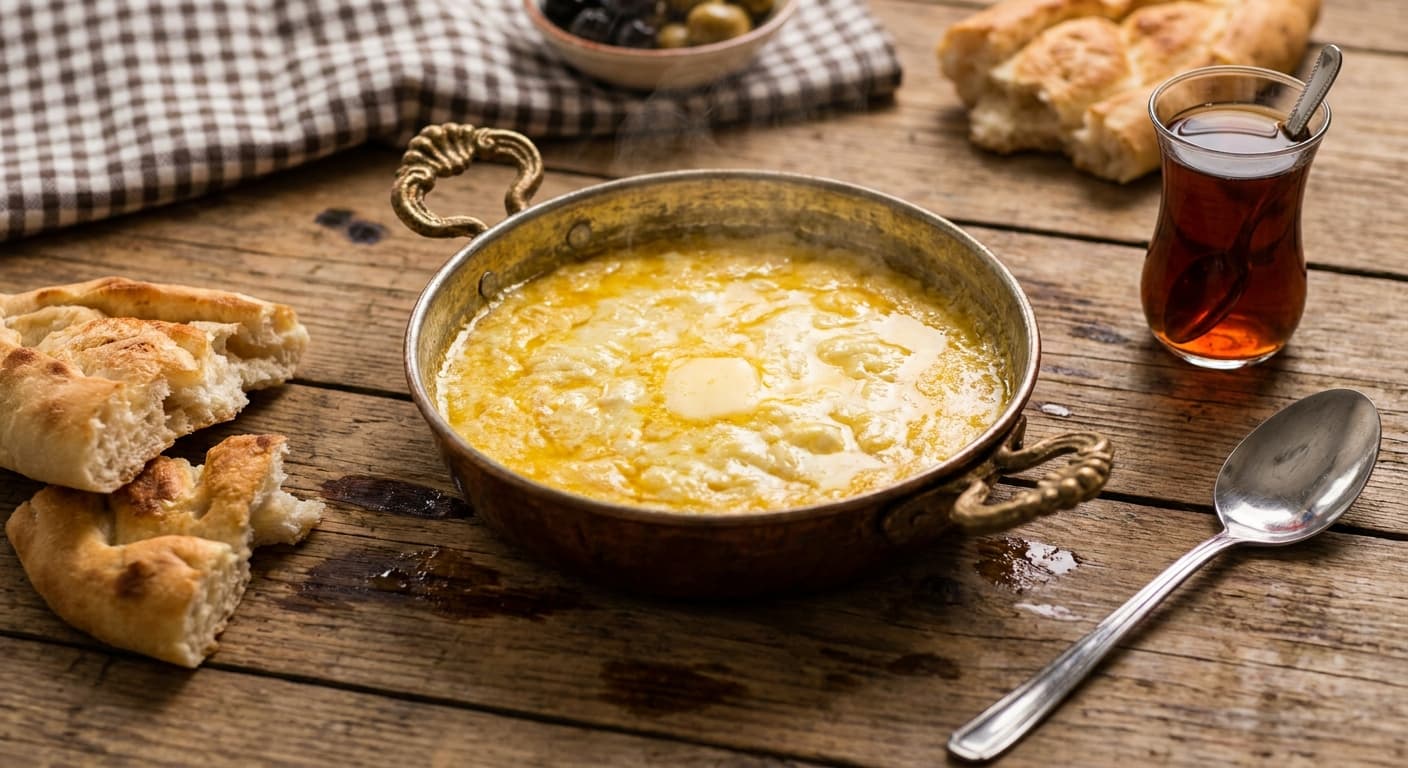
Mıhlama (Mıhlama) — Black Sea Cornmeal and Cheese Skillet
Turkish · Main Courses · 25 min
Egyptian Karkadeh (كركديه) — Chilled Hibiscus Tea
Egyptian · Drinks · 18 min
Reviews
Cooked this recipe?
Tap the stars to rate it — that's all it takes. A few words are welcome but optional.
No ratings yet. Cooked this one? Be the first to rate it — it takes one tap.