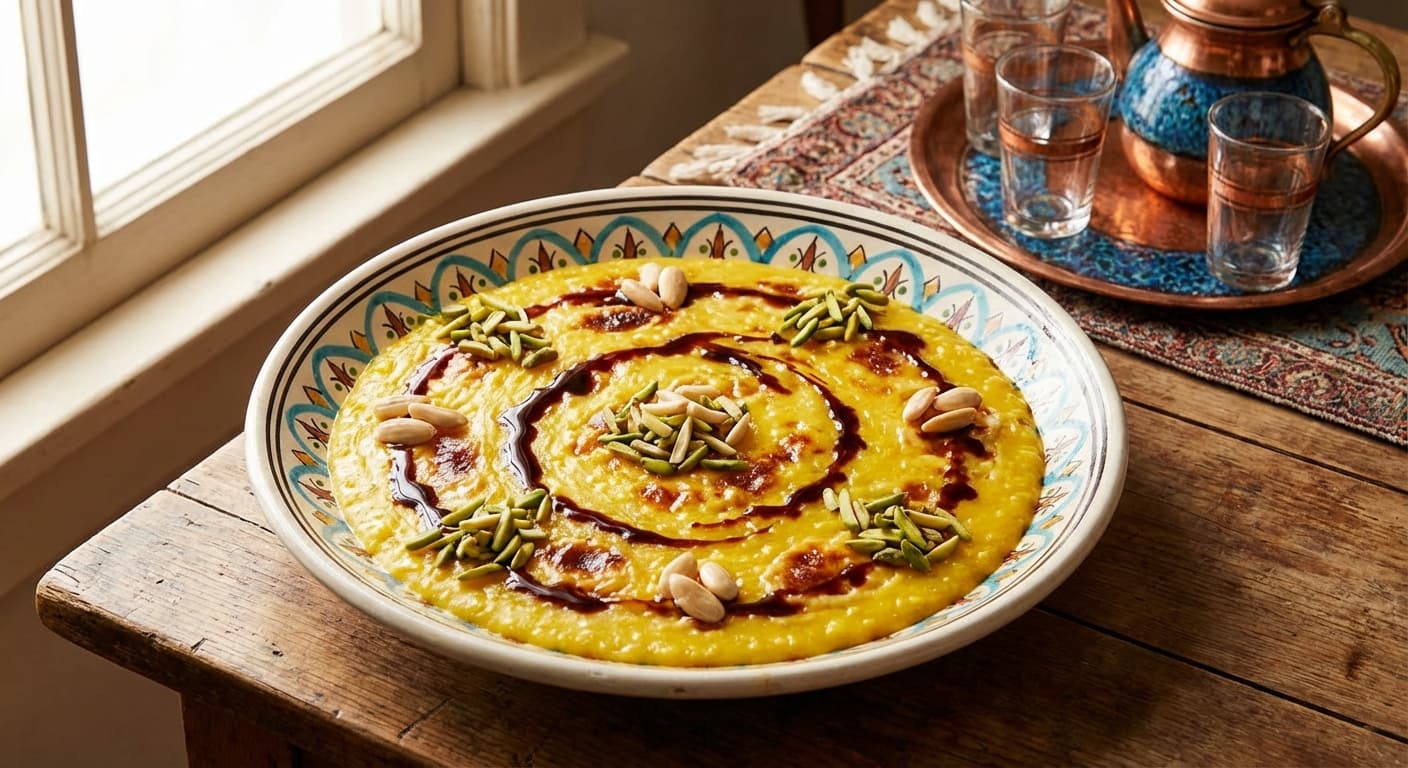
Sholeh Zard (شله زرد) — Persian Aromatic Rice Pudding with Grape Syrup
A luxurious Persian rice pudding scented with saffron, vanilla, and nutmeg, finished with a glossy grape-syrup swirl. Slow-cooked for a velvety texture, it sets into a golden, comforting dessert for gatherings.
Printable Recipe Card
Servings: 8 · Total: 170 min · Difficulty: medium
Ingredients (quick list)
- 200 g Basmati rice (rinsed until water runs mostly clear)
- 1200 ml Water (for soaking and initial cooking)
- 1000 ml Whole milk (room temperature preferred to reduce scorching)
- 200 g Granulated sugar (add after rice softens for best texture)
- 45 g Unsalted butter (cut into cubes)
- 0.3 g Saffron threads (ground and bloomed in hot water)
- 60 ml Hot water (just-boiled, for blooming saffron)
- 2 tsp Vanilla extract
- 0.5 tsp Ground nutmeg (freshly grated if possible)
- 0.25 tsp Fine sea salt (balances sweetness)
- 180 g Grape syrup (plus extra for serving if desired)
- 1 tbsp Rose water (optional but traditional; omit for a pure vanilla-nutmeg profile)
+ 2 more in the full ingredients section below.
Steps (summary)
- Rinse the basmati rice in a bowl with cool water 4–5 times until the water is mostly clear. Add 800 ml of the water and soak 60…
- Meanwhile, bloom the saffron: grind the saffron threads to a powder, then stir with 60 ml just-boiled water. Cover and steep 10…
- Drain the soaked rice, then transfer it to a heavy-bottom pot with the remaining 400 ml water. Bring to a boil over medium-high…
- Lower heat to medium-low and add the milk in three additions over 5 minutes, stirring constantly to prevent sticking. Simmer un…
- Stir in the sugar gradually over 2 minutes, then add butter, salt, vanilla extract, ground nutmeg, and the bloomed saffron (inc…
- Add the grape syrup and (if using) rose water. Stir 2–3 minutes to fully dissolve and distribute, then simmer 5 minutes more on…
+ 2 more steps in the full instructions section below.
Cultural Background
Sholeh zard is a well-known Persian saffron rice pudding often prepared for large gatherings and shared occasions. It is commonly made in big pots, portioned for guests, and decorated to mark celebrations or commemorations. Ingredients and garnishes vary by household and season.
Equipment
💡 Tips
- Use a heavy-bottom pot and a silicone spatula; frequent scraping prevents scorching and keeps the pudding silky.
- Add sugar only after the rice is fully soft—early sugar can slow hydration and leave a slightly grainy texture.
- If the pudding thickens too much after chilling, loosen each portion with 1–2 tablespoons of warm milk and stir gently.
- Choose a grape syrup that is thick and pure; very thin syrups can water down the set and require longer simmering.
- Broil briefly and watch closely; the goal is a lightly golden top, not a dark crust.
⚠️ Common Mistakes
❌ Adding sugar before the rice is fully softened
💡 Why: Sugar raises the boiling point and can slow rice hydration, leaving grains firm and the pudding less cohesive.
✅ Fix: Simmer the rice in water and milk until it splits easily between fingers, then add sugar and continue cooking to thicken.
❌ Cooking on high heat and stirring infrequently
💡 Why: Milk solids scorch quickly, creating bitter specks and an uneven texture.
✅ Fix: Use medium-low heat, stir every 2–3 minutes, and scrape the bottom and corners; lower heat further if you see sticking.
❌ Over-broiling the top
💡 Why: The surface can burn in seconds, overpowering saffron and grape notes with bitterness.
✅ Fix: Broil in short bursts (30–60 seconds), rotate if needed, and remove as soon as light golden spots appear.
❌ Expecting final thickness while hot
💡 Why: The pudding thickens significantly as it cools and sets in the refrigerator.
✅ Fix: Stop cooking when it is creamy and leaves a brief trail; chill at least 4 hours before judging the set.
🧊 How to Store
Refrigerate covered for up to 4 days. Keep garnishes separate for best texture. Do not freeze; freezing can cause separation and a grainy mouthfeel when thawed. Reheat gently on low with a splash of milk, or serve chilled.
📅 Make Ahead
Make up to 2 days ahead: cook, portion, and refrigerate covered. Add grape-syrup swirls and nut garnishes shortly before serving for the cleanest look and best crunch.
🍽️ Pairs Well With
- Hot black tea or cardamom tea
- Fresh berries or sliced pears
- Extra grape syrup on the side for drizzling
Regional Variations
- Tehran and central IranOften scented with saffron and rose water and finished with decorative toppings such as nuts and spices; texture is typically smooth and softly set.
- Northern IranSome households prefer a slightly looser pudding and may emphasize buttery richness; fruit-based sweeteners like grape products can appear depending on local pantry traditions.
Ingredients
- 200 gBasmati rice (rinsed until water runs mostly clear)
- 1200 mlWater (for soaking and initial cooking)
- 1000 mlWhole milk (room temperature preferred to reduce scorching)
- 200 gGranulated sugar (add after rice softens for best texture)
- 45 gUnsalted butter (cut into cubes)
- 0.3 gSaffron threads (ground and bloomed in hot water)
- 60 mlHot water (just-boiled, for blooming saffron)
- 2 tspVanilla extract
- 0.5 tspGround nutmeg (freshly grated if possible)
- 0.25 tspFine sea salt (balances sweetness)
- 180 gGrape syrup (plus extra for serving if desired)
- 1 tbspRose water (optional but traditional; omit for a pure vanilla-nutmeg profile)
- 25 gSlivered pistachios (for garnish (optional))
- 25 gSliced almonds (for garnish (optional))
🔄 Substitutions
- Whole milk→ 2% milk plus 60 ml heavy cream
- Grape syrup→ Pomegranate molasses (use 120 g) plus 60 g honey
- Basmati rice→ Jasmine rice
Instructions
- 1
Rinse the basmati rice in a bowl with cool water 4–5 times until the water is mostly clear. Add 800 ml of the water and soak 60 minutes at room temperature. Soaking helps the grains break down evenly, producing the classic creamy texture without needing any thickeners.
- 2
Meanwhile, bloom the saffron: grind the saffron threads to a powder, then stir with 60 ml just-boiled water. Cover and steep 10 minutes until deeply colored. Measure the milk, sugar, and butter so they are ready; this dessert moves slowly but benefits from steady, timed additions.
- 3
Drain the soaked rice, then transfer it to a heavy-bottom pot with the remaining 400 ml water. Bring to a boil over medium-high heat, then reduce to a gentle simmer. Cook 20–25 minutes, stirring every 3–4 minutes, until the grains are very soft and beginning to split.
- 4
Lower heat to medium-low and add the milk in three additions over 5 minutes, stirring constantly to prevent sticking. Simmer uncovered 35–45 minutes, stirring every 2–3 minutes and scraping the bottom. The mixture should look loose but creamy, with rice suspended evenly.
- 5
Stir in the sugar gradually over 2 minutes, then add butter, salt, vanilla extract, ground nutmeg, and the bloomed saffron (including all liquid). Continue simmering 15–20 minutes, stirring frequently, until the pudding thickens and a spoon leaves a clear trail for 2 seconds.
- 6
Add the grape syrup and (if using) rose water. Stir 2–3 minutes to fully dissolve and distribute, then simmer 5 minutes more on low to round out the flavor. Taste and adjust sweetness by adding 10–20 g more grape syrup if needed, keeping the texture spoonable.
- 7
For a golden finish, preheat the broiler (grill) to high and position a rack 15–20 cm from the heat. Portion the pudding into a broiler-safe ceramic dish or 8 ramekins. Broil 2–4 minutes, watching constantly, until the surface shows light golden spots without burning.
- 8
Cool at room temperature 30 minutes, then cover and refrigerate at least 4 hours (or overnight) to set. Before serving, swirl a small amount of grape syrup on top and garnish with pistachios and almonds if desired. Serve chilled or cool, with a soft, custardy spoonful.
🪪 Recipe Passport
Cultural Background
Sholeh zard is a well-known Persian saffron rice pudding often prepared for large gatherings and shared occasions. It is commonly made in big pots, portioned for guests, and decorated to mark celebrations or commemorations. Ingredients and garnishes vary by household and season.
Regional Variations
Researched from multiple sources and validated by the Zaffaron editorial team. Every recipe is tested for accuracy, measurements, and cultural authenticity.
Nutrition per serving
Pairs well with
If you enjoyed this recipe, here are a few related Zaffaron recipes to try next.
- Soup-e Adas va Pasta (سوپ عدس و پاستا) — Persian Lentil and Pasta Soup
- Sini Ordour (سینی اردور) — Persian Salad Olivieh & Seafood Appetizer Platter
- Smoked Silk Mirza Ghasemi (میرزا قاسمی) — Silky smoked eggplant with tomato, garlic, and eggs
- Soop-e Reshteh Farangi (سوپ رشته فرنگی) — Persian-Style Chicken Noodle Soup
Does your family make this differently?
Every family has their own version. Maybe your grandmother adds a secret ingredient, or your aunt has a completely different technique. Preserve your family's version — with their name on it, forever.
You Might Also Like
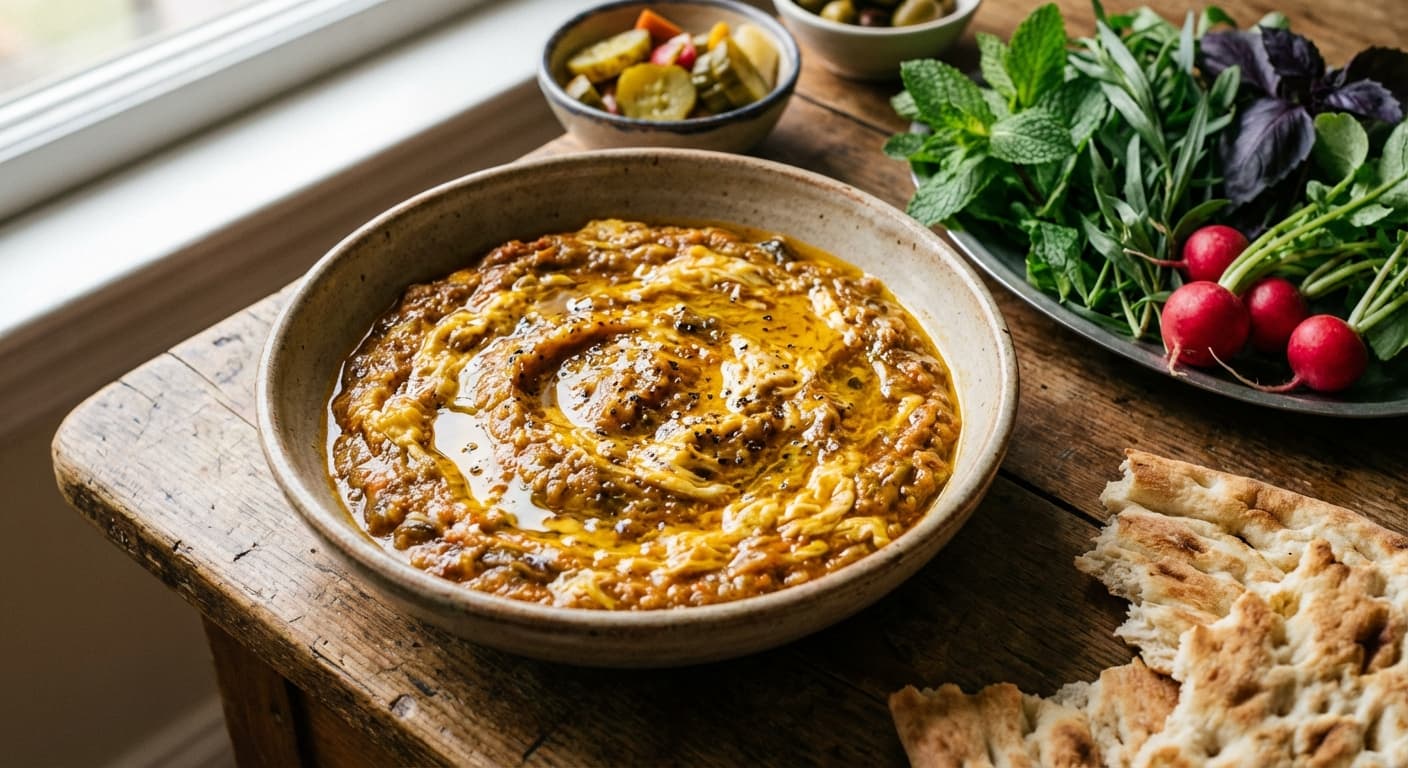
Smoked Silk Mirza Ghasemi (میرزا قاسمی) — Silky smoked eggplant with tomato, garlic, and eggs
Persian · Appetizers · 60 min
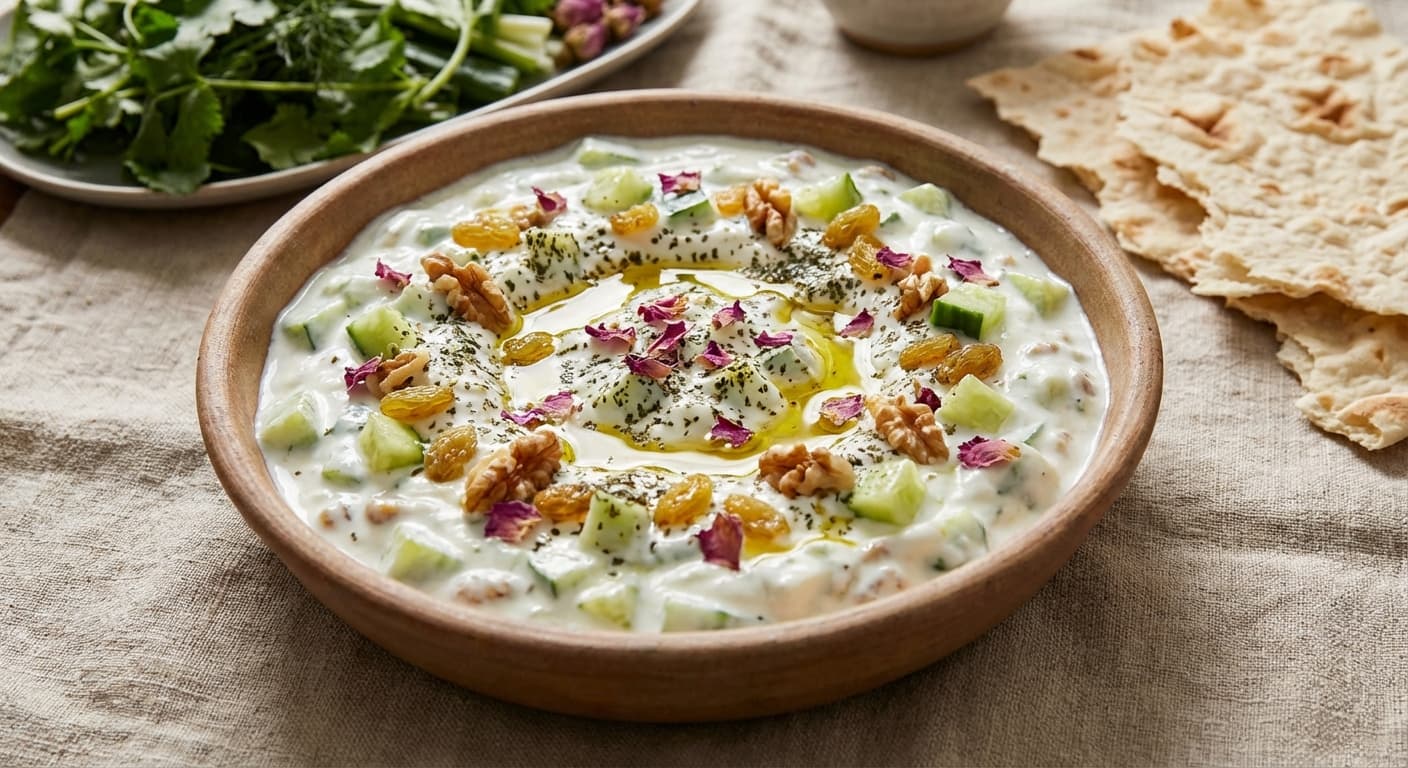
Mast-o-Khiar (ماست و خیار) — Persian Cucumber and Herb Yogurt Dip
Persian · Side Dishes · 25 min
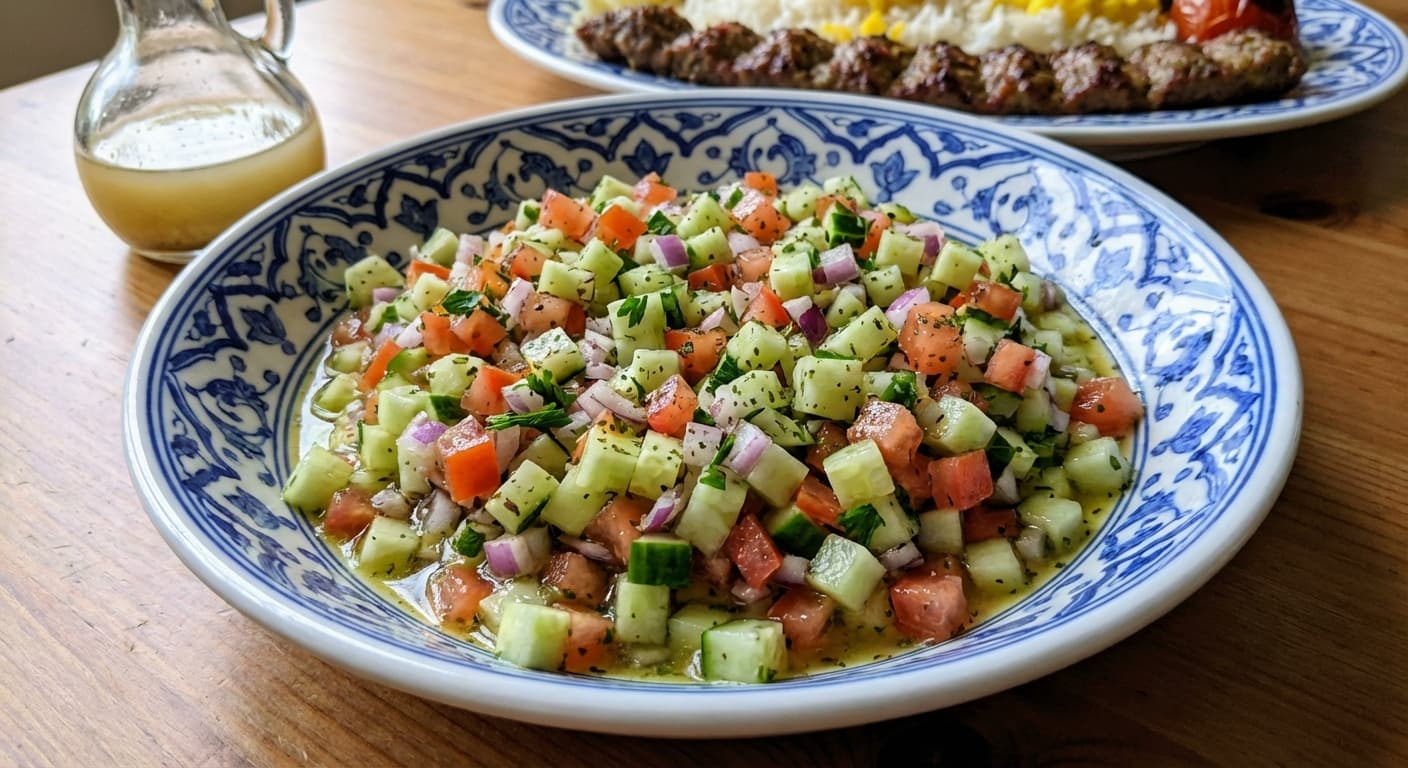
Shirazi Salad (سالاد شیرازی) — Brunoised cucumber-tomato herb salad with ab-ghooreh
Persian · Salads · 20 min
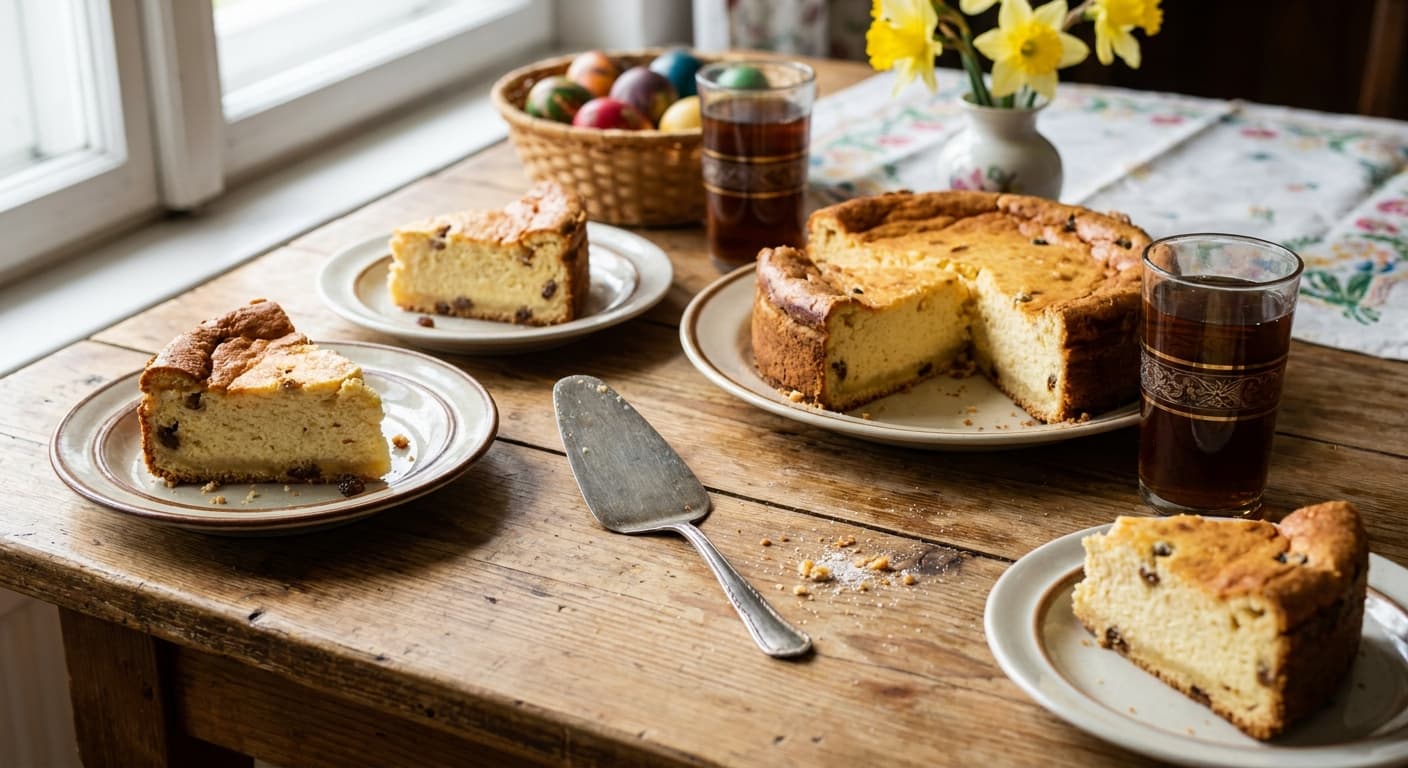
Sernik (Sernik) — Polish Baked Twarog Cheesecake
Polish · Desserts · 105 min

Portuguese Custard Tarts (Pastéis de Nata) — Flaky Lisbon-Style Custard Pastries
Portuguese · Desserts · 87 min
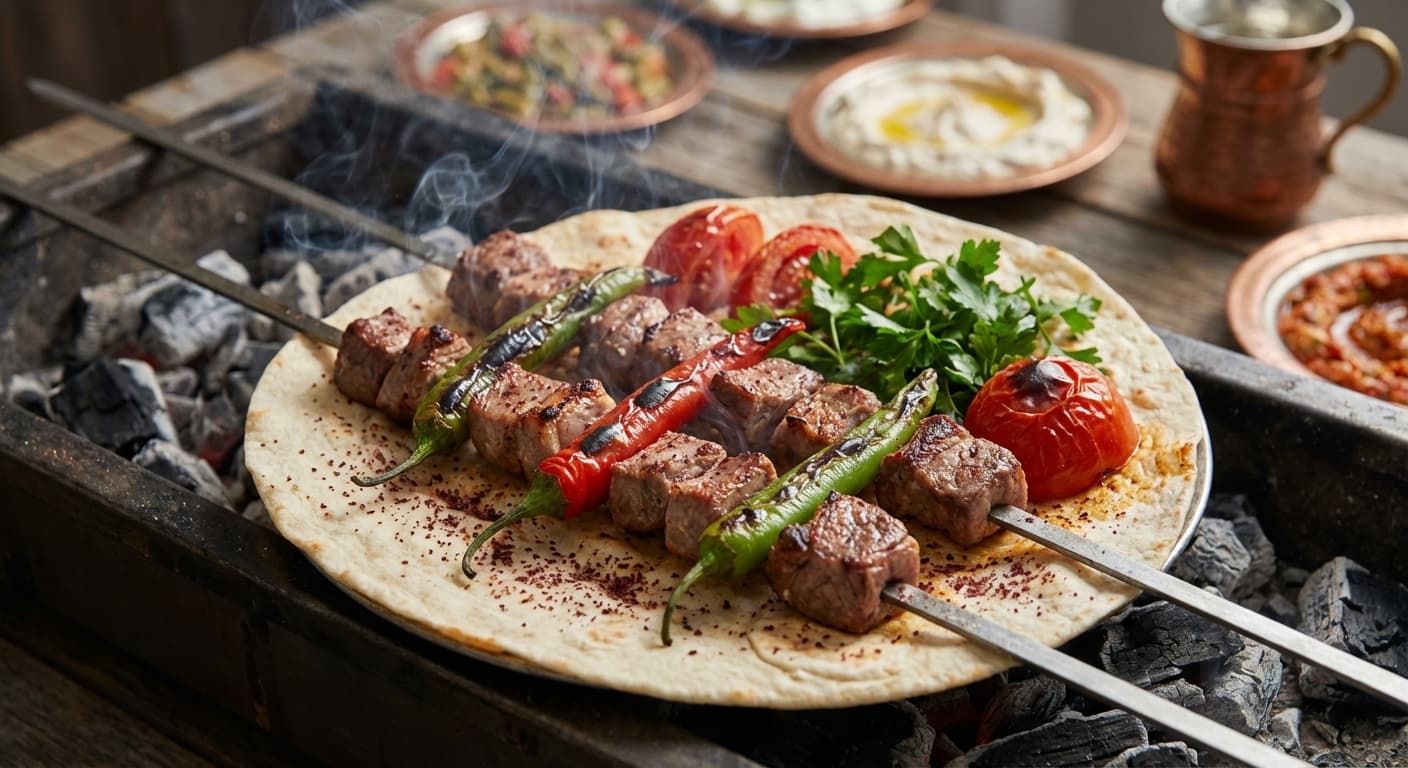
Turkish Shish Kebab (Şiş Kebap) — Charcoal-Grilled Marinated Lamb Skewers
Turkish · Kebabs · 37 min
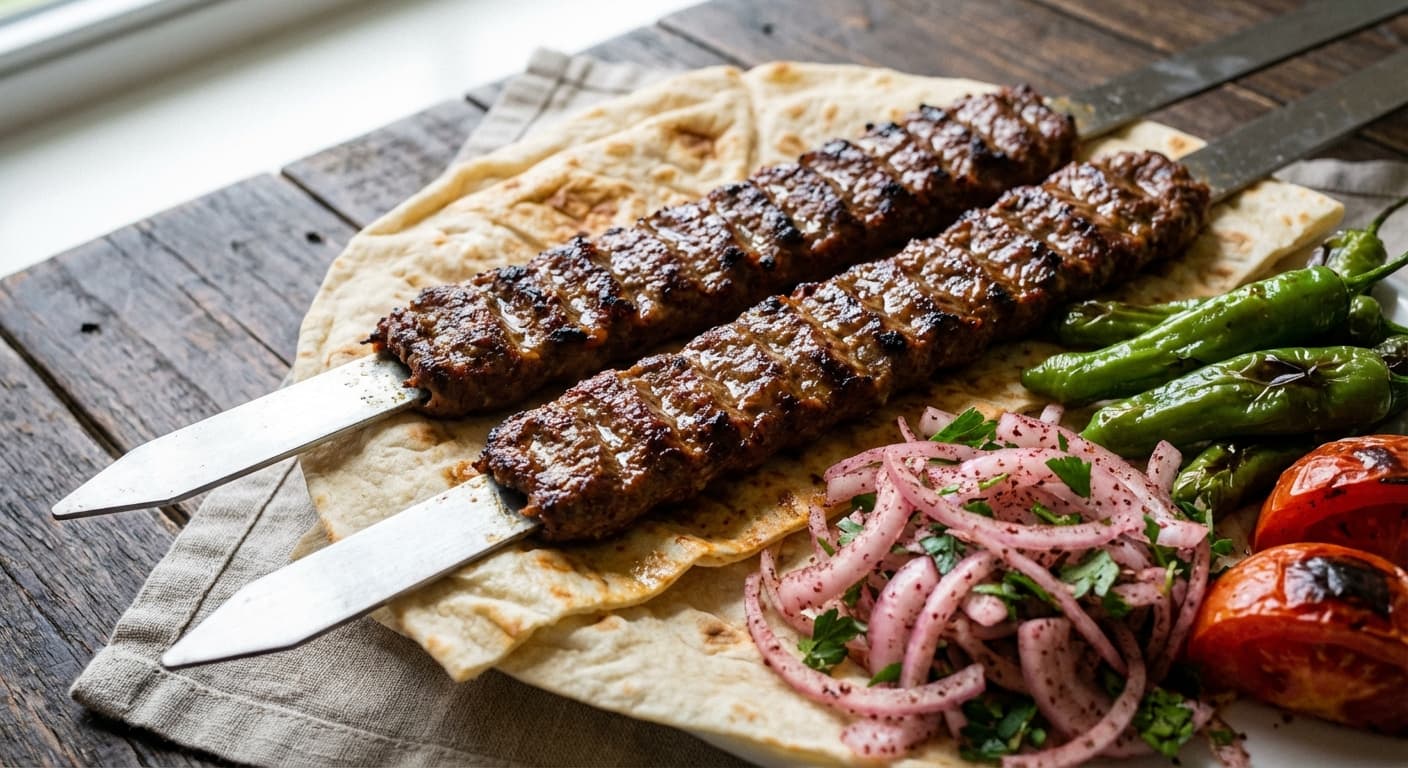
Urfa Kebab (اورفا کباب) — Mild Turkish minced skewer with sumac onions
Turkish · Kebabs · 37 min
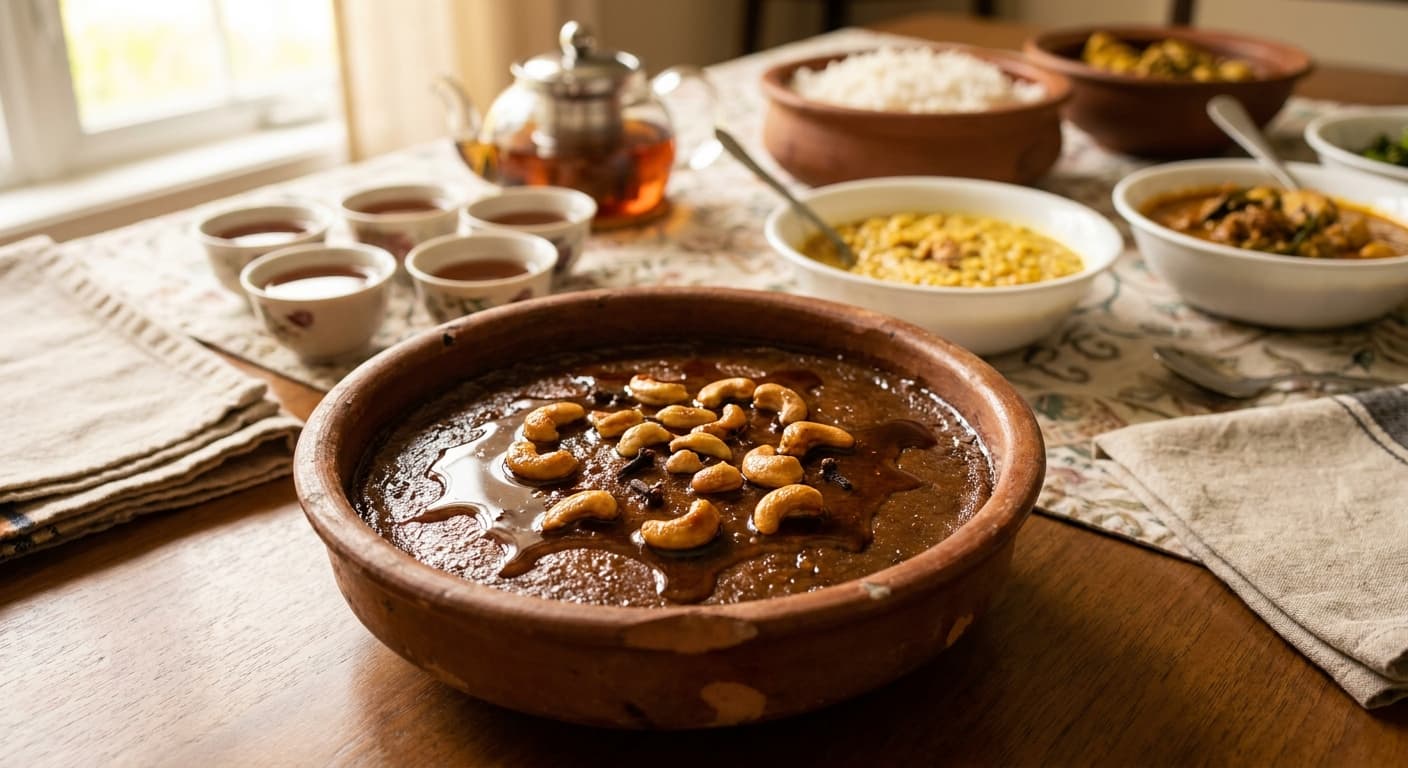
Watalappan (වටලප්පන්) — Sri Lankan Coconut Jaggery Custard
Sri lankan · Desserts · 70 min
Reviews
Cooked this recipe?
Tap the stars to rate it — that's all it takes. A few words are welcome but optional.
No ratings yet. Cooked this one? Be the first to rate it — it takes one tap.