Tah-Mahi ba Reshteh (تهماهی با رشته) — Persian-Style Aromatic Tuna Noodles
A Persian-inspired pantry meal of sautéed onion, garlic, and turmeric folded into tender noodles with tuna, finished with lemon and parsley. Comforting, coastal-leaning flavors with a bright citrus lift.
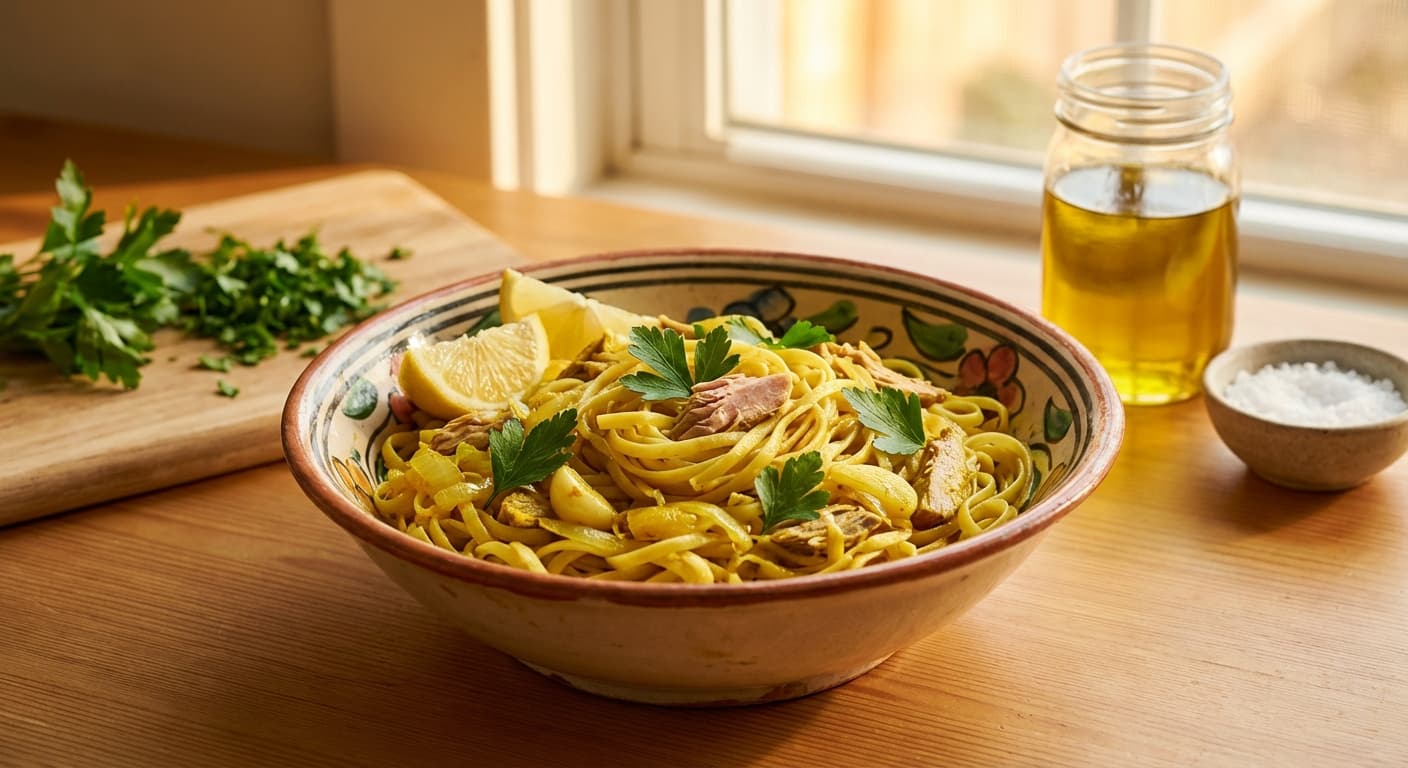
Printable Recipe Card
Servings: 4 · Total: 35 min · Difficulty: easy
Ingredients (quick list)
- 300 g Dried noodles (spaghetti or linguine) (Break in half if needed to fit the pot)
- 3 L Water (For boiling noodles)
- 18 g Sea salt (For salting noodle water (about 1 tablespoon))
- 45 ml Extra virgin olive oil (Divided)
- 250 g Yellow onion (Thinly sliced (about 1 large))
- 12 g Garlic (Finely grated or minced (about 4 cloves))
- 2 tsp Ground turmeric (Fresh, bright yellow)
- 1 tsp Black pepper (Freshly ground)
- 280 g Canned tuna in olive oil (Drained weight; flaked (about 2 cans))
- 30 ml Lemon juice (Freshly squeezed (2 tablespoons), plus more to taste)
- 20 g Fresh parsley (Finely chopped (about 1 packed cup leaves))
- 120 ml Reserved noodle cooking water (Use as needed to loosen and emulsify)
Steps (summary)
- Bring 3 liters of water to a rolling boil in a large pot over high heat, then stir in 18 g sea salt. Add 300 g noodles and cook…
- While the noodles cook, heat 30 ml extra virgin olive oil in a wide skillet over medium heat. Add 250 g sliced yellow onion and…
- Add 12 g minced garlic to the onions and cook until fragrant, 45–60 seconds. Sprinkle in 2 tsp turmeric and 1 tsp black pepper;…
- Add 280 g flaked tuna and gently stir to coat it in the turmeric-onion mixture. Cook 2–3 minutes, breaking up larger chunks wit…
- Add the drained noodles to the skillet and toss for 1–2 minutes. Pour in 60–120 ml reserved noodle water a little at a time, to…
- Rest the noodles for 2 minutes so the flavors settle, then taste again for lemon, salt, and pepper. Serve warm, finishing each…
Cultural Background
This dish is a modern, Persian-inspired noodle meal that uses familiar home-cooking techniques like slowly sautéed onions and turmeric bloomed in oil. Tuna and citrus reflect coastal pantry habits seen in parts of Southern Iran, where seafood and bright sour notes are common at the table.
Equipment
💡 Tips
- For deeper flavor, let the onions go fully golden; this is the main sweetness that balances the turmeric.
- Blooming turmeric in oil for 30 seconds makes it taste rounder and less raw; do not let it darken.
- If your tuna is packed in water, add an extra 10–15 ml olive oil for richness and better spice distribution.
- Add reserved noodle water gradually; too much at once can make the dish watery instead of glossy.
- Stir lemon juice off-heat to prevent it from turning bitter and to keep the aroma fresh.
⚠️ Common Mistakes
❌ Under-cooking the onions (pale and crunchy)
💡 Why: The dish relies on onion sweetness to balance turmeric and tuna.
✅ Fix: Cook onions 10–12 minutes over medium heat until deeply golden; stir often and lower heat if needed.
❌ Burning garlic or turmeric
💡 Why: Scorched garlic turns bitter and turmeric can taste harsh when over-toasted.
✅ Fix: Add garlic for only 45–60 seconds, then turmeric for 30 seconds while stirring; add a splash of oil if the pan is dry.
❌ Adding lemon juice while the pan is very hot
💡 Why: High heat can dull the fresh citrus aroma and introduce bitterness.
✅ Fix: Turn off heat before adding lemon; finish with extra lemon at the table if needed.
❌ Skipping reserved noodle water
💡 Why: Without starch, the sauce stays oily and won’t cling to noodles.
✅ Fix: Reserve 120 ml cooking water and add gradually while tossing until glossy.
🧊 How to Store
Cool leftovers within 2 hours, then refrigerate in an airtight container for up to 3 days. Reheat gently in a skillet over medium-low with 1–2 tablespoons water to loosen; add fresh lemon and parsley after reheating. Not ideal for freezing (noodles soften).
📅 Make Ahead
Slice the onion and chop parsley up to 24 hours ahead; refrigerate separately in airtight containers. You can also sauté the onions and spice base up to 2 days ahead, then rewarm and toss with freshly cooked noodles and tuna just before serving.
🍽️ Pairs Well With
- Shirazi salad (cucumber
- tomato
- onion with lemon)
- Plain yogurt or strained yogurt with cucumber and dried mint
- Pickled vegetables
- Fresh herbs and lemon wedges
Regional Variations
- Southern Iran (coastal-style influence)Increase lemon juice to 45 ml and add more black pepper for a brighter, sharper finish; serve with extra herbs and pickles to echo coastal sour-and-herb pairings.
- Tehran-style weeknight versionUse spaghetti and keep the seasoning simple—turmeric, pepper, and onion—then finish with parsley and lemon; it’s often served with a side salad and yogurt for balance.
Ingredients
- 300 gDried noodles (spaghetti or linguine) (Break in half if needed to fit the pot)
- 3 lWater (For boiling noodles)
- 18 gSea salt (For salting noodle water (about 1 tablespoon))
- 45 mlExtra virgin olive oil (Divided)
- 250 gYellow onion (Thinly sliced (about 1 large))
- 12 gGarlic (Finely grated or minced (about 4 cloves))
- 2 tspGround turmeric (Fresh, bright yellow)
- 1 tspBlack pepper (Freshly ground)
- 280 gCanned tuna in olive oil (Drained weight; flaked (about 2 cans))
- 30 mlLemon juice (Freshly squeezed (2 tablespoons), plus more to taste)
- 20 gFresh parsley (Finely chopped (about 1 packed cup leaves))
- 120 mlReserved noodle cooking water (Use as needed to loosen and emulsify)
🔄 Substitutions
- Canned tuna in olive oil→ Canned salmon or canned mackerel
- Dried noodles (spaghetti or linguine)→ Egg noodles or broken vermicelli
- Fresh parsley→ Fresh cilantro or dill
Instructions
- 1
Bring 3 liters of water to a rolling boil in a large pot over high heat, then stir in 18 g sea salt. Add 300 g noodles and cook until just al dente, 8–11 minutes (check package timing). Before draining, reserve 120 ml of the starchy cooking water; drain noodles and set aside.
- 2
While the noodles cook, heat 30 ml extra virgin olive oil in a wide skillet over medium heat. Add 250 g sliced yellow onion and cook, stirring every 1–2 minutes, until deeply golden and sweet, 10–12 minutes. Lower heat slightly if browning too fast; you want caramelized edges without burning.
- 3
Add 12 g minced garlic to the onions and cook until fragrant, 45–60 seconds. Sprinkle in 2 tsp turmeric and 1 tsp black pepper; stir constantly for 30 seconds to bloom the spices in the oil. If the pan looks dry, add 15 ml olive oil to keep the spices from scorching.
- 4
Add 280 g flaked tuna and gently stir to coat it in the turmeric-onion mixture. Cook 2–3 minutes, breaking up larger chunks with a spoon, until warmed through and savory. Taste and adjust salt if needed (tuna varies); keep heat at medium-low so the garlic stays sweet, not bitter.
- 5
Add the drained noodles to the skillet and toss for 1–2 minutes. Pour in 60–120 ml reserved noodle water a little at a time, tossing until the noodles look glossy and the sauce lightly clings. Turn off the heat, then stir in 30 ml lemon juice and 20 g chopped parsley to keep them bright.
- 6
Rest the noodles for 2 minutes so the flavors settle, then taste again for lemon, salt, and pepper. Serve warm, finishing each portion with a small drizzle of olive oil if desired. For a more Persian-style table, offer extra lemon wedges and chopped herbs alongside for guests to adjust.
🪪 Recipe Passport
Cultural Background
This dish is a modern, Persian-inspired noodle meal that uses familiar home-cooking techniques like slowly sautéed onions and turmeric bloomed in oil. Tuna and citrus reflect coastal pantry habits seen in parts of Southern Iran, where seafood and bright sour notes are common at the table.
Regional Variations
Researched from multiple sources and validated by the Zaffaron editorial team. Every recipe is tested for accuracy, measurements, and cultural authenticity.
Nutrition per serving
Pairs well with
If you enjoyed this recipe, here are a few related Zaffaron recipes to try next.
- Tomato Kuku (کوکوی گوجه فرنگی) — Fluffy Persian Tomato Herb Frittata
- Yatimcheh (یتیمچه) — Persian Eggplant Stew with Melted Mozzarella
- Tahchin Goosht va Bademjan (ته چین گوشت و بادمجان) — Persian Saffron Rice Cake with Meat and Eggplant
- Tahchin Shirazi (ته چین شیرازی) — Saffron-Infused Persian Rice Cake
Does your family make this differently?
Every family has their own version. Maybe your grandmother adds a secret ingredient, or your aunt has a completely different technique. Preserve your family's version — with their name on it, forever.
You Might Also Like
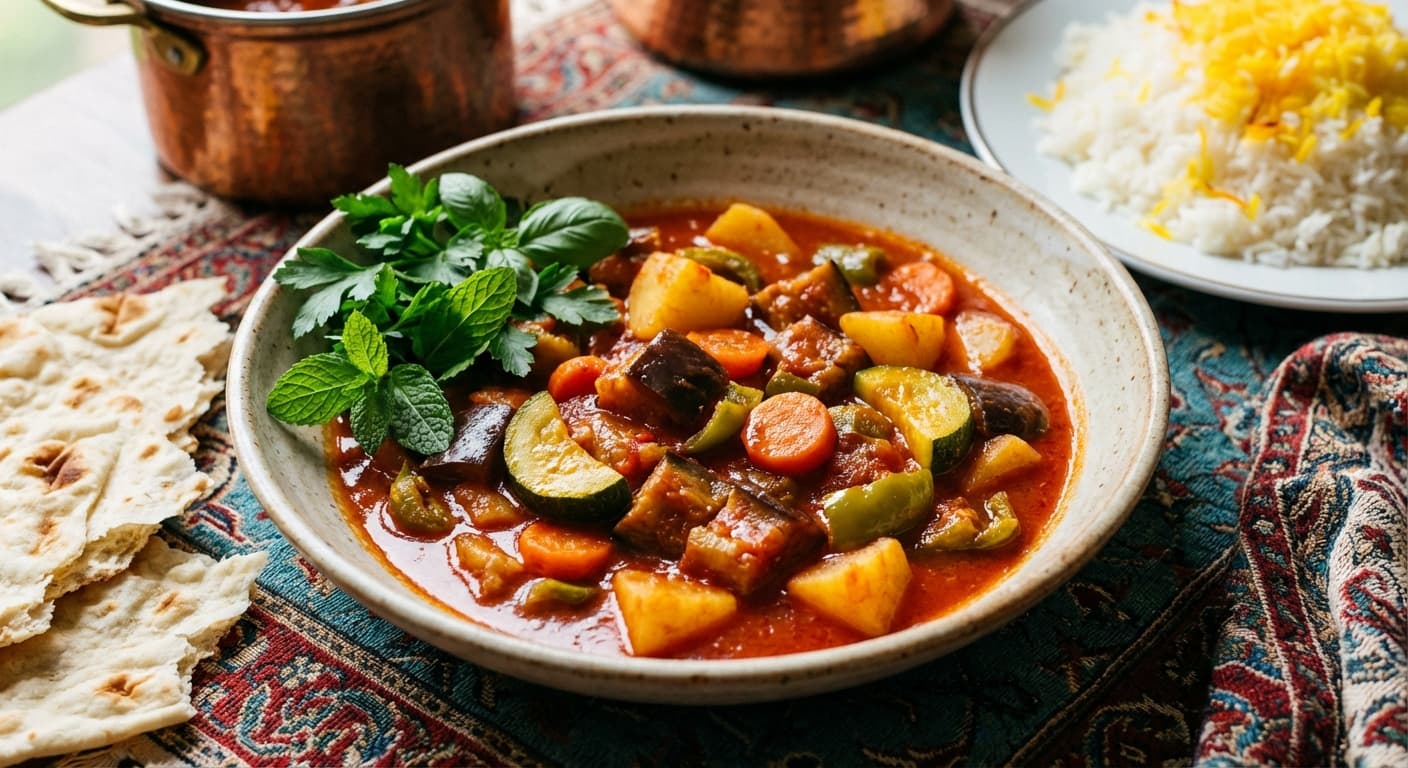
Yatimcheh (یتیمچه) — Persian Slow-Cooked Summer Vegetable Stew
Persian · Stews · 100 min
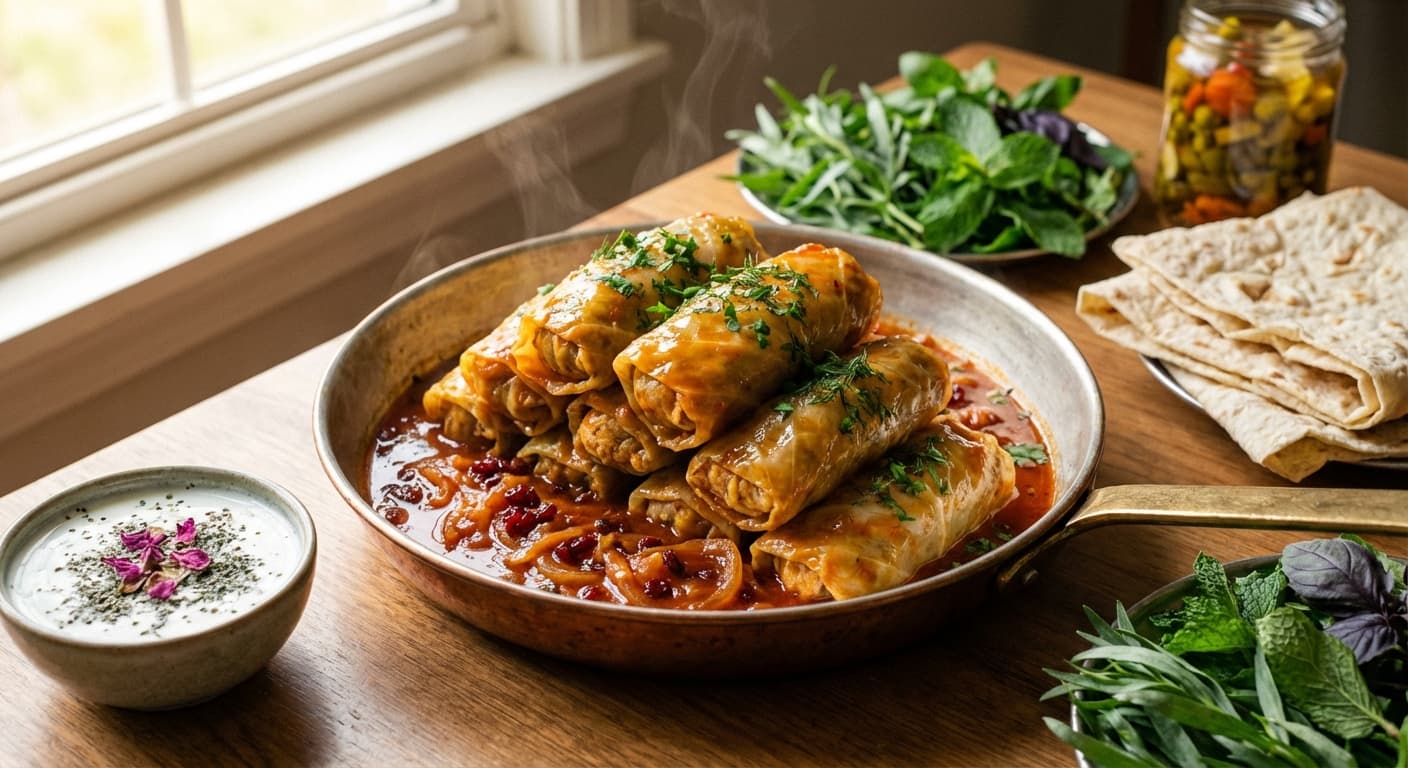
Chicken Stuffed Cabbage Rolls (دلمه کلم با مرغ) — Herb-Scented Persian Dolmeh in Tomato Saffron Sauce
Persian · Main Courses · 90 min
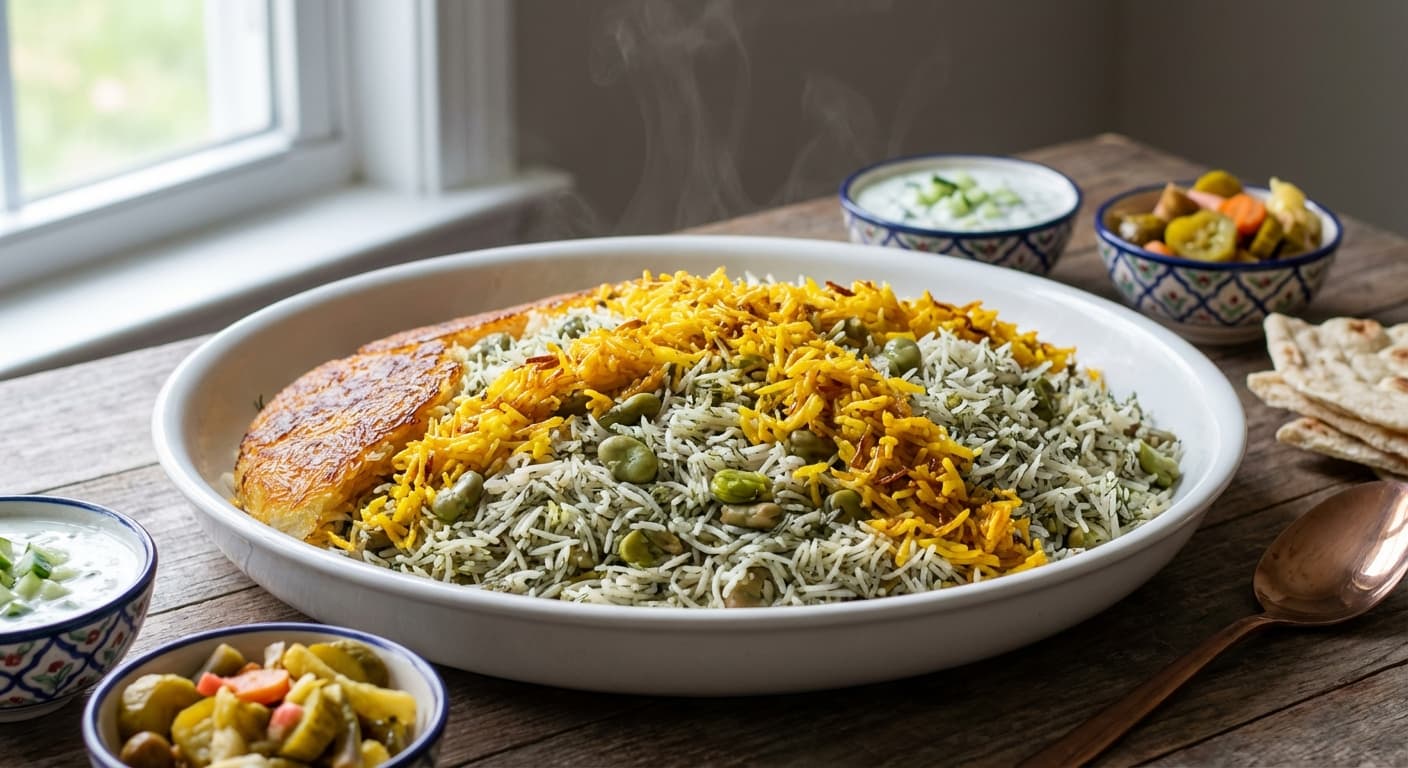
Baghali Polo (باقالی پلو) — Persian Dill and Fava Bean Rice with Saffron
Persian · Rice Dishes · 95 min
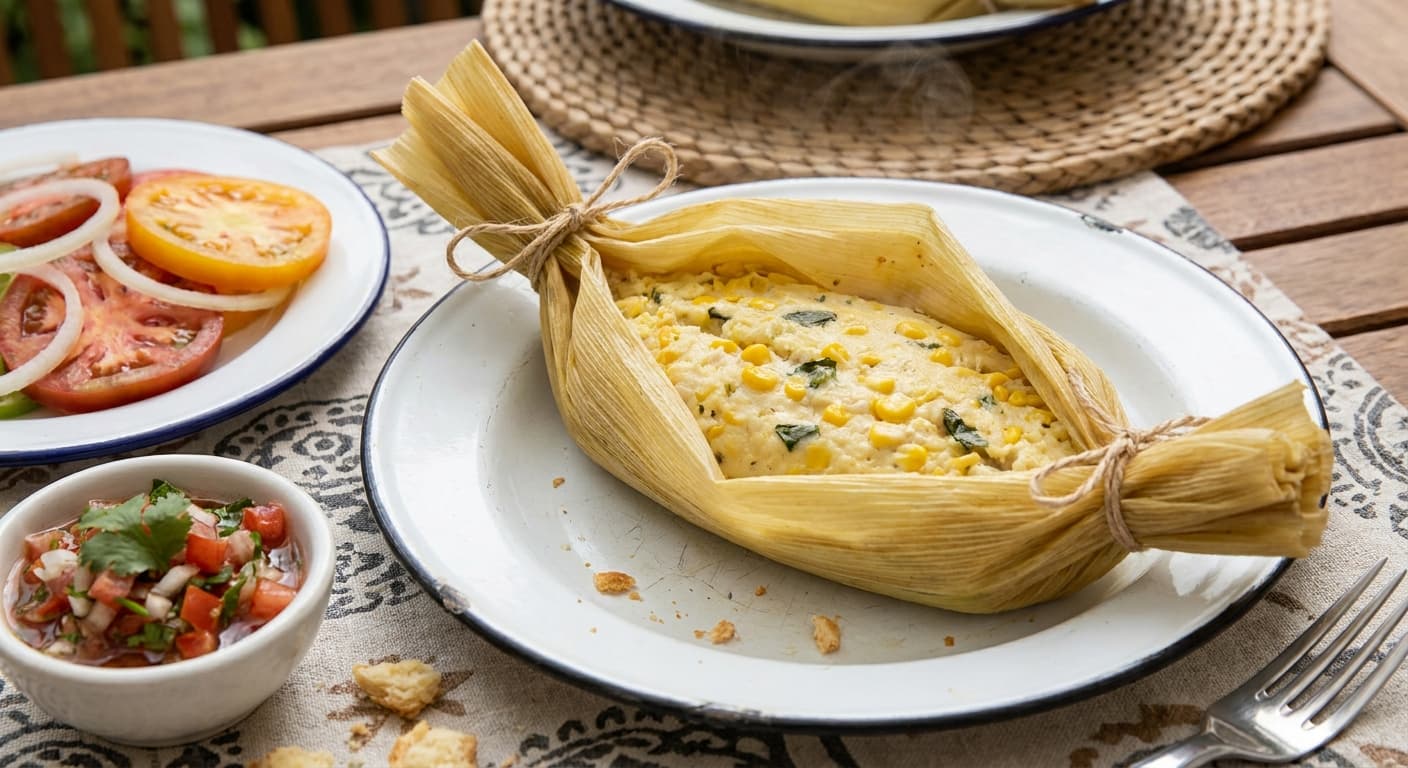
Chilean Humitas (Humitas) — Fresh Corn Parcels with Basil
Chilean · Main Courses · 90 min
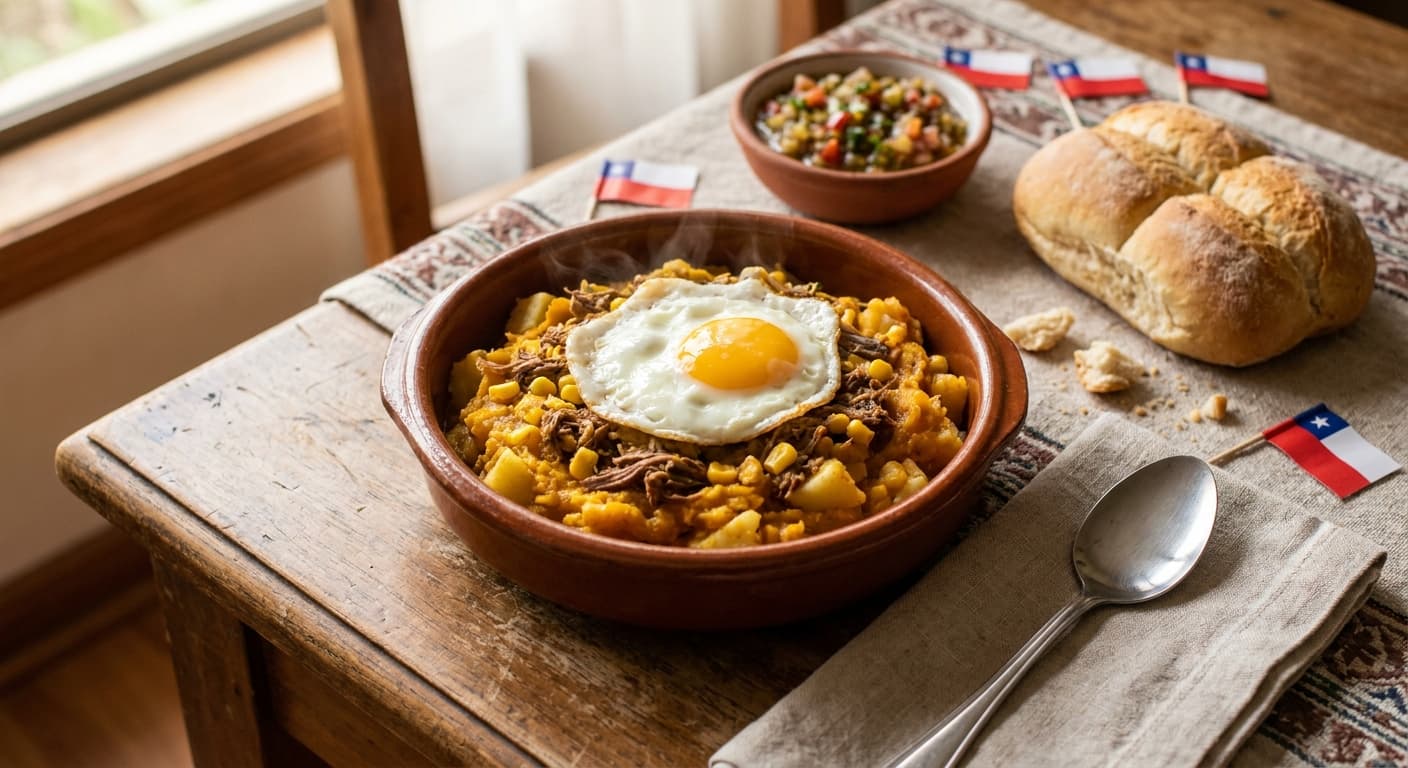
Charquicán (Charquicán) — Chilean Beef and Vegetable Hash
Chilean · Main Courses · 70 min
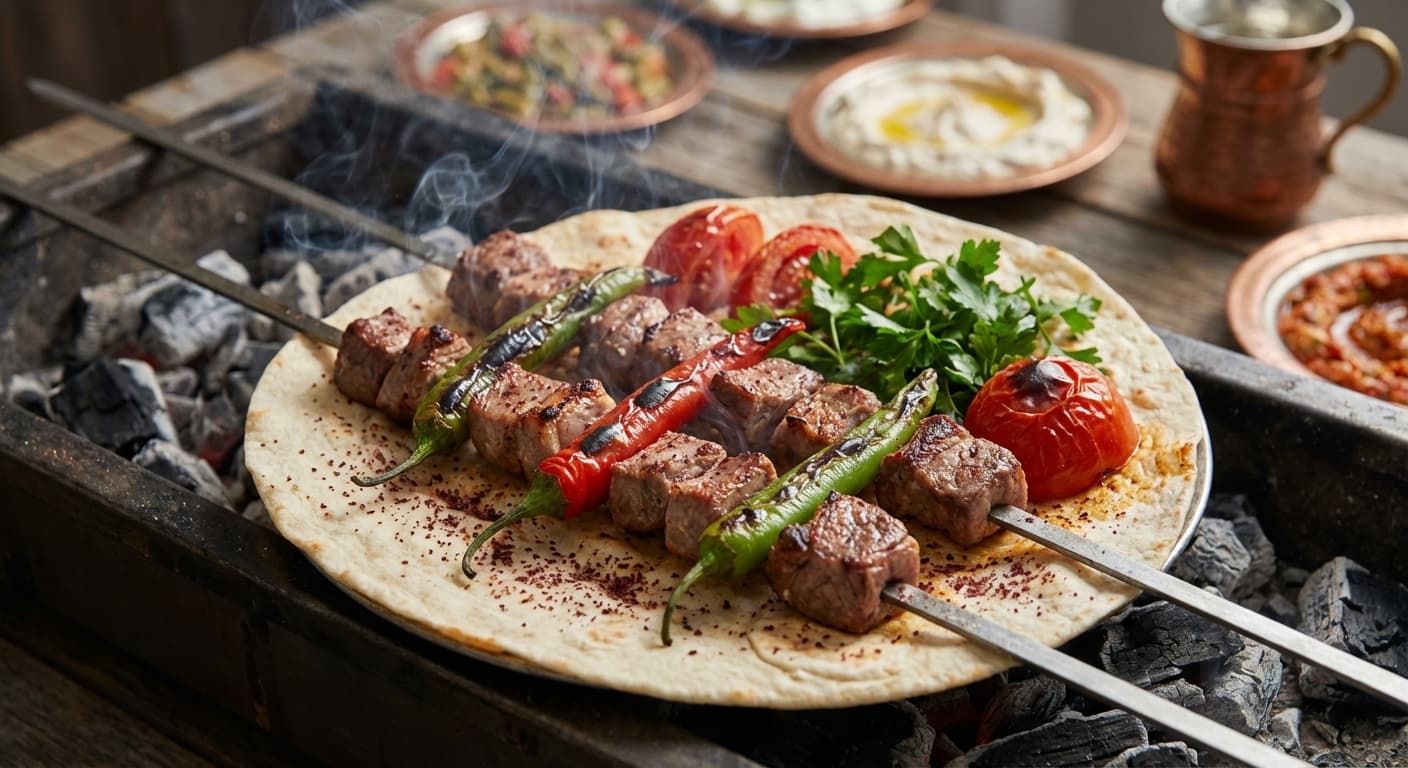
Turkish Shish Kebab (Şiş Kebap) — Charcoal-Grilled Marinated Lamb Skewers
Turkish · Kebabs · 37 min
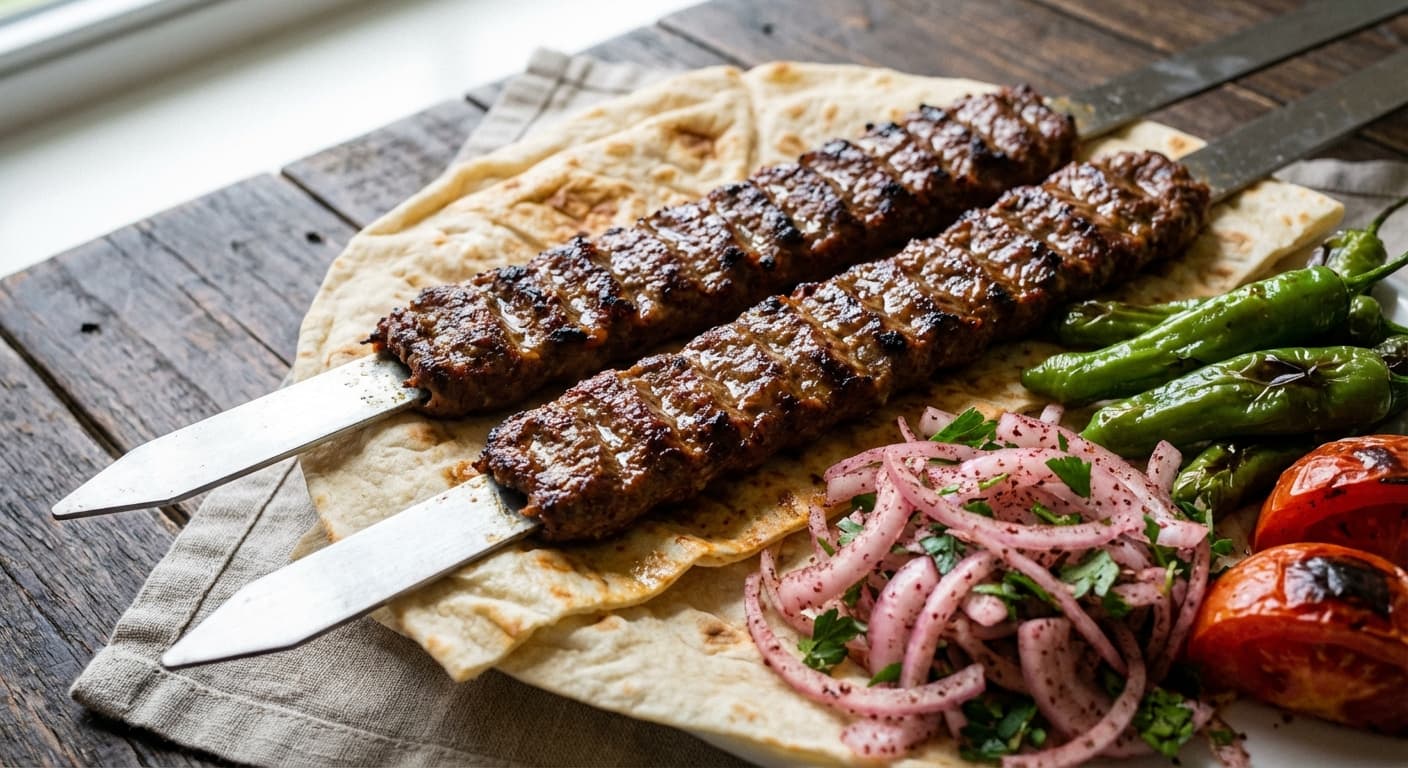
Urfa Kebab (اورفا کباب) — Mild Turkish minced skewer with sumac onions
Turkish · Kebabs · 37 min
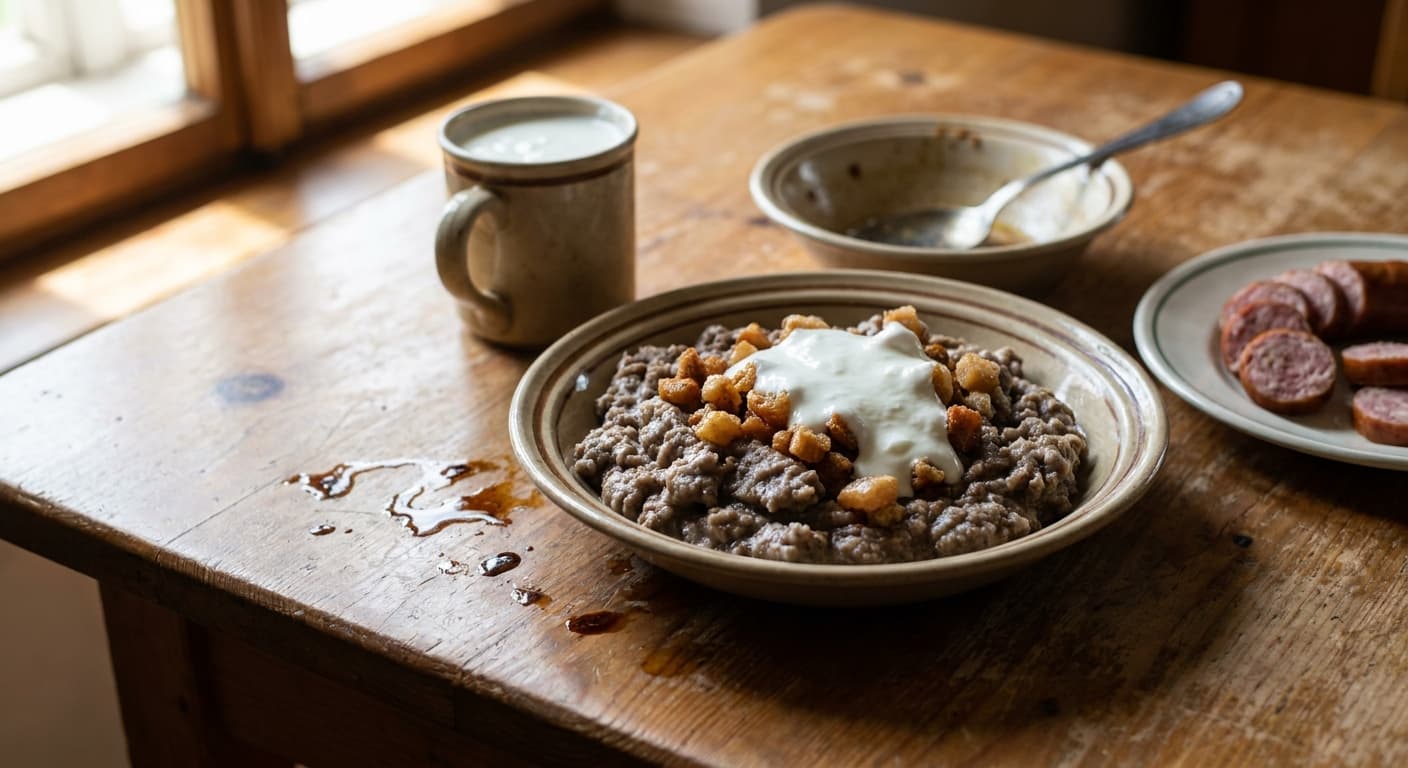
Buckwheat Žganci (Ajdovi žganci) — Slovenian Buckwheat Crumbs with Cracklings
Slovenian · Side Dishes · 45 min
Reviews
Cooked this recipe?
Tap the stars to rate it — that's all it takes. A few words are welcome but optional.
No ratings yet. Cooked this one? Be the first to rate it — it takes one tap.