Tahchin Do-Rang (ته چین دو رنگ) — Two-Colored Persian Saffron Rice Cake
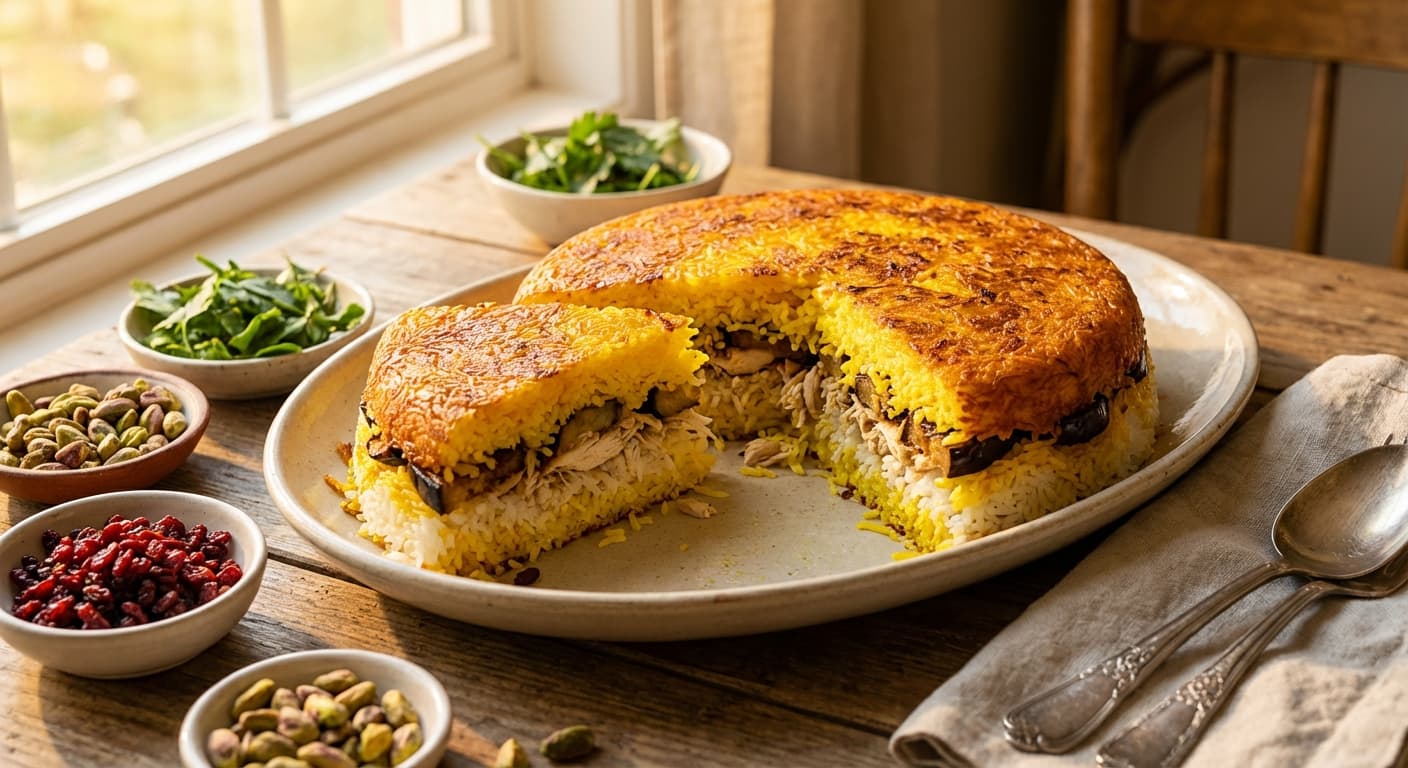
Tahchin Do-Rang is a two-toned Persian rice cake with saffron yogurt rice, tender chicken, and fried eggplant. It bakes into a dramatic centerpiece with a crisp golden crust and fragrant saffron aroma.
Printable Recipe Card
Servings: 8 · Total: 200 min · Difficulty: medium
Ingredients (quick list)
- 500 g Basmati rice (rinsed until water runs mostly clear)
- 24 g Salt (18 g for boiling water + 6 g for chicken and rice mixture)
- 0.5 tsp Saffron threads (finely crushed)
- 60 ml Hot water (for blooming saffron (saffron water))
- 700 g Chicken breast (boneless, skinless)
- 200 g Onion (thinly sliced)
- 2 tsp Black pepper (divided)
- 1000 ml Water (for poaching chicken)
- 700 g Eggplant (2 medium; peeled in stripes and sliced into 1 cm rounds)
- 160 ml Vegetable oil (for frying eggplant and greasing pan)
- 450 g Plain yogurt (thick, unsweetened)
- 4 large Eggs (room temperature)
Steps (summary)
- Bloom the saffron: grind the saffron threads to a powder, then stir with 60 ml hot water (not boiling). Cover and steep 15 minu…
- Poach the chicken: place chicken breast, sliced onion, 1000 ml water, 1 tsp of the black pepper, and 3 g of the salt in a pot.…
- Salt and fry the eggplant: lay eggplant slices on a tray and sprinkle evenly with 6 g of the salt; rest 20 minutes to draw out…
- Parboil the rice: bring a large pot of water to a rolling boil and dissolve 18 g salt. Add rinsed basmati rice and boil 6–8 min…
- Make the tahchin batter: whisk yogurt, eggs, remaining 3 g salt, and remaining 1 tsp black pepper until completely smooth. Add…
- Create the two colors: transfer about 1/3 of the rice-batter mixture to a separate bowl. Stir in the remaining saffron water to…
+ 3 more steps in the full instructions section below.
Cultural Background
Tahchin is a well-known Persian layered rice dish often prepared for gatherings because it unmolds into a dramatic centerpiece with a prized crisp crust. The two-colored style highlights saffron’s role in Persian cooking, where color and aroma are used to mark special meals and hospitality.
Equipment
💡 Tips
- For the crispest crust, press each rice layer down firmly so it compacts and makes full contact with the oiled base.
- If your yogurt is thin, strain it 30 minutes; a thicker batter holds the cake shape better.
- Keep eggplant slices very dry before frying to reduce oil absorption and prevent soggy layers.
- If the crust is pale after baking, give it an extra 5 minutes uncovered, watching closely to avoid burning.
⚠️ Common Mistakes
❌ Overboiling the rice during parboil
💡 Why: Fully cooked rice breaks when mixed with the batter and can turn the cake dense and gummy.
✅ Fix: Boil only until the outside is tender and the center is slightly firm (6–8 minutes), then drain and cool quickly.
❌ Skipping the eggplant salting and drying step
💡 Why: Wet eggplant absorbs excess oil and releases moisture into the cake, softening the crust and layers.
✅ Fix: Salt 20 minutes, then pat very dry before frying; drain fried slices well on paper towels.
❌ Not compacting the layers
💡 Why: Loose layers trap steam and crumble when unmolded, and the crust may not form evenly.
✅ Fix: Press each rice layer firmly with a spatula, especially the bottom layer, and bake covered to set before browning uncovered.
❌ Unmolding immediately after baking
💡 Why: The crust is fragile when very hot and can stick or tear.
✅ Fix: Rest 10 minutes, loosen edges, then invert onto a platter with a confident single motion.
🧊 How to Store
Cool leftovers to room temperature within 2 hours, then refrigerate airtight up to 3 days. Reheat slices in a 180°C oven for 12–15 minutes to re-crisp the crust; microwave reheating softens the tahdig. Freeze tightly wrapped slices up to 2 months; thaw overnight in the refrigerator.
📅 Make Ahead
Poach and shred the chicken up to 24 hours ahead and refrigerate. Fry eggplant up to 24 hours ahead and chill on a paper-towel-lined container. On the day, parboil rice and assemble fresh; assembled unbaked tahchin can be refrigerated 6 hours, then baked (add 5–10 minutes).
🍽️ Pairs Well With
- Shirazi salad (cucumber-tomato-onion salad)
- Plain yogurt or yogurt-cucumber dip
- Pickled vegetables
- Fresh herbs and radishes
Regional Variations
- Tehran-style home cookingOften made with a strong saffron top layer for vivid contrast and served in thick wedges, emphasizing a crunchy tahdig and clean layers.
- Caspian-influenced versionsSometimes includes extra fried eggplant and a slightly tangier batter from more yogurt, producing a softer interior while keeping the crust crisp.
Ingredients
- 500 gBasmati rice (rinsed until water runs mostly clear)
- 24 gSalt (18 g for boiling water + 6 g for chicken and rice mixture)
- 0.5 tspSaffron threads (finely crushed)
- 60 mlHot water (for blooming saffron (saffron water))
- 700 gChicken breast (boneless, skinless)
- 200 gOnion (thinly sliced)
- 2 tspBlack pepper (divided)
- 1000 mlWater (for poaching chicken)
- 700 gEggplant (2 medium; peeled in stripes and sliced into 1 cm rounds)
- 160 mlVegetable oil (for frying eggplant and greasing pan)
- 450 gPlain yogurt (thick, unsweetened)
- 4 largeEggs (room temperature)
🔄 Substitutions
- Chicken breast→ Boneless skinless chicken thighs
- Plain yogurt→ Greek yogurt
- Vegetable oil→ Ghee or clarified butter
Instructions
- 1
Bloom the saffron: grind the saffron threads to a powder, then stir with 60 ml hot water (not boiling). Cover and steep 15 minutes until deeply colored. Set aside at room temperature so it stays aromatic and ready to tint the rice for the two-color effect.
- 2
Poach the chicken: place chicken breast, sliced onion, 1000 ml water, 1 tsp of the black pepper, and 3 g of the salt in a pot. Bring to a gentle simmer, then cook 18–22 minutes until the thickest part reaches 74°C. Rest 10 minutes, then shred into bite-size strands.
- 3
Salt and fry the eggplant: lay eggplant slices on a tray and sprinkle evenly with 6 g of the salt; rest 20 minutes to draw out moisture. Pat very dry. Heat 120 ml vegetable oil in a skillet over medium-high; fry 3–4 minutes per side until golden and tender. Drain on paper towels.
- 4
Parboil the rice: bring a large pot of water to a rolling boil and dissolve 18 g salt. Add rinsed basmati rice and boil 6–8 minutes, stirring once or twice, until the grains are tender on the outside but still firm in the center. Drain and rinse briefly with cool water to stop cooking.
- 5
Make the tahchin batter: whisk yogurt, eggs, remaining 3 g salt, and remaining 1 tsp black pepper until completely smooth. Add 2 tbsp (30 ml) of the bloomed saffron water and whisk again. Fold in the parboiled rice gently so grains stay intact and evenly coated.
- 6
Create the two colors: transfer about 1/3 of the rice-batter mixture to a separate bowl. Stir in the remaining saffron water to make a deeper golden portion. Keep the other portion pale. This contrast is the signature “two-colored” look once the cake is unmolded and sliced.
- 7
Assemble for crisp crust: preheat oven to 190°C. Brush a 24–26 cm nonstick or well-seasoned ovenproof pot with 40 ml vegetable oil, coating base and sides. Press half of the pale rice mixture firmly into the bottom (about 2 cm). Arrange all eggplant slices in one even layer.
- 8
Layer and bake: spread shredded chicken evenly over the eggplant, pressing lightly so it compacts. Spoon the saffron-tinted rice mixture on top, then finish with the remaining pale rice. Cover tightly with foil and bake 60 minutes. Remove foil and bake 10–15 minutes more to deepen the crust.
- 9
Unmold cleanly: rest the tahchin 10 minutes so the crust releases. Run a thin spatula around the edges. Place a large platter over the pot and invert confidently in one motion. If needed, tap the base 20–30 seconds. Slice into wedges to reveal the two-tone rice, chicken, and eggplant layers.
🪪 Recipe Passport
Cultural Background
Tahchin is a well-known Persian layered rice dish often prepared for gatherings because it unmolds into a dramatic centerpiece with a prized crisp crust. The two-colored style highlights saffron’s role in Persian cooking, where color and aroma are used to mark special meals and hospitality.
Regional Variations
Researched from multiple sources and validated by the Zaffaron editorial team. Every recipe is tested for accuracy, measurements, and cultural authenticity.
Nutrition per serving
Pairs well with
If you enjoyed this recipe, here are a few related Zaffaron recipes to try next.
- Tan Mahi Angoshti (تن ماهی انگشتی) — Crispy Persian Finger-Sized Tuna Fritters
- Joojeh Torsh (جوجه ترش) — Zesty Turmeric & Lemon Chicken Skillet
- Yatimcheh (یتیمچه) — Persian Slow-Cooked Summer Vegetable Stew
- Tahchin Morgh va Bademjan (تهچین مرغ و بادمجان) — Persian Saffron Rice Cake with Chicken and Eggplant
Does your family make this differently?
Every family has their own version. Maybe your grandmother adds a secret ingredient, or your aunt has a completely different technique. Preserve your family's version — with their name on it, forever.
You Might Also Like
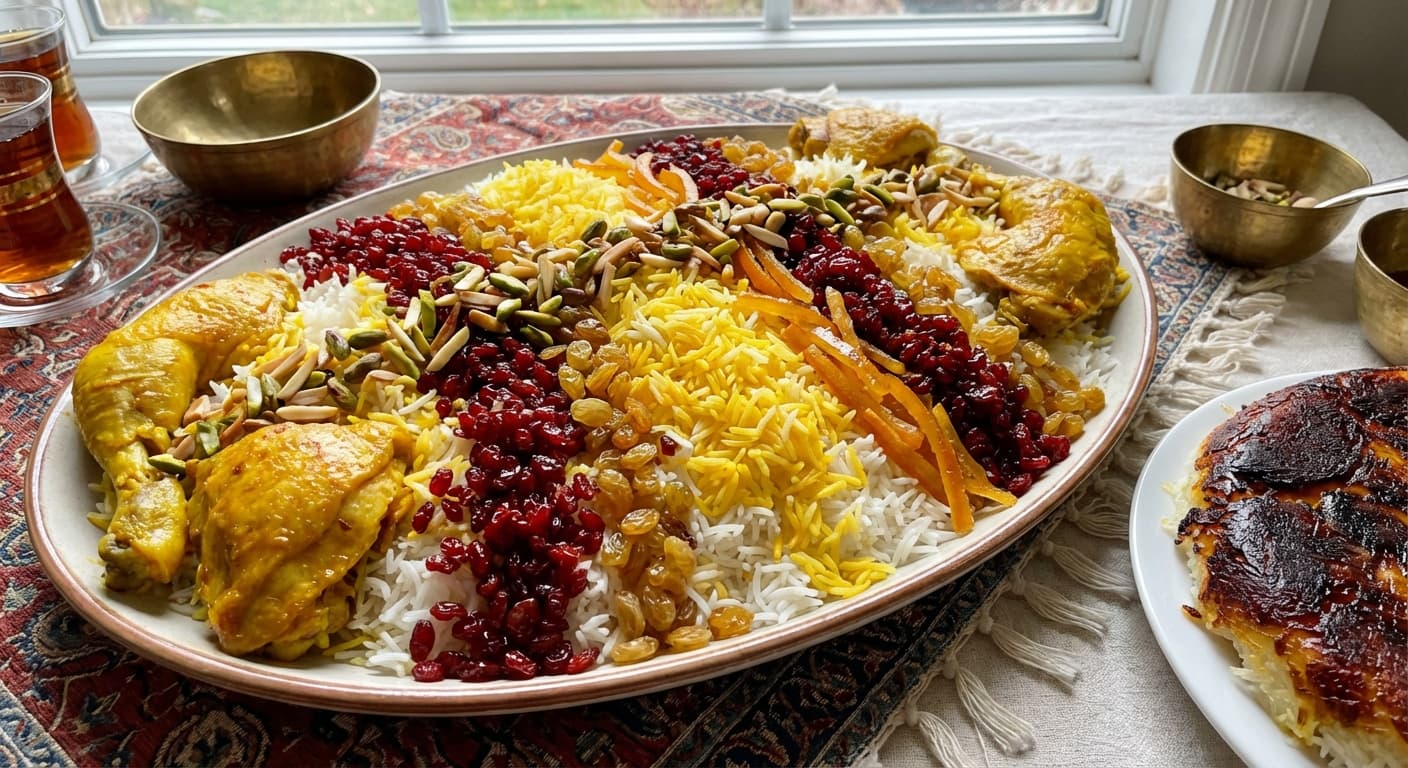
Jeweled Rice (مرصع پلو) — Festive Persian rice with saffron chicken and jeweled fruits
Persian · Rice Dishes · 135 min
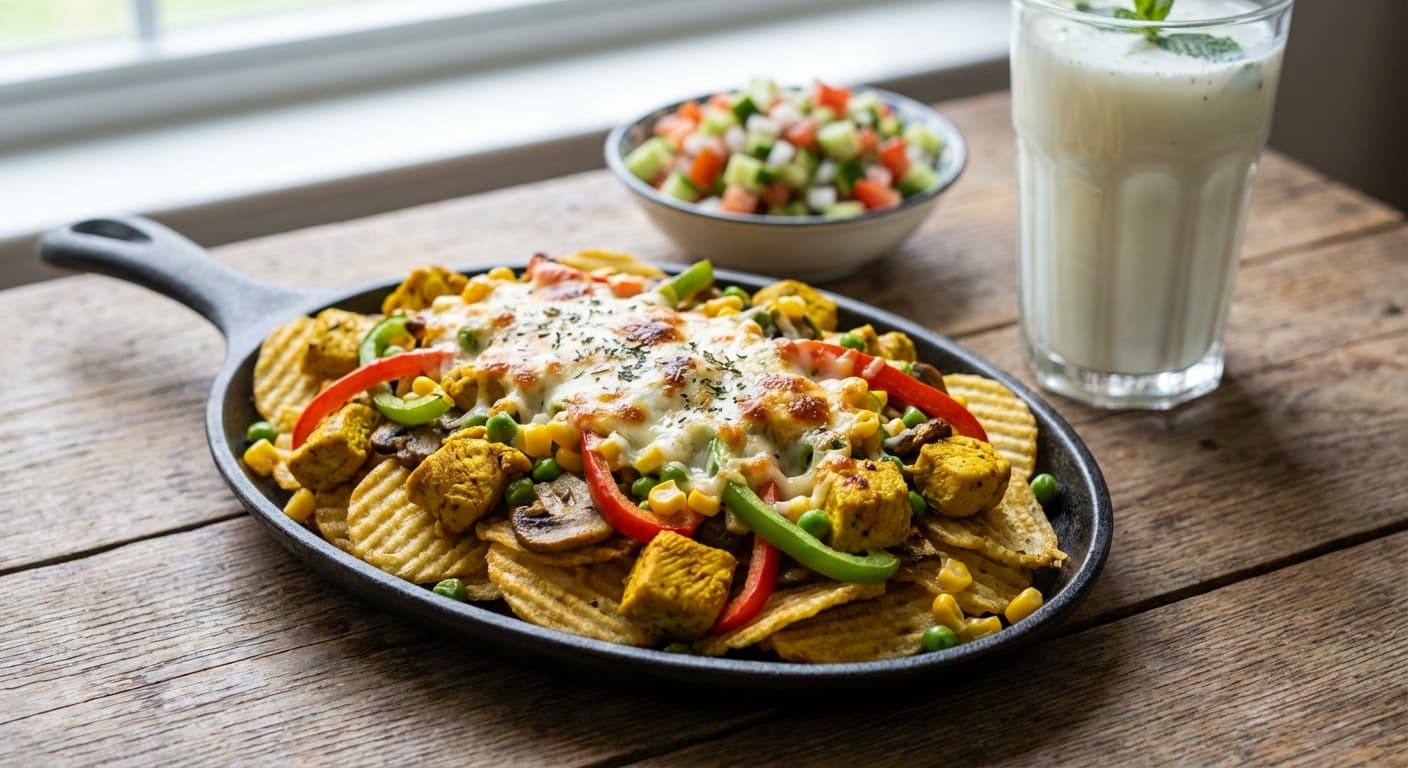
Persian-Style Pizza-Chips (خوراک چیپس و پنیر) — Street-Food Chip Bake with Chicken and Mozzarella
Persian · Main Courses · 45 min
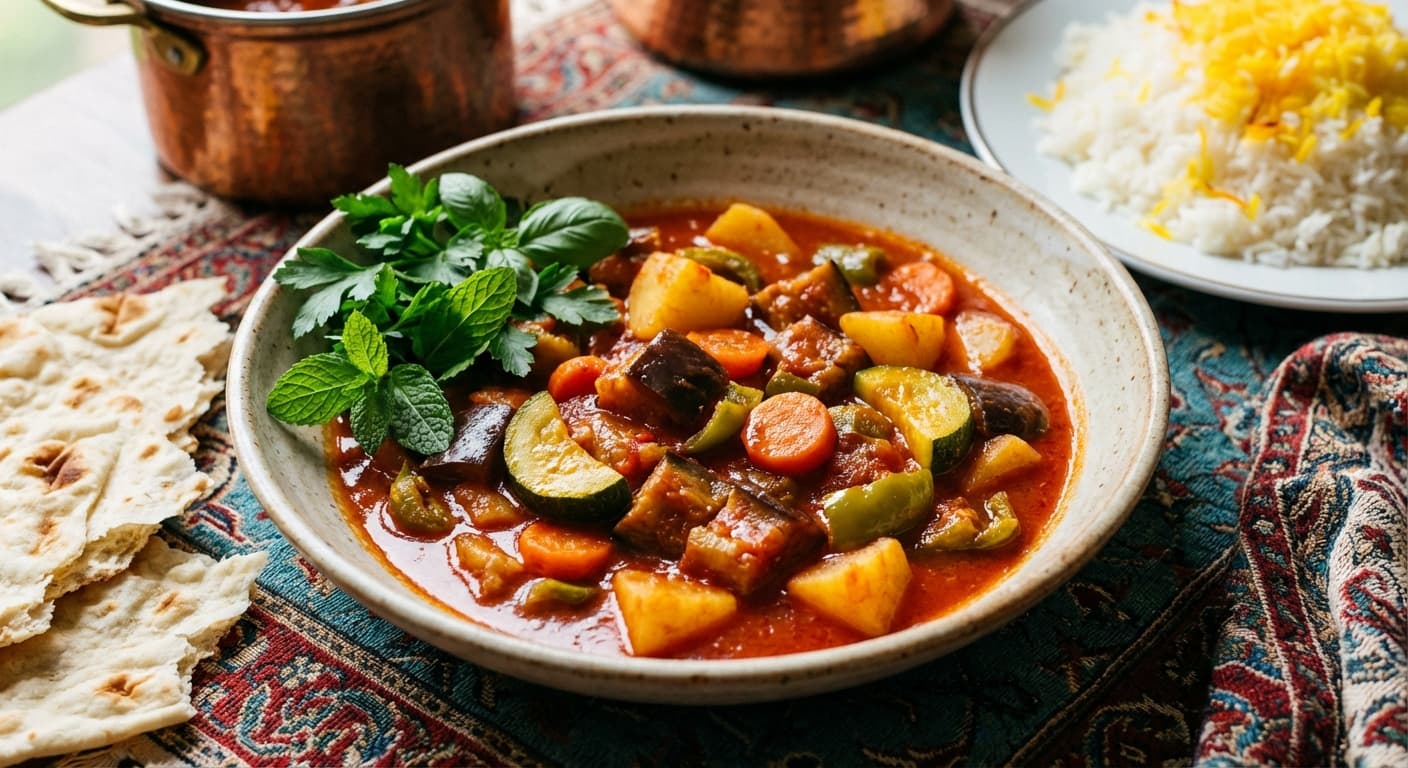
Yatimcheh (یتیمچه) — Persian Slow-Cooked Summer Vegetable Stew
Persian · Stews · 100 min
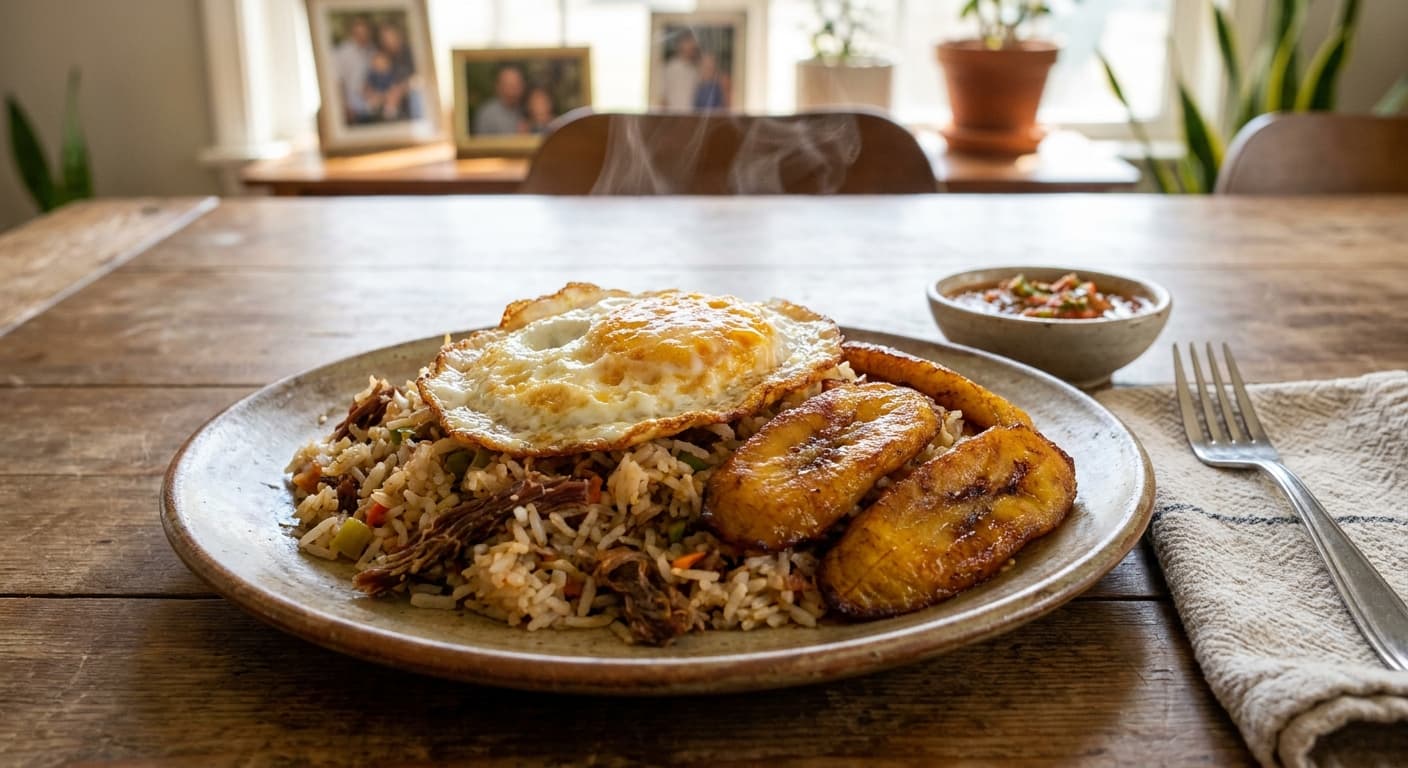
Majadito (Majadito) — Bolivian Rice with Charque and Fried Egg
Bolivian · Rice Dishes · 90 min
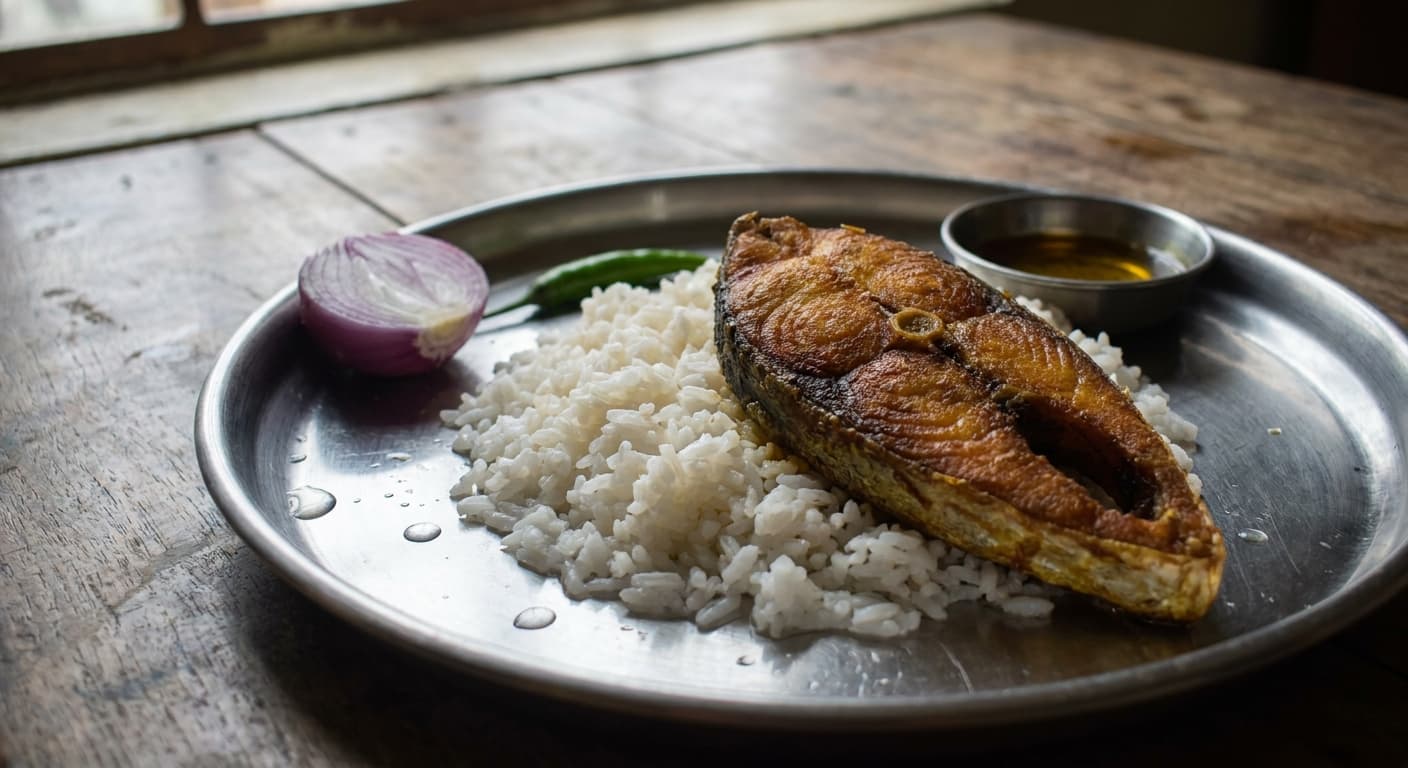
Panta Bhat (পান্তা ভাত) — Overnight Fermented Rice with Fried Ilish
Bangladeshi · Rice Dishes · 35 min
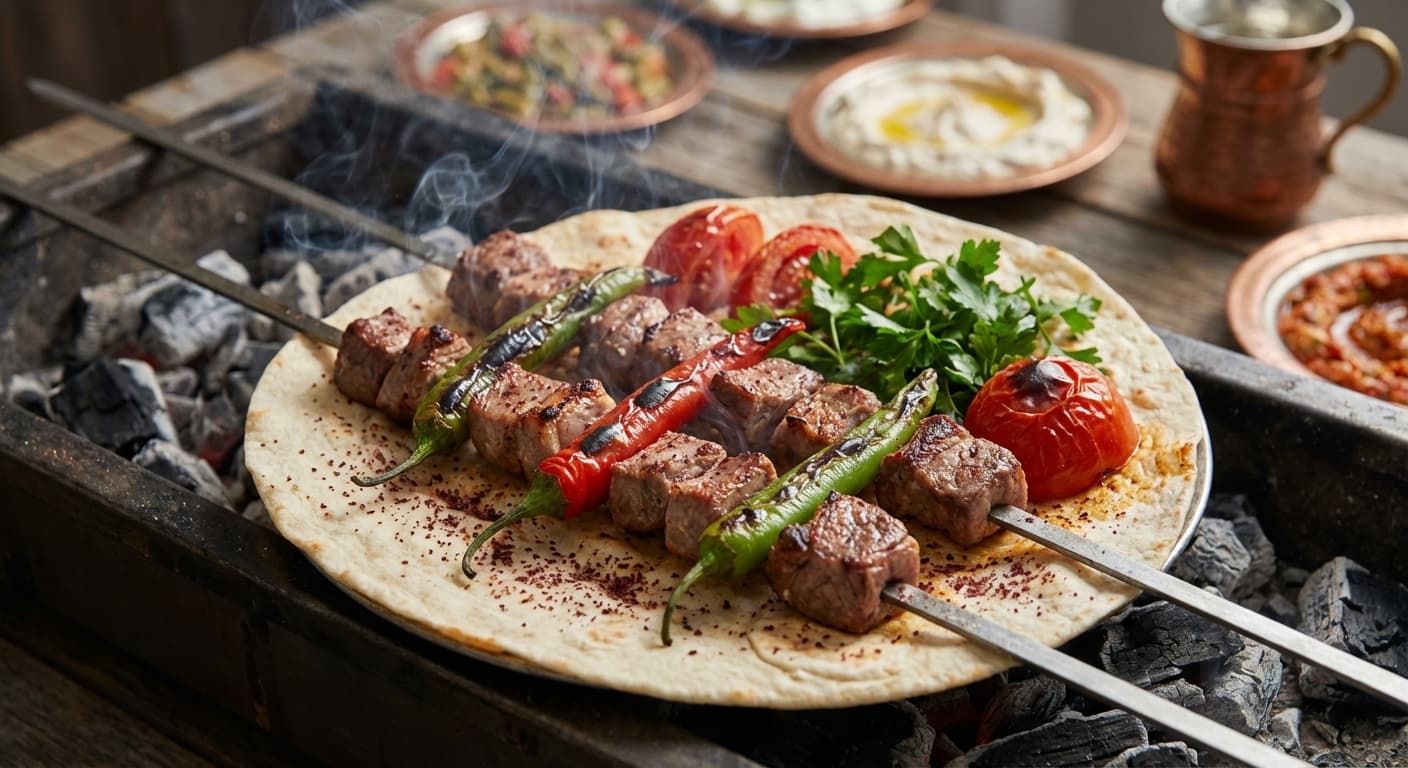
Turkish Shish Kebab (Şiş Kebap) — Charcoal-Grilled Marinated Lamb Skewers
Turkish · Kebabs · 37 min
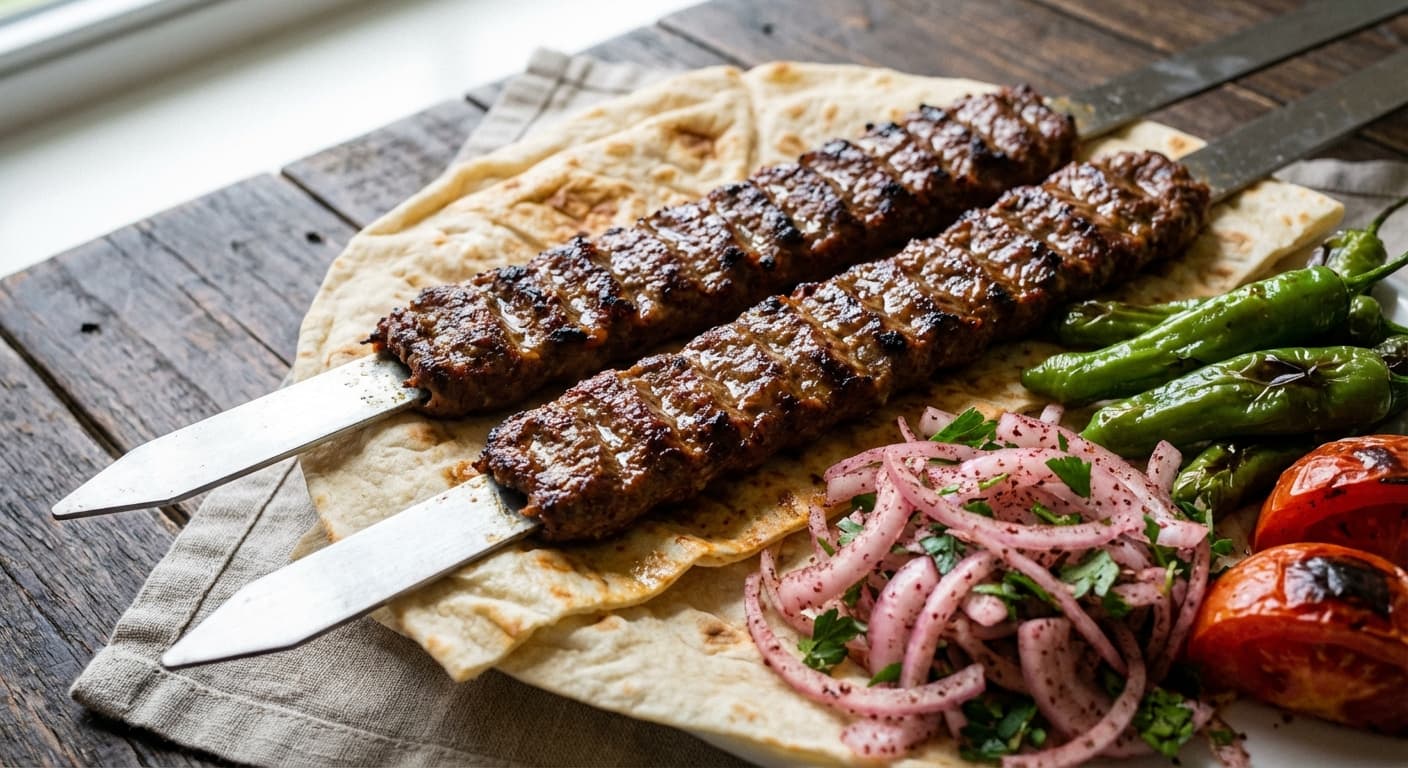
Urfa Kebab (اورفا کباب) — Mild Turkish minced skewer with sumac onions
Turkish · Kebabs · 37 min
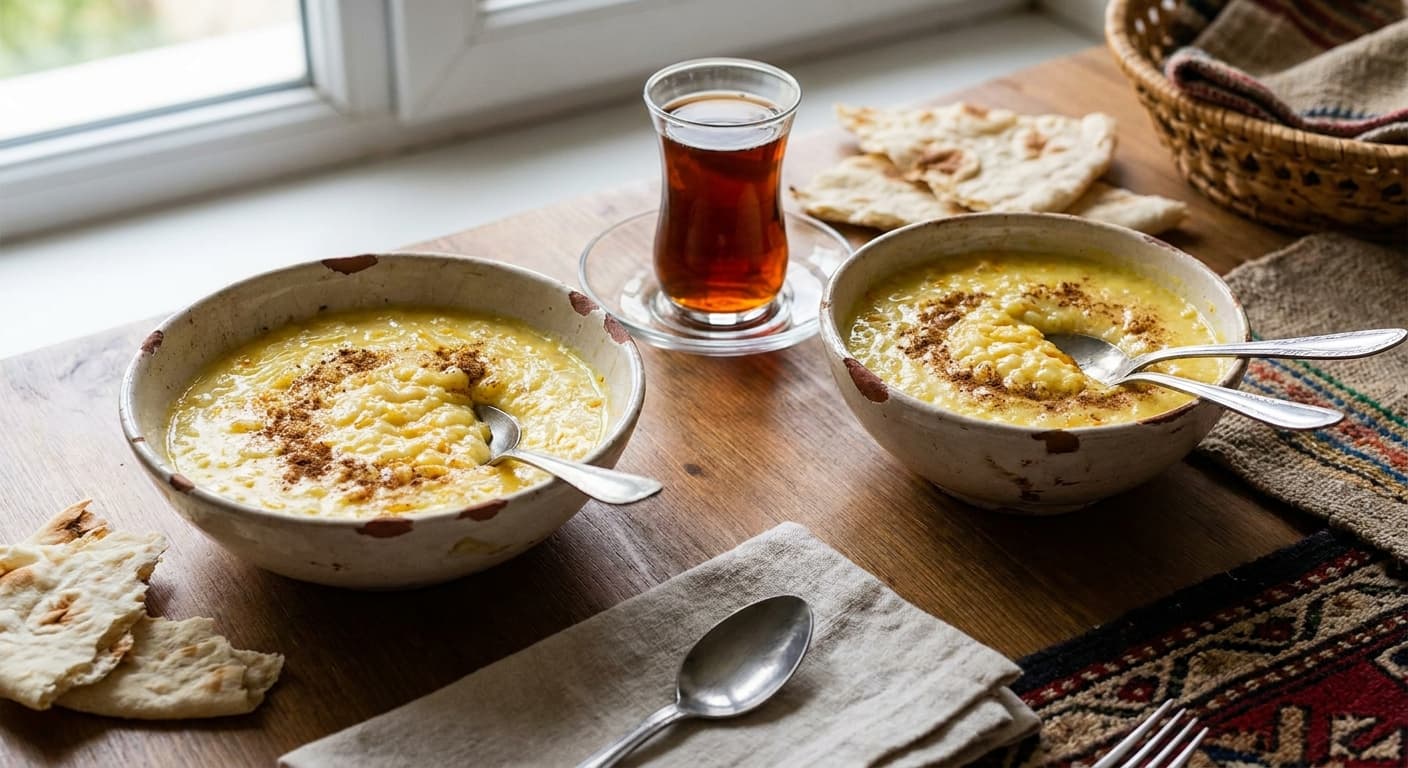
Azerbaijani Milk-Rice Porridge (Südlü Sıyıq) — Creamy Breakfast Rice with Saffron
Azerbaijani · Rice Dishes · 50 min
Reviews
Cooked this recipe?
Tap the stars to rate it — that's all it takes. A few words are welcome but optional.
No ratings yet. Cooked this one? Be the first to rate it — it takes one tap.