Tomato Kuku (کوکوی گوجه فرنگی) — Fluffy Persian Tomato Herb Frittata
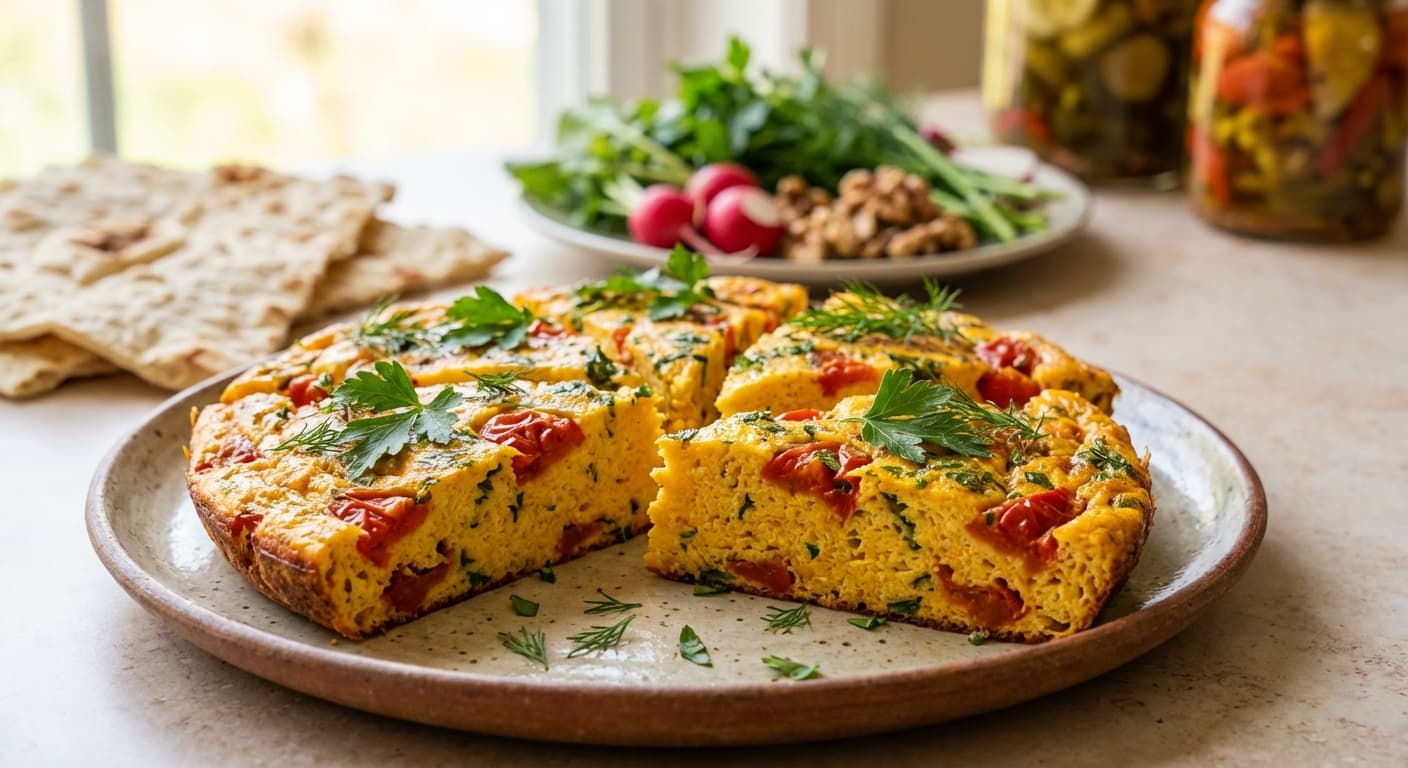
Kookoo-yeh Gojeh Farangi is a beloved Iranian home-style kuku where juicy tomatoes and herbs meet eggs for a light, tangy frittata. It’s often served with flatbread and fresh herbs as a quick, comforting meal.
Printable Recipe Card
Servings: 4 · Total: 35 min · Difficulty: easy
Ingredients (quick list)
- 450 g Tomatoes, ripe (grated or finely chopped) (About 3 medium tomatoes; remove tough stem ends)
- 150 g Onion, yellow (finely diced) (About 1 medium onion)
- 30 ml Vegetable oil (2 tbsp, divided)
- 5 Eggs, large (Room temperature helps volume)
- 16 g All-purpose flour (2 tbsp; stabilizes the mixture)
- 20 g Fresh parsley (finely chopped) (About 1/2 cup loosely packed)
- 10 g Fresh dill (finely chopped) (About 1/4 cup loosely packed)
- 10 g Fresh cilantro (finely chopped) (About 1/4 cup loosely packed)
- 1 tsp Turmeric powder (For color and warmth)
- 1 tsp Sea salt (About 6 g)
- 0.5 tsp Black pepper, freshly ground (About 1 g)
Steps (summary)
- Prepare the tomatoes and onion so the kuku cooks evenly. Grate the tomatoes on the large holes of a box grater (or finely chop)…
- Heat a 24–26 cm nonstick skillet over medium heat and add 15 ml vegetable oil. Add the diced onion and cook for 6–8 minutes, st…
- Add the grated tomatoes to the onions and stir well to combine. Cook for 6–9 minutes until the mixture thickens and most excess…
- Stir in the turmeric, sea salt, and black pepper and cook for 30 seconds to bloom the spices. Turn off the heat and let the tom…
- In a separate bowl, whisk the eggs vigorously for 45–60 seconds until slightly foamy and lighter in color. Whisk in the flour u…
- Fold the chopped parsley, dill, and cilantro into the egg mixture until evenly distributed. Add the cooled tomato-onion mixture…
+ 2 more steps in the full instructions section below.
Cultural Background
Kuku is a core category of Persian home cooking, prized for turning simple pantry staples into a satisfying meal. Tomato kuku is especially popular in summer when tomatoes are at their peak, often eaten with bread, herbs, and pickles.
Equipment
💡 Tips
- Cook the tomato mixture until thick and reduced; extra moisture is the main reason tomato kuku turns dense or weepy.
- Whisk the eggs until foamy to build lift, then fold in the tomato base gently to keep the batter airy.
- For clean slices, let the kuku rest 5 minutes after cooking so the proteins re-set and the steam redistributes.
⚠️ Common Mistakes
❌ Adding raw watery tomatoes directly to the eggs.
✅ Fix: Cook tomatoes with onion until reduced and thick, then cool briefly before mixing with eggs.
❌ Cooking on high heat so the outside browns before the center sets.
✅ Fix: Use medium-low heat and cover the pan for the first side to gently set the center.
❌ Flipping too early and breaking the kuku.
✅ Fix: Wait until edges are set and the center is mostly firm, then flip using a plate for support.
🧊 How to Store
Cool leftovers to room temperature within 60 minutes, then refrigerate in an airtight container for up to 3 days. Reheat slices in a covered skillet over low heat for 3–4 minutes per side, or microwave at 600W for 60–90 seconds to avoid drying.
📅 Make Ahead
You can cook and fully reduce the tomato-onion mixture up to 2 days ahead and refrigerate it. When ready to cook, bring it to room temperature, whisk with eggs and herbs, and fry the kuku fresh for best lift.
🍽️ Pairs Well With
- Sangak or lavash
- sabzi khordan (fresh herbs)
- torshi (pickles)
- yogurt-style salad shirazi.
Regional Variations
- Some Tehran-style home versions add 1 tsp dried fenugreek for a deeper herbaceous note.
- In northern Iran, cooks may increase fresh herbs and keep the tomatoes slightly chunkier for a brighter, garden-fresh texture.
- A spicier modern variation adds 1 tsp Aleppo pepper or 1/2 tsp chili flakes to the tomato base.
Ingredients
- 450 gTomatoes, ripe (grated or finely chopped) (About 3 medium tomatoes; remove tough stem ends)
- 150 gOnion, yellow (finely diced) (About 1 medium onion)
- 30 mlVegetable oil (2 tbsp, divided)
- 5Eggs, large (Room temperature helps volume)
- 16 gAll-purpose flour (2 tbsp; stabilizes the mixture)
- 20 gFresh parsley (finely chopped) (About 1/2 cup loosely packed)
- 10 gFresh dill (finely chopped) (About 1/4 cup loosely packed)
- 10 gFresh cilantro (finely chopped) (About 1/4 cup loosely packed)
- 1 tspTurmeric powder (For color and warmth)
- 1 tspSea salt (About 6 g)
- 0.5 tspBlack pepper, freshly ground (About 1 g)
🔄 Substitutions
- All-purpose flour→ Rice flour
- Fresh dill→ Fresh mint
- Vegetable oil→ Olive oil
Instructions
- 1
Prepare the tomatoes and onion so the kuku cooks evenly. Grate the tomatoes on the large holes of a box grater (or finely chop), then set them in a bowl while you dice the onion.
- 2
Heat a 24–26 cm nonstick skillet over medium heat and add 15 ml vegetable oil. Add the diced onion and cook for 6–8 minutes, stirring often, until soft and lightly golden but not browned.
- 3
Add the grated tomatoes to the onions and stir well to combine. Cook for 6–9 minutes until the mixture thickens and most excess liquid evaporates; it should look jammy, not watery, so the kuku sets fluffy.
- 4
Stir in the turmeric, sea salt, and black pepper and cook for 30 seconds to bloom the spices. Turn off the heat and let the tomato-onion mixture cool for 5 minutes so it doesn’t scramble the eggs.
- 5
In a separate bowl, whisk the eggs vigorously for 45–60 seconds until slightly foamy and lighter in color. Whisk in the flour until smooth with no visible lumps, which helps the kuku hold together and rise.
- 6
Fold the chopped parsley, dill, and cilantro into the egg mixture until evenly distributed. Add the cooled tomato-onion mixture and stir gently until the batter is uniform and thick.
- 7
Wipe the skillet clean if needed, then return it to medium-low heat and add the remaining 15 ml vegetable oil. Pour in the kuku batter and smooth the top; cover with a lid and cook for 8–10 minutes until the edges set and the center is mostly firm.
- 8
Flip the kuku to cook the second side: slide it onto a plate, invert the skillet over the plate, and carefully turn it back in. Cook uncovered for 4–6 minutes until fully set and lightly browned, then rest for 5 minutes before slicing so it stays fluffy.
🪪 Recipe Passport
Cultural Background
Kuku is a core category of Persian home cooking, prized for turning simple pantry staples into a satisfying meal. Tomato kuku is especially popular in summer when tomatoes are at their peak, often eaten with bread, herbs, and pickles.
Regional Variations
Researched from multiple sources and validated by the Zaffaron editorial team. Every recipe is tested for accuracy, measurements, and cultural authenticity.
Nutrition per serving
Pairs well with
If you enjoyed this recipe, here are a few related Zaffaron recipes to try next.
Does your family make this differently?
Every family has their own version. Maybe your grandmother adds a secret ingredient, or your aunt has a completely different technique. Preserve your family's version — with their name on it, forever.
You Might Also Like
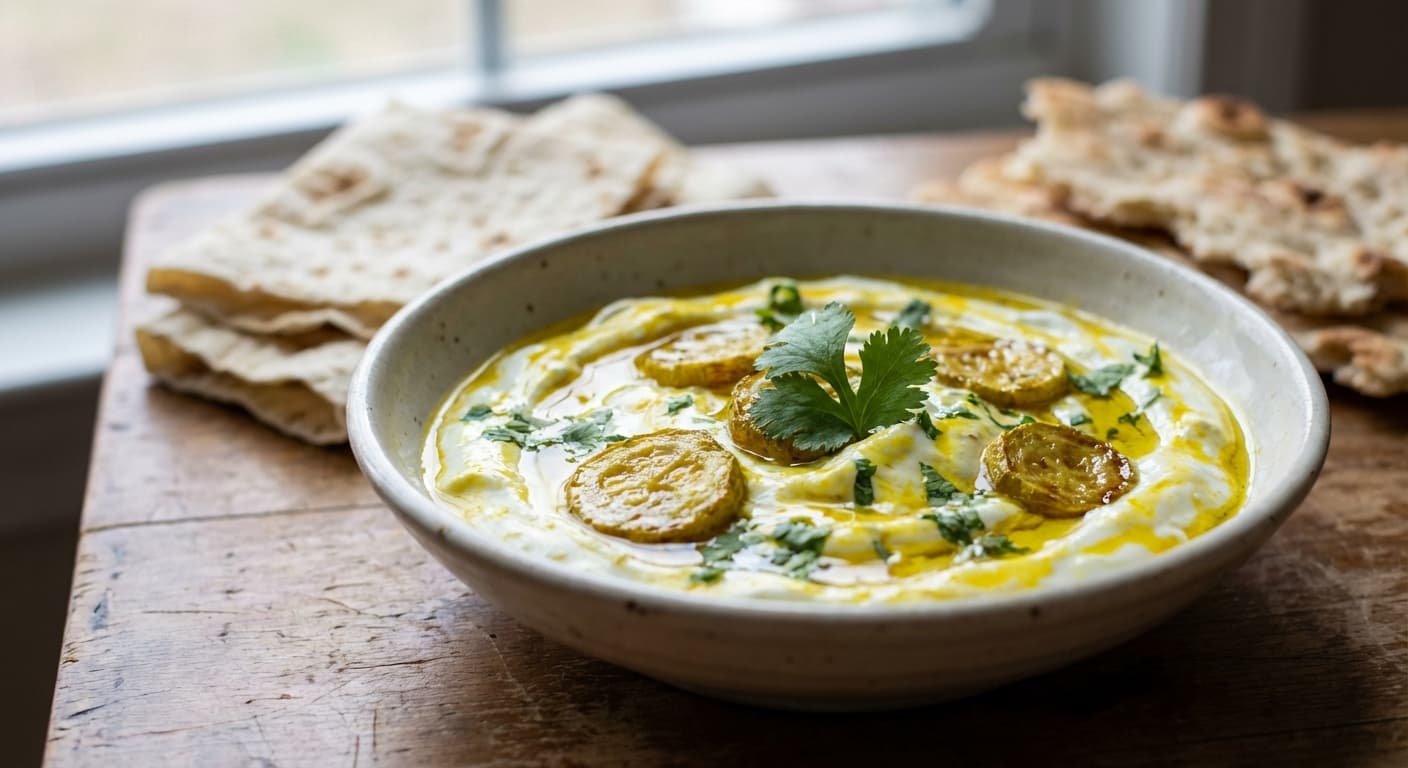
Borani Kadu (بورانی کدو) — Saffron-Infused Zucchini and Yogurt Dip
Persian · Appetizers · 40 min
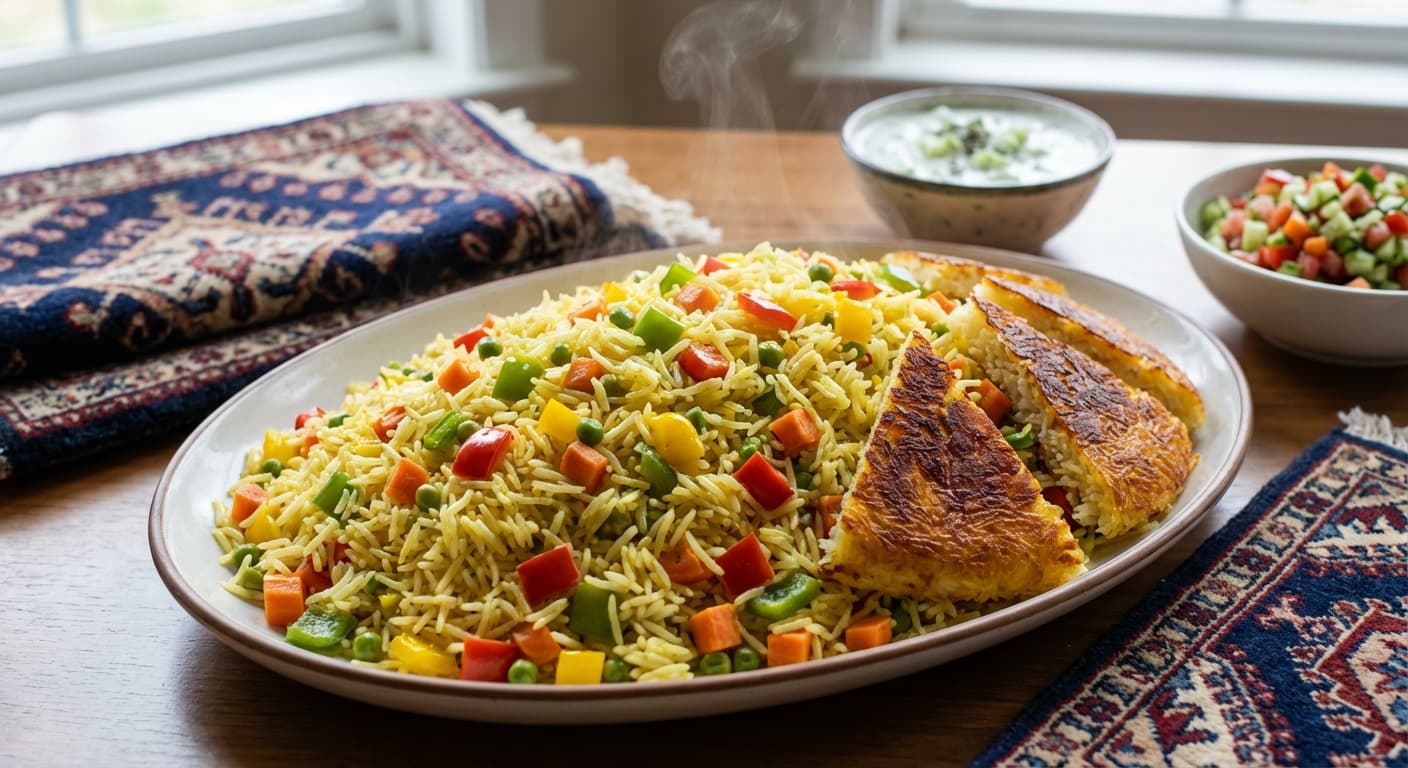
Mixed Vegetable Rice (برنج با مخلوط سبزیجات) — Persian-Style Aromatic Pilaf
Persian · Rice Dishes · 75 min

Katteh Tond (کته تند) — Spicy Caspian-Style One-Pot Chicken Rice
Persian · Rice Dishes · 85 min
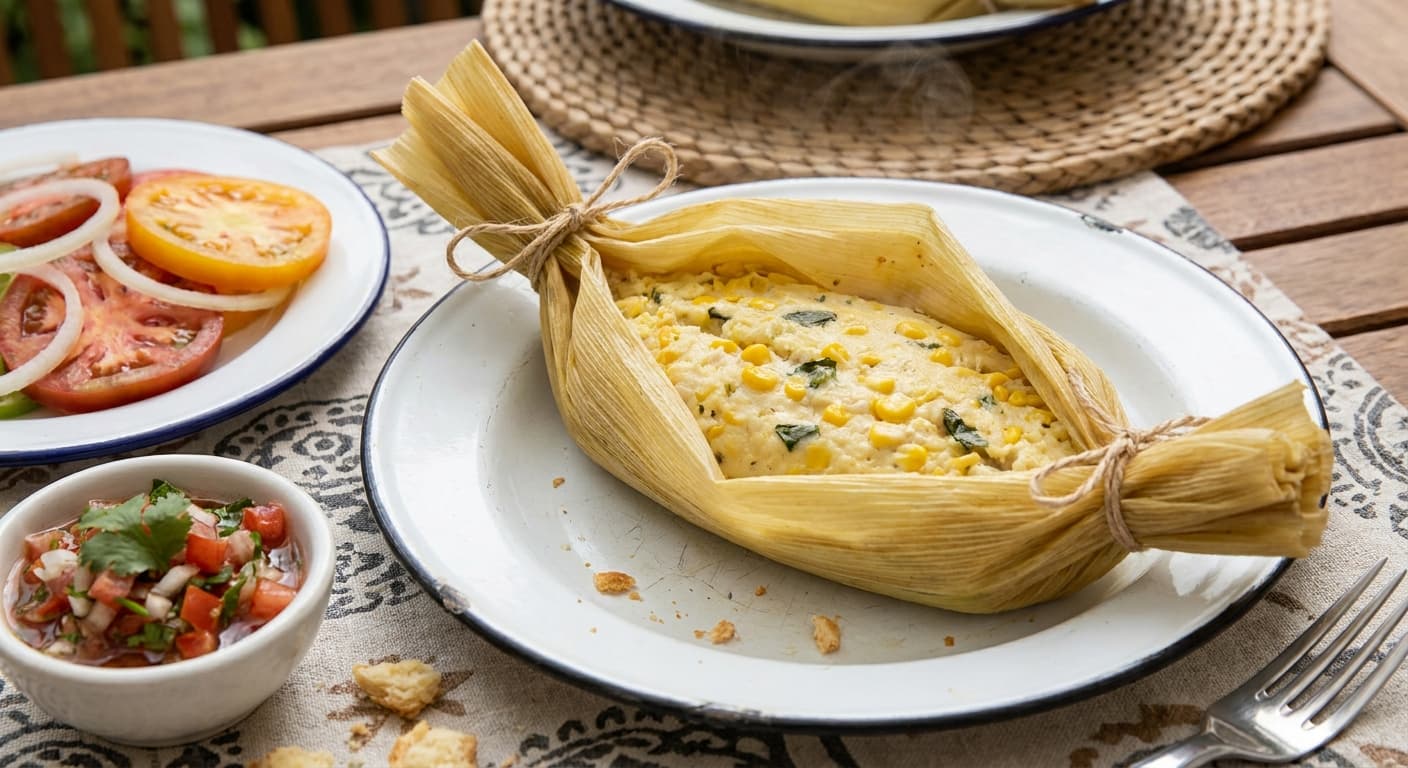
Chilean Humitas (Humitas) — Fresh Corn Parcels with Basil
Chilean · Main Courses · 90 min
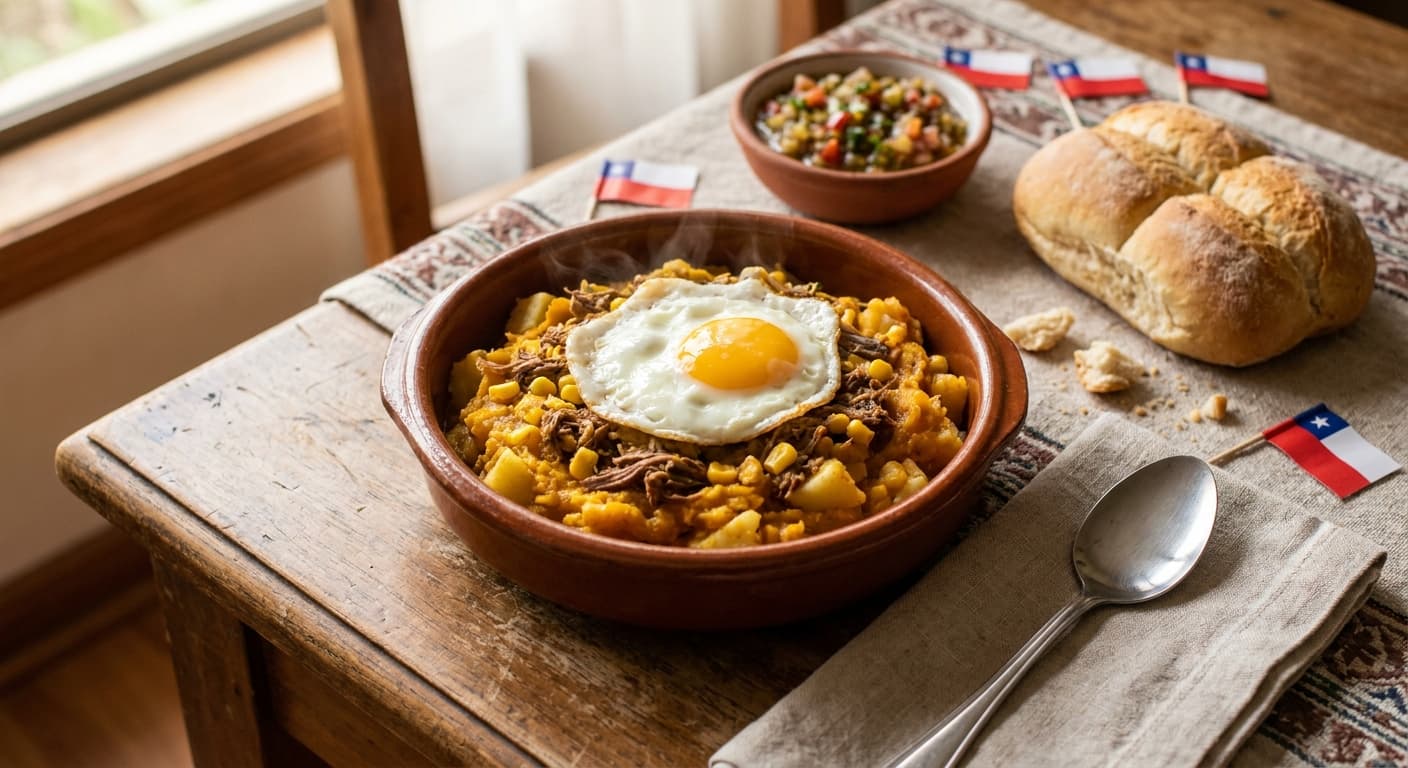
Charquicán (Charquicán) — Chilean Beef and Vegetable Hash
Chilean · Main Courses · 70 min
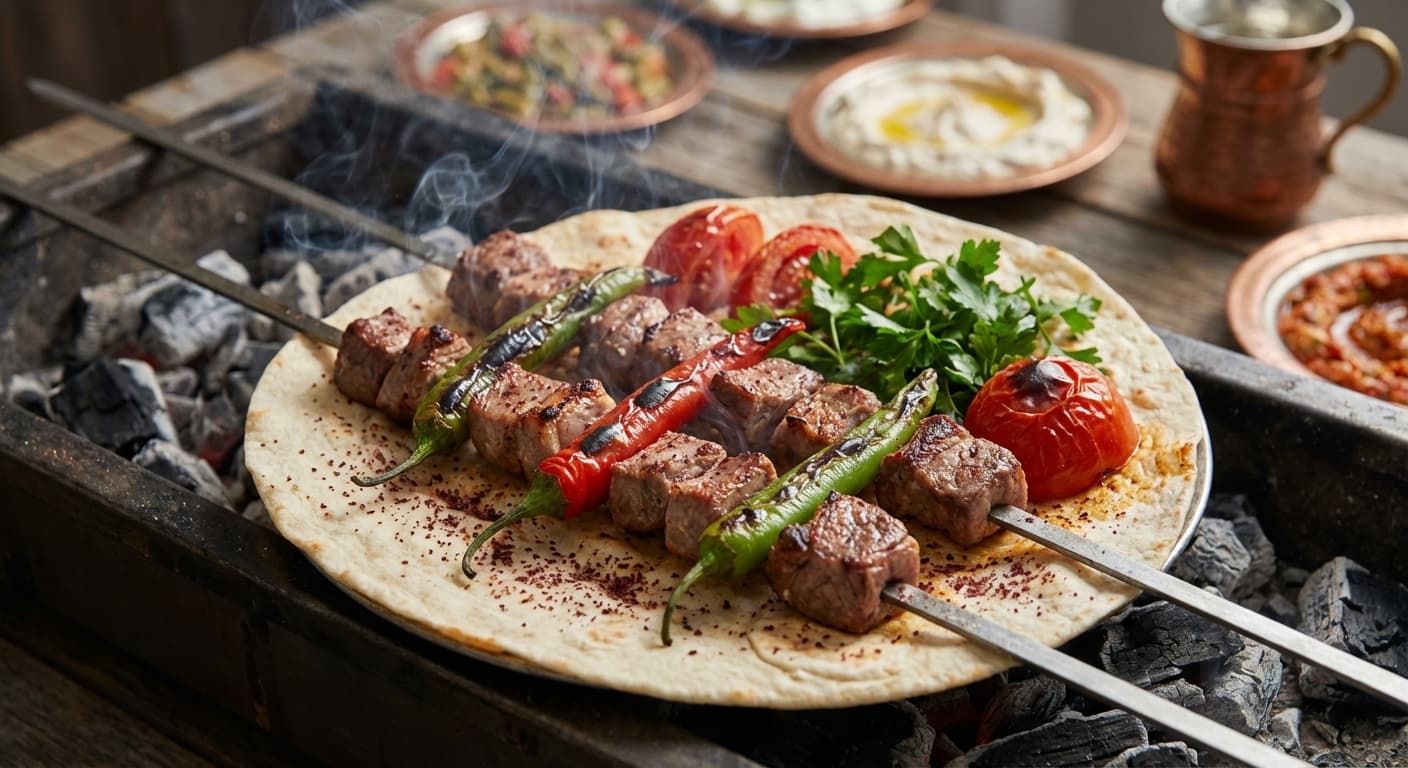
Turkish Shish Kebab (Şiş Kebap) — Charcoal-Grilled Marinated Lamb Skewers
Turkish · Kebabs · 37 min
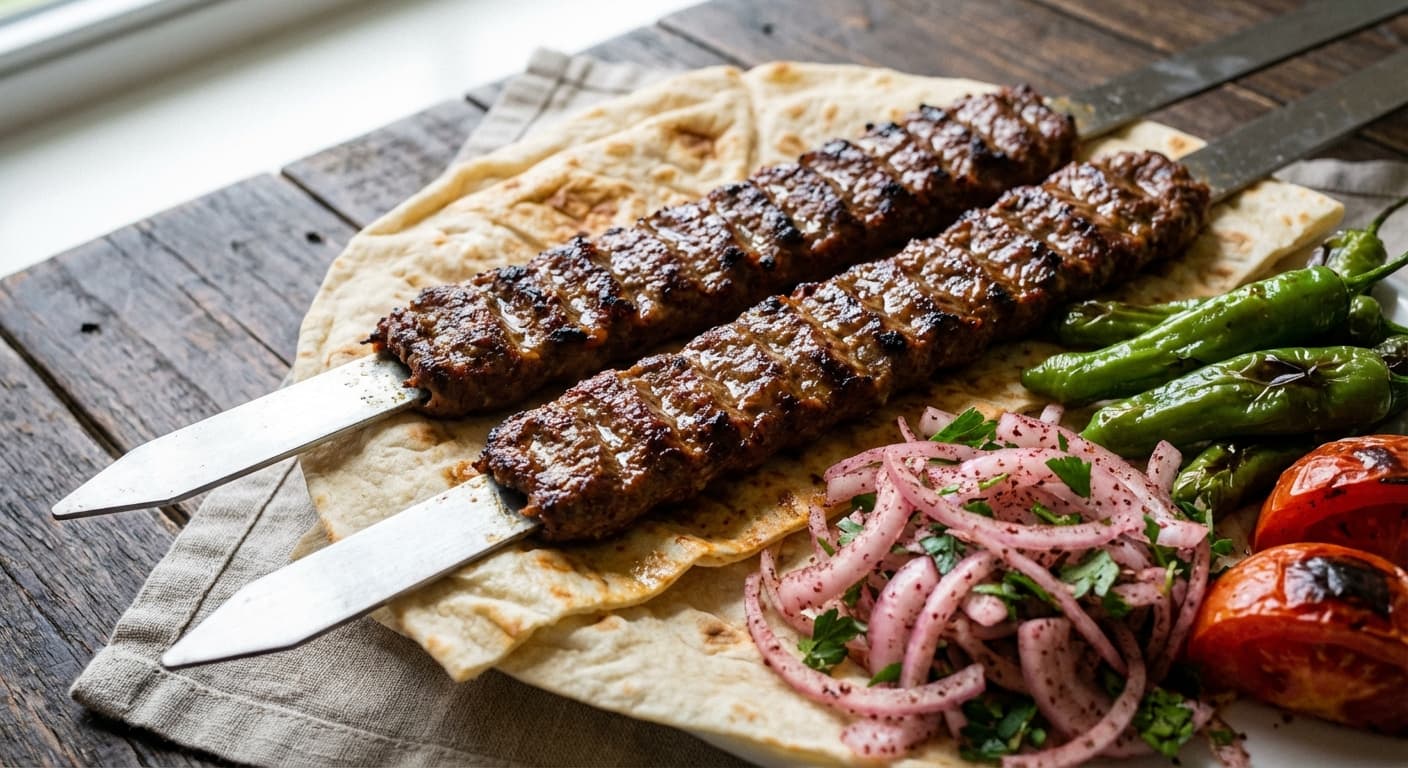
Urfa Kebab (اورفا کباب) — Mild Turkish minced skewer with sumac onions
Turkish · Kebabs · 37 min
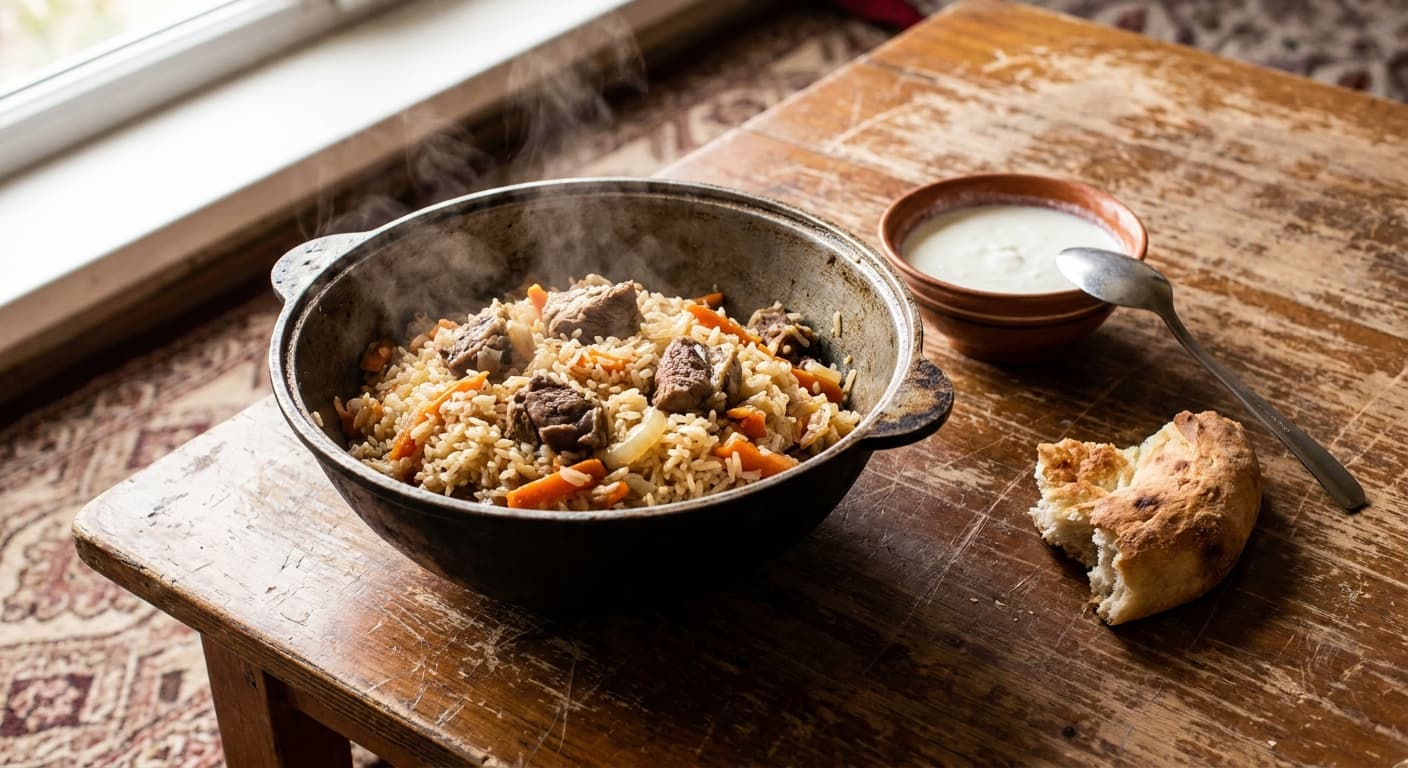
Chekdirme (Çekdirme) — Turkmen Lamb and Tomato Rice
Turkmen · Rice Dishes · 100 min
Reviews
Cooked this recipe?
Tap the stars to rate it — that's all it takes. A few words are welcome but optional.
No ratings yet. Cooked this one? Be the first to rate it — it takes one tap.