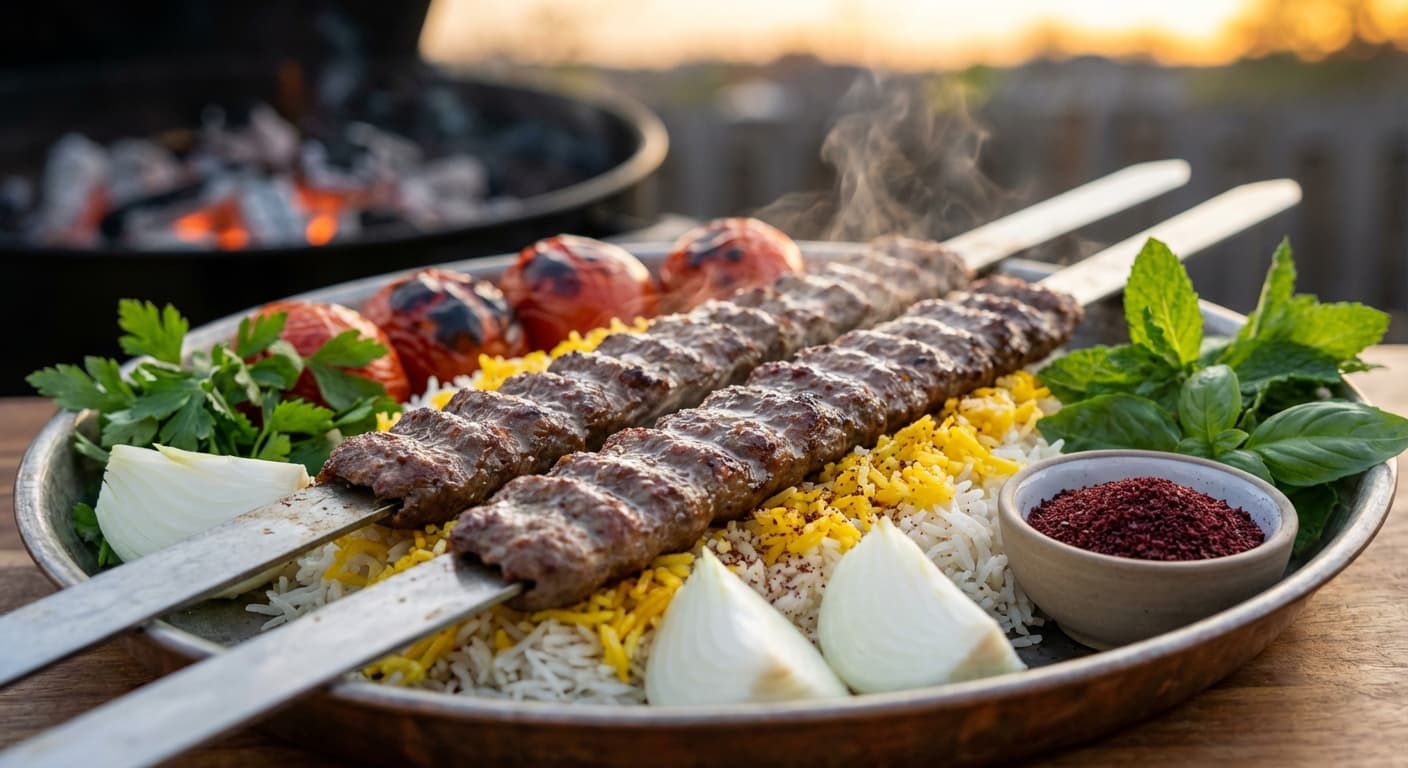
Authentic Persian Kabab Koobideh (کباب کوبیده) — Charcoal-Grilled Minced Meat Skewers
Kabab Koobideh is Iran’s most beloved minced-meat kebab, famous from Tehran’s chelow-kababi restaurants to roadside grills. Mixed with onion and warm spices, it’s shaped on wide skewers and grilled for a smoky, juicy bite.
Printable Recipe Card
Servings: 6 · Total: 47 min · Difficulty: medium
Ingredients (quick list)
- 600 g Ground lamb (80/20) (Use lamb for classic flavor; keep cold)
- 600 g Ground beef (80/20) (Chuck or brisket grind works well; keep cold)
- 350 g Yellow onions, peeled (About 2 medium onions)
- 14 g Fine salt (About 2 1/4 tsp fine salt)
- 2 tsp Black pepper, freshly ground
- 1.5 tsp Ground turmeric
- 1 tsp Baking soda (Helps tenderness and skewer adhesion)
- 20 g Fresh parsley leaves, finely minced (About 1/2 loosely packed cup)
- 0.25 tsp Saffron threads (Grind before blooming)
- 30 ml Hot water (for blooming saffron) (About 2 tbsp)
- 30 ml Neutral oil (For brushing skewers and kebabs)
- 2 tbsp Sumac (Sprinkle at the table)
Steps (summary)
- Bloom the saffron by grinding the threads to a fine powder, then mixing with 30 ml hot water in a small cup. Let it steep for 1…
- Grate the onions on the fine side of a box grater into a bowl, then squeeze them firmly through a clean cloth or fine mesh to r…
- In a large chilled bowl, combine the ground lamb, ground beef, squeezed onion pulp, salt, black pepper, turmeric, baking soda,…
- Cover the bowl and refrigerate the kebab mixture for 60 minutes to firm the fat and improve shaping. While it chills, soak wide…
- Prepare a charcoal grill for high heat, aiming for a dense bed of glowing coals with a few small flames licking the surface. Po…
- Divide the mixture into 12 equal portions of about 110 g each and keep them cold until shaping. Lightly oil your hands and one…
+ 2 more steps in the full instructions section below.
Cultural Background
Kabab Koobideh is a defining dish of Iranian chelow-kababi culture, served from humble street stalls to celebratory family feasts. Its signature ridged shape on wide skewers and sumac finish are instantly recognizable across Iran and the diaspora.
Equipment
💡 Tips
- Use 80/20 meat; if the grind is too lean, add 60 g lamb fat or beef fat to keep koobideh juicy and stable on the skewer.
- Squeeze onion pulp very dry; excess onion juice is the most common reason koobideh breaks or falls into the fire.
- Mix until sticky and elastic; under-mixing prevents the proteins from binding, while chilling makes shaping much easier.
⚠️ Common Mistakes
❌ Kebab mixture falls off the skewer on the grill.
✅ Fix: Squeeze onion pulp drier, mix longer until sticky, and chill the mixture at least 60 minutes before shaping.
❌ Kebabs turn out dry and crumbly.
✅ Fix: Use 80/20 meat, avoid overcooking past 71°C, and brush lightly with oil near the end rather than early.
❌ Outside burns before the inside cooks.
✅ Fix: Raise the skewers slightly higher above the coals and turn more frequently after the first set.
🧊 How to Store
Refrigerate cooked koobideh in an airtight container for up to 3 days. Reheat covered in a 160°C oven for 10–12 minutes with 15 ml water in the pan to prevent drying, or warm gently in a covered skillet for 4–5 minutes per side.
📅 Make Ahead
Grate and squeeze the onions up to 24 hours ahead and refrigerate the dry pulp. You can mix the meat and seasonings up to 12 hours ahead; keep covered and cold, then shape onto skewers right before grilling.
🍽️ Pairs Well With
- Chelow (saffron rice)
- grilled tomatoes
- torshi
- fresh herbs (sabzi khordan)
- lavash or sangak
- raw onion wedges
- doogh.
Regional Variations
- Tehran-style: very fine onion pulp, minimal herbs, often served with buttered rice and grilled tomato.
- Tabriz/Azerbaijani influence: slightly heavier black pepper and sometimes a touch more turmeric for deeper color.
- Home-style: mixed lamb and beef with parsley or cilantro, occasionally shaped into logs and pan-seared when skewers aren’t available.
FAQ
Why does koobideh fall off the skewer?
The mixture is usually too wet or not kneaded enough. Squeeze excess juice from grated onion, chill the mixture well, and knead until it becomes sticky and cohesive so it grips the skewer.
Can I make kabab koobideh in the oven?
Yes. Shape the kebab mixture onto skewers or as long logs on a lined baking tray, then bake under high heat and finish with broil to char. You will not get the exact charcoal flavor, but you can get juicy, well-browned kebabs.
What meat ratio works best for koobideh?
A classic approach is a mix of beef and lamb with enough fat to stay juicy. If you use very lean meat, the kebabs can dry out and may not bind as well.
What should I serve with koobideh?
The classic pairing is saffron rice (chelo), grilled tomatoes and peppers, and a simple salad like Shirazi. Flatbread, sumac, and torshi (pickles) also work great.
Ingredients
- 600 gGround lamb (80/20) (Use lamb for classic flavor; keep cold)
- 600 gGround beef (80/20) (Chuck or brisket grind works well; keep cold)
- 350 gYellow onions, peeled (About 2 medium onions)
- 14 gFine salt (About 2 1/4 tsp fine salt)
- 2 tspBlack pepper, freshly ground
- 1.5 tspGround turmeric
- 1 tspBaking soda (Helps tenderness and skewer adhesion)
- 20 gFresh parsley leaves, finely minced (About 1/2 loosely packed cup)
- 0.25 tspSaffron threads (Grind before blooming)
- 30 mlHot water (for blooming saffron) (About 2 tbsp)
- 30 mlNeutral oil (For brushing skewers and kebabs)
- 2 tbspSumac (Sprinkle at the table)
🔄 Substitutions
- Ground lamb (80/20)→ Ground beef (80/20) only, 1200 g total
- Fresh parsley leaves→ Fresh cilantro leaves, 20 g
- Charcoal grill→ Broiler on high with skewers set over a foil-lined tray
Instructions
- 1
Bloom the saffron by grinding the threads to a fine powder, then mixing with 30 ml hot water in a small cup. Let it steep for 10 minutes so the color and aroma fully develop before it goes into the meat.
- 2
Grate the onions on the fine side of a box grater into a bowl, then squeeze them firmly through a clean cloth or fine mesh to remove as much juice as possible. Measure the squeezed onion pulp; you should have about 220–250 g, and removing excess liquid is essential so the kebab does not slide off the skewer.
- 3
In a large chilled bowl, combine the ground lamb, ground beef, squeezed onion pulp, salt, black pepper, turmeric, baking soda, minced parsley, and the bloomed saffron (including all liquid). Mix vigorously by hand for 6–8 minutes until the mixture becomes sticky, cohesive, and slightly lighter in color; this protein development is what makes koobideh cling to the skewer.
- 4
Cover the bowl and refrigerate the kebab mixture for 60 minutes to firm the fat and improve shaping. While it chills, soak wide metal koobideh skewers in cold water for 10 minutes and then dry them well; this helps the meat release cleanly after grilling.
- 5
Prepare a charcoal grill for high heat, aiming for a dense bed of glowing coals with a few small flames licking the surface. Position the grill grate height so the skewers sit about 8–10 cm above the coals, which sears quickly without burning before the inside cooks.
- 6
Divide the mixture into 12 equal portions of about 110 g each and keep them cold until shaping. Lightly oil your hands and one skewer, then press one portion firmly along the length of the skewer into an even strip about 2–2.5 cm thick; pinch shallow ridges with your fingers every 2–3 cm to create the classic koobideh pattern and help it cook evenly.
- 7
Lay the skewers over the hottest part of the coals and grill for 60–90 seconds until the meat sets and releases from the skewer when gently nudged. Flip carefully and continue grilling, turning every 45–60 seconds, for a total of 8–10 minutes until browned with slight charring and the center reaches 71°C.
- 8
Brush the kebabs lightly with neutral oil during the last 2 minutes to keep the surface glossy and prevent drying. Rest the skewers for 2 minutes, then slide the kebabs onto a platter and serve immediately with 2 tbsp sumac sprinkled at the table for the traditional tangy finish.
Oven Method (No Grill)
Best setup
Use a preheated sheet pan and very high heat, then finish with a short broil for color. If you have metal skewers that fit in your oven, you can rest them on the edges of a roasting pan so heat circulates.
How to bake
Shape the koobideh mixture into long logs (or onto skewers). Place on a parchment-lined tray, bake at 475°F (245°C) until browned and mostly cooked through, then broil briefly to char the top. Flip once for even browning.
Juiciness & binding tips
Chill the shaped kebabs before baking so they hold their form. If the mix looks wet, squeeze onion juice harder and knead longer—cohesion matters more in the oven because there is no skewer grip from direct flame.
Smoke / grill flavor shortcut (optional)
For a smoky note, finish with a quick torch on the surface or serve with heavily charred tomatoes/peppers. (Avoid liquid smoke—easy to overdo.)
🪪 Recipe Passport
Cultural Background
Kabab Koobideh is a defining dish of Iranian chelow-kababi culture, served from humble street stalls to celebratory family feasts. Its signature ridged shape on wide skewers and sumac finish are instantly recognizable across Iran and the diaspora.
Regional Variations
Researched from multiple sources and validated by the Zaffaron editorial team. Every recipe is tested for accuracy, measurements, and cultural authenticity.
Nutrition per serving
Pairs well with
If you enjoyed this recipe, here are a few related Zaffaron recipes to try next.
- Salad Shirazi (سالاد شیرازی) — Persian Cucumber Tomato Salad
- Chelo (چلو) — Persian Fluffy Steamed Rice
- Chelo Kebab Koobideh (چلو کباب کوبیده) — Persian Minced Meat Skewers with Saffron Rice
- Persian Steamed Rice Masterclass (چلو و پلو) — Chelo and Polow techniques with perfect tahdig
- Mixed Vegetable Rice (برنج با مخلوط سبزیجات) — Persian-Style Aromatic Pilaf
Does your family make this differently?
Every family has their own version. Maybe your grandmother adds a secret ingredient, or your aunt has a completely different technique. Preserve your family's version — with their name on it, forever.
You Might Also Like
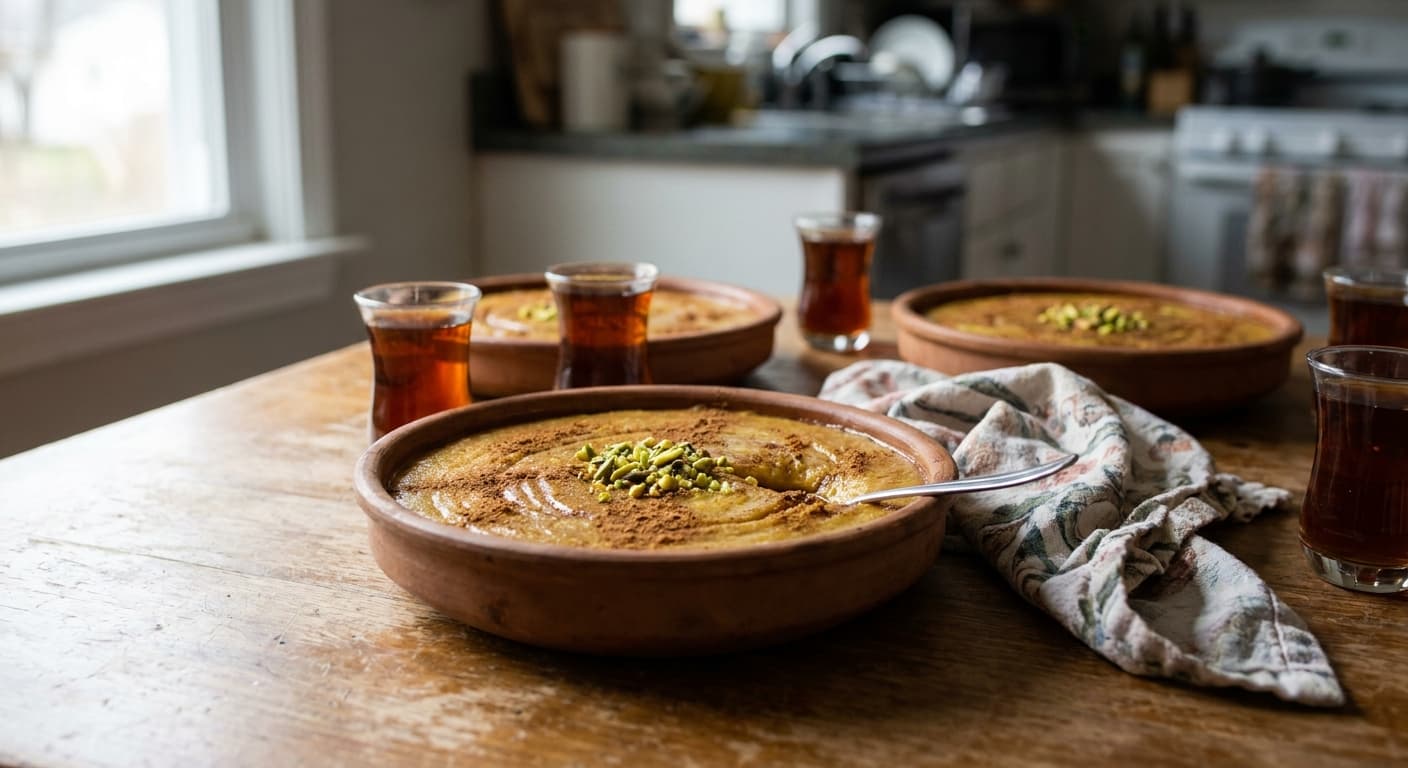
Persian Kachi (کاچی) — Saffron Rosewater Pudding
Persian · Desserts · 45 min
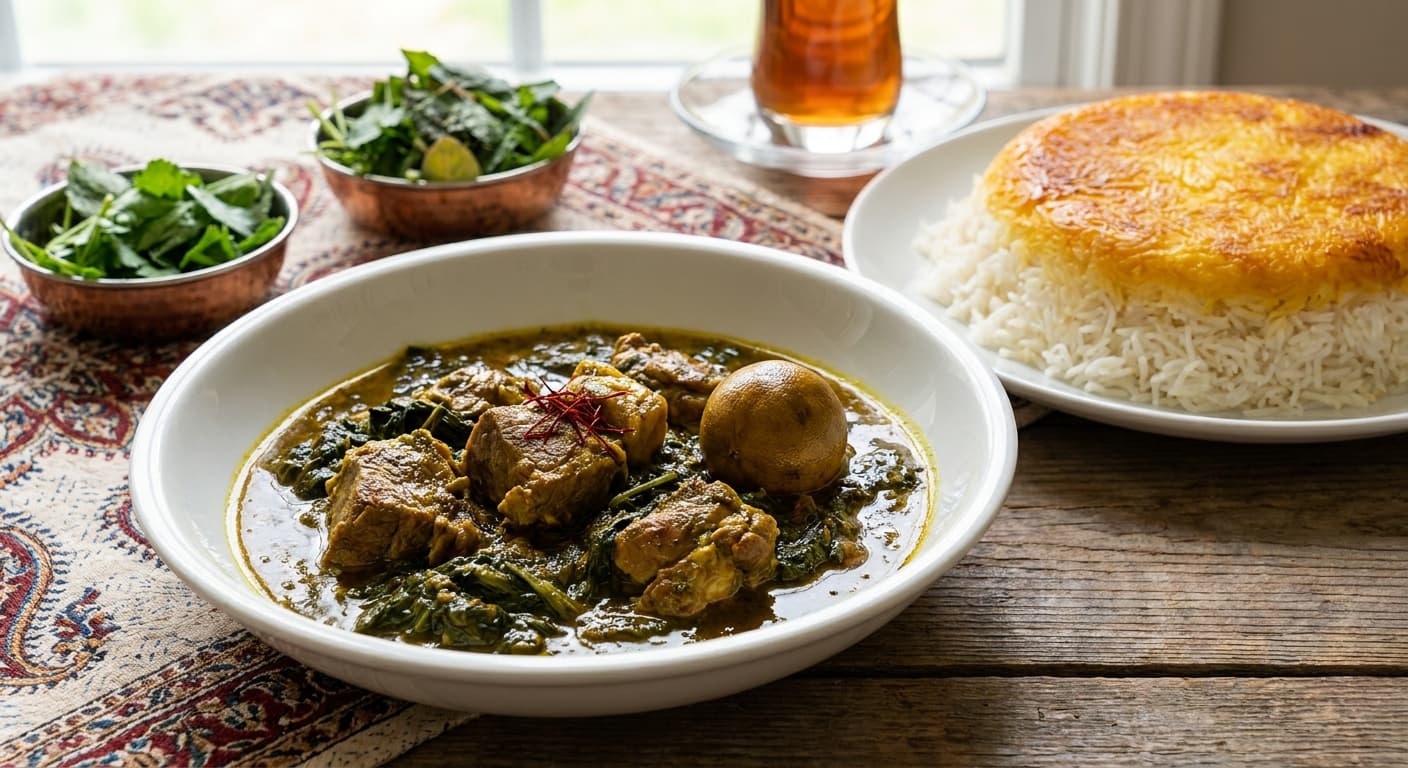
Persian Khoresht Saak (خورش ساک) — Saffron-Cardamom Lamb Stew with Saak Greens
Persian · Stews · 145 min
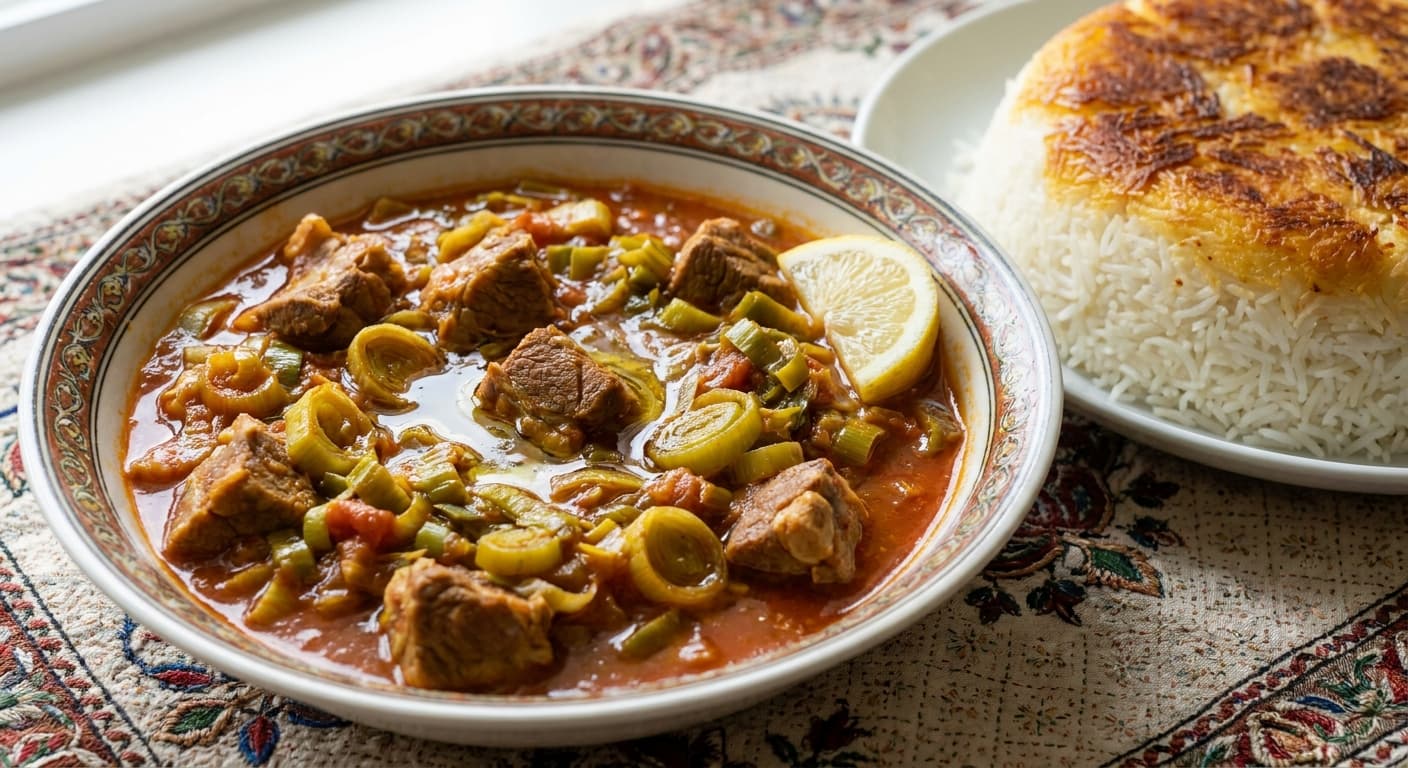
Khoresh Tareh Farangi (خورش تره فرنگی) — Persian Leek and Lamb Stew
Persian · Stews · 130 min
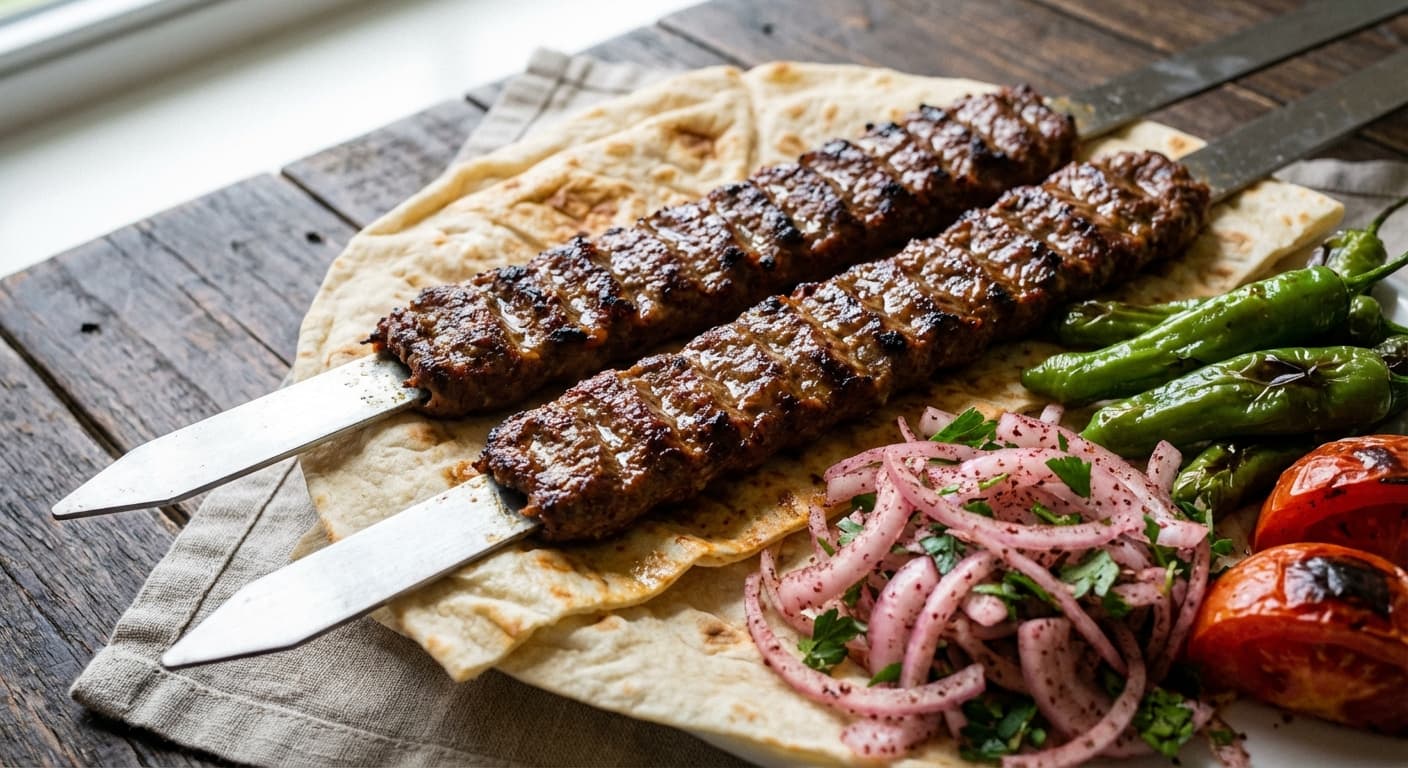
Urfa Kebab (اورفا کباب) — Mild Turkish minced skewer with sumac onions
Turkish · Kebabs · 37 min
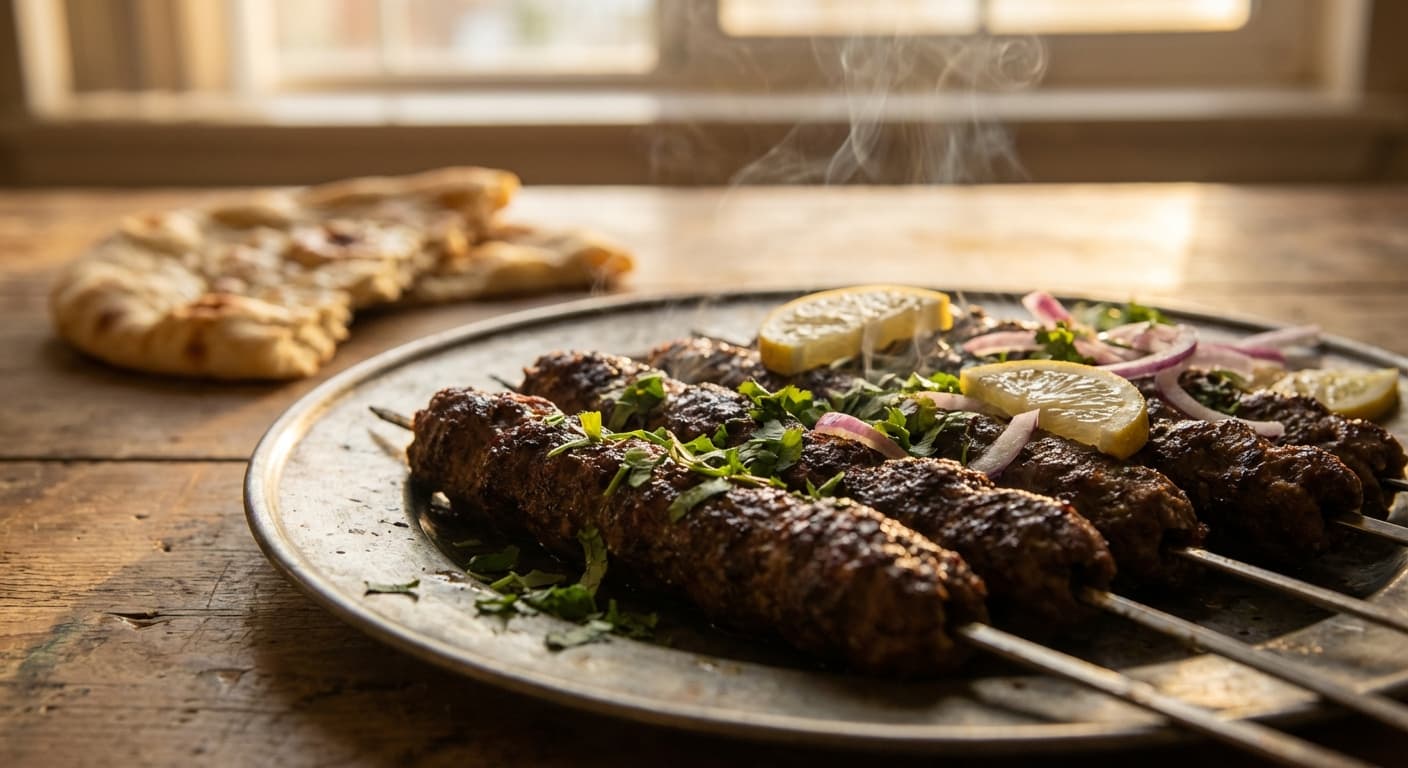
Seekh Kebab (کباب سیخی) — Afghan Grilled Minced Meat Skewers with Cumin
Afghan · Kebabs · 37 min
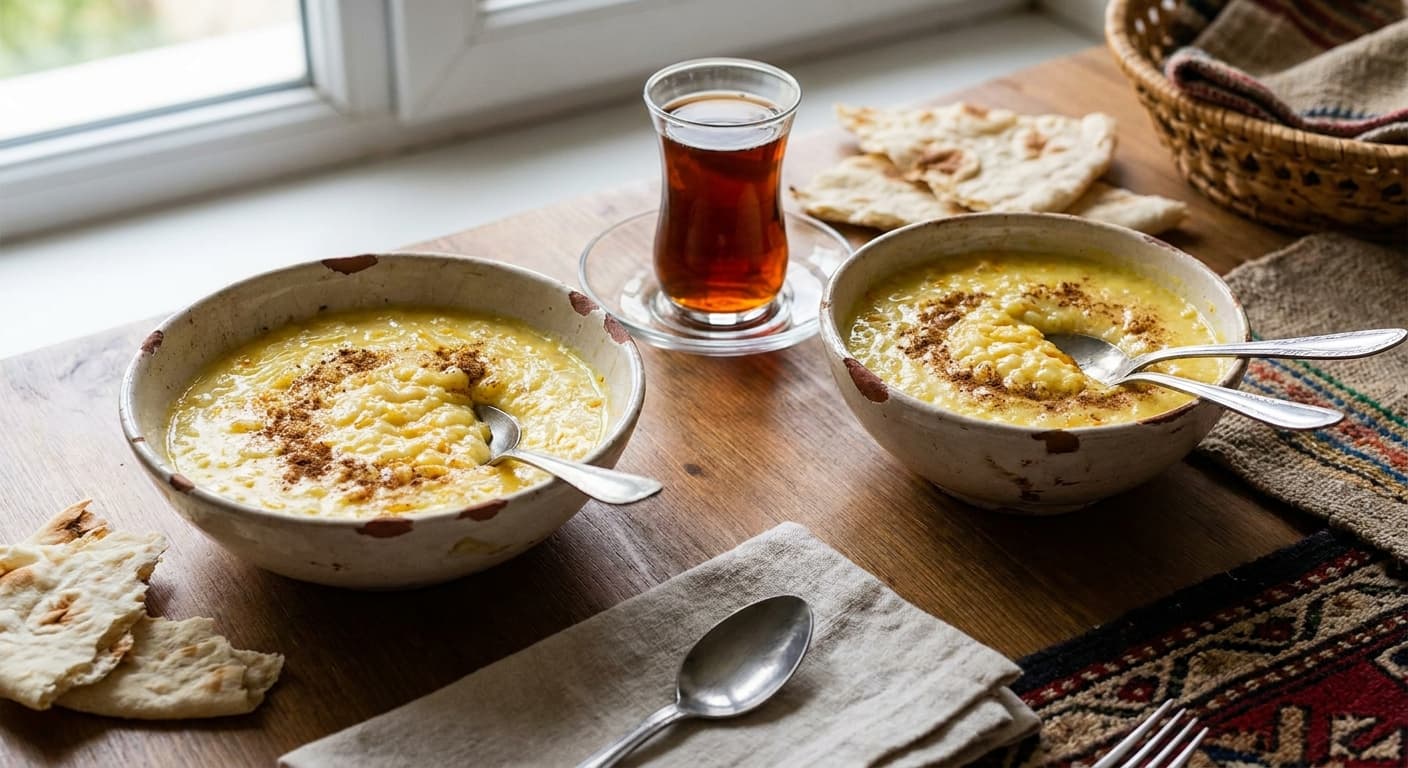
Azerbaijani Milk-Rice Porridge (Südlü Sıyıq) — Creamy Breakfast Rice with Saffron
Azerbaijani · Rice Dishes · 50 min
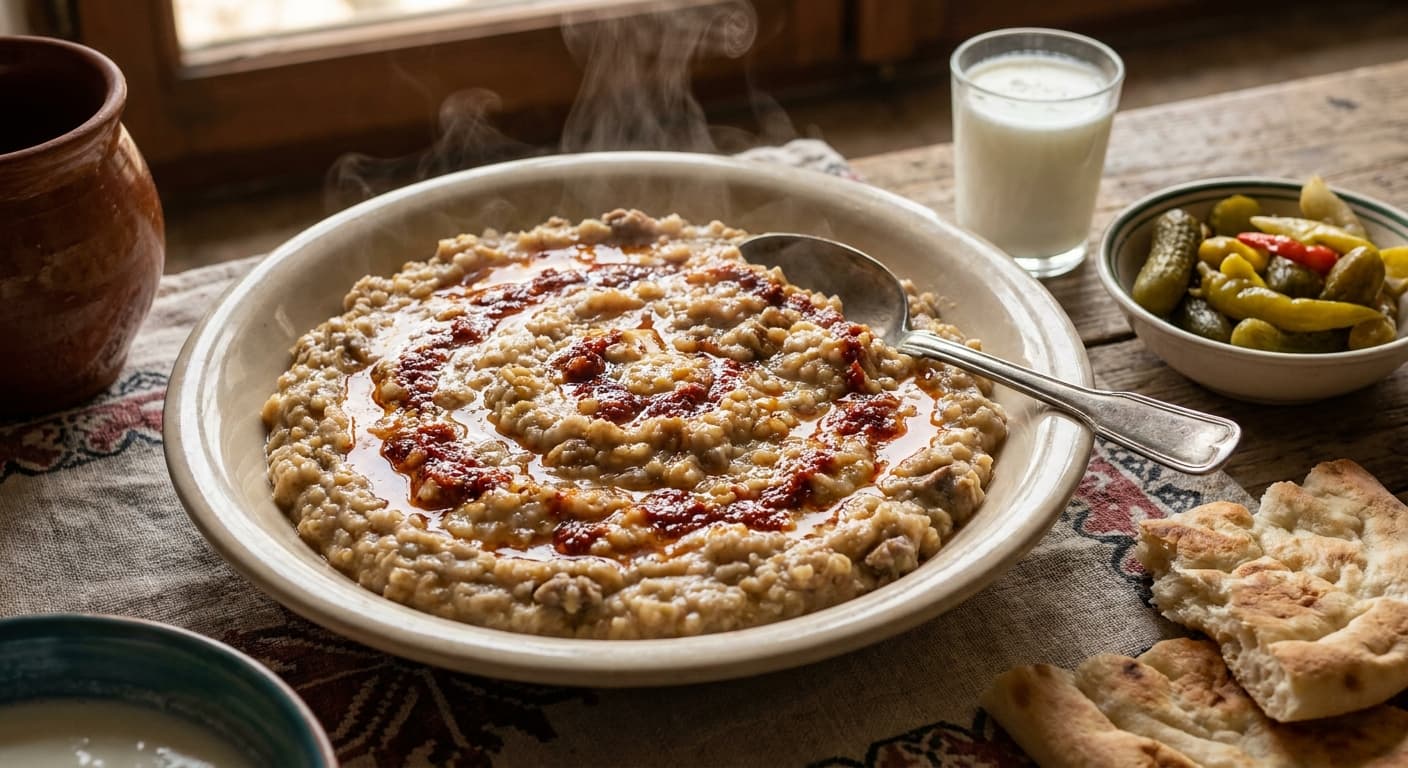
Keshkek (Keşkek) — Creamy Ceremonial Wheat and Lamb Stew
Turkish · Stews · 240 min
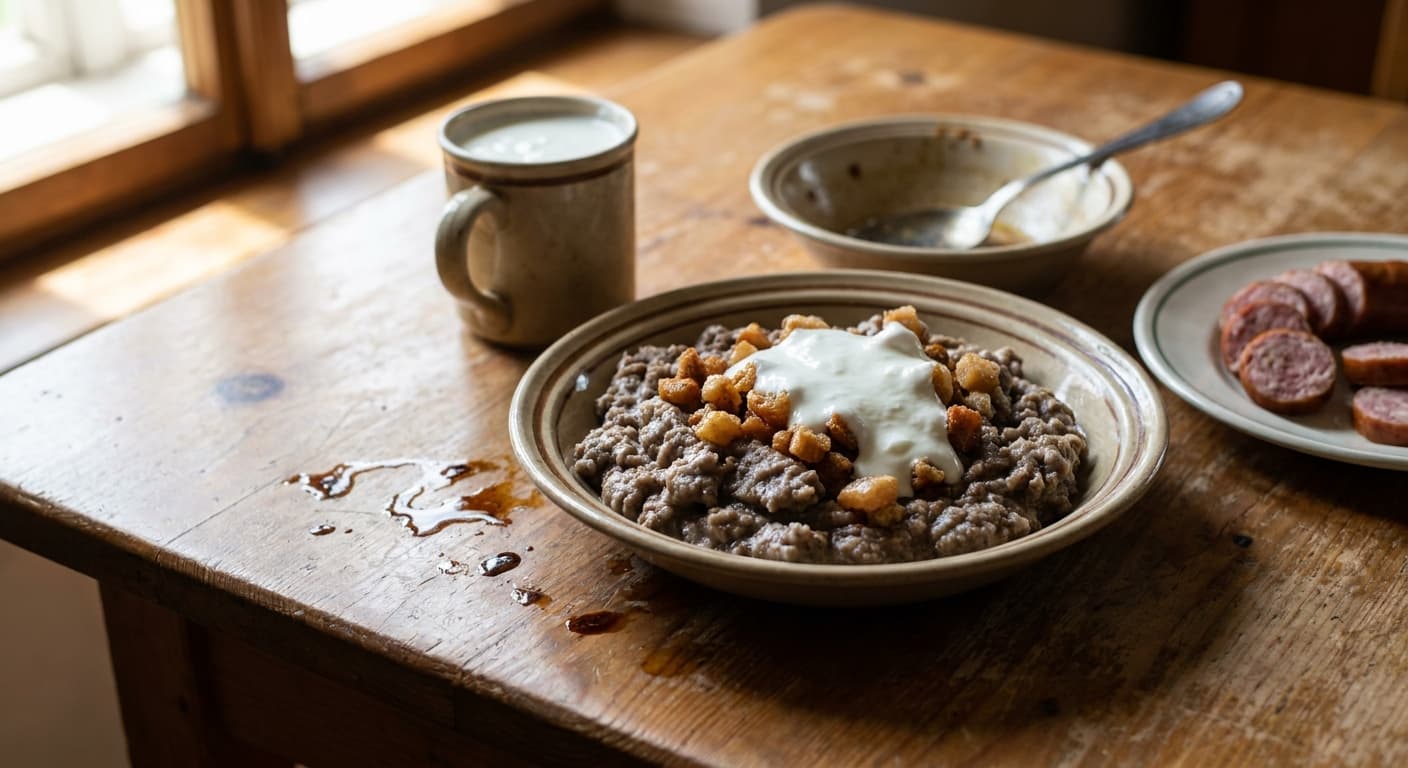
Buckwheat Žganci (Ajdovi žganci) — Slovenian Buckwheat Crumbs with Cracklings
Slovenian · Side Dishes · 45 min
Reviews
Cooked this recipe?
Tap the stars to rate it — that's all it takes. A few words are welcome but optional.
No ratings yet. Cooked this one? Be the first to rate it — it takes one tap.