Ohn No Khao Swe (အုန်းနို့ခေါက်ဆွဲ) — Burmese Coconut Chicken Noodles
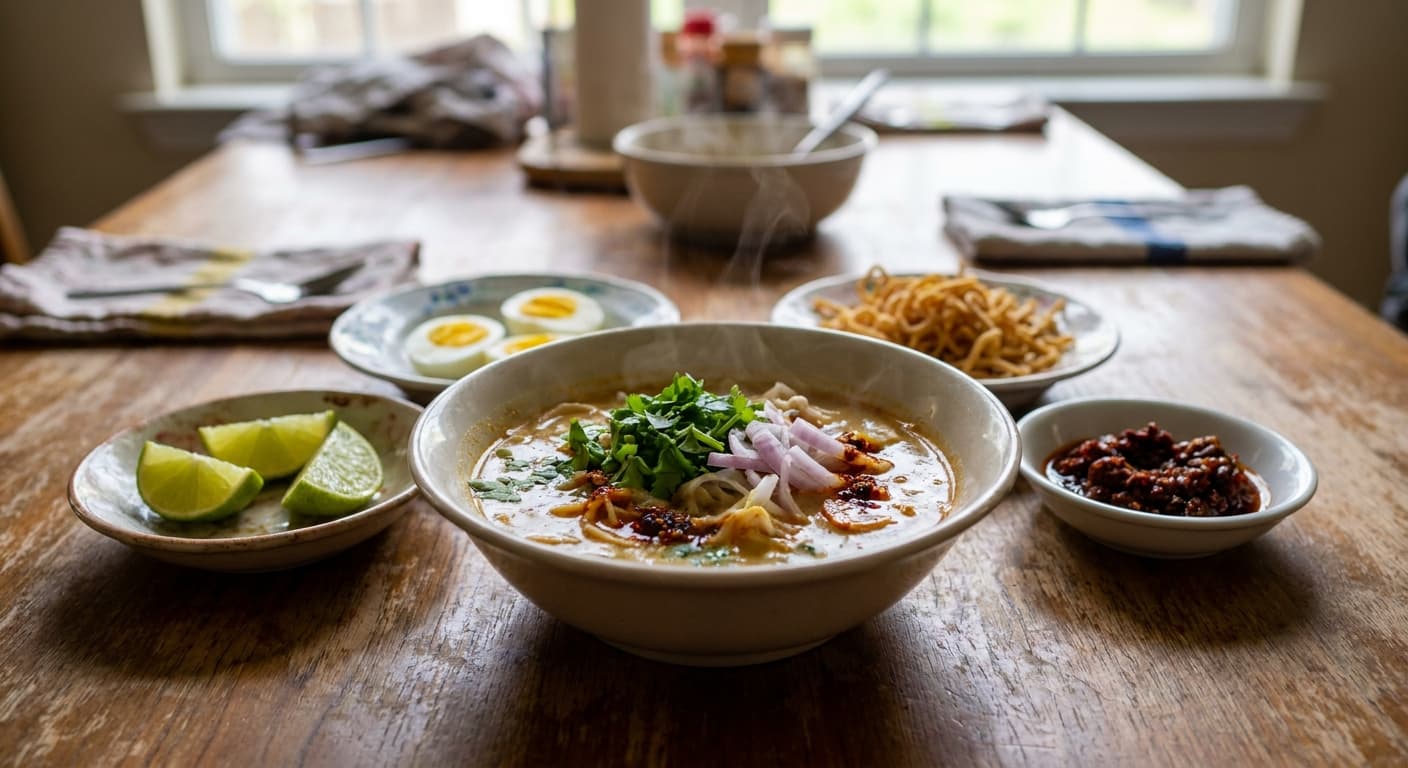
Ohn no khao swe is a beloved Burmese khao swè dish of wheat noodles in a turmeric-tinted coconut chicken hin-style broth. Chickpea flour gives the soup its gentle body, while lime, egg, chile oil, and crisp noodles finish each bowl.
Printable Recipe Card
Servings: 6 · Total: 75 min · Difficulty: medium
Ingredients (quick list)
- 450 g dried wheat egg noodles
- 250 ml peanut oil (for shallow-frying; about 30 ml is absorbed)
- 60 g chickpea flour
- 180 ml water (for making a smooth chickpea flour slurry)
- 2 large yellow onion (finely chopped)
- 6 clove garlic (minced)
- 2 inch fresh ginger (peeled and grated)
- 2 tsp ground turmeric
- 2 tsp sweet paprika
- 1 tsp mild chili powder
- 1 tbsp ngapi fish paste (Burmese fermented fish paste, mashed smooth)
- 900 g boneless skinless chicken thighs (cut into 3 cm pieces)
+ 10 more in the full ingredients section below.
Steps (summary)
- Toast the chickpea flour in a dry saucepan over medium-low heat for 4 minutes, stirring constantly until it smells nutty and tu…
- Heat 45 ml peanut oil in a heavy pot over medium heat, then add the chopped onions and cook for 10 minutes until soft and light…
- Add the chicken thigh pieces and turn them through the spice paste for 5 minutes so the surface firms and takes on the color of…
- Whisk the chickpea flour slurry again, then pour it into the pot in a thin stream while stirring so it does not clump. Add the…
- Cook 450 g dried wheat egg noodles in a large pot of boiling water according to the package timing, usually 4 to 6 minutes, unt…
- For the crispy topping, heat 250 ml peanut oil in a small pan to 175°C and fry 75 g noodles in 2 batches for 45 to 60 seconds p…
+ 2 more steps in the full instructions section below.
Cultural Background
Ohn no khao swe is a Burmese celebration and family-table noodle dish, often served with abundant garnishes. Naomi Duguid describes Burmese cooking as built on balancing sour, savory, crisp, and rich elements, a balance this dish shows clearly.
Equipment
💡 Tips
- Keep the coconut milk at a gentle simmer rather than a rolling boil, because aggressive heat can make the broth look separated.
- Toast the chickpea flour before making the slurry; raw chickpea flour tastes grassy and will dull the flavor of the soup.
- Set the garnishes on the table in small bowls so diners can balance richness, acidity, crunch, and chile heat in the Burmese style.
⚠️ Common Mistakes
❌ Adding dry chickpea flour directly to the soup creates lumps.
✅ Fix: Toast it first, whisk it with the measured water into a smooth slurry, and pour it in while stirring constantly.
❌ Boiling the coconut milk hard makes the broth greasy or split.
✅ Fix: After adding coconut milk, keep the soup at a gentle simmer and stir the pot every few minutes.
❌ Assembling the bowls too early makes the noodles swell and absorb the broth.
✅ Fix: Hold the broth, cooked noodles, and garnishes separately, then combine them just before serving.
🧊 How to Store
Store broth and noodles separately in airtight containers for up to 3 days in the refrigerator. Reheat the broth gently over medium-low heat with 60 ml water per 2 servings, then warm the noodles briefly in hot water before assembling.
📅 Make Ahead
Prepare the broth up to 2 days ahead and refrigerate it without noodles or garnishes. Boil the eggs and slice the onions up to 1 day ahead, but fry the crispy noodles on the day of serving.
🍽️ Pairs Well With
- Lime wedges
- crispy fried shallots
- balachaung
- sliced red onion
- cilantro
- Burmese tea leaf salad.
Regional Variations
- Some Mandalay-style home versions use more chickpea flour for a thicker, almost gravy-like broth.
- Yangon family versions often emphasize a brighter garnish tray with extra lime, onion, chile oil, and crispy noodles.
- Some cooks replace ngapi with fish sauce only, especially outside Myanmar where Burmese fermented fish paste is difficult to find.
Ingredients
- 450 gdried wheat egg noodles
- 250 mlpeanut oil (for shallow-frying; about 30 ml is absorbed)
- 60 gchickpea flour
- 180 mlwater (for making a smooth chickpea flour slurry)
- 2large yellow onion (finely chopped)
- 6 clovegarlic (minced)
- 2 inchfresh ginger (peeled and grated)
- 2 tspground turmeric
- 2 tspsweet paprika
- 1 tspmild chili powder
- 1 tbspngapi fish paste (Burmese fermented fish paste, mashed smooth)
- 900 gboneless skinless chicken thighs (cut into 3 cm pieces)
- 1.2 lchicken stock
- 800 mlfull-fat coconut milk
- 15 mlfish sauce
- 6 gfine sea salt
- 3eggs (hard-boiled, peeled, and halved)
- 3lime (cut into wedges)
- 1red onion (thinly sliced)
- 1 bunchcilantro (leaves and tender stems chopped)
- 30 gcrispy fried shallots
- 6 tspchili oil
🔄 Substitutions
- ngapi fish paste→ 10 ml fish sauce plus 5 g white miso
- boneless skinless chicken thighs→ 900 g boneless skinless chicken breast
- dried wheat egg noodles→ 450 g plain dried wheat noodles
Instructions
- 1
Toast the chickpea flour in a dry saucepan over medium-low heat for 4 minutes, stirring constantly until it smells nutty and turns one shade darker. Transfer it to a bowl, whisk in 180 ml water until completely smooth, and reserve this slurry for thickening the ohn no khao swe broth.
- 2
Heat 45 ml peanut oil in a heavy pot over medium heat, then add the chopped onions and cook for 10 minutes until soft and lightly golden. Stir in the garlic, ginger, turmeric, paprika, chili powder, and ngapi, and fry for 2 minutes until the paste is aromatic and the oil is stained deep yellow-orange.
- 3
Add the chicken thigh pieces and turn them through the spice paste for 5 minutes so the surface firms and takes on the color of the aromatics. Pour in the chicken stock, bring it to a gentle boil, then lower the heat and simmer uncovered for 18 minutes until the chicken is cooked through.
- 4
Whisk the chickpea flour slurry again, then pour it into the pot in a thin stream while stirring so it does not clump. Add the coconut milk, fish sauce, and 6 g salt, then simmer gently for 10 minutes without hard boiling so the coconut broth stays smooth and creamy.
- 5
Cook 450 g dried wheat egg noodles in a large pot of boiling water according to the package timing, usually 4 to 6 minutes, until springy but not soft. Drain the noodles, rinse briefly with hot water to remove excess starch, and divide them among 6 deep bowls.
- 6
For the crispy topping, heat 250 ml peanut oil in a small pan to 175°C and fry 75 g noodles in 2 batches for 45 to 60 seconds per batch until blistered and golden. Drain them on a rack or paper towel and break them into short clusters once cool enough to handle.
- 7
Ladle the hot coconut chicken broth over the noodles, making sure every bowl receives both chicken and the thick hin-like sauce. Top each serving with half an egg, lime wedges, sliced red onion, cilantro, fried shallots, 1 tsp chili oil, and a handful of crispy noodles.
- 8
Serve immediately and instruct diners to squeeze in lime and mix the garnishes through the broth before eating. If you serve balachaung alongside, keep it in a separate small dish so each person can add a measured spoonful for extra savory heat.
🪪 Recipe Passport
Cultural Background
Ohn no khao swe is a Burmese celebration and family-table noodle dish, often served with abundant garnishes. Naomi Duguid describes Burmese cooking as built on balancing sour, savory, crisp, and rich elements, a balance this dish shows clearly.
Regional Variations
Researched from multiple sources and validated by the Zaffaron editorial team. Every recipe is tested for accuracy, measurements, and cultural authenticity.
📚 Sources & Cultural References
- Naomi Duguid — Burma: Rivers of Flavor — (2012)
- MiMi Aye — Mandalay: Recipes and Tales from a Burmese Kitchen — (2019)
Sources cited by the Zaffaron editorial team during recipe research. Cultural and culinary references supporting authenticity claims.
Nutrition per serving
Pairs well with
If you enjoyed this recipe, here are a few related Zaffaron recipes to try next.
Does your family make this differently?
Every family has their own version. Maybe your grandmother adds a secret ingredient, or your aunt has a completely different technique. Preserve your family's version — with their name on it, forever.
You Might Also Like
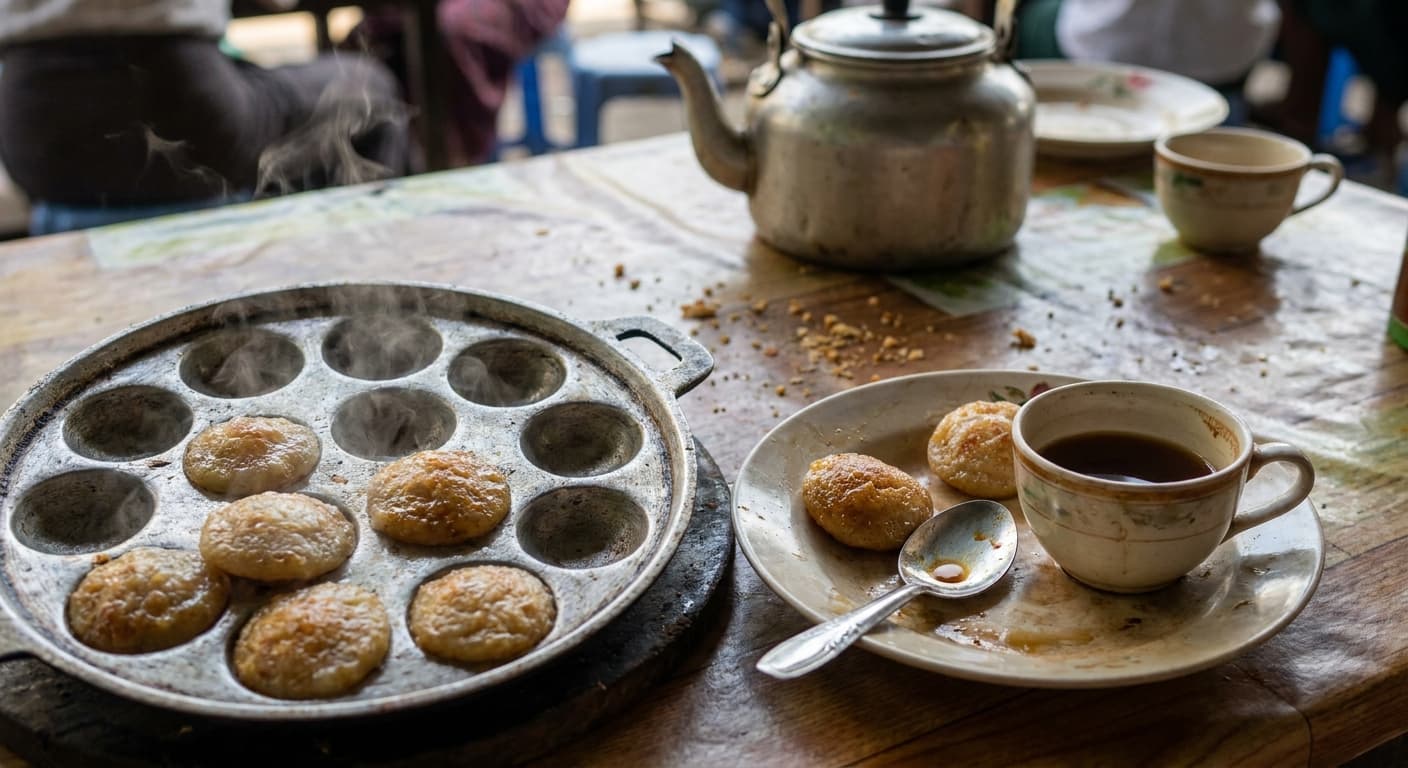
Mont Lin Ma Yar (မုန့်လင်မယား) — Burmese Husband-and-Wife Rice Cakes
Burmese · Appetizers · 65 min
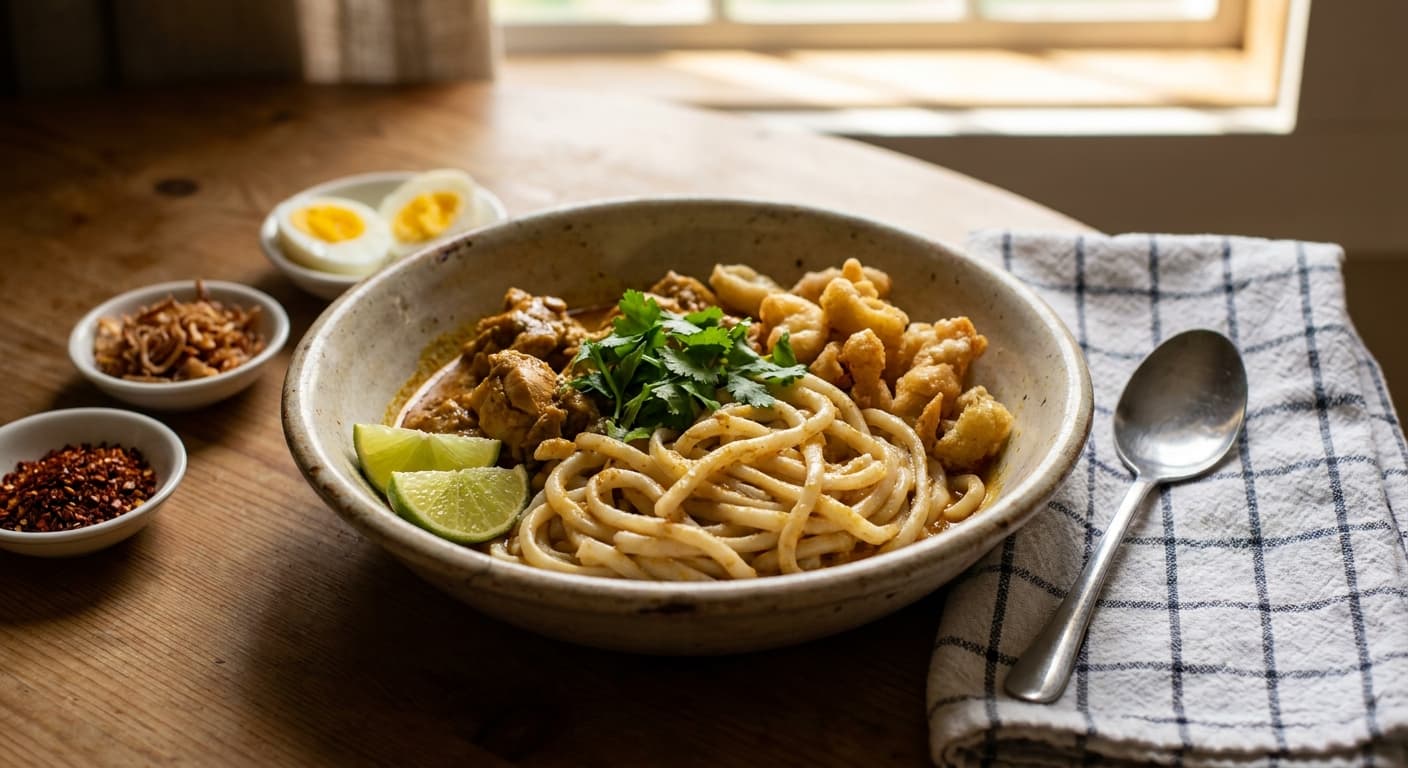
Nan Gyi Thoke (နန်းကြီးသုပ်) — Burmese Thick Rice Noodle Salad
Burmese · Salads · 80 min
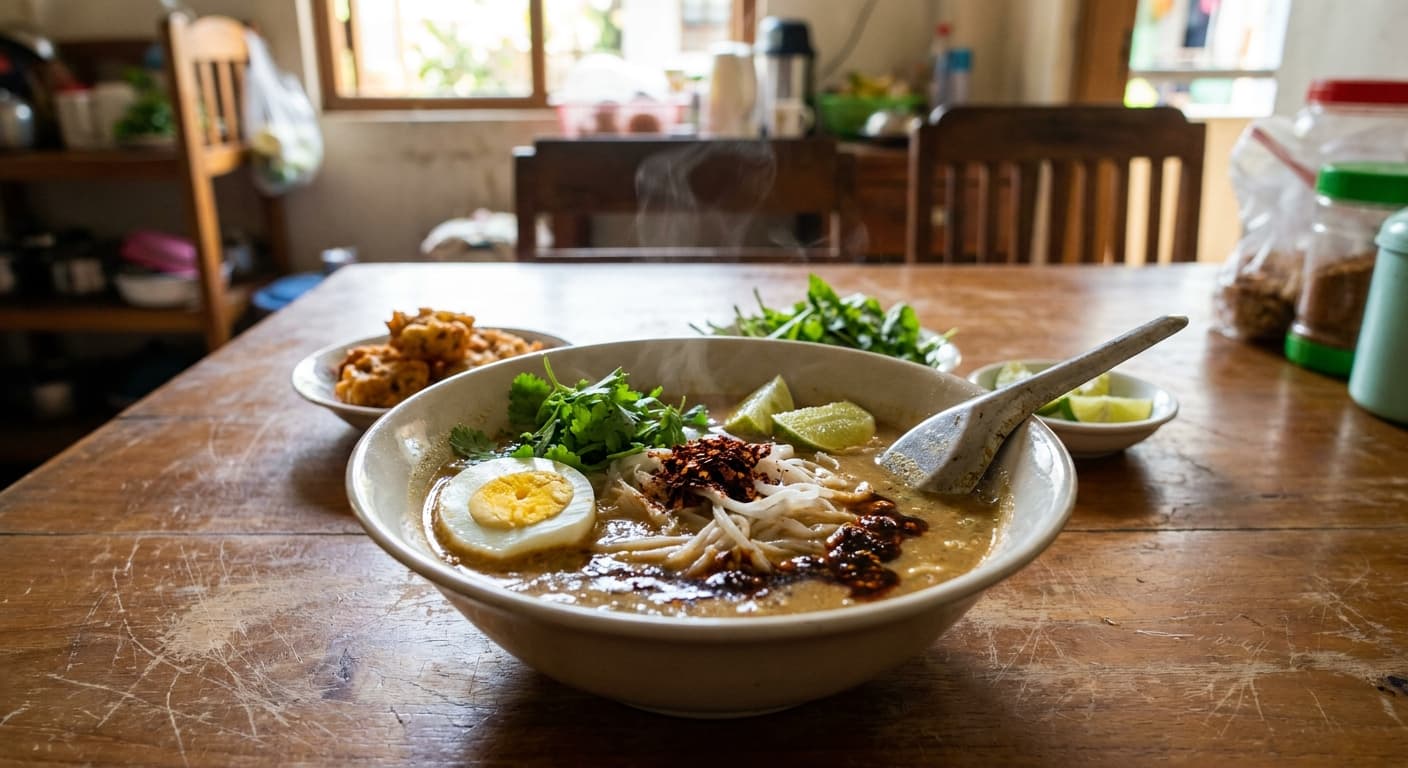
Burmese Mohinga (မုန့်ဟင်းခါး) — Fish Noodle Soup with Lemongrass
Burmese · Soups · 110 min
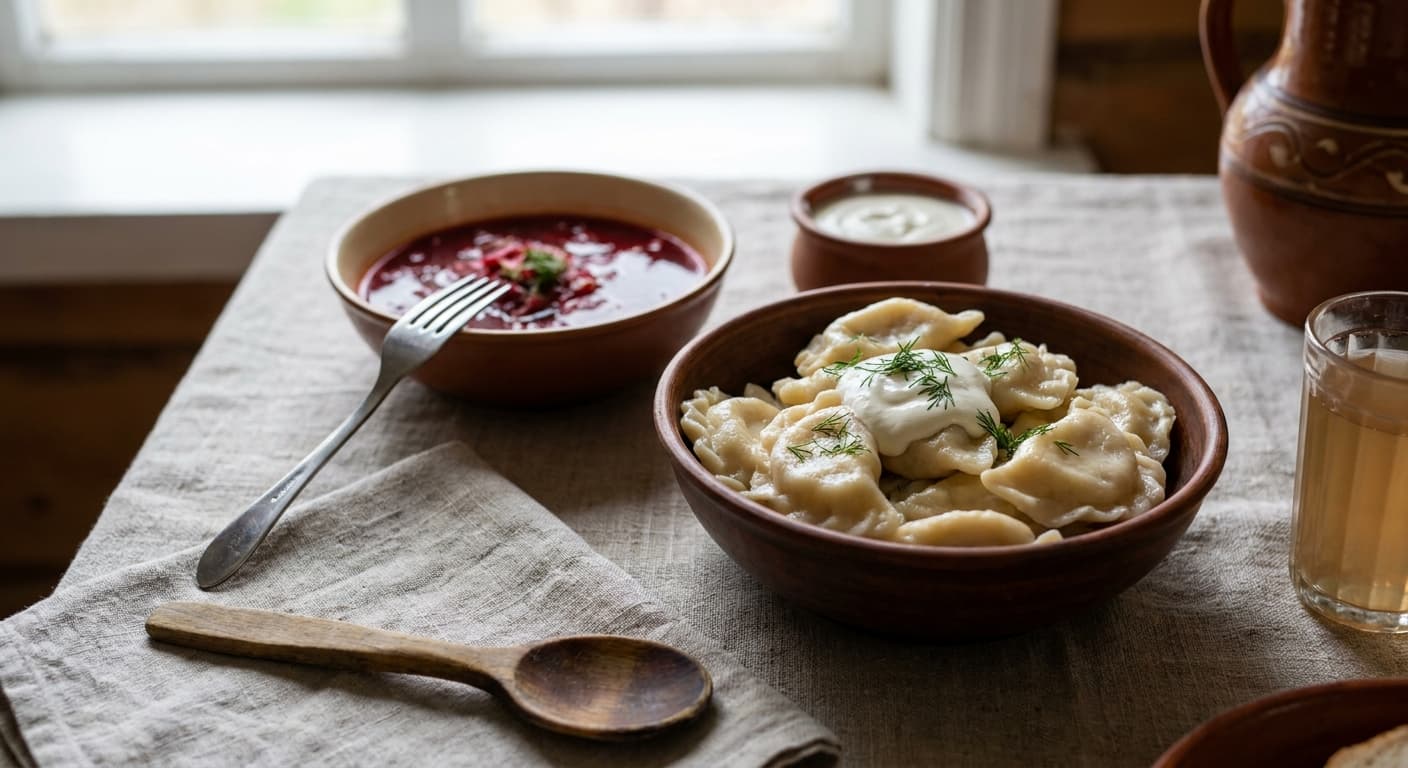
Varenyky (Вареники) — Ukrainian Potato-Cheese Dumplings
Ukrainian · Main Courses · 95 min
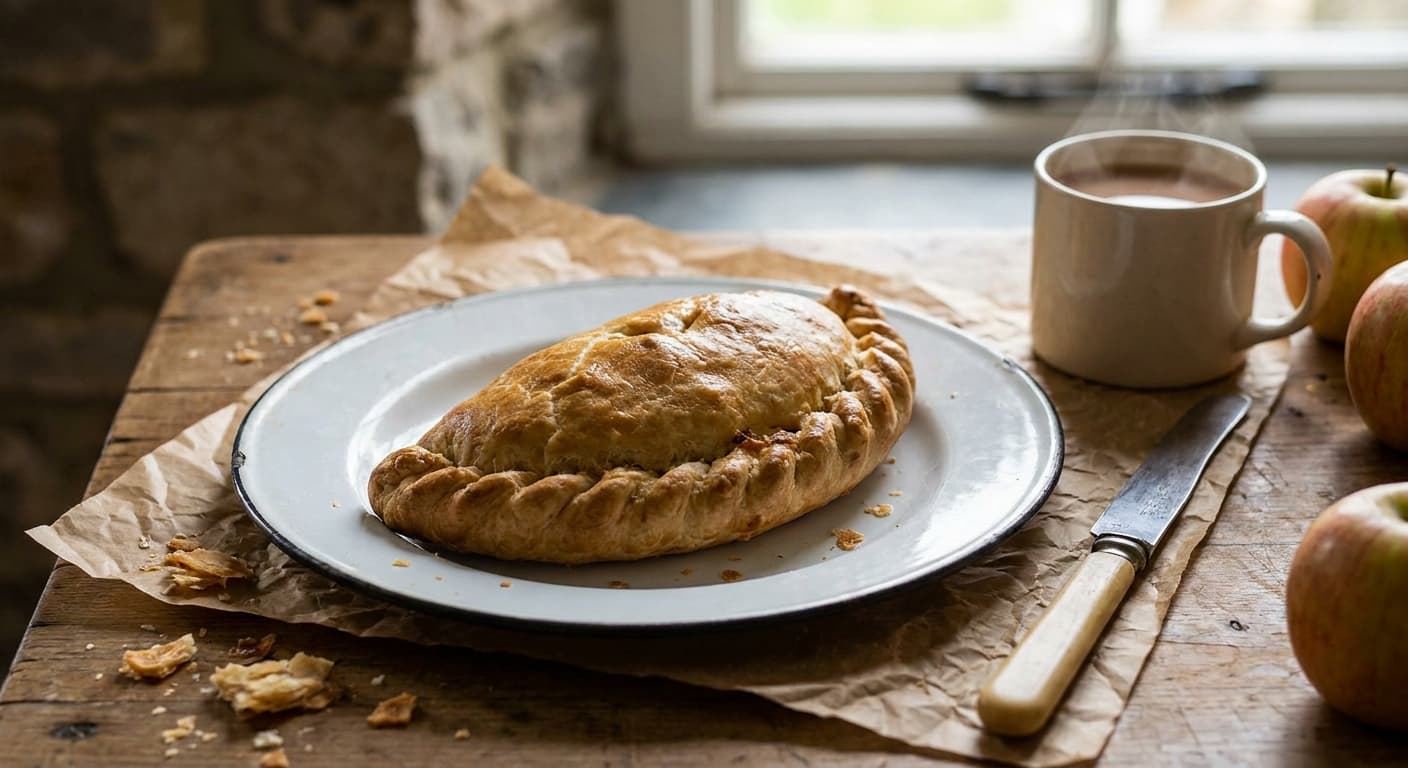
Cornish Pasty (Cornish Pasty) — Traditional Beef and Swede Hand Pie
British · Main Courses · 100 min
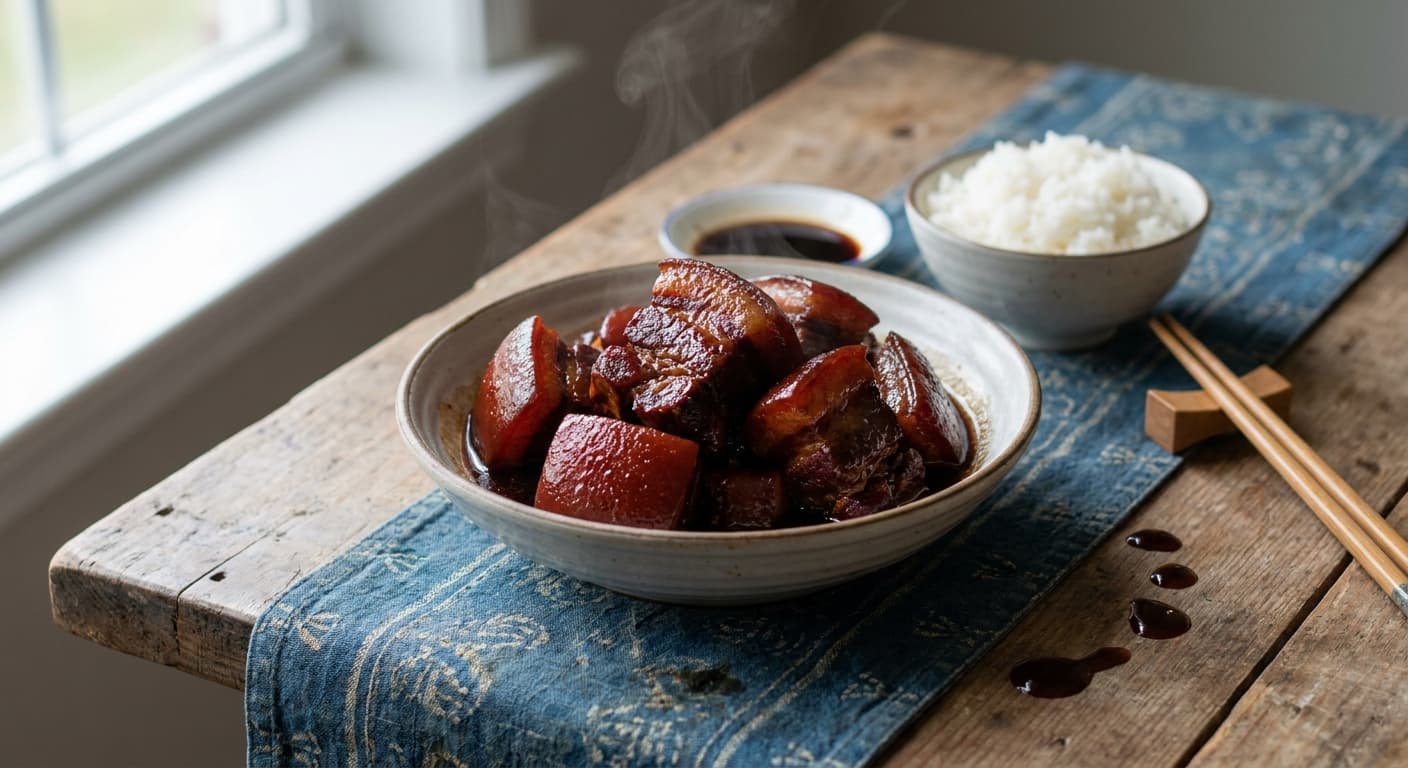
Dongpo Pork (东坡肉) — Hangzhou Red-Braised Pork Belly
Chinese · Main Courses · 205 min
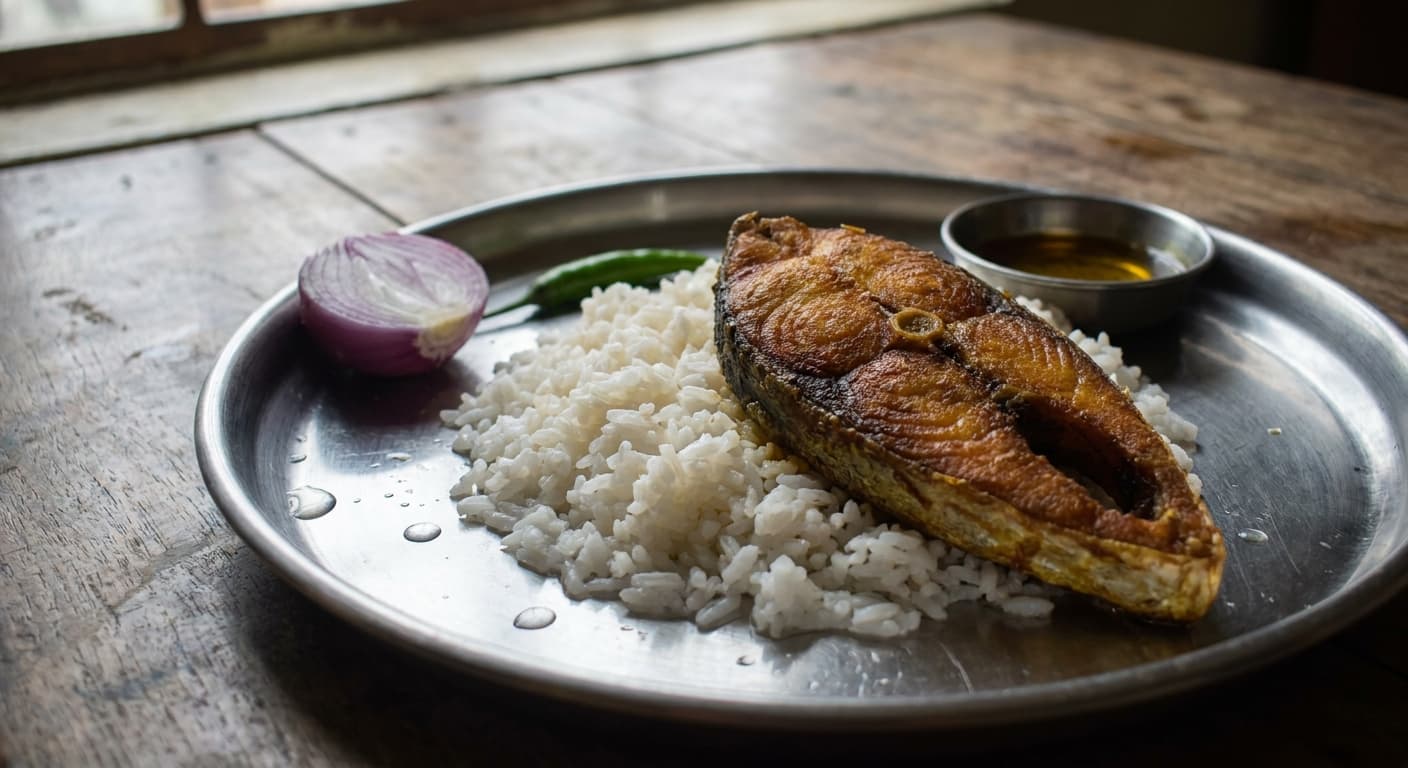
Panta Bhat (পান্তা ভাত) — Overnight Fermented Rice with Fried Ilish
Bangladeshi · Rice Dishes · 35 min
Fanesca (Fanesca) — Ecuadorian Holy Week Cod and Grain Soup
Ecuadorian · Soups · 180 min
Reviews
Cooked this recipe?
Tap the stars to rate it — that's all it takes. A few words are welcome but optional.
No ratings yet. Cooked this one? Be the first to rate it — it takes one tap.