Eslamboli Polo (اسلامبولی پلو) — Persian Tomato Rice with Beef
Eslamboli Polo is a Persian “red rice” layered with tender beef, fried onions, and tomato. The rice is parboiled, then steamed to create fluffy grains and a crisp tahdig crust with a savory, tangy finish.
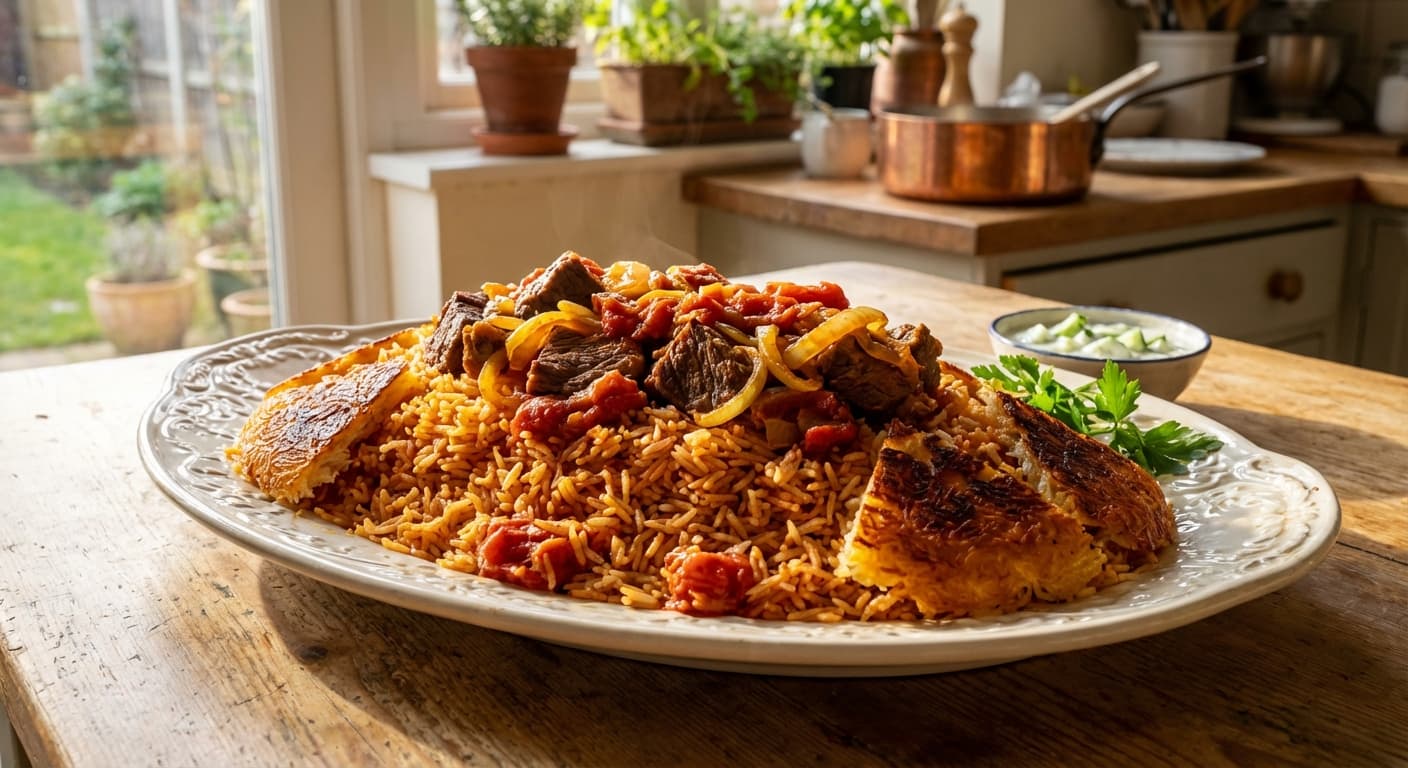
Printable Recipe Card
Servings: 6 · Total: 165 min · Difficulty: medium
Ingredients (quick list)
- 500 g Basmati rice (rinsed until water runs mostly clear)
- 24 g Fine sea salt (divided; includes salting rice water and seasoning)
- 3000 ml Water (for parboiling the rice)
- 700 g Boneless beef chuck (cut into 3 cm cubes)
- 350 g Yellow onions (thinly sliced)
- 75 ml Neutral oil (divided; plus extra if needed for frying onions)
- 700 g Fresh tomatoes (grated on a box grater or finely chopped)
- 60 g Tomato paste (about 4 tablespoons)
- 2 tsp Ground black pepper (divided)
- 1 tsp Ground turmeric (optional but common in home cooking)
- 30 g Unsalted butter (for richer aroma during steaming)
- 120 g Plain yogurt (for yogurt tahdig base)
+ 3 more in the full ingredients section below.
Steps (summary)
- Rinse the basmati rice 4–6 times until the water runs mostly clear. Cover with cool water and stir in 12 g of the salt; soak 30…
- Fry the onions: heat 60 ml oil in a wide pan over medium heat. Add onions and cook 18–25 minutes, stirring often, until deeply…
- Brown the beef: raise heat to medium-high and add the beef cubes to the pan with the remaining onions. Cook 8–10 minutes, turni…
- Build the tomato base: stir in tomato paste and cook 2 minutes until brick-red and fragrant. Add grated tomatoes and 12 g of th…
- Braise: add 600 ml water, bring to a gentle boil, then reduce to low. Cover and simmer 60–75 minutes, stirring occasionally, un…
- Parboil the rice: bring 3000 ml water to a rolling boil in a large pot. Add drained rice and the remaining 12 g salt. Boil 6–8…
+ 3 more steps in the full instructions section below.
Cultural Background
Eslamboli Polo is a well-known Iranian home-style rice dish often associated with tomato season, when fresh tomatoes are abundant and flavorful. It is commonly cooked for family meals and gatherings, valued for its colorful “red rice” and the tradition of serving it with a crisp tahdig.
Equipment
💡 Tips
- For brighter tomato flavor, use very ripe summer tomatoes; if tomatoes are watery, simmer the sauce longer before layering so the rice stays fluffy.
- Deeply golden onions are key to the dish’s sweetness; keep the heat medium and stir often to avoid bitter burnt edges.
- If your pot runs hot, shorten the final steam by 5–10 minutes and rest longer to prevent an overly dark tahdig.
- For extra separation of grains, rinse the parboiled rice briefly and drain well before layering.
⚠️ Common Mistakes
❌ Layering the rice with a watery tomato sauce
💡 Why: Excess liquid steams into the rice and makes it clumpy or mushy.
✅ Fix: Simmer the beef-tomato mixture until thick and glossy and the oil separates; if needed, reduce uncovered 5–10 minutes before layering.
❌ Overboiling the rice during parboil
💡 Why: Fully cooked grains break during layering and turn sticky after steaming.
✅ Fix: Boil only until the outside is tender but the center is firm (6–8 minutes for basmati), then drain immediately.
❌ Burning the tahdig
💡 Why: High heat for too long scorches the pot bottom before the rice steams through.
✅ Fix: Use medium heat for the first 10 minutes to build steam, then low heat for the remainder; rest 10 minutes off heat before unmolding.
❌ Pale, undercooked onions
💡 Why: Lightly sautéed onions lack sweetness and depth, making the dish taste flat.
✅ Fix: Fry onions patiently to deep golden over medium heat, stirring often; add a splash of water if they brown too fast to slow the process.
🧊 How to Store
Cool leftovers within 2 hours. Refrigerate in an airtight container up to 4 days. Reheat covered with 1–2 tablespoons water in a saucepan over low heat 10–15 minutes, or microwave covered 2–3 minutes, stirring once. Freeze up to 2 months; thaw overnight in the refrigerator.
📅 Make Ahead
Cook the beef-tomato base up to 2 days ahead and refrigerate; rewarm to a thick, spoonable consistency before layering. You can also fry the onions 1 day ahead. Parboil and steam the rice on the day of serving for best grain texture and tahdig.
🍽️ Pairs Well With
- Shirazi salad (cucumber
- tomato
- onion with lime or lemon)
- Plain yogurt or cucumber yogurt
- Pickled vegetables
- Fresh herbs and radishes
Regional Variations
- Tehran and central IranOften made with beef or lamb and finished with a pronounced tahdig; some cooks add a small amount of saffron water to the top layer for aroma and color contrast.
- Northern IranMay include more fresh tomatoes and a slightly tangier profile; the meat can be reduced or omitted in favor of a lighter tomato-onion base served with yogurt and herbs.
- Iranian diaspora householdsCanned tomatoes are frequently used year-round, and the dish may be prepared as a simpler mixed rice (rather than layered) when time is limited, while still aiming for a crisp crust.
Ingredients
- 500 gBasmati rice (rinsed until water runs mostly clear)
- 24 gFine sea salt (divided; includes salting rice water and seasoning)
- 3000 mlWater (for parboiling the rice)
- 700 gBoneless beef chuck (cut into 3 cm cubes)
- 350 gYellow onions (thinly sliced)
- 75 mlNeutral oil (divided; plus extra if needed for frying onions)
- 700 gFresh tomatoes (grated on a box grater or finely chopped)
- 60 gTomato paste (about 4 tablespoons)
- 2 tspGround black pepper (divided)
- 1 tspGround turmeric (optional but common in home cooking)
- 30 gUnsalted butter (for richer aroma during steaming)
- 120 gPlain yogurt (for yogurt tahdig base)
- 1 largeEgg yolk (helps bind and crisp the tahdig)
- 0.25 tspGround saffron (optional; bloom in hot water for aroma)
- 30 mlHot water (to bloom saffron (optional))
🔄 Substitutions
- Boneless beef chuck→ Boneless lamb shoulder
- Fresh tomatoes→ Canned crushed tomatoes
- Basmati rice→ Jasmine rice
Instructions
- 1
Rinse the basmati rice 4–6 times until the water runs mostly clear. Cover with cool water and stir in 12 g of the salt; soak 30 minutes at room temperature. Meanwhile, grate or finely chop the tomatoes and slice the onions evenly for consistent frying.
- 2
Fry the onions: heat 60 ml oil in a wide pan over medium heat. Add onions and cook 18–25 minutes, stirring often, until deeply golden and sweet, not burnt. Transfer half the fried onions to a bowl for later layering; keep the rest in the pan for the beef base.
- 3
Brown the beef: raise heat to medium-high and add the beef cubes to the pan with the remaining onions. Cook 8–10 minutes, turning, until most sides are browned. Add 1 teaspoon black pepper and the turmeric (if using), then stir 30 seconds to toast the spices.
- 4
Build the tomato base: stir in tomato paste and cook 2 minutes until brick-red and fragrant. Add grated tomatoes and 12 g of the remaining salt. Simmer 10–12 minutes over medium heat, stirring, until the mixture thickens and the oil begins to separate at the edges.
- 5
Braise: add 600 ml water, bring to a gentle boil, then reduce to low. Cover and simmer 60–75 minutes, stirring occasionally, until the beef is tender and the sauce is thick (not watery). If it dries early, add 60–120 ml water; if too loose, simmer uncovered 5–10 minutes.
- 6
Parboil the rice: bring 3000 ml water to a rolling boil in a large pot. Add drained rice and the remaining 12 g salt. Boil 6–8 minutes, stirring once or twice, until grains are tender on the outside but still firm in the center. Drain immediately and rinse quickly with 250 ml cool water.
- 7
Make the tahdig base: in a bowl, mix yogurt, egg yolk, 30 ml oil, and 2 tablespoons of the drained rice. If using saffron, bloom it in 30 ml hot water for 5 minutes and stir into the mixture. Spread this evenly across the bottom of a nonstick 24–26 cm pot.
- 8
Layer and steam: add a thin layer of rice over the tahdig, then spoon on some beef-tomato mixture and a little reserved fried onion. Repeat layers, finishing with rice on top. Dot with butter. Poke 5–6 holes to the bottom with a spoon handle, cover lid with a towel, and steam 10 minutes on medium heat.
- 9
Finish cooking: reduce heat to low and steam 45–55 minutes. Listen for a gentle crackle and smell a toasty aroma, indicating a crisp crust forming. Turn off heat and rest, covered, 10 minutes. To unmold tahdig, place a plate over the pot and invert carefully; serve rice with beef and extra fried onions.
🪪 Recipe Passport
Cultural Background
Eslamboli Polo is a well-known Iranian home-style rice dish often associated with tomato season, when fresh tomatoes are abundant and flavorful. It is commonly cooked for family meals and gatherings, valued for its colorful “red rice” and the tradition of serving it with a crisp tahdig.
Regional Variations
Researched from multiple sources and validated by the Zaffaron editorial team. Every recipe is tested for accuracy, measurements, and cultural authenticity.
Nutrition per serving
Pairs well with
If you enjoyed this recipe, here are a few related Zaffaron recipes to try next.
Does your family make this differently?
Every family has their own version. Maybe your grandmother adds a secret ingredient, or your aunt has a completely different technique. Preserve your family's version — with their name on it, forever.
You Might Also Like
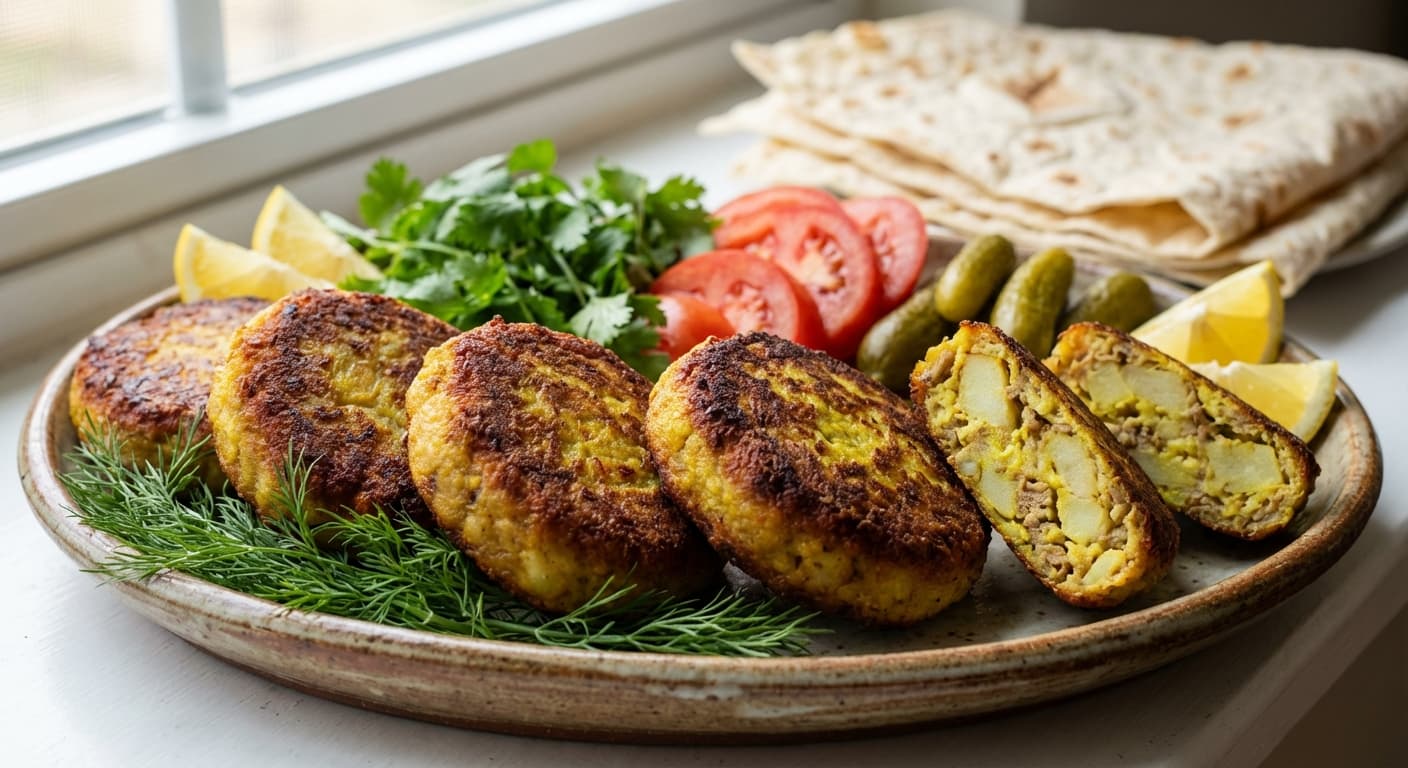
Persian Kotlet (کتلت) — Saffron-Infused Meat & Potato Patties
Persian · Main Courses · 55 min
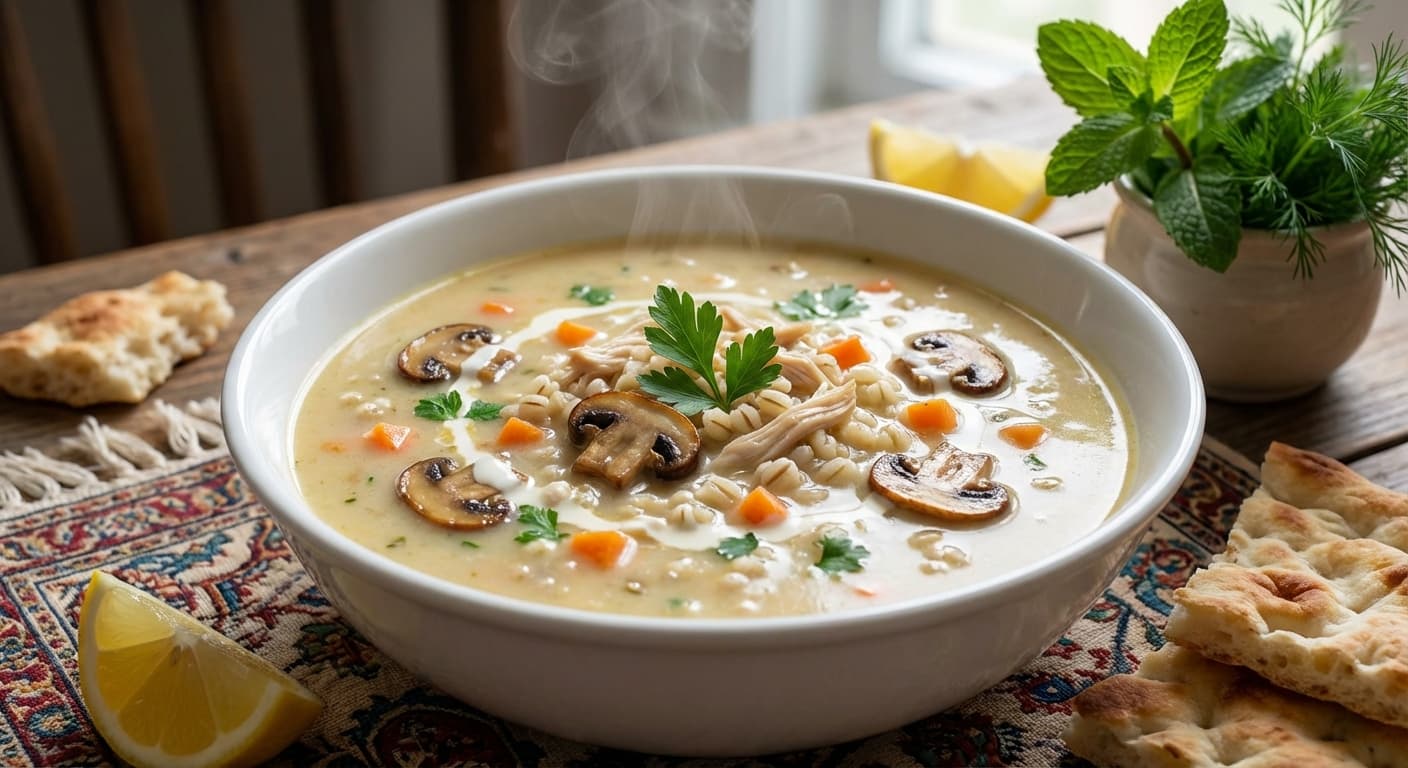
Soup-e Jo (سوپ جو) — Persian Creamy Barley Soup
Persian · Soups · 90 min
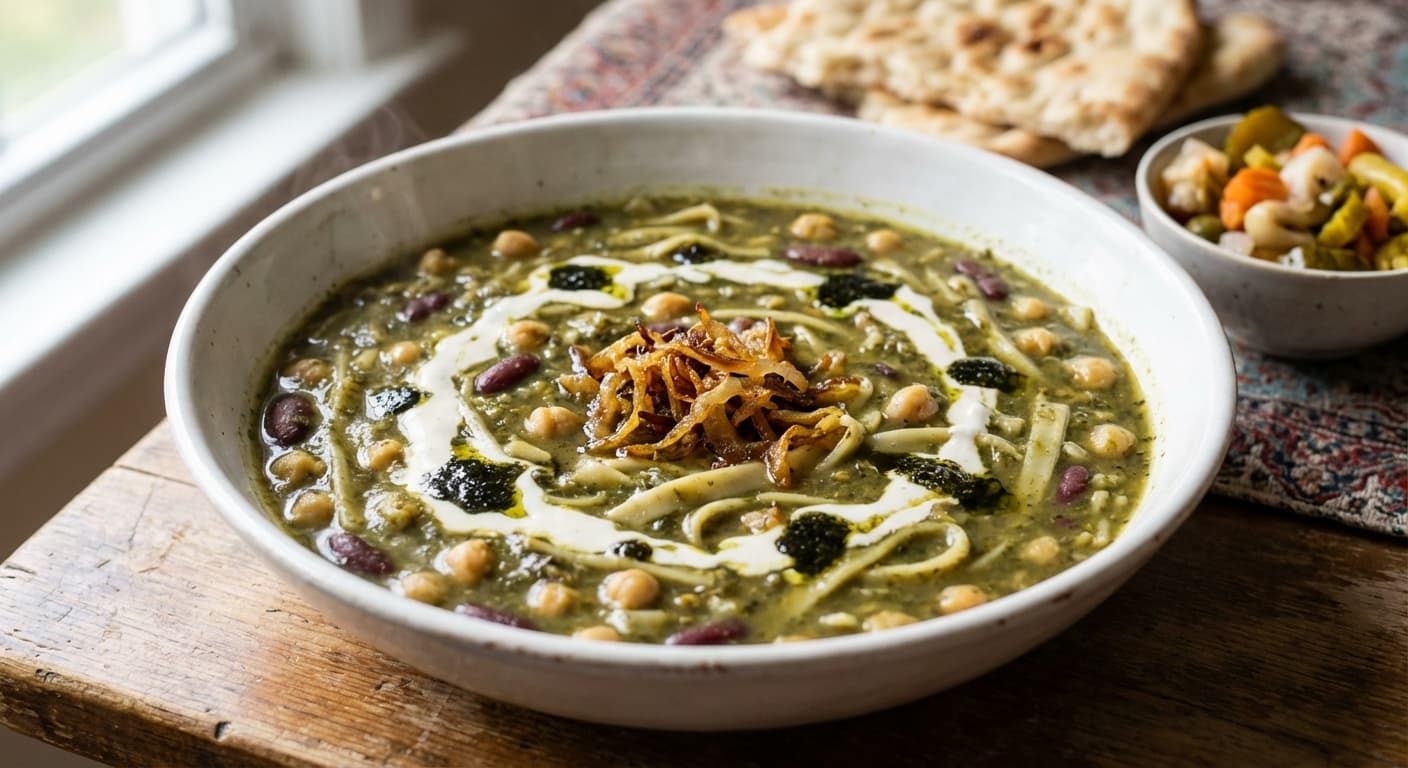
Ash Reshteh (آش رشته) — Persian Herb, Bean, and Noodle Soup
Persian · Soups · 145 min
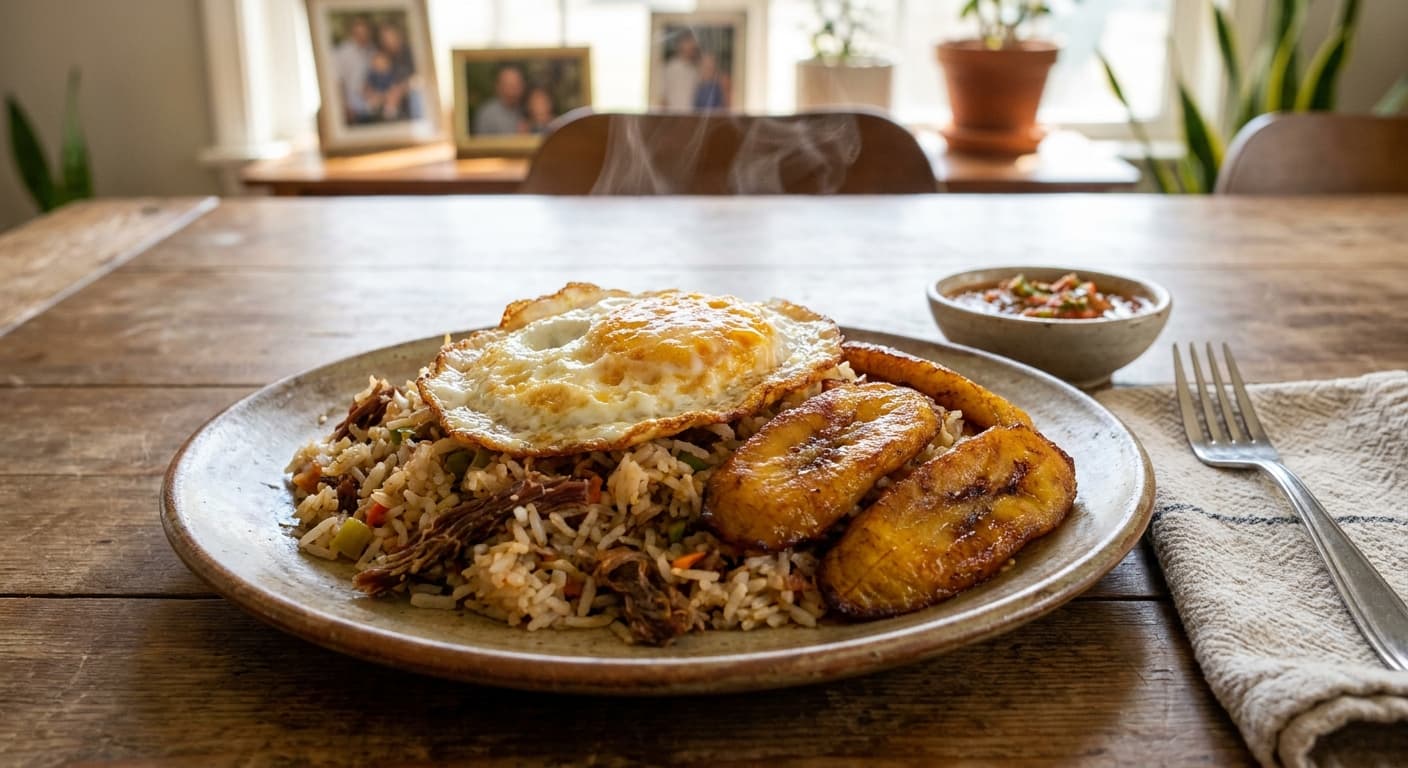
Majadito (Majadito) — Bolivian Rice with Charque and Fried Egg
Bolivian · Rice Dishes · 90 min
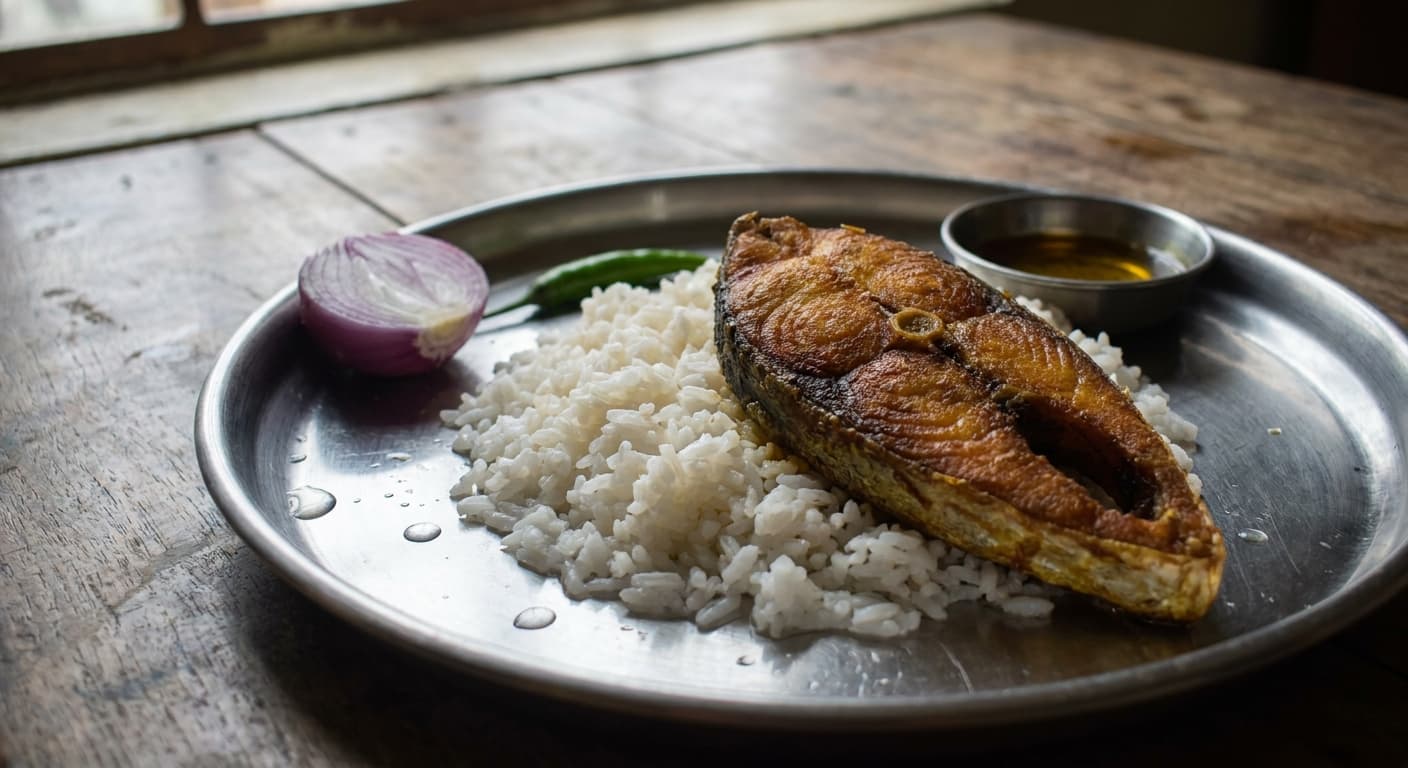
Panta Bhat (পান্তা ভাত) — Overnight Fermented Rice with Fried Ilish
Bangladeshi · Rice Dishes · 35 min
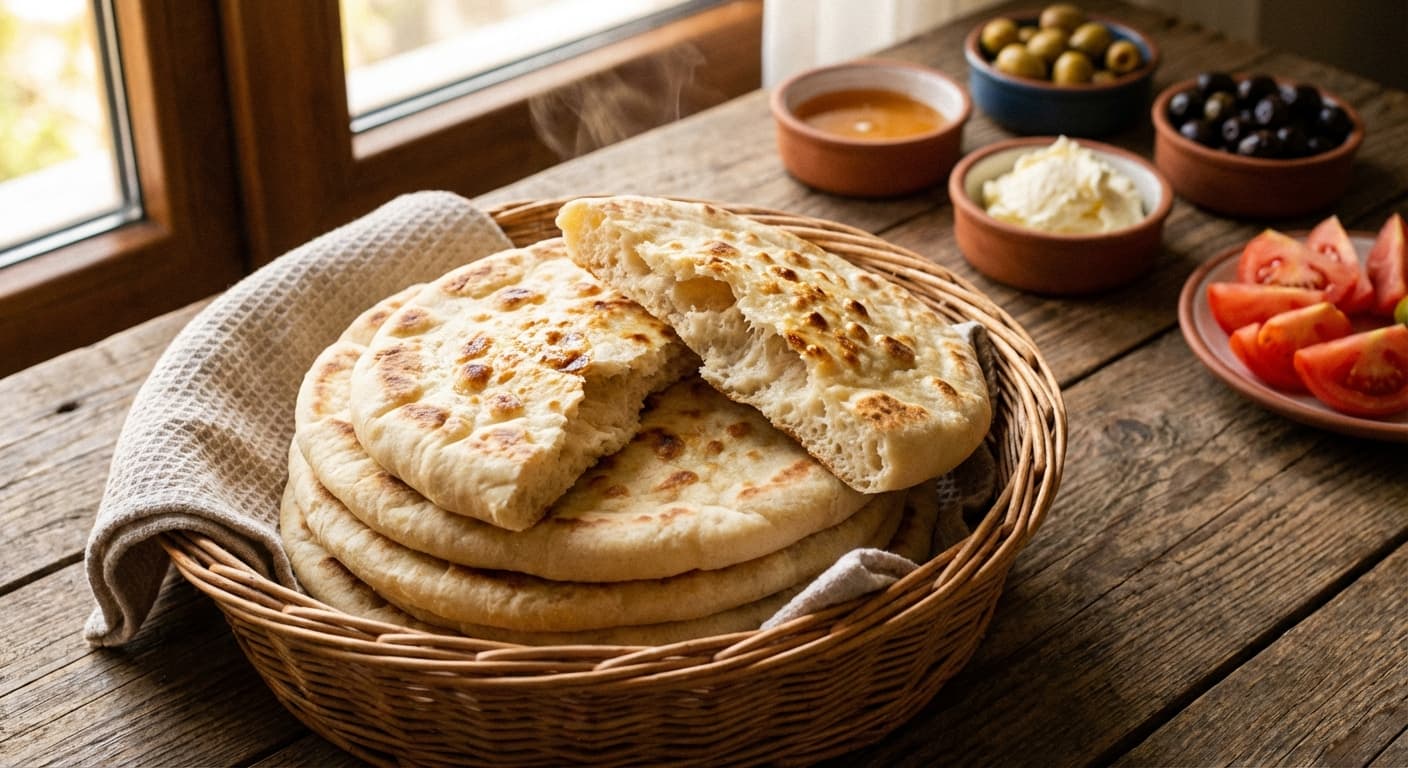
Bazlama (بازلاما) — Puffy Turkish Village Flatbread Cooked on a Saj
Turkish · Breads · 38 min
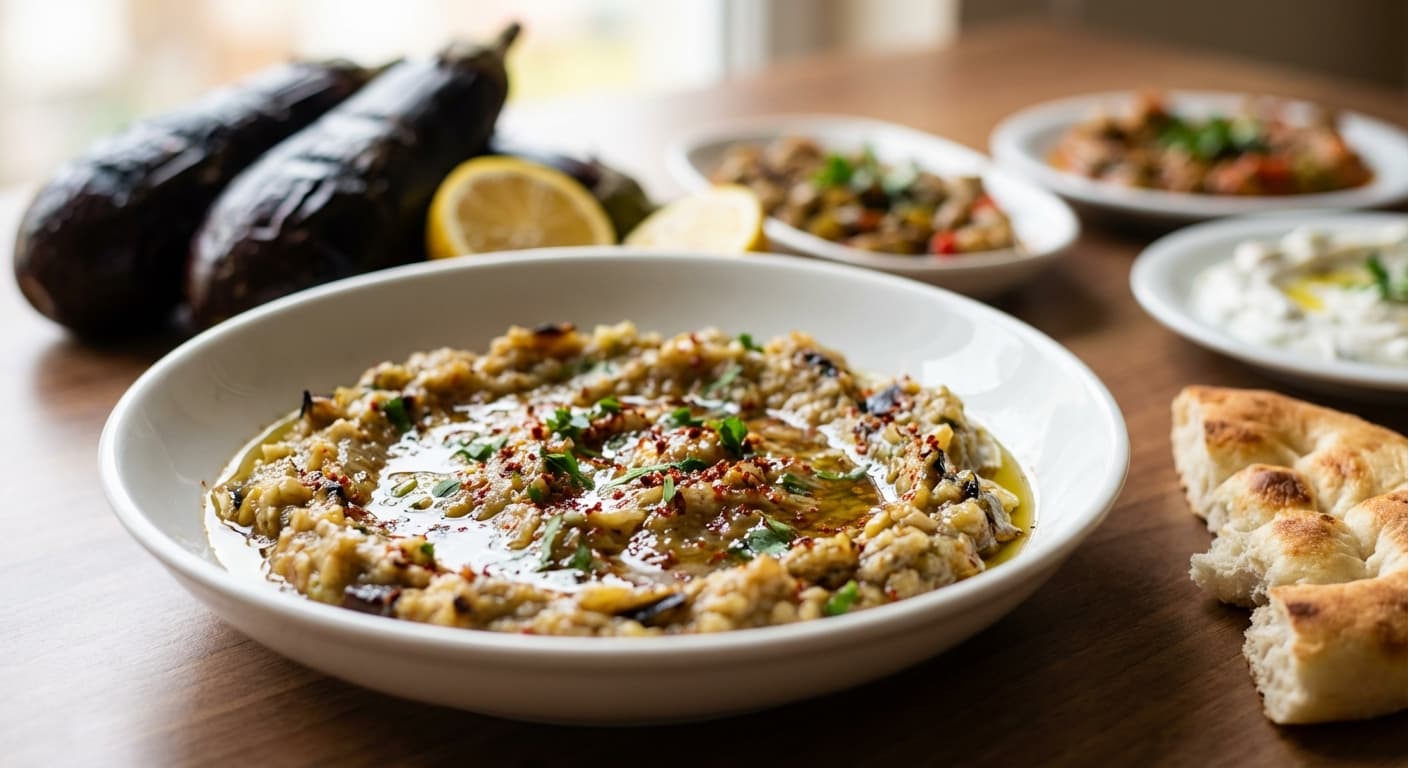
Smoky Eggplant Salad (Patlıcan Salatası) — Turkish charred eggplant with garlic and olive oil
Turkish · Salads · 40 min
Egyptian Karkadeh (كركديه) — Chilled Hibiscus Tea
Egyptian · Drinks · 18 min
Reviews
Cooked this recipe?
Tap the stars to rate it — that's all it takes. A few words are welcome but optional.
No ratings yet. Cooked this one? Be the first to rate it — it takes one tap.