Filipino Chicken Adobo (Adobong Manok) — Vinegar-Soy Braised Chicken
Chicken adobo is one of the Philippines’ defining home dishes, built on vinegar, soy sauce, garlic, bay leaf, and pepper. This version braises bone-in chicken until glossy, savory, tangy, and deeply aromatic.
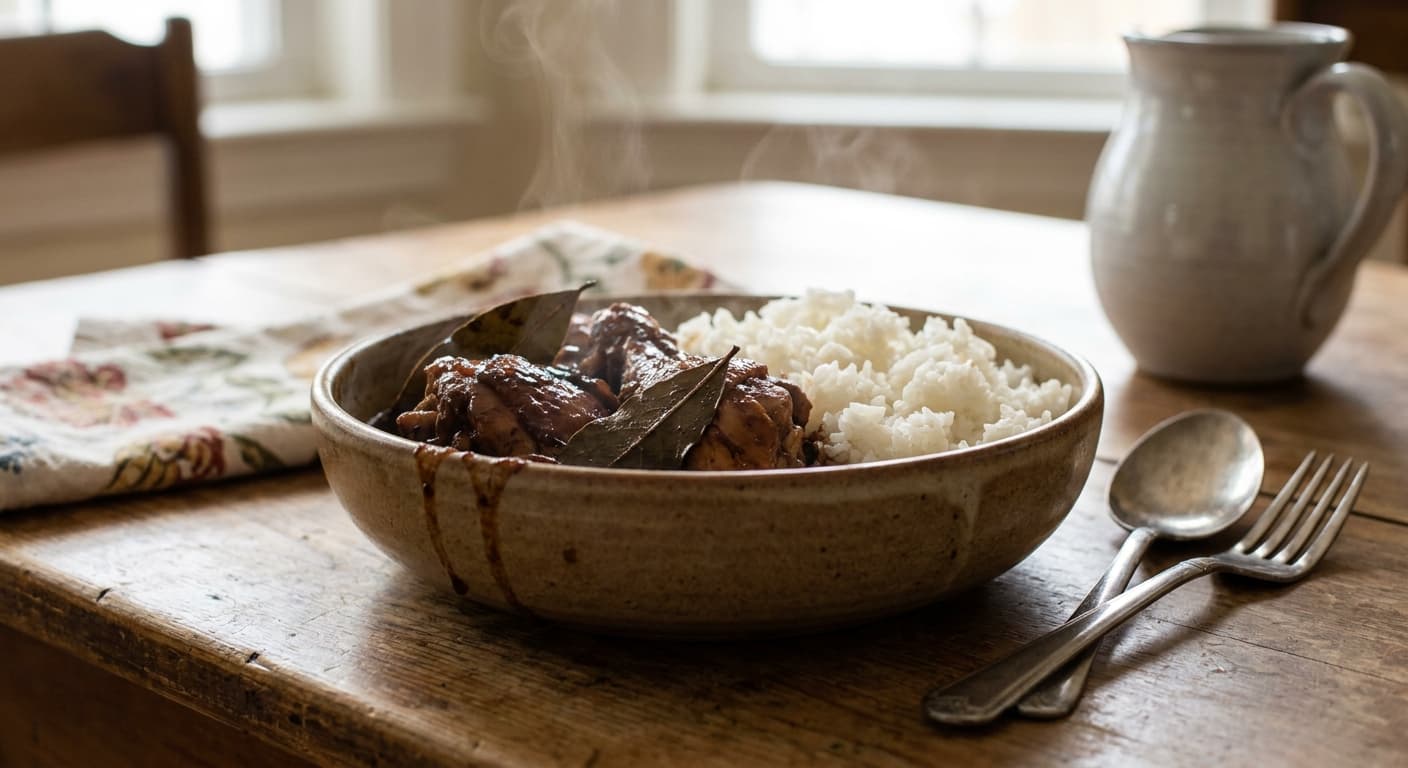
Printable Recipe Card
Servings: 6 · Total: 70 min · Difficulty: easy
Ingredients (quick list)
- 6 bone-in skin-on chicken thighs
- 180 ml Filipino cane vinegar (do not substitute with sweetened vinegar)
- 120 ml Filipino soy sauce
- 240 ml water
- 12 clove garlic (lightly crushed)
- 3 leaf bay leaves
- 2 tsp whole black peppercorns (lightly cracked)
- 1 tbsp neutral cooking oil
- 1 tsp dark brown sugar (optional regional-style balance for sharp vinegar)
Steps (summary)
- Pat the chicken thighs dry with paper towels so they will brown properly later. In a nonreactive bowl, combine the vinegar, soy…
- Marinate the chicken for 30 minutes at room temperature, or refrigerate it for up to 8 hours for deeper flavor. If refrigerated…
- Lift the chicken from the marinade and let the excess liquid drip back into the bowl, reserving all marinade and aromatics. Hea…
- Turn the chicken and brown the second side for 3 to 4 minutes. Browning is not universal in every Filipino household, but it gi…
- Pour in the reserved marinade, aromatics, and water, taking care because the liquid may steam sharply when it hits the hot pan.…
- Lower the heat to maintain a gentle simmer, cover the pot slightly ajar, and cook for 30 minutes. Turn the chicken once halfway…
+ 2 more steps in the full instructions section below.
Cultural Background
Adobo reflects a Filipino preservation logic older than its Spanish name: meat cooked in vinegar, salt or soy, garlic, and spices. Every household has its own ratio, making it both everyday food and a marker of family identity.
Equipment
💡 Tips
- Use a nonreactive pot such as stainless steel, enameled cast iron, or glazed clay because vinegar can react with bare aluminum or unlined copper.
- Do not stir the vinegar immediately after adding it to the pot; the initial uncovered boil is a traditional technique that softens its harshness.
- Adobo often tastes better the next day because the vinegar, soy sauce, garlic, and chicken fat settle into a rounder, deeper sauce.
⚠️ Common Mistakes
❌ Stirring the vinegar as soon as it enters the pot.
✅ Fix: Let the sauce boil uncovered for 3 minutes before stirring to mellow the vinegar’s sharp raw aroma.
❌ Using too much water and leaving the sauce thin.
✅ Fix: Simmer uncovered at the end until the sauce lightly coats the back of a spoon.
❌ Cooking boneless chicken breast for the full braise time.
✅ Fix: Use bone-in dark meat for authentic tenderness, or shorten the simmer greatly if using leaner cuts.
🧊 How to Store
Refrigerate cooled adobo with its sauce in an airtight container for up to 4 days. Reheat gently in a covered pan over medium-low heat with 30 ml water if the sauce has thickened too much.
📅 Make Ahead
Marinate the chicken up to 8 hours ahead and keep it refrigerated. The fully cooked adobo can also be made 1 day ahead, then reheated gently for an even deeper flavor.
🍽️ Pairs Well With
- Steamed jasmine rice
- garlic fried rice
- sliced cucumber
- salted duck egg and tomato salad.
Regional Variations
- Adobong Puti omits soy sauce and relies on vinegar, salt, garlic, bay leaf, and pepper for a paler, sharper style.
- Adobo sa Gata adds coconut milk near the end, producing a richer version associated with parts of Southern Luzon and Bicol cooking.
- Pork adobo uses belly or shoulder and is often cooked longer until the fat renders into the sauce.
Ingredients
- 6bone-in skin-on chicken thighs
- 180 mlFilipino cane vinegar (do not substitute with sweetened vinegar)
- 120 mlFilipino soy sauce
- 240 mlwater
- 12 clovegarlic (lightly crushed)
- 3 leafbay leaves
- 2 tspwhole black peppercorns (lightly cracked)
- 1 tbspneutral cooking oil
- 1 tspdark brown sugar (optional regional-style balance for sharp vinegar)
🔄 Substitutions
- Filipino cane vinegar→ unsweetened rice vinegar
- Filipino soy sauce→ regular Japanese soy sauce
- bone-in skin-on chicken thighs→ chicken drumsticks
Instructions
- 1
Pat the chicken thighs dry with paper towels so they will brown properly later. In a nonreactive bowl, combine the vinegar, soy sauce, garlic, bay leaves, and cracked peppercorns, then turn the chicken in the mixture until fully coated.
- 2
Marinate the chicken for 30 minutes at room temperature, or refrigerate it for up to 8 hours for deeper flavor. If refrigerated, let the chicken stand at room temperature for 20 minutes before cooking so it braises evenly.
- 3
Lift the chicken from the marinade and let the excess liquid drip back into the bowl, reserving all marinade and aromatics. Heat the oil in a heavy pot or deep skillet over medium-high heat, then brown the chicken skin-side down for 5 to 6 minutes until the skin is golden.
- 4
Turn the chicken and brown the second side for 3 to 4 minutes. Browning is not universal in every Filipino household, but it gives this version a richer sauce and better texture without changing the essential adobo character.
- 5
Pour in the reserved marinade, aromatics, and water, taking care because the liquid may steam sharply when it hits the hot pan. Bring the mixture to a firm boil and let it boil uncovered for 3 minutes before stirring, which helps mellow the raw edge of the vinegar.
- 6
Lower the heat to maintain a gentle simmer, cover the pot slightly ajar, and cook for 30 minutes. Turn the chicken once halfway through cooking so both sides absorb the vinegar-soy braising liquid.
- 7
Uncover the pot and continue simmering for 10 to 15 minutes until the chicken is tender and the sauce is glossy and lightly reduced. If using the brown sugar, stir it in during the final 5 minutes so it dissolves without making the sauce overly sweet.
- 8
Taste the sauce and adjust only by reducing it further or adding 30 ml water if it is too salty or intense. Rest the adobo off the heat for 10 minutes before serving, because the chicken absorbs more sauce as it cools slightly.
🪪 Recipe Passport
Cultural Background
Adobo reflects a Filipino preservation logic older than its Spanish name: meat cooked in vinegar, salt or soy, garlic, and spices. Every household has its own ratio, making it both everyday food and a marker of family identity.
Regional Variations
Researched from multiple sources and validated by the Zaffaron editorial team. Every recipe is tested for accuracy, measurements, and cultural authenticity.
📚 Sources & Cultural References
- Amy Besa and Romy Dorotan — Memories of Philippine Kitchens — (2006)
- Doreen G. Fernandez — Tikim: Essays on Philippine Food and Culture — (1994)
Sources cited by the Zaffaron editorial team during recipe research. Cultural and culinary references supporting authenticity claims.
Nutrition per serving
Pairs well with
If you enjoyed this recipe, here are a few related Zaffaron recipes to try next.
Does your family make this differently?
Every family has their own version. Maybe your grandmother adds a secret ingredient, or your aunt has a completely different technique. Preserve your family's version — with their name on it, forever.
You Might Also Like
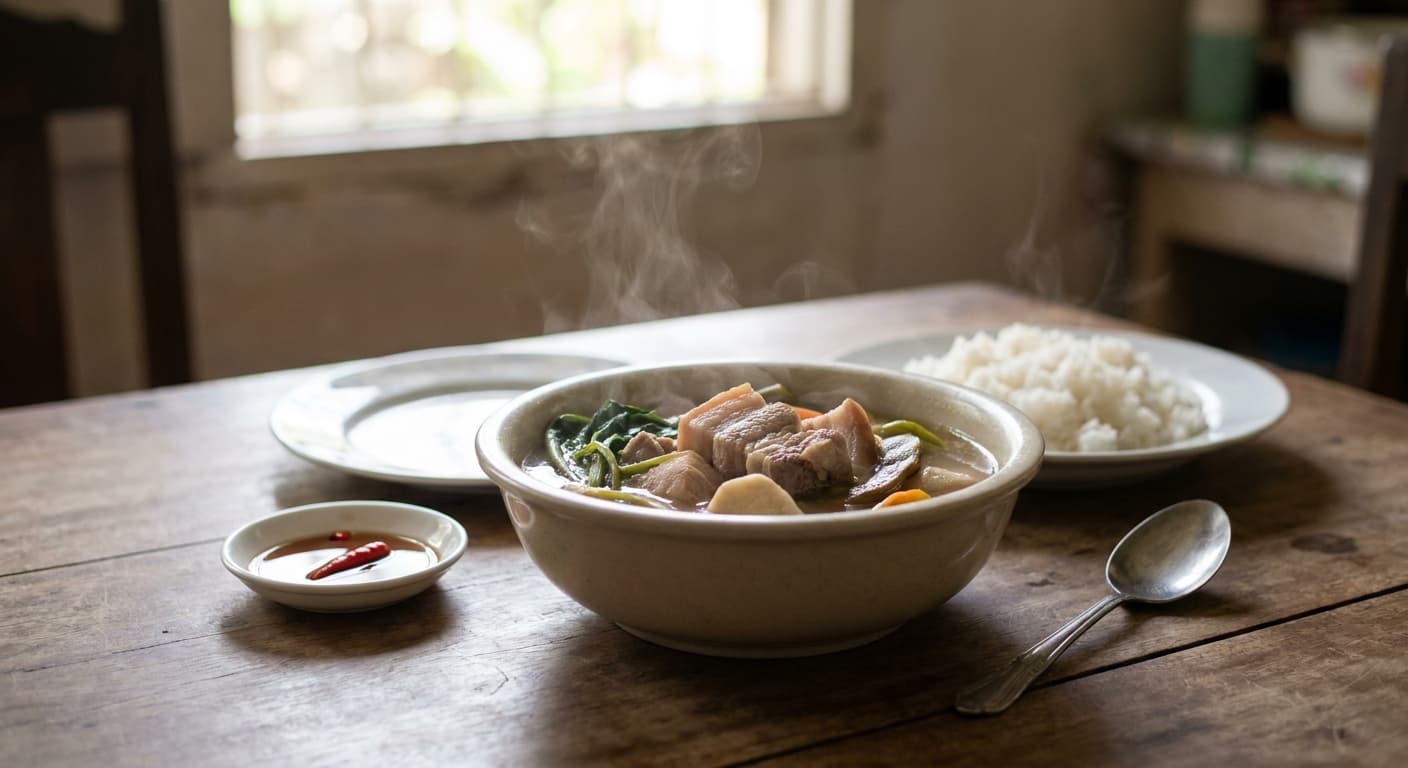
Pork Sinigang (Sinigang na Baboy) — Filipino Tamarind-Sour Pork Soup
Filipino · Soups · 120 min
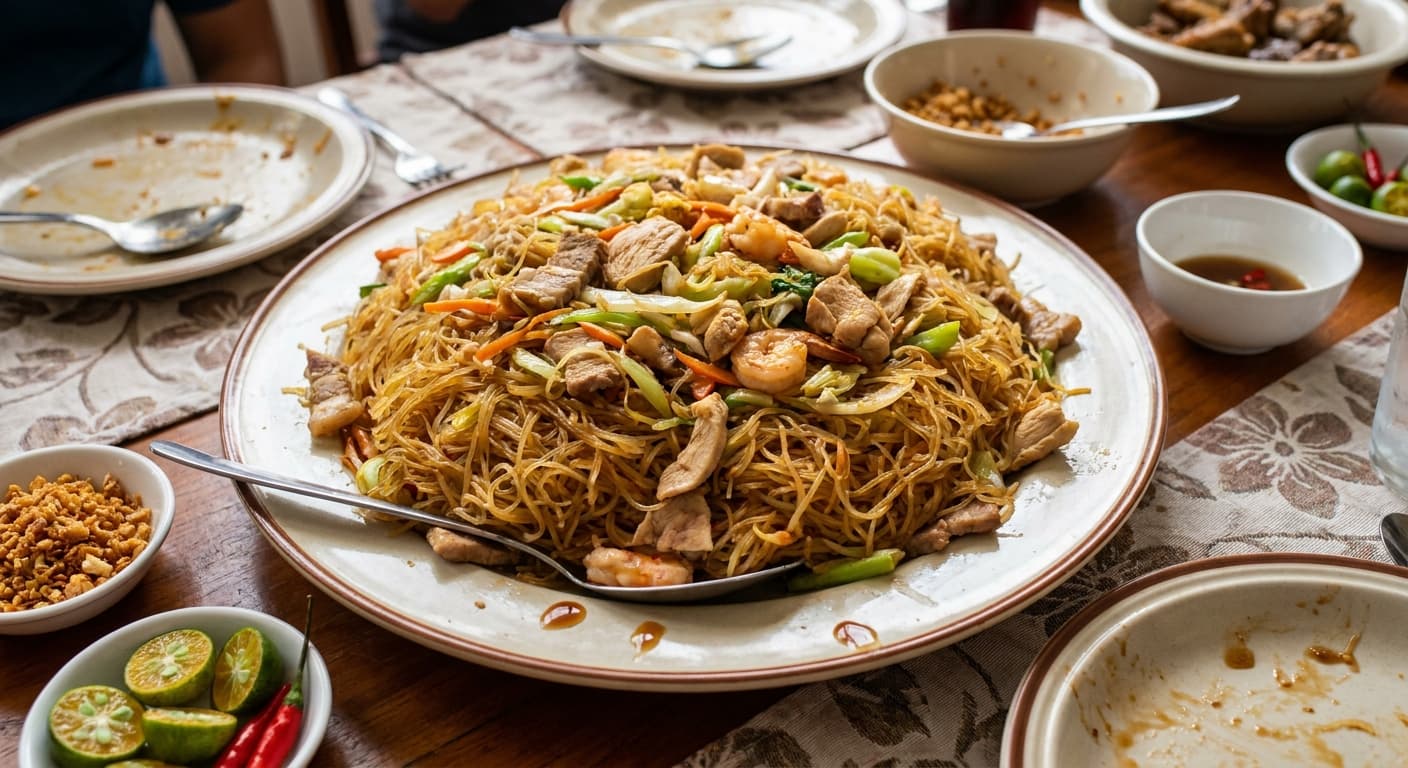
Pancit Bihon (Pancit Bihon) — Filipino Rice Noodles with Chicken and Shrimp
Filipino · Main Courses · 50 min

Halo-Halo (Halo-Halo) — Filipino Shaved Ice Dessert
Filipino · Desserts · 40 min
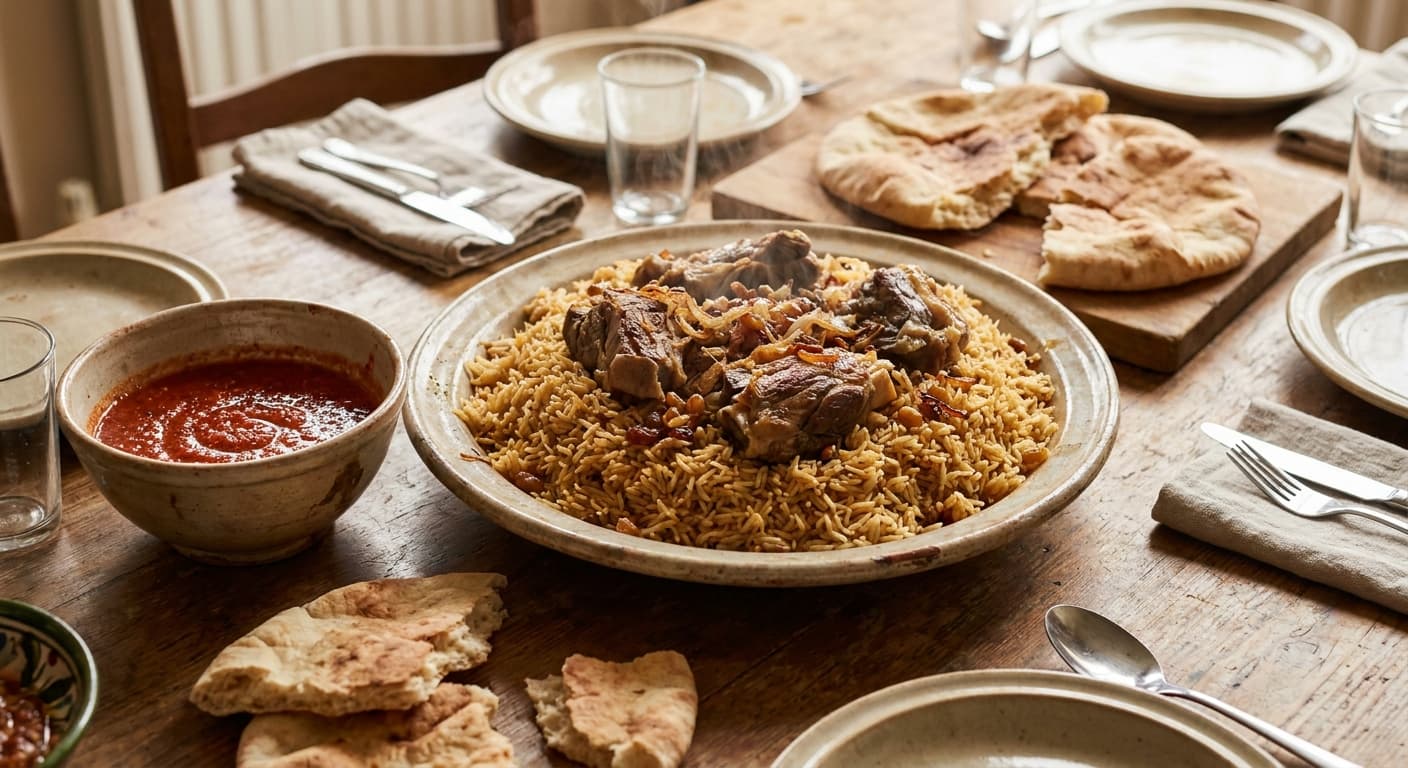
Yemeni Mandi (مندي) — Smoke-Scented Spiced Rice and Lamb
Yemeni · Main Courses · 170 min
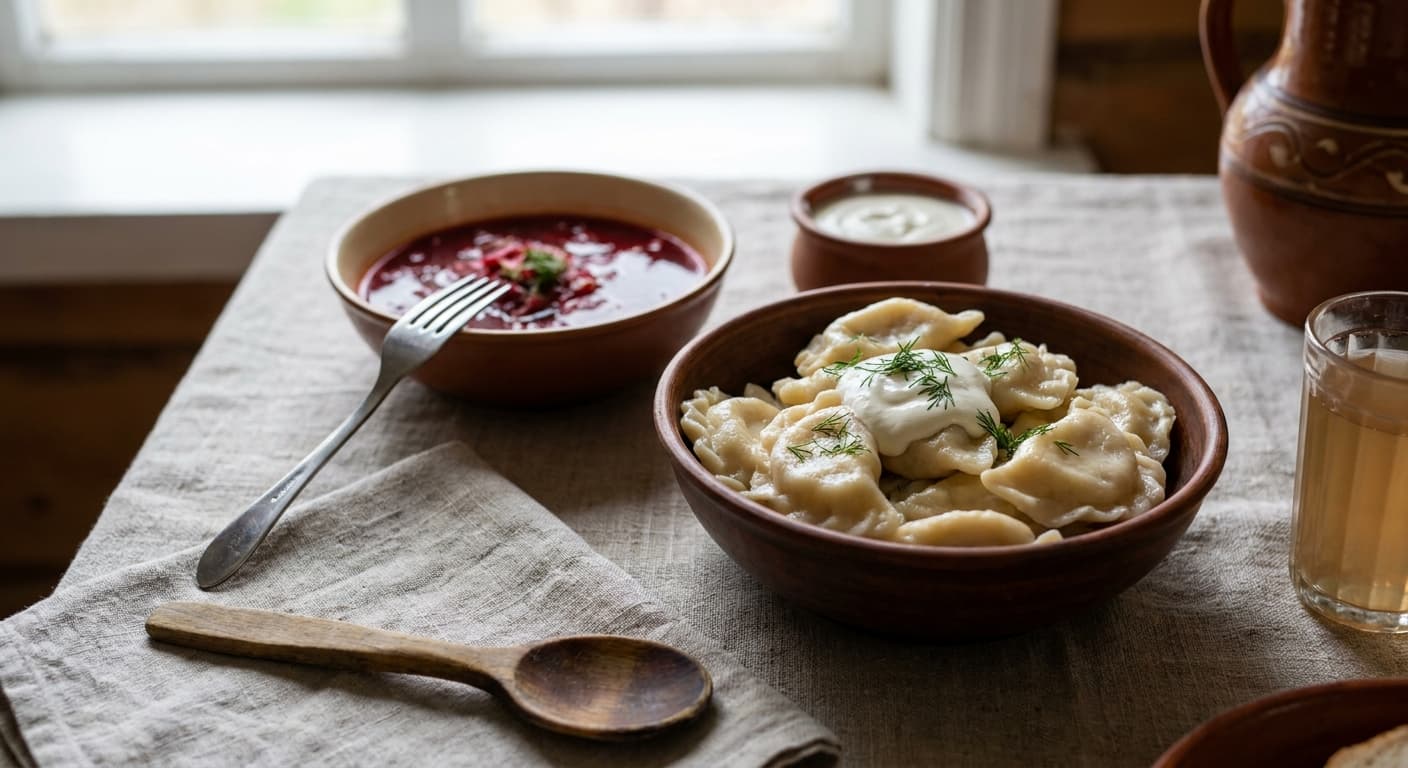
Varenyky (Вареники) — Ukrainian Potato-Cheese Dumplings
Ukrainian · Main Courses · 95 min
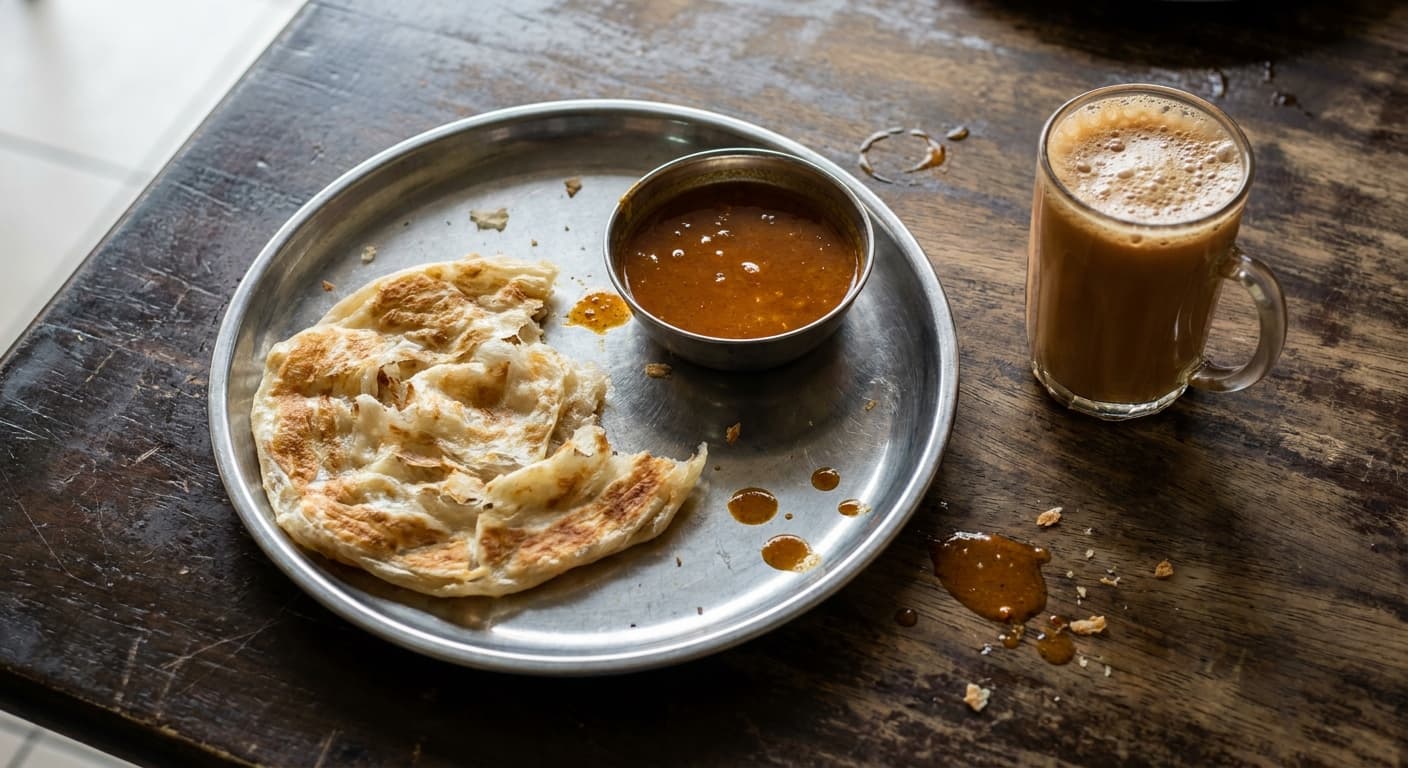
Roti Canai (Roti Canai) — Flaky Malaysian Griddle Flatbread
Malaysian · Breads · 330 min
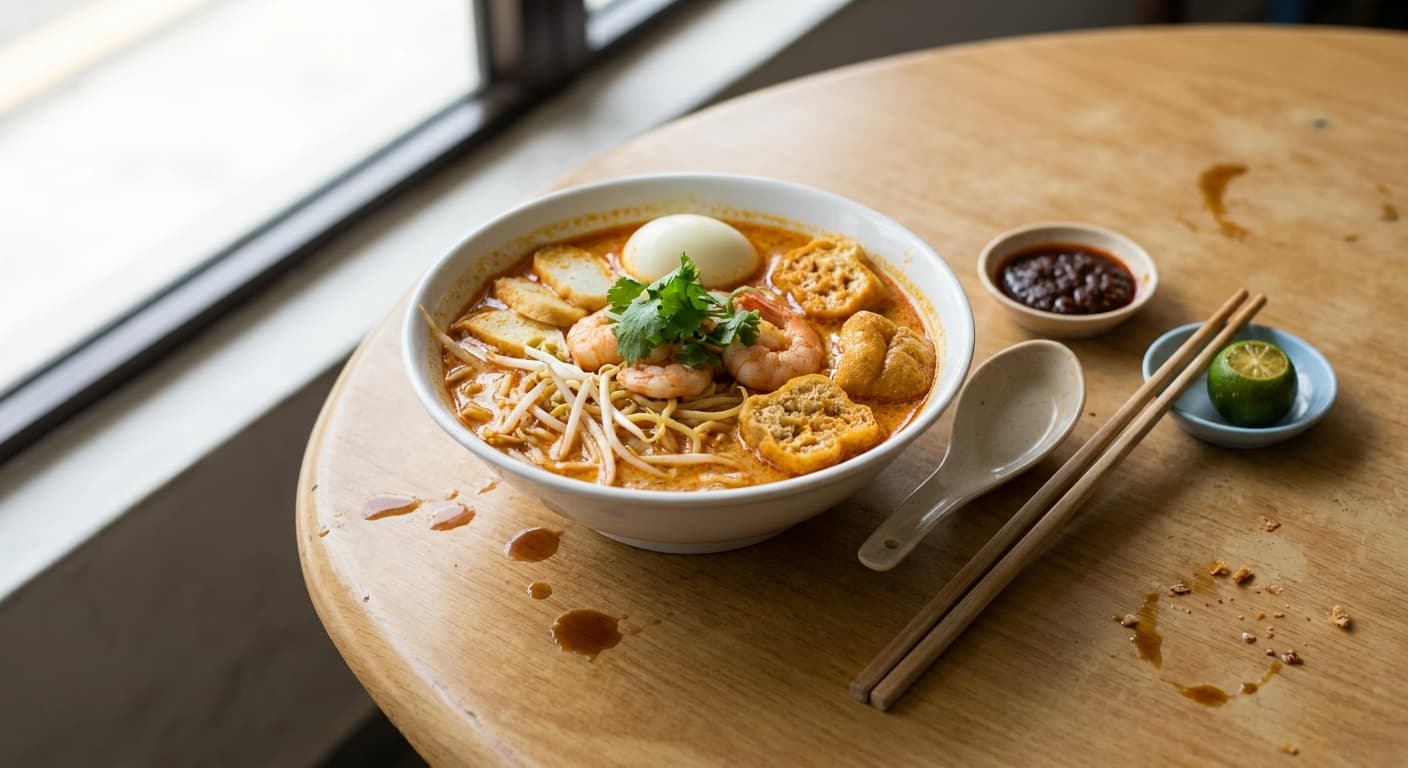
Curry Laksa (Kari Laksa) — Malaysian Coconut Noodle Soup
Malaysian · Soups · 75 min
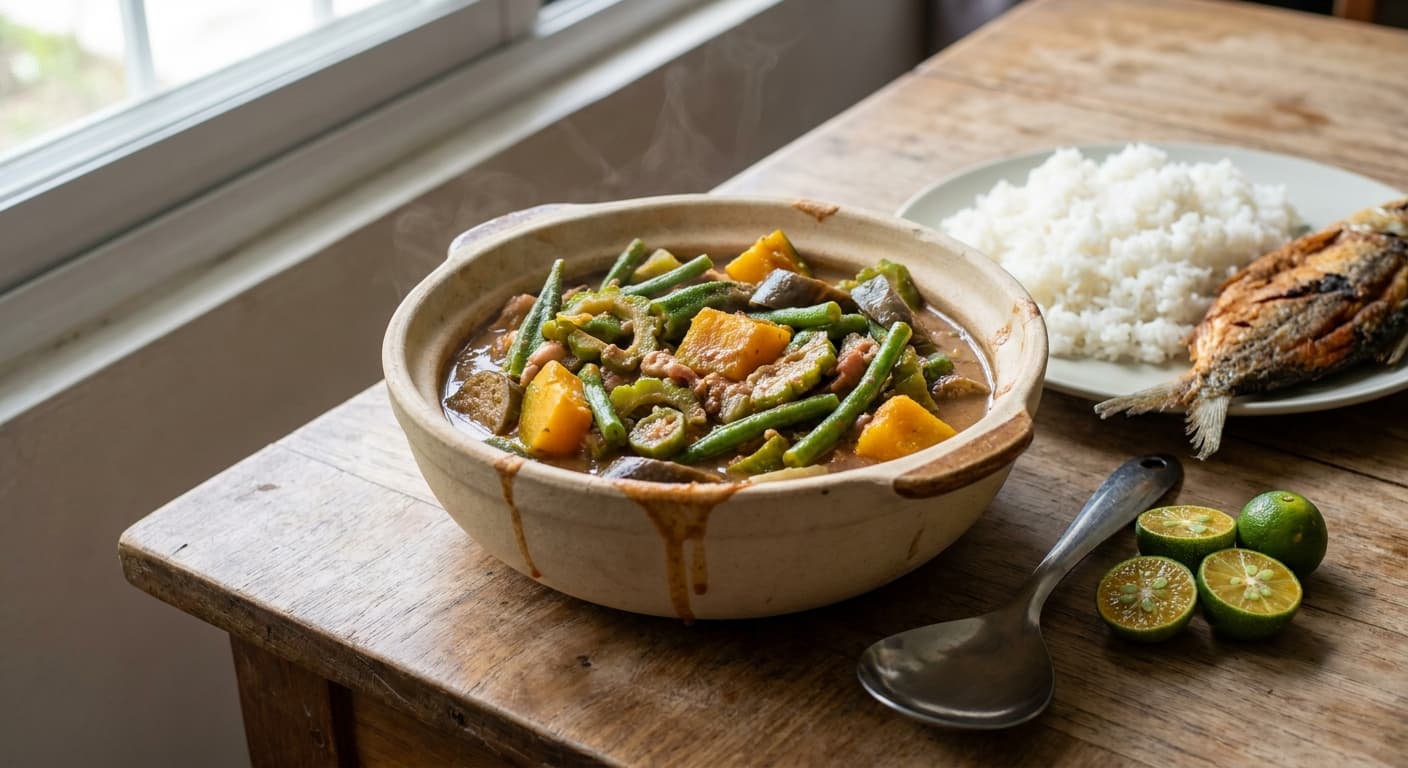
Pinakbet (Pinakbet) — Ilocano Vegetable Stew with Bagoong
Filipino · Stews · 60 min
Reviews
Cooked this recipe?
Tap the stars to rate it — that's all it takes. A few words are welcome but optional.
No ratings yet. Cooked this one? Be the first to rate it — it takes one tap.