Agedashi Tofu (揚げ出し豆腐) — Crisp Tofu in Savory Broth
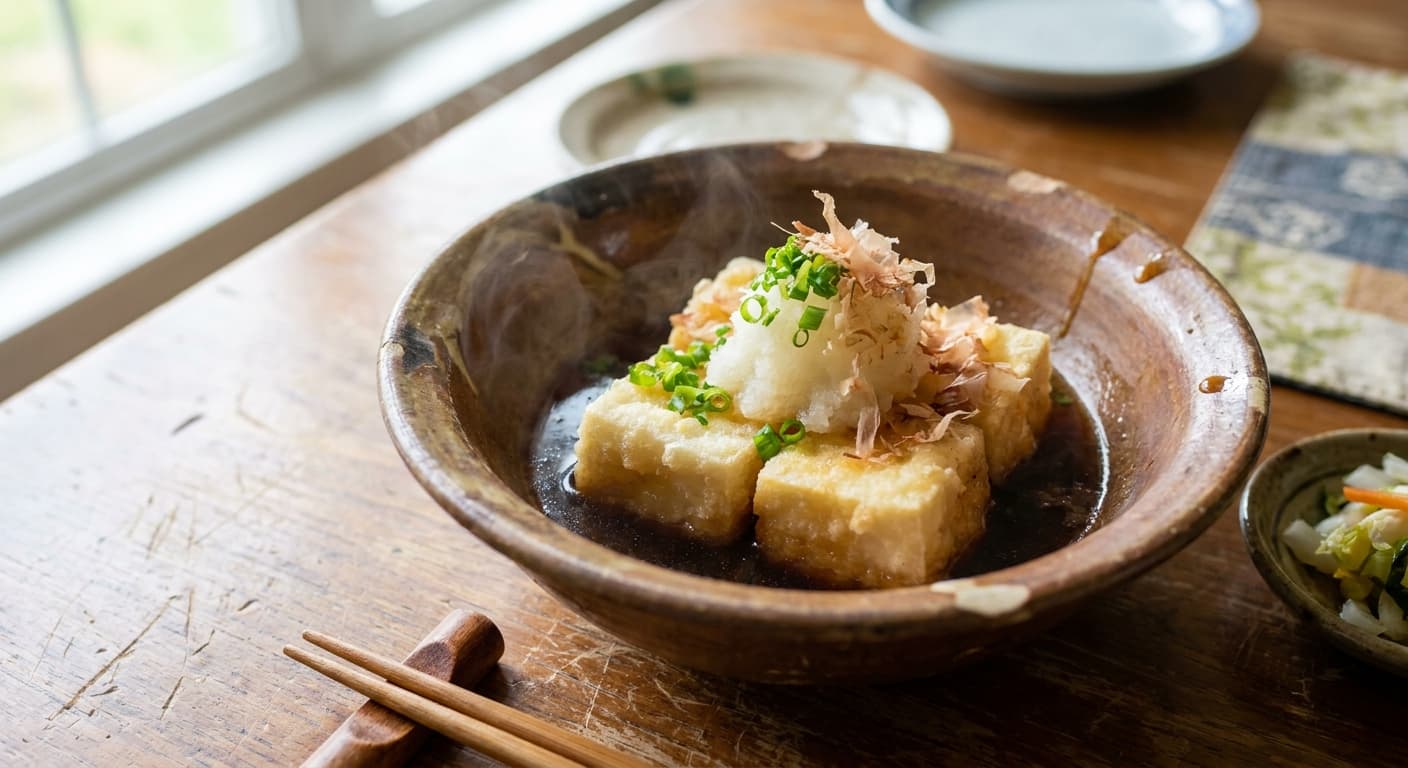
Agedashi tofu is a beloved Japanese appetizer of lightly crisped tofu served in a hot soy-dashi broth. It is common in home cooking, izakaya menus, and casual meals where texture and delicate broth matter.
Printable Recipe Card
Servings: 4 · Total: 40 min · Difficulty: medium
Ingredients (quick list)
- 600 g firm cotton tofu
- 80 g potato starch
- 500 ml neutral frying oil (for a 5 cm depth in a small pot; nutrition assumes about 40 ml is absorbed)
- 360 ml awase dashi (kombu and bonito stock)
- 60 ml Japanese soy sauce
- 60 ml mirin
- 4 g granulated sugar
- 120 g daikon radish (peeled and finely grated)
- 2 scallions (thinly sliced)
- 1 inch fresh ginger (peeled and finely grated)
- 6 g katsuobushi flakes
- 0.5 tsp shichimi togarashi (optional, for serving)
Steps (summary)
- Drain the tofu and cut it into 8 equal blocks, each about 75 g. Set the pieces on a tray lined with 3 layers of paper towel, co…
- While the tofu drains, make the broth by combining the awase dashi, soy sauce, mirin, and sugar in a small saucepan. Bring it j…
- Prepare the garnishes before frying because agedashi tofu is best eaten immediately. Squeeze the grated daikon gently so it is…
- Heat the neutral oil in a small heavy pot to 175°C. Put the potato starch in a shallow dish, pat each tofu block dry again, and…
- Fry the tofu in 2 batches so the oil temperature stays steady. Cook each batch for 2 to 3 minutes, turning gently with a slotte…
- Lift the tofu onto a wire rack and let it drain for 30 seconds only. Do not leave it sitting for several minutes, because the d…
+ 1 more steps in the full instructions section below.
Cultural Background
Agedashi tofu shows the Japanese preference for contrast: crisp and soft, hot broth and fresh garnish, mild tofu and assertive dashi. It is a standard small dish in homes, restaurants, and izakaya dining.
Equipment
💡 Tips
- Coat the tofu with potato starch at the last possible moment; if it sits after coating, the starch hydrates and becomes gummy.
- Keep the oil at 170°C to 180°C so the tofu crisps quickly without absorbing too much oil.
- Pour the broth around the tofu rather than over the top to preserve a crisp upper surface for the first bites.
⚠️ Common Mistakes
❌ Using tofu that is too wet
✅ Fix: Drain the tofu for the full 15 minutes and pat it dry immediately before coating so the starch adheres cleanly.
❌ Coating the tofu too early
✅ Fix: Dredge each piece right before frying, because potato starch turns sticky if it rests on damp tofu.
❌ Frying at too low a temperature
✅ Fix: Hold the oil near 175°C and fry in batches so the crust sets quickly and does not become greasy.
❌ Pouring broth over the tofu too aggressively
✅ Fix: Ladle broth around the tofu in the bowl to keep the top crisp for serving.
🧊 How to Store
Store fried tofu and broth separately in airtight containers for up to 2 days. Reheat tofu on a rack in a 200°C oven for 8 minutes, warm the broth separately, and garnish only after serving.
📅 Make Ahead
The broth can be made 1 day ahead and refrigerated. The garnishes can be prepared 2 hours ahead, but the tofu should be dredged and fried immediately before serving.
🍽️ Pairs Well With
- Steamed short-grain rice
- miso soup
- cucumber sunomono
- simmered greens
- pickled daikon.
Regional Variations
- Some home cooks use silken tofu for a more delicate center, but it requires very careful handling and more thorough draining.
- In Kansai-style preparations, the broth may be slightly lighter in soy sauce and more focused on dashi fragrance.
- Restaurant versions often garnish with grated daikon mixed with chili for a sharper, warmer finish.
Ingredients
- 600 gfirm cotton tofu
- 80 gpotato starch
- 500 mlneutral frying oil (for a 5 cm depth in a small pot; nutrition assumes about 40 ml is absorbed)
- 360 mlawase dashi (kombu and bonito stock)
- 60 mlJapanese soy sauce
- 60 mlmirin
- 4 ggranulated sugar
- 120 gdaikon radish (peeled and finely grated)
- 2scallions (thinly sliced)
- 1 inchfresh ginger (peeled and finely grated)
- 6 gkatsuobushi flakes
- 0.5 tspshichimi togarashi (optional, for serving)
🔄 Substitutions
- awase dashi→ kombu-shiitake dashi
- Japanese soy sauce→ tamari
- mirin→ 60 ml water mixed with 12 g sugar
- potato starch→ cornstarch
Instructions
- 1
Drain the tofu and cut it into 8 equal blocks, each about 75 g. Set the pieces on a tray lined with 3 layers of paper towel, cover with another 3 layers, and weigh them lightly with a cutting board for 15 minutes to remove surface moisture without crushing the tofu.
- 2
While the tofu drains, make the broth by combining the awase dashi, soy sauce, mirin, and sugar in a small saucepan. Bring it just to a simmer over medium heat, stir until the sugar dissolves, then keep it warm without boiling hard so the dashi aroma stays clean.
- 3
Prepare the garnishes before frying because agedashi tofu is best eaten immediately. Squeeze the grated daikon gently so it is moist but not watery, then keep the daikon, scallions, grated ginger, katsuobushi flakes, and shichimi togarashi ready beside the stove.
- 4
Heat the neutral oil in a small heavy pot to 175°C. Put the potato starch in a shallow dish, pat each tofu block dry again, and coat every surface evenly with starch just before it goes into the oil.
- 5
Fry the tofu in 2 batches so the oil temperature stays steady. Cook each batch for 2 to 3 minutes, turning gently with a slotted spoon or chopsticks, until the coating is crisp, pale golden, and lightly puffed rather than deeply browned.
- 6
Lift the tofu onto a wire rack and let it drain for 30 seconds only. Do not leave it sitting for several minutes, because the delicate starch crust softens quickly once steam builds inside.
- 7
Place 2 tofu blocks in each shallow serving bowl and ladle about 90 ml of hot broth around, not directly over, the tofu. Top each bowl with grated daikon, scallions, ginger, and katsuobushi flakes, then finish with 0.125 tsp shichimi togarashi per serving if desired.
🪪 Recipe Passport
Cultural Background
Agedashi tofu shows the Japanese preference for contrast: crisp and soft, hot broth and fresh garnish, mild tofu and assertive dashi. It is a standard small dish in homes, restaurants, and izakaya dining.
Regional Variations
Researched from multiple sources and validated by the Zaffaron editorial team. Every recipe is tested for accuracy, measurements, and cultural authenticity.
📚 Sources & Cultural References
- Shizuo Tsuji — Japanese Cooking: A Simple Art — (1980)
- Elizabeth Andoh — Washoku: Recipes from the Japanese Home Kitchen — (2005)
Sources cited by the Zaffaron editorial team during recipe research. Cultural and culinary references supporting authenticity claims.
Nutrition per serving
Pairs well with
If you enjoyed this recipe, here are a few related Zaffaron recipes to try next.
Does your family make this differently?
Every family has their own version. Maybe your grandmother adds a secret ingredient, or your aunt has a completely different technique. Preserve your family's version — with their name on it, forever.
You Might Also Like
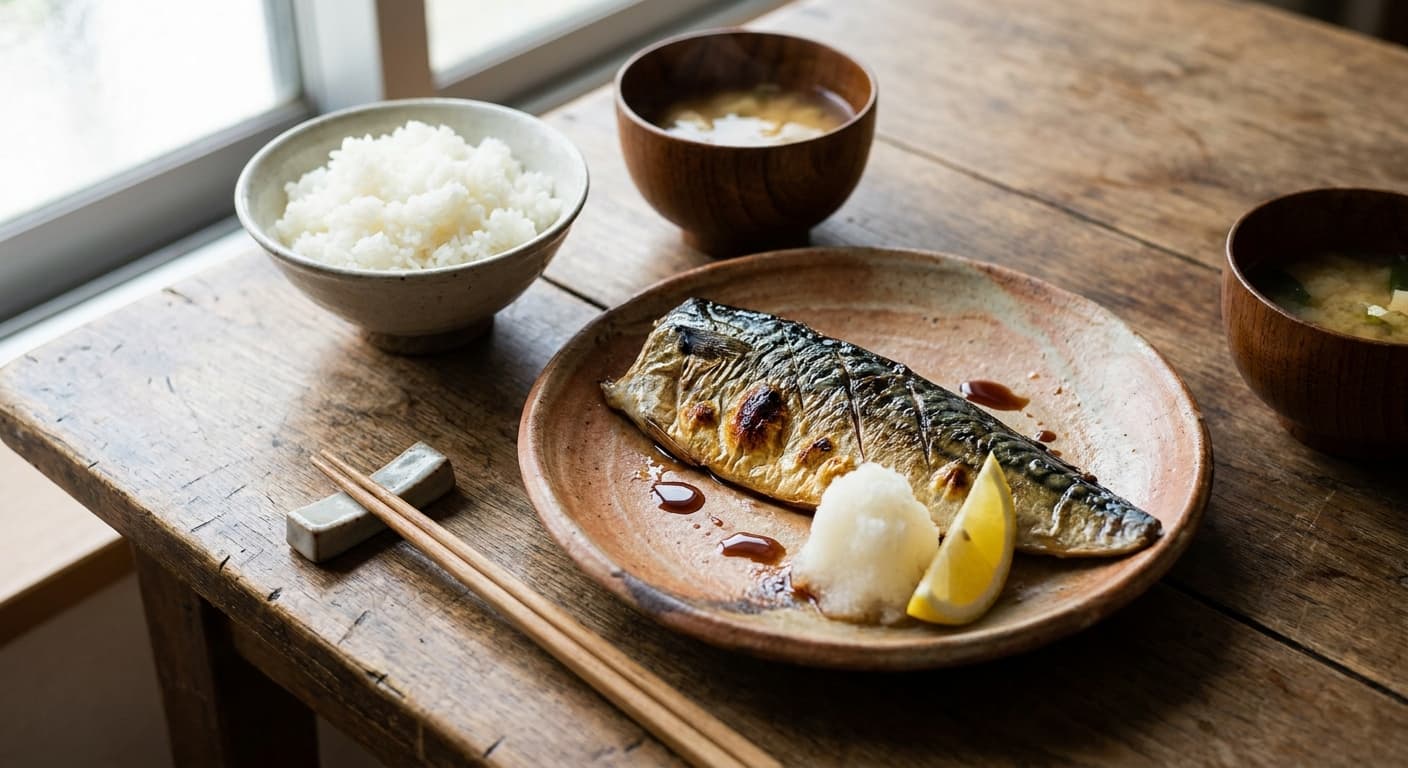
Saba Shioyaki (鯖の塩焼き) — Japanese Salt-Grilled Mackerel
Japanese · Main Courses · 35 min

Kitsune Udon (きつねうどん) — Udon Noodles with Sweet Fried Tofu
Japanese · Main Courses · 40 min
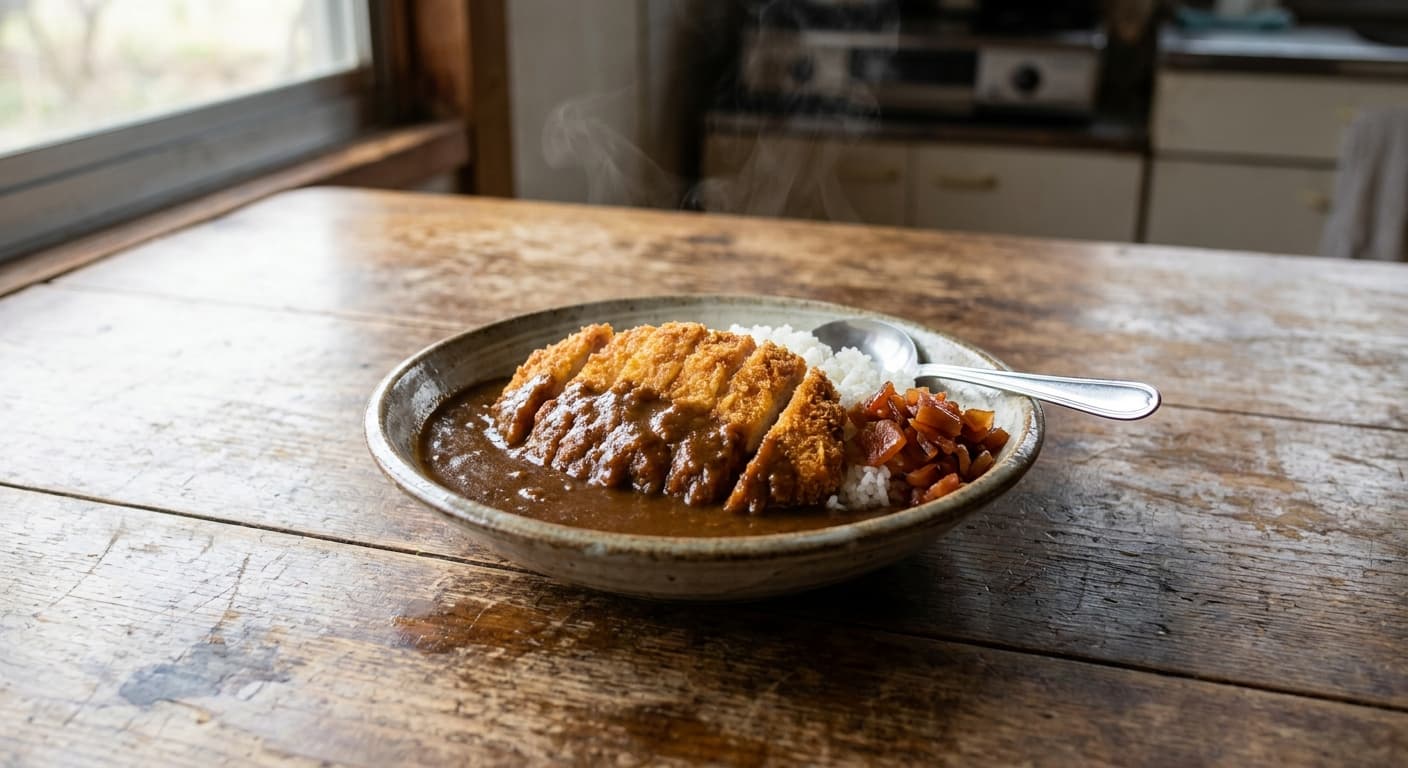
Japanese Chicken Katsu Curry (チキンカツカレー) — Crispy Cutlet with Rich Curry Rice
Japanese · Main Courses · 65 min
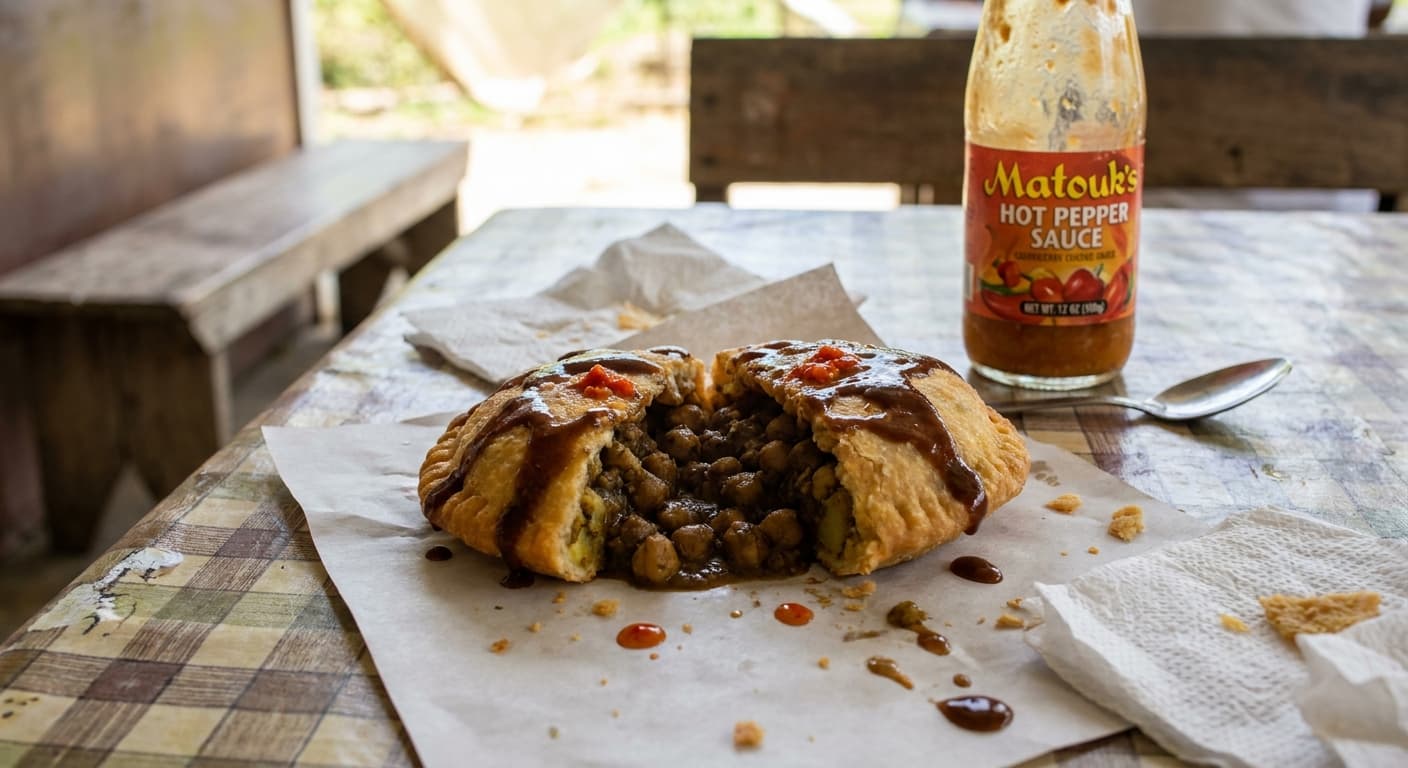
Aloo Pie (Aloo Pie) — Trinidadian Fried Potato-Stuffed Street Snack
Trinidadian · Appetizers · 80 min
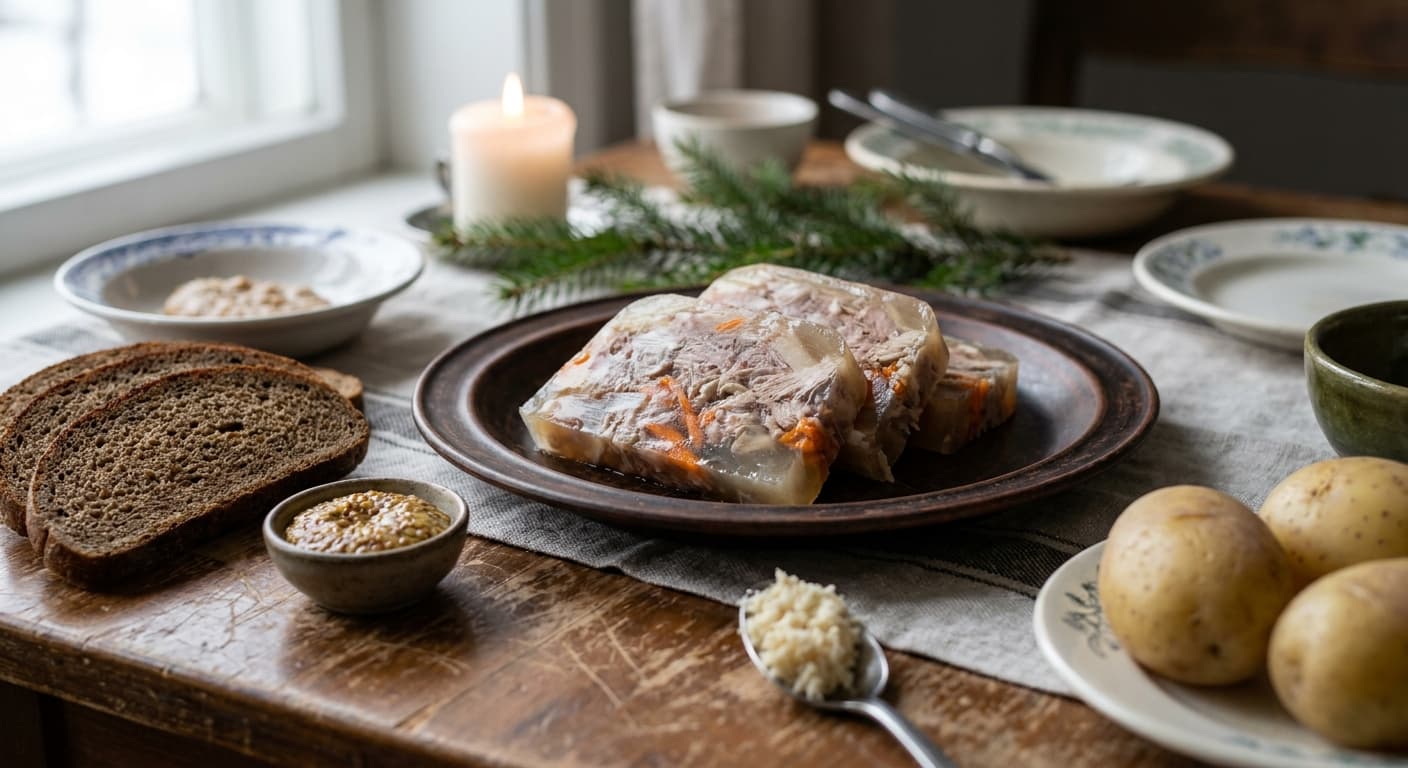
Estonian Jellied Pork (Sült) — Clear Pork Aspic with Garlic and Bay
Estonian · Appetizers · 245 min
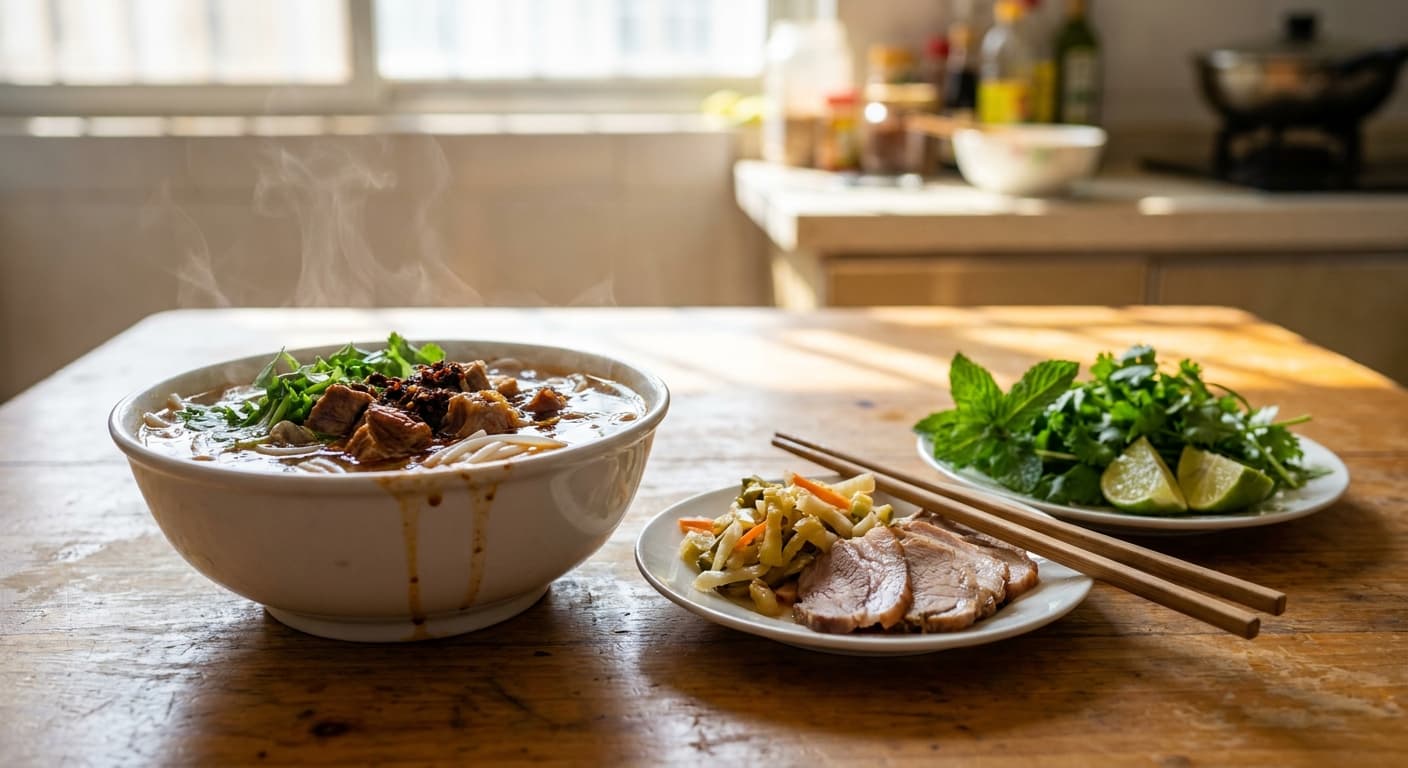
Crossing-the-Bridge Rice Noodles (过桥米线) — Yunnan Hot Broth Noodle Soup
Chinese · Soups · 195 min
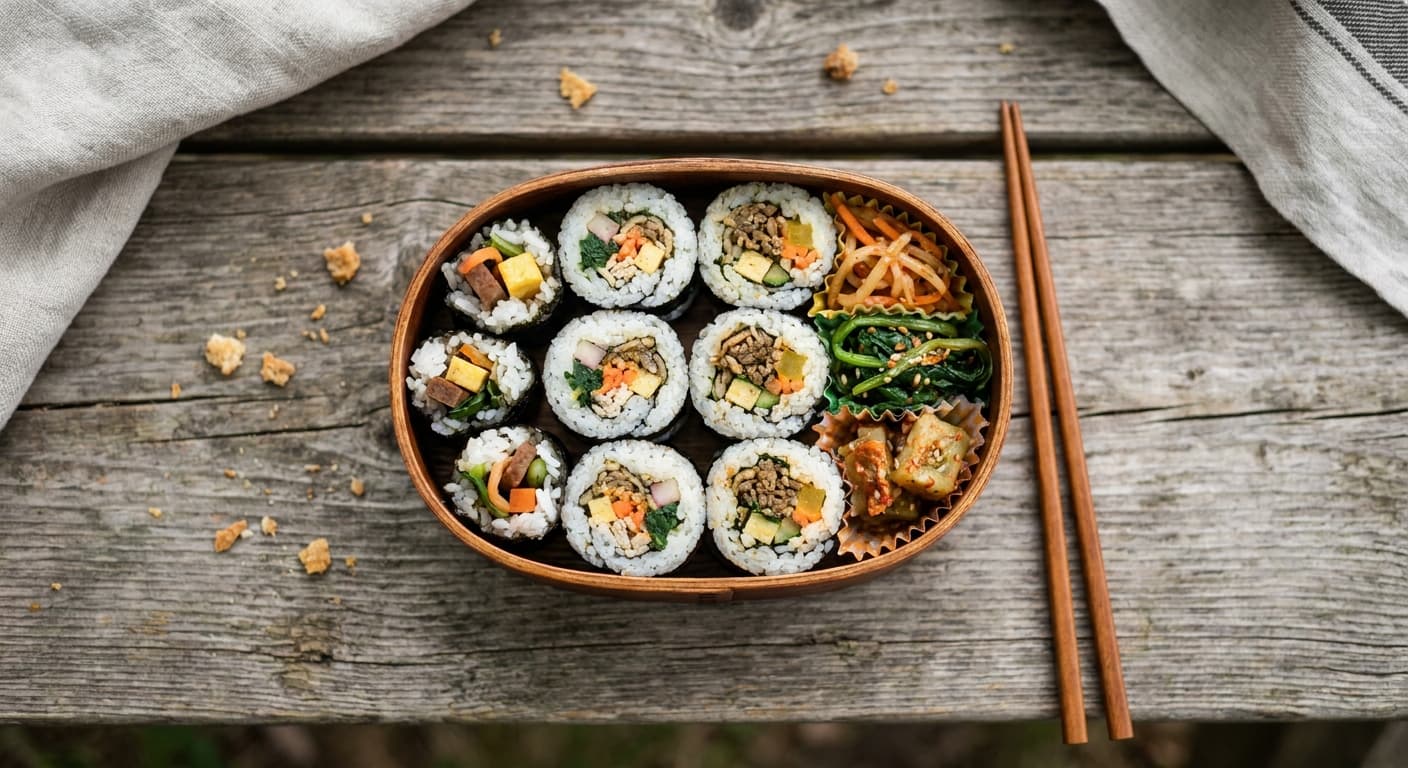
Kimbap (김밥) — Korean Seaweed Rice Rolls
Korean · Main Courses · 70 min
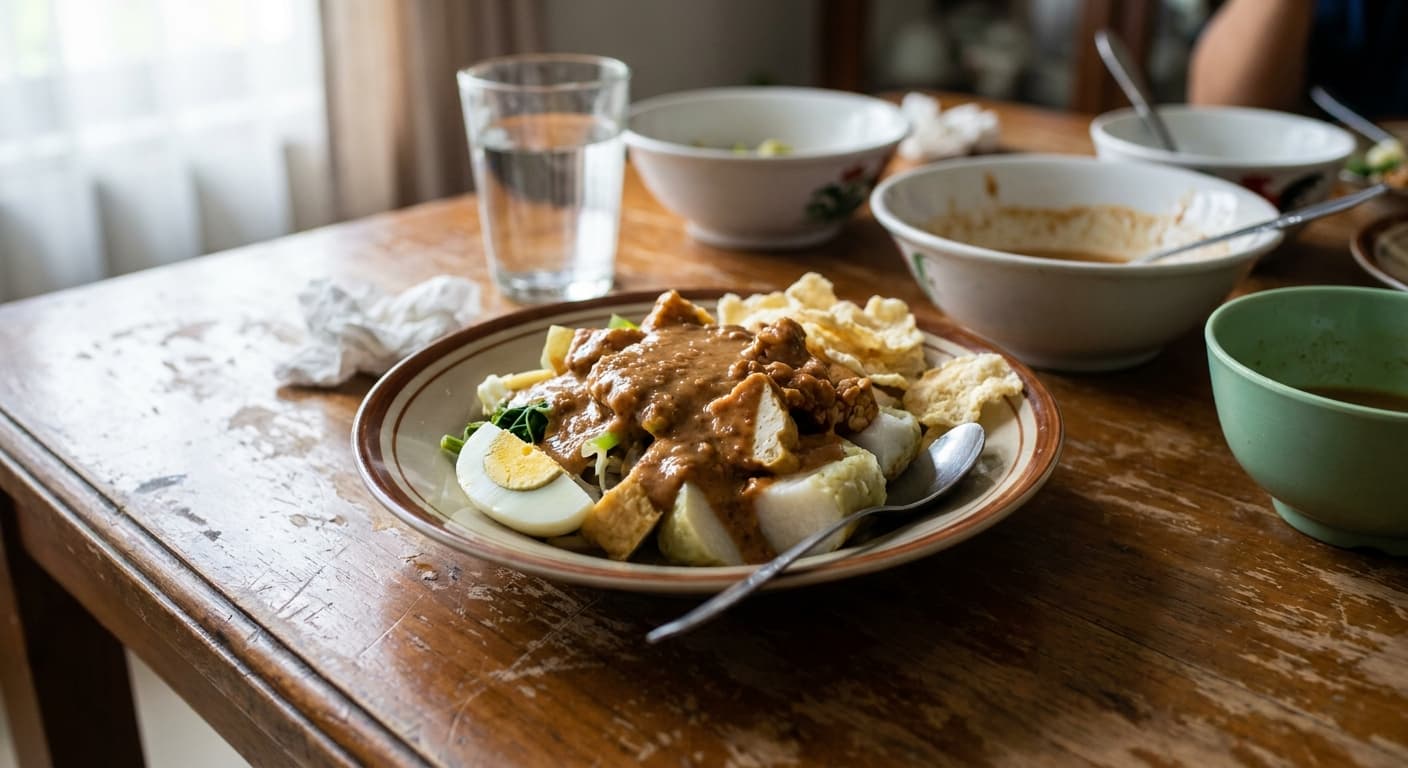
Gado-Gado (Gado-Gado) — Indonesian Salad with Peanut Sauce
Indonesian · Salads · 60 min
Reviews
Cooked this recipe?
Tap the stars to rate it — that's all it takes. A few words are welcome but optional.
No ratings yet. Cooked this one? Be the first to rate it — it takes one tap.