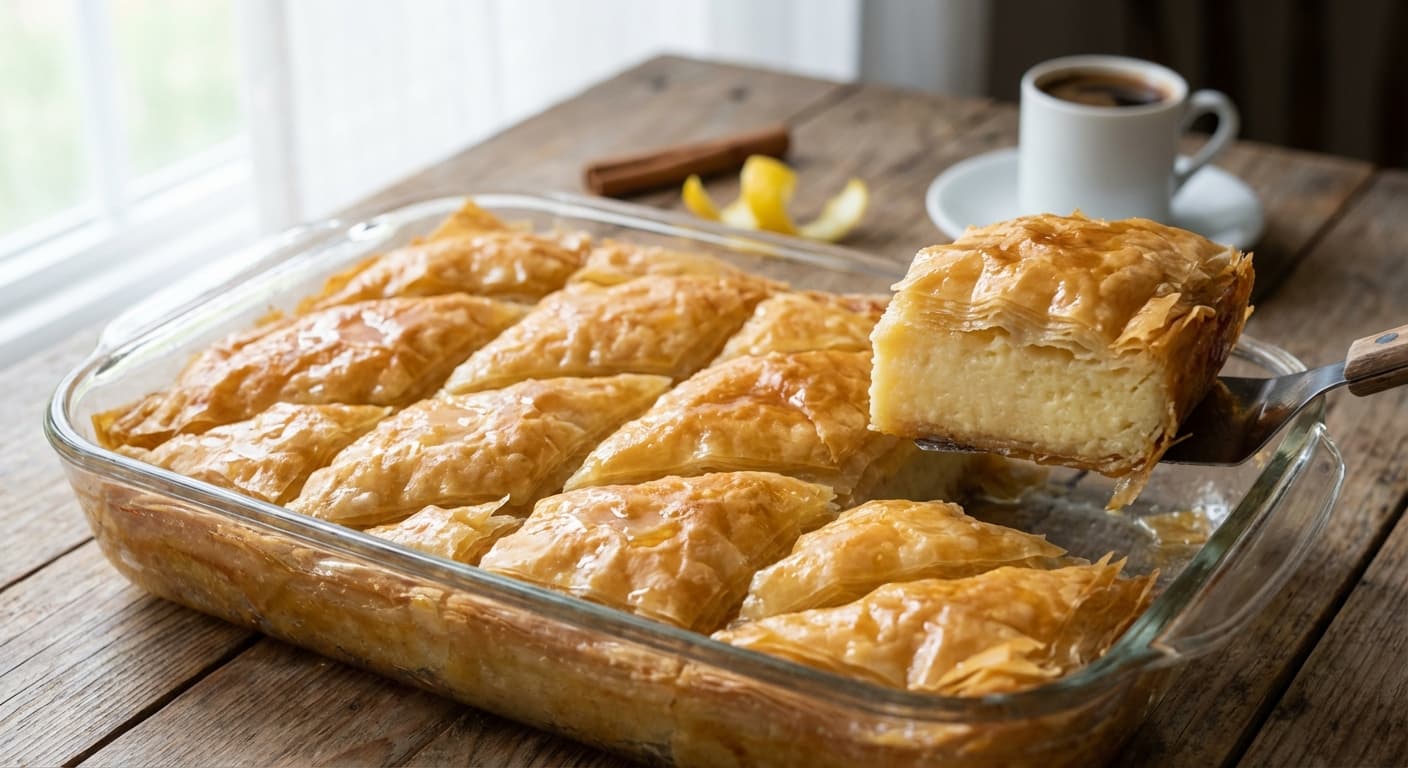
Galaktoboureko (Γαλακτομπούρεκο) — Greek Custard-Filled Phyllo with Lemon Syrup
Galaktoboureko is a beloved Greek pastry of crisp phyllo wrapped around silky semolina custard, finished with bright lemon syrup. Often served at celebrations and Sunday tables, it balances buttery crunch with fragrant citrus sweetness.
Printable Recipe Card
Servings: 12 · Total: 90 min · Difficulty: medium
Ingredients (quick list)
- 450 g phyllo dough (thawed) (Keep covered with a damp towel while working)
- 220 g unsalted butter (melted) (Plus 10 g for greasing the pan)
- 1000 ml whole milk
- 180 g fine semolina (Not coarse)
- 180 g granulated sugar
- 4 eggs (Large, room temperature)
- 2 tsp vanilla extract
- 2 tsp lemon zest (Finely grated)
- 0.5 tsp fine sea salt
- 250 ml water
- 80 ml lemon juice (Freshly squeezed)
- 2 strip lemon peel (2 wide strips, pith minimized)
+ 2 more in the full ingredients section below.
Steps (summary)
- Make the syrup first so it can cool completely. Combine the sugar, water, lemon peel, and cinnamon stick in a saucepan and brin…
- Reduce to a steady simmer and cook for 8 minutes, then remove from the heat. Stir in the lemon juice and honey, then set the sy…
- Preheat the oven to 170°C (340°F) and position a rack in the middle. Grease a 33 x 23 cm (13 x 9 in) baking pan with 10 g of th…
- Start the custard by heating the milk, sugar, salt, lemon zest, and vanilla in a heavy pot over medium heat until steaming but…
- Take the pot off the heat and let the custard cool for 5 minutes so it doesn’t scramble the eggs. In a bowl, whisk the eggs for…
- Return the pot to low heat and stir for 2 minutes until the custard is smooth and slightly thicker. Transfer the custard to a b…
+ 8 more steps in the full instructions section below.
Cultural Background
A staple of Greek patisserie culture, galaktoboureko bridges home baking and bakery craft, especially for name days and festive gatherings. Its custard-and-syrup technique reflects the shared dessert traditions of the Eastern Mediterranean.
Equipment
💡 Tips
- Keep phyllo covered with a damp towel and work with one sheet at a time; exposed sheets can dry and crack in under 3 minutes.
- For the cleanest slices, chill the baked pastry for 30 minutes after syrups absorbs, then cut with a serrated knife using gentle sawing motions.
- Cold syrup over hot pastry is essential; it keeps the phyllo crisp while still allowing the syrup to soak in.
⚠️ Common Mistakes
❌ Pouring hot syrup over hot pastry
✅ Fix: Cool the syrup fully; cold syrup over hot pastry keeps the phyllo crisp and prevents sogginess.
❌ Adding eggs directly to very hot custard
✅ Fix: Temper the eggs with a measured amount of custard first, then return to low heat while stirring constantly.
❌ Not scoring the top before baking
✅ Fix: Score only the phyllo layers into portions before baking so it cuts cleanly and absorbs syrup evenly.
🧊 How to Store
Store covered in the refrigerator for up to 4 days. Re-crisp portions in a 160°C (320°F) oven for 8–10 minutes; avoid microwaving, which softens the phyllo and can make the custard weep.
📅 Make Ahead
Prepare the syrup up to 3 days ahead and refrigerate it tightly covered. The custard can be cooked 4 hours ahead; keep it covered with plastic wrap touching the surface, then assemble and bake the same day for best phyllo crispness.
🍽️ Pairs Well With
- Greek coffee
- mint tea
- a squeeze of extra lemon
- fresh berries.
Regional Variations
- Some Greek island versions add a small amount of mastiha (about 0.25 tsp, ground) to the custard for a piney aroma.
- In parts of northern Greece, the syrup may include orange peel instead of lemon for a rounder citrus profile.
- A rolled style (individual spirals) uses the same custard but is wrapped into logs or coils before baking and syruping.
Ingredients
- 450 gphyllo dough (thawed) (Keep covered with a damp towel while working)
- 220 gunsalted butter (melted) (Plus 10 g for greasing the pan)
- 1000 mlwhole milk
- 180 gfine semolina (Not coarse)
- 180 ggranulated sugar
- 4eggs (Large, room temperature)
- 2 tspvanilla extract
- 2 tsplemon zest (Finely grated)
- 0.5 tspfine sea salt
- 250 mlwater
- 80 mllemon juice (Freshly squeezed)
- 2 striplemon peel (2 wide strips, pith minimized)
- 1 stickcinnamon stick (Optional but traditional)
- 30 ghoney (Adds shine and aroma)
🔄 Substitutions
- whole milk→ 2% milk
- fine semolina→ farina (cream of wheat)
- unsalted butter→ ghee
Instructions
- 1
Make the syrup first so it can cool completely. Combine the sugar, water, lemon peel, and cinnamon stick in a saucepan and bring to a boil over medium-high heat, stirring for 30 seconds to dissolve the sugar.
- 2
Reduce to a steady simmer and cook for 8 minutes, then remove from the heat. Stir in the lemon juice and honey, then set the syrup aside to cool to room temperature and refrigerate if your kitchen is warm.
- 3
Preheat the oven to 170°C (340°F) and position a rack in the middle. Grease a 33 x 23 cm (13 x 9 in) baking pan with 10 g of the melted butter, coating the corners well.
- 4
Start the custard by heating the milk, sugar, salt, lemon zest, and vanilla in a heavy pot over medium heat until steaming but not boiling. Whisk in the semolina in a thin stream and keep whisking continuously for 4–6 minutes until thick, glossy, and bubbling slowly.
- 5
Take the pot off the heat and let the custard cool for 5 minutes so it doesn’t scramble the eggs. In a bowl, whisk the eggs for 20 seconds, then temper them by whisking in 200 ml of the hot custard before returning the egg mixture to the pot.
- 6
Return the pot to low heat and stir for 2 minutes until the custard is smooth and slightly thicker. Transfer the custard to a bowl, press plastic wrap directly on the surface, and let it stand for 10 minutes while you prepare the phyllo.
- 7
Lay the phyllo on the counter and cover it with a lightly damp towel to prevent drying. Brush the bottom of the pan with melted butter, then place one sheet of phyllo in the pan and brush it evenly with butter, reaching all edges.
- 8
Repeat with 10 sheets, buttering each sheet and letting excess hang over the sides to help seal the top later. Work steadily and use enough butter so the layers bake crisp rather than leathery.
- 9
Pour the warm (not hot) custard into the pan and spread it level with a spatula. Fold the overhanging phyllo inward over the custard and brush the folded edges with butter to create a neat border.
- 10
Top with the remaining phyllo sheets, brushing butter between each layer and on the surface. Tuck the edges down into the sides of the pan and brush the top generously so it browns evenly.
- 11
Score the top layers into 12 portions using a sharp knife, cutting through the phyllo but not deep into the custard. This step prevents shattering later and helps the syrup penetrate cleanly without soaking the bottom.
- 12
Bake for 50–55 minutes until deeply golden and crisp, rotating the pan once at the 30-minute mark. Let the pastry rest for 5 minutes out of the oven so the bubbling butter settles.
- 13
Remove the lemon peel and cinnamon stick from the cooled syrup. Pour the cold syrup slowly over the hot galaktoboureko in an even stream, focusing on the scored lines so it absorbs uniformly.
- 14
Let the pastry stand for at least 2 hours before serving so the custard sets and the syrup distributes. Re-cut along the score marks with a sharp knife and lift portions with a spatula to keep the phyllo layers intact.
🪪 Recipe Passport
Cultural Background
A staple of Greek patisserie culture, galaktoboureko bridges home baking and bakery craft, especially for name days and festive gatherings. Its custard-and-syrup technique reflects the shared dessert traditions of the Eastern Mediterranean.
Regional Variations
Researched from multiple sources and validated by the Zaffaron editorial team. Every recipe is tested for accuracy, measurements, and cultural authenticity.
Nutrition per serving
Pairs well with
If you enjoyed this recipe, here are a few related Zaffaron recipes to try next.
Does your family make this differently?
Every family has their own version. Maybe your grandmother adds a secret ingredient, or your aunt has a completely different technique. Preserve your family's version — with their name on it, forever.
You Might Also Like
Vasilopita (Βασιλόπιτα) — Greek New Year’s Coin Cake
Greek · Desserts · 80 min
Hilopites (Χυλοπίτες) — Greek egg pasta with tomato and butter
Greek · Main Courses · 35 min
Amygdalota (Αμυγδαλωτά) — Chewy Greek Almond Cookies with Orange and Almond
Greek · Desserts · 38 min
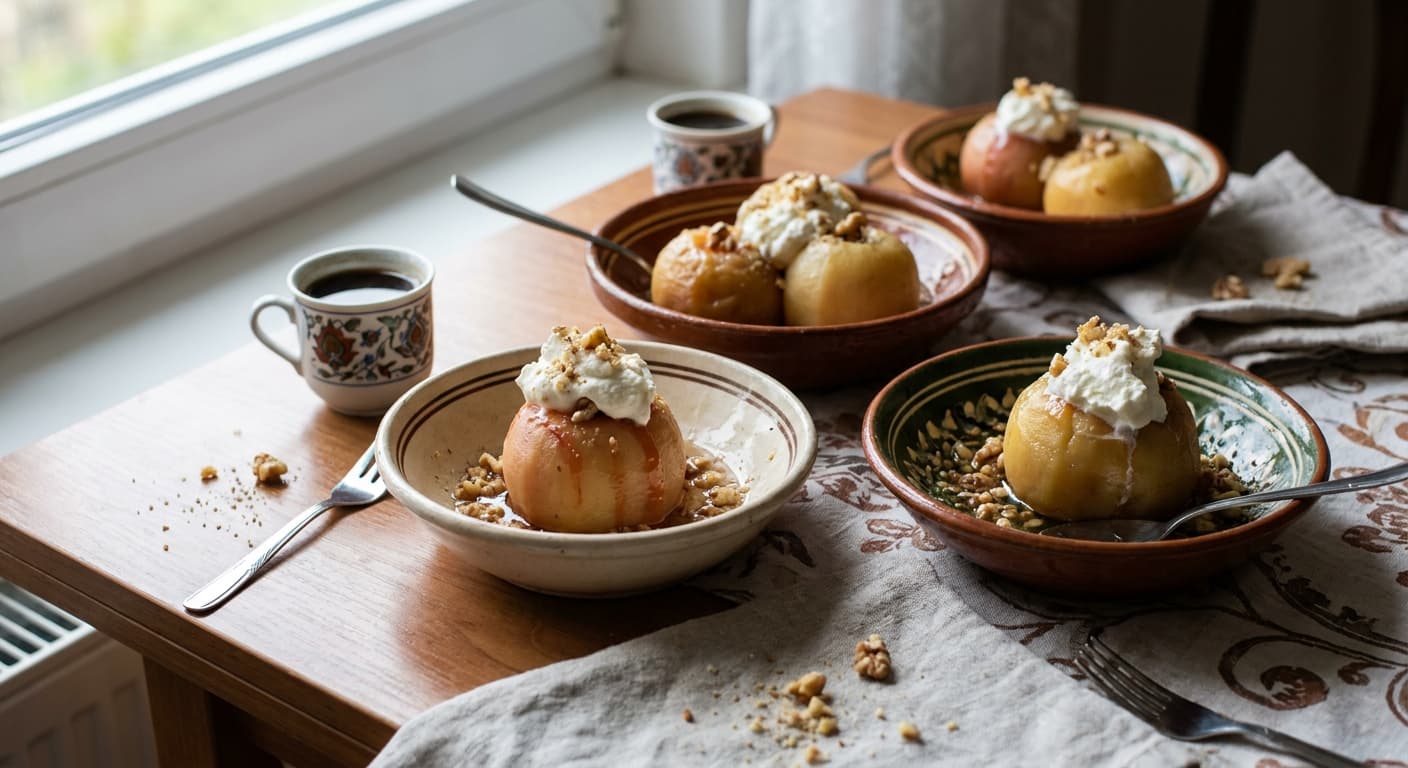
Tufahije (Tufahije) — Bosnian Walnut-Stuffed Poached Apples
Bosnian · Desserts · 50 min
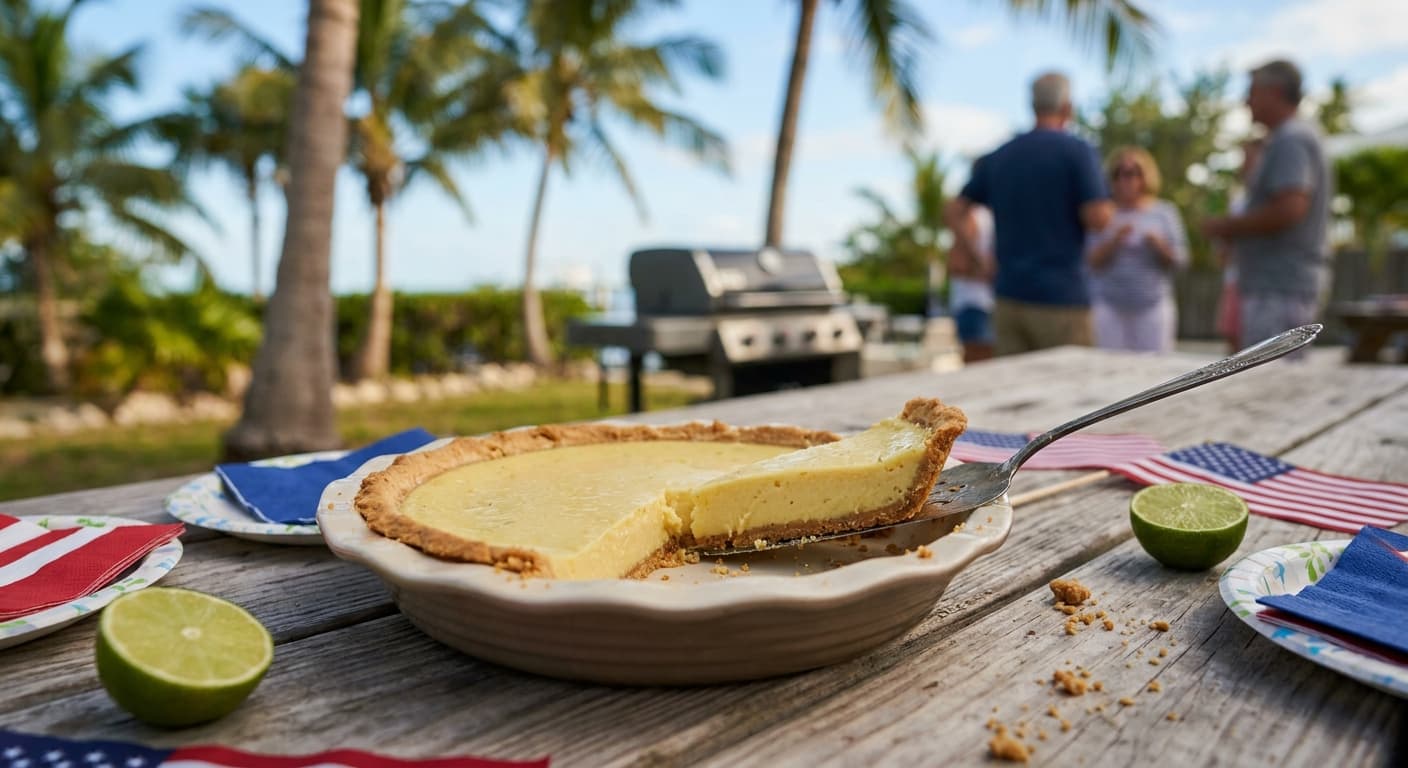
Key Lime Pie (Key Lime Pie) — Florida Keys Citrus Custard Pie
American · Desserts · 50 min
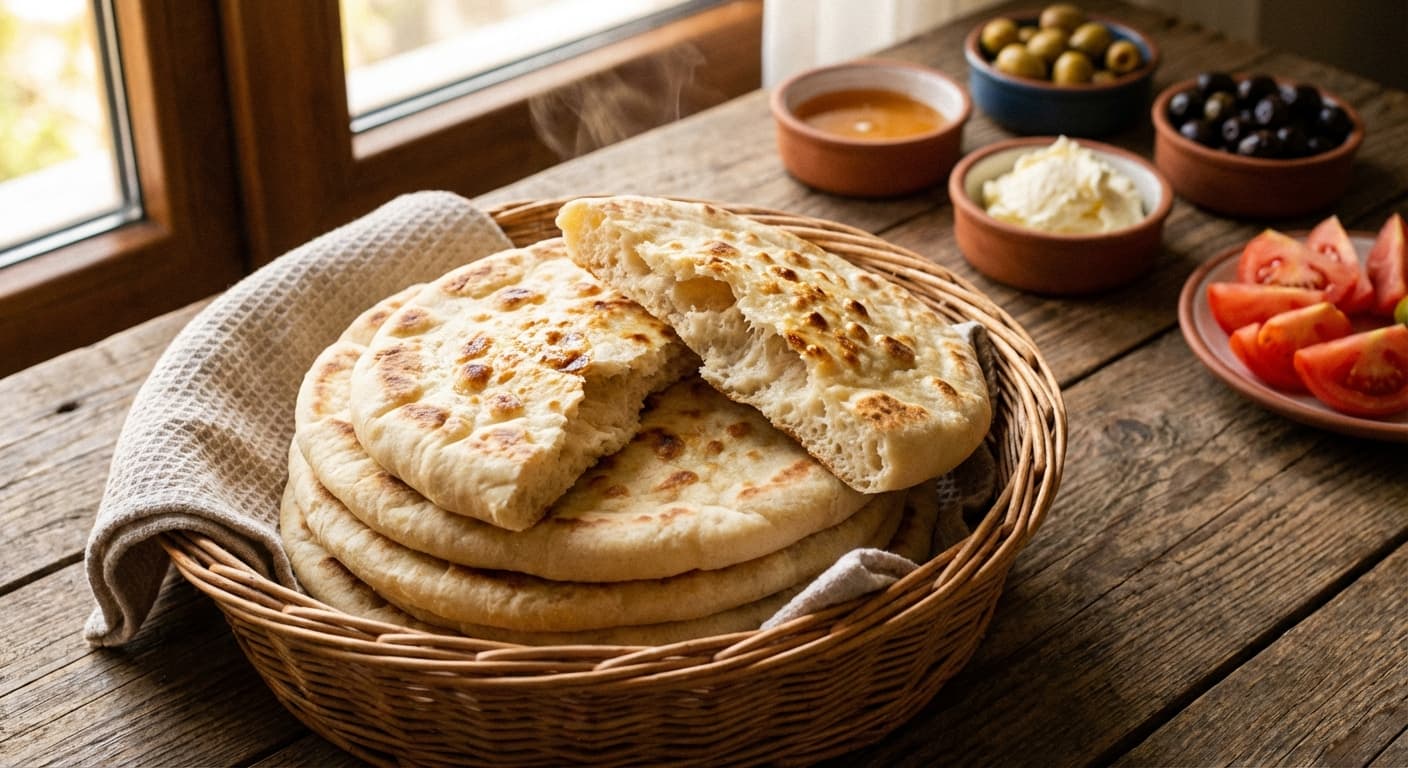
Bazlama (بازلاما) — Puffy Turkish Village Flatbread Cooked on a Saj
Turkish · Breads · 38 min
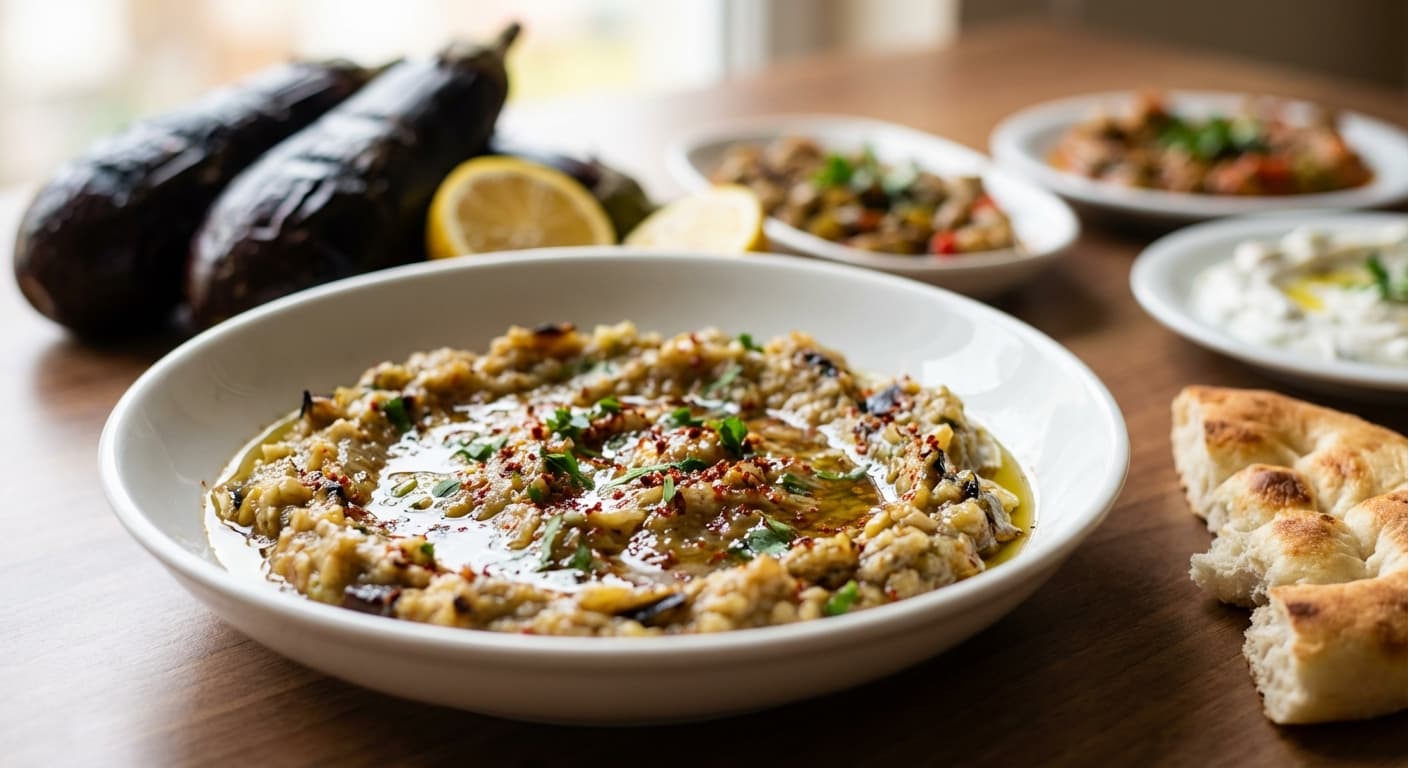
Smoky Eggplant Salad (Patlıcan Salatası) — Turkish charred eggplant with garlic and olive oil
Turkish · Salads · 40 min
Bulgarian Banitsa (Баница) — Flaky Sirene-Filled Phyllo Pie
Bulgarian · Breads · 68 min
Reviews
Cooked this recipe?
Tap the stars to rate it — that's all it takes. A few words are welcome but optional.
No ratings yet. Cooked this one? Be the first to rate it — it takes one tap.