Moussaka (Μουσακάς) — Classic Greek Layered Eggplant and Beef Bake
Moussaka is a beloved Greek oven-bake of fried or roasted eggplant layered with spiced beef-tomato sauce and a creamy béchamel topping. It’s a taverna classic, often served at family gatherings and Sunday lunches across Greece.
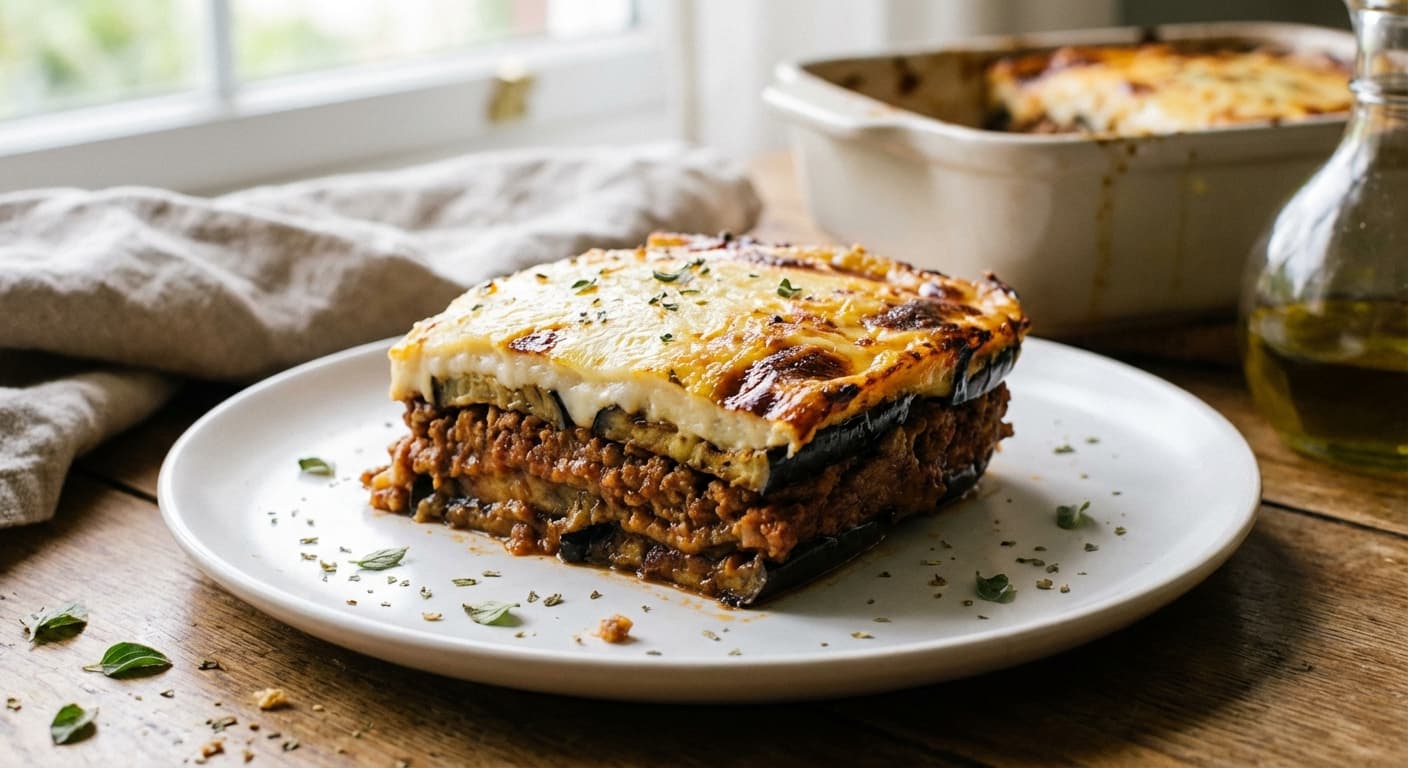
Printable Recipe Card
Servings: 8 · Total: 120 min · Difficulty: medium
Ingredients (quick list)
- 1200 g Eggplant, sliced into 12 mm rounds (about 2–3 large eggplants)
- 12 g Kosher salt (for salting eggplant to reduce bitterness)
- 60 ml Olive oil (for brushing before roasting)
- 700 g Ground beef (85–90% lean) (traditional version uses beef or a beef-lamb mix)
- 200 g Yellow onion, finely chopped
- 12 g Garlic, minced (about 4 cloves)
- 30 g Tomato paste
- 400 g Crushed tomatoes
- 120 ml Dry red wine (optional but classic for depth)
- 1 tsp Ground cinnamon
- 1 tsp Dried oregano
- 1 leaf Bay leaf
+ 9 more in the full ingredients section below.
Steps (summary)
- Slice the eggplant into 12 mm rounds and lay them on a rack or tray in a single layer. Sprinkle evenly with 12 g kosher salt an…
- Heat the oven to 220°C and line two large baking sheets with parchment. Brush both sides of the eggplant with 60 ml olive oil,…
- While the eggplant roasts, make the meat sauce by heating 30 ml olive oil in a wide pan over medium-high heat. Add the onion an…
- Add the ground beef and cook for 7–9 minutes, breaking it up until browned and any liquid has evaporated. Stir in the tomato pa…
- Add crushed tomatoes, cinnamon, oregano, bay leaf, 6 g salt, and 1 tsp black pepper. Simmer uncovered for 20–25 minutes until t…
- Lower the oven to 180°C and prepare the béchamel in a saucepan over medium heat. Melt 80 g butter, whisk in 70 g flour, and coo…
+ 5 more steps in the full instructions section below.
Cultural Background
Modern Greek moussaka became iconic in the early 20th century, when a French-style béchamel topping was popularized in Greek kitchens. Today it’s a celebratory, make-ahead centerpiece found in tavernas and home tables alike.
Equipment
💡 Tips
- Roast the eggplant instead of frying to keep the dish lighter while still achieving a rich, concentrated flavor.
- Simmer the meat sauce until thick; a watery sauce is the most common cause of a loose, sliding slice.
- Let the baked moussaka rest at least 20 minutes so the béchamel sets and the layers hold together.
⚠️ Common Mistakes
❌ Slices fall apart and look watery when cut.
✅ Fix: Reduce the meat sauce until thick and rest the baked dish 20–30 minutes before slicing.
❌ Béchamel turns lumpy or grainy.
✅ Fix: Whisk continuously while adding warm milk, and cook until fully thickened; strain if needed before adding yolks.
❌ Eggplant tastes bitter or feels spongy.
✅ Fix: Salt for 30 minutes, rinse, and dry thoroughly; roast in a hot oven so it caramelizes rather than steams.
🧊 How to Store
Cool leftovers to room temperature within 2 hours, then refrigerate covered for up to 4 days. Reheat portions in a 170°C oven for 15–18 minutes or microwave at 700W for 2–3 minutes, resting 1 minute so the béchamel heats evenly.
📅 Make Ahead
Roast the eggplant and cook the meat sauce up to 2 days ahead, then refrigerate separately. Assemble with freshly made béchamel and bake, or bake fully and reheat the next day for even cleaner slices.
🍽️ Pairs Well With
- Horiatiki (Greek salad)
- crusty bread
- lemony roasted potatoes
- olives
- tzatziki.
Regional Variations
- Some Greek cooks add a potato layer (par-cooked slices) under the eggplant for extra structure and a softer bite.
- In parts of the Aegean, zucchini may replace part of the eggplant for a lighter summer version.
- A beef-lamb blend is common in many households, especially for holiday pans with a richer flavor.
Ingredients
- 1200 gEggplant, sliced into 12 mm rounds (about 2–3 large eggplants)
- 12 gKosher salt (for salting eggplant to reduce bitterness)
- 60 mlOlive oil (for brushing before roasting)
- 700 gGround beef (85–90% lean) (traditional version uses beef or a beef-lamb mix)
- 200 gYellow onion, finely chopped
- 12 gGarlic, minced (about 4 cloves)
- 30 gTomato paste
- 400 gCrushed tomatoes
- 120 mlDry red wine (optional but classic for depth)
- 1 tspGround cinnamon
- 1 tspDried oregano
- 1 leafBay leaf
- 6 gFine salt
- 1 tspBlack pepper, ground
- 80 gUnsalted butter
- 70 gAll-purpose flour
- 900 mlWhole milk (warmed for smoother sauce)
- 0.5 tspNutmeg, freshly grated
- 2Egg yolks (for a richer, custardy top)
- 120 gKefalotyri cheese, finely grated (or graviera for a milder finish)
- 20 gBreadcrumbs (for the base to absorb juices)
🔄 Substitutions
- Ground beef (85–90% lean)→ Ground lamb
- Kefalotyri cheese→ Graviera cheese
- Dry red wine→ Beef stock
Instructions
- 1
Slice the eggplant into 12 mm rounds and lay them on a rack or tray in a single layer. Sprinkle evenly with 12 g kosher salt and rest for 30 minutes to draw out moisture, then rinse quickly and pat very dry with paper towels.
- 2
Heat the oven to 220°C and line two large baking sheets with parchment. Brush both sides of the eggplant with 60 ml olive oil, arrange in one layer, and roast for 18–22 minutes, flipping once, until tender and lightly golden.
- 3
While the eggplant roasts, make the meat sauce by heating 30 ml olive oil in a wide pan over medium-high heat. Add the onion and cook for 6–8 minutes until soft and lightly golden, then stir in the garlic for 30 seconds until fragrant.
- 4
Add the ground beef and cook for 7–9 minutes, breaking it up until browned and any liquid has evaporated. Stir in the tomato paste and cook for 1 minute to caramelize, then pour in the red wine and simmer for 2 minutes to reduce.
- 5
Add crushed tomatoes, cinnamon, oregano, bay leaf, 6 g salt, and 1 tsp black pepper. Simmer uncovered for 20–25 minutes until thick and spoonable, then remove the bay leaf and let the sauce cool for 10 minutes so it won’t loosen the layers.
- 6
Lower the oven to 180°C and prepare the béchamel in a saucepan over medium heat. Melt 80 g butter, whisk in 70 g flour, and cook for 2 minutes until it smells nutty but stays pale.
- 7
Gradually whisk in the warm milk and keep whisking until the sauce thickens, about 6–8 minutes. Season with nutmeg, 4 g salt, and 0.5 tsp black pepper, then cook 1 minute more so the flour taste fully disappears.
- 8
Take the béchamel off the heat and cool it for 3 minutes so it won’t scramble the eggs. Whisk in the egg yolks, then stir in 90 g of the grated kefalotyri (reserve 30 g for the top) until smooth and glossy.
- 9
Lightly grease a 23×33 cm baking dish and sprinkle the bottom with 20 g breadcrumbs to help absorb juices. Arrange half the roasted eggplant in an even layer, spread all the meat sauce over it, then top with the remaining eggplant to create clean layers.
- 10
Pour the béchamel over the top and smooth it to the edges so it seals the layers. Sprinkle with the remaining 30 g kefalotyri and bake at 180°C for 40–45 minutes until deeply golden and set with a gentle wobble in the center.
- 11
Rest the moussaka for 20–30 minutes before slicing so the layers firm up and portions cut cleanly. Serve warm rather than piping hot, because the flavors and texture are best once the béchamel has settled.
🪪 Recipe Passport
Cultural Background
Modern Greek moussaka became iconic in the early 20th century, when a French-style béchamel topping was popularized in Greek kitchens. Today it’s a celebratory, make-ahead centerpiece found in tavernas and home tables alike.
Regional Variations
Researched from multiple sources and validated by the Zaffaron editorial team. Every recipe is tested for accuracy, measurements, and cultural authenticity.
Nutrition per serving
Pairs well with
If you enjoyed this recipe, here are a few related Zaffaron recipes to try next.
Does your family make this differently?
Every family has their own version. Maybe your grandmother adds a secret ingredient, or your aunt has a completely different technique. Preserve your family's version — with their name on it, forever.
You Might Also Like
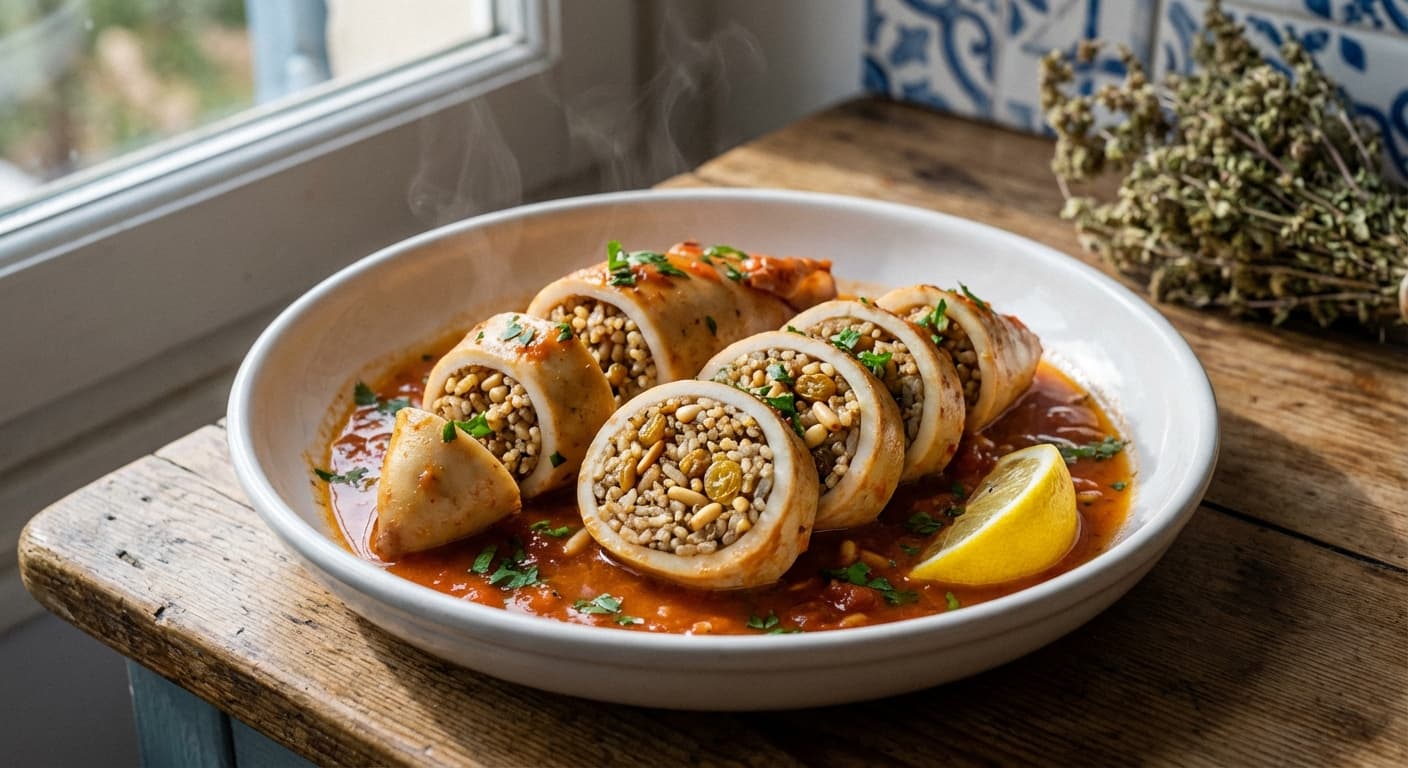
Stuffed Calamari (Καλαμάρι γεμιστό) — Squid filled with rice, pine nuts, and raisins
Greek · Main Courses · 75 min
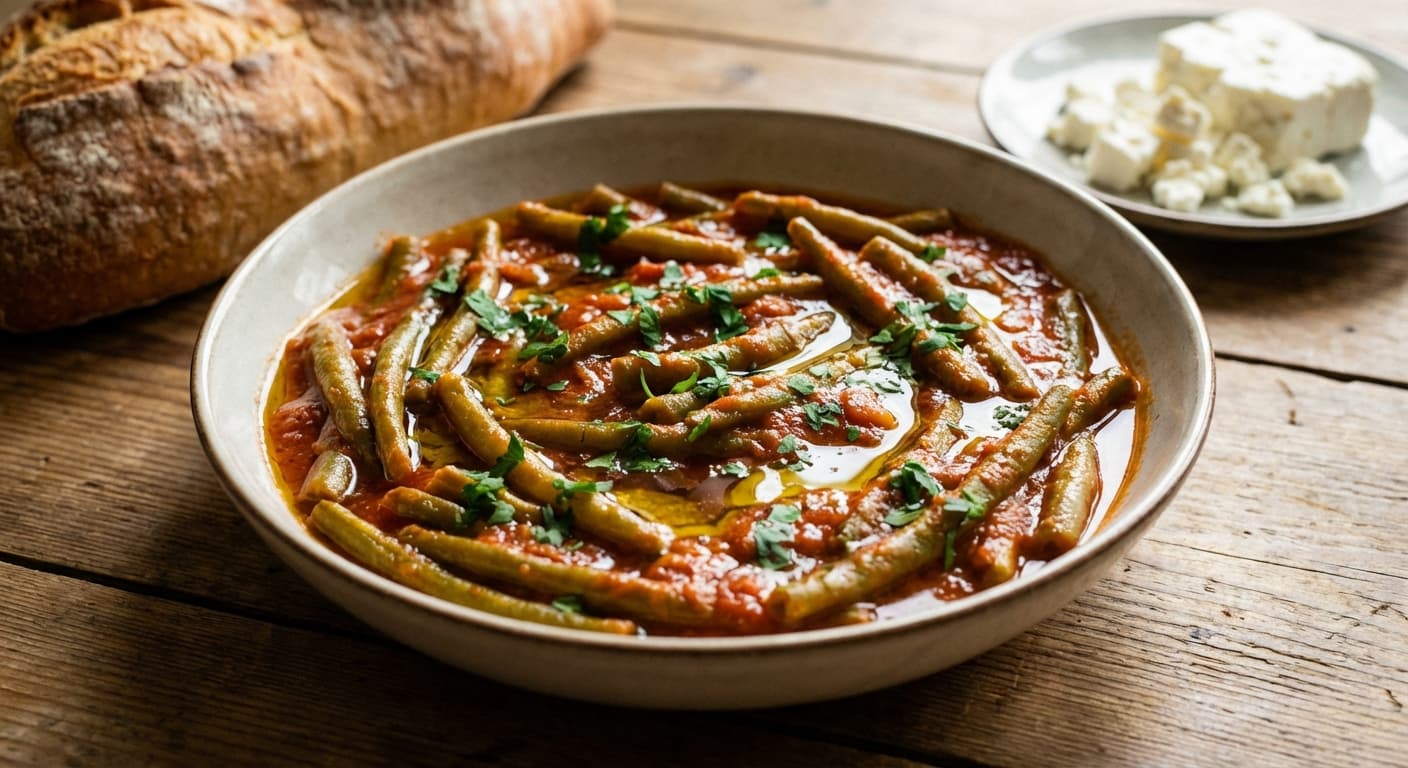
Greek Green Beans in Olive Oil (Φασολάκια λαδερά) — Tender green beans braised with tomato and extra-virgin olive oil
Greek · Main Courses · 75 min
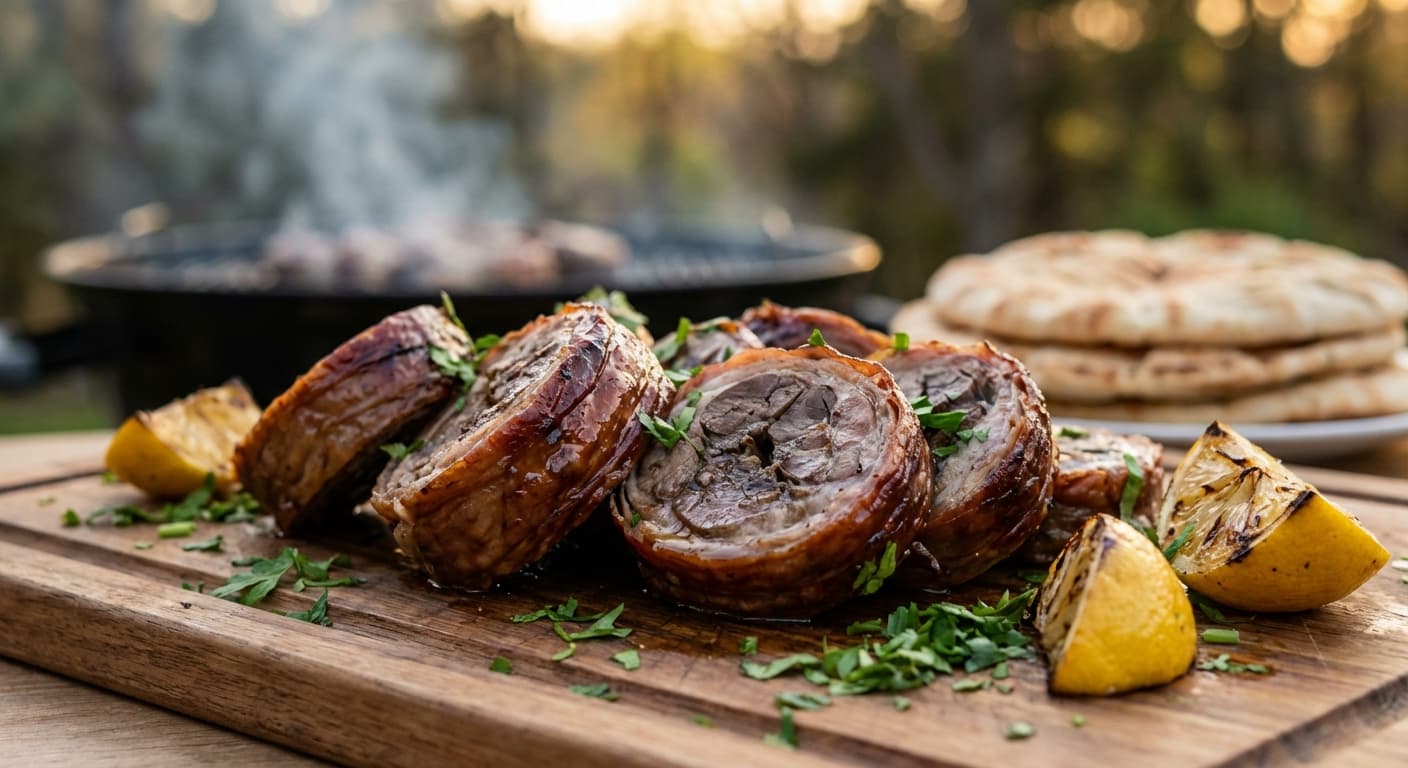
Kokoretsi (Κοκορέτσι) — Charcoal-Grilled Wrapped Lamb Offal
Greek · Kebabs · 135 min
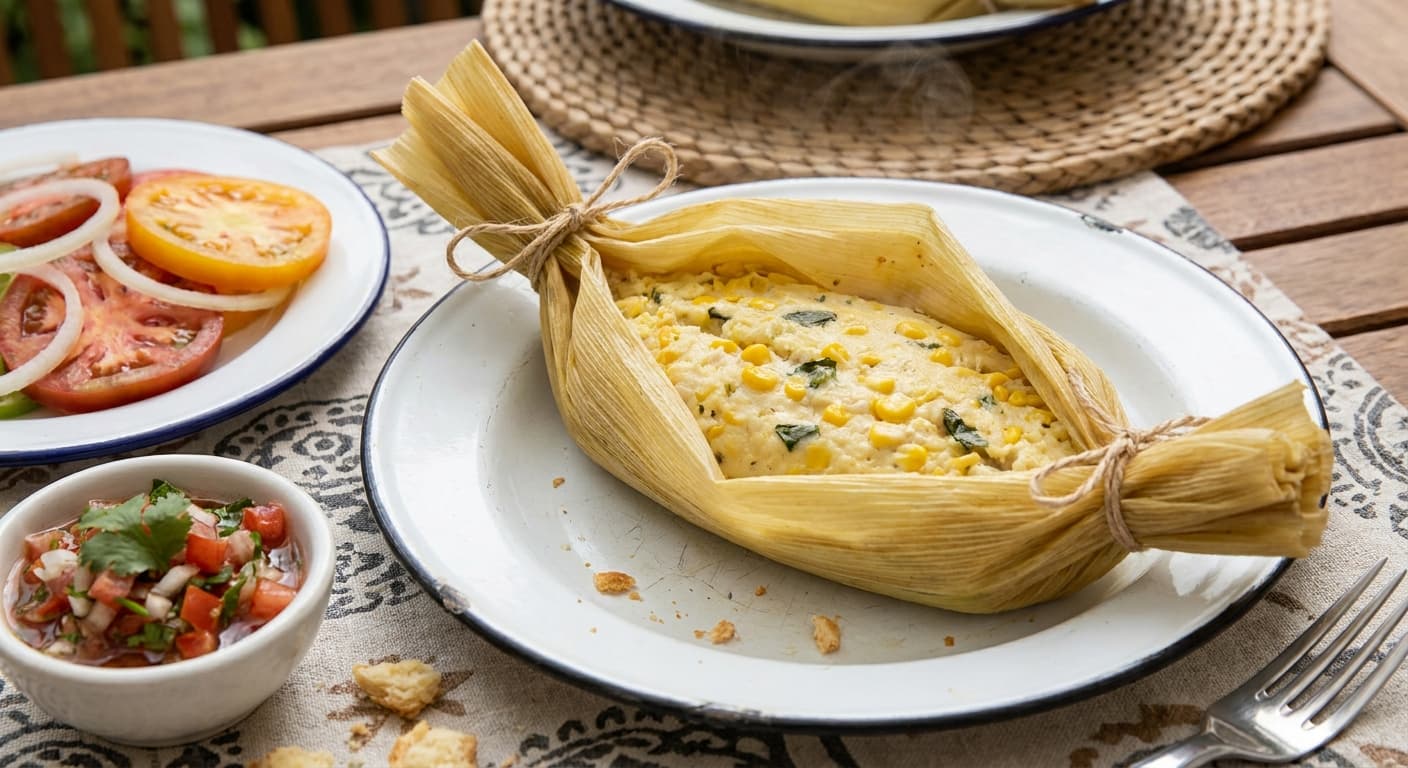
Chilean Humitas (Humitas) — Fresh Corn Parcels with Basil
Chilean · Main Courses · 90 min
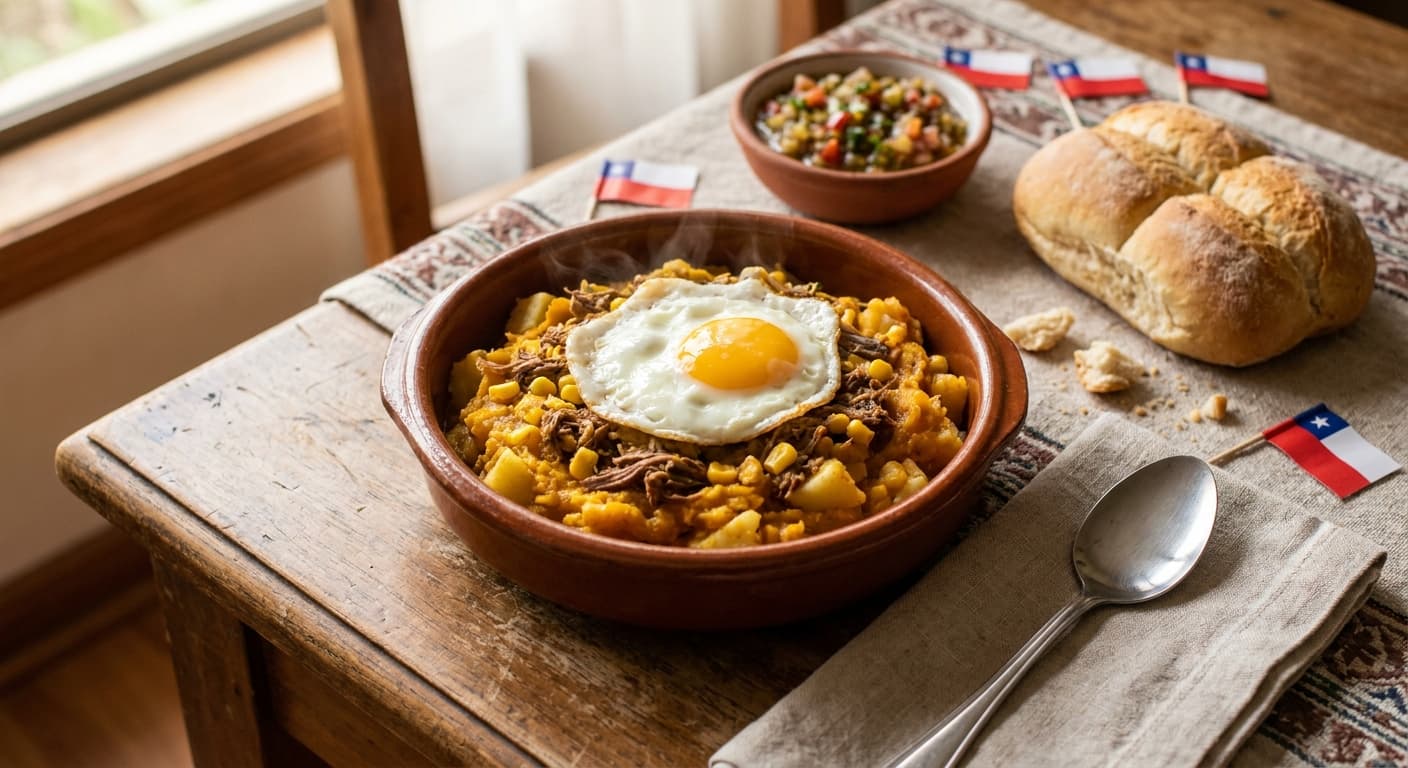
Charquicán (Charquicán) — Chilean Beef and Vegetable Hash
Chilean · Main Courses · 70 min
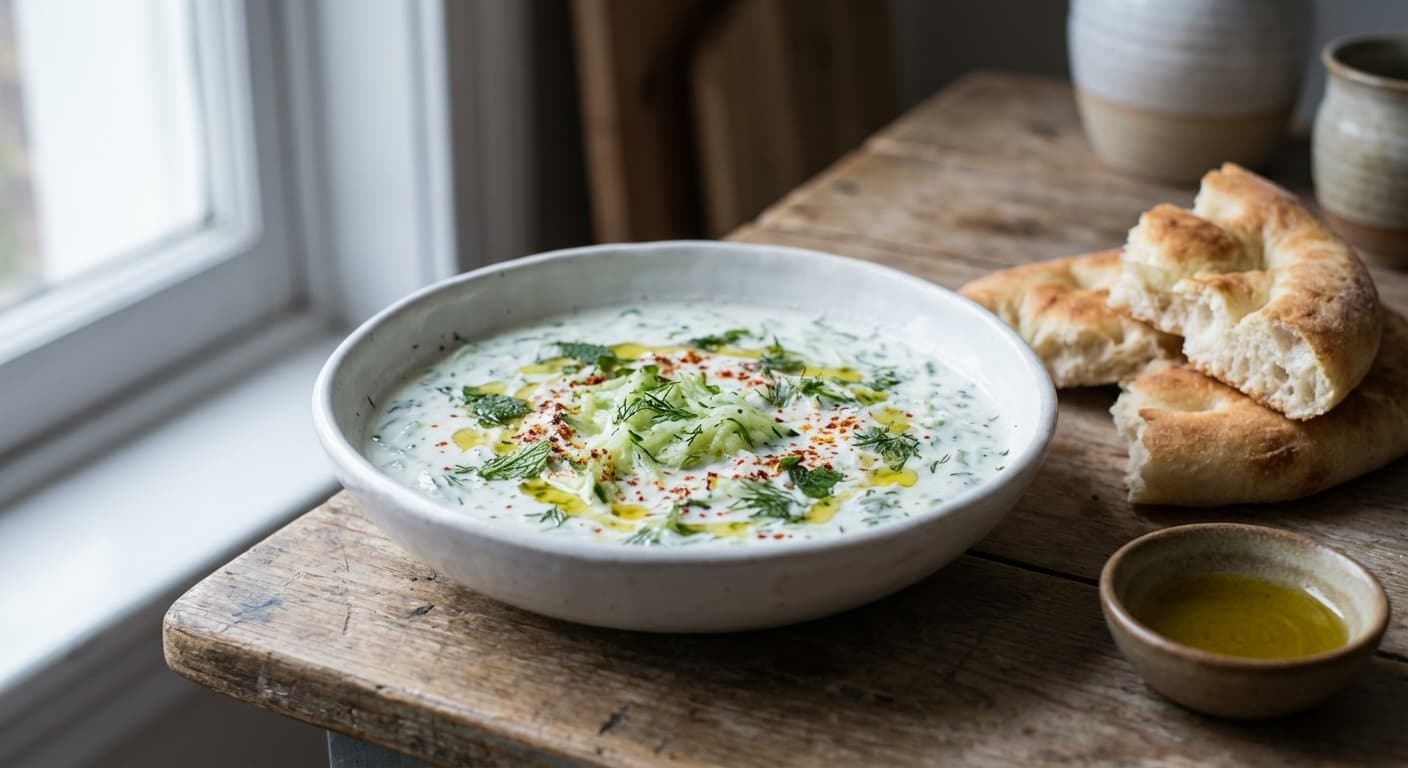
Cacık (Yoğurtlu Salatalık Mezesi) — Chilled Turkish Yogurt, Cucumber & Mint Dip
Turkish · Appetizers · 15 min
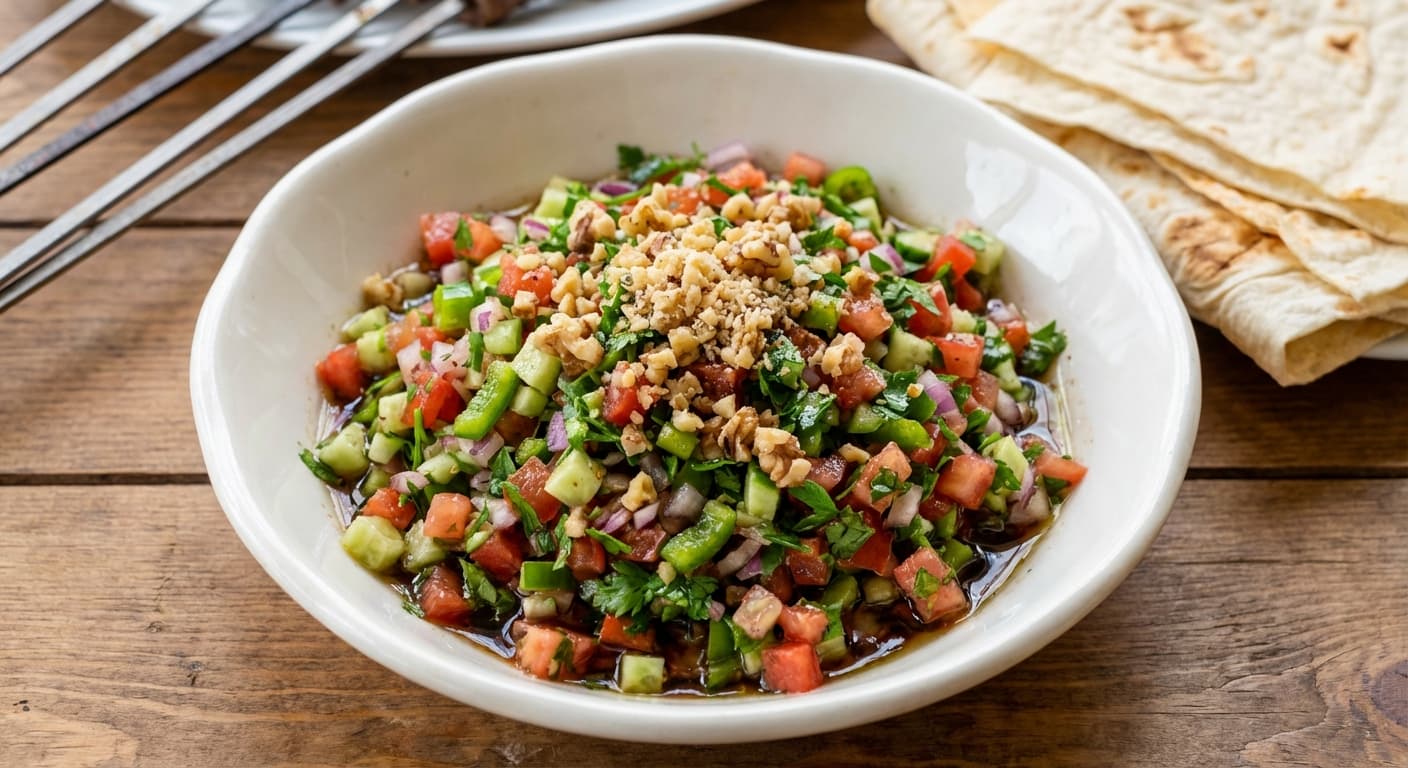
Gavurdağı Salad (Gavurdağı Salatası) — Finely Chopped Walnut & Pomegranate Salad
Turkish · Salads · 20 min
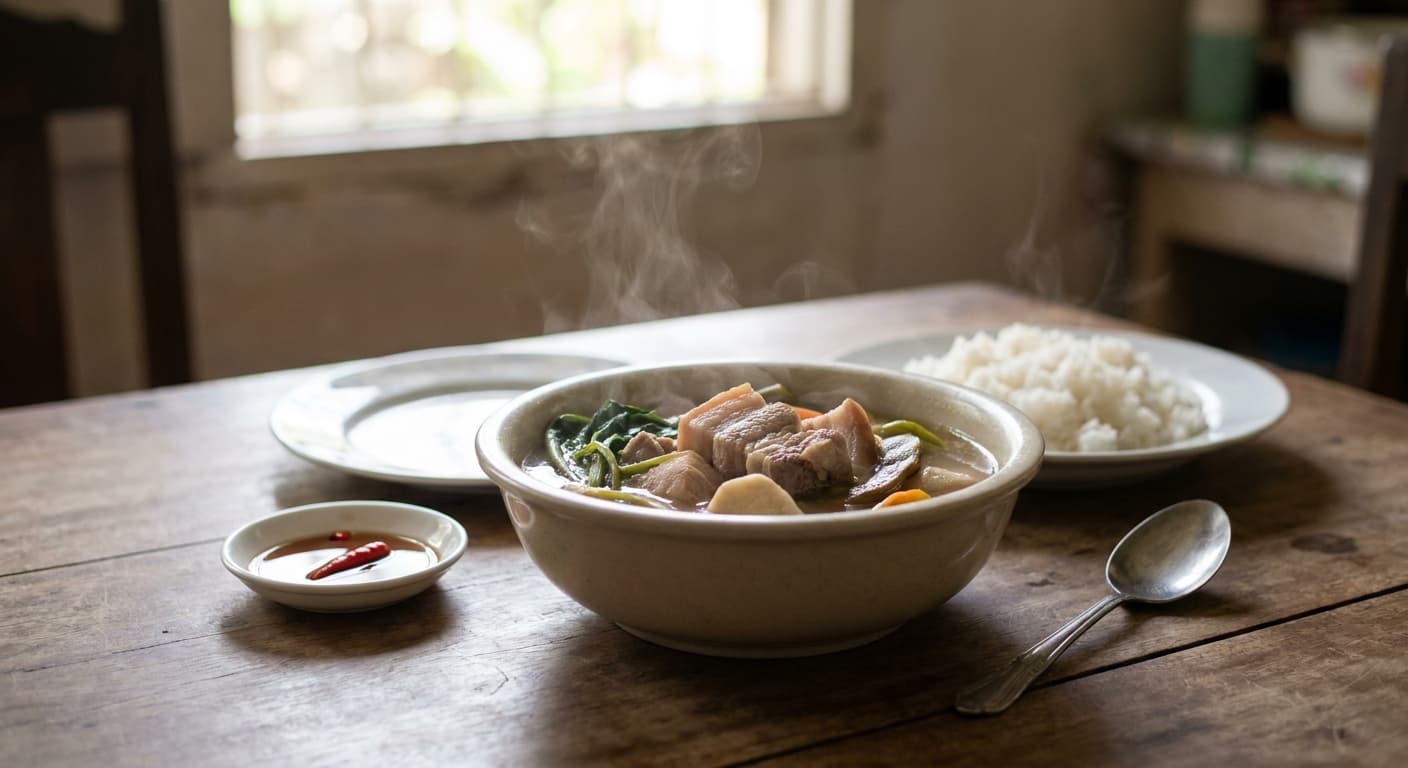
Pork Sinigang (Sinigang na Baboy) — Filipino Tamarind-Sour Pork Soup
Filipino · Soups · 120 min
Reviews
Cooked this recipe?
Tap the stars to rate it — that's all it takes. A few words are welcome but optional.
No ratings yet. Cooked this one? Be the first to rate it — it takes one tap.