Sheep’s Head Brawn (Sviðasulta) — Traditional Icelandic Pressed Meat
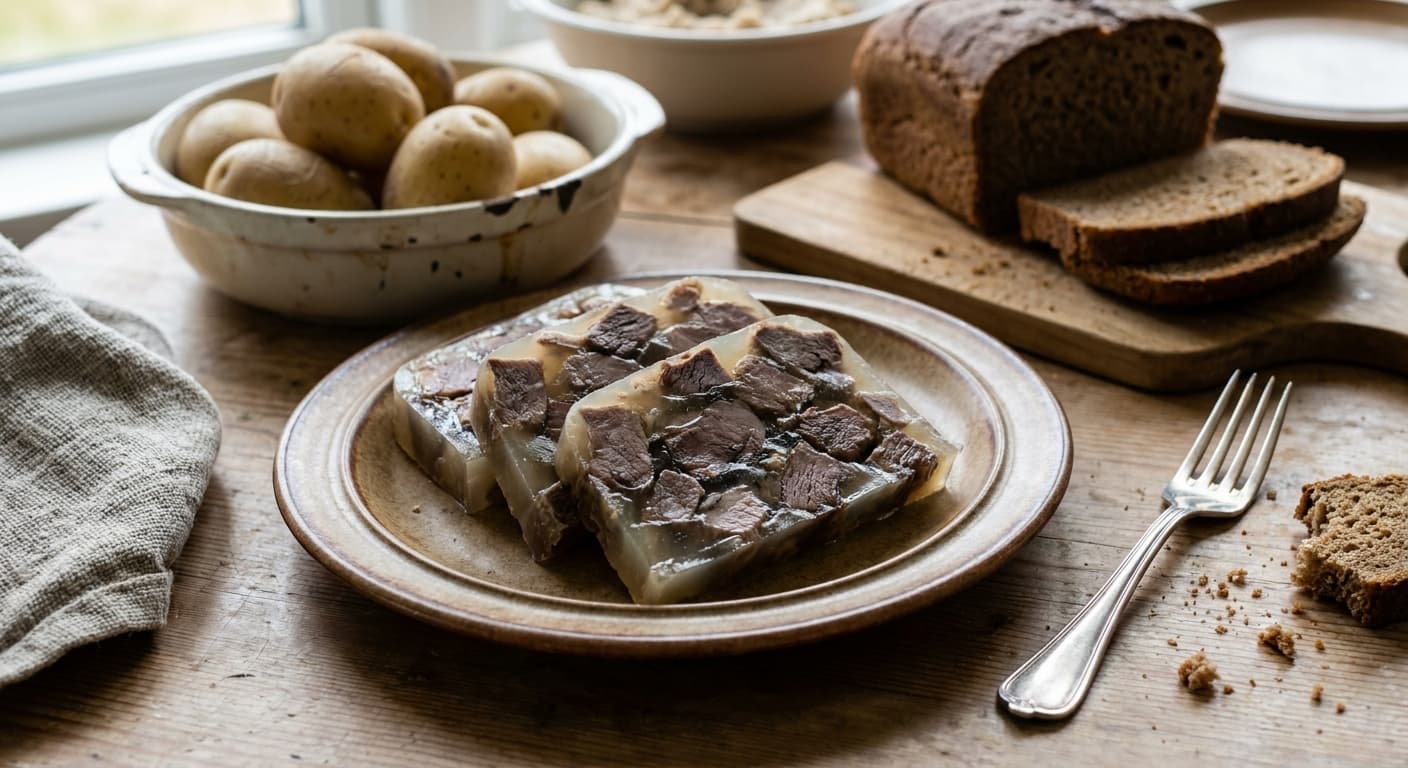
This traditional Icelandic brawn turns gently simmered sheep’s head meat into a sliceable terrine using its own gelatin-rich broth. Served cold with rugbraud, it also belongs on winter feast platters alongside hangikjot and other preserved meats.
Printable Recipe Card
Servings: 8 · Total: 215 min · Difficulty: medium
Ingredients (quick list)
- 1 sheep’s head (Approximately 1.8 kg, including the tongue; professionally singed, thoroughly cleaned, split lengthwise, and with the brain removed by the butcher. Obtain from an inspected food supplier.)
- 2.5 l cold water (Use a snug pot so this quantity covers the split head.)
- 15 g fine sea salt (For the cooking water.)
Steps (summary)
- Inspect the prepared head for remaining hair, soot, and bone fragments, paying particular attention to the mouth and teeth. Scr…
- Place the head halves and tongue in a snug stockpot, add the 2.5 liters of cold water and 15 g salt, and bring slowly to a simm…
- Simmer for approximately 2½ hours, turning the halves after 75 minutes if their upper surfaces become exposed. The cheeks shoul…
- Lift the head halves and tongue onto a rimmed tray and allow them to cool for 10 minutes, until safe to handle but still warm.…
- Cut the meat, peeled tongue, and tender skin into approximately 1 cm pieces, retaining the soft gelatinous tissue that helps bi…
- Strain the cooking liquid through a fine sieve and skim off the surface fat. Measure 500 ml into a clean saucepan and boil unco…
+ 5 more steps in the full instructions section below.
Cultural Background
Sheep’s head brawn reflects Iceland’s whole-animal cooking and appears at Thorrablot winter feasts, sometimes soured in whey. Gunnar Karl Gíslason’s North provides broader context for Icelandic food traditions, rather than the exact formula used here.
Equipment
💡 Tips
- Keep the simmer gentle: vigorous boiling breaks up the head before the meat can be removed cleanly.
- Retain the tender skin and connective tissue, because they supply the natural gelatin needed for a firm set.
- Allow 12 hours of refrigeration in addition to the listed preparation and cooking times; the brawn should be cold throughout before slicing.
⚠️ Common Mistakes
❌ Removing all the skin and soft connective tissue.
✅ Fix: Retain the tender edible portions, which provide gelatin and help the chopped meat hold together.
❌ Packing the meat with thin, unreduced broth.
✅ Fix: Concentrate the measured broth and perform the chilled-saucer test before filling the mold.
❌ Including bone fragments or hard gristle.
✅ Fix: Pick through the warm meat carefully by hand before chopping, then inspect it again before molding.
❌ Trying to reproduce traditional sour preservation with an improvised room-temperature soak.
✅ Fix: Serve this version fresh and refrigerated. Whey-soured preservation requires a separately validated method and controlled conditions.
🧊 How to Store
Keep covered at 4°C or below and eat within 3 days. Freeze tightly wrapped portions for up to 2 months, then thaw overnight in the refrigerator; the gel may release moisture. Serve cold, since reheating melts the natural gelatin and destroys the sliceable texture.
📅 Make Ahead
Make the brawn 1 day before serving so its natural gelatin can set overnight. Keep it whole and covered until needed, then slice cold; nutrition estimates assume approximately 600 g of recovered meat and skin.
🍽️ Pairs Well With
- Icelandic rye bread
- Boiled potatoes
- Butter
- Smoked lamb
Regional Variations
- Fresh, unsoured brawn is chilled and sliced as in this recipe; seasoning and the proportion of tongue and skin vary by household.
- A traditional sour version is preserved in sour whey and served among Icelandic winter feast foods. It is a distinct preservation preparation, not a quick vinegar substitution.
Ingredients
- 1sheep’s head (Approximately 1.8 kg, including the tongue; professionally singed, thoroughly cleaned, split lengthwise, and with the brain removed by the butcher. Obtain from an inspected food supplier.)
- 2.5 lcold water (Use a snug pot so this quantity covers the split head.)
- 15 gfine sea salt (For the cooking water.)
🔄 Substitutions
- sheep’s head→ 1 professionally cleaned lamb’s head of approximately 1.8 kg
Instructions
- 1
Inspect the prepared head for remaining hair, soot, and bone fragments, paying particular attention to the mouth and teeth. Scrape away any residue and wipe thoroughly with damp kitchen paper; have the butcher correct any incomplete singeing or cleaning before cooking.
- 2
Place the head halves and tongue in a snug stockpot, add the 2.5 liters of cold water and 15 g salt, and bring slowly to a simmer. Skim off the foam, then cover partially and maintain a gentle simmer rather than a rolling boil.
- 3
Simmer for approximately 2½ hours, turning the halves after 75 minutes if their upper surfaces become exposed. The cheeks should pull easily from the bones, and the skin and connective tissue should be soft; if necessary, continue cooking in 15-minute intervals until this texture is reached.
- 4
Lift the head halves and tongue onto a rimmed tray and allow them to cool for 10 minutes, until safe to handle but still warm. Remove the cheek meat, other edible meat, and tender skin, peel the tongue, and discard the bones, teeth, eyes, hard gristle, and any glands or other inedible tissue.
- 5
Cut the meat, peeled tongue, and tender skin into approximately 1 cm pieces, retaining the soft gelatinous tissue that helps bind the brawn. Aim for approximately 600 g of usable meat and skin, and inspect it carefully with your fingers for small bone fragments.
- 6
Strain the cooking liquid through a fine sieve and skim off the surface fat. Measure 500 ml into a clean saucepan and boil uncovered for approximately 15–25 minutes, until reduced to 250 ml; reserve the remaining broth separately.
- 7
Check the reduced broth by placing 1 tsp on a chilled saucer and refrigerating it for 10 minutes; it should become tacky and softly gelled. If it remains watery, reduce the broth by another 50 ml and repeat the test, rather than adding powdered gelatin.
- 8
Combine the chopped meat with the concentrated broth and heat gently for 2 minutes, stirring to distribute the tongue and skin evenly. Transfer to a clean 1-liter loaf tin, press down firmly with a spoon, and cover the surface with baking parchment.
- 9
Set a second small tin or a flat food-safe plate over the parchment and add a 500 g weight to compact the mixture. Place the tin in an ice-water bath with the water below its rim for 20–30 minutes, then refrigerate promptly with the weight in place; do not leave the cooked meat at room temperature for more than 2 hours.
- 10
Refrigerate for at least 12 hours, until the brawn is thoroughly chilled and firm. Remove the weight and parchment, loosen the edges with a thin knife, and turn out onto a board before cutting into 1 cm slices.
- 11
Serve cold with rugbraud and boiled potatoes. For a traditional Icelandic winter spread, arrange the slices alongside hangikjot and other customary preserved foods; this recipe makes fresh, unsoured brawn rather than the whey-soured version.
🪪 Recipe Passport
Cultural Background
Sheep’s head brawn reflects Iceland’s whole-animal cooking and appears at Thorrablot winter feasts, sometimes soured in whey. Gunnar Karl Gíslason’s North provides broader context for Icelandic food traditions, rather than the exact formula used here.
Regional Variations
Researched from multiple sources and validated by the Zaffaron editorial team. Every recipe is tested for accuracy, measurements, and cultural authenticity.
📚 Sources & Cultural References
- Gunnar Karl Gíslason and Jody Eddy — North: The New Nordic Cuisine of Iceland — (2014)
- Alan Davidson; edited by Tom Jaine — The Oxford Companion to Food, third edition — (2014)
Sources cited by the Zaffaron editorial team during recipe research. Cultural and culinary references supporting authenticity claims.
Nutrition per serving
Pairs well with
If you enjoyed this recipe, here are a few related Zaffaron recipes to try next.
Does your family make this differently?
Every family has their own version. Maybe your grandmother adds a secret ingredient, or your aunt has a completely different technique. Preserve your family's version — with their name on it, forever.
You Might Also Like
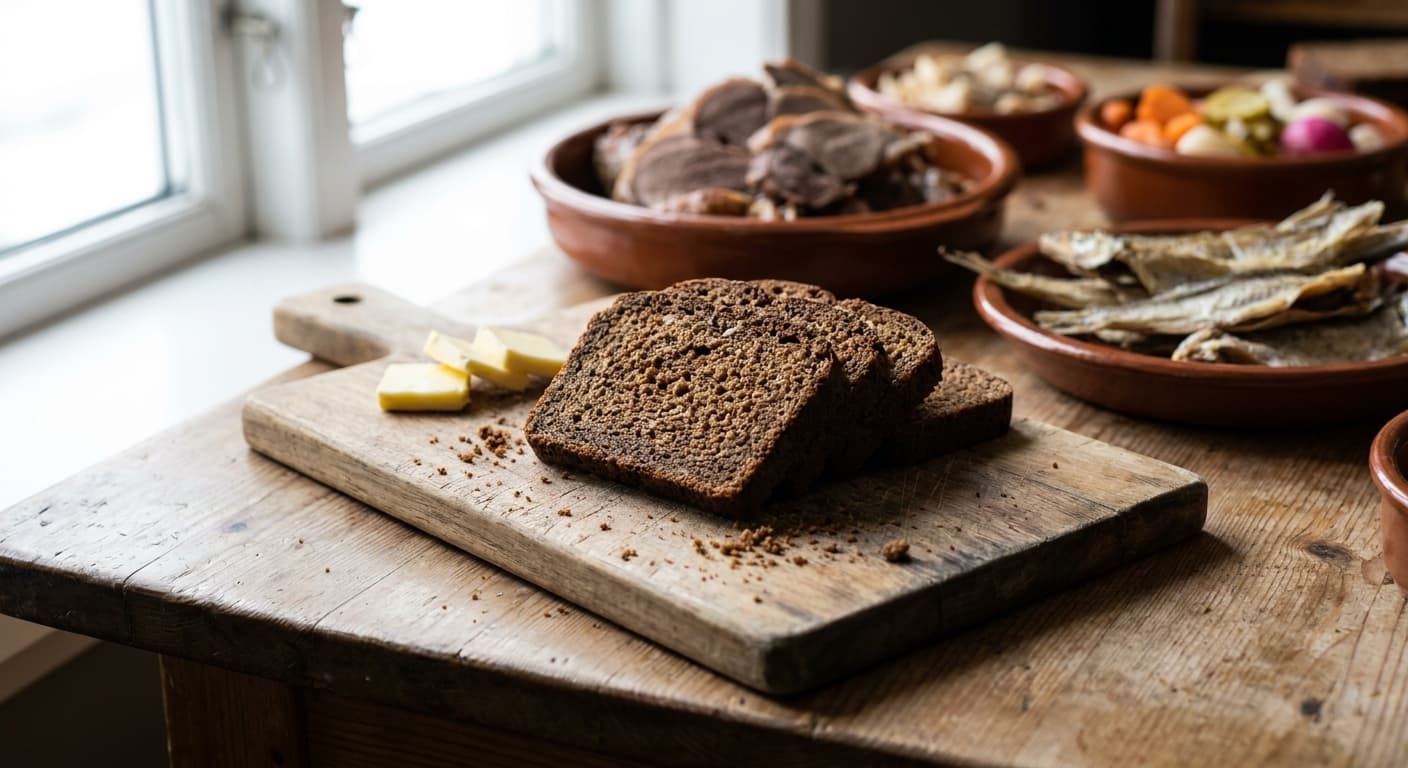
Icelandic Rye Bread (Rúgbrauð) — Dense Geothermal-Style Rye Loaf
Icelandic · Breads · 440 min
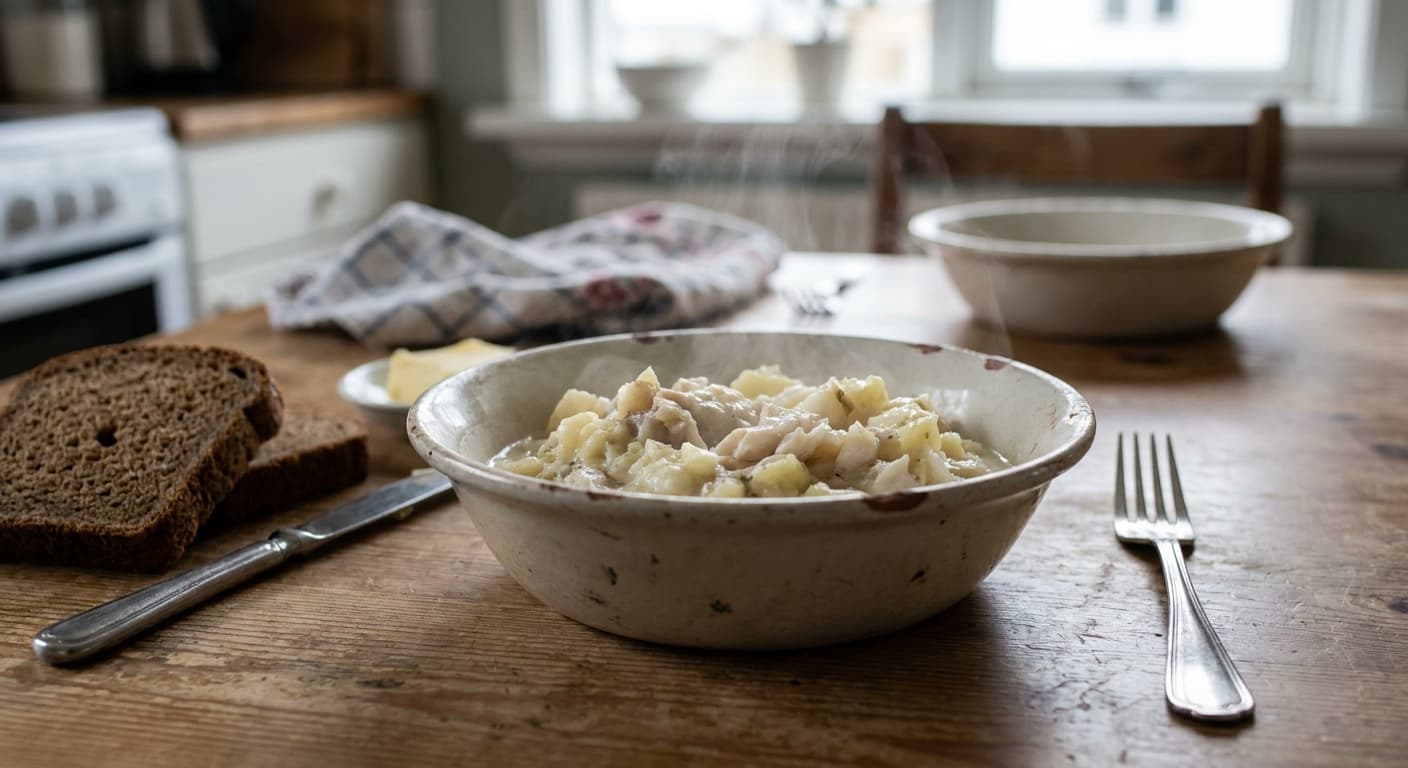
Icelandic Fish Stew (Plokkfiskur) — Creamy Cod and Potato Mash
Icelandic · Stews · 55 min
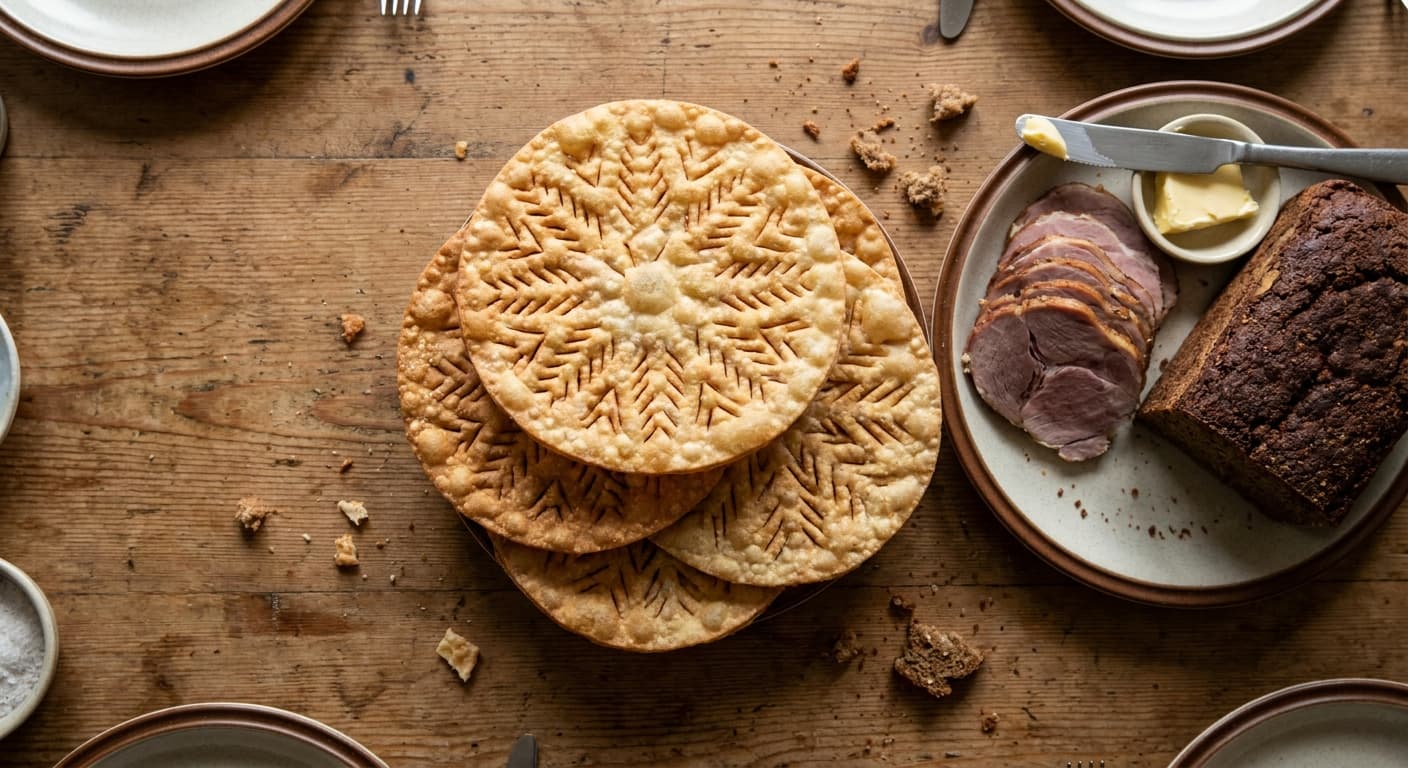
Leaf Bread (Laufabrauð) — Crisp Icelandic Christmas Flatbread
Icelandic · Breads · 100 min
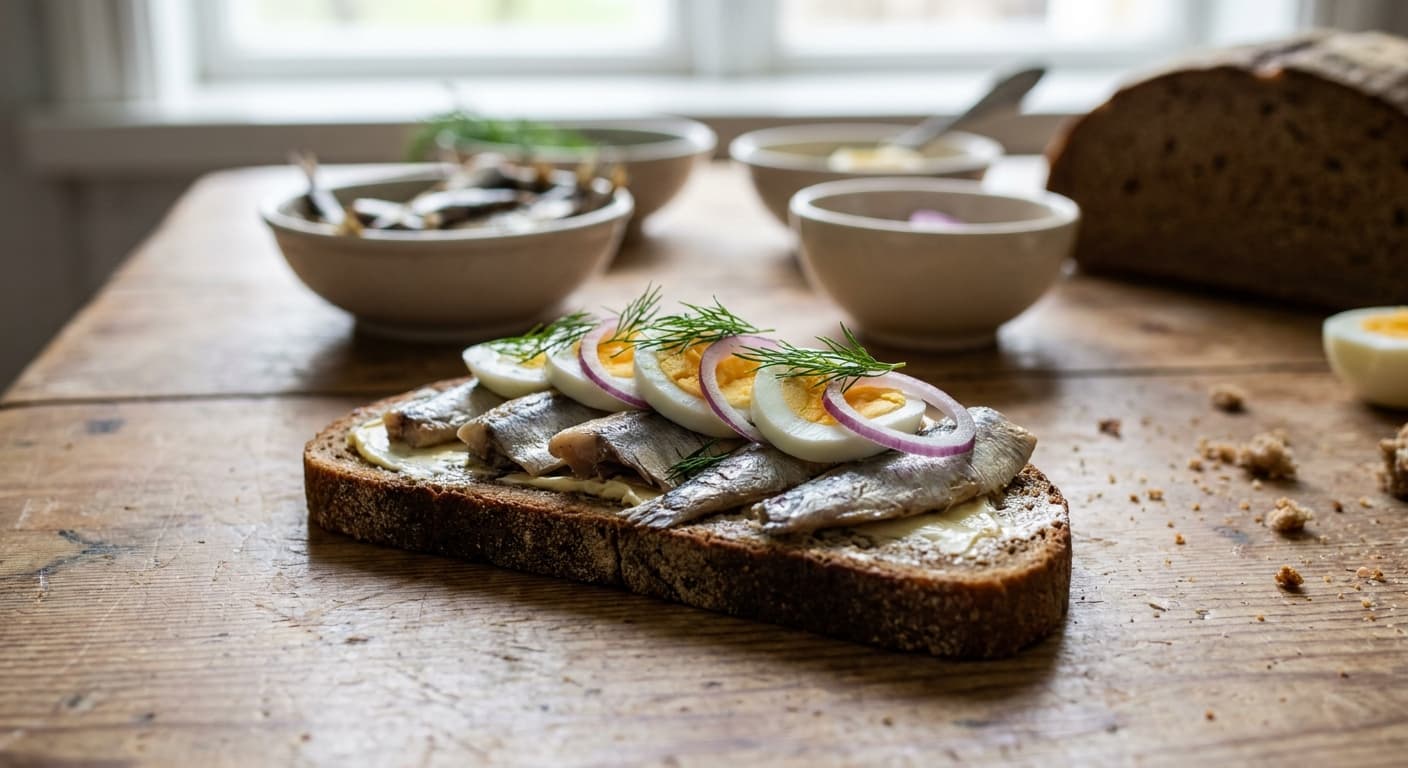
Sprat Sandwich (Kiluvõileib) — Estonian Rye and Baltic Sprat Open-Face
Estonian · Appetizers · 25 min
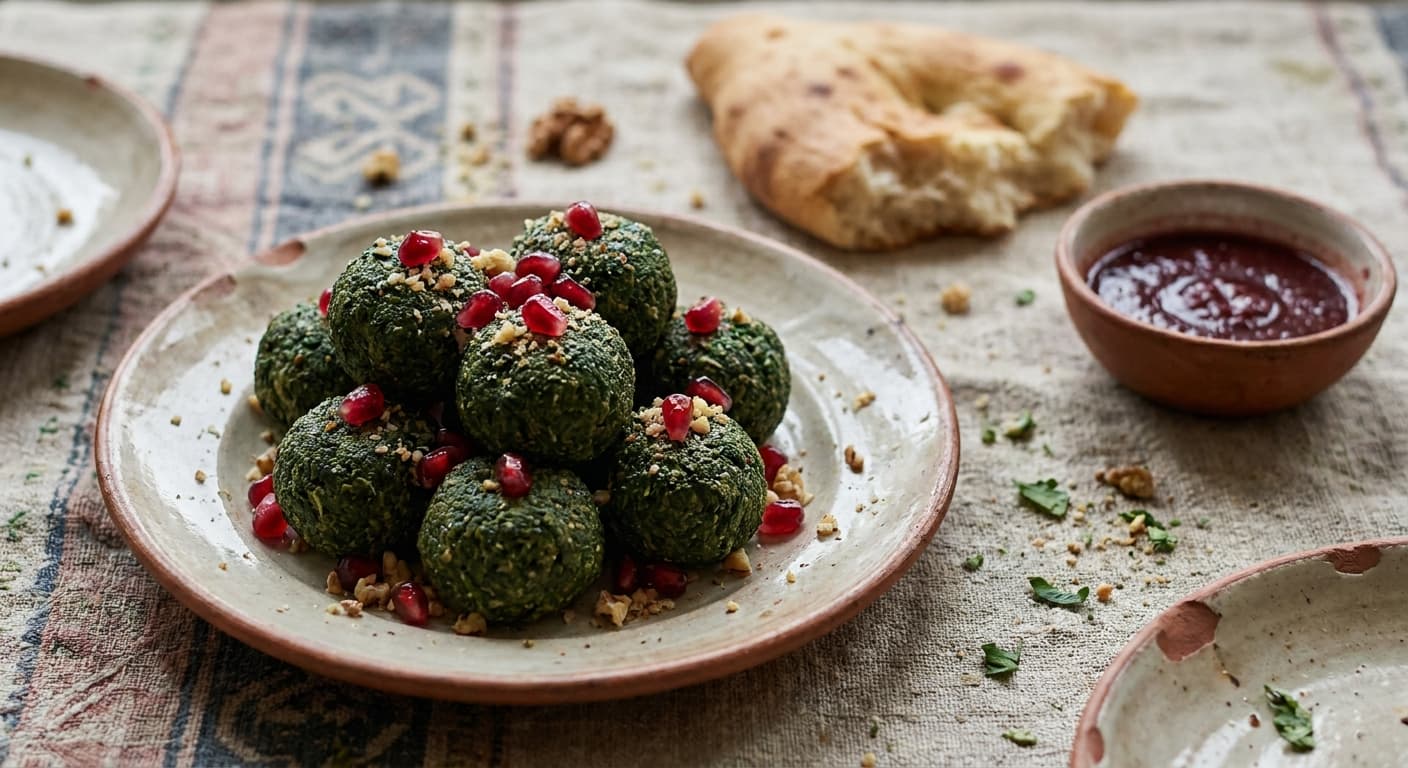
Pkhali (ფხალი) — Georgian Spinach-Walnut Appetizer
Georgian · Appetizers · 35 min
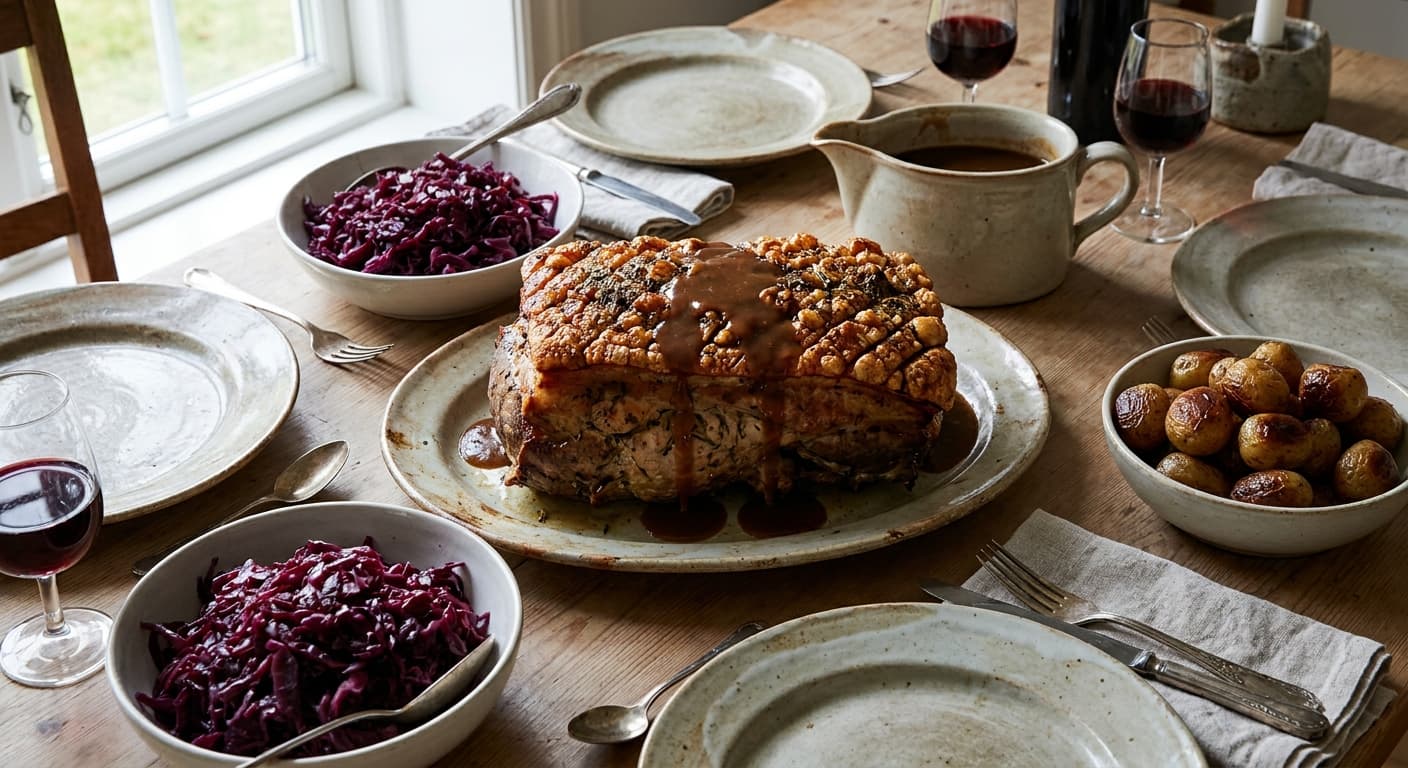
Danish Roast Pork with Crackling (Flæskesteg) — Crisp-Rinded Christmas Pork
Danish · Main Courses · 130 min
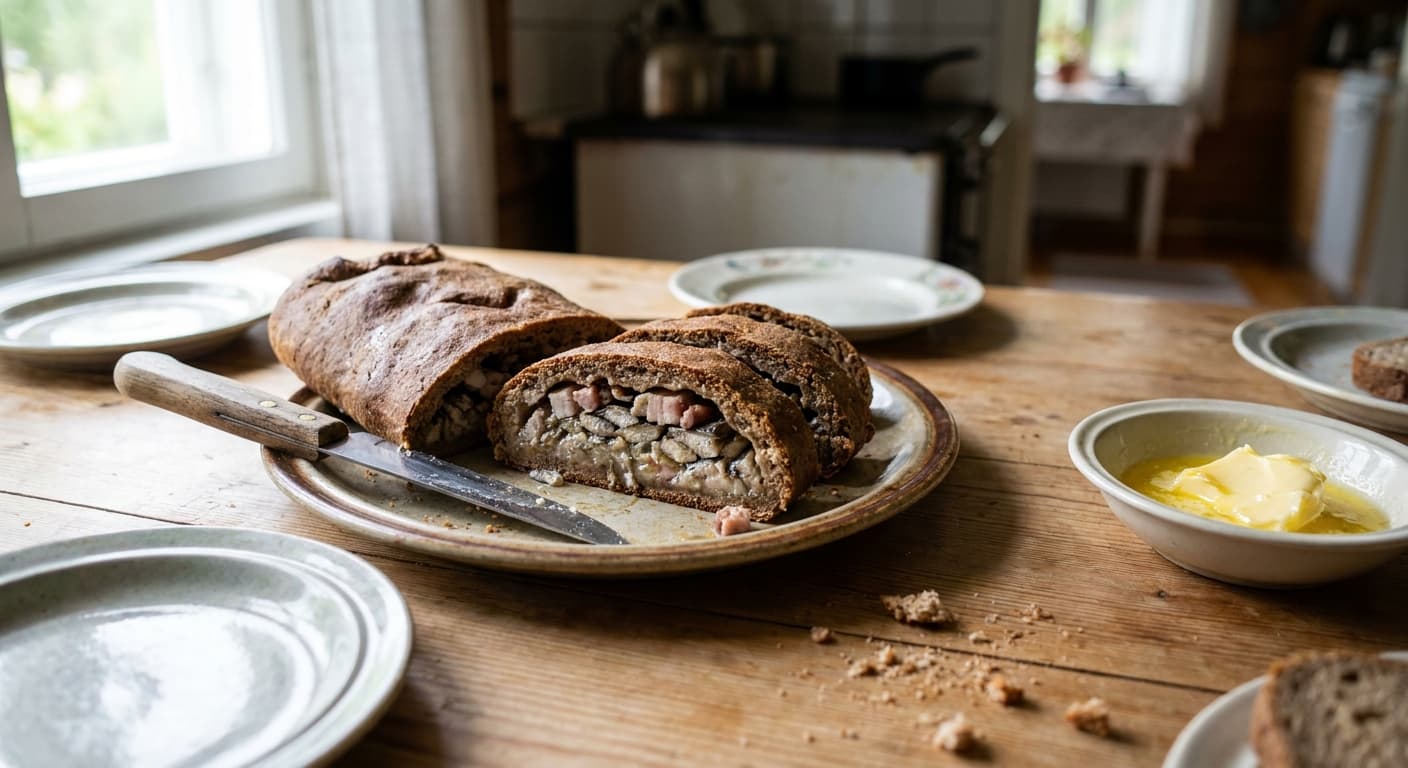
Finnish Fish-Rye Pie (Kalakukko) — Savonian Rye Loaf with Vendace and Pork
Finnish · Main Courses · 405 min
Andean Milk-and-Egg Soup (Pisca andina) — Venezuelan Breakfast Comfort
Venezuelan · Soups · 45 min
Reviews
Cooked this recipe?
Tap the stars to rate it — that's all it takes. A few words are welcome but optional.
No ratings yet. Cooked this one? Be the first to rate it — it takes one tap.