Icelandic Rye Bread (Rúgbrauð) — Dense Geothermal-Style Rye Loaf
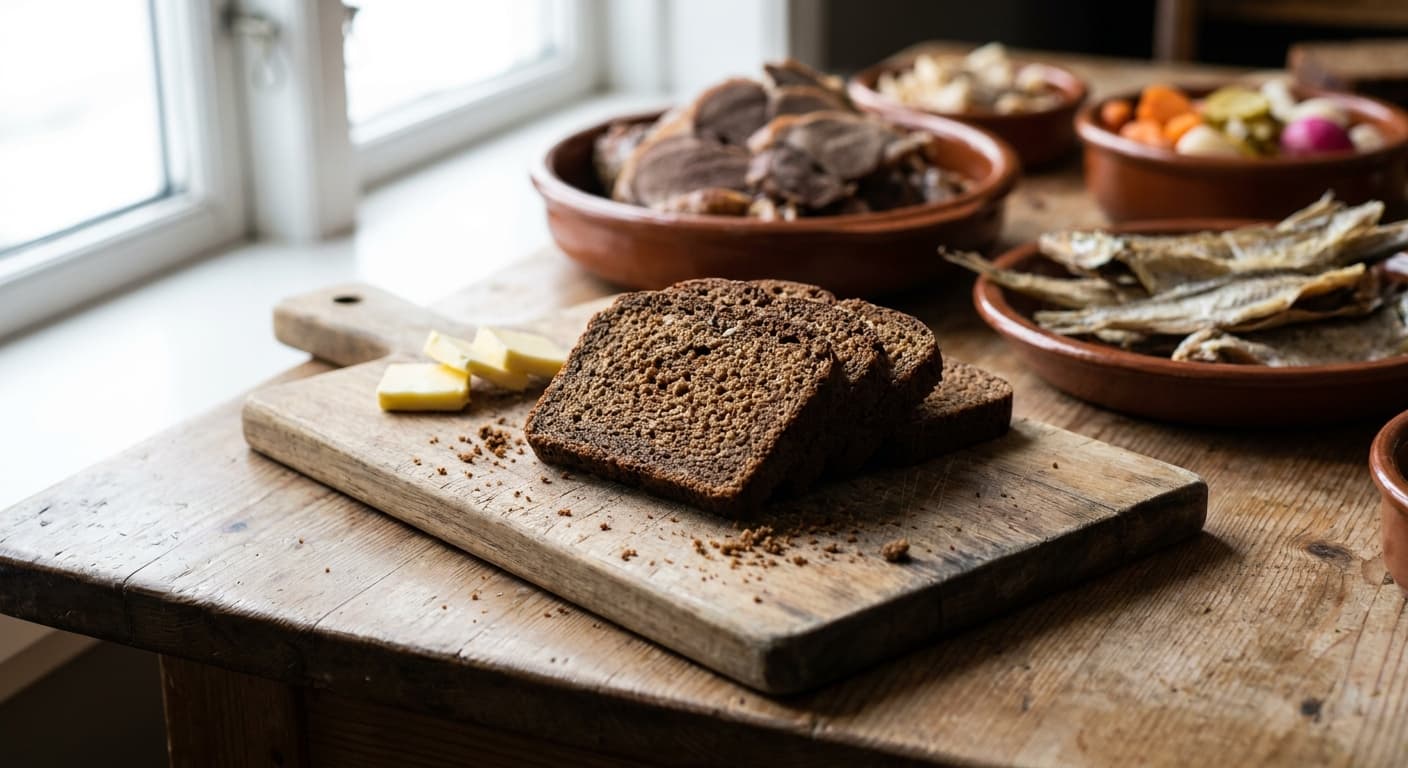
Rúgbrauð is Iceland’s dark, sweet, slow-cooked rye bread, traditionally steamed by geothermal heat. Slice it thin with butter, hangikjöt, plokkfiskur, skyr, or hardfiskur for a deeply Icelandic table.
Printable Recipe Card
Servings: 12 · Total: 440 min · Difficulty: medium
Ingredients (quick list)
- 450 g dark rye flour
- 150 g whole wheat flour
- 2 tsp baking soda
- 1.5 tsp baking powder
- 1.25 tsp fine sea salt
- 600 ml cultured buttermilk (use Icelandic-style soured milk if available)
- 120 g dark molasses
- 60 g packed dark brown sugar
- 10 g unsalted butter (for greasing the loaf tin)
- 1 sheet parchment paper
- 1 sheet aluminum foil (for tightly sealing the tin if it has no lid)
- 1.5 l boiling water
Steps (summary)
- Heat the oven to 100°C / 212°F and position a rack in the lower third. Grease a 900 g loaf tin or 1.5 l lidded pudding mold wit…
- In a large mixing bowl, whisk together the dark rye flour, whole wheat flour, baking soda, baking powder, and salt until the le…
- In a second bowl, whisk the cultured buttermilk, molasses, and dark brown sugar until the sugar is mostly dissolved. The acidit…
- Pour the wet mixture into the dry ingredients and fold with a spatula just until no dry flour remains. Do not beat the batter,…
- Scrape the batter into the prepared tin and smooth the top with a damp spatula. Seal the tin very tightly with its lid or with…
- Set the sealed tin in a deep roasting pan and pour in 1.5 l boiling water, aiming for the water to come halfway up the side of…
+ 2 more steps in the full instructions section below.
Cultural Background
Rúgbrauð reflects Icelandic adaptation to scarce grain and abundant geothermal heat. As Gunnar Karl Gíslason describes Icelandic food culture in North, rye bread belongs beside fish, dairy, and preserved meats at the family table.
Equipment
💡 Tips
- Use a truly tight seal on the tin; condensation dripping directly onto the batter can create a wet crater in the top of the loaf.
- Let the bread rest overnight before serving if possible, because the rye crumb firms and the molasses flavor becomes rounder.
- Keep the oven low and steady; raising the heat to speed the bake can make the outside dry before the center sets.
⚠️ Common Mistakes
❌ Baking the loaf uncovered.
✅ Fix: Seal the tin tightly with a lid or foil so the bread steams slowly and stays moist.
❌ Slicing the loaf while warm.
✅ Fix: Cool it for at least 6 hours, because hot rye bread tears and seems gummy before the starches set.
❌ Increasing the oven temperature to shorten the bake.
✅ Fix: Keep the oven at 100°C / 212°F and extend the time if needed, since rúgbrauð depends on slow, gentle heat.
🧊 How to Store
Cool the loaf completely, then wrap tightly in parchment and foil. Store at room temperature for 4 days, refrigerate for 7 days, or freeze sliced for 3 months. Rewarm slices briefly in a toaster or covered skillet.
📅 Make Ahead
Bake the rúgbrauð 1 day before serving and keep it wrapped at room temperature. The flavor improves overnight, and the loaf slices more neatly after a full rest.
🍽️ Pairs Well With
- Salted butter
- hangikjöt
- plokkfiskur
- skyr
- hardfiskur
- smoked trout
- strong coffee.
Regional Variations
- In geothermal areas, a sealed pot of batter may be buried in hot earth near a spring and cooked slowly as hverabrauð.
- Some home cooks use golden syrup instead of molasses for a lighter, sweeter loaf.
- Older household versions may include part barley flour, reflecting northern grain traditions and local availability.
Ingredients
- 450 gdark rye flour
- 150 gwhole wheat flour
- 2 tspbaking soda
- 1.5 tspbaking powder
- 1.25 tspfine sea salt
- 600 mlcultured buttermilk (use Icelandic-style soured milk if available)
- 120 gdark molasses
- 60 gpacked dark brown sugar
- 10 gunsalted butter (for greasing the loaf tin)
- 1 sheetparchment paper
- 1 sheetaluminum foil (for tightly sealing the tin if it has no lid)
- 1.5 lboiling water
🔄 Substitutions
- cultured buttermilk→ plain kefir
- dark molasses→ dark treacle
- whole wheat flour→ 150 g bread flour
Instructions
- 1
Heat the oven to 100°C / 212°F and position a rack in the lower third. Grease a 900 g loaf tin or 1.5 l lidded pudding mold with the butter, line the base with parchment paper, and have the foil ready for sealing.
- 2
In a large mixing bowl, whisk together the dark rye flour, whole wheat flour, baking soda, baking powder, and salt until the leavening is evenly dispersed. This even mixing is important because rúgbrauð is dense and will show bitter alkaline streaks if the baking soda clumps.
- 3
In a second bowl, whisk the cultured buttermilk, molasses, and dark brown sugar until the sugar is mostly dissolved. The acidity of the buttermilk activates the soda and gives the bread the mellow tang associated with Icelandic rugbraud.
- 4
Pour the wet mixture into the dry ingredients and fold with a spatula just until no dry flour remains. Do not beat the batter, because overworking the rye paste can make the finished loaf gummy rather than sliceable.
- 5
Scrape the batter into the prepared tin and smooth the top with a damp spatula. Seal the tin very tightly with its lid or with the sheet of foil, crimping it firmly so steam cannot drip onto the surface of the bread.
- 6
Set the sealed tin in a deep roasting pan and pour in 1.5 l boiling water, aiming for the water to come halfway up the side of the tin. Bake for 6.5 to 7 hours, adding 250 ml more boiling water if the level drops below one-third of the tin height; this gentle steam bath mimics the traditional geothermal method used for hverabrauð-style rúgbrauð.
- 7
The bread is done when a skewer comes out with moist crumbs and the center registers about 96°C / 205°F. Remove the tin from the water bath, keep it sealed for 30 minutes, then uncover and cool the loaf completely on a rack for at least 6 hours before slicing.
- 8
Slice the rúgbrauð thinly, because its sweetness and density are part of its character. Serve it with salted butter, smoked hangikjöt, creamy plokkfiskur, skyr, or hardfiskur for a traditional Icelandic meal.
🪪 Recipe Passport
Cultural Background
Rúgbrauð reflects Icelandic adaptation to scarce grain and abundant geothermal heat. As Gunnar Karl Gíslason describes Icelandic food culture in North, rye bread belongs beside fish, dairy, and preserved meats at the family table.
Regional Variations
Researched from multiple sources and validated by the Zaffaron editorial team. Every recipe is tested for accuracy, measurements, and cultural authenticity.
📚 Sources & Cultural References
- Gunnar Karl Gíslason and Jody Eddy — North: The New Nordic Cuisine of Iceland — (2014)
Sources cited by the Zaffaron editorial team during recipe research. Cultural and culinary references supporting authenticity claims.
Nutrition per serving
Pairs well with
If you enjoyed this recipe, here are a few related Zaffaron recipes to try next.
Does your family make this differently?
Every family has their own version. Maybe your grandmother adds a secret ingredient, or your aunt has a completely different technique. Preserve your family's version — with their name on it, forever.
You Might Also Like
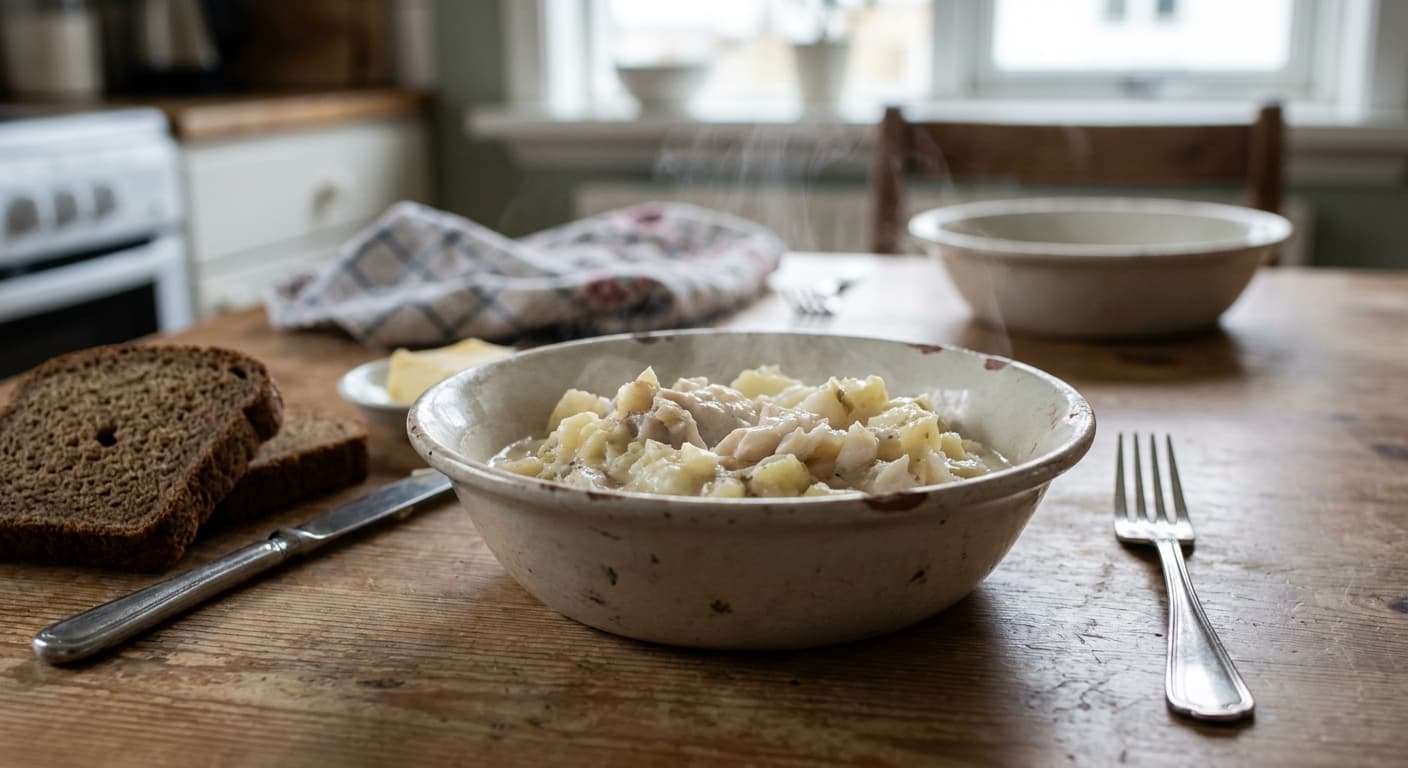
Icelandic Fish Stew (Plokkfiskur) — Creamy Cod and Potato Mash
Icelandic · Stews · 55 min
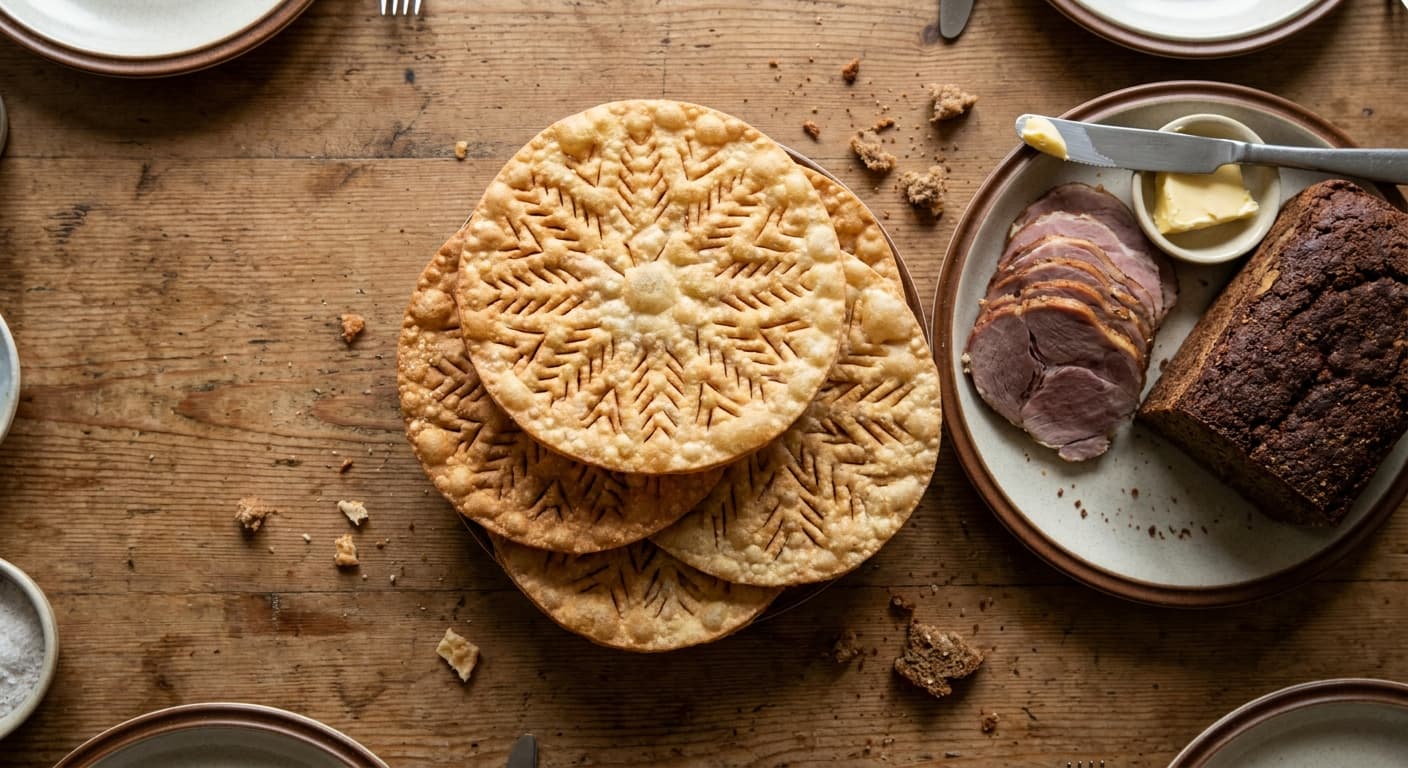
Leaf Bread (Laufabrauð) — Crisp Icelandic Christmas Flatbread
Icelandic · Breads · 100 min
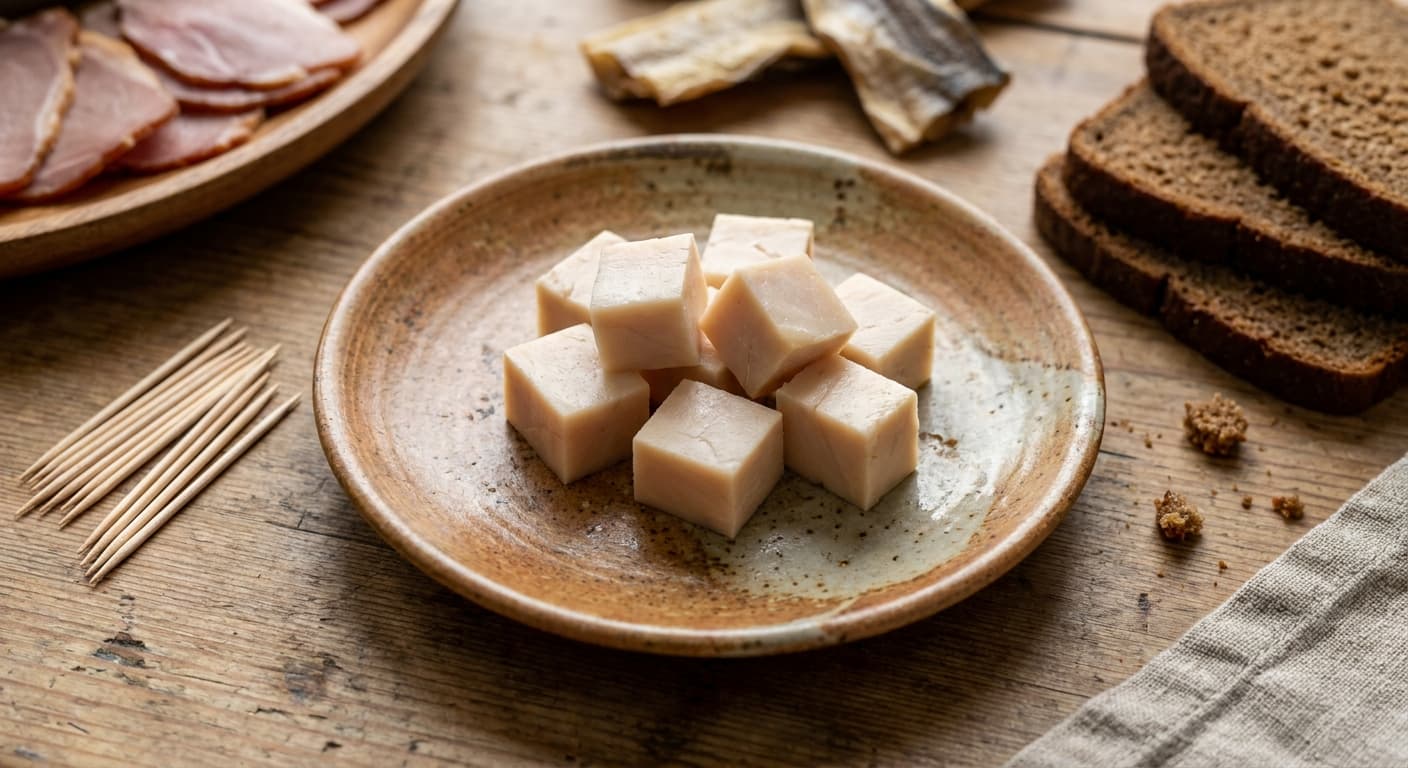
Hákarl (Hákarl) — Icelandic Fermented Shark Bites
Icelandic · Appetizers · 15 min
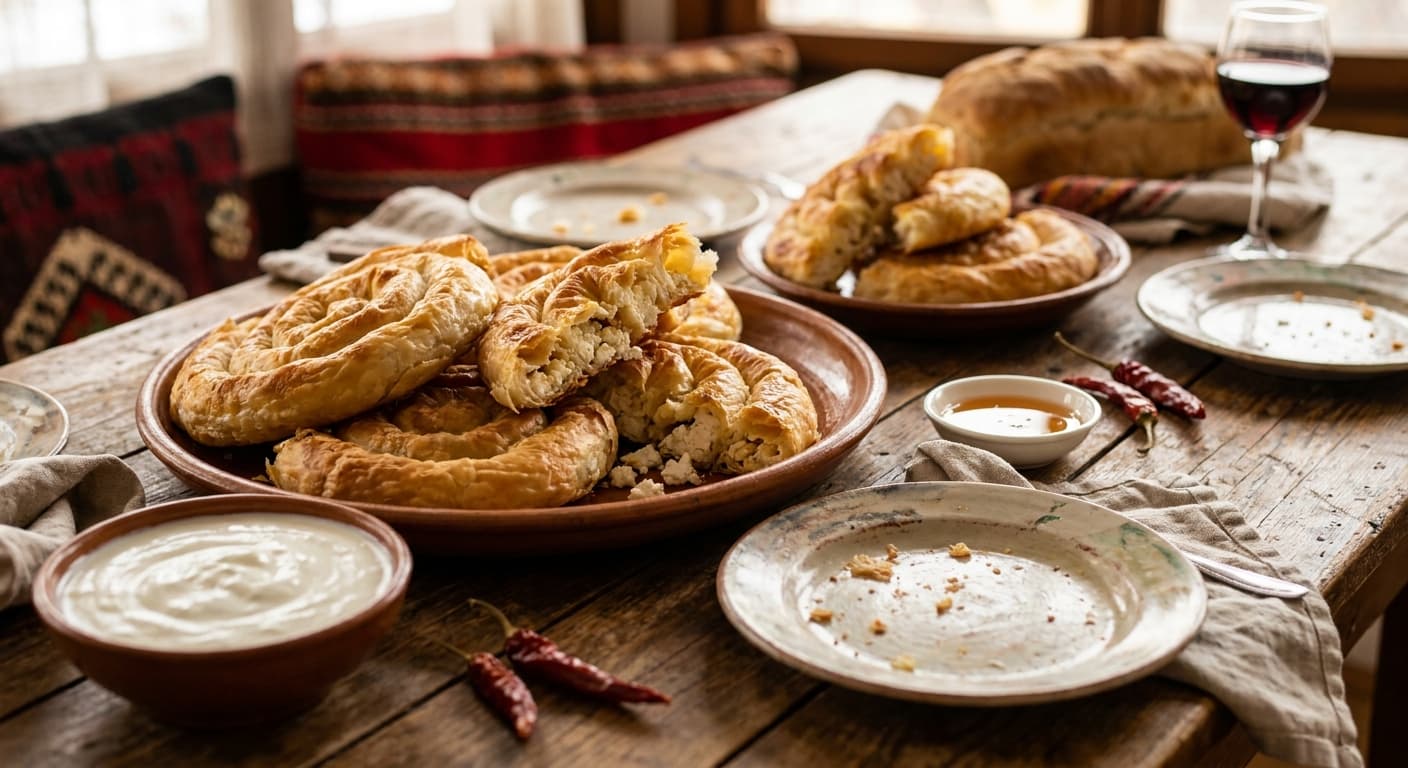
Bulgarian Banitsa (Баница) — Flaky Sirene-Filled Phyllo Pie
Bulgarian · Breads · 68 min
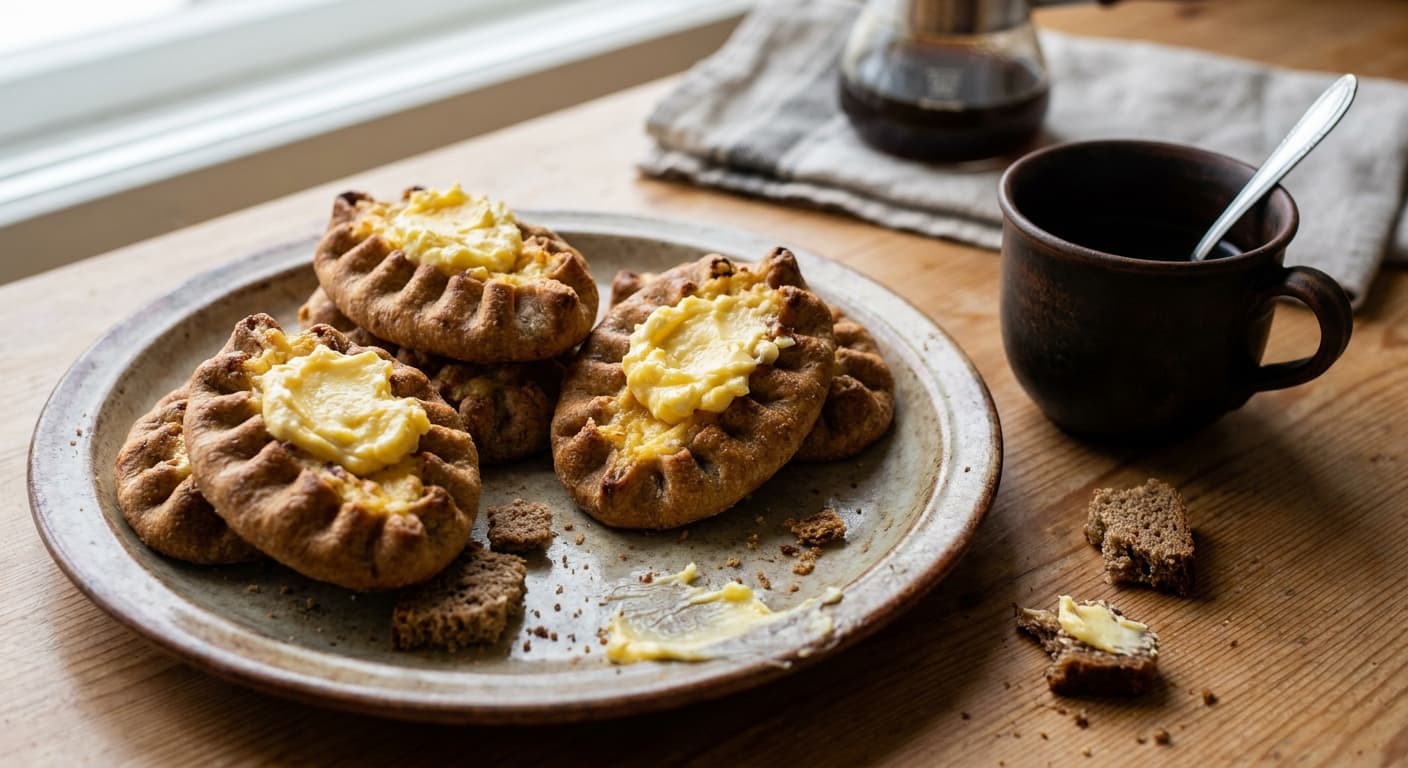
Karelian Pasties (Karjalanpiirakka) — Rye Crusts Filled with Rice Porridge
Finnish · Breads · 115 min
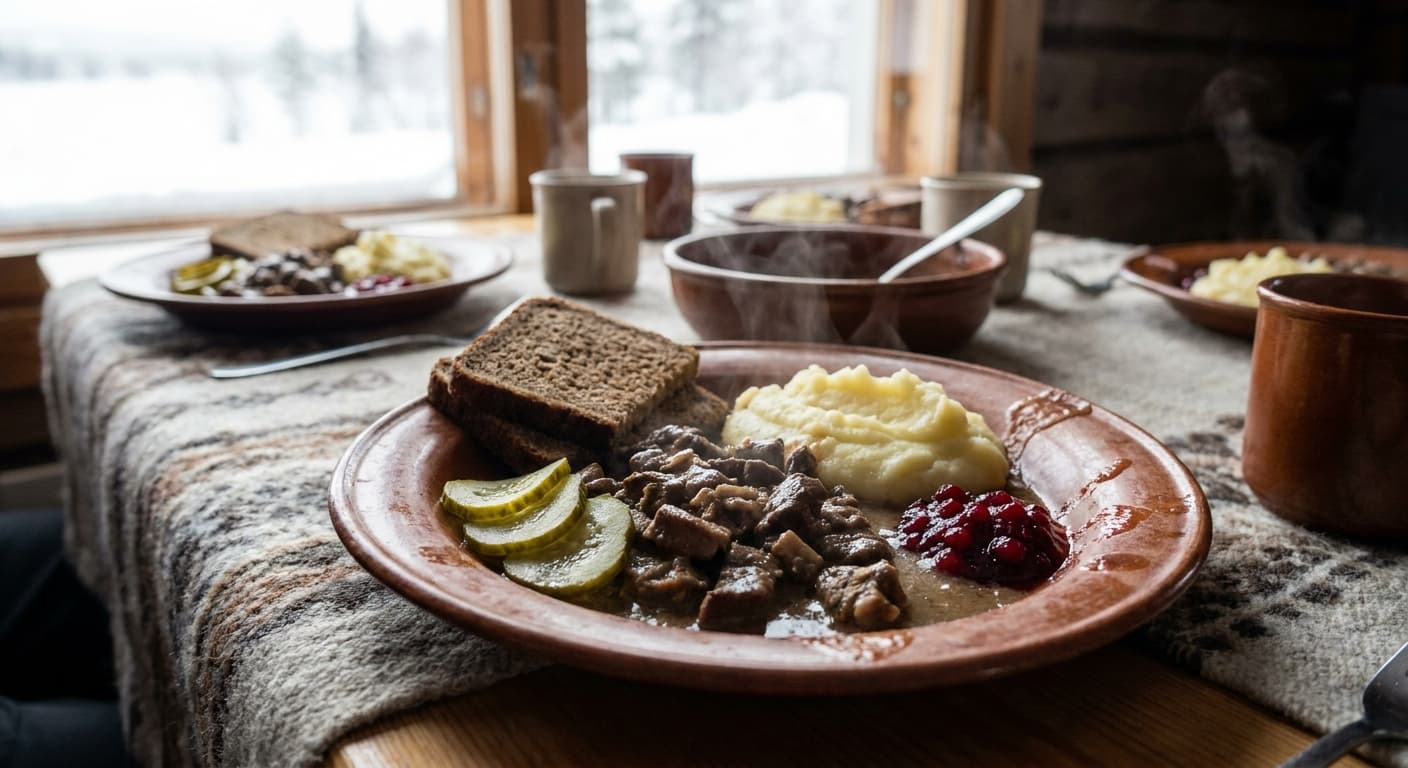
Sautéed Reindeer (Poronkäristys) — Finnish Lapland Comfort Plate
Finnish · Main Courses · 70 min
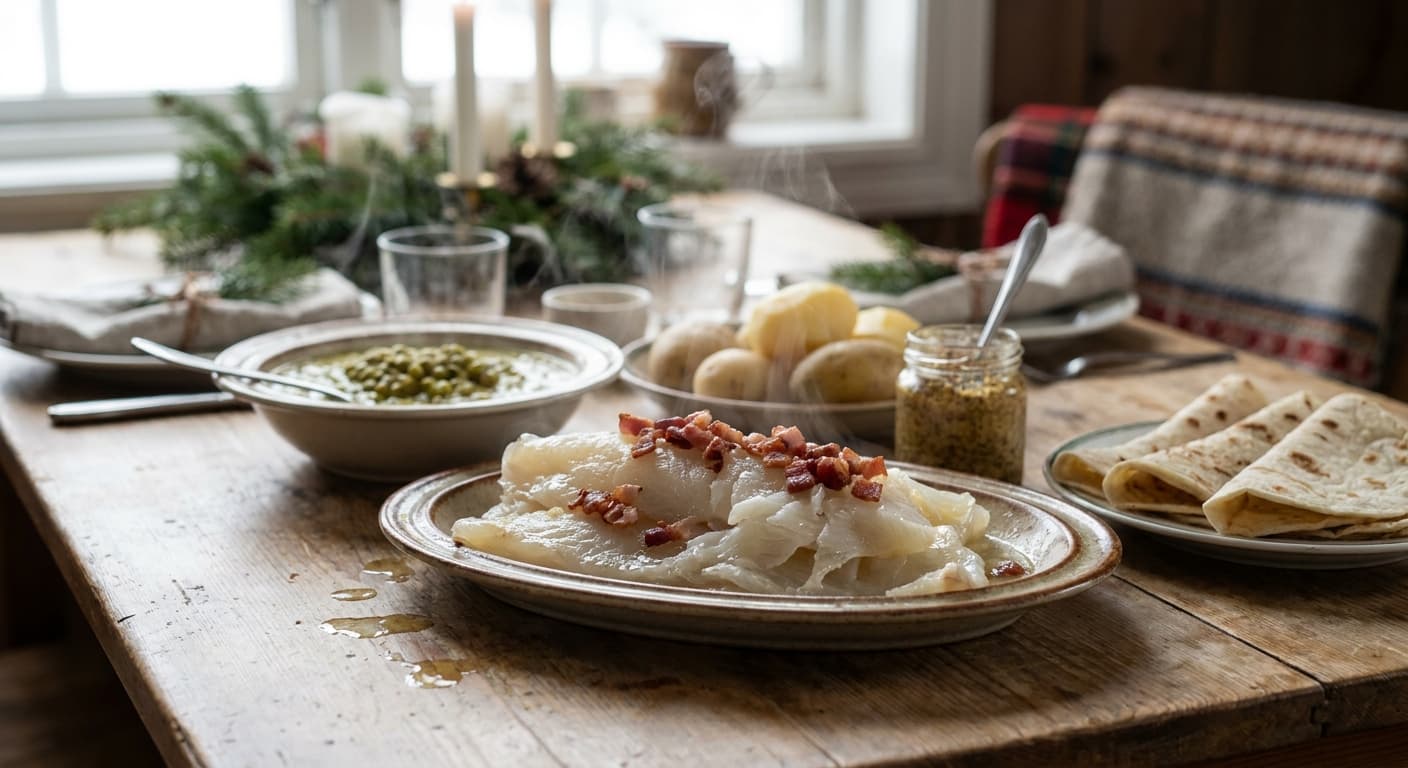
Lutefisk (lutefisk) — Lye-Cured Cod with Potatoes and Pea Stew
Norwegian · Main Courses · 90 min
Rye Bread and Beer Porridge (Øllebrød) — Traditional Danish Breakfast
Danish · Main Courses · 65 min
Reviews
Cooked this recipe?
Tap the stars to rate it — that's all it takes. A few words are welcome but optional.
No ratings yet. Cooked this one? Be the first to rate it — it takes one tap.