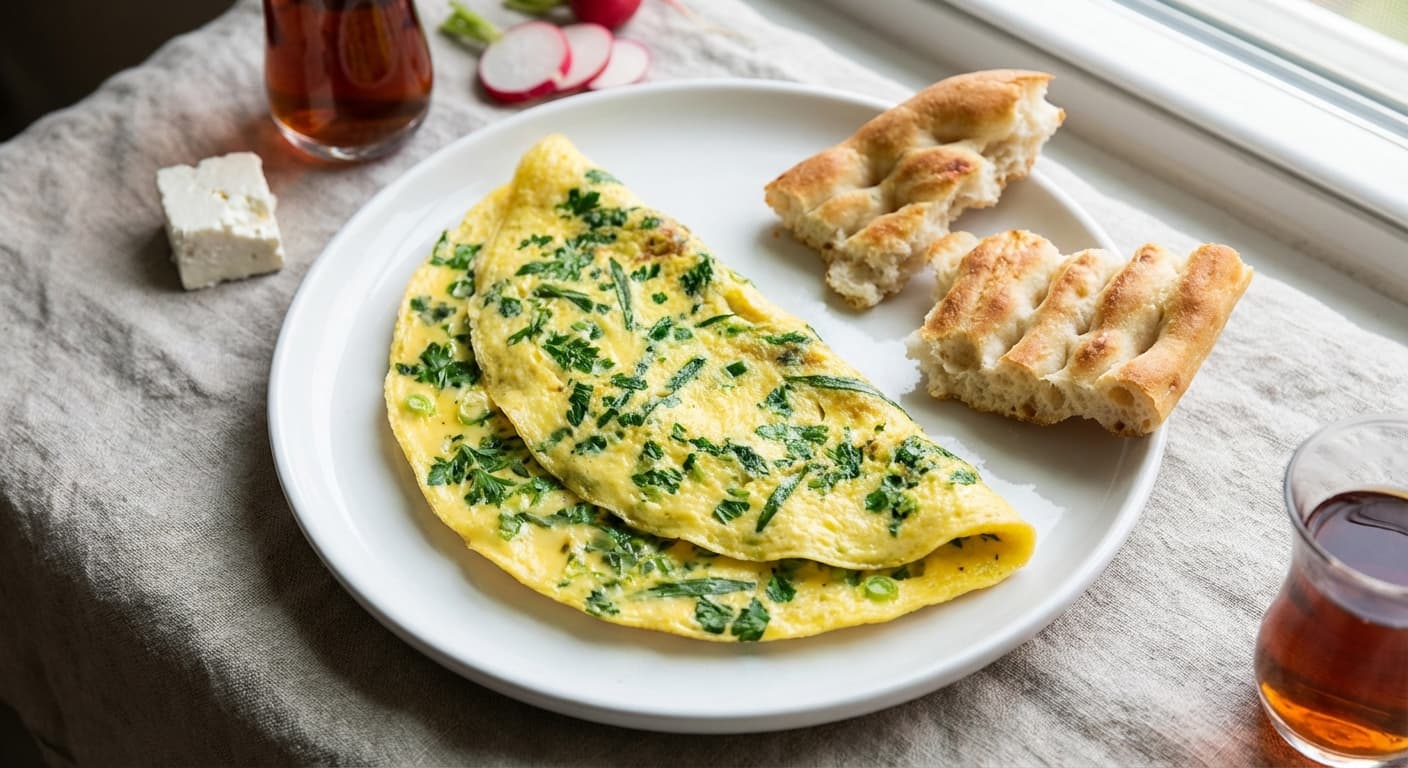
Herb Omelette (املت سبزی) — Fluffy Persian breakfast with fresh herbs
A cornerstone of Persian breakfasts, Omelet-e Sabzi highlights fresh herbs folded into softly set eggs. Parsley, tarragon, and green onions perfume the omelette, making it bright, savory, and comforting.
Printable Recipe Card
Servings: 2 · Total: 18 min · Difficulty: easy
Ingredients (quick list)
- 6 Large eggs (about 300 g without shells)
- 60 ml Whole milk (for a softer, fluffier curd)
- 3 g Sea salt (about 1/2 tsp)
- 1 g Black pepper (about 1/2 tsp, freshly ground)
- 40 g Fresh parsley, finely chopped
- 10 g Fresh tarragon leaves, finely chopped (remove tough stems)
- 30 g Green onions, thinly sliced (white and green parts)
- 30 ml Vegetable oil (about 2 tbsp, divided)
Steps (summary)
- Chop the parsley and tarragon finely, then slice the green onions thinly so they distribute evenly. Pat the herbs dry if they a…
- Crack the eggs into a bowl and add the milk, salt, and black pepper. Whisk briskly for 30–45 seconds until the mixture looks un…
- Fold the chopped parsley, tarragon, and green onions into the egg mixture until evenly suspended. Let the bowl rest for 2 minut…
- Heat a 24–26 cm nonstick skillet over medium heat for 1 minute, then add 15 ml of the oil and swirl to coat. The oil should shi…
- Pour in the herb-egg mixture and immediately reduce the heat to medium-low. Use a silicone spatula to gently pull the edges tow…
- Cover the pan with a lid and cook for 3–4 minutes until the top is mostly set but still slightly glossy in the center. Drizzle…
+ 1 more steps in the full instructions section below.
Cultural Background
Omelet-e Sabzi reflects the Persian love of fresh herbs at the table, echoing the sabzi khordan platter served with many meals. As a quick breakfast, it turns everyday eggs into something fragrant and distinctly Iranian.
Equipment
💡 Tips
- For the cleanest herb flavor, chop herbs very finely and keep the pan at medium-low once the eggs go in.
- If you like a thicker, frittata-style omelette, use a smaller 22 cm pan and add 1 extra minute under the lid.
- Whisk only until foamy and uniform; over-whisking can make the omelette tougher as it cooks.
⚠️ Common Mistakes
❌ Cooking on high heat so the omelette browns fast and stays wet inside.
✅ Fix: Start on medium, then drop to medium-low after pouring in the eggs and finish covered for gentle setting.
❌ Using wet herbs, leading to watery pockets and a spongy texture.
✅ Fix: Wash herbs ahead, spin or pat dry thoroughly, and chop finely before mixing.
❌ Overcooking until the eggs turn rubbery.
✅ Fix: Stop when the center is just slightly glossy and let carryover heat finish during a 1-minute rest.
🧊 How to Store
Cool leftovers within 1 hour, then refrigerate in an airtight container for up to 2 days. Reheat gently in a covered skillet over low heat for 2–3 minutes, or microwave at 600W for 45–60 seconds to avoid rubbery eggs.
📅 Make Ahead
Chop the herbs up to 24 hours ahead and refrigerate them wrapped in a paper towel inside a sealed container. Whisk the eggs and milk up to 2 hours ahead, then combine with herbs right before cooking.
🍽️ Pairs Well With
- Barbari bread
- feta cheese
- fresh herbs platter (sabzi khordan)
- walnuts
- tomatoes and cucumbers
- hot black tea.
Regional Variations
- Northern-style: add 20 g chopped cilantro and 5 g dried mint for a brighter, greener profile.
- Tehran home-style: include 1 grated garlic clove (about 3 g) whisked into the eggs for extra savoriness.
- Kuku-inspired: increase herbs to 120 g total and cook thicker under the lid for a more set, sliceable omelette.
Ingredients
- 6Large eggs (about 300 g without shells)
- 60 mlWhole milk (for a softer, fluffier curd)
- 3 gSea salt (about 1/2 tsp)
- 1 gBlack pepper (about 1/2 tsp, freshly ground)
- 40 gFresh parsley, finely chopped
- 10 gFresh tarragon leaves, finely chopped (remove tough stems)
- 30 gGreen onions, thinly sliced (white and green parts)
- 30 mlVegetable oil (about 2 tbsp, divided)
🔄 Substitutions
- Fresh tarragon→ Fresh dill
- Whole milk→ Water
- Vegetable oil→ Ghee
Instructions
- 1
Chop the parsley and tarragon finely, then slice the green onions thinly so they distribute evenly. Pat the herbs dry if they are wet, because excess water can make the omelette weep and turn dense.
- 2
Crack the eggs into a bowl and add the milk, salt, and black pepper. Whisk briskly for 30–45 seconds until the mixture looks uniform and slightly foamy, which helps the omelette set up light.
- 3
Fold the chopped parsley, tarragon, and green onions into the egg mixture until evenly suspended. Let the bowl rest for 2 minutes so the herbs start to perfume the eggs and the foam stabilizes.
- 4
Heat a 24–26 cm nonstick skillet over medium heat for 1 minute, then add 15 ml of the oil and swirl to coat. The oil should shimmer but not smoke, because too-high heat browns the outside before the center sets.
- 5
Pour in the herb-egg mixture and immediately reduce the heat to medium-low. Use a silicone spatula to gently pull the edges toward the center for about 45 seconds, allowing uncooked egg to flow into the gaps while keeping the curds tender.
- 6
Cover the pan with a lid and cook for 3–4 minutes until the top is mostly set but still slightly glossy in the center. Drizzle the remaining 15 ml oil around the edge to help release and to keep the omelette moist.
- 7
To finish, either fold the omelette in half or slide it onto a plate and flip it back into the pan to set the top for 30–45 seconds. Remove from heat and rest for 1 minute before slicing, because carryover heat finishes the center without drying it.
🪪 Recipe Passport
Cultural Background
Omelet-e Sabzi reflects the Persian love of fresh herbs at the table, echoing the sabzi khordan platter served with many meals. As a quick breakfast, it turns everyday eggs into something fragrant and distinctly Iranian.
Regional Variations
Researched from multiple sources and validated by the Zaffaron editorial team. Every recipe is tested for accuracy, measurements, and cultural authenticity.
Nutrition per serving
Pairs well with
If you enjoyed this recipe, here are a few related Zaffaron recipes to try next.
Does your family make this differently?
Every family has their own version. Maybe your grandmother adds a secret ingredient, or your aunt has a completely different technique. Preserve your family's version — with their name on it, forever.
You Might Also Like
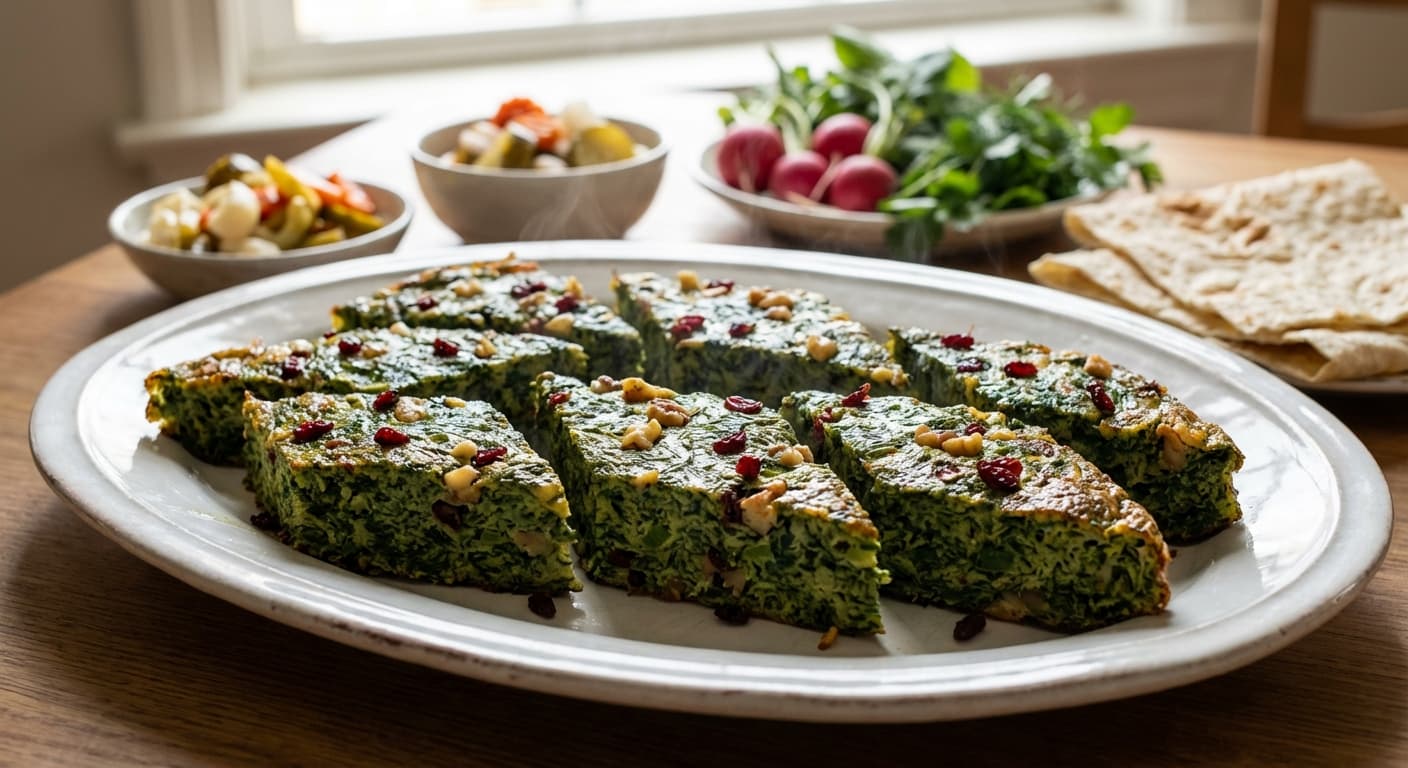
Kuku Sabzi (کوکو سبزی) — Emerald Persian Herb Frittata
Persian · Main Courses · 38 min
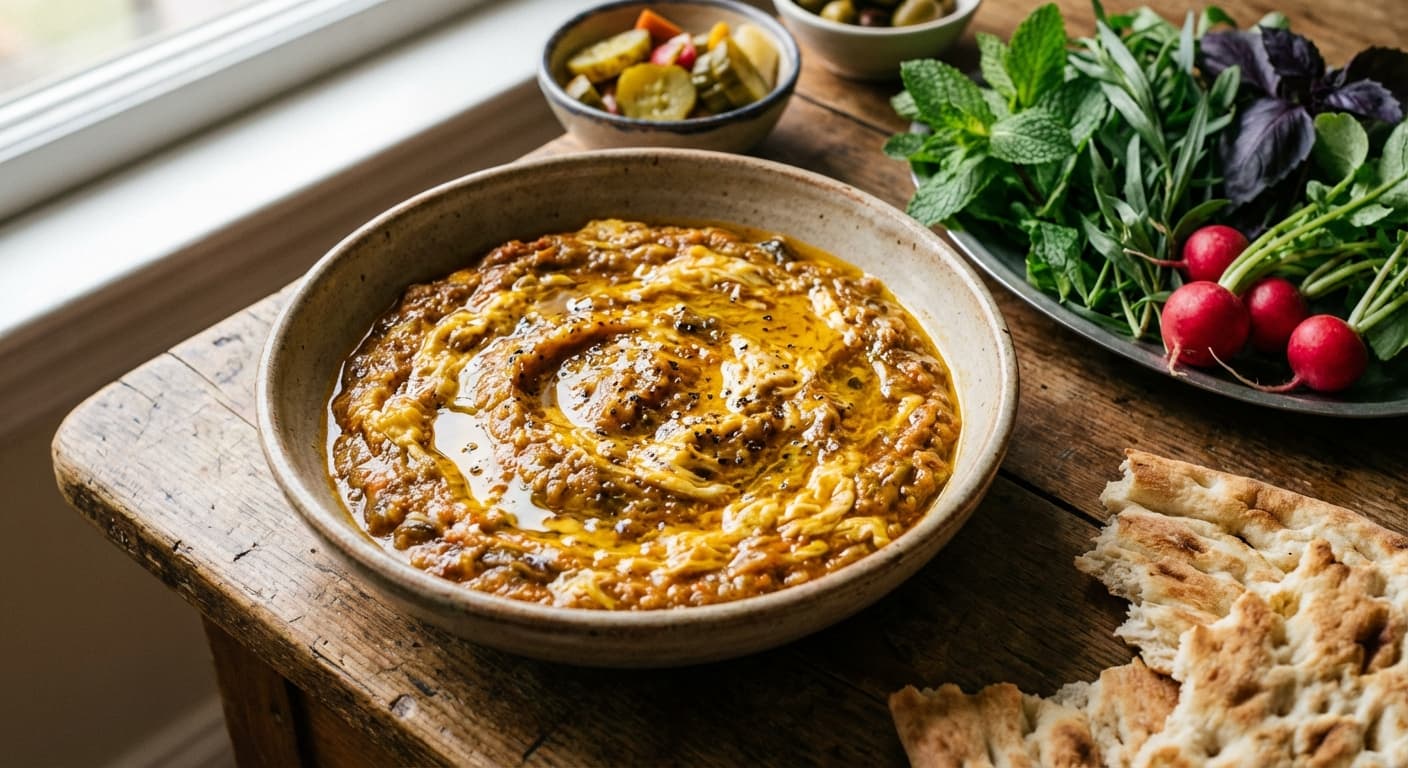
Smoked Silk Mirza Ghasemi (میرزا قاسمی) — Silky smoked eggplant with tomato, garlic, and eggs
Persian · Appetizers · 60 min
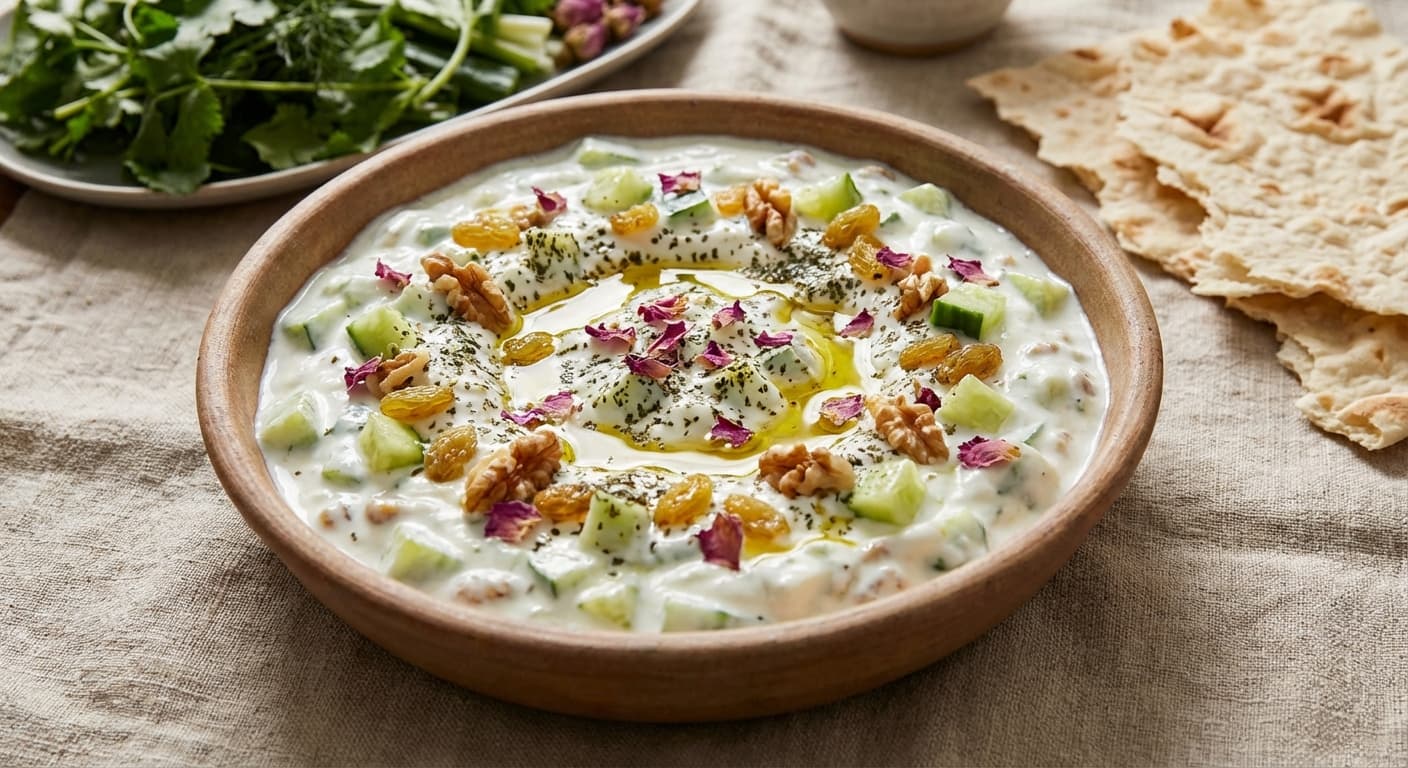
Mast-o-Khiar (ماست و خیار) — Persian Cucumber and Herb Yogurt Dip
Persian · Side Dishes · 25 min
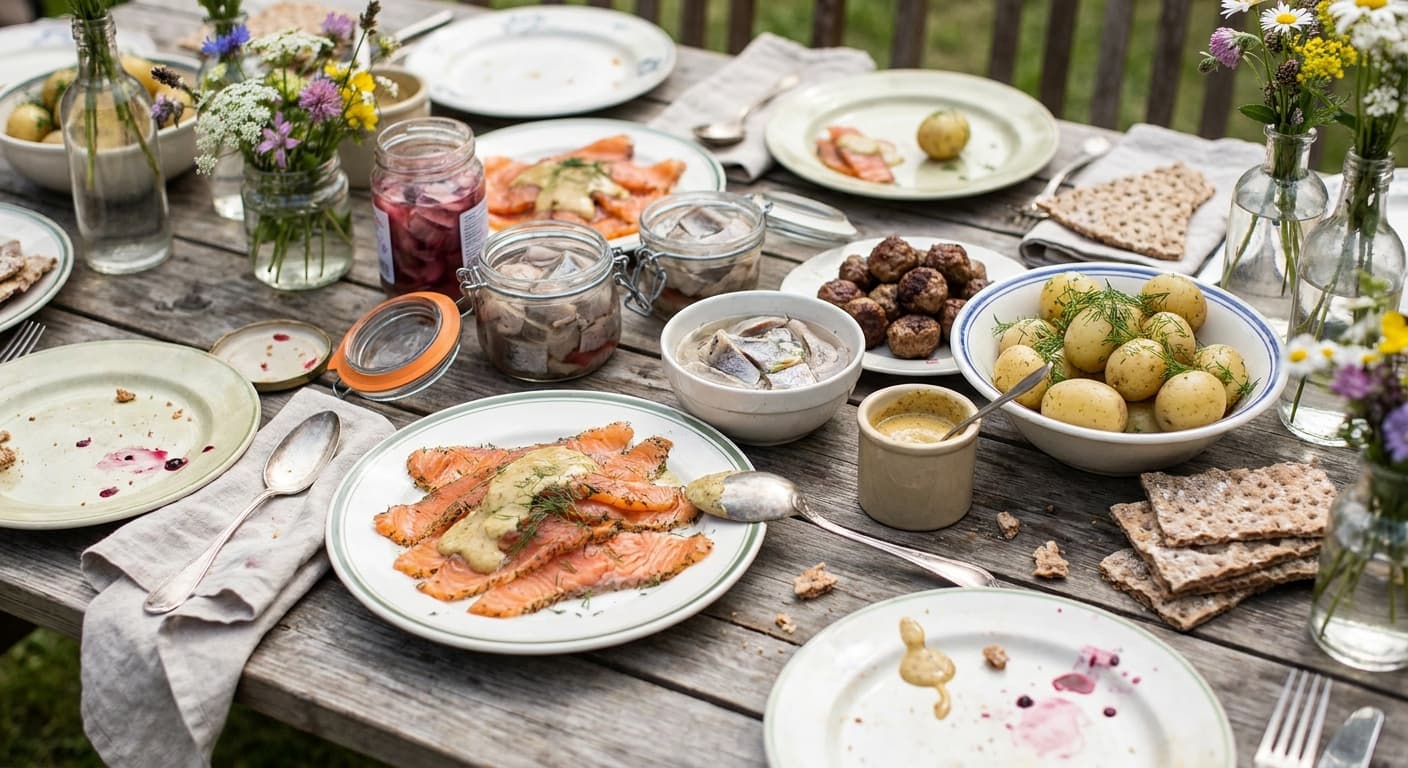
Swedish Smörgåsbord (Smörgåsbord) — Classic Buffet with Gravlax, Sill, and Köttbullar
Swedish · Main Courses · 115 min
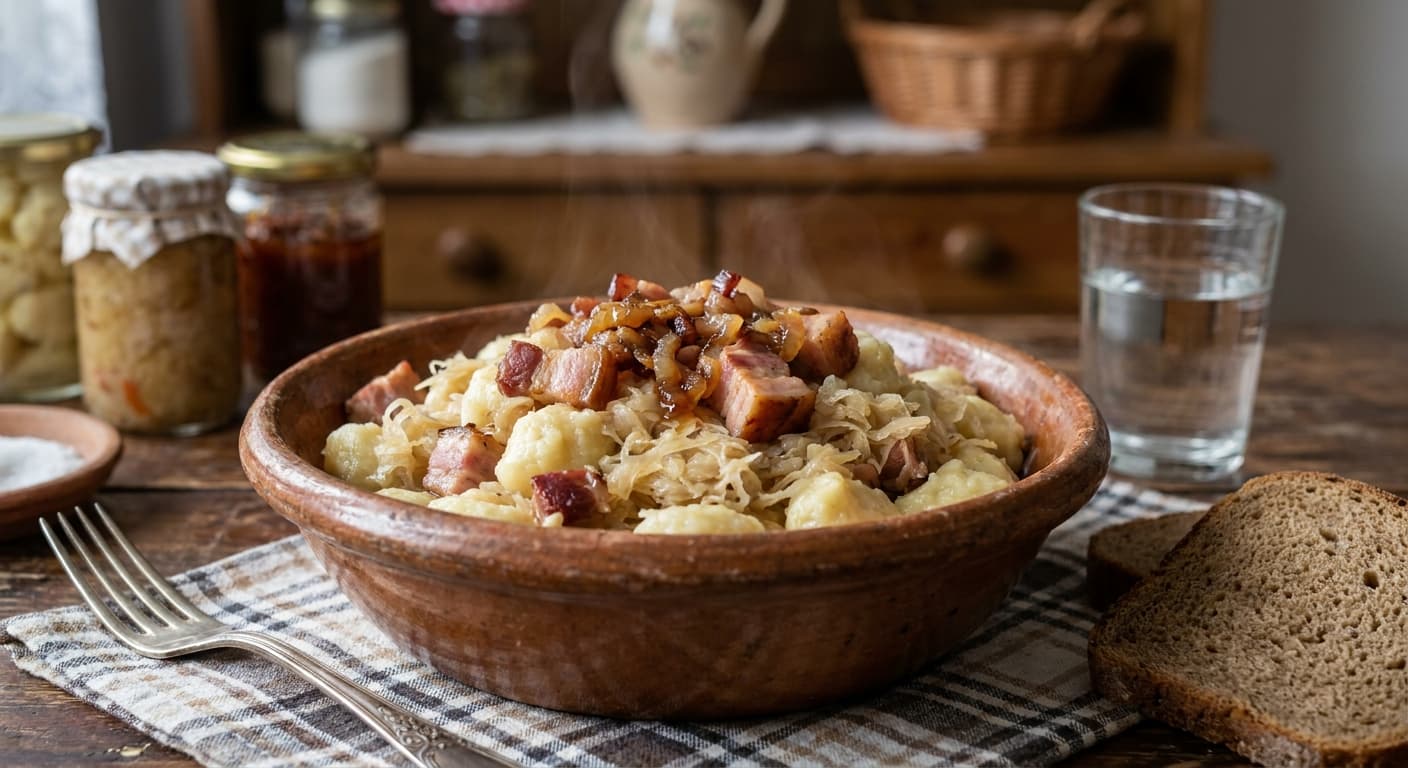
Potato Dumplings with Smoked Meat (Strapačky s údeným mäsom) — Rustic Slovak Halušky with Sauerkraut
Slovak · Main Courses · 70 min
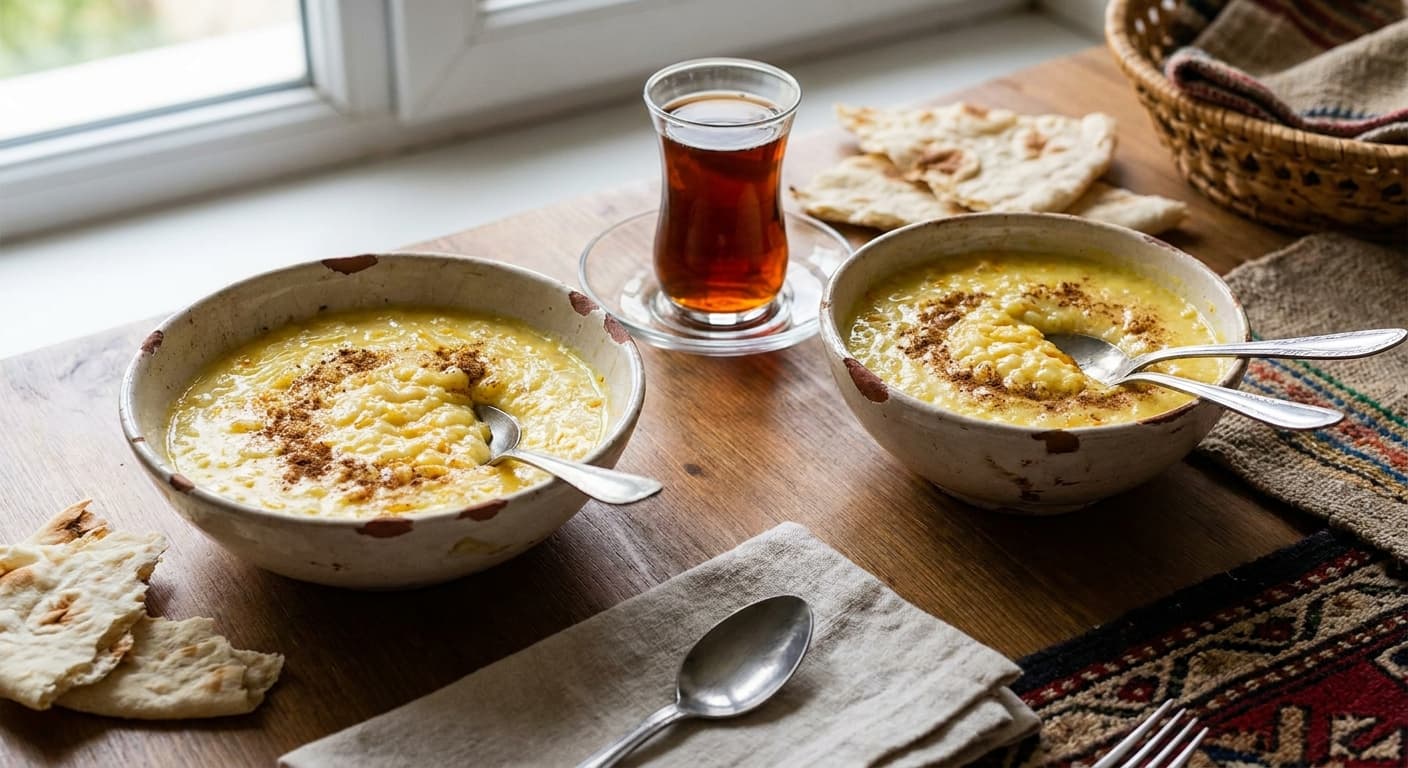
Azerbaijani Milk-Rice Porridge (Südlü Sıyıq) — Creamy Breakfast Rice with Saffron
Azerbaijani · Rice Dishes · 50 min
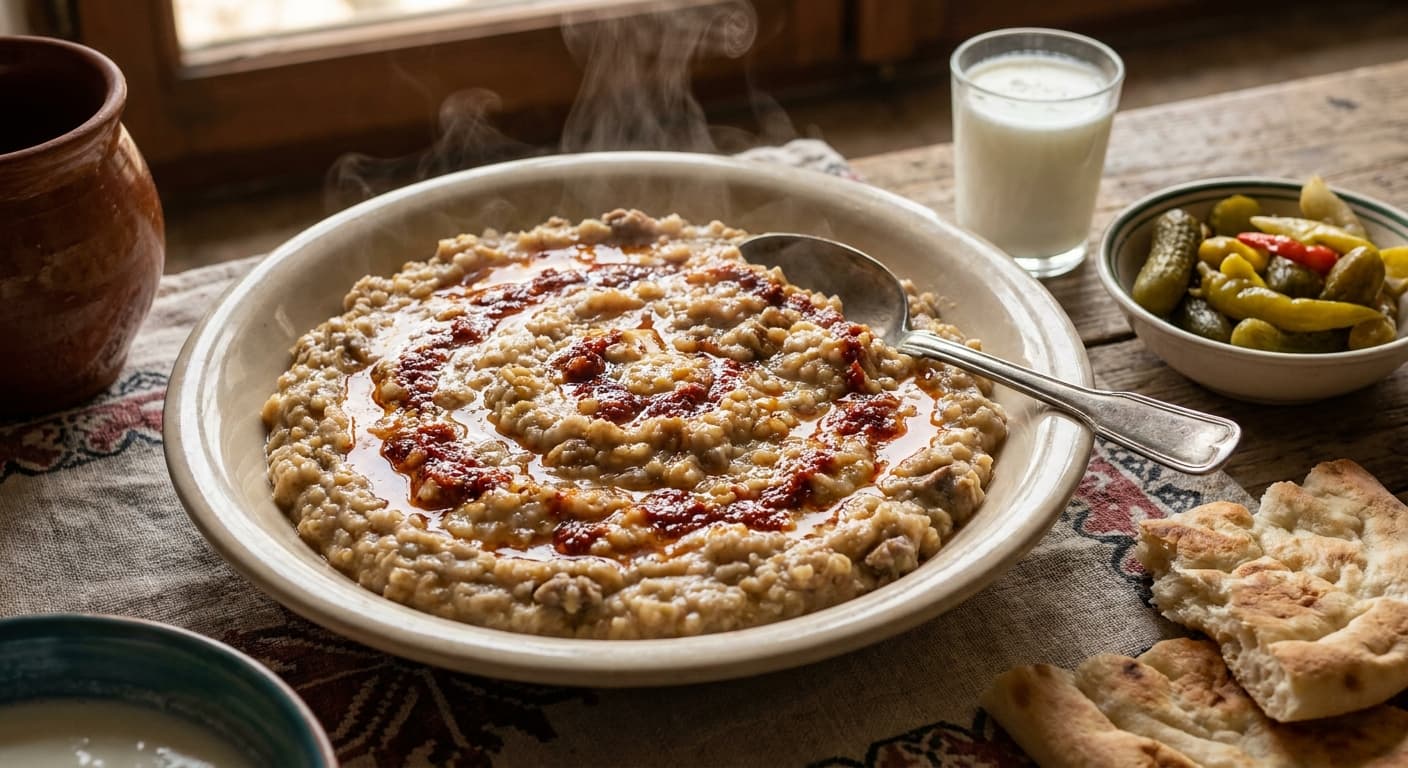
Keshkek (Keşkek) — Creamy Ceremonial Wheat and Lamb Stew
Turkish · Stews · 240 min
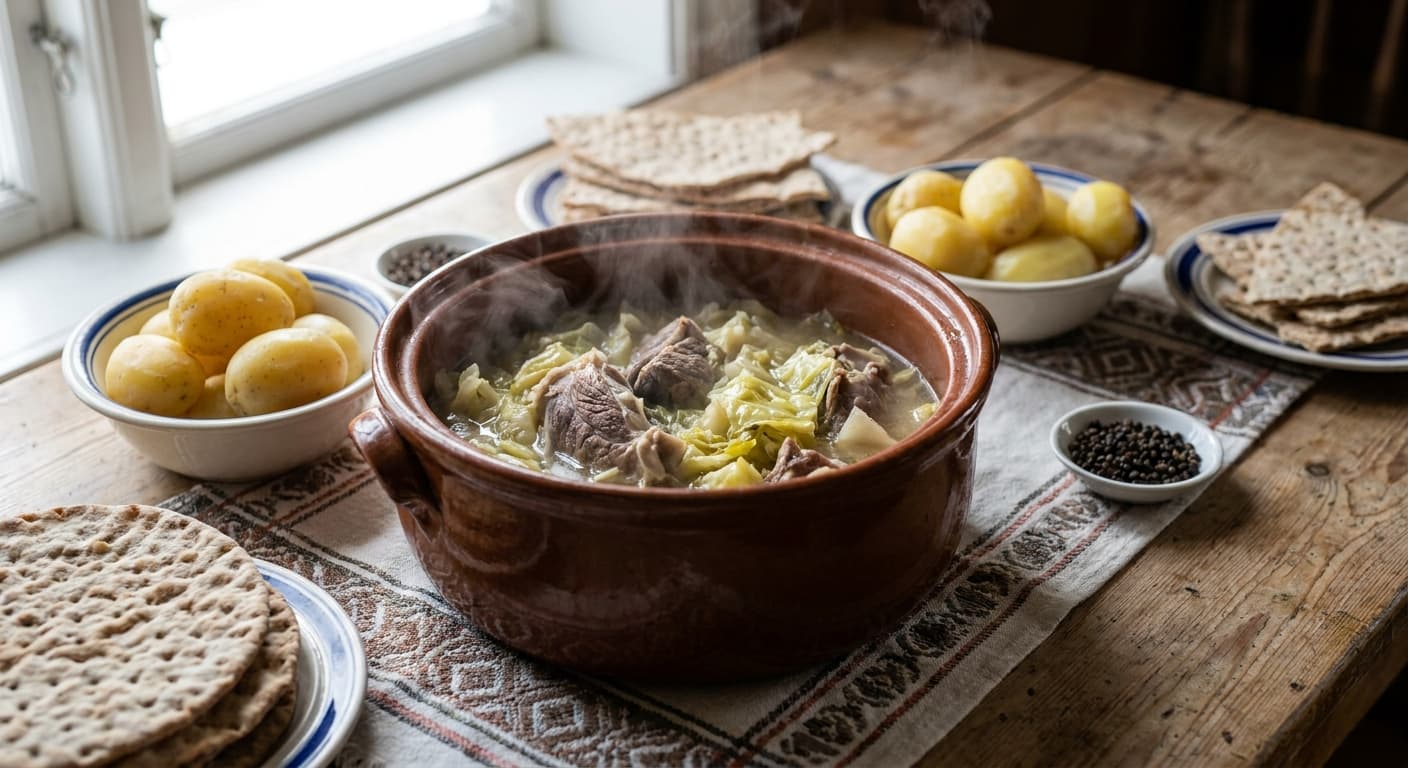
Norwegian Lamb and Cabbage Stew (Fårikål) — Peppery Autumn National Dish
Norwegian · Stews · 170 min
Reviews
Cooked this recipe?
Tap the stars to rate it — that's all it takes. A few words are welcome but optional.
No ratings yet. Cooked this one? Be the first to rate it — it takes one tap.