Idli (इडली) — South Indian Steamed Rice and Lentil Cakes
Idli are soft, steamed cakes made from a fermented batter of rice and urad dal, cherished across South India for breakfast and tiffin. Fermentation builds a gentle tang and airy texture, traditionally served with sambar and coconut chutney.
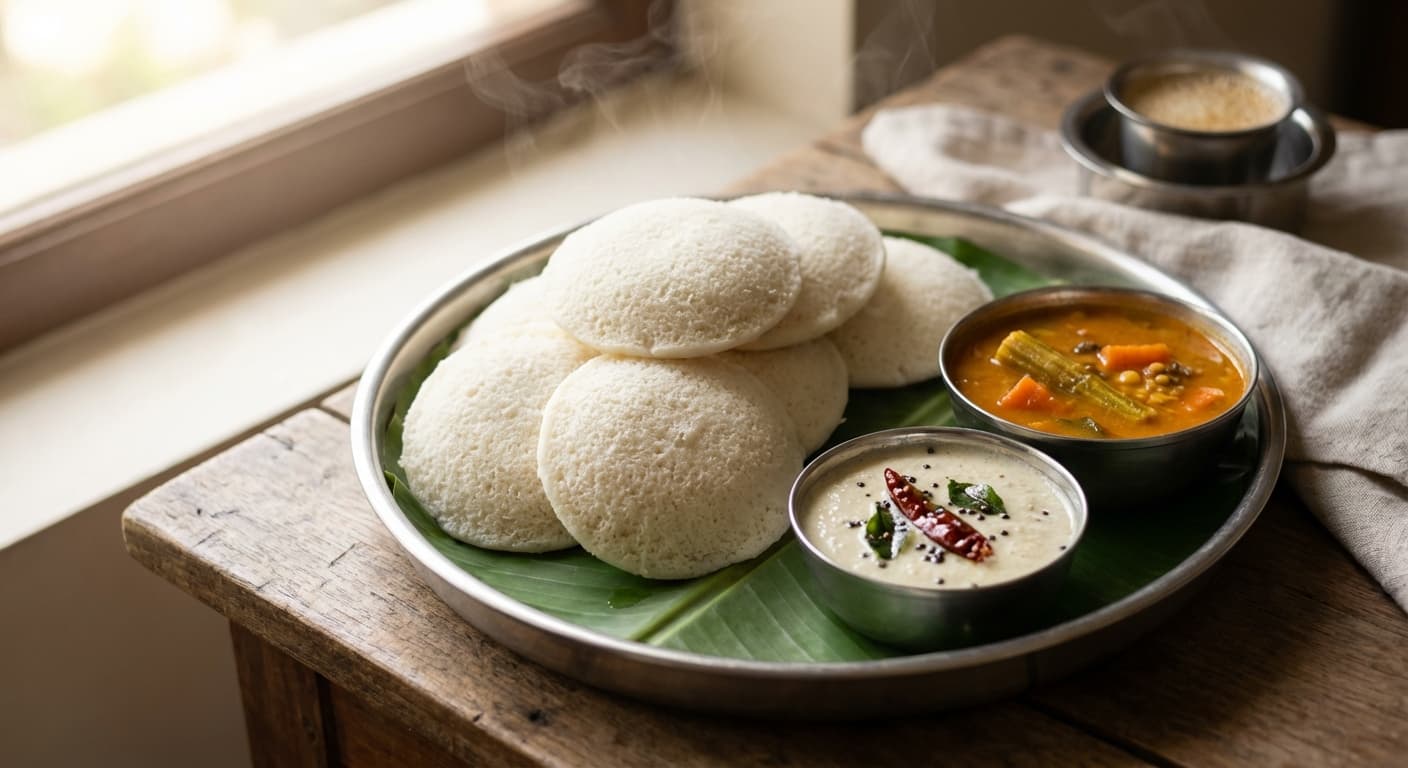
Printable Recipe Card
Servings: 4 · Total: 800 min · Difficulty: medium
Ingredients (quick list)
- 300 g idli rice (parboiled short-grain rice) (rinsed well)
- 120 g urad dal (split black gram, skinned) (rinsed well)
- 3 g fenugreek seeds (about 1 tsp)
- 420 ml water (use 300 ml for grinding plus 120 ml to adjust consistency)
- 10 g fine sea salt (about 1 3/4 tsp)
- 10 ml neutral oil (about 2 tsp)
Steps (summary)
- Rinse the idli rice in several changes of water until the water runs mostly clear, then drain. Rinse the urad dal and fenugreek…
- Soak the rice in 900 ml water for 6 hours at room temperature, keeping it fully submerged. Soak the urad dal and fenugreek seed…
- Grind the drained urad dal and fenugreek first, adding about 180 ml of the measured water gradually, until the batter becomes v…
- Grind the drained rice next, adding about 120 ml of the measured water gradually, until it becomes a fine, slightly gritty past…
- Combine the urad batter and rice batter in a large bowl, then add the salt. Mix vigorously by hand for 2 minutes to incorporate…
- Cover the bowl (do not seal airtight) and ferment in a warm spot at 28–32°C for 10–12 hours, until the batter has risen noticea…
+ 5 more steps in the full instructions section below.
Cultural Background
Idli is a cornerstone of South Indian breakfast culture, valued for being light, nourishing, and easy to digest. The batter’s natural fermentation reflects long-standing grain-and-legume traditions, and idli is a daily staple from home kitchens to bustling darshinis.
Equipment
💡 Tips
- For the lightest idli, grind the urad dal until it looks fluffy and holds soft peaks; this aeration matters as much as fermentation.
- If fermentation is slow, keep the batter at 30°C and extend to 14 hours; a properly fermented batter should rise by at least 50% and smell pleasantly sour.
- Do not over-steam beyond 12 minutes for standard molds; longer steaming can make idli dry and slightly rubbery.
⚠️ Common Mistakes
❌ Batter does not ferment or rise.
✅ Fix: Keep the batter at 28–32°C for 12–14 hours and ensure the urad is ground fluffy; avoid chlorinated water by using filtered water if needed.
❌ Idli turn dense or flat.
✅ Fix: Do not thin the batter too much; it should fall in a thick ribbon, and mix the fermented batter gently to preserve trapped air.
❌ Idli stick to the molds.
✅ Fix: Grease molds evenly with 2–3 ml oil per plate and rest 2 minutes after steaming before unmolding.
🧊 How to Store
Cool leftover idli to room temperature within 1 hour, then refrigerate in an airtight container for up to 3 days. Reheat by steaming for 3–4 minutes or microwaving with 10 ml water sprinkled over them for 45–60 seconds to restore softness.
📅 Make Ahead
Soak and grind the batter the day before and ferment overnight for morning steaming. Fermented batter keeps refrigerated for up to 3 days; bring it to room temperature for 30 minutes and stir gently before steaming.
🍽️ Pairs Well With
- Sambar
- coconut chutney
- tomato chutney
- podi (gunpowder) with ghee
- filter coffee.
Regional Variations
- Kancheepuram idli: seasoned with pepper, cumin, ginger, and ghee, traditionally steamed in a cloth-lined pot for a firmer sliceable texture.
- Rava idli: made with semolina and yogurt with a leavening agent for a quick, non-fermented version.
- Thatte idli: larger, flatter idli steamed in wide plates, popular in Karnataka for a slightly chewier bite.
Ingredients
- 300 gidli rice (parboiled short-grain rice) (rinsed well)
- 120 gurad dal (split black gram, skinned) (rinsed well)
- 3 gfenugreek seeds (about 1 tsp)
- 420 mlwater (use 300 ml for grinding plus 120 ml to adjust consistency)
- 10 gfine sea salt (about 1 3/4 tsp)
- 10 mlneutral oil (about 2 tsp)
🔄 Substitutions
- idli rice (parboiled short-grain rice)→ parboiled rice
- urad dal (split black gram, skinned)→ whole urad dal (skinned)
- fenugreek seeds→ fenugreek powder
Instructions
- 1
Rinse the idli rice in several changes of water until the water runs mostly clear, then drain. Rinse the urad dal and fenugreek seeds together until the water is clear, then drain them well.
- 2
Soak the rice in 900 ml water for 6 hours at room temperature, keeping it fully submerged. Soak the urad dal and fenugreek seeds in 600 ml water for 6 hours as well, then drain both bowls thoroughly.
- 3
Grind the drained urad dal and fenugreek first, adding about 180 ml of the measured water gradually, until the batter becomes very smooth and fluffy. This should look aerated and slightly increased in volume, which helps idli rise during steaming.
- 4
Grind the drained rice next, adding about 120 ml of the measured water gradually, until it becomes a fine, slightly gritty paste (not completely silky). The rice batter should be thick but pourable, similar to a loose pancake batter.
- 5
Combine the urad batter and rice batter in a large bowl, then add the salt. Mix vigorously by hand for 2 minutes to incorporate air, then add up to 120 ml additional water to reach a thick ribbon-like consistency.
- 6
Cover the bowl (do not seal airtight) and ferment in a warm spot at 28–32°C for 10–12 hours, until the batter has risen noticeably and smells mildly tangy. If your kitchen is cool, place the bowl in an oven with the light on to maintain gentle warmth.
- 7
After fermentation, gently fold the batter once or twice to even out the bubbles without deflating it completely. The batter should fall from a spoon in a thick ribbon; if it is too thick, add 15–30 ml water and mix for 10 seconds.
- 8
Prepare a steamer by bringing 1.5–2 liters of water to a steady boil in the base. Lightly grease the idli molds with the measured oil so the cakes release cleanly after steaming.
- 9
Fill each idli mold with 55–60 ml batter, leaving a little headspace for expansion. Tap the tray gently once to level the batter, then place it into the steamer.
- 10
Steam covered over medium-high heat for 10–12 minutes, keeping the steam strong and consistent. The idli are done when a toothpick inserted in the center comes out clean and the tops look set and matte.
- 11
Turn off the heat and rest the tray for 2 minutes before unmolding, which prevents tearing. Use a thin spoon to loosen the edges and lift the idli out while they are still warm and springy.
🪪 Recipe Passport
Cultural Background
Idli is a cornerstone of South Indian breakfast culture, valued for being light, nourishing, and easy to digest. The batter’s natural fermentation reflects long-standing grain-and-legume traditions, and idli is a daily staple from home kitchens to bustling darshinis.
Regional Variations
Researched from multiple sources and validated by the Zaffaron editorial team. Every recipe is tested for accuracy, measurements, and cultural authenticity.
Nutrition per serving
Pairs well with
If you enjoyed this recipe, here are a few related Zaffaron recipes to try next.
Does your family make this differently?
Every family has their own version. Maybe your grandmother adds a secret ingredient, or your aunt has a completely different technique. Preserve your family's version — with their name on it, forever.
You Might Also Like
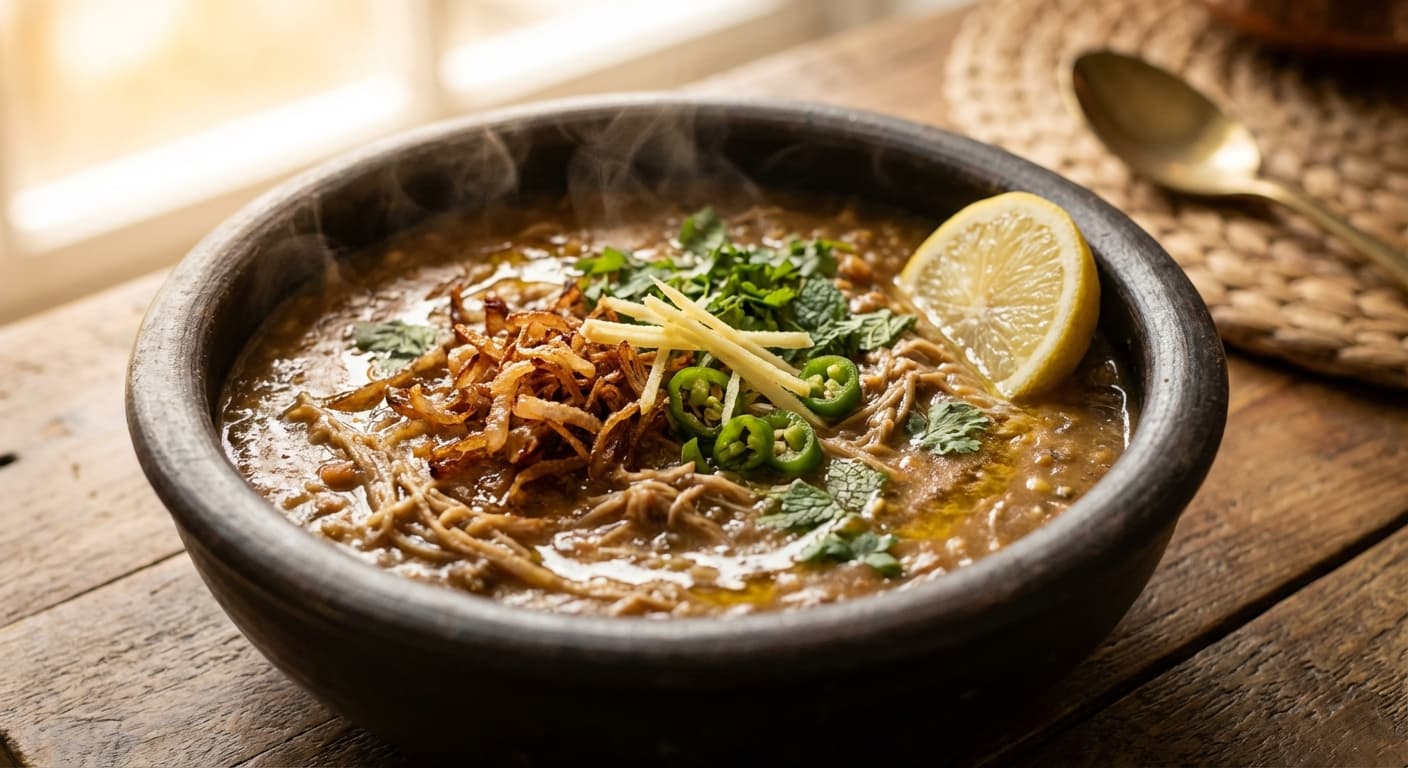
Haleem (حلیم) — Indian Slow-simmered wheat-lentil-meat porridge, spiced
Indian · Main Courses · 250 min
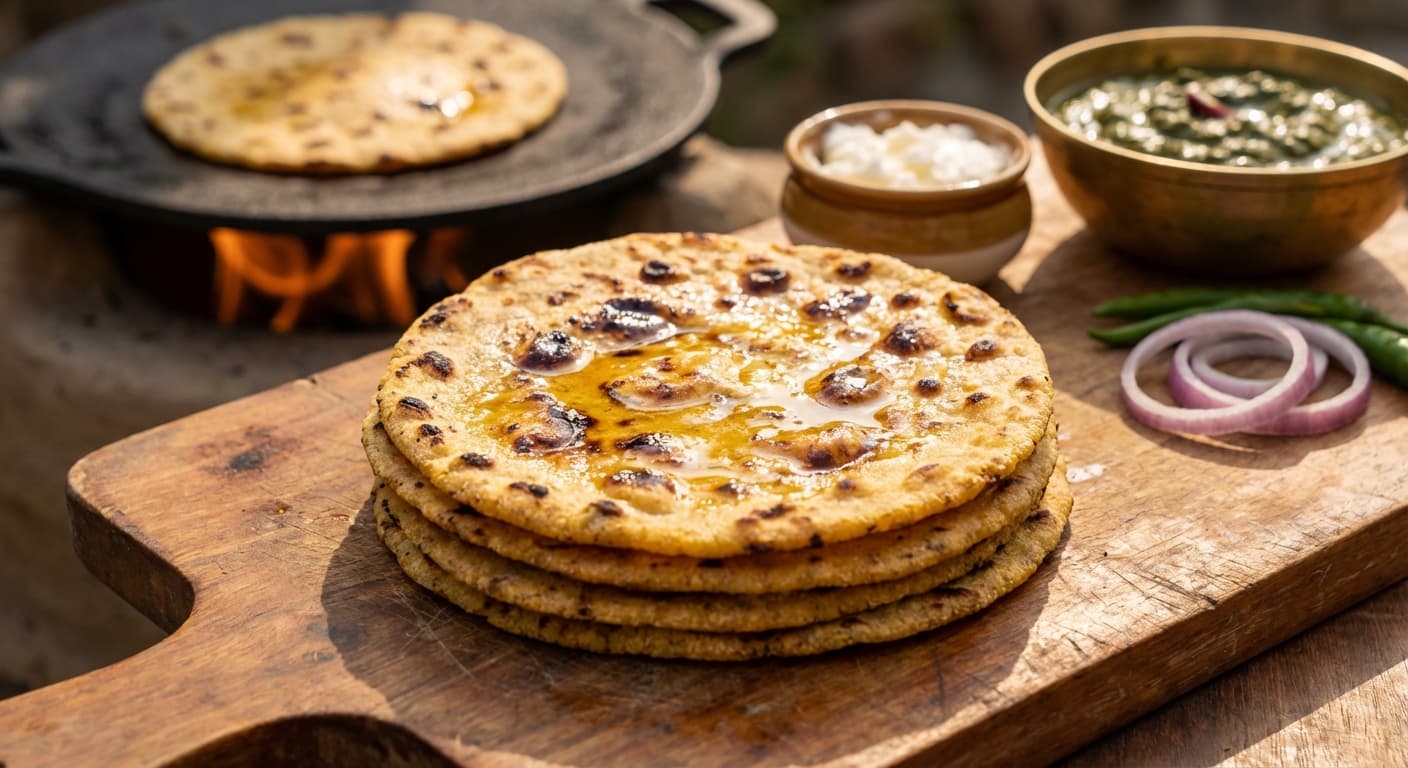
Makki di Roti (ਮੱਕੀ ਦੀ ਰੋਟੀ) — Indian Cornmeal Flatbread, Rustic and Slightly Crisp
Indian · Breads · 40 min

Bisi Bele Bath (ಬಿಸಿ ಬೇಳೆ ಬಾತ್) — Indian Spiced Rice-Lentil Stew with Vegetables
Indian · Main Courses · 65 min
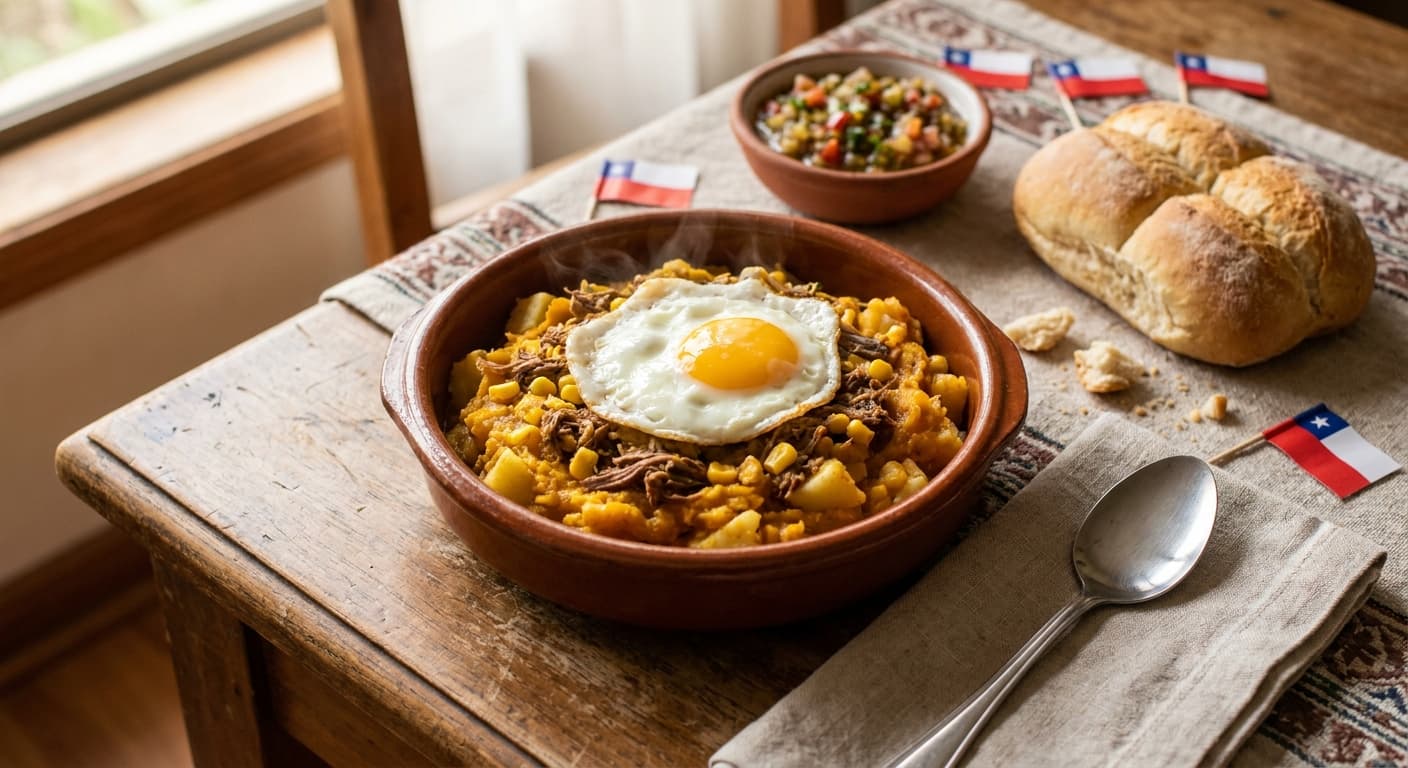
Charquicán (Charquicán) — Chilean Beef and Vegetable Hash
Chilean · Main Courses · 70 min
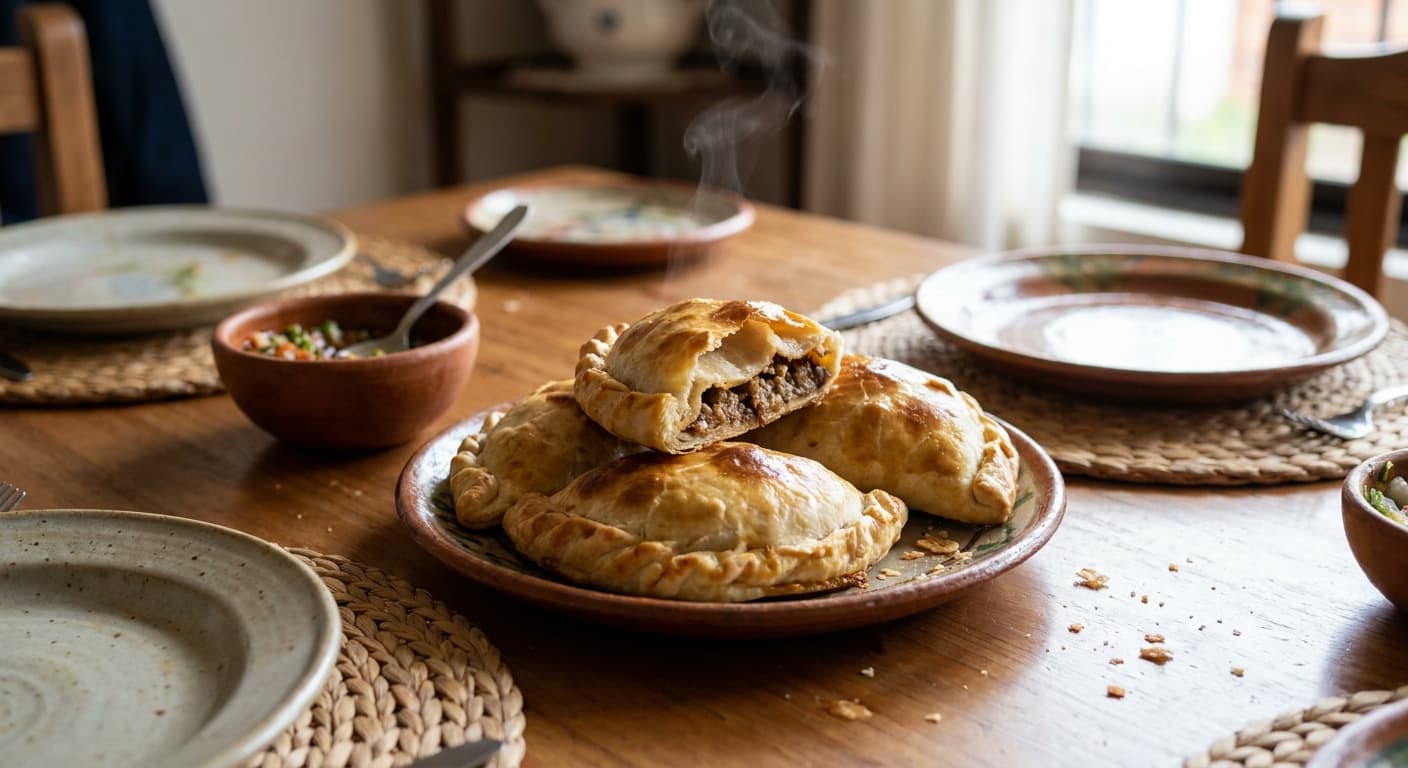
Chilean Beef Empanada (Empanada de pino) — Baked pastry filled with beef, onion, egg, olive, and raisins
Chilean · Main Courses · 125 min
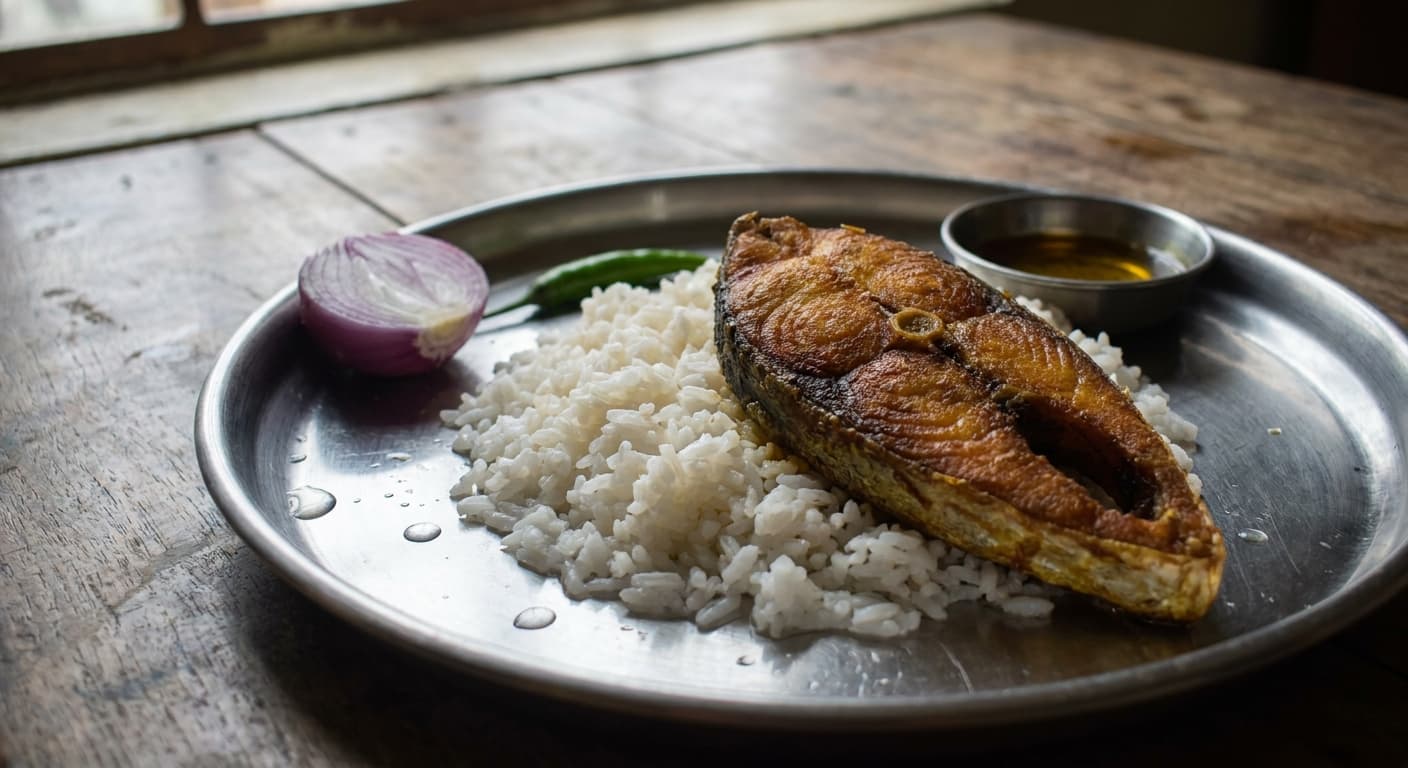
Panta Bhat (পান্তা ভাত) — Overnight Fermented Rice with Fried Ilish
Bangladeshi · Rice Dishes · 35 min
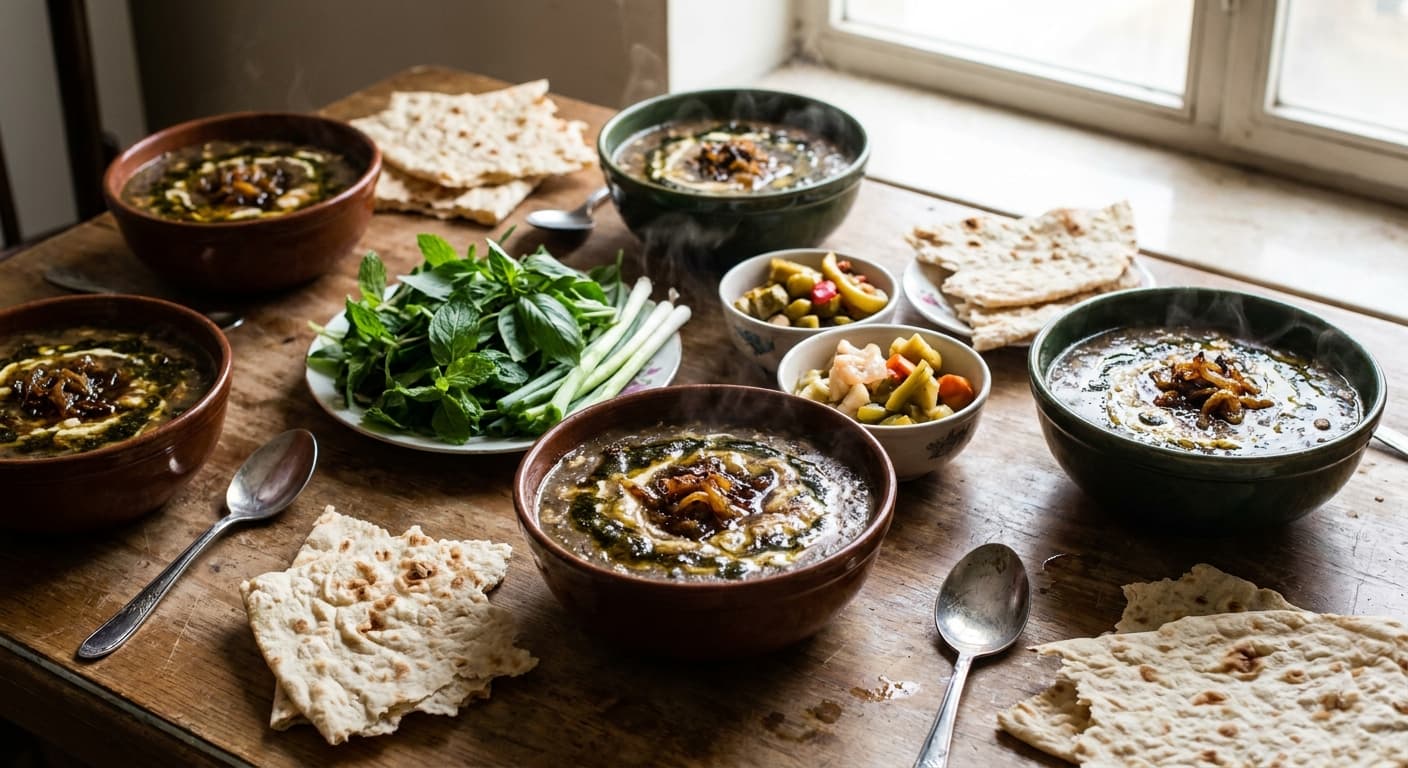
Ash-e Torsh (آش ترش) — Sour Herb and Legume Soup
Persian · Soups · 145 min
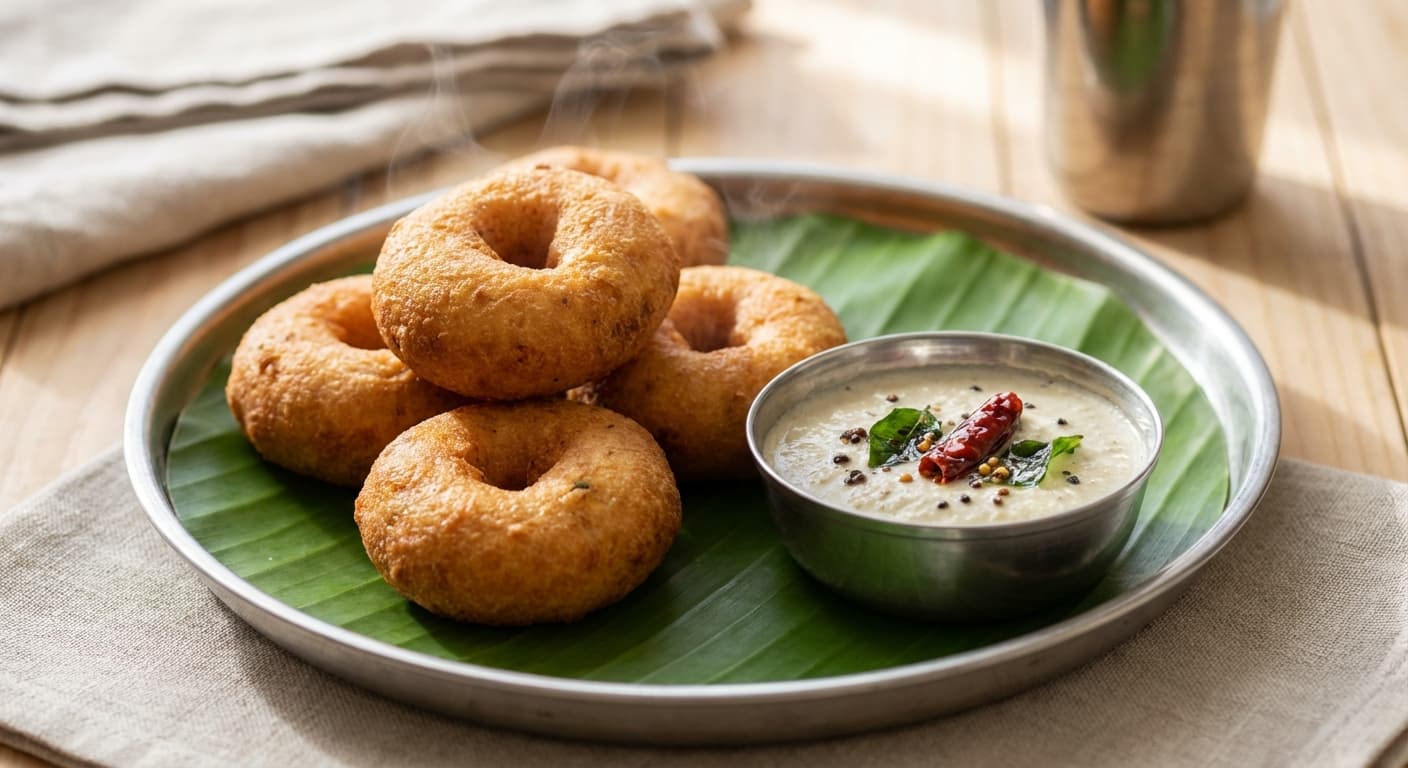
Medu Vada (మెదు వడ) — Indian Fried Urad Dal Doughnuts with Coconut Chutney
Indian · Appetizers · 555 min
Reviews
Cooked this recipe?
Tap the stars to rate it — that's all it takes. A few words are welcome but optional.
No ratings yet. Cooked this one? Be the first to rate it — it takes one tap.