Indonesian Fried Rice (Nasi Goreng) — Sweet-Savory Kecap Manis Rice
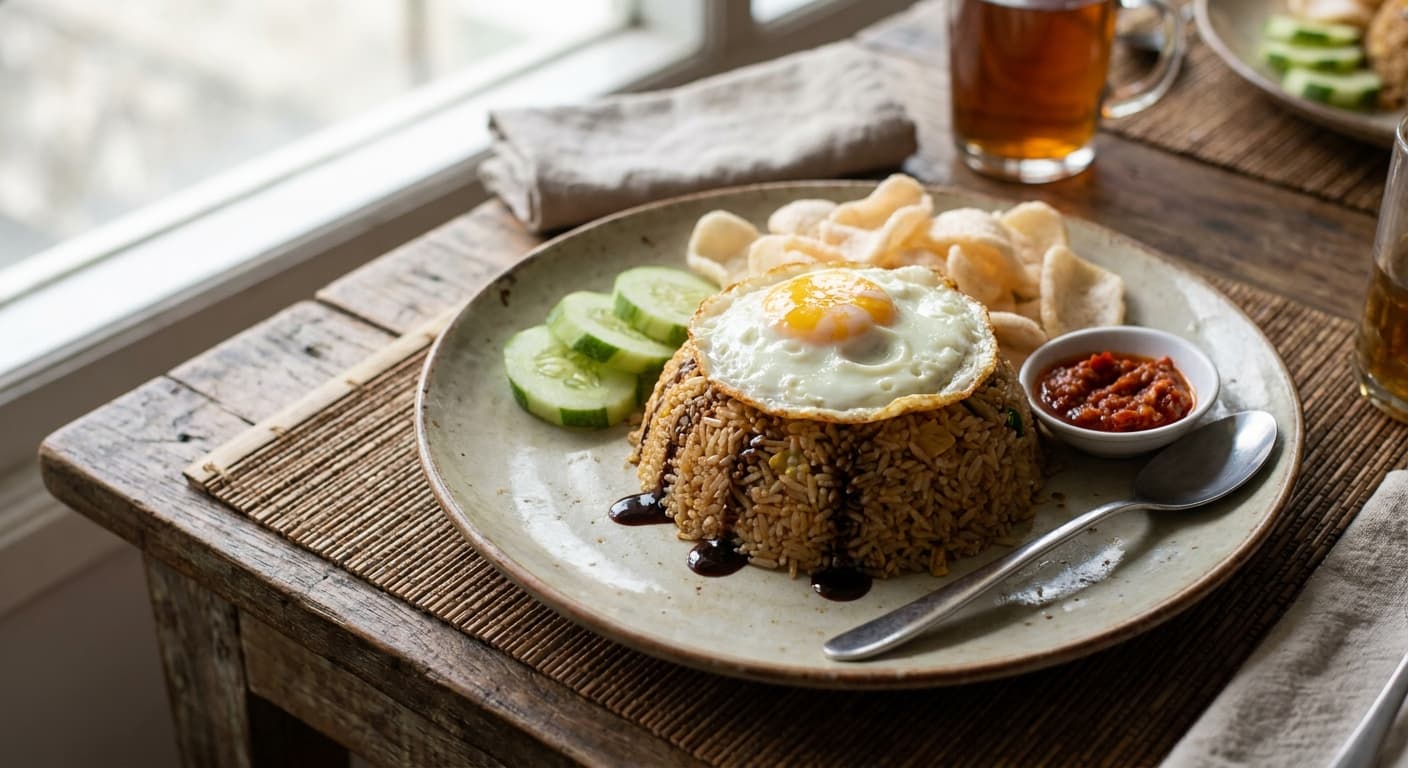
Nasi goreng is Indonesia’s beloved fried rice, often made with day-old rice, kecap manis, chile, shallot, garlic, and a fried egg. This version keeps the flavor bold, smoky, sweet-savory, and home-style.
Printable Recipe Card
Servings: 4 · Total: 35 min · Difficulty: medium
Ingredients (quick list)
- 700 g cold cooked jasmine rice (cooked the day before and chilled)
- 250 g boneless skinless chicken thigh meat (cut into 1 cm dice)
- 4 eggs
- 45 ml neutral cooking oil
- 5 shallots (peeled and roughly chopped)
- 3 clove garlic
- 2 large red chiles (seeded for medium heat)
- 1 bird's eye chile (use 2 for a hotter nasi goreng)
- 8 g toasted terasi shrimp paste
- 3 g fine sea salt
- 60 ml kecap manis
- 15 ml light soy sauce
+ 7 more in the full ingredients section below.
Steps (summary)
- Break the cold cooked rice apart with damp fingers or a fork until no large clumps remain. Chilled rice is essential because th…
- Make the bumbu spice paste by pounding the shallots, garlic, red chiles, bird's eye chile, toasted terasi, and salt in a mortar…
- Heat a wok or large carbon-steel skillet over high heat until a drop of water evaporates almost immediately. Add 30 ml of the o…
- Add the diced chicken thigh and spread it across the hot surface of the wok. Stir-fry for 4 minutes, tossing often, until the c…
- Add the cold rice and press it gently against the wok with the spatula to separate every grain. Stir-fry for 3 minutes, scrapin…
- Drizzle in the kecap manis, light soy sauce, and ground white pepper around the sides of the wok rather than directly into one…
+ 2 more steps in the full instructions section below.
Cultural Background
Nasi goreng reflects Indonesia’s practical and richly seasoned home cooking, transforming leftover rice into a complete meal. It is eaten at breakfast, from street carts, in warung stalls, and at family tables across the archipelago.
Equipment
💡 Tips
- Use day-old rice and separate the grains before cooking; freshly steamed rice makes nasi goreng heavy and clumpy.
- Cook over high heat in a wide wok or skillet so the rice fries quickly and develops aroma without steaming.
- Toast the terasi before pounding it into the paste; this mellows its raw edge and gives the dish its classic Indonesian depth.
⚠️ Common Mistakes
❌ Using warm freshly cooked rice.
✅ Fix: Cook the rice the day before, chill it uncovered until cool, then cover it overnight so the grains dry and separate.
❌ Adding kecap manis too early.
✅ Fix: Fry the rice with the spice paste first, then add kecap manis near the end so it coats the grains without burning.
❌ Crowding a small pan.
✅ Fix: Use a wide wok or cook the rice in 2 batches so the grains fry over high heat instead of steaming.
🧊 How to Store
Cool leftovers within 1 hour and refrigerate in an airtight container for up to 3 days. Reheat in a hot skillet with 10 ml oil per 2 servings until steaming throughout; fry fresh eggs just before serving.
📅 Make Ahead
Cook and chill the rice 1 day ahead, and pound the spice paste up to 24 hours ahead. Keep the paste refrigerated in a covered container and fry the eggs only when serving.
🍽️ Pairs Well With
- Acar cucumber pickle
- sambal oelek
- krupuk
- extra fried shallots
- hot tea.
Regional Variations
- Nasi goreng kampung often uses anchovies, simple chiles, shallots, and egg for a rustic village-style version.
- Nasi goreng Jawa is usually sweeter and darker, with pronounced kecap manis and a soft, rounded spice paste.
- Coastal versions may replace chicken with shrimp, squid, or salted fish for a stronger seafood character.
Ingredients
- 700 gcold cooked jasmine rice (cooked the day before and chilled)
- 250 gboneless skinless chicken thigh meat (cut into 1 cm dice)
- 4eggs
- 45 mlneutral cooking oil
- 5shallots (peeled and roughly chopped)
- 3 clovegarlic
- 2large red chiles (seeded for medium heat)
- 1bird's eye chile (use 2 for a hotter nasi goreng)
- 8 gtoasted terasi shrimp paste
- 3 gfine sea salt
- 60 mlkecap manis
- 15 mllight soy sauce
- 1 tspground white pepper
- 3scallions (thinly sliced)
- 150 gcucumber (sliced)
- 2tomatoes (cut into wedges)
- 20 gfried shallots
- 40 gkrupuk shrimp crackers
- 1lime (cut into wedges)
🔄 Substitutions
- terasi shrimp paste→ fish sauce
- chicken thigh meat→ peeled shrimp
- kecap manis→ dark soy sauce mixed with palm sugar
Instructions
- 1
Break the cold cooked rice apart with damp fingers or a fork until no large clumps remain. Chilled rice is essential because the grains are drier and will fry instead of turning sticky.
- 2
Make the bumbu spice paste by pounding the shallots, garlic, red chiles, bird's eye chile, toasted terasi, and salt in a mortar until coarse and juicy. If using a small food processor, pulse briefly and scrape down the sides so the paste keeps a little texture rather than becoming watery.
- 3
Heat a wok or large carbon-steel skillet over high heat until a drop of water evaporates almost immediately. Add 30 ml of the oil, then add the spice paste and stir-fry for 2 minutes until it darkens slightly, smells sweet and savory, and the raw shallot aroma has softened.
- 4
Add the diced chicken thigh and spread it across the hot surface of the wok. Stir-fry for 4 minutes, tossing often, until the chicken is cooked through and lightly browned at the edges.
- 5
Add the cold rice and press it gently against the wok with the spatula to separate every grain. Stir-fry for 3 minutes, scraping the bottom frequently, so the rice absorbs the bumbu and gains a lightly smoky wok aroma.
- 6
Drizzle in the kecap manis, light soy sauce, and ground white pepper around the sides of the wok rather than directly into one spot. Toss for 2 minutes until the rice is evenly stained brown, glossy, and fragrant, then fold in the sliced scallions.
- 7
In a separate nonstick skillet, heat the remaining 15 ml oil over medium-high heat. Fry the eggs sunny-side up for 2 to 3 minutes, until the whites are set and the yolks are still soft, or cook 1 minute longer for firmer yolks.
- 8
Divide the nasi goreng among 4 plates and top each portion with 1 fried egg. Serve immediately with cucumber slices, tomato wedges, fried shallots, krupuk, and lime wedges so each diner can add crunch and brightness at the table.
🪪 Recipe Passport
Cultural Background
Nasi goreng reflects Indonesia’s practical and richly seasoned home cooking, transforming leftover rice into a complete meal. It is eaten at breakfast, from street carts, in warung stalls, and at family tables across the archipelago.
Regional Variations
Researched from multiple sources and validated by the Zaffaron editorial team. Every recipe is tested for accuracy, measurements, and cultural authenticity.
📚 Sources & Cultural References
- Sri Owen — Indonesian Food — (2008)
- James Oseland — Cradle of Flavor — (2006)
Sources cited by the Zaffaron editorial team during recipe research. Cultural and culinary references supporting authenticity claims.
Nutrition per serving
Pairs well with
If you enjoyed this recipe, here are a few related Zaffaron recipes to try next.
Does your family make this differently?
Every family has their own version. Maybe your grandmother adds a secret ingredient, or your aunt has a completely different technique. Preserve your family's version — with their name on it, forever.
You Might Also Like
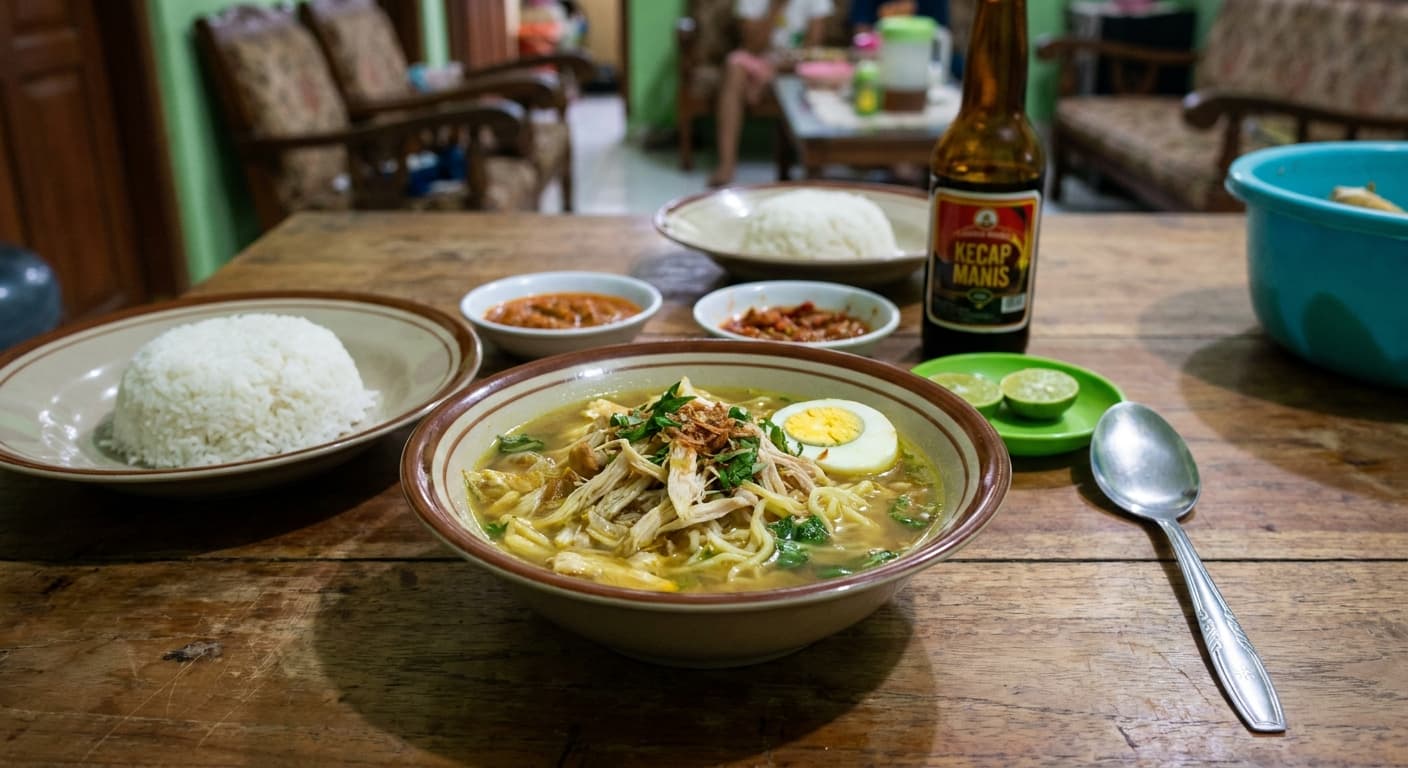
Indonesian Turmeric Chicken Soup (Soto Ayam) — Fragrant Shredded Chicken Broth
Indonesian · Soups · 100 min
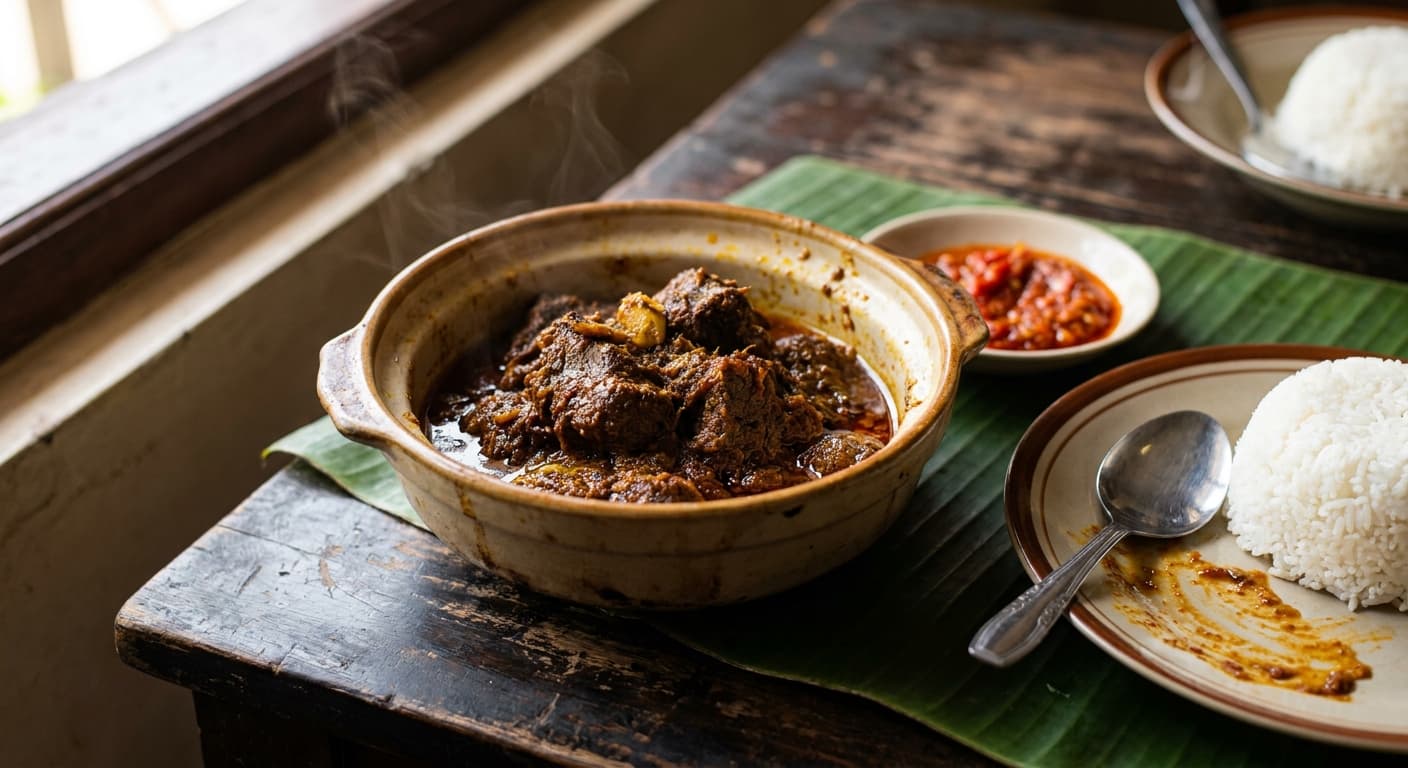
Beef Rendang (Rendang Daging) — Slow-Braised Coconut Beef
Indonesian · Main Courses · 245 min
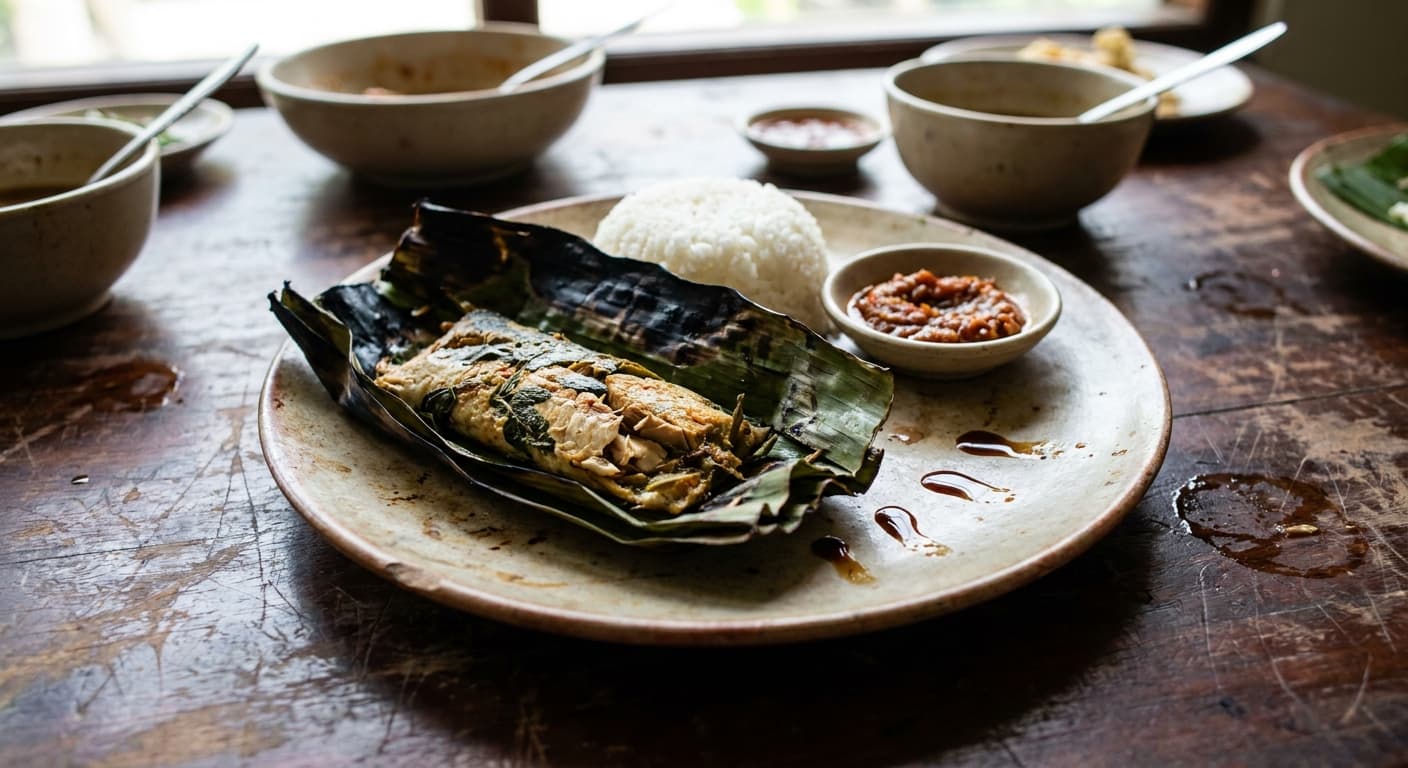
Pepes Ikan (Pepes Ikan) — Indonesian Banana-Leaf Steamed Fish
Indonesian · Main Courses · 65 min
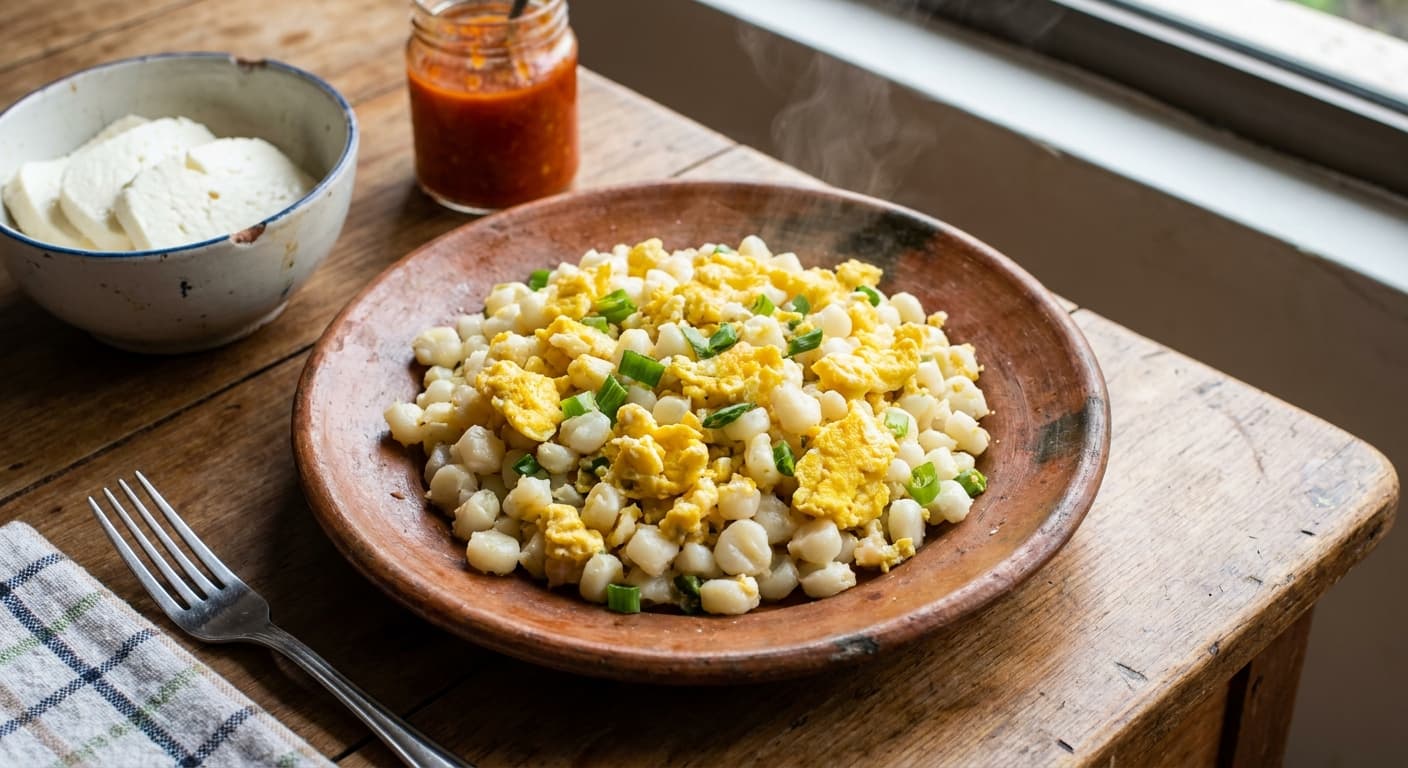
Scrambled Hominy and Eggs (Mote pillo) — Ecuadorian Highland Breakfast
Ecuadorian · Main Courses · 25 min
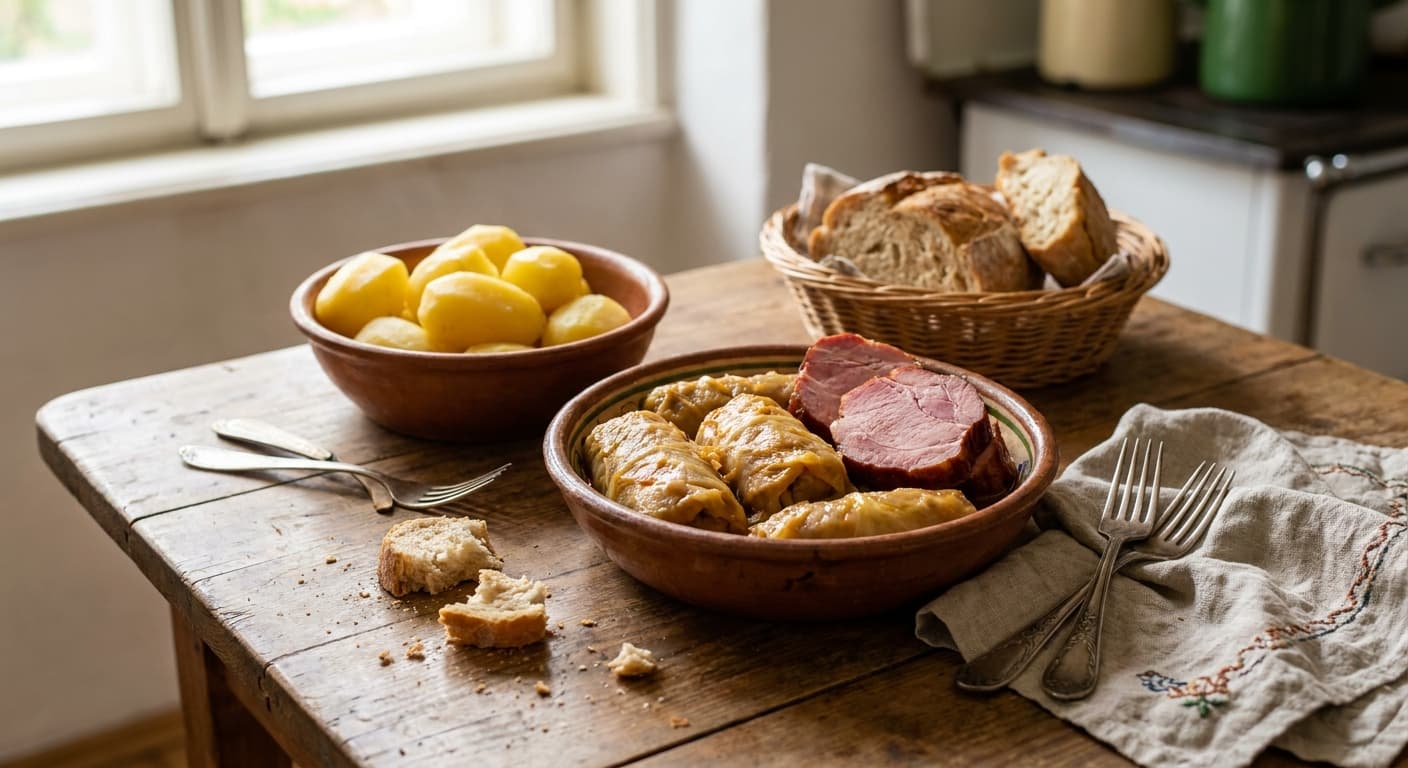
Sinj Stuffed Cabbage Rolls (Sinjski arambaši) — Hand-Chopped Meat in Sour Cabbage
Croatian · Main Courses · 245 min
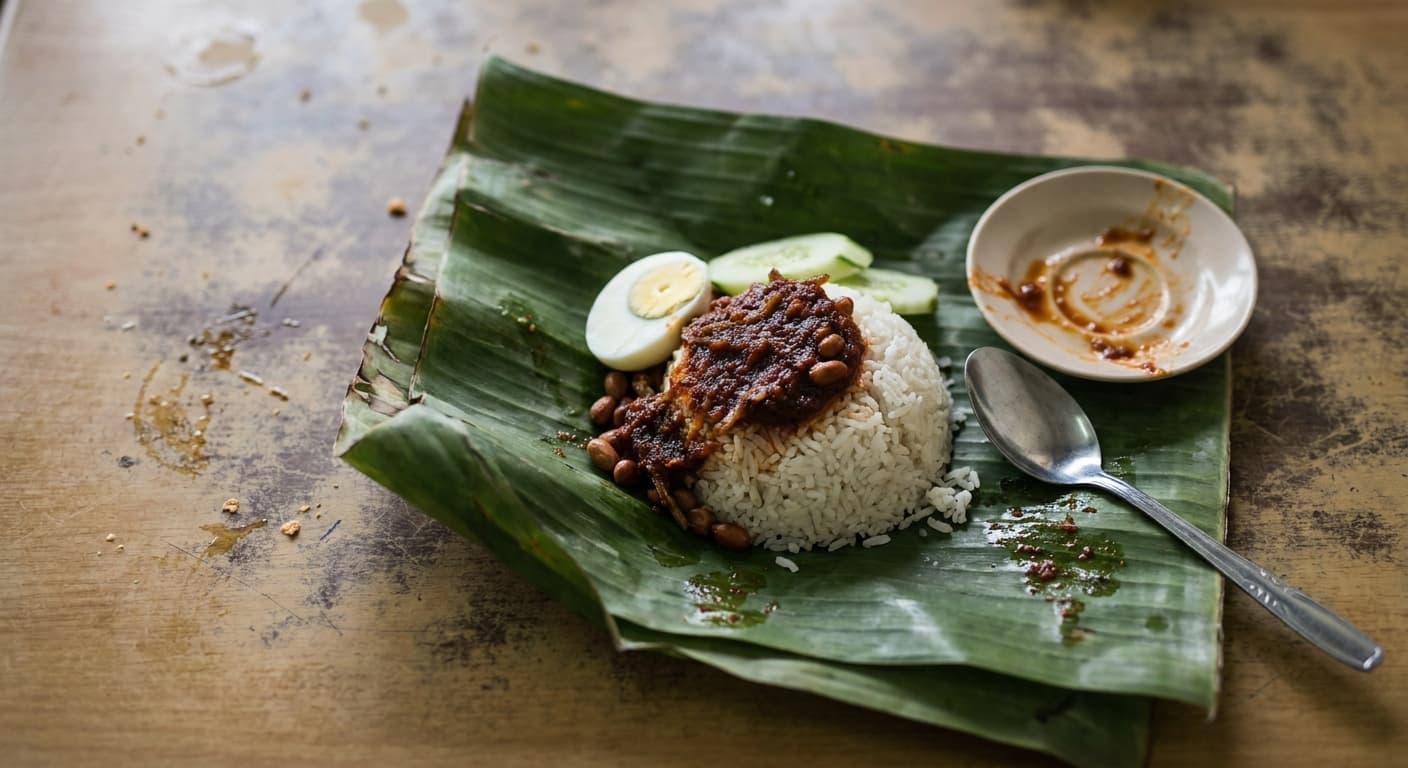
Malaysian Coconut Rice (Nasi Lemak) — Banana-Leaf Breakfast with Sambal Ikan Bilis
Malaysian · Rice Dishes · 95 min
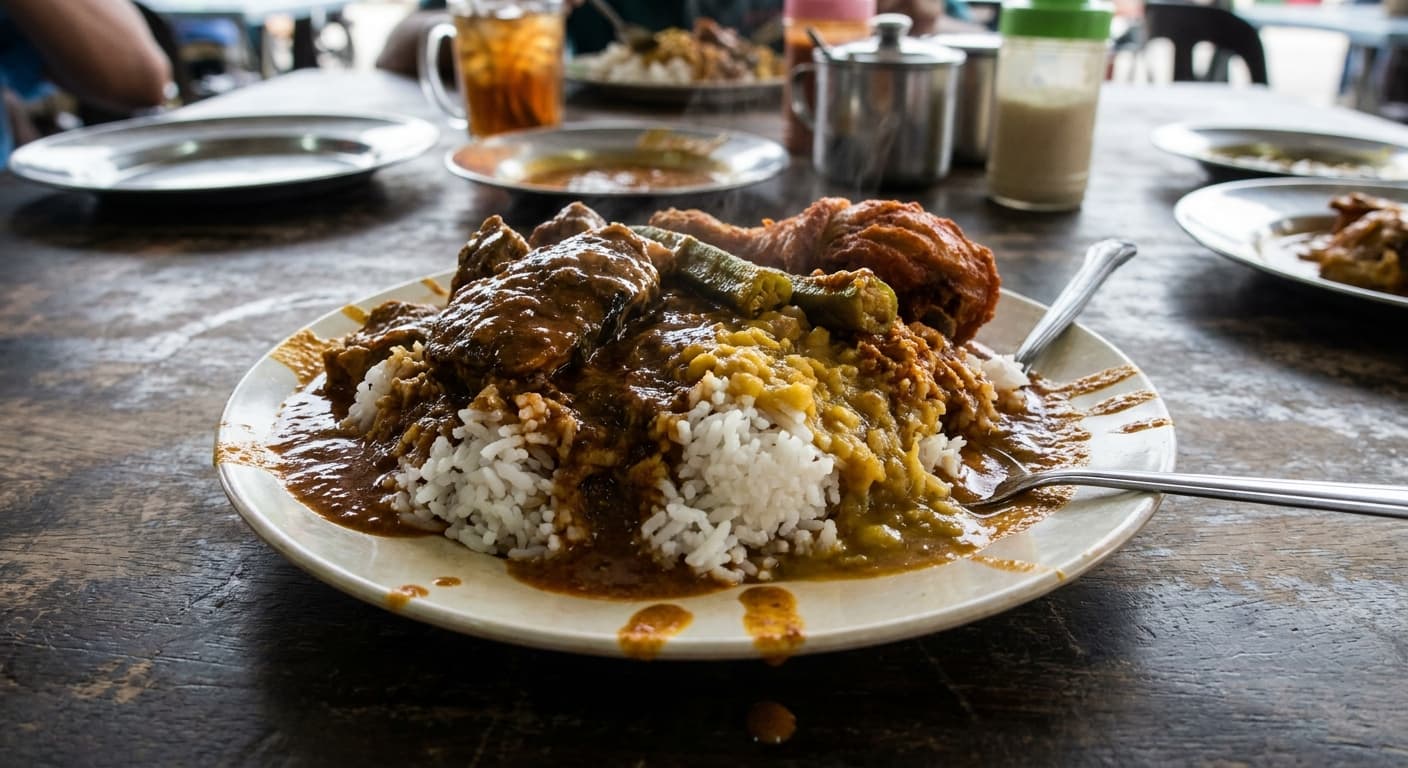
Nasi Kandar (Nasi Kandar) — Penang Mamak Curry Rice Plate
Malaysian · Rice Dishes · 110 min
Bulgarian Tarator (Таратор) — Cold Yogurt Cucumber Soup
Bulgarian · Soups · 15 min
Reviews
Cooked this recipe?
Tap the stars to rate it — that's all it takes. A few words are welcome but optional.
No ratings yet. Cooked this one? Be the first to rate it — it takes one tap.