Chebakia (الشباكية) — Moroccan Sesame and Honey Cookie Roses
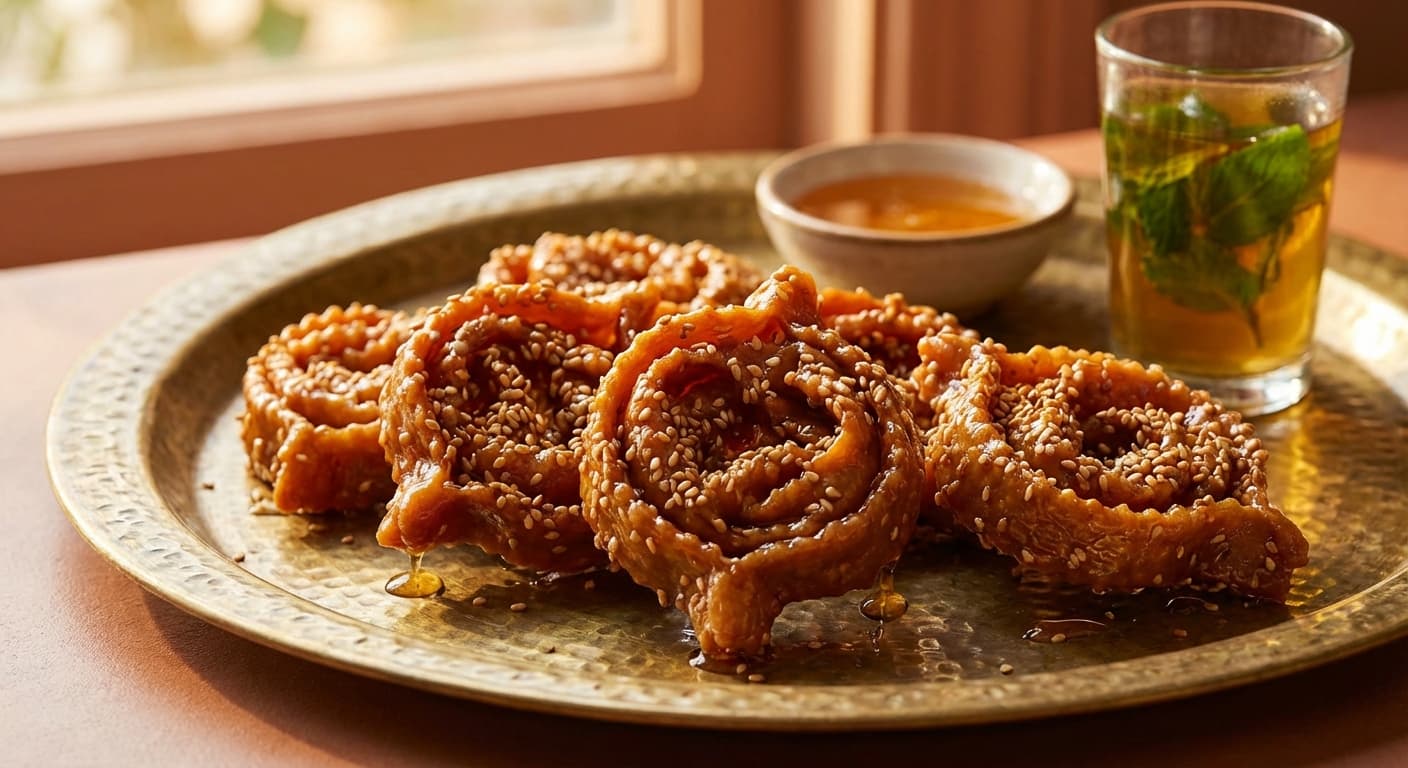
Chebakia are iconic Moroccan fritter-cookies shaped like roses, scented with saffron and orange blossom, then soaked in honey and sesame. They’re especially beloved during Ramadan, served with harira for a sweet, fragrant finish.
Printable Recipe Card
Servings: 24 · Total: 110 min · Difficulty: hard
Ingredients (quick list)
- 500 g all-purpose flour
- 120 g toasted sesame seeds, finely ground (Grind to a sandy meal, not a paste.)
- 60 g toasted sesame seeds (For sprinkling after the honey soak.)
- 6 g ground anise (About 2 tsp.)
- 4 g ground cinnamon (About 1 1/2 tsp.)
- 2 g ground ginger (About 1 tsp.)
- 1 g ground turmeric (About 1/2 tsp.)
- 0.15 g saffron threads (About a large pinch.)
- 30 ml warm water (For blooming the saffron.)
- 6 g fine sea salt (About 1 tsp.)
- 6 g baking powder (About 1 1/2 tsp.)
- 15 ml white vinegar (About 1 tbsp.)
+ 7 more in the full ingredients section below.
Steps (summary)
- Bloom the saffron by crushing the threads lightly and stirring them into 30 ml warm water. Let it stand for 10 minutes so the c…
- In a large bowl, whisk together the flour, ground toasted sesame, anise, cinnamon, ginger, turmeric, salt, and baking powder un…
- Make a well in the center and add the melted butter, olive oil, egg, vinegar, orange blossom water, and the bloomed saffron wat…
- Knead the dough for 8 minutes until smooth and elastic, adding up to 30 ml more warm water only if it feels dry and cracks at t…
- Divide the dough into 4 equal pieces and cover them with plastic wrap or a damp towel to prevent drying. Rest the dough for 15…
- While the dough rests, prepare the honey bath by warming the honey in a saucepan over low heat to about 60°C, then stir in the…
+ 5 more steps in the full instructions section below.
Cultural Background
Chebakia is a hallmark Moroccan sweet, most famously prepared for Ramadan and shared with guests alongside harira. The rose shape and honey-sesame finish reflect Morocco’s love of intricate pastry craft and festive hospitality.
Equipment
💡 Tips
- Toast sesame seeds until light golden (about 6–8 minutes at 160°C), then cool fully before grinding to avoid oily clumps.
- Roll the dough to 2 mm; thicker dough won’t crisp properly and will feel bready after the honey soak.
- Keep honey warm, not boiling: target 55–65°C so it coats without making the cookies soggy.
⚠️ Common Mistakes
❌ Honey is boiled hard, making the cookies soggy and overly dark.
✅ Fix: Warm honey gently to 55–65°C and keep it there; if it overheats, remove from heat for 2 minutes before soaking.
❌ The rose shape opens while frying.
✅ Fix: Pinch the ends more firmly and avoid adding too much water to the dough; a firmer dough holds the folds better.
❌ Chebakia tastes oily and pale.
✅ Fix: Fry at 175°C and don’t overcrowd the pan; low oil temperature causes excess absorption and weak browning.
🧊 How to Store
Store chebakia in an airtight container at cool room temperature for up to 10 days, separating layers with parchment to prevent sticking. For longer storage, freeze up to 2 months; thaw covered at room temp 2 hours. Avoid reheating, which can melt the honey glaze.
📅 Make Ahead
Toast and grind the sesame up to 3 days ahead and store airtight. The dough can be mixed, wrapped, and refrigerated for 12 hours; bring to room temperature for 30 minutes before rolling so it doesn’t crack.
🍽️ Pairs Well With
- Harira
- Moroccan mint tea
- fresh orange segments
- roasted almonds.
Regional Variations
- Fes-style chebakia often leans heavier on anise and sesame, with a slightly darker fry for deeper caramel notes.
- Some northern Moroccan versions add a small amount of mastic or mahleb for a more resinous, bakery-like aroma.
- In some homes, a little extra vinegar is used for a crisper shell and better definition after soaking.
Ingredients
- 500 gall-purpose flour
- 120 gtoasted sesame seeds, finely ground (Grind to a sandy meal, not a paste.)
- 60 gtoasted sesame seeds (For sprinkling after the honey soak.)
- 6 gground anise (About 2 tsp.)
- 4 gground cinnamon (About 1 1/2 tsp.)
- 2 gground ginger (About 1 tsp.)
- 1 gground turmeric (About 1/2 tsp.)
- 0.15 gsaffron threads (About a large pinch.)
- 30 mlwarm water (For blooming the saffron.)
- 6 gfine sea salt (About 1 tsp.)
- 6 gbaking powder (About 1 1/2 tsp.)
- 15 mlwhite vinegar (About 1 tbsp.)
- 30 mlorange blossom water (About 2 tbsp.)
- 80 gunsalted butter, melted and cooled
- 60 mlextra-virgin olive oil (About 1/4 cup.)
- 1large egg
- 500 ghoney
- 15 mllemon juice (About 1 tbsp.)
- 900 mlneutral frying oil (sunflower or canola) (Use enough for 5–6 cm depth in a wide pan.)
🔄 Substitutions
- orange blossom water→ rose water
- unsalted butter→ ghee
- ground anise→ ground fennel seed
Instructions
- 1
Bloom the saffron by crushing the threads lightly and stirring them into 30 ml warm water. Let it stand for 10 minutes so the color and aroma fully release before you add it to the dough.
- 2
In a large bowl, whisk together the flour, ground toasted sesame, anise, cinnamon, ginger, turmeric, salt, and baking powder until evenly distributed. Mixing the dry spices thoroughly prevents bitter pockets and gives the finished chebakia a balanced, warm perfume.
- 3
Make a well in the center and add the melted butter, olive oil, egg, vinegar, orange blossom water, and the bloomed saffron water. Stir with your hand or a sturdy spoon until a shaggy dough forms, then begin adding 140 ml warm water gradually until the dough comes together.
- 4
Knead the dough for 8 minutes until smooth and elastic, adding up to 30 ml more warm water only if it feels dry and cracks at the edges. The dough should be firm but pliable, because a soft dough will lose definition when cut and folded.
- 5
Divide the dough into 4 equal pieces and cover them with plastic wrap or a damp towel to prevent drying. Rest the dough for 15 minutes so the flour hydrates, which makes rolling thin much easier and reduces tearing.
- 6
While the dough rests, prepare the honey bath by warming the honey in a saucepan over low heat to about 60°C, then stir in the lemon juice and 15 ml orange blossom water. Keep it warm on the lowest heat; hot honey will over-soak and soften the cookies, while cold honey won’t cling well.
- 7
Roll one piece of dough into a thin sheet about 2 mm thick using a rolling pin or pasta roller. Cut rectangles about 7 cm by 5 cm, then make 4 parallel slits inside each rectangle, leaving a 1 cm border uncut so the piece stays intact.
- 8
Shape each piece into the classic rose by threading your fingers through alternating slits and flipping the dough to create layered petals. Pinch the ends firmly to seal, because a weak seal will open in the oil and ruin the flower shape.
- 9
Heat the frying oil in a wide, heavy pan to 175°C and keep a thermometer clipped to the side for accuracy. Fry 5–6 pieces at a time for 3 to 4 minutes, turning often, until deep golden brown and evenly colored.
- 10
Transfer the fried chebakia directly into the warm honey and soak for 2 minutes, gently turning once so every crevice is coated. Lift with a slotted spoon and drain well, then immediately sprinkle with toasted sesame seeds while the honey is still tacky.
- 11
Repeat rolling, shaping, frying, and honey-soaking with the remaining dough, keeping unrolled dough covered between batches. Let the finished chebakia cool for at least 30 minutes so the honey sets into a glossy glaze and the texture becomes pleasantly chewy-crisp.
🪪 Recipe Passport
Cultural Background
Chebakia is a hallmark Moroccan sweet, most famously prepared for Ramadan and shared with guests alongside harira. The rose shape and honey-sesame finish reflect Morocco’s love of intricate pastry craft and festive hospitality.
Regional Variations
Researched from multiple sources and validated by the Zaffaron editorial team. Every recipe is tested for accuracy, measurements, and cultural authenticity.
Nutrition per serving
Pairs well with
If you enjoyed this recipe, here are a few related Zaffaron recipes to try next.
Does your family make this differently?
Every family has their own version. Maybe your grandmother adds a secret ingredient, or your aunt has a completely different technique. Preserve your family's version — with their name on it, forever.
You Might Also Like
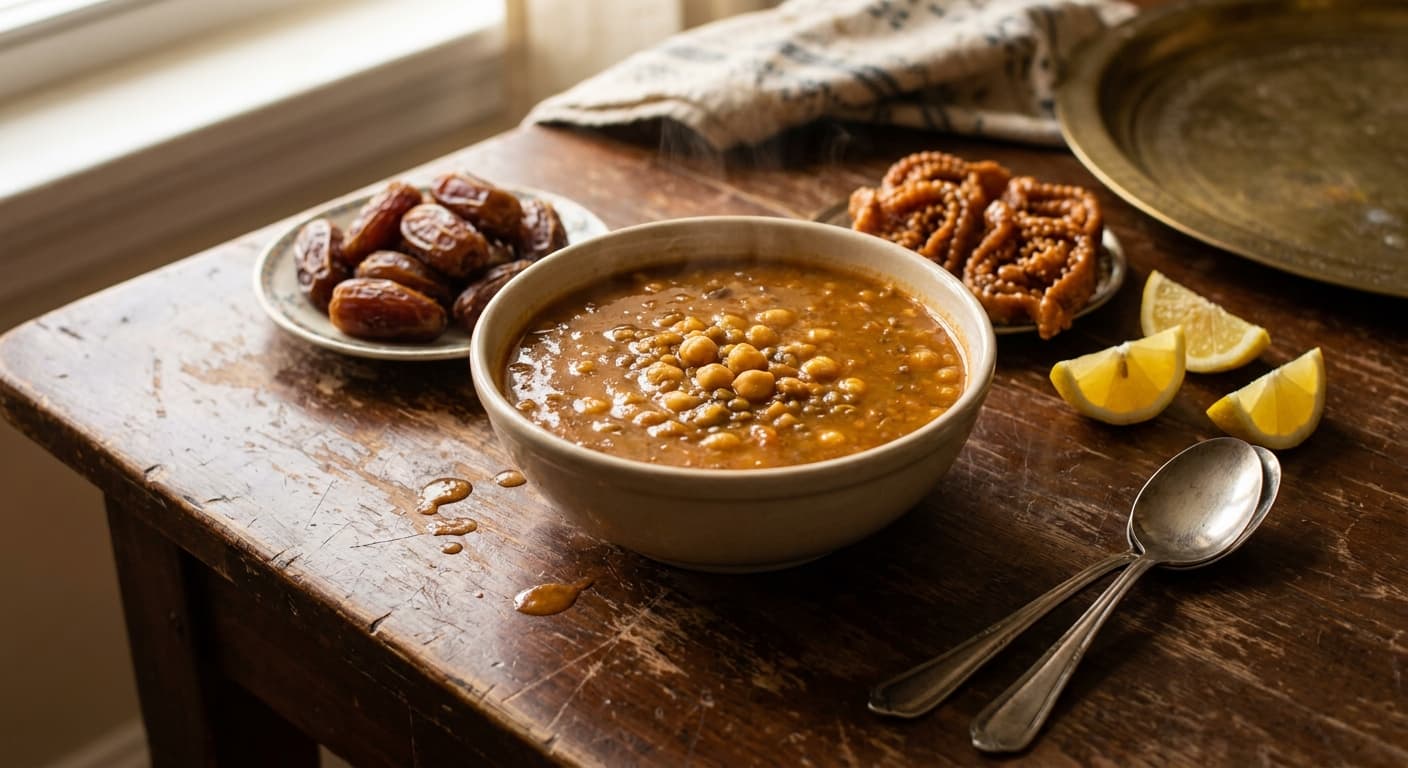
Moroccan Harira (الحريرة المغربية) — Ramadan Tomato, Lentil, and Chickpea Soup
Moroccan · Soups · 115 min
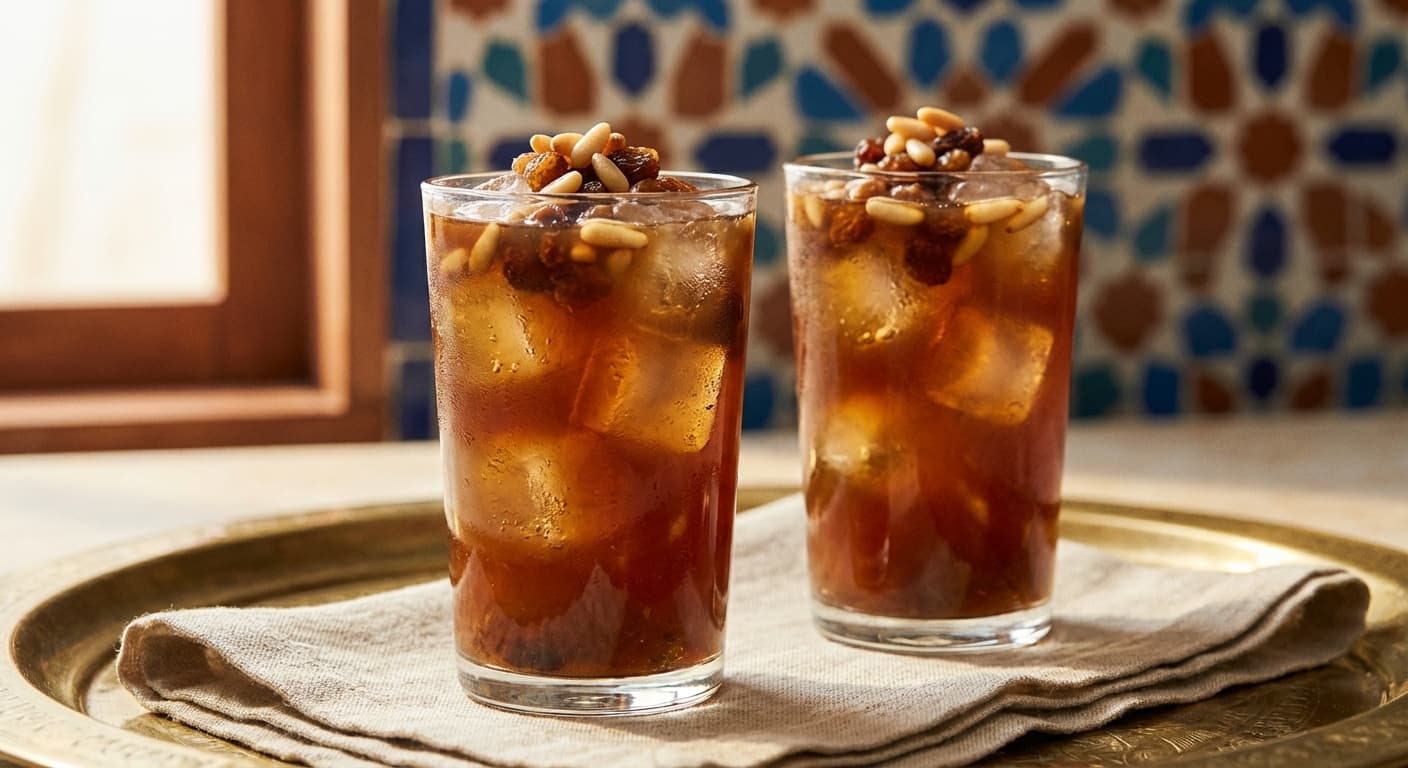
Jellab (جلاب) — Moroccan Date-Raisin Drink Topped with Pine Nuts
Moroccan · Drinks · 35 min
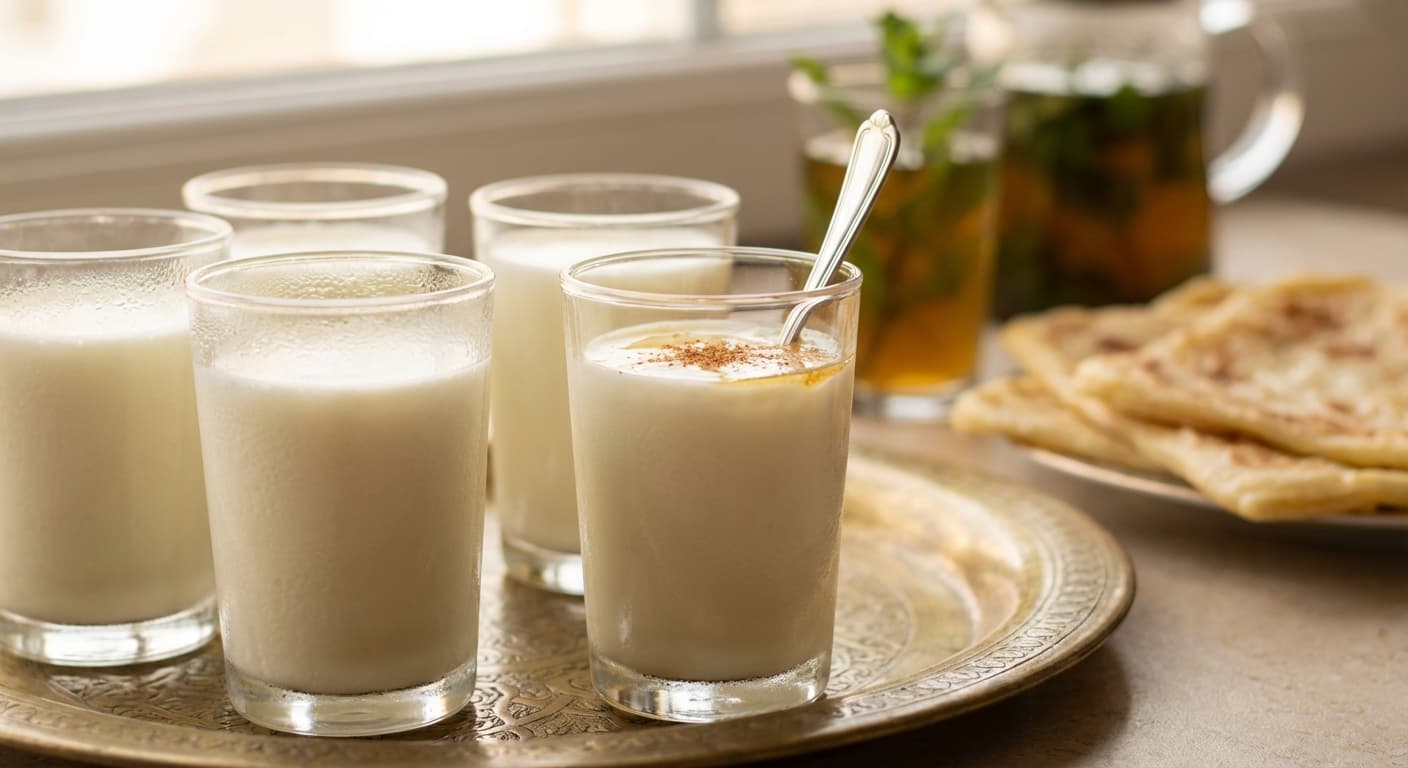
Raib (رايب) — Moroccan Chilled Homemade Yogurt, Plain or Sweetened
Moroccan · Desserts · 30 min

Halo-Halo (Halo-Halo) — Filipino Shaved Ice Dessert
Filipino · Desserts · 40 min
Brigadeiro (Brigadeiro) — Brazilian Chocolate Party Truffles
Brazilian · Desserts · 37 min
Soujouk (سجق) — Lebanese Spicy Sausage Served Sizzling with Lemon
Lebanese · Appetizers · 22 min
Asturian Bean Stew (Fabada Asturiana) — Smoky Spanish Bean and Pork Stew
Spanish · Stews · 210 min
Cornbread (Cornbread) — Classic Cast-Iron American Quick Bread
American · Breads · 40 min
Reviews
Cooked this recipe?
Tap the stars to rate it — that's all it takes. A few words are welcome but optional.
No ratings yet. Cooked this one? Be the first to rate it — it takes one tap.