Kashk-e Bademjan (کشک بادمجان)
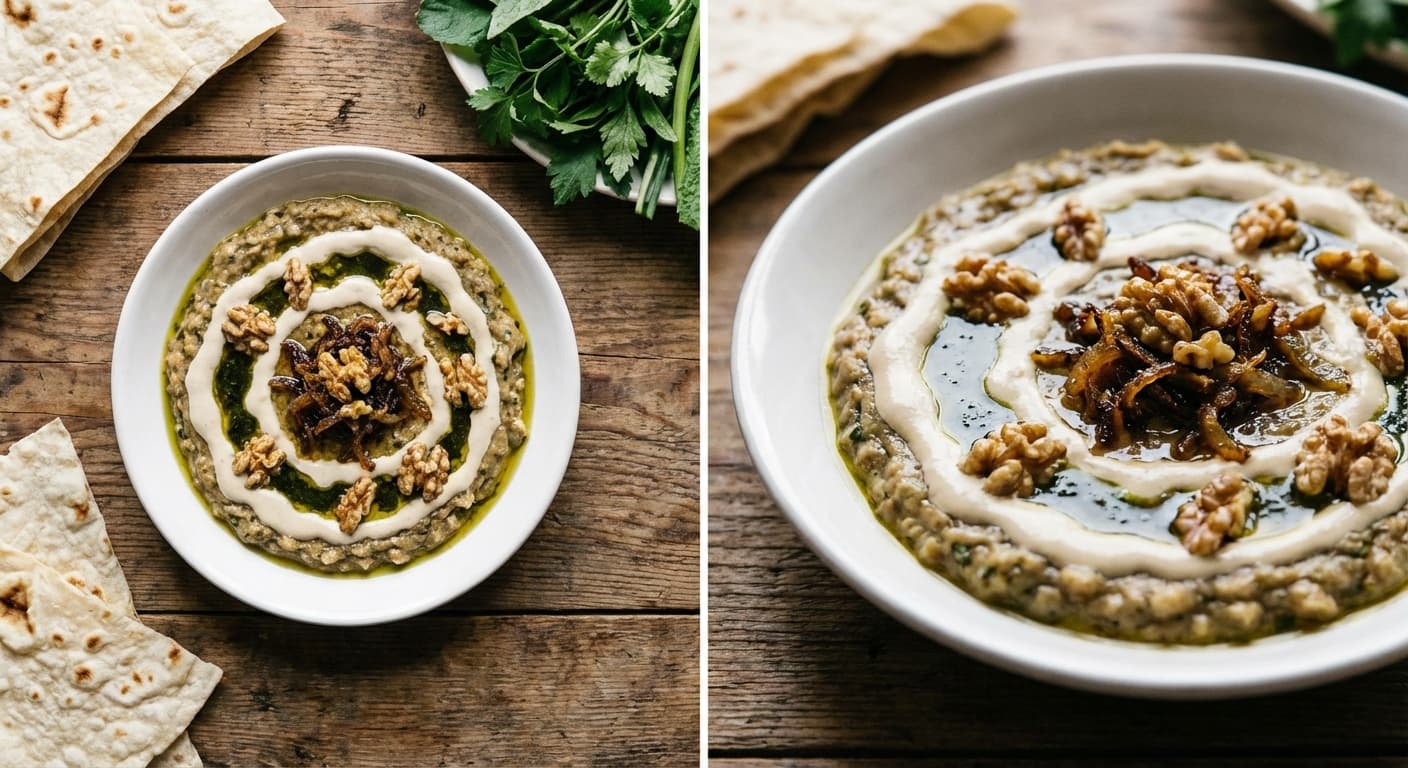
A classic Persian eggplant dip made with silky fried eggplant, caramelized onions, fragrant mint oil, and tangy kashk. Rich, savory, and perfect with warm bread for mezze or a light meal.
Printable Recipe Card
Servings: 6 · Total: 130 min · Difficulty: medium
Ingredients (quick list)
- 900 g Eggplant (2–3 large, peeled in long strips (zebra peel) and sliced into 2 cm rounds)
- 12 g Kosher salt (plus more to taste; for salting eggplant)
- 90 ml Neutral oil (such as sunflower or canola, divided)
- 300 g Onion (1 large, thinly sliced)
- 18 g Garlic (5–6 cloves, finely grated or minced)
- 2 g Turmeric (about 1 tsp)
- 1 g Black pepper (about 1/2 tsp)
- 4 g Dried mint (about 2 tbsp, Persian dried mint if possible)
- 250 g Kashk (thick Persian whey; if very thick, thin with warm water)
- 60 ml Warm water (as needed to loosen kashk and adjust dip consistency)
- 30 g Walnuts (coarsely chopped, for garnish (optional but traditional))
Steps (summary)
- Salt the eggplant: place slices in a colander, sprinkle with 12 g kosher salt, and toss well. Set over a bowl and rest 45 minut…
- Fry the eggplant in batches: heat 60 ml neutral oil in a wide skillet over medium-high (about 180°C/350°F oil temperature). Add…
- Caramelize the onion: in the same skillet, reduce heat to medium and add the remaining 30 ml oil. Add sliced onion with a pinch…
- Bloom spices and garlic: stir in turmeric and black pepper for 30 seconds, then add the minced garlic. Cook 60–90 seconds until…
- Mash to a silky texture: add 60 ml warm water, cover, and simmer on low 10–12 minutes until eggplant collapses completely. Unco…
- Make mint oil (na'na-dagh): in a small pan, warm 2 tbsp of the oil from the skillet (or an extra splash if needed) over low hea…
+ 1 more steps in the full instructions section below.
Cultural Background
Kashk-e Bademjan is a beloved Iranian appetizer served at family gatherings and in traditional restaurants, often as part of a shared spread with bread and herbs. The signature combination of na'na-dagh and kashk reflects classic Persian layering of aroma and tang over slow-cooked vegetables.
Equipment
💡 Tips
- For less oil, you can roast eggplant at 230°C/450°F for 25–35 minutes until collapsed and browned, then proceed from the onion step; the flavor stays authentic but lighter.
- Kashk varies in saltiness—taste before adding extra salt, and dilute with warm water for a smooth, glossy drizzle.
- Mint burns fast; keep heat low and pull the pan as soon as the mint darkens and releases aroma.
⚠️ Common Mistakes
❌ Skipping the salting and drying step for eggplant
💡 Why: Wet, unsalted eggplant absorbs more oil and can taste slightly bitter, leading to a greasy dip.
✅ Fix: Salt 45 minutes, rinse briefly, then press and pat very dry before frying or roasting.
❌ Burning the dried mint in hot oil
💡 Why: Dried mint turns bitter within seconds at high heat and can ruin the final aroma.
✅ Fix: Use low heat and stir only 20–30 seconds; remove from heat as soon as it darkens.
❌ Boiling the kashk after adding it
💡 Why: High heat can split dairy and dull the tang, making the texture grainy.
✅ Fix: Warm kashk separately and stir it in off heat; reheat only gently if needed.
🧊 How to Store
Cool completely, then refrigerate in an airtight container up to 3 days. Reheat gently on low with a splash of water to loosen, or serve at cool room temperature. Do not freeze; kashk can separate and turn grainy.
📅 Make Ahead
Prepare the eggplant-onion base up to 2 days ahead and refrigerate. Rewarm gently with 2–3 tbsp water, then stir in kashk just before serving. Make mint oil up to 24 hours ahead and keep covered at room temperature; rewarm briefly to loosen before drizzling.
🍽️ Pairs Well With
- Warm sangak
- barbari
- or lavash; a side of sabzi khordan
- torshi
- and radishes; or alongside other mezze like mirza ghasemi and mast-o-khiar.
Regional Variations
- TehranOften mashed very smooth and finished with generous kashk drizzles and a heavier na'na-dagh topping; walnuts are a common garnish for a restaurant-style presentation.
- IsfahanSome cooks add a touch more caramelized onion and keep the mash slightly chunkier, emphasizing sweetness from deeply browned onions against the tang of kashk.
- GilanA small amount of local garlic-forward seasoning and extra fried garlic chips may be used on top, leaning into the region’s love of bold garlic notes while keeping the base eggplant-and-kashk.
Ingredients
- 900 gEggplant (2–3 large, peeled in long strips (zebra peel) and sliced into 2 cm rounds)
- 12 gKosher salt (plus more to taste; for salting eggplant)
- 90 mlNeutral oil (such as sunflower or canola, divided)
- 300 gOnion (1 large, thinly sliced)
- 18 gGarlic (5–6 cloves, finely grated or minced)
- 2 gTurmeric (about 1 tsp)
- 1 gBlack pepper (about 1/2 tsp)
- 4 gDried mint (about 2 tbsp, Persian dried mint if possible)
- 250 gKashk (thick Persian whey; if very thick, thin with warm water)
- 60 mlWarm water (as needed to loosen kashk and adjust dip consistency)
- 30 gWalnuts (coarsely chopped, for garnish (optional but traditional))
🔄 Substitutions
- Kashk→ Whole-milk Greek yogurt mixed with 1 tsp lemon juice and a pinch of salt
- Neutral oil→ Ghee
- Walnuts→ Pistachios
Instructions
- 1
Salt the eggplant: place slices in a colander, sprinkle with 12 g kosher salt, and toss well. Set over a bowl and rest 45 minutes to draw out bitterness and reduce oil absorption. Rinse quickly under cool water, then press and pat very dry with towels; wet eggplant splatters and steams instead of browning.
- 2
Fry the eggplant in batches: heat 60 ml neutral oil in a wide skillet over medium-high (about 180°C/350°F oil temperature). Add eggplant in a single layer and fry 4–6 minutes per side until deep golden and very soft. Transfer to a paper-towel-lined tray; add a little more oil if the pan dries out.
- 3
Caramelize the onion: in the same skillet, reduce heat to medium and add the remaining 30 ml oil. Add sliced onion with a pinch of salt and cook 12–18 minutes, stirring often, until evenly golden-brown and sweet. If it browns too fast, lower heat and add 1–2 tbsp water to deglaze.
- 4
Bloom spices and garlic: stir in turmeric and black pepper for 30 seconds, then add the minced garlic. Cook 60–90 seconds until fragrant and the raw garlic smell fades, stirring constantly so it doesn’t scorch. Return the fried eggplant to the pan and gently toss to coat with the onion mixture.
- 5
Mash to a silky texture: add 60 ml warm water, cover, and simmer on low 10–12 minutes until eggplant collapses completely. Uncover and mash with a potato masher (or pulse briefly with an immersion blender) until mostly smooth with a few pleasant strands. Taste and adjust salt if needed.
- 6
Make mint oil (na'na-dagh): in a small pan, warm 2 tbsp of the oil from the skillet (or an extra splash if needed) over low heat. Add dried mint and stir 20–30 seconds just until it turns darker and aromatic; do not burn it or it becomes bitter. Immediately remove from heat.
- 7
Finish with kashk: warm the kashk gently (not boiling) and, if very thick, thin with a little warm water until pourable. Stir half the kashk into the eggplant mixture off heat to keep it creamy. Spoon into a serving dish, drizzle remaining kashk and mint oil on top, and garnish with walnuts.
🪪 Recipe Passport
Cultural Background
Kashk-e Bademjan is a beloved Iranian appetizer served at family gatherings and in traditional restaurants, often as part of a shared spread with bread and herbs. The signature combination of na'na-dagh and kashk reflects classic Persian layering of aroma and tang over slow-cooked vegetables.
Regional Variations
Researched from multiple sources and validated by the Zaffaron editorial team. Every recipe is tested for accuracy, measurements, and cultural authenticity.
Nutrition per serving
Pairs well with
If you enjoyed this recipe, here are a few related Zaffaron recipes to try next.
Does your family make this differently?
Every family has their own version. Maybe your grandmother adds a secret ingredient, or your aunt has a completely different technique. Preserve your family's version — with their name on it, forever.
You Might Also Like
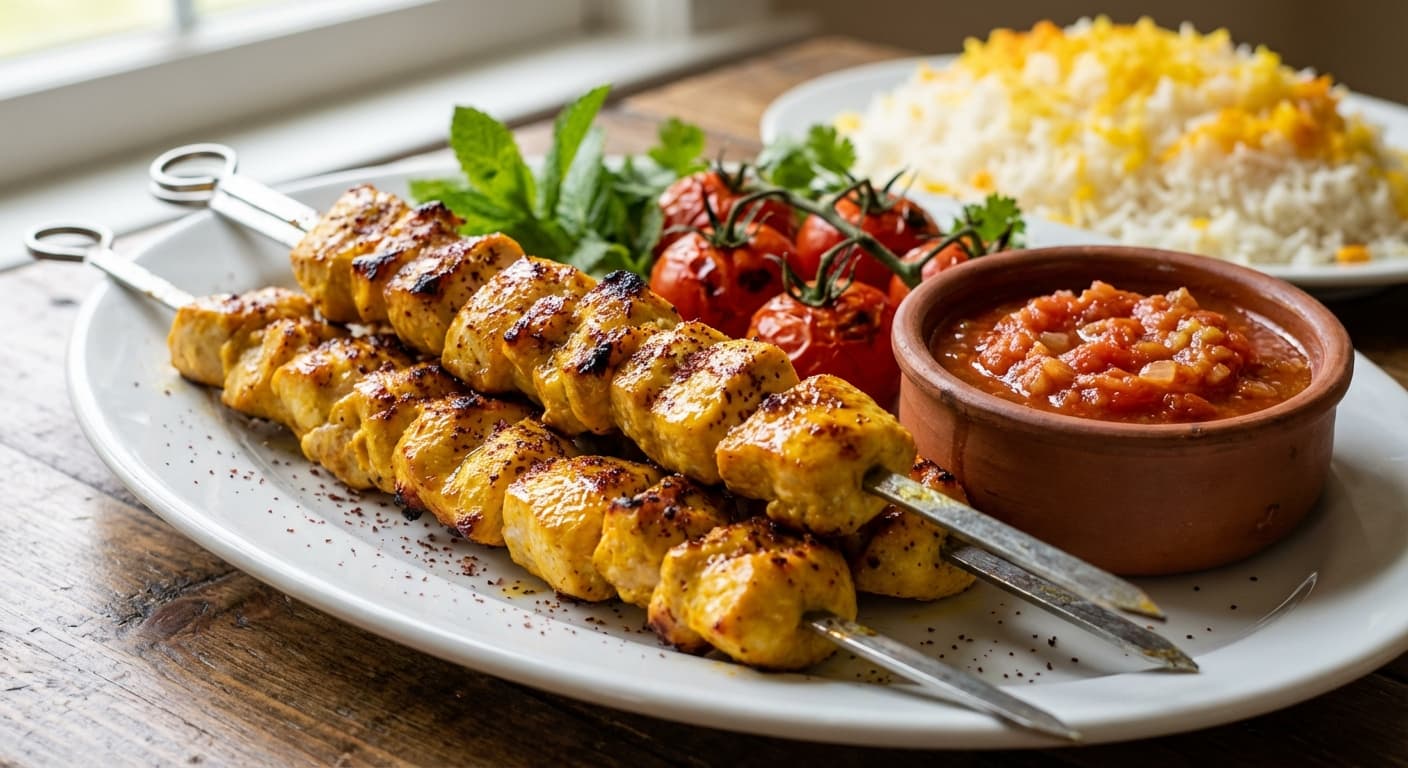
Jujeh Kabab (جوجه کباب) — Saffron-Turmeric Chicken with Rustic Tomato Sauce
Persian · Kebabs · 45 min
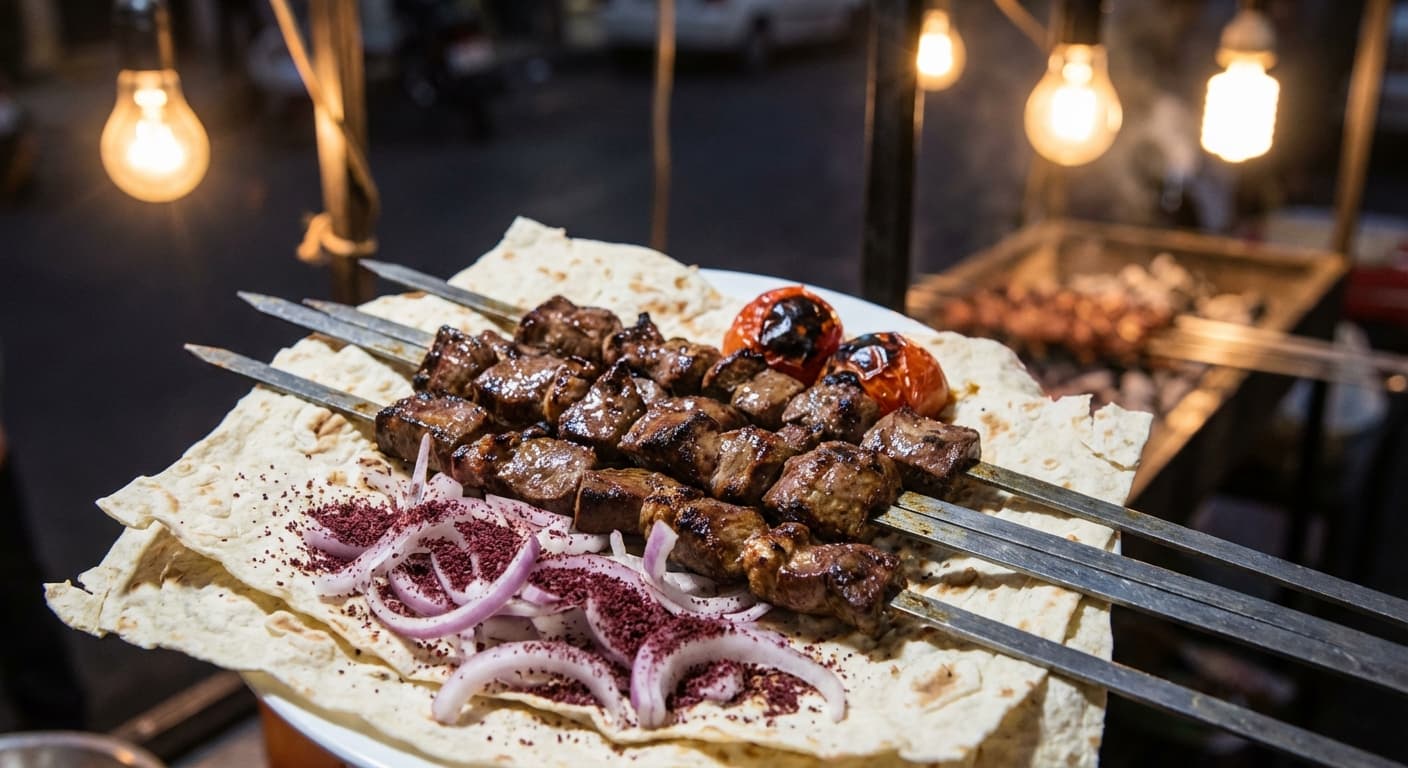
Jigar Kabab (جگر کباب) — Classic Persian Lamb Liver Skewers
Persian · Kebabs · 33 min
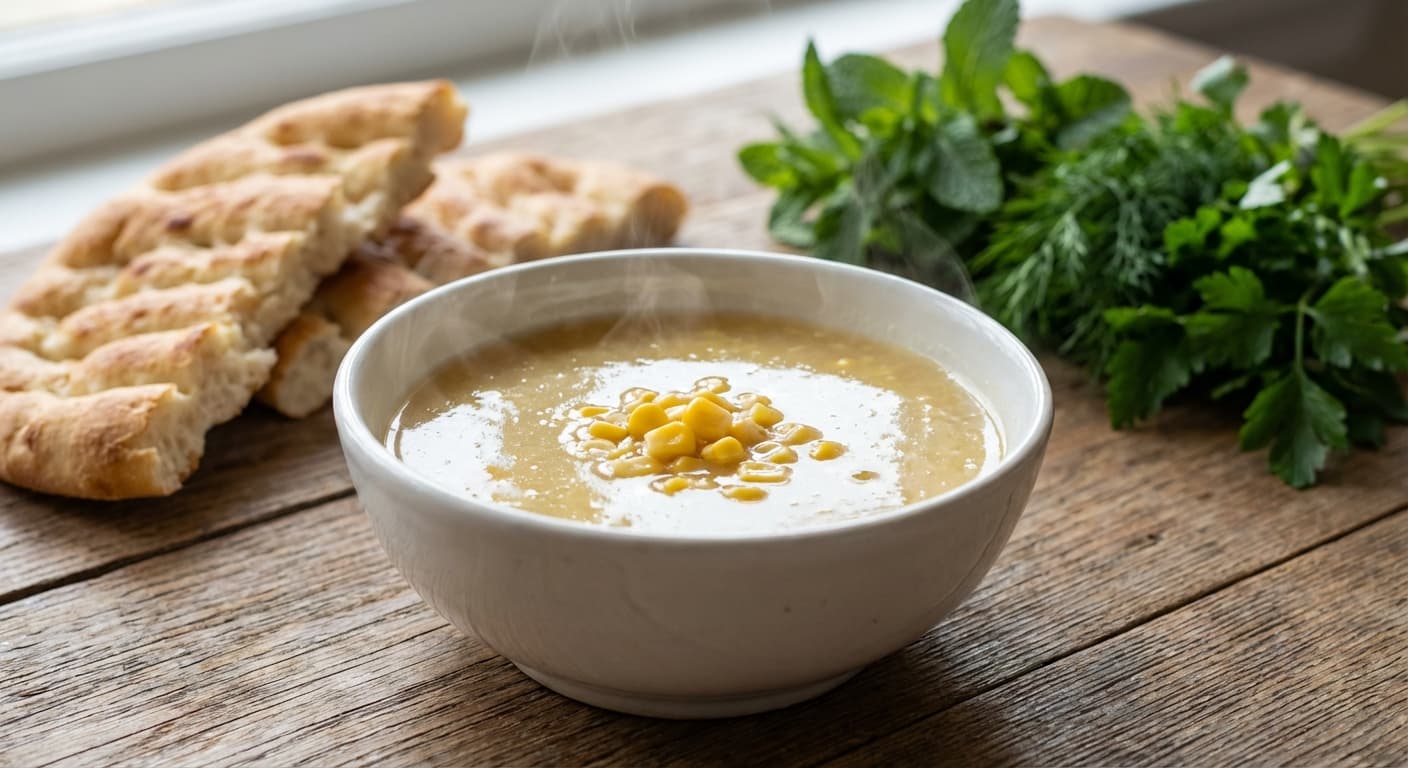
Persian Sweet Corn Soup (سوپ ذرت) — Silky Golden Comfort Soup
Persian · Soups · 50 min
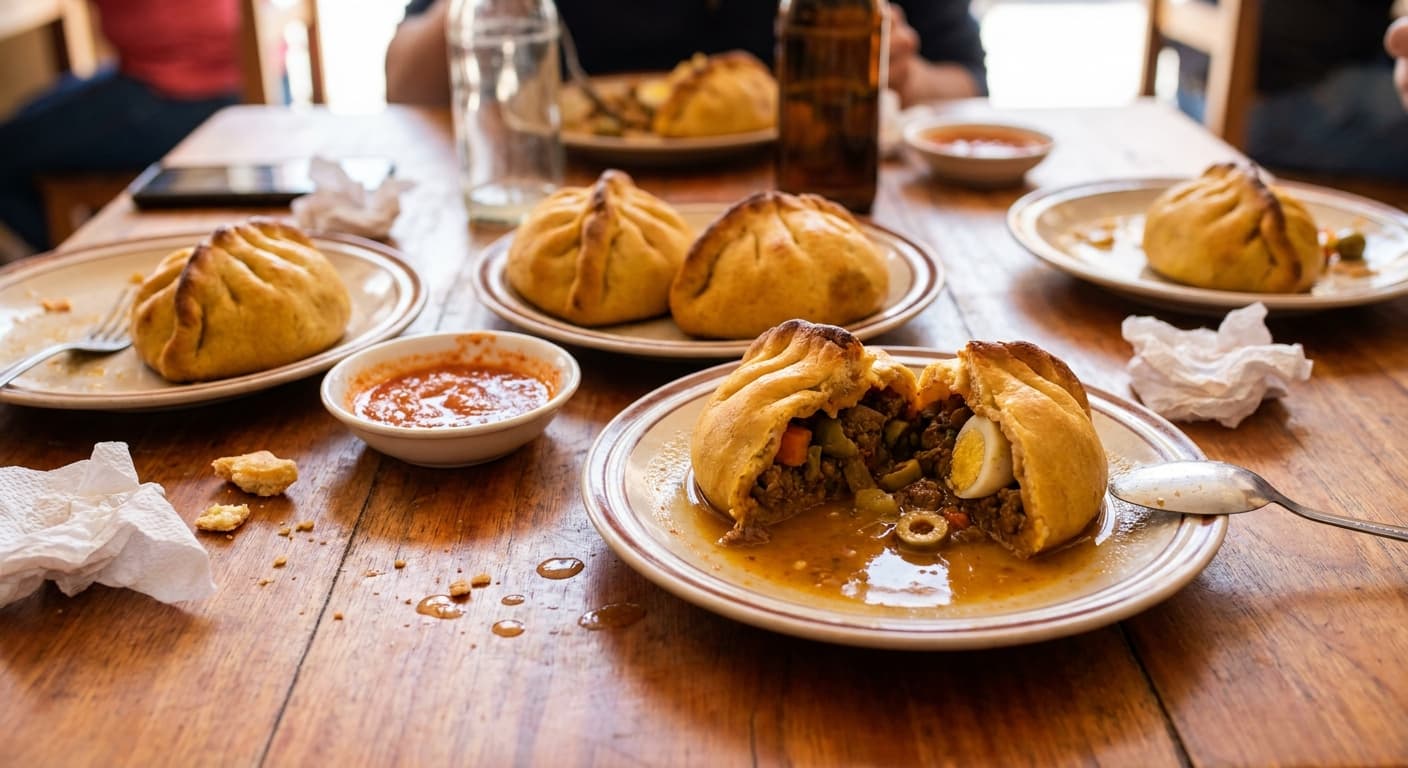
Bolivian Salteñas (Salteñas) — Juicy Baked Meat Empanadas
Bolivian · Appetizers · 120 min
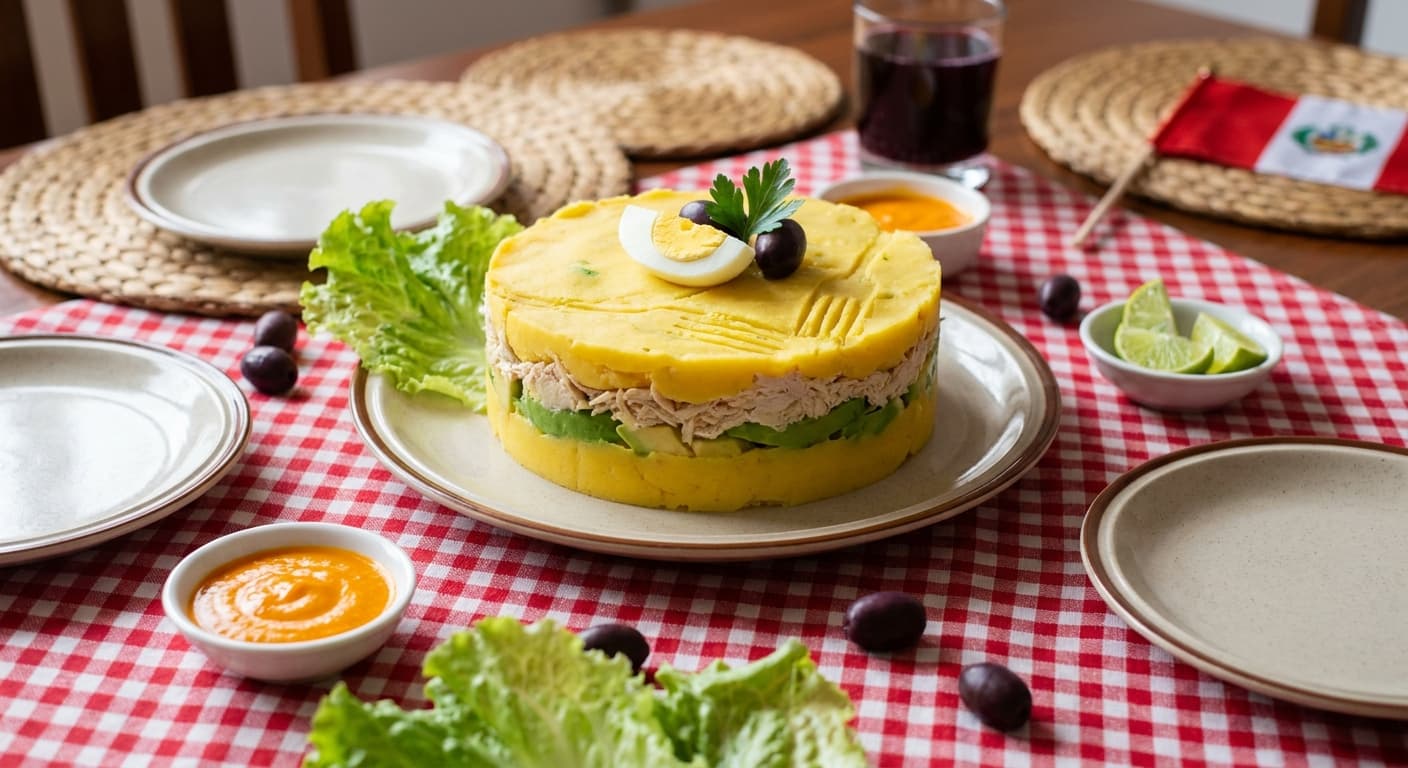
Lima-Style Causa (Causa Limeña) — Chilled Potato Terrine with Chicken and Avocado
Peruvian · Appetizers · 70 min
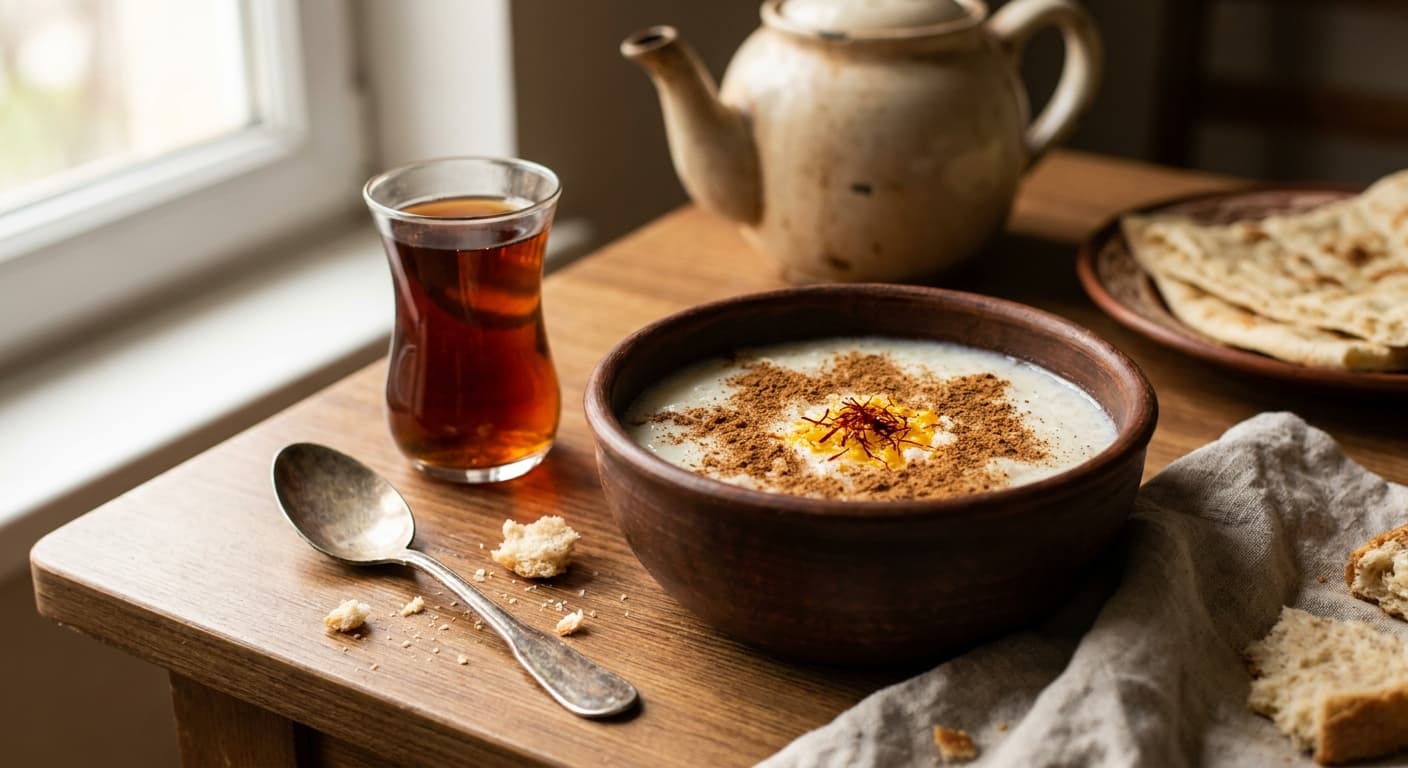
Azerbaijani Milk Rice Porridge (Südlü Sıyıq) — Creamy Breakfast Bowl
Azerbaijani · Rice Dishes · 40 min
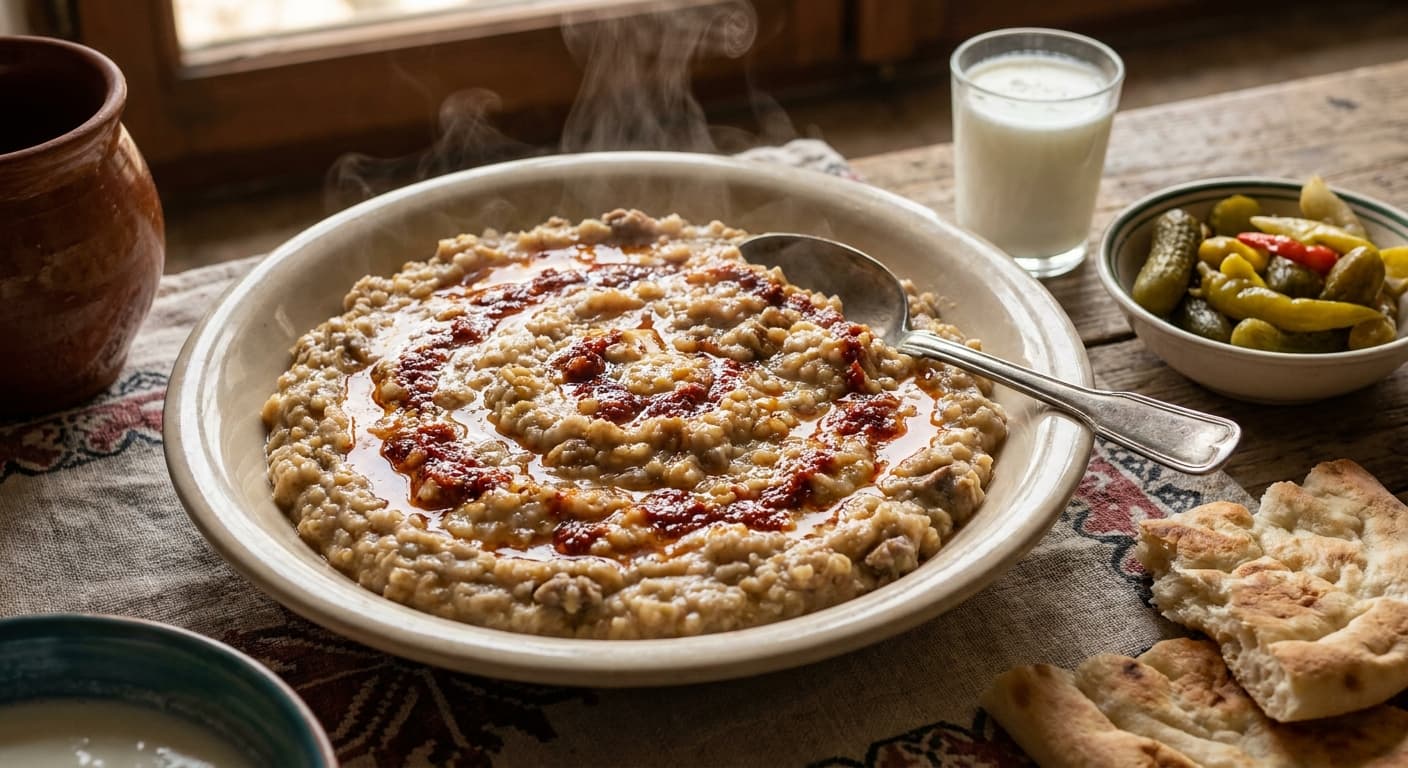
Keshkek (Keşkek) — Creamy Ceremonial Wheat and Lamb Stew
Turkish · Stews · 240 min
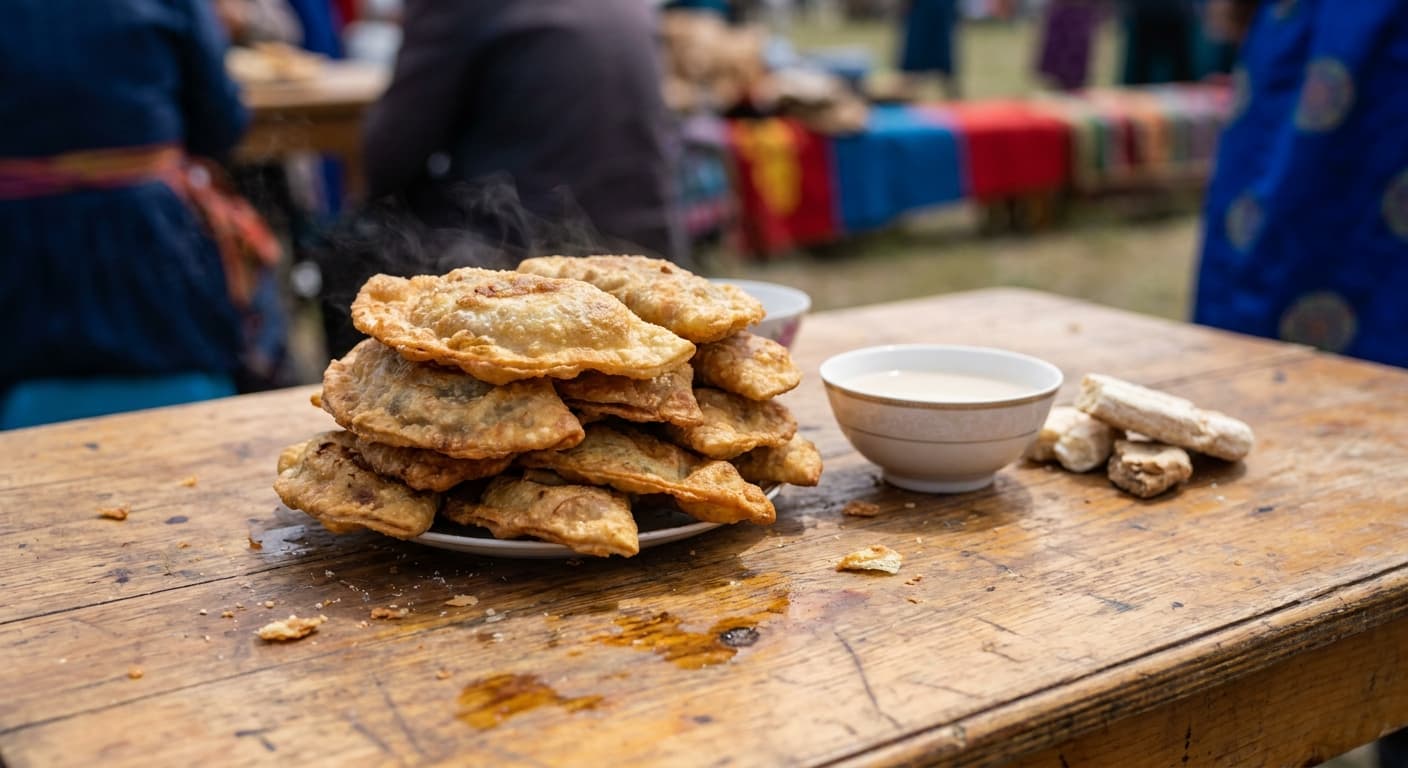
Khuushuur (Хуушуур) — Crisp Mongolian Fried Meat Pockets
Mongolian · Main Courses · 70 min
Reviews
Cooked this recipe?
Tap the stars to rate it — that's all it takes. A few words are welcome but optional.
No ratings yet. Cooked this one? Be the first to rate it — it takes one tap.