Khoresht-e Fesenjan (خورش فسنجان) — Persian Pomegranate and Walnut Stew
Khoresht-e Fesenjan is a classic Persian sweet-and-sour stew of toasted walnuts and chicken simmered in pomegranate molasses until glossy and rich. Finished with saffron, it is traditionally served with steamed rice.
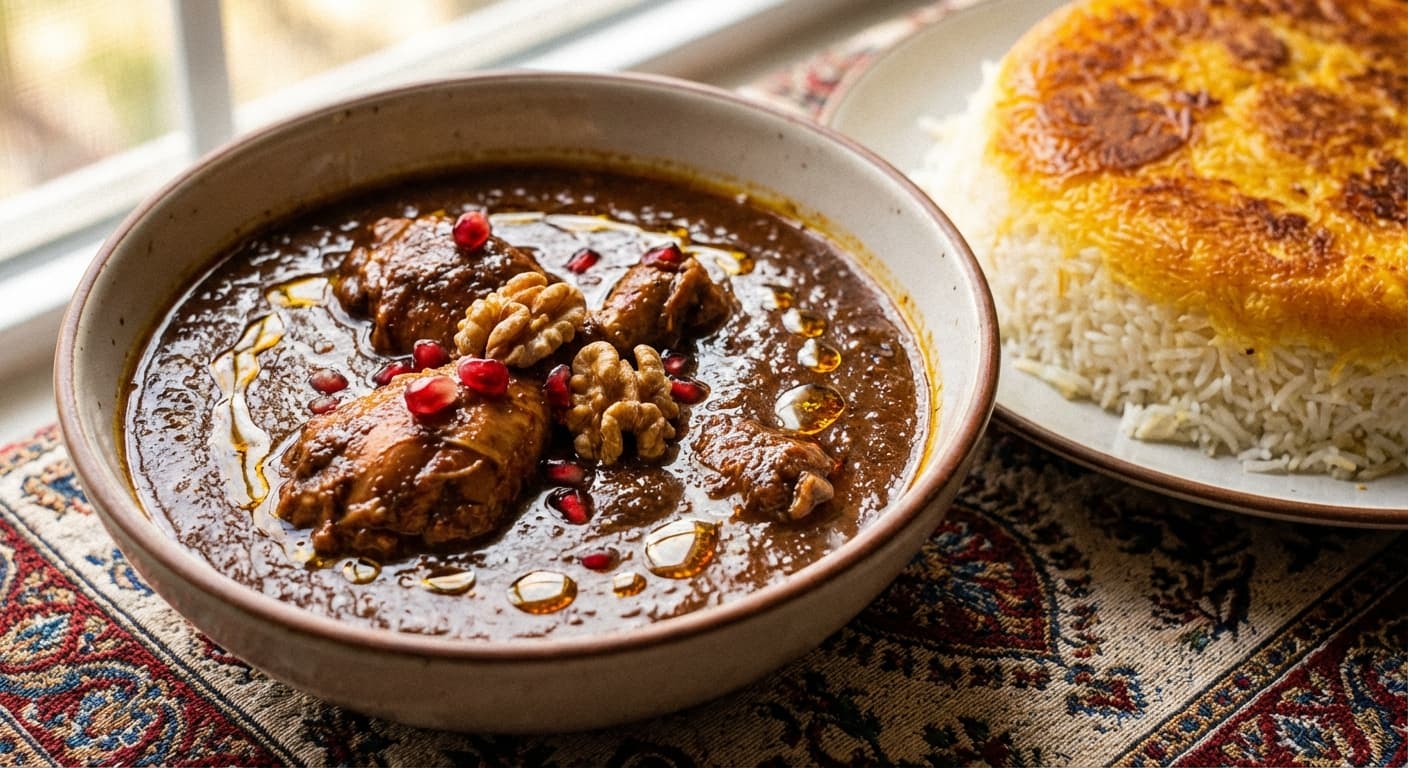
Printable Recipe Card
Servings: 6 · Total: 180 min · Difficulty: medium
Ingredients (quick list)
- 1200 g Chicken thighs, bone-in and skinless (about 6 pieces)
- 10 g Fine sea salt (divided, plus more to taste)
- 2 g Ground black pepper (about 1 tsp)
- 30 ml Neutral oil (such as sunflower or canola)
- 400 g Yellow onions (thinly sliced for fried onions (piaz dagh))
- 350 g Walnut halves (raw, then toasted)
- 1200 ml Water (divided; more as needed)
- 180 ml Pomegranate molasses (unsweetened if possible)
- 36 g Granulated sugar (about 3 tbsp; adjust to taste)
- 2 g Ground cinnamon (about 1 tsp)
- 0.2 g Saffron threads (about 1/4 tsp)
- 30 ml Hot water (for blooming saffron)
Steps (summary)
- Bloom the saffron: crush saffron threads to a fine powder, then stir with 30 ml hot water (not boiling, about 80–90°C). Cover a…
- Make fried onions (piaz dagh): heat 45 ml oil in a wide pan over medium heat. Add sliced onions and cook 20–25 minutes, stirrin…
- Toast and grind walnuts: in a dry skillet over medium-low heat, toast walnuts 6–8 minutes, stirring constantly, until fragrant…
- Brown the chicken: add 30 ml oil to the pan (use the onion pan if possible) and heat over medium-high. Sear chicken 4–5 minutes…
- Build the walnut sauce: add ground walnuts to the pot and cook 2 minutes over medium, stirring, to lightly toast and prevent a…
- Season and simmer to richness: stir in pomegranate molasses, sugar, cinnamon, and the remaining 4 g salt. Add the browned chick…
+ 1 more steps in the full instructions section below.
Cultural Background
Khoresht-e Fesenjan is a well-known Persian stew associated with northern Iran, especially the Gilan region, where walnuts and pomegranates are widely used. It is commonly served at gatherings and seasonal celebrations, and its sweet-and-sour balance is a hallmark of many Persian stews.
Equipment
💡 Tips
- For the classic sheen, keep the simmer very gentle; a hard boil can split the sauce and toughen the chicken.
- Grinding walnuts finely is key to a smooth stew; if gritty, blend a ladle of sauce and return it to the pot.
- If the stew tastes flat, it usually needs more pomegranate molasses (acidity) rather than more salt.
- Skim excess walnut oil only if it feels heavy; a thin layer on top is traditional and adds aroma.
⚠️ Common Mistakes
❌ Boiling the stew hard to speed it up
💡 Why: High heat can cause the walnut emulsion to break and can make chicken dry and stringy.
✅ Fix: Keep it at a gentle simmer (small bubbles). If it starts boiling, lower heat and partially cover.
❌ Grinding walnuts too coarsely
💡 Why: Large walnut particles stay gritty and do not thicken the sauce evenly.
✅ Fix: Pulse to a fine meal; if already cooked, blend a portion of the stew until smooth and stir back in.
❌ Letting the walnuts stick and scorch on the bottom
💡 Why: Ground walnuts settle quickly and burn easily, adding bitterness.
✅ Fix: Stir every 10 minutes during the first hour and add water in small amounts if the sauce thickens too fast.
❌ Over-sweetening early
💡 Why: Pomegranate molasses brands vary in acidity and sweetness; early adjustments can overshoot the balance.
✅ Fix: Add the listed sugar first, then fine-tune in the last 10 minutes with small measured additions.
🧊 How to Store
Cool to room temperature within 2 hours, then refrigerate in an airtight container up to 4 days. Reheat gently over low heat with 60–120 ml water to loosen. Freeze up to 2 months; thaw overnight in the refrigerator before reheating.
📅 Make Ahead
The stew improves after resting. Cook up to 2 days ahead, refrigerate, then reheat gently over low heat with 60–120 ml water, stirring until glossy. Add saffron during reheating for the freshest aroma.
🍽️ Pairs Well With
- Persian steamed rice
- Pickled vegetables
- Fresh herbs and radishes
Regional Variations
- Gilan (Northern Iran)Often cooked more tart with less sugar, allowing the pomegranate molasses to dominate; some cooks simmer longer for a darker, more intense walnut flavor.
- Tehran and Central IranCommonly balanced toward a sweeter profile, with a slightly lighter color and a shorter simmer; chicken is frequently used for everyday versions.
Ingredients
- 1200 gChicken thighs, bone-in and skinless (about 6 pieces)
- 10 gFine sea salt (divided, plus more to taste)
- 2 gGround black pepper (about 1 tsp)
- 30 mlNeutral oil (such as sunflower or canola)
- 400 gYellow onions (thinly sliced for fried onions (piaz dagh))
- 350 gWalnut halves (raw, then toasted)
- 1200 mlWater (divided; more as needed)
- 180 mlPomegranate molasses (unsweetened if possible)
- 36 gGranulated sugar (about 3 tbsp; adjust to taste)
- 2 gGround cinnamon (about 1 tsp)
- 0.2 gSaffron threads (about 1/4 tsp)
- 30 mlHot water (for blooming saffron)
🔄 Substitutions
- Chicken thighs, bone-in→ Chicken drumsticks or boneless thighs
- Pomegranate molasses→ Unsweetened pomegranate juice reduced by half
- Granulated sugar→ Honey
Instructions
- 1
Bloom the saffron: crush saffron threads to a fine powder, then stir with 30 ml hot water (not boiling, about 80–90°C). Cover and steep 15 minutes. Meanwhile, pat chicken dry and season with 6 g salt and all the black pepper; let it sit 15 minutes at room temperature for more even browning.
- 2
Make fried onions (piaz dagh): heat 45 ml oil in a wide pan over medium heat. Add sliced onions and cook 20–25 minutes, stirring often, until deeply golden and sweet, not burnt. Lower heat if edges darken too fast. Transfer onions to a plate; leave any flavorful oil in the pan for searing the chicken.
- 3
Toast and grind walnuts: in a dry skillet over medium-low heat, toast walnuts 6–8 minutes, stirring constantly, until fragrant and slightly darker. Cool 5 minutes, then grind to a fine meal in a food processor. Avoid turning it into walnut butter; pulse and scrape the bowl as needed for an even, sandy texture.
- 4
Brown the chicken: add 30 ml oil to the pan (use the onion pan if possible) and heat over medium-high. Sear chicken 4–5 minutes per side until well browned. Transfer to a pot or Dutch oven. Add the fried onions to the pot and stir 1 minute over medium heat to coat the onions in the rendered chicken juices.
- 5
Build the walnut sauce: add ground walnuts to the pot and cook 2 minutes over medium, stirring, to lightly toast and prevent a raw taste. Add 800 ml water and whisk well to dissolve any walnut clumps. Bring to a gentle simmer, then reduce heat to low, partially cover, and simmer 60 minutes, stirring every 10 minutes so the walnuts do not stick.
- 6
Season and simmer to richness: stir in pomegranate molasses, sugar, cinnamon, and the remaining 4 g salt. Add the browned chicken back into the sauce. Simmer very gently 60–75 minutes, partially covered, until the chicken is tender and the stew turns darker and glossy. Add up to 400 ml additional water gradually if it thickens too quickly.
- 7
Finish with saffron and balance: stir in the bloomed saffron and simmer uncovered 10 minutes to perfume the stew. Taste and adjust the sweet-sour balance: add 10–15 ml more pomegranate molasses for more tang, or 6–12 g more sugar for more sweetness. Rest off heat 10 minutes so the oil rises and the flavors round out.
🪪 Recipe Passport
Cultural Background
Khoresht-e Fesenjan is a well-known Persian stew associated with northern Iran, especially the Gilan region, where walnuts and pomegranates are widely used. It is commonly served at gatherings and seasonal celebrations, and its sweet-and-sour balance is a hallmark of many Persian stews.
Regional Variations
Researched from multiple sources and validated by the Zaffaron editorial team. Every recipe is tested for accuracy, measurements, and cultural authenticity.
Nutrition per serving
Pairs well with
If you enjoyed this recipe, here are a few related Zaffaron recipes to try next.
- Khoresht-e Torsheh Somagh (خورش ترشه سماق) | Northern Gilaki Sumac Chicken Stew
- Khoresht-e Rangarang (خورشت رنگارنگ) — Persian Colorful Vegetable & Meat Stew
- Khoresht-e Havij va Karafs (خورشت هویج و کرفس) — Persian Chicken, Carrot & Celery Stew
- Khoresht Loobia va Havij (خورش لوبیا و هویج) — Persian Green Bean & Carrot Stew
Does your family make this differently?
Every family has their own version. Maybe your grandmother adds a secret ingredient, or your aunt has a completely different technique. Preserve your family's version — with their name on it, forever.
You Might Also Like
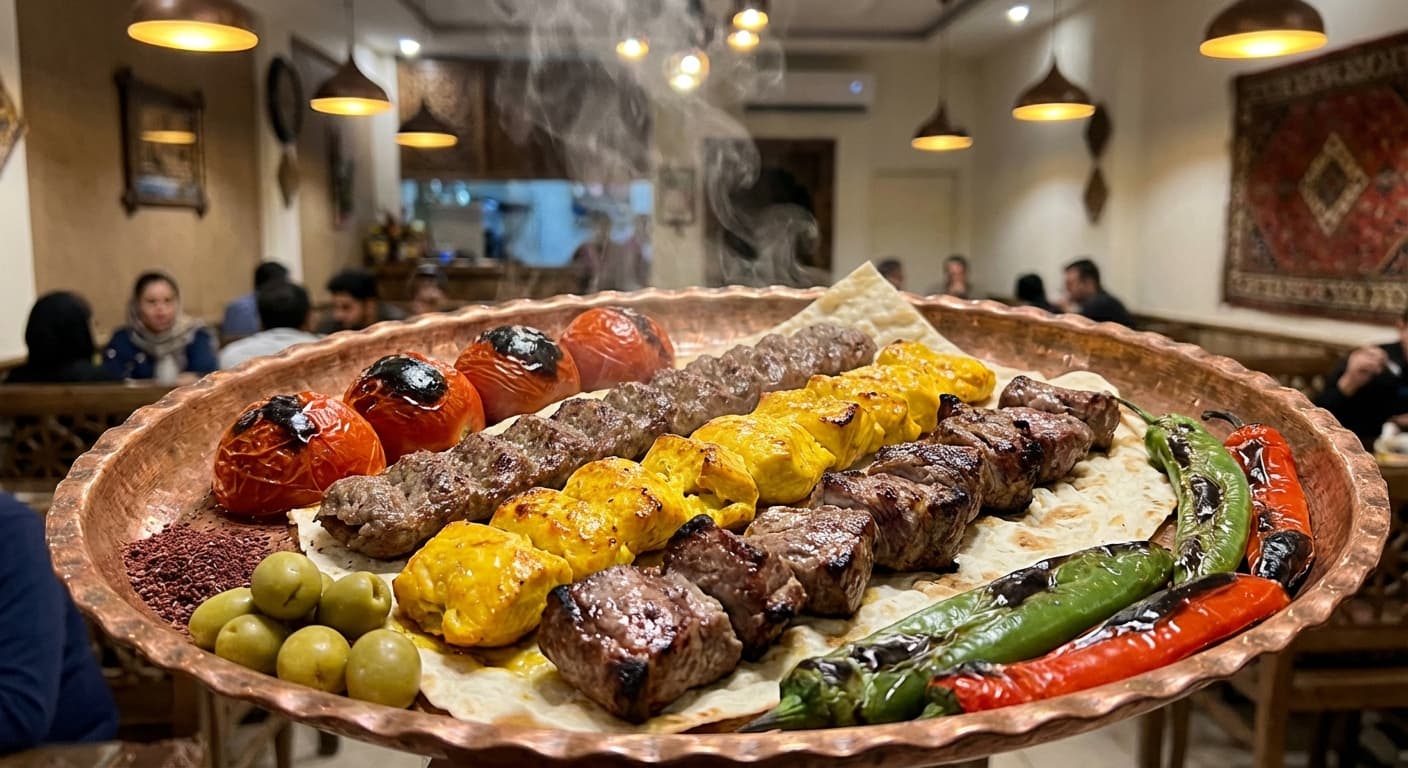
Kabab Vijeh (کباب ویژه) — Royal Persian Mixed Grill Platter
Persian · Kebabs · 70 min
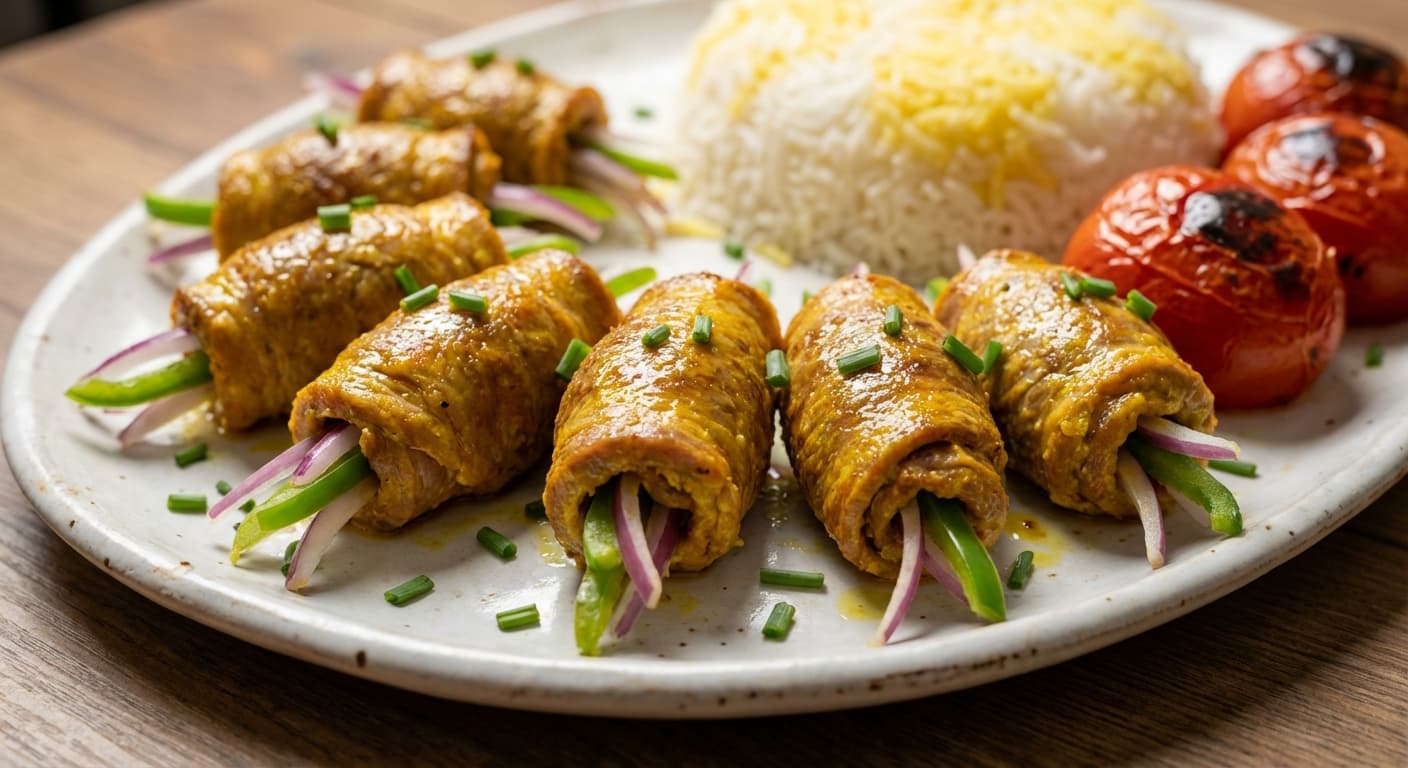
Bulgar Kabab (کباب بلغار) — Persian Rolled Saffron Fillets
Persian · Kebabs · 37 min
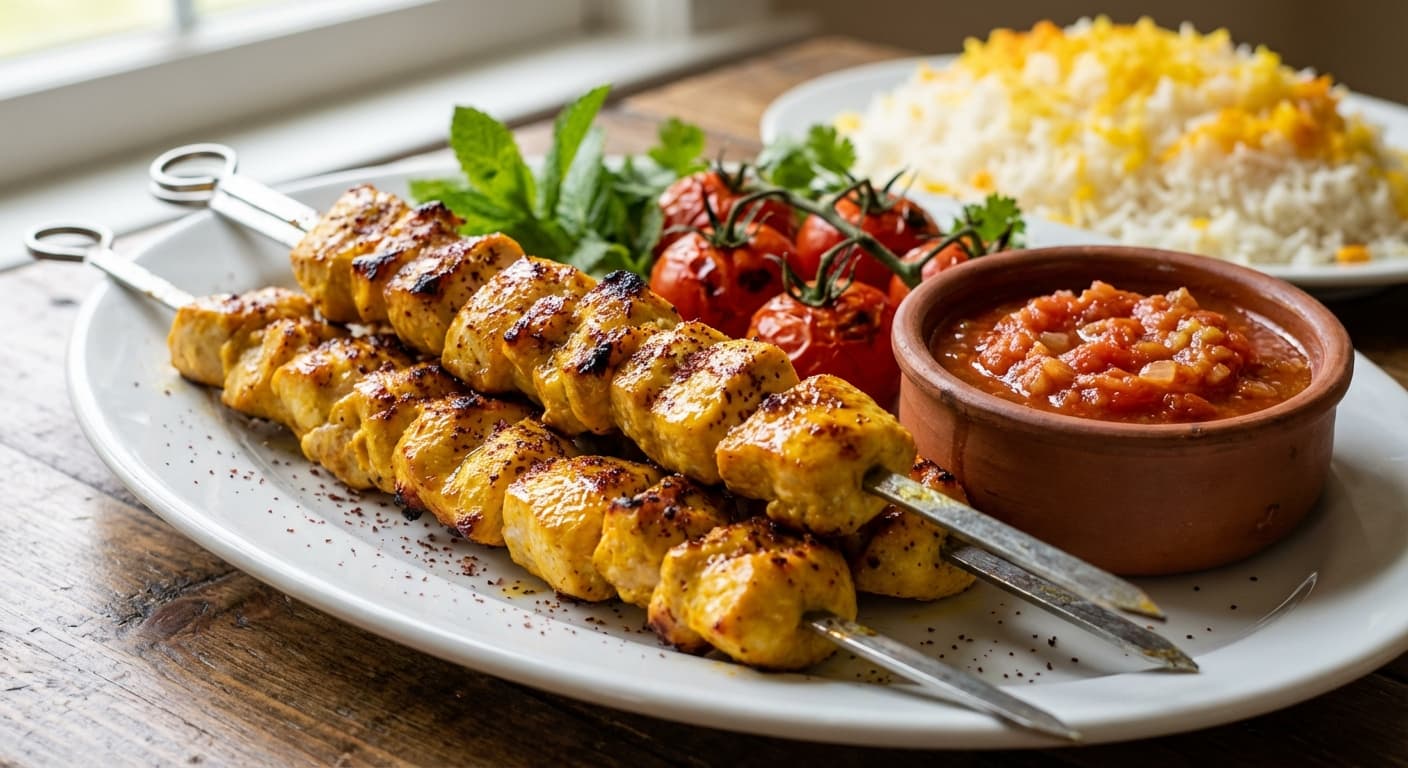
Jujeh Kabab (جوجه کباب) — Saffron-Turmeric Chicken with Rustic Tomato Sauce
Persian · Kebabs · 45 min
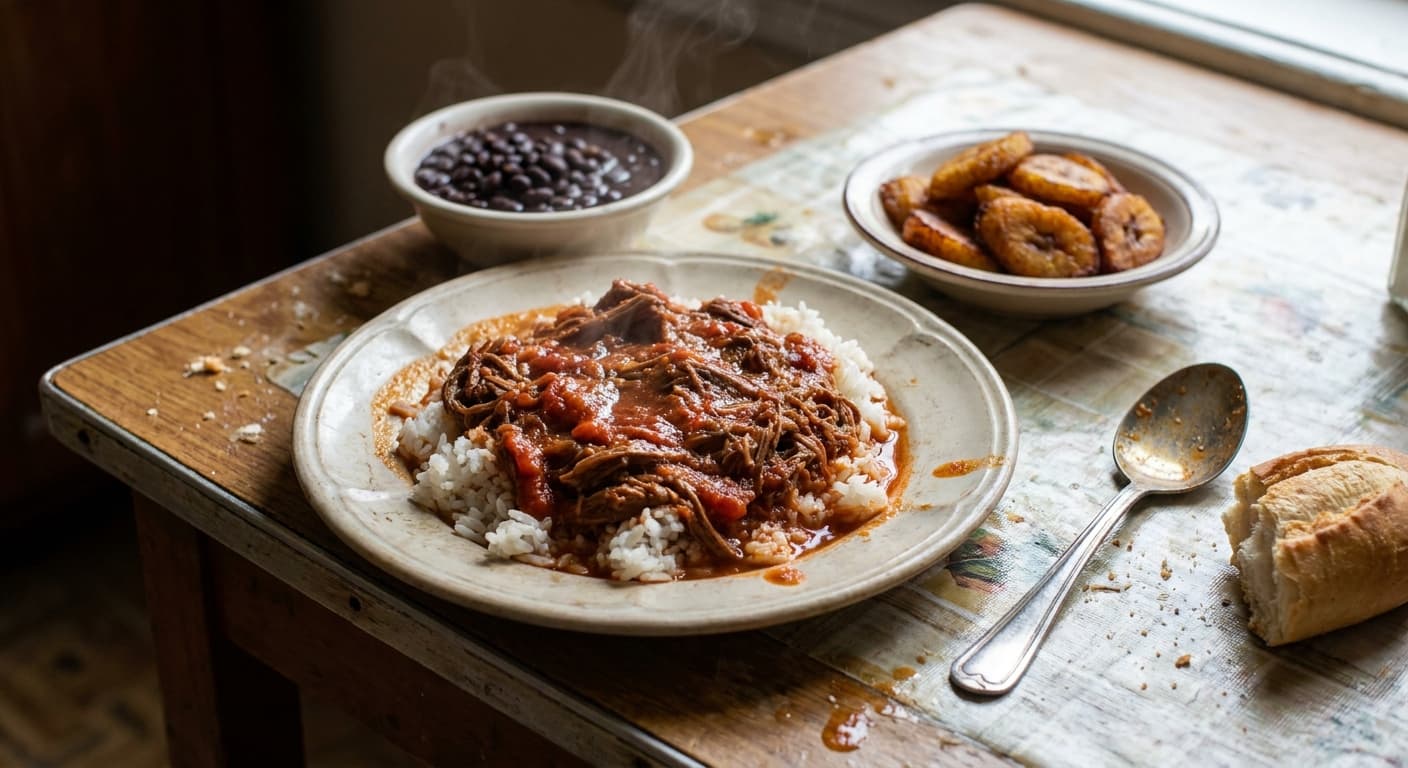
Cuban Ropa Vieja (Ropa Vieja) — Shredded Beef in Tomato-Pepper Sauce
Cuban · Stews · 190 min
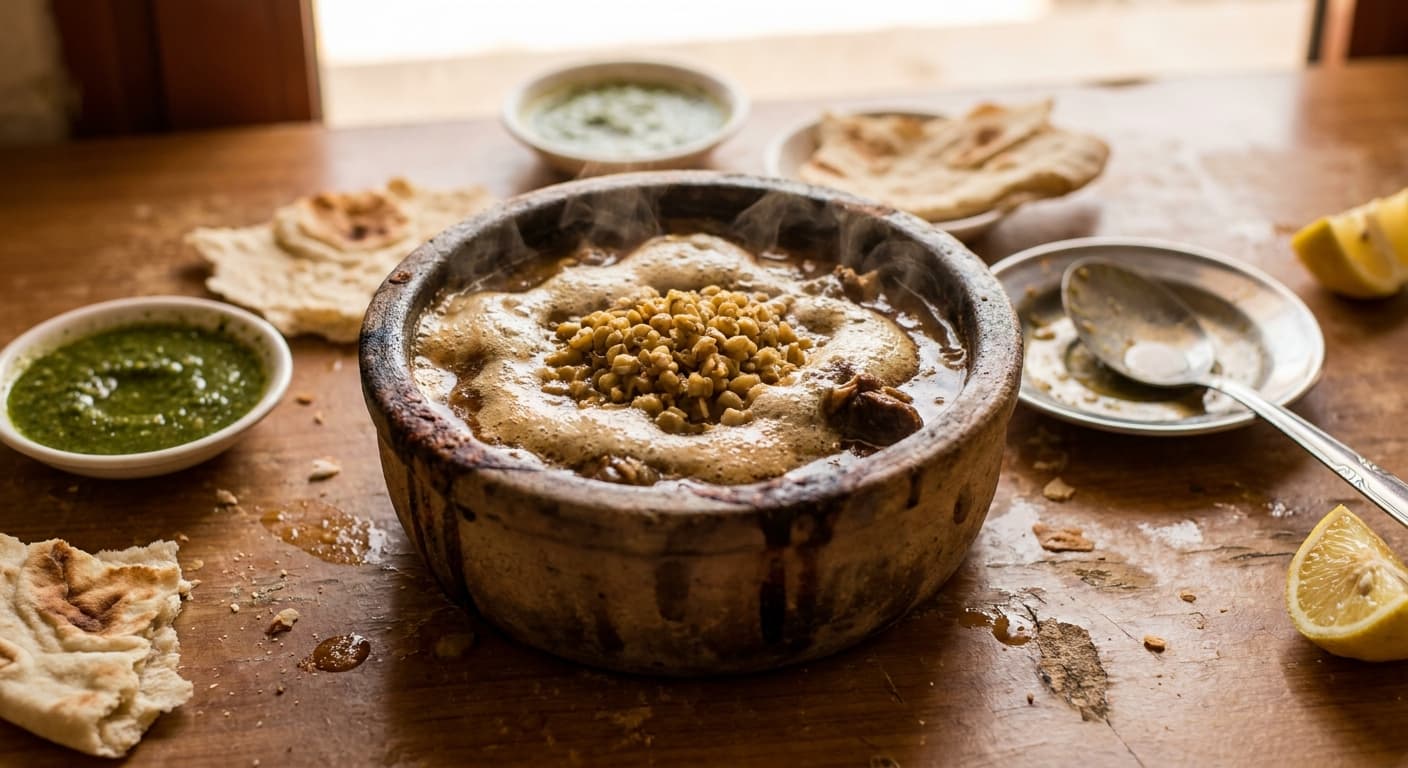
Yemeni Saltah (سلتة) — Bubbling Fenugreek Lamb Stew
Yemeni · Stews · 130 min
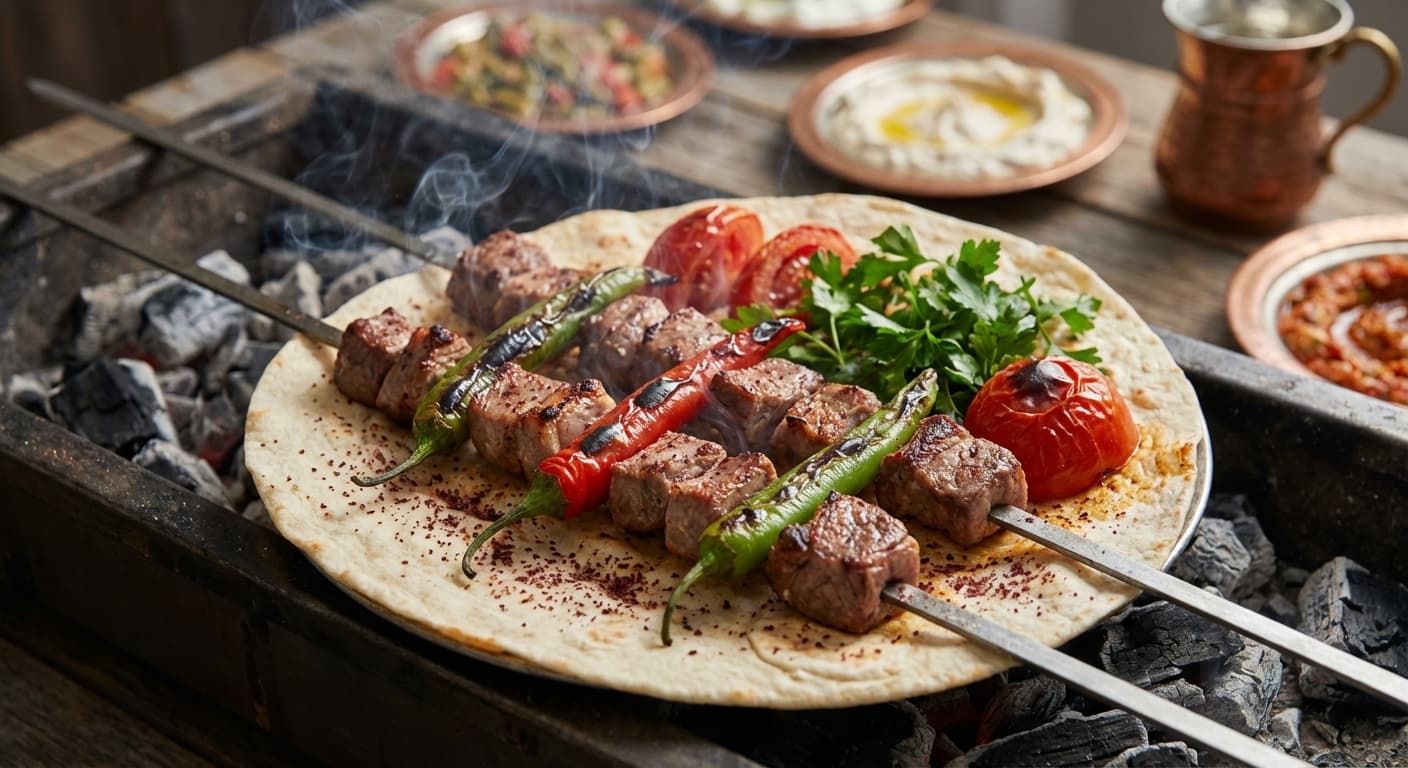
Turkish Shish Kebab (Şiş Kebap) — Charcoal-Grilled Marinated Lamb Skewers
Turkish · Kebabs · 37 min
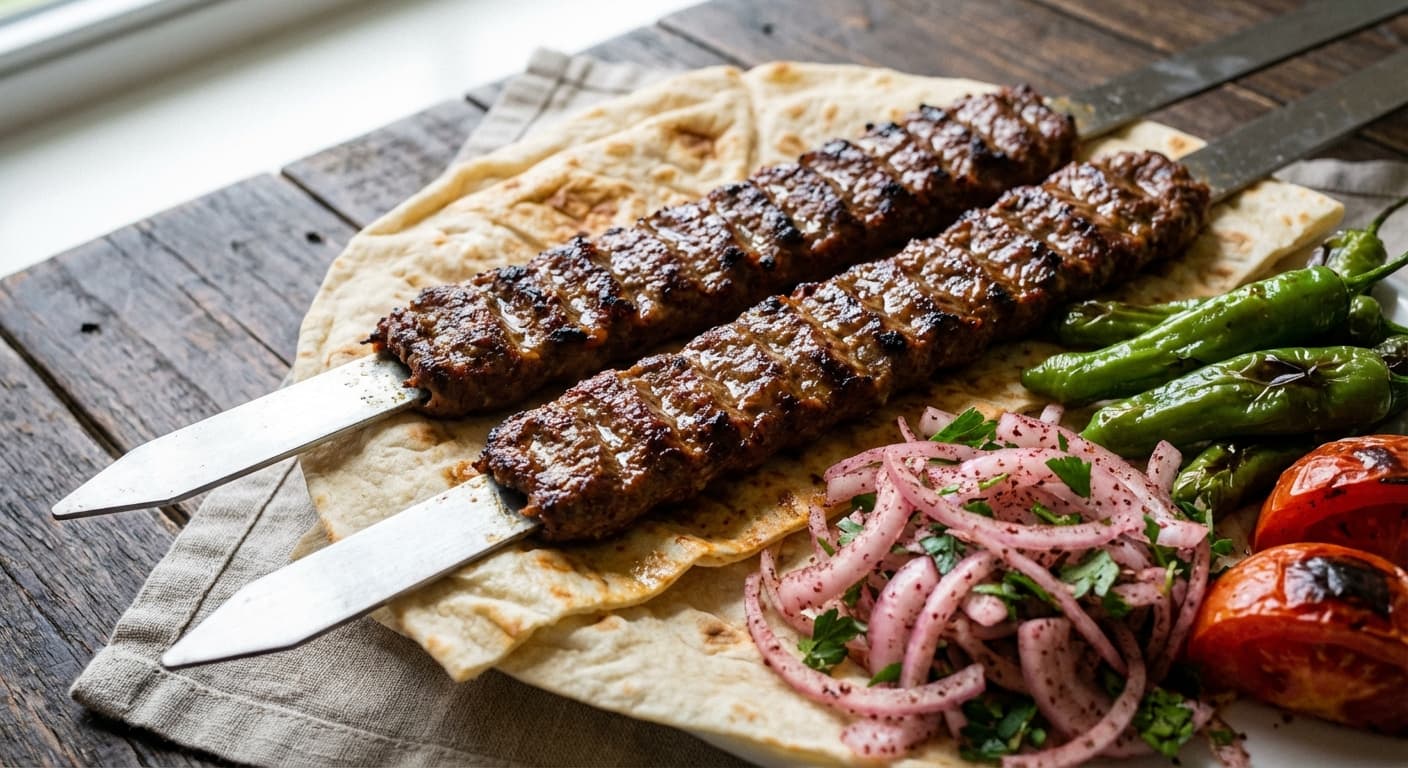
Urfa Kebab (اورفا کباب) — Mild Turkish minced skewer with sumac onions
Turkish · Kebabs · 37 min
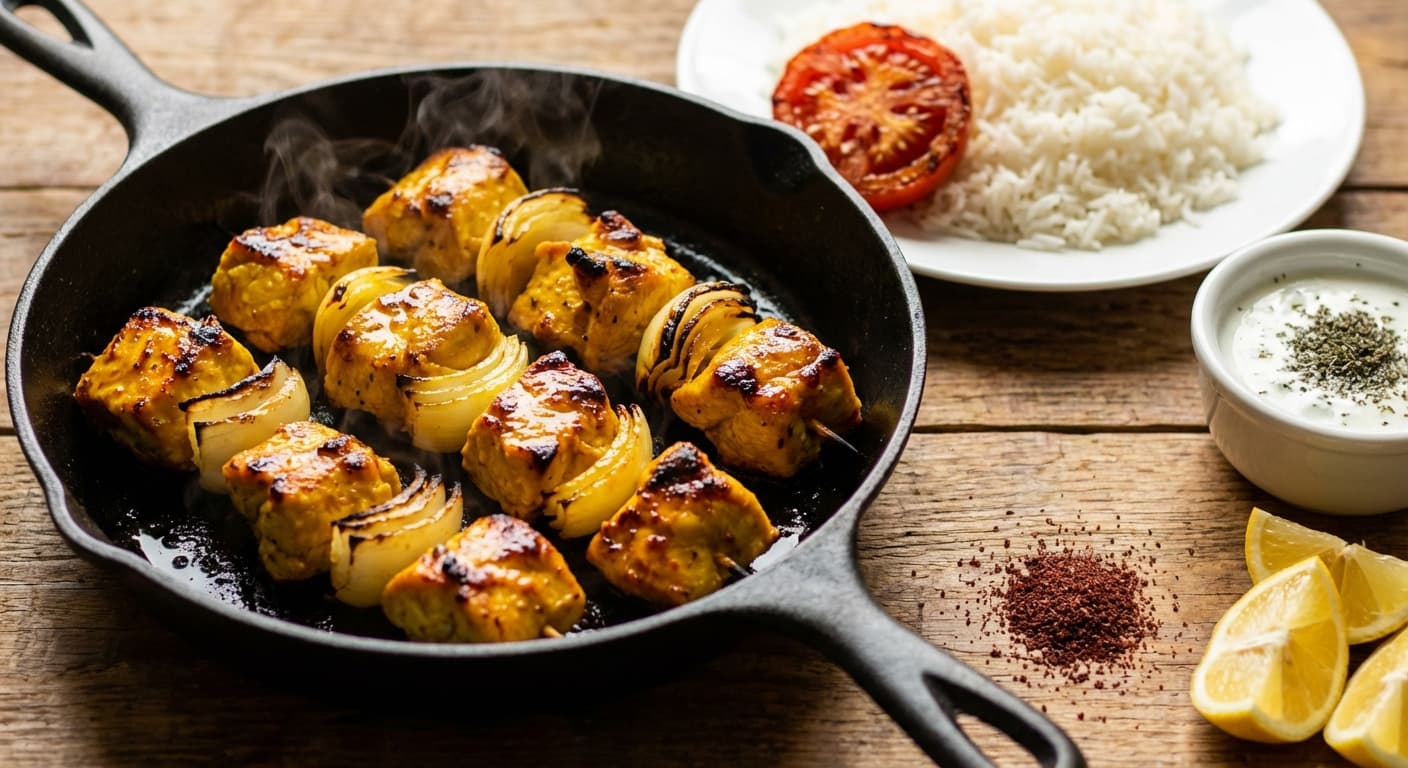
Pan-Seared Joojeh Kebab (جوجه کباب تابهای) — Persian Saffron Skillet Chicken
Persian · Kebabs · 34 min
Reviews
Cooked this recipe?
Tap the stars to rate it — that's all it takes. A few words are welcome but optional.
No ratings yet. Cooked this one? Be the first to rate it — it takes one tap.