Khoresht-e Khelal (خورش خلال) — Kermanshahi Almond Stew
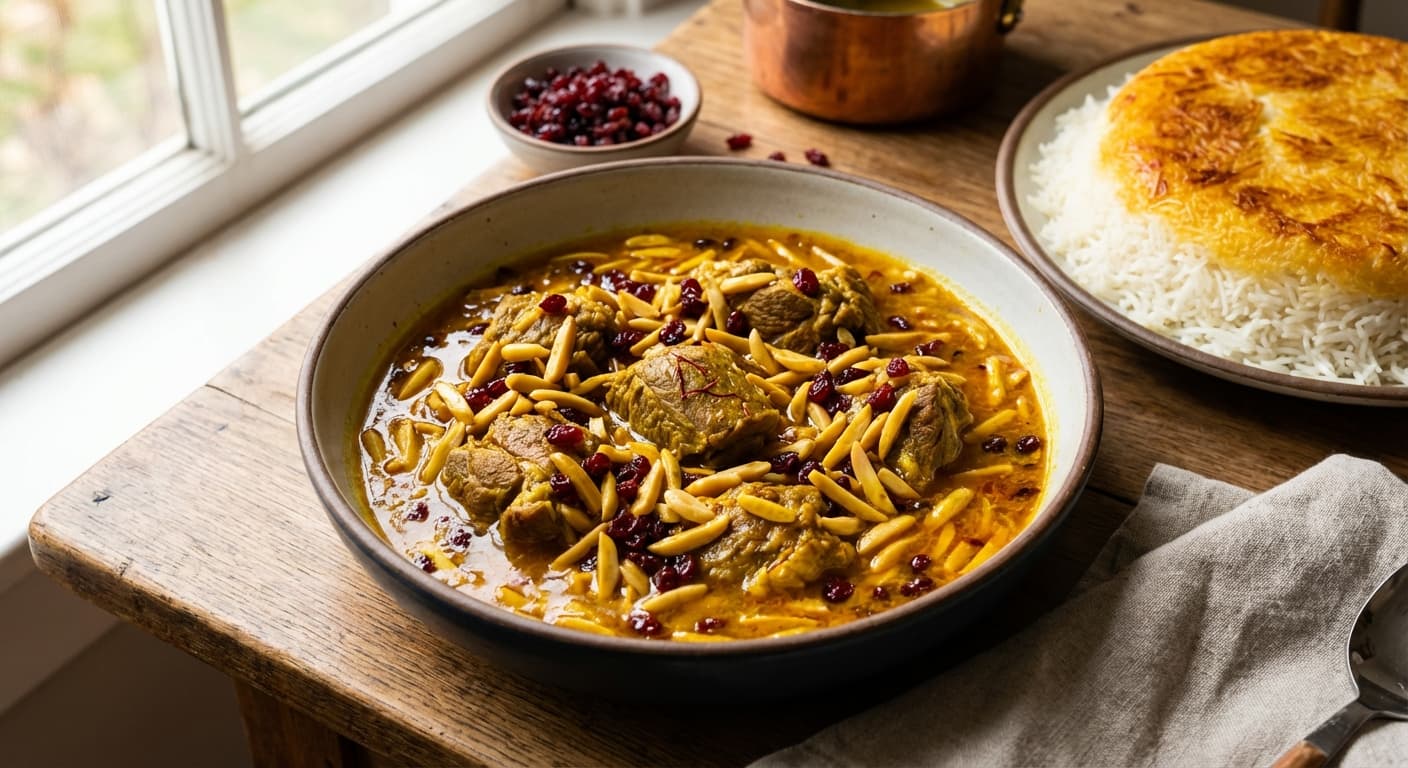
A jewel-toned Persian stew from Kermanshah featuring tender lamb or beef, slivered almonds, tart barberries, and a saffron-cardamom aroma. Slow-simmered for depth, then finished bright and fragrant for a festive table.
Printable Recipe Card
Servings: 6 · Total: 175 min · Difficulty: medium
Ingredients (quick list)
- 120 g Slivered almonds (blanched slivers; soak to keep pale and tender-crisp)
- 480 ml Warm water (for soaking almonds)
- 0.25 tsp Saffron threads (crushed; bloom for best color and aroma)
- 60 ml Hot water (just off the boil, for blooming saffron)
- 800 g Lamb stew meat (boneless shoulder or leg, cut into 4 cm cubes; beef chuck may be used)
- 300 g Yellow onions (finely diced)
- 12 g Garlic (minced (about 3 cloves))
- 30 ml Neutral oil (such as grapeseed or sunflower)
- 30 g Tomato paste (about 2 tablespoons)
- 6 pod Green cardamom pods (lightly crushed to expose seeds)
- 1 tsp Ground cinnamon (use fresh for a warm, sweet aroma)
- 2 tsp Fine sea salt (divided, adjust to taste)
+ 6 more in the full ingredients section below.
Steps (summary)
- Soak the slivered almonds in 480 ml warm water for 45 minutes; this keeps them pale and prevents a tough bite during simmering.…
- Heat 30 ml neutral oil in a heavy pot over medium heat. Add 300 g diced onions and cook 10–12 minutes, stirring often, until de…
- Increase heat to medium-high and add 800 g lamb cubes. Sear 6–8 minutes, turning to brown several sides. Stir in 30 g tomato pa…
- Add 900 ml water and bring to a gentle boil, then immediately reduce to a low simmer. Add 6 lightly crushed green cardamom pods…
- Drain the soaked almonds well and add them to the pot. Continue simmering, partially covered, for 25–30 minutes until almonds a…
- While the stew finishes, melt 20 g butter in a small skillet over low heat. Add 45 g rinsed, well-drained barberries and sauté…
+ 1 more steps in the full instructions section below.
Cultural Background
Khoresht-e Khelal is a well-known specialty associated with Kermanshah, often prepared for guests and celebratory meals. Its use of almonds, barberries, saffron, and cardamom reflects a Persian preference for balancing richness with tartness and perfume in slow-cooked stews.
Equipment
💡 Tips
- For the cleanest cardamom flavor, lightly crack pods and add them whole; remove before serving if you prefer.
- If your almonds are not blanched, blanch whole almonds in boiling water for 60 seconds, peel, then slice; this keeps the stew pale and elegant.
- Saffron loses aroma with prolonged boiling; add it at the end and let the stew rest off-heat.
- Barberries burn quickly; keep heat low and stir constantly, or they will turn bitter.
- For a richer, restaurant-style finish, let the stew cool 20 minutes, then rewarm gently; flavors meld and the sauce thickens naturally.
⚠️ Common Mistakes
❌ Boiling the stew hard for the entire cook
💡 Why: Rapid boiling toughens meat, breaks almonds, and reduces the sauce too quickly, concentrating salt.
✅ Fix: Keep a gentle simmer with small bubbles; partially cover and add 60–120 ml water if the level drops below the meat.
❌ Adding saffron early and cooking it for a long time
💡 Why: Saffron’s delicate aroma dissipates with prolonged heat, leaving color without fragrance.
✅ Fix: Bloom saffron and stir it in off-heat at the end; rest the stew covered for 10 minutes to infuse.
❌ Frying barberries on high heat
💡 Why: Barberries scorch quickly and turn bitter, dulling the stew’s bright finish.
✅ Fix: Use low heat, add butter, stir constantly for 60–90 seconds, and remove immediately once they look plump.
❌ Skipping almond soaking
💡 Why: Dry slivered almonds can stay chalky or absorb too much sauce unevenly.
✅ Fix: Soak 45 minutes in warm water, drain well, and simmer them only in the last 25–30 minutes.
🧊 How to Store
Cool to room temperature within 2 hours, then refrigerate in an airtight container for up to 3 days. Reheat gently over low heat with 60–120 ml water as needed. Freeze up to 2 months; for best texture, add freshly sautéed barberries after thawing and reheating.
📅 Make Ahead
Cook the stew (without barberries, lemon juice, and rose water) up to 2 days ahead; refrigerate. Reheat gently, then sauté barberries and add them with saffron and lemon juice just before serving to preserve color and aroma.
🍽️ Pairs Well With
- Persian steamed rice (chelow)
- ideally with saffron rice on top
- Torshi (pickled vegetables) or a simple Shirazi salad
- Plain yogurt or mast-o-khiar for cooling contrast
Regional Variations
- Kermanshah (Iran)Often made with lamb and a pronounced saffron-cardamom aroma, with almonds kept pale and barberries added near the end for a bright, jewel-like appearance.
- Tehran and other Iranian citiesHome cooks may use beef for convenience and slightly increase tomato paste for deeper color; some add a small amount of rose water or a touch more lemon for extra brightness.
Ingredients
- 120 gSlivered almonds (blanched slivers; soak to keep pale and tender-crisp)
- 480 mlWarm water (for soaking almonds)
- 0.25 tspSaffron threads (crushed; bloom for best color and aroma)
- 60 mlHot water (just off the boil, for blooming saffron)
- 800 gLamb stew meat (boneless shoulder or leg, cut into 4 cm cubes; beef chuck may be used)
- 300 gYellow onions (finely diced)
- 12 gGarlic (minced (about 3 cloves))
- 30 mlNeutral oil (such as grapeseed or sunflower)
- 30 gTomato paste (about 2 tablespoons)
- 6 podGreen cardamom pods (lightly crushed to expose seeds)
- 1 tspGround cinnamon (use fresh for a warm, sweet aroma)
- 2 tspFine sea salt (divided, adjust to taste)
- 900 mlWater (plus more as needed to maintain a gentle simmer)
- 45 gDried barberries (rinsed well; drain thoroughly)
- 20 gUnsalted butter (for blooming barberries without burning)
- 8 gGranulated sugar (optional; balances barberry tartness)
- 15 mlFresh lemon juice (about 1 tablespoon, to brighten at the end)
- 5 mlRose water (optional; use sparingly for a floral lift)
🔄 Substitutions
- Lamb stew meat→ Beef chuck, cut into 4 cm cubes
- Dried barberries→ Dried sour cherries, chopped
- Green cardamom pods→ Ground cardamom
Instructions
- 1
Soak the slivered almonds in 480 ml warm water for 45 minutes; this keeps them pale and prevents a tough bite during simmering. Meanwhile, bloom saffron by crushing 0.25 tsp threads and steeping in 60 ml hot water for 10 minutes. Keep both covered to protect aroma and color.
- 2
Heat 30 ml neutral oil in a heavy pot over medium heat. Add 300 g diced onions and cook 10–12 minutes, stirring often, until deeply golden but not burnt. Add 12 g minced garlic and cook 60 seconds until fragrant. This slow browning builds the stew’s signature sweetness and depth.
- 3
Increase heat to medium-high and add 800 g lamb cubes. Sear 6–8 minutes, turning to brown several sides. Stir in 30 g tomato paste and cook 2 minutes, scraping the pot, until the paste darkens slightly and smells caramelized. Add 1 tsp cinnamon and 1 tsp salt; stir 30 seconds.
- 4
Add 900 ml water and bring to a gentle boil, then immediately reduce to a low simmer. Add 6 lightly crushed green cardamom pods. Cover partially and simmer 75–90 minutes, stirring every 20 minutes, until the meat is tender and the broth looks slightly thickened. Add small splashes of water if it reduces too fast.
- 5
Drain the soaked almonds well and add them to the pot. Continue simmering, partially covered, for 25–30 minutes until almonds are tender-crisp and the stew has a glossy body. Stir gently to avoid breaking the almond slivers. Taste and add the remaining 1 tsp salt if needed.
- 6
While the stew finishes, melt 20 g butter in a small skillet over low heat. Add 45 g rinsed, well-drained barberries and sauté 60–90 seconds, stirring constantly. Add 8 g sugar only if your barberries are very tart. Do not brown them; they should stay bright and plump.
- 7
Turn off the heat under the stew. Stir in the bloomed saffron (including liquid), the sautéed barberries, 15 ml lemon juice, and 5 ml rose water if using. Rest the pot, covered, for 10 minutes so the saffron and cardamom perfume the stew. Skim excess surface fat before serving if desired.
🪪 Recipe Passport
Cultural Background
Khoresht-e Khelal is a well-known specialty associated with Kermanshah, often prepared for guests and celebratory meals. Its use of almonds, barberries, saffron, and cardamom reflects a Persian preference for balancing richness with tartness and perfume in slow-cooked stews.
Regional Variations
Researched from multiple sources and validated by the Zaffaron editorial team. Every recipe is tested for accuracy, measurements, and cultural authenticity.
Nutrition per serving
Pairs well with
If you enjoyed this recipe, here are a few related Zaffaron recipes to try next.
Does your family make this differently?
Every family has their own version. Maybe your grandmother adds a secret ingredient, or your aunt has a completely different technique. Preserve your family's version — with their name on it, forever.
You Might Also Like
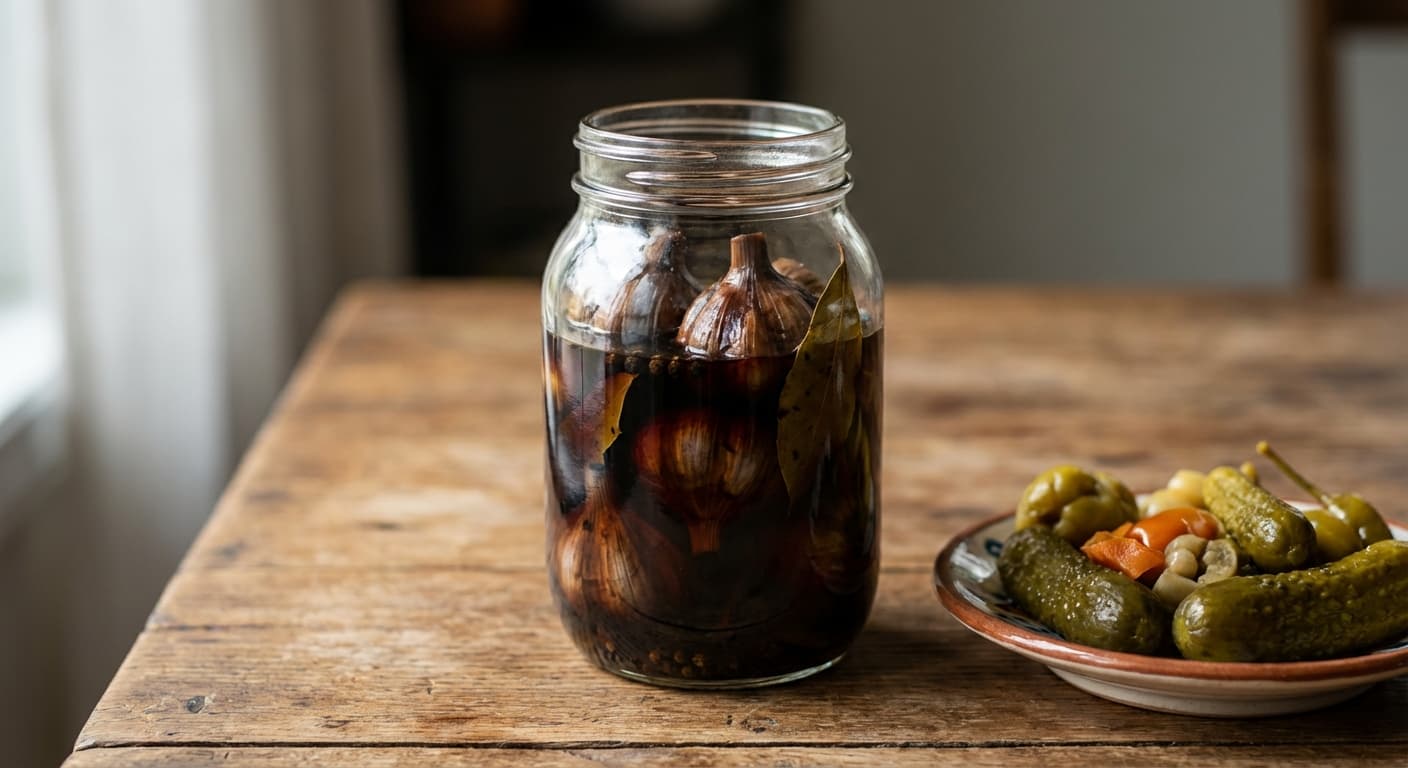
Aged Garlic Pickle (سیر ترشی) — Gilan’s seven-year-style black garlic torshi
Persian · Side Dishes · 45 min
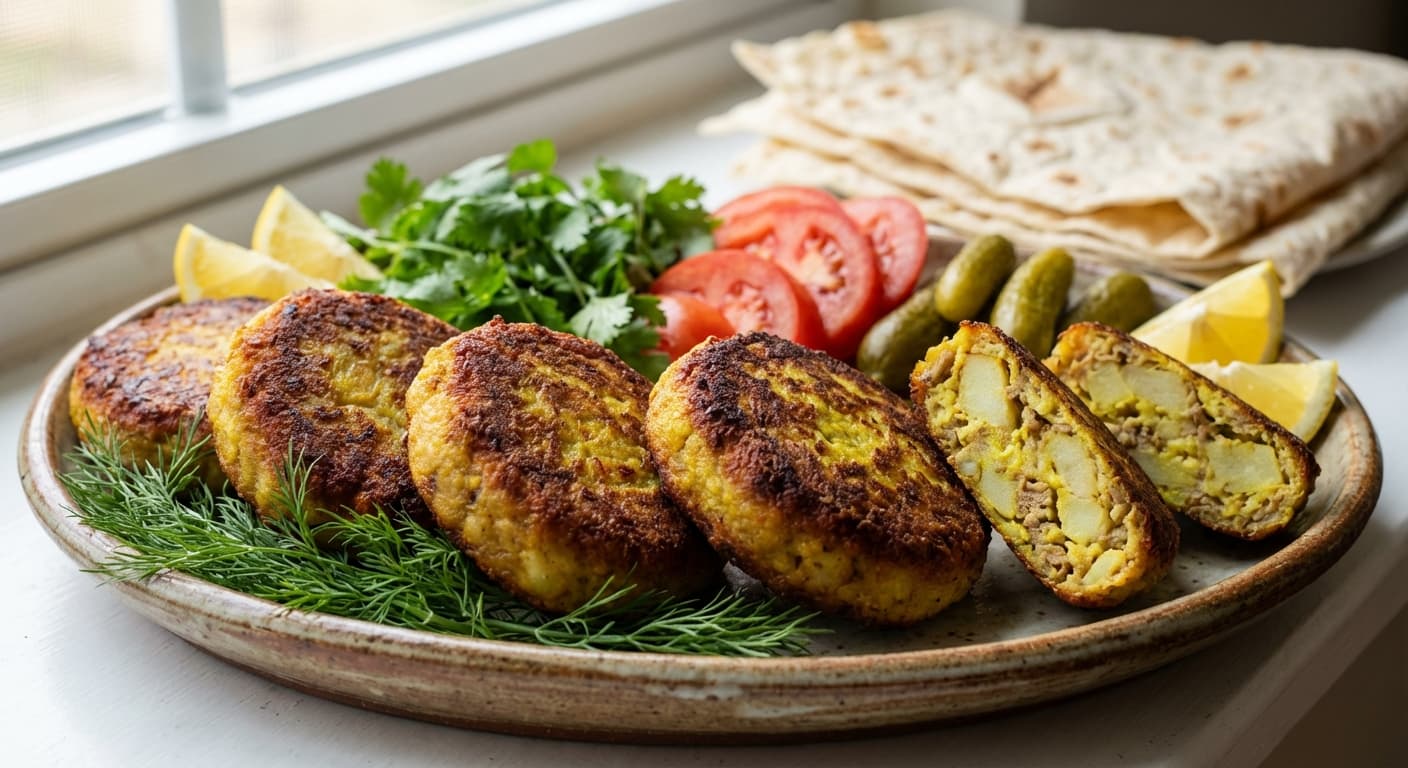
Persian Kotlet (کتلت) — Saffron-Infused Meat & Potato Patties
Persian · Main Courses · 55 min
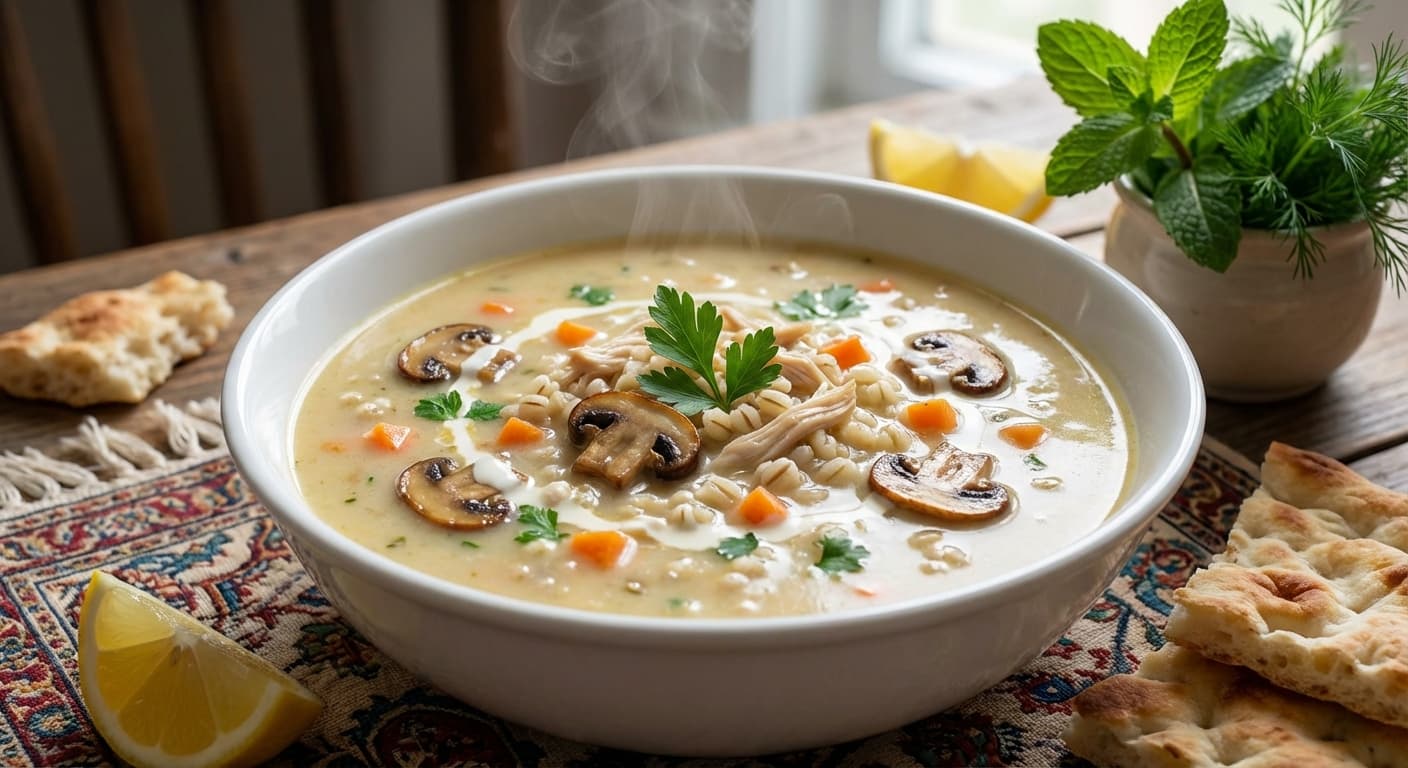
Soup-e Jo (سوپ جو) — Persian Creamy Barley Soup
Persian · Soups · 90 min
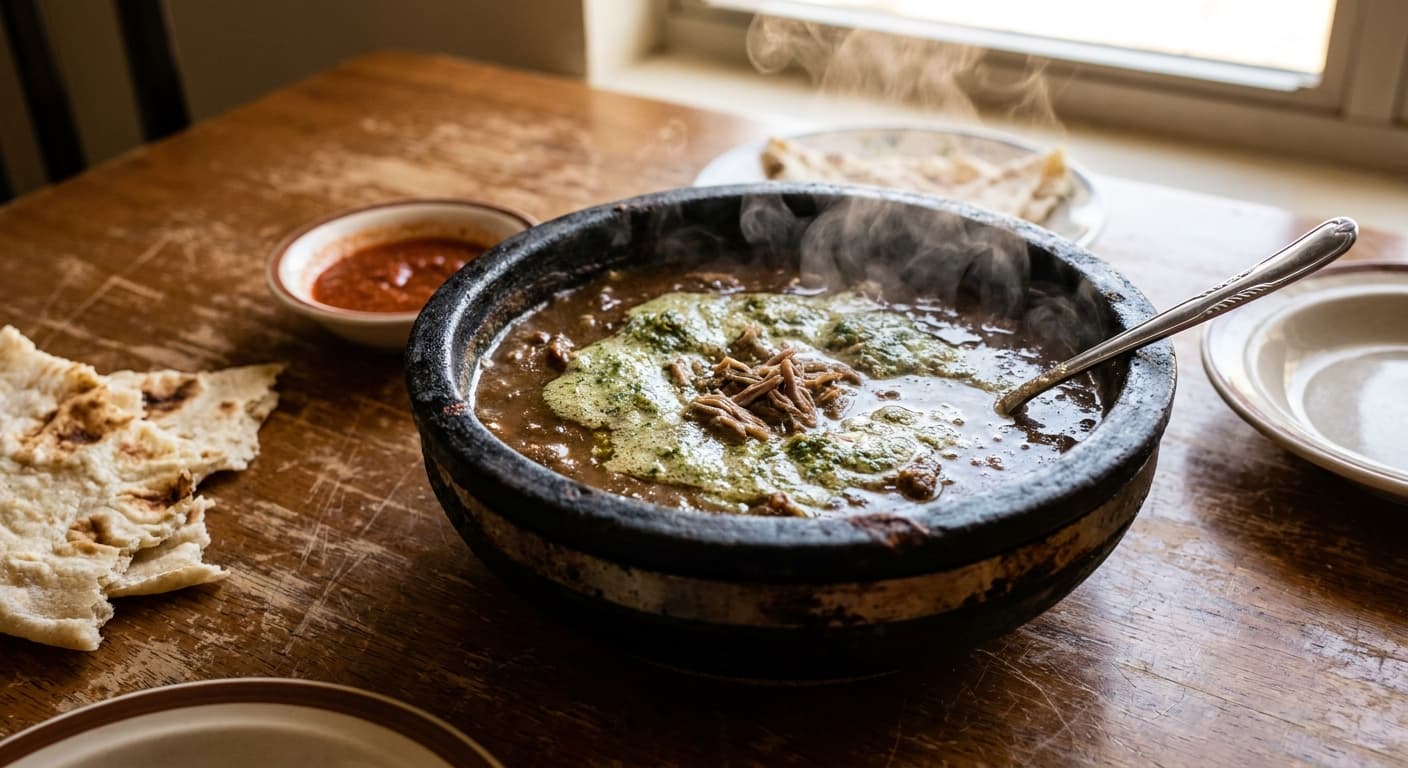
Fahsa (فحسة) — Bubbling Yemeni Shredded Lamb Stew
Yemeni · Stews · 140 min
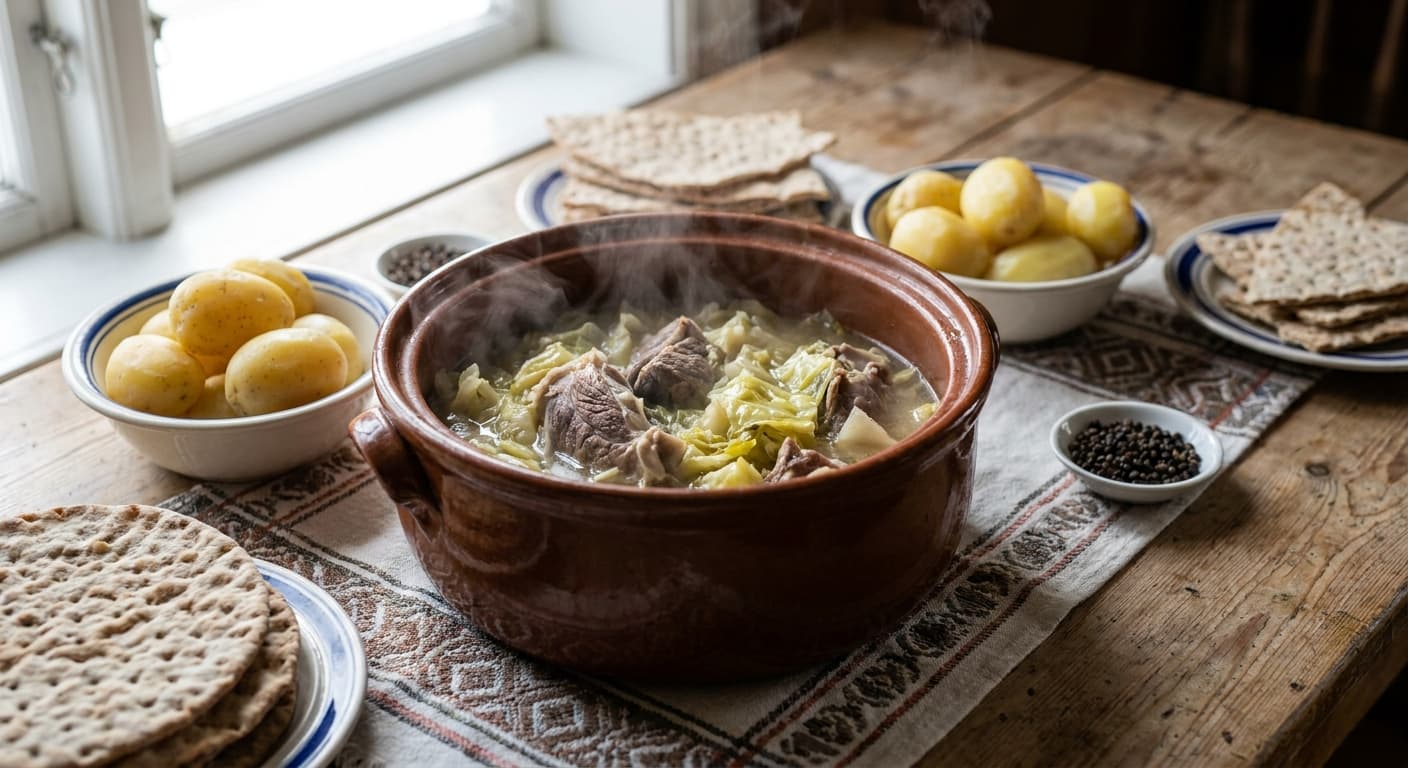
Norwegian Lamb and Cabbage Stew (Fårikål) — Peppery Autumn National Dish
Norwegian · Stews · 170 min
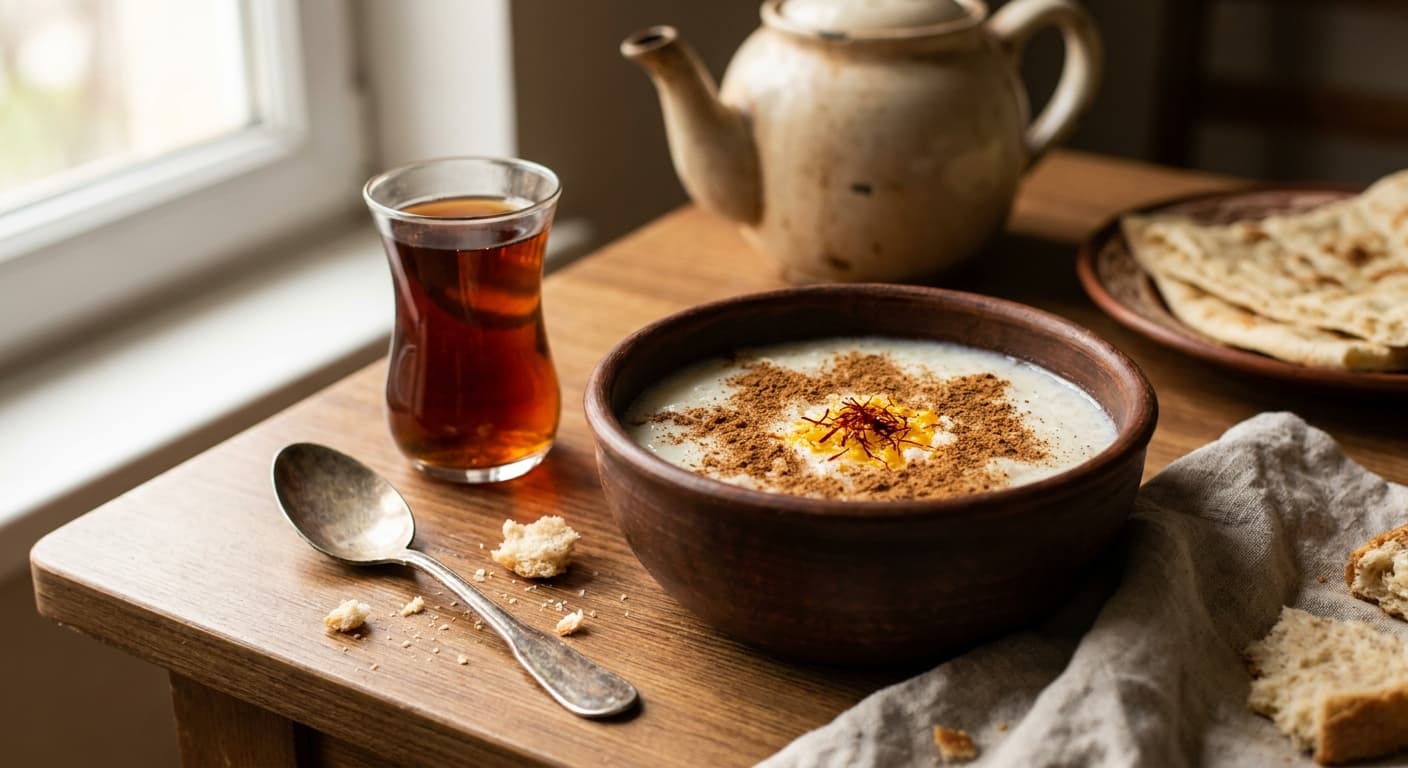
Azerbaijani Milk Rice Porridge (Südlü Sıyıq) — Creamy Breakfast Bowl
Azerbaijani · Rice Dishes · 40 min
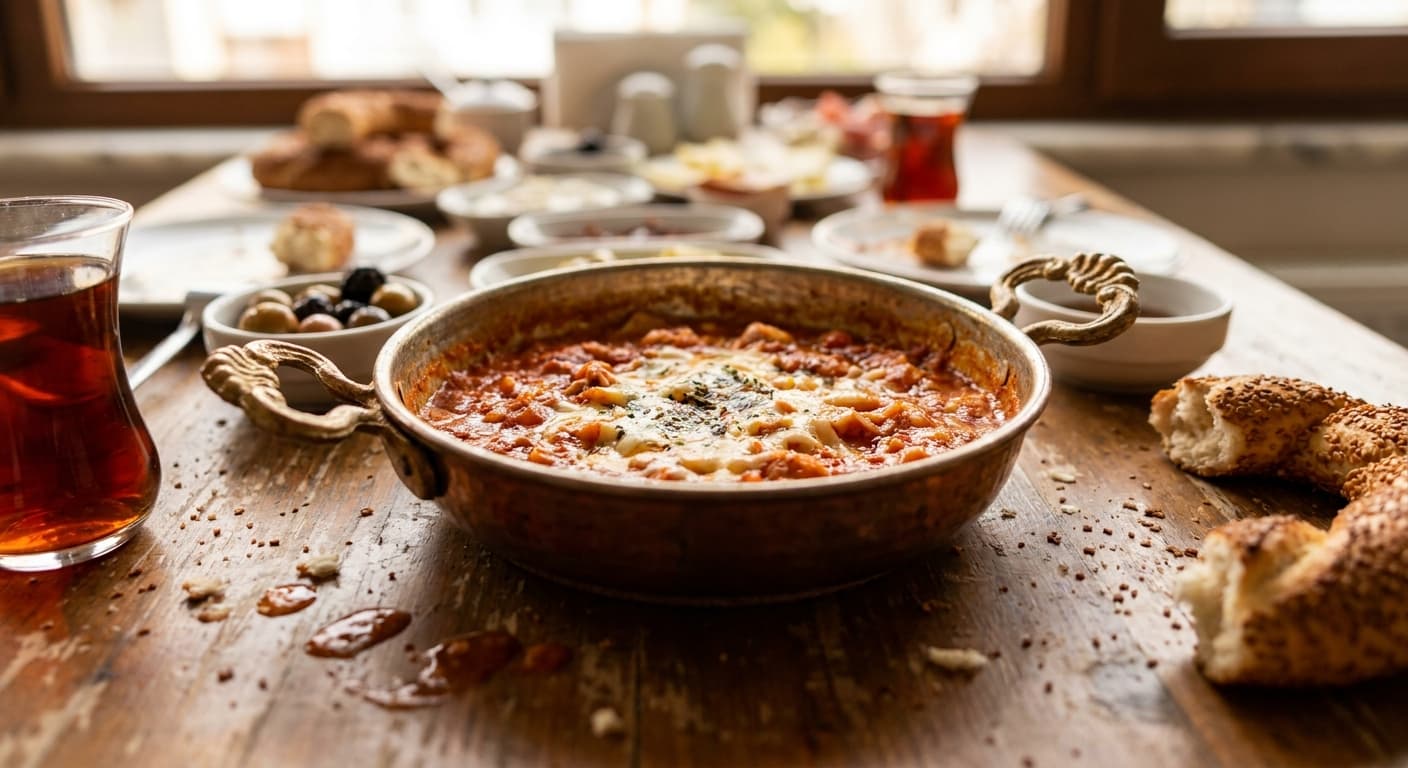
Turkish Menemen (Menemen) — Soft Eggs with Tomatoes and Peppers
Turkish · Main Courses · 37 min
Kubba Mosul (كبة موصل) — Thin Iraqi Bulgur-Meat Discs with Spiced Filling
Iraqi · Main Courses · 125 min
Reviews
Cooked this recipe?
Tap the stars to rate it — that's all it takes. A few words are welcome but optional.
No ratings yet. Cooked this one? Be the first to rate it — it takes one tap.