Khoresht-e Joojeh, Ghooreh va Bademjan (خورشت جوجه، غوره و بادمجان) — Persian Chicken Stew with Unripe Grapes and Eggplant
A bright Persian summer stew of tender chicken, silky fried eggplant, tomatoes, and tart unripe grapes. Gently simmered with turmeric and advieh for a balanced sour-savory sauce, traditionally served with saffron rice.
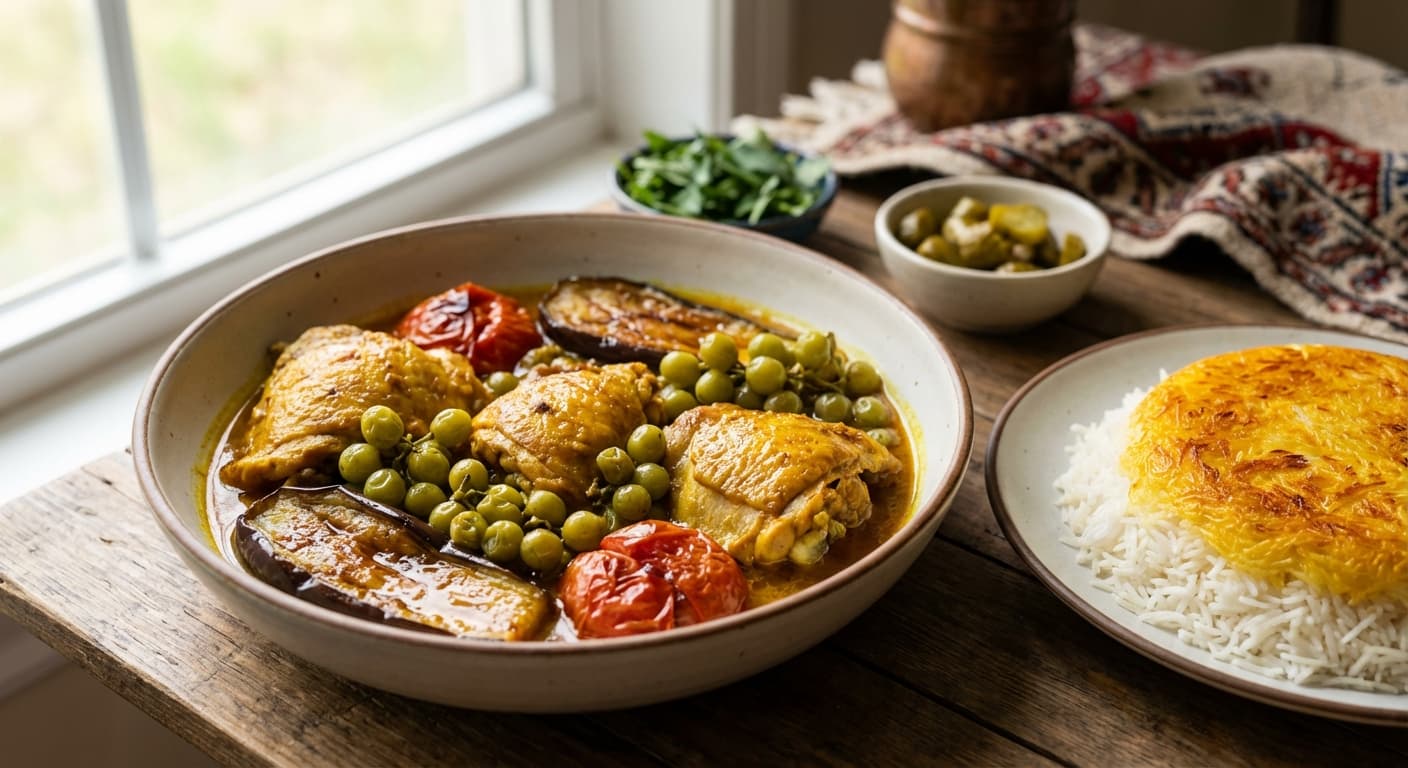
Printable Recipe Card
Servings: 4 · Total: 125 min · Difficulty: medium
Ingredients (quick list)
- 900 g Chicken thighs, bone-in and skinless (about 6 small pieces; patted dry)
- 250 g Onion (1 large; finely sliced)
- 450 g Tomatoes (3 medium; grated on a box grater or blended)
- 180 g Unripe grapes (ghooreh) (rinsed well and drained; remove any stems)
- 2 tsp Persian spice mix (advieh) (store-bought or homemade; see substitutions)
- 1.5 tsp Ground turmeric
- 2 tsp Fine sea salt (plus more to taste)
- 720 ml Water (start with this amount; adjust for a saucy stew)
- 700 g Eggplants (2–3 medium; peeled in stripes and cut lengthwise into 1.5 cm slices)
- 90 ml Cooking oil (neutral oil such as sunflower or canola, for frying eggplant)
Steps (summary)
- Salt the eggplant: arrange slices in a colander or on a tray and sprinkle evenly with 1.5 tsp salt. Let stand 25 minutes to dra…
- Brown the chicken: heat 15 ml oil in a heavy pot over medium-high heat (about 190°C surface heat). Add chicken in a single laye…
- Build the base: add sliced onion to the pot and sauté 10–12 minutes over medium heat until soft and lightly golden. Stir in tur…
- Simmer the stew: return chicken and any juices to the pot. Add 720 ml water, bring to a gentle boil, then reduce to a low simme…
- Fry the eggplant: while the chicken simmers, heat 90 ml oil in a wide skillet over medium-high heat (about 180°C). Fry eggplant…
- Finish with ghooreh and eggplant: gently stir in the unripe grapes and nestle fried eggplant into the sauce. Simmer uncovered 1…
Cultural Background
Sour-fruited stews are a well-known part of Persian home cooking, especially in warmer months when tart produce is plentiful. This combination of unripe grapes with eggplant and tomato reflects the Persian preference for balancing richness with acidity in slow-simmered dishes served alongside rice.
Equipment
💡 Tips
- For cleaner sourness, add the unripe grapes near the end; long boiling can dull their bright acidity.
- If the stew tastes overly sharp, simmer 5 more minutes and add 60–120 ml extra water to mellow the sauce rather than adding sugar.
- Use a wide pot so chicken pieces sit in a single layer; it helps even cooking and better sauce reduction.
- Frying eggplant on a rack after salting and drying reduces oil absorption and keeps the stew from turning heavy.
⚠️ Common Mistakes
❌ Adding unripe grapes at the beginning and boiling hard
💡 Why: Aggressive, long cooking can mute their fresh acidity and make the sauce taste flat or harsh.
✅ Fix: Add the grapes in the last 15–20 minutes and keep the stew at a gentle simmer.
❌ Skipping the eggplant salting and drying step
💡 Why: Wet eggplant absorbs more oil, turning greasy and heavy, and can add bitterness.
✅ Fix: Salt 25 minutes, rinse briefly, and pat very dry before frying in hot oil.
❌ Not reducing the tomato-onion base before adding water
💡 Why: A watery base can taste raw and dilute, and it takes much longer to develop a cohesive sauce.
✅ Fix: Simmer the grated tomatoes 8–10 minutes until thick and darker before adding water and chicken.
❌ Stirring vigorously after adding fried eggplant
💡 Why: Eggplant breaks down and clouds the sauce, losing its distinct silky slices.
✅ Fix: Nestle slices into the sauce and stir only once or twice very gently.
🧊 How to Store
Cool to room temperature within 2 hours, then refrigerate in an airtight container for up to 3 days. Reheat gently over low heat with 60–120 ml water to loosen the sauce; avoid vigorous boiling so eggplant stays intact. Freeze up to 2 months; thaw overnight in the refrigerator before reheating.
📅 Make Ahead
Fry the eggplant up to 24 hours ahead and refrigerate in a single layer; bring to room temperature before adding to the stew. The stew base (onion, spices, tomatoes) can be cooked 1 day ahead; reheat, then add chicken and water to finish. Flavor improves after resting overnight.
🍽️ Pairs Well With
- Saffron-steamed basmati rice
- Plain yogurt with cucumber and dried mint
- Fresh herbs and radishes
- Pickled vegetables
Regional Variations
- Tehran and central IranOften kept tomato-forward with a moderate amount of unripe grapes, producing a bright but balanced sourness; eggplant is commonly fried for a richer finish.
- Northern Iran (Caspian-influenced home cooking)Some households increase the sour element using more unripe grapes or verjuice and simmer the sauce longer for a deeper, tangier profile; eggplant may be pan-seared with less oil.
Ingredients
- 900 gChicken thighs, bone-in and skinless (about 6 small pieces; patted dry)
- 250 gOnion (1 large; finely sliced)
- 450 gTomatoes (3 medium; grated on a box grater or blended)
- 180 gUnripe grapes (ghooreh) (rinsed well and drained; remove any stems)
- 2 tspPersian spice mix (advieh) (store-bought or homemade; see substitutions)
- 1.5 tspGround turmeric
- 2 tspFine sea salt (plus more to taste)
- 720 mlWater (start with this amount; adjust for a saucy stew)
- 700 gEggplants (2–3 medium; peeled in stripes and cut lengthwise into 1.5 cm slices)
- 90 mlCooking oil (neutral oil such as sunflower or canola, for frying eggplant)
🔄 Substitutions
- Unripe grapes (ghooreh)→ Grape verjuice (verjus), 60–90 ml
- Persian spice mix (advieh)→ Ground cumin 1 tsp + ground cinnamon 1/2 tsp + ground cardamom 1/4 tsp + ground black pepper 1/4 tsp
- Chicken thighs, bone-in→ Chicken drumsticks, 900 g
Instructions
- 1
Salt the eggplant: arrange slices in a colander or on a tray and sprinkle evenly with 1.5 tsp salt. Let stand 25 minutes to draw out moisture and bitterness. Rinse quickly under cool water, then press and pat very dry with towels; drier eggplant absorbs less oil and browns faster.
- 2
Brown the chicken: heat 15 ml oil in a heavy pot over medium-high heat (about 190°C surface heat). Add chicken in a single layer and sear 4–5 minutes per side until lightly golden. Transfer to a plate; do not fully cook. Reduce heat to medium and keep the flavorful browned bits in the pot.
- 3
Build the base: add sliced onion to the pot and sauté 10–12 minutes over medium heat until soft and lightly golden. Stir in turmeric and advieh and cook 45 seconds to bloom the spices. Add grated tomatoes and 1 tsp of the stew salt; simmer 8–10 minutes until thickened and darker.
- 4
Simmer the stew: return chicken and any juices to the pot. Add 720 ml water, bring to a gentle boil, then reduce to a low simmer. Cover slightly ajar and cook 35 minutes, turning pieces once, until the chicken is tender and the sauce begins to look cohesive and lightly oily on top.
- 5
Fry the eggplant: while the chicken simmers, heat 90 ml oil in a wide skillet over medium-high heat (about 180°C). Fry eggplant in batches 3–4 minutes per side until deep golden and soft. Transfer to a rack or paper towels. Keep the oil hot between batches to avoid greasy eggplant.
- 6
Finish with ghooreh and eggplant: gently stir in the unripe grapes and nestle fried eggplant into the sauce. Simmer uncovered 15–20 minutes, stirring carefully once or twice to avoid breaking eggplant. Taste and adjust with the remaining 1 tsp stew salt (or less) for a balanced sour-savory finish.
🪪 Recipe Passport
Cultural Background
Sour-fruited stews are a well-known part of Persian home cooking, especially in warmer months when tart produce is plentiful. This combination of unripe grapes with eggplant and tomato reflects the Persian preference for balancing richness with acidity in slow-simmered dishes served alongside rice.
Regional Variations
Researched from multiple sources and validated by the Zaffaron editorial team. Every recipe is tested for accuracy, measurements, and cultural authenticity.
Nutrition per serving
Pairs well with
If you enjoyed this recipe, here are a few related Zaffaron recipes to try next.
- Khoresht Morgh Torsh (خورشت مرغ ترش) — Persian Sour Chicken & Split Pea Stew
- Khourek-e Goosht o Gharch (خوراک گوشت و قارچ) — Persian Baked Meat, Mushroom & Zucchini Stew
- Koofteh Havij (کوفته هویج) — Persian Carrot Meatballs in Saffron-Tomato Broth
- Khoresht Kalam (خورشت کلم) — Creamy Persian Cabbage & Spinach Stew
Does your family make this differently?
Every family has their own version. Maybe your grandmother adds a secret ingredient, or your aunt has a completely different technique. Preserve your family's version — with their name on it, forever.
You Might Also Like
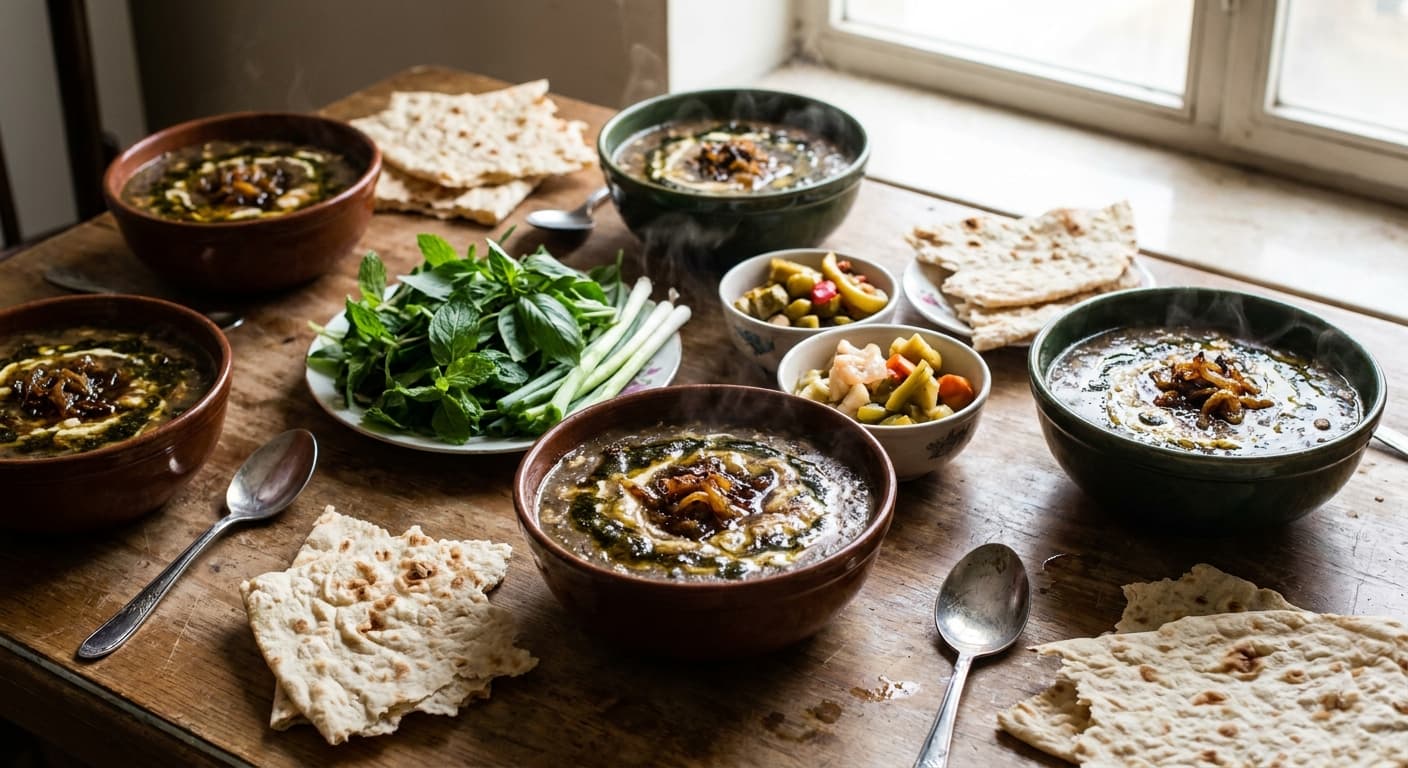
Ash-e Torsh (آش ترش) — Sour Herb and Legume Soup
Persian · Soups · 145 min
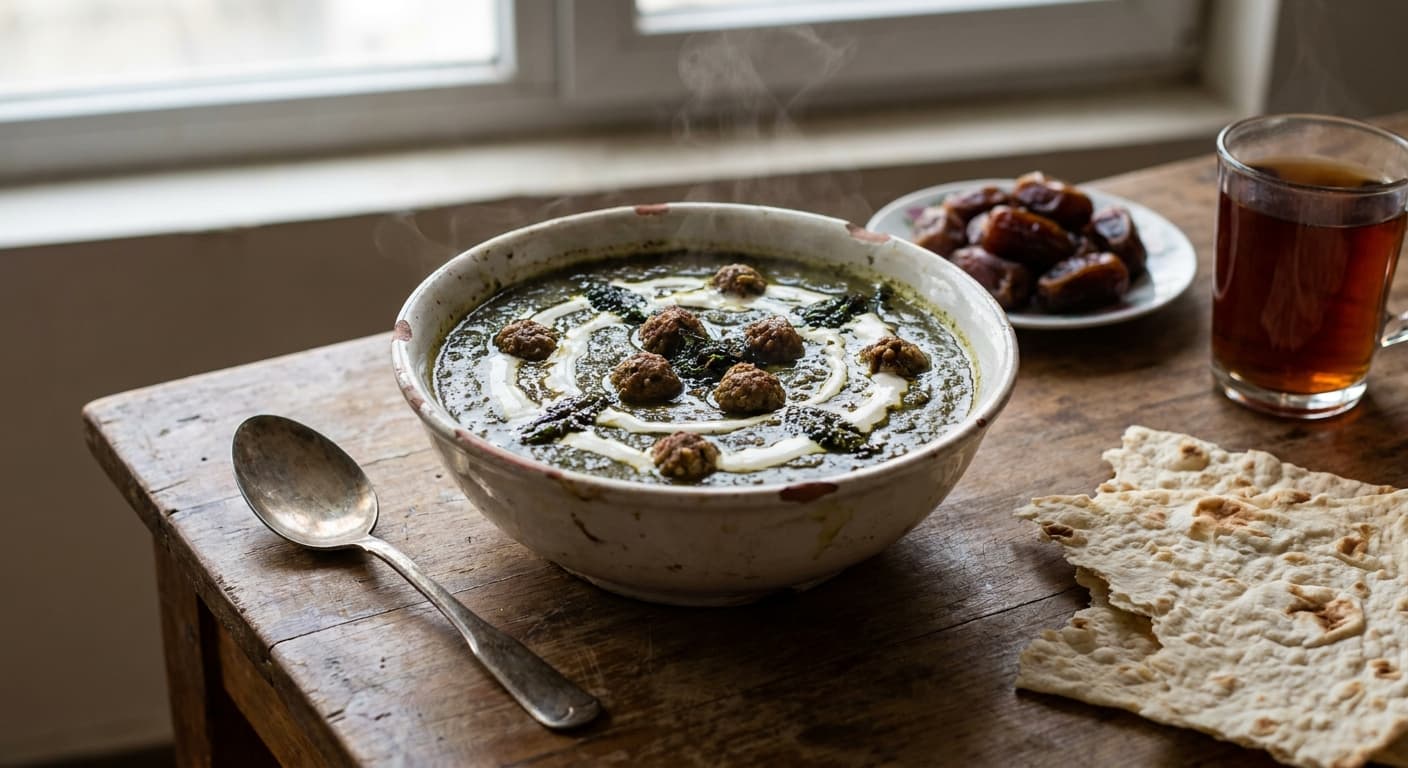
Ash-e Sak (آش ساک) — Golestani Spinach, Legume, and Meatball Soup
Persian · Soups · 175 min
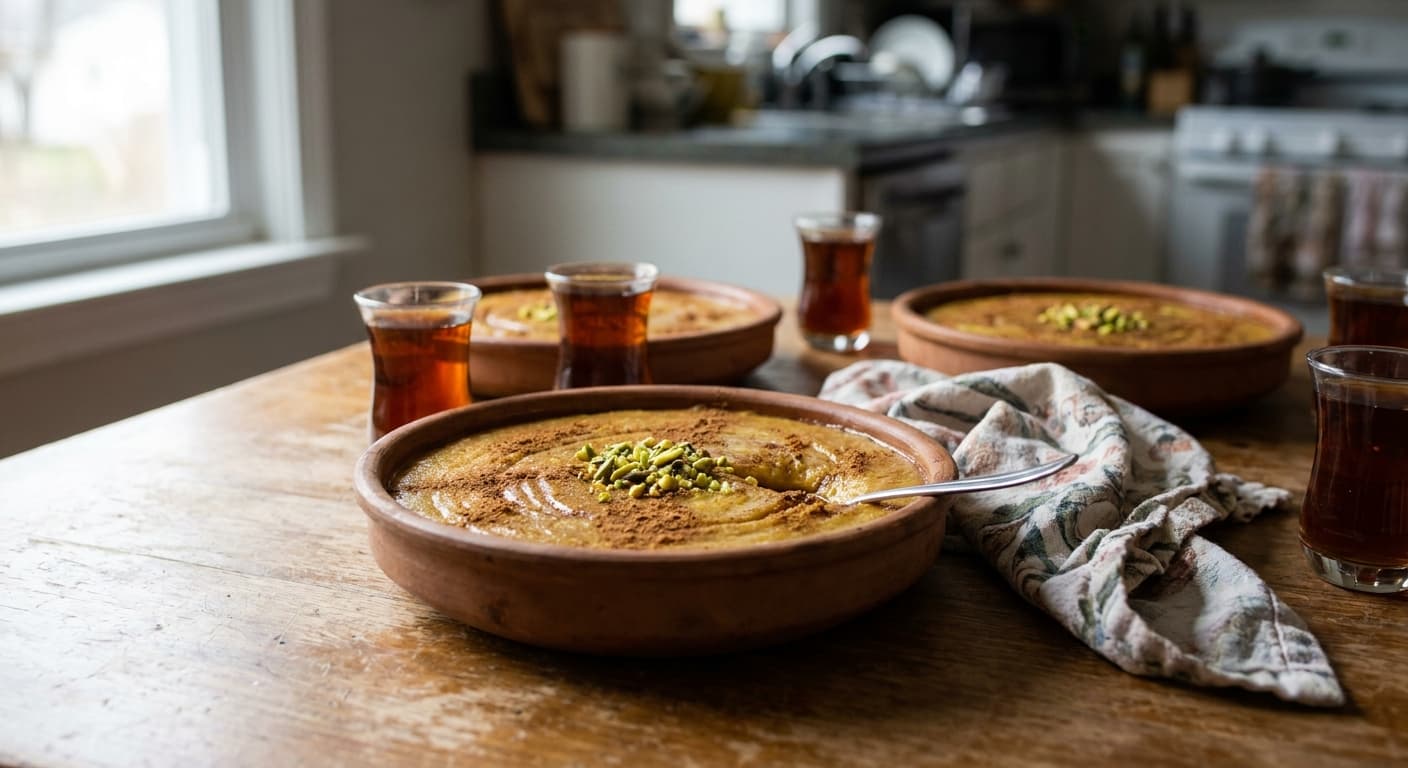
Persian Kachi (کاچی) — Saffron Rosewater Pudding
Persian · Desserts · 45 min
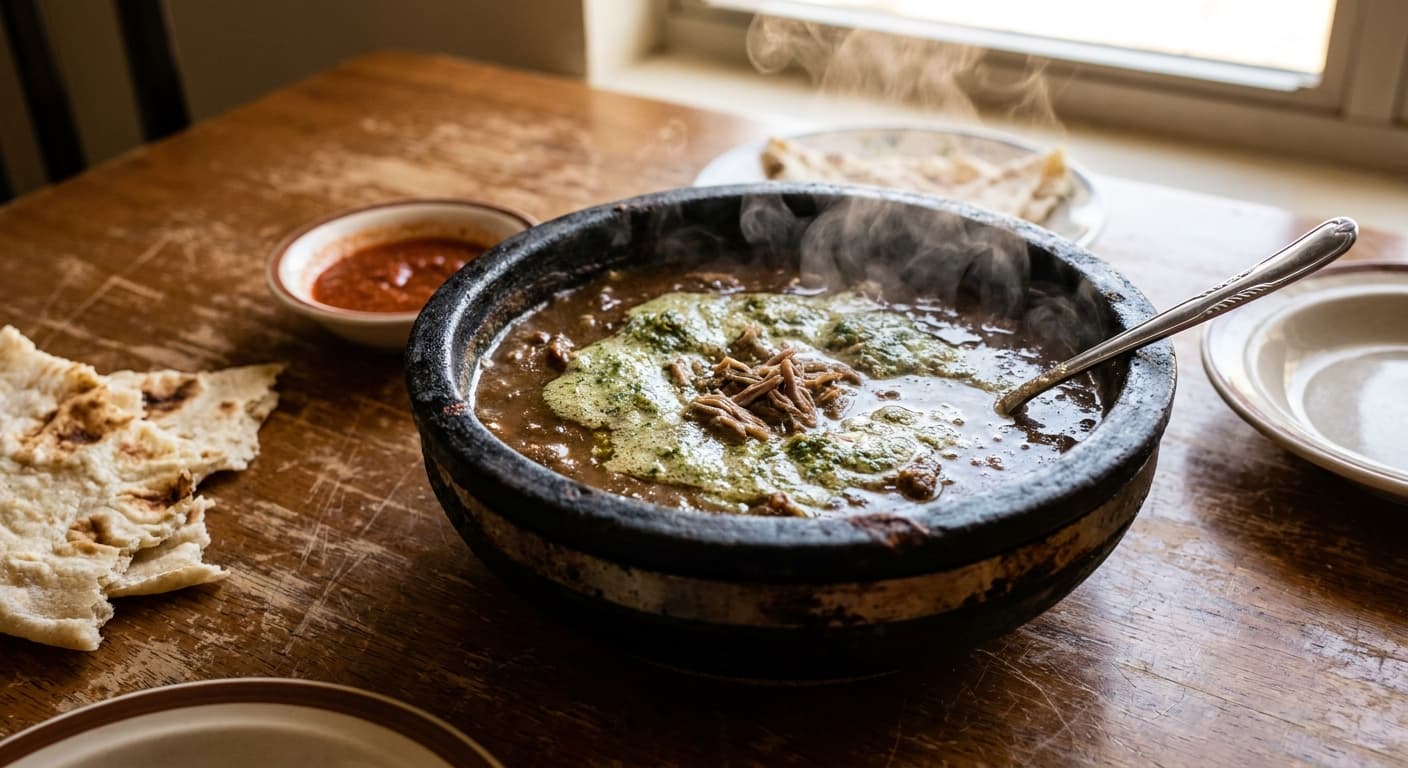
Fahsa (فحسة) — Bubbling Yemeni Shredded Lamb Stew
Yemeni · Stews · 140 min
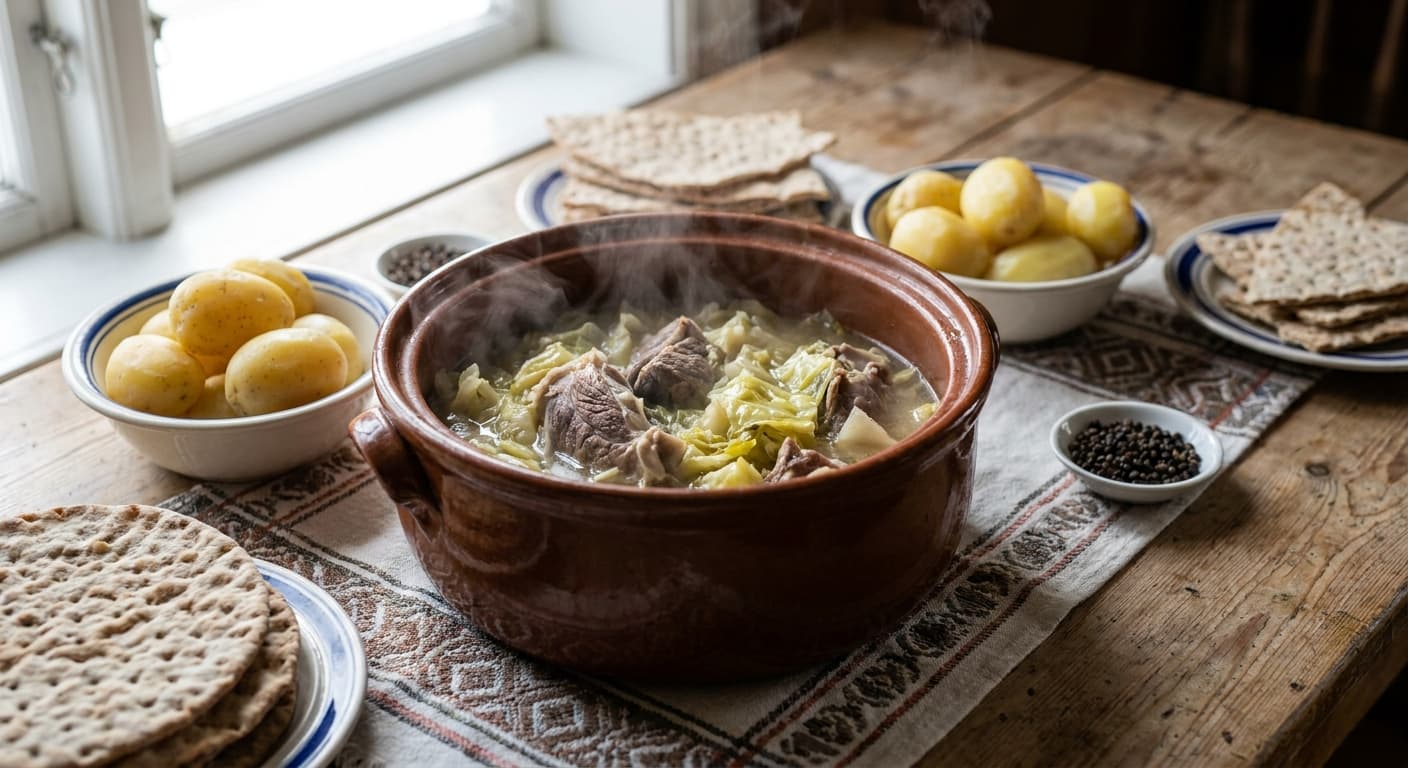
Norwegian Lamb and Cabbage Stew (Fårikål) — Peppery Autumn National Dish
Norwegian · Stews · 170 min
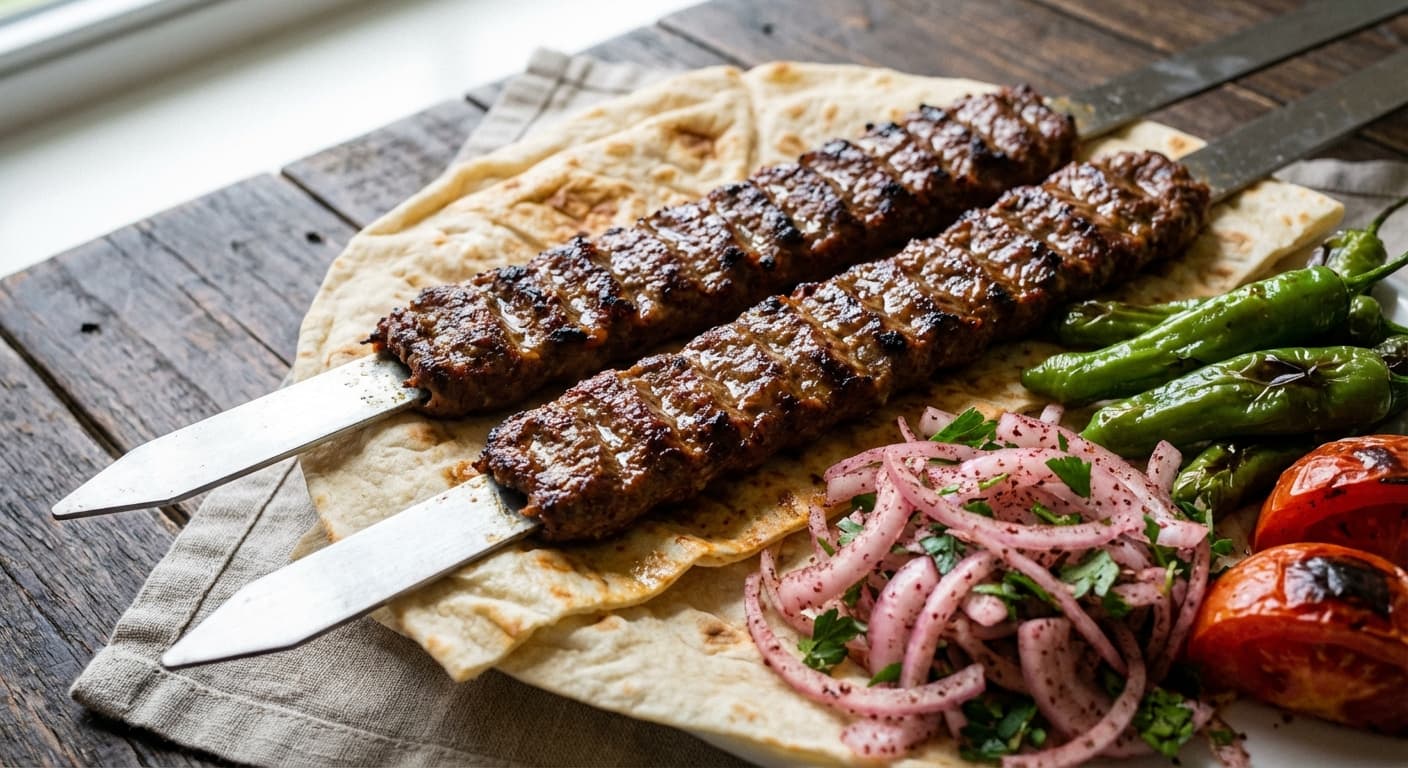
Urfa Kebab (اورفا کباب) — Mild Turkish minced skewer with sumac onions
Turkish · Kebabs · 37 min
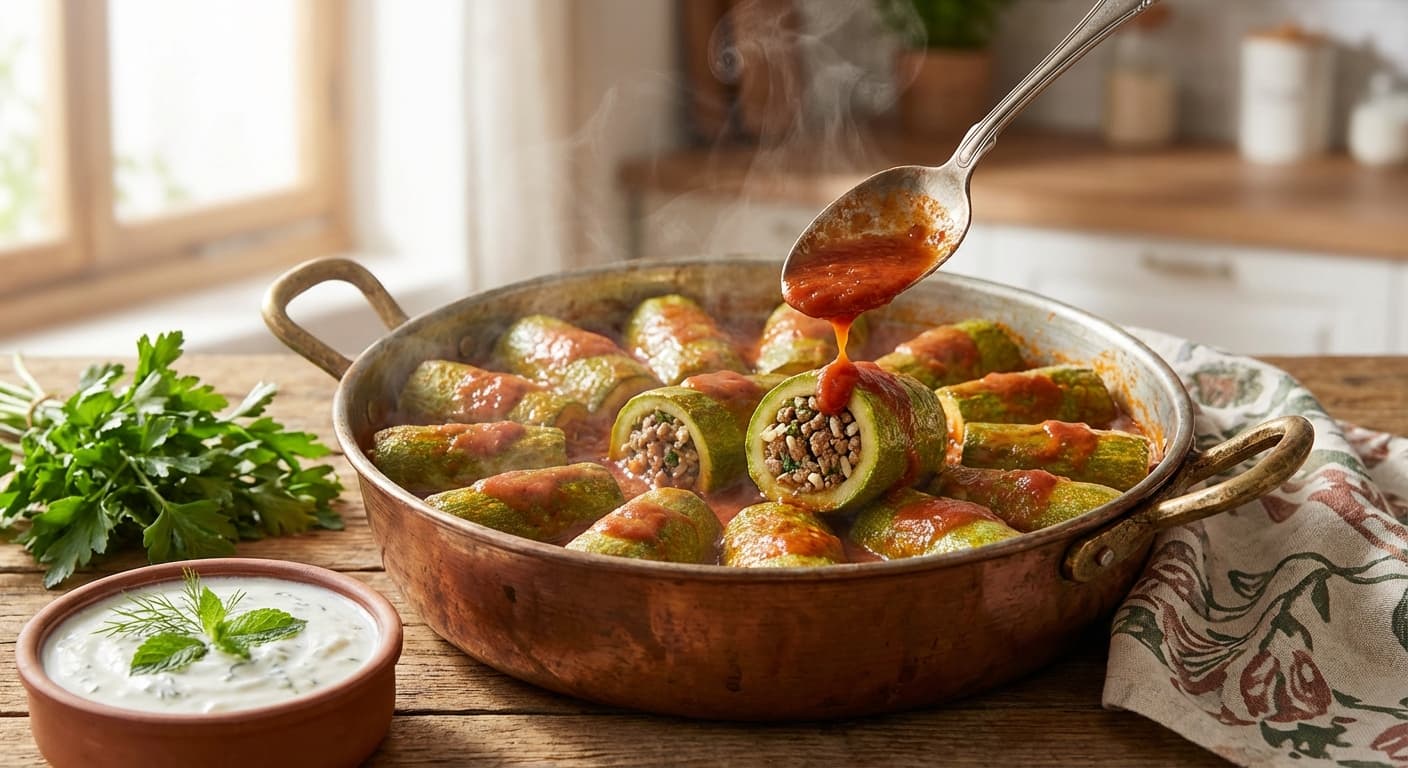
Stuffed Zucchini (Kabak Dolması) — Hollowed zucchini filled with spiced minced meat and rice
Turkish · Main Courses · 90 min
Pone Yay Gyi Curry (ပုန်းရည်ကြီးဟင်း) — Burmese Pork and Fermented Bean Paste
Burmese · Main Courses · 115 min
Reviews
Cooked this recipe?
Tap the stars to rate it — that's all it takes. A few words are welcome but optional.
No ratings yet. Cooked this one? Be the first to rate it — it takes one tap.