Khoresht Gheymeh (خورش قیمه) — Persian Split Pea and Lamb Stew
A classic Persian stew of tender lamb and yellow split peas simmered in a saffron-tinted tomato sauce with dried limes for tang. Traditionally served with rice and topped with crisp potato sticks.
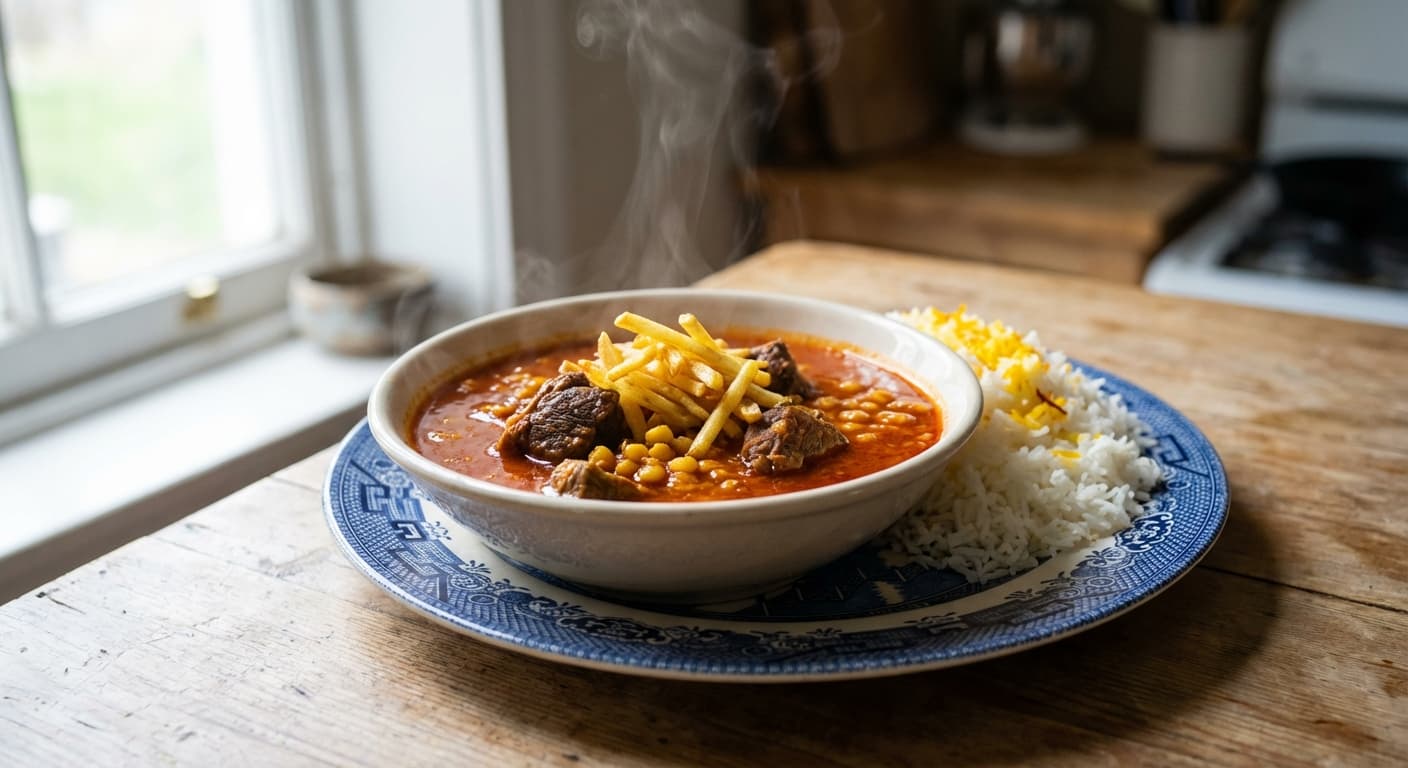
Printable Recipe Card
Servings: 6 · Total: 155 min · Difficulty: medium
Ingredients (quick list)
- 180 g Yellow split peas, dry (rinsed until water runs mostly clear)
- 720 ml Water (for par-cooking split peas)
- 700 g Lamb stew meat (boneless shoulder or leg, cut into 3 cm cubes)
- 300 g Yellow onion (finely diced)
- 60 ml Vegetable oil (divided)
- 2 tsp Ground turmeric
- 0.5 tsp Ground cinnamon
- 90 g Tomato paste (about 5 tbsp)
- 4 Dried limes (pierced 6–8 times each with a skewer)
- 2.25 tsp Sea salt (plus more to taste)
- 0.25 tsp Ground saffron (bloomed in 2 tbsp hot water for 10 minutes)
- 450 g Russet potatoes (peeled and cut into thin matchsticks (about 6–7 mm))
Steps (summary)
- Rinse the yellow split peas, then add them to a small pot with 720 ml water. Bring to a boil over high heat, skim any foam for…
- In a heavy pot or Dutch oven, heat 45 ml vegetable oil over medium heat. Add the diced onion and cook 10–12 minutes, stirring o…
- Push the meat and onions to one side. Add tomato paste to the cleared area with 15 ml oil and fry 3–4 minutes, stirring constan…
- Reduce heat to low, cover, and simmer gently for 60 minutes, stirring every 15 minutes to prevent sticking. The surface should…
- Add the drained split peas and the pierced dried limes. Cover and simmer 35–45 minutes, stirring carefully so peas stay intact.…
- Stir in the bloomed saffron and simmer uncovered for 10 minutes to concentrate the sauce. Adjust salt to taste. If the stew see…
+ 1 more steps in the full instructions section below.
Cultural Background
Khoresh gheymeh is a widely cooked Persian stew served in homes and at gatherings, often alongside rice and shared family-style. It is also commonly prepared for community meals and commemorative occasions, where large batches are simmered slowly to develop depth and aroma.
Equipment
💡 Tips
- Piercing dried limes helps flavor the stew without needing to break them open; remove any lime before serving if a guest dislikes strong tang.
- Frying the tomato paste until it darkens improves color and removes raw acidity, giving a deeper, more balanced sauce.
- Keep the simmer very gentle; a hard boil can toughen the meat and cause split peas to disintegrate.
- Bloom saffron in hot (not boiling) water for maximum aroma and color; add it near the end to preserve fragrance.
- If using beef, choose chuck and extend the first simmer by 15–25 minutes if needed for tenderness.
⚠️ Common Mistakes
❌ Skipping the par-cook for split peas
💡 Why: Split peas can release starch and break down during long simmering, turning the stew cloudy and pasty.
✅ Fix: Simmer split peas separately until partially tender, drain, then add later so they finish cooking without disintegrating.
❌ Boiling the stew aggressively
💡 Why: High heat can toughen the meat and cause peas to burst, while reducing too fast and scorching the bottom.
✅ Fix: Maintain a low, gentle simmer with only small bubbles; stir periodically and add hot water if the level drops.
❌ Adding saffron too early
💡 Why: Long cooking can dull saffron’s aroma and delicate flavor.
✅ Fix: Bloom saffron and stir it in during the final 10–15 minutes, then rest the stew briefly to let the fragrance settle.
❌ Leaving dried limes intact and unpierced
💡 Why: Unpierced limes release flavor slowly and unevenly, and can suddenly turn the stew bitter if they split late.
✅ Fix: Pierce each lime multiple times before adding; taste during simmering and remove one lime if bitterness develops.
🧊 How to Store
Cool to room temperature within 2 hours, then refrigerate in an airtight container for up to 4 days. Freeze the stew (without fried potatoes) up to 3 months. Reheat gently on the stove with a splash of water; fry fresh potatoes just before serving.
📅 Make Ahead
The stew tastes better the next day. Cook fully, cool, and refrigerate overnight; reheat gently on the stove with 60–120 ml water if needed. Fry potato sticks right before serving to keep them crisp.
🍽️ Pairs Well With
- Persian steamed rice
- Crisp potato sticks (traditional topping)
- Fresh herbs and radishes
- Plain yogurt or cucumber yogurt (optional)
Regional Variations
- Tehran and central IranOften topped with crisp fried potato sticks and finished with saffron for a fragrant, golden hue; the sauce is typically smooth and tomato-forward.
- Southern IranMay be made tangier with extra dried limes or a brighter sour note, and sometimes cooked slightly thinner to spoon easily over rice.
- Azerbaijan region (northwest Iran)Some households use beef more frequently and keep the cinnamon subtle, focusing on onion sweetness and the dried lime’s tang.
Ingredients
- 180 gYellow split peas, dry (rinsed until water runs mostly clear)
- 720 mlWater (for par-cooking split peas)
- 700 gLamb stew meat (boneless shoulder or leg, cut into 3 cm cubes)
- 300 gYellow onion (finely diced)
- 60 mlVegetable oil (divided)
- 2 tspGround turmeric
- 0.5 tspGround cinnamon
- 90 gTomato paste (about 5 tbsp)
- 4Dried limes (pierced 6–8 times each with a skewer)
- 2.25 tspSea salt (plus more to taste)
- 0.25 tspGround saffron (bloomed in 2 tbsp hot water for 10 minutes)
- 450 gRusset potatoes (peeled and cut into thin matchsticks (about 6–7 mm))
🔄 Substitutions
- Lamb stew meat→ Beef chuck, cut into 3 cm cubes
- Dried limes→ 2 tbsp fresh lime juice + 1 tsp finely grated lime zest
- Vegetable oil→ Ghee or clarified butter
Instructions
- 1
Rinse the yellow split peas, then add them to a small pot with 720 ml water. Bring to a boil over high heat, skim any foam for 2 minutes, then reduce to a gentle simmer for 20 minutes. The peas should be partially tender but not breaking apart. Drain and set aside to prevent mushy stew.
- 2
In a heavy pot or Dutch oven, heat 45 ml vegetable oil over medium heat. Add the diced onion and cook 10–12 minutes, stirring often, until golden and lightly caramelized. Add lamb, turmeric, and cinnamon; raise heat to medium-high and sauté 6–8 minutes until the meat loses its raw color and picks up light browning.
- 3
Push the meat and onions to one side. Add tomato paste to the cleared area with 15 ml oil and fry 3–4 minutes, stirring constantly, until it darkens slightly and smells sweet rather than raw. Stir everything together, then add 1200 ml hot water and 2.25 tsp sea salt. Bring to a boil for 5 minutes.
- 4
Reduce heat to low, cover, and simmer gently for 60 minutes, stirring every 15 minutes to prevent sticking. The surface should barely bubble. If the liquid drops below the meat, add 120–240 ml hot water as needed. This slow simmer tenderizes the lamb and builds the stew’s base flavor.
- 5
Add the drained split peas and the pierced dried limes. Cover and simmer 35–45 minutes, stirring carefully so peas stay intact. Taste the broth after 20 minutes; if it becomes too bitter, remove 1 lime. The stew is ready when meat is fork-tender and the sauce looks glossy and slightly thick.
- 6
Stir in the bloomed saffron and simmer uncovered for 10 minutes to concentrate the sauce. Adjust salt to taste. If the stew seems thin, simmer 5–10 minutes longer uncovered; if too thick, add 60–120 ml hot water. Let the stew rest off-heat, covered, for 10 minutes before serving.
- 7
For the traditional potato topping: soak potato sticks in 1000 ml cold water for 20 minutes, then drain and pat very dry. Heat 500 ml oil to 175°C in a deep pot. Fry in batches 4–6 minutes until golden. Drain on a rack or paper towels and season immediately with 0.5 tsp sea salt.
🪪 Recipe Passport
Cultural Background
Khoresh gheymeh is a widely cooked Persian stew served in homes and at gatherings, often alongside rice and shared family-style. It is also commonly prepared for community meals and commemorative occasions, where large batches are simmered slowly to develop depth and aroma.
Regional Variations
Researched from multiple sources and validated by the Zaffaron editorial team. Every recipe is tested for accuracy, measurements, and cultural authenticity.
Nutrition per serving
Pairs well with
If you enjoyed this recipe, here are a few related Zaffaron recipes to try next.
- Khoreshte Aloo Ba Morgh (خورش آلو با مرغ) — Persian Chicken, Plum, and Split Pea Stew
- Kolbas Omelette Stack (کالباس املت) — Persian Deli-Style Sausage Omelette
- Khoresht-e Joojeh, Ghooreh va Bademjan (خورشت جوجه، غوره و بادمجان) — Persian Chicken Stew with Unripe Grapes and Eggplant
- Khoresht Mast (خورشت ماست) — Isfahan-Style Yogurt Stew
Does your family make this differently?
Every family has their own version. Maybe your grandmother adds a secret ingredient, or your aunt has a completely different technique. Preserve your family's version — with their name on it, forever.
You Might Also Like
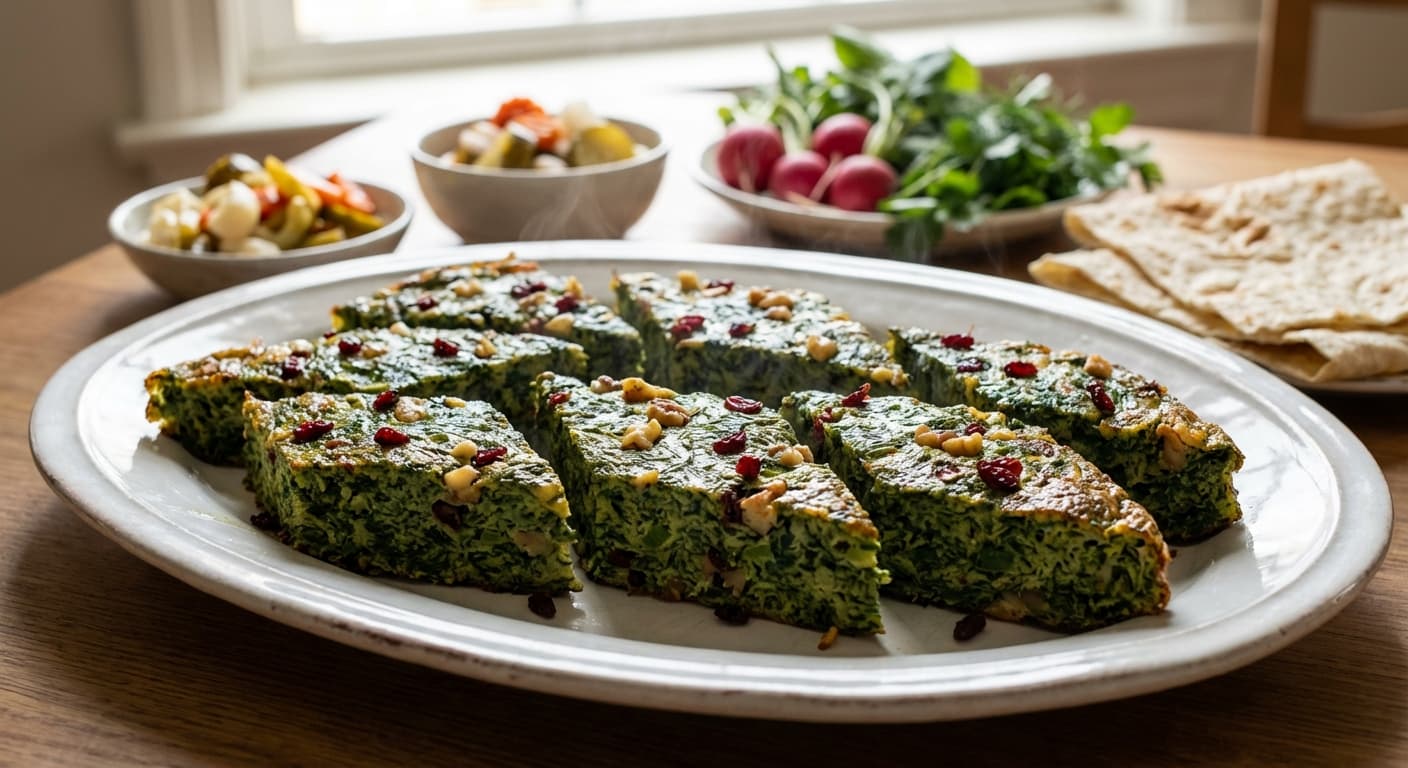
Kuku Sabzi (کوکو سبزی) — Emerald Persian Herb Frittata
Persian · Main Courses · 38 min
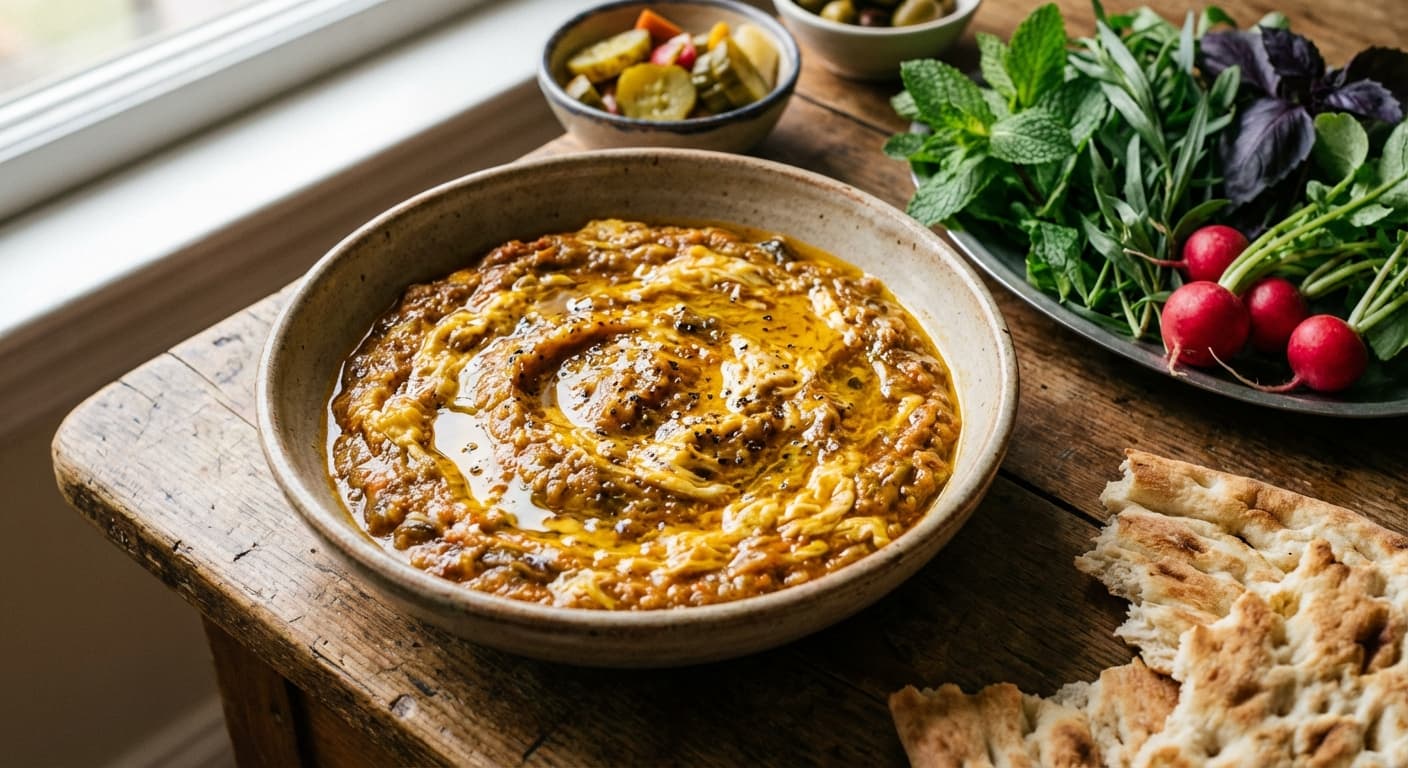
Smoked Silk Mirza Ghasemi (میرزا قاسمی) — Silky smoked eggplant with tomato, garlic, and eggs
Persian · Appetizers · 60 min
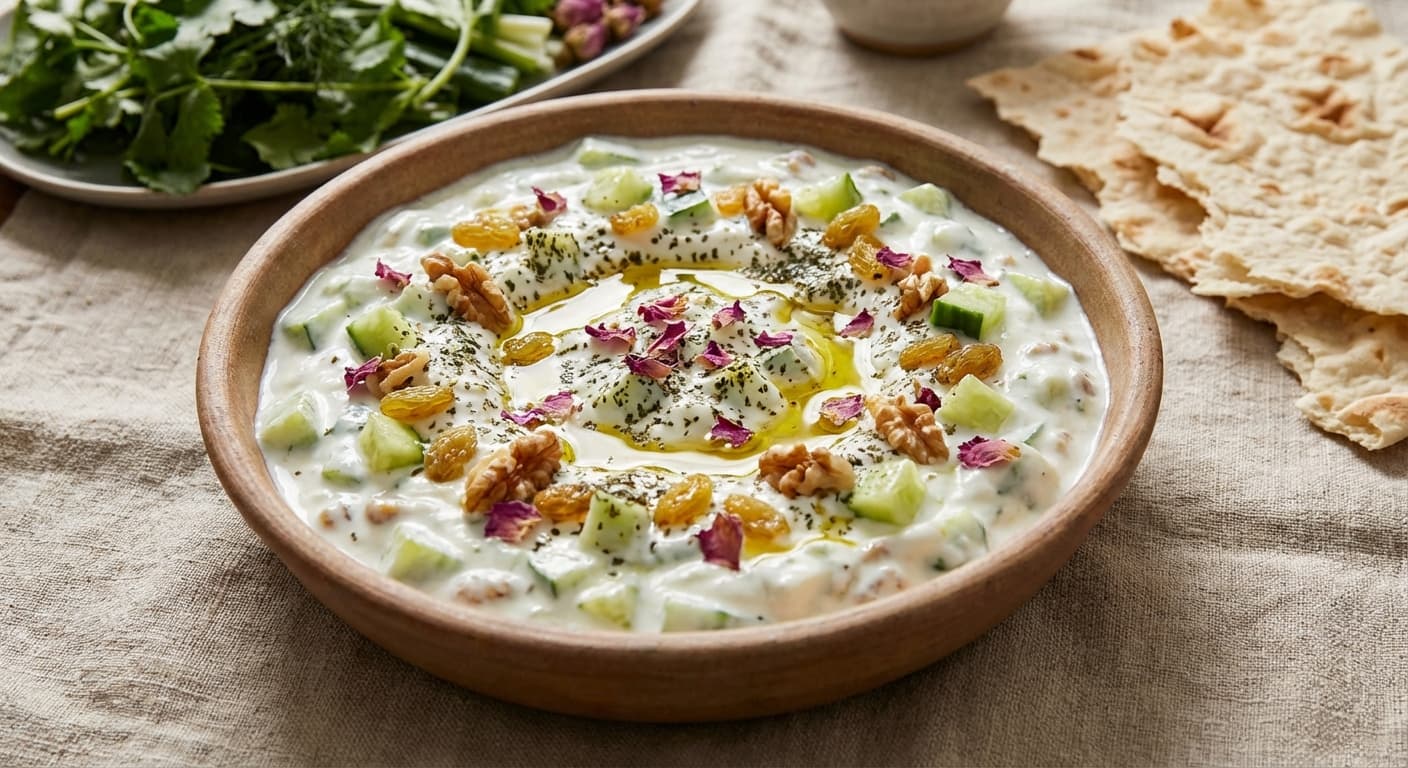
Mast-o-Khiar (ماست و خیار) — Persian Cucumber and Herb Yogurt Dip
Persian · Side Dishes · 25 min
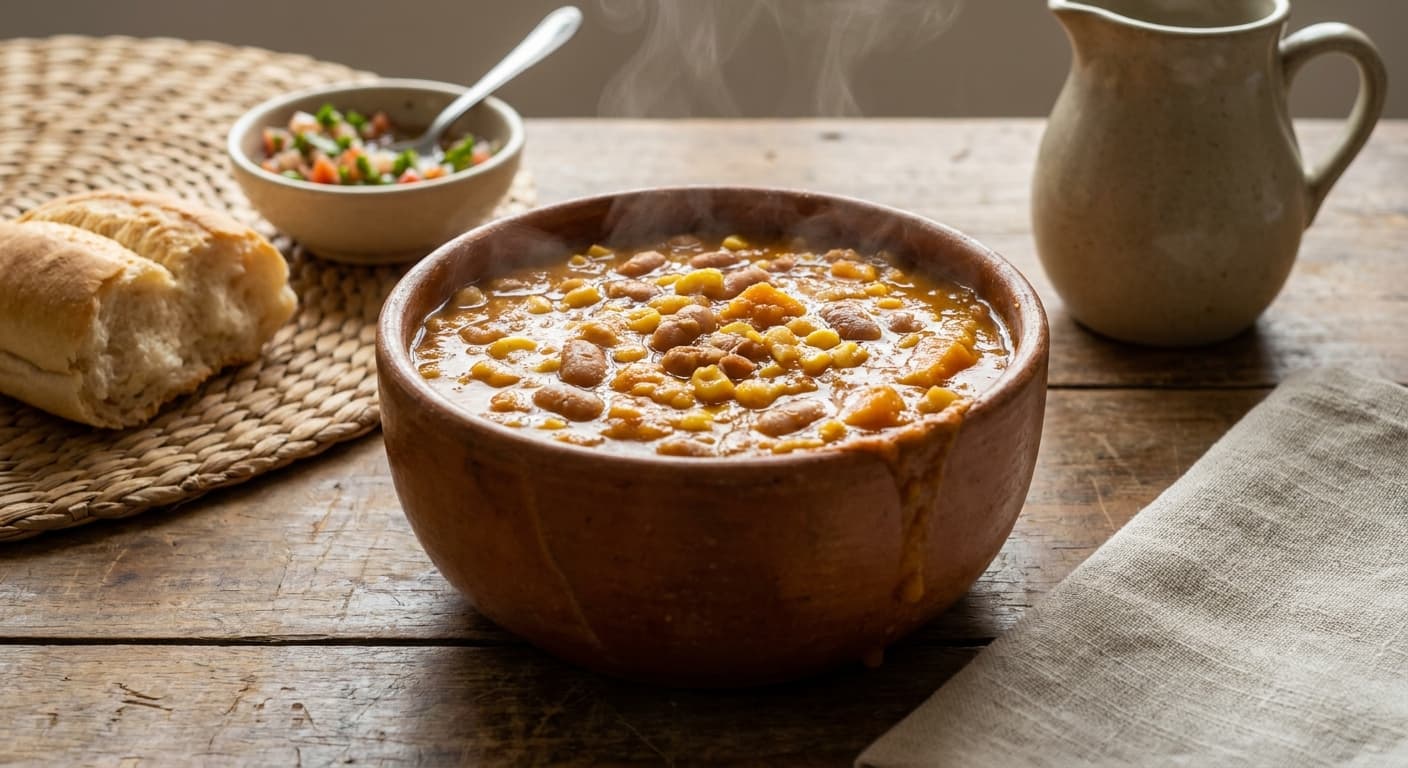
Chilean Fresh Bean Stew (Porotos granados) — Summer Corn and Squash Bean Stew
Chilean · Stews · 80 min
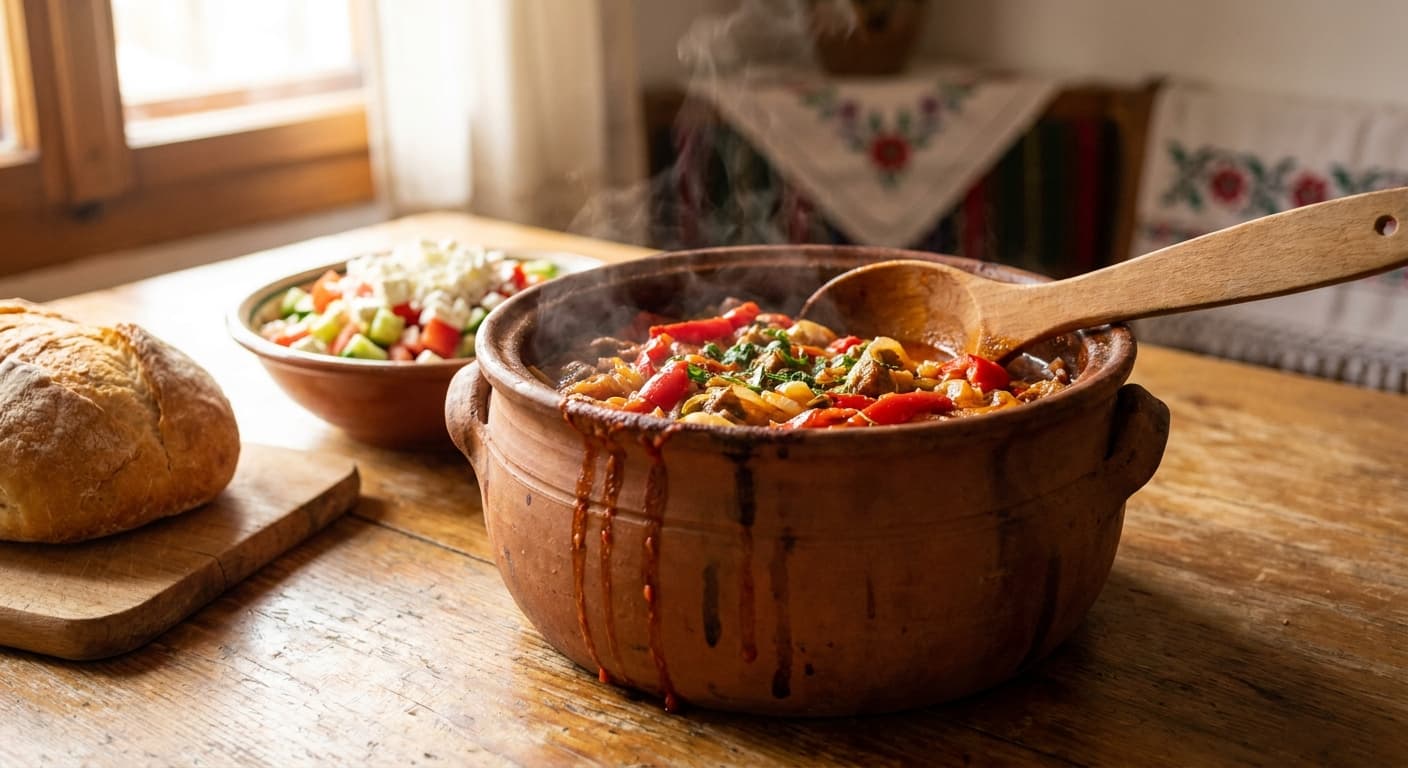
Bulgarian Pork Kavarma (Каварма) — Clay-Pot Pepper and Pork Stew
Bulgarian · Stews · 115 min
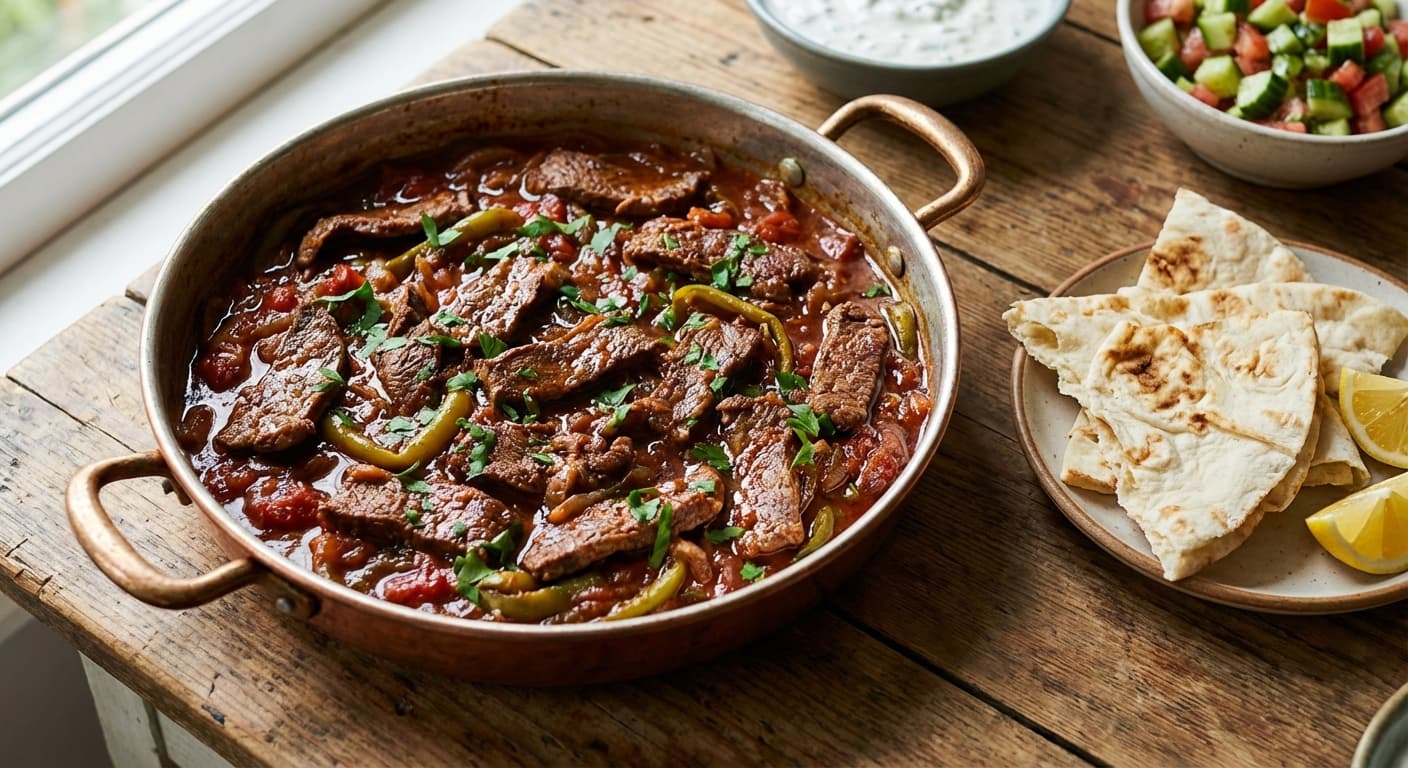
Sac Kavurma (Saç Kavurma) — Thin-Sliced Turkish Meat Sautéed with Onions
Turkish · Main Courses · 38 min
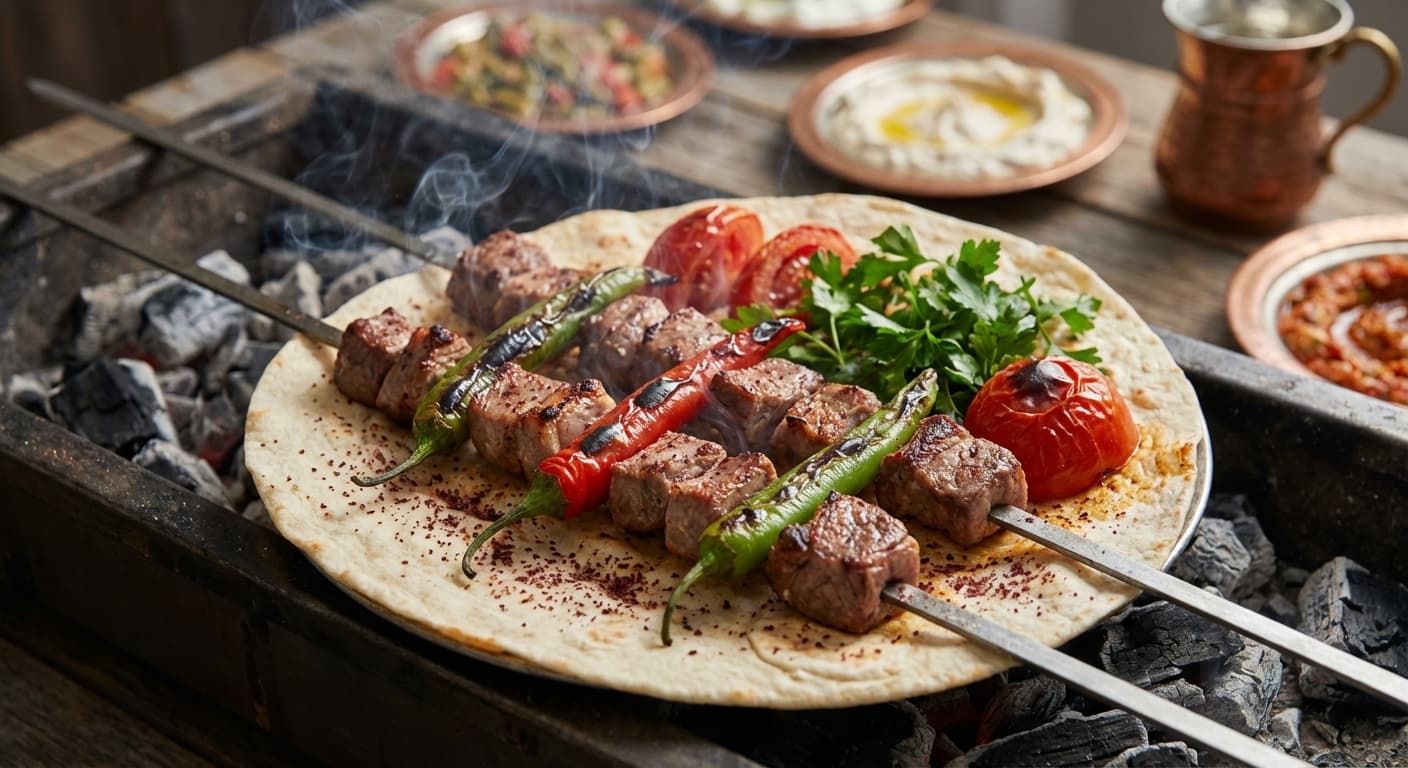
Turkish Shish Kebab (Şiş Kebap) — Charcoal-Grilled Marinated Lamb Skewers
Turkish · Kebabs · 37 min
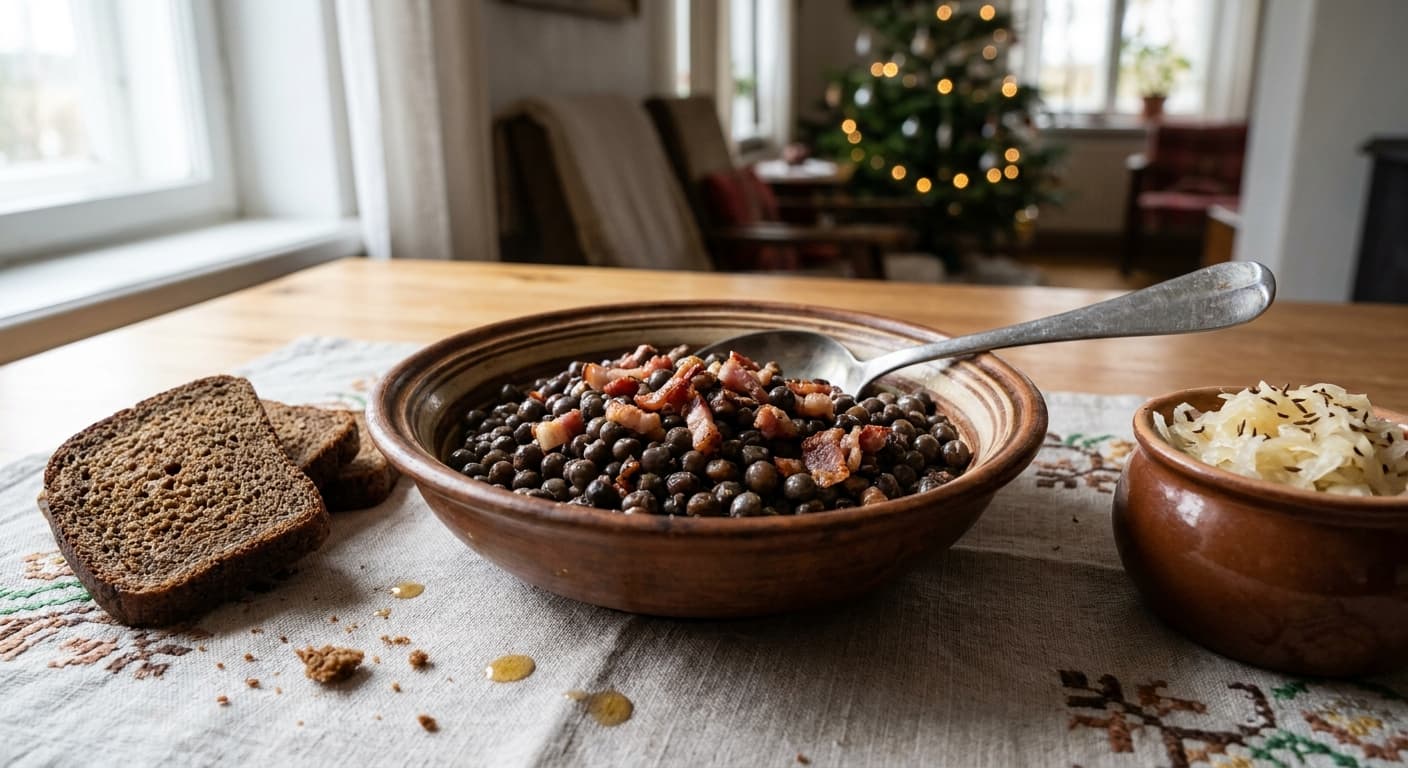
Grey Peas with Speck (Pelēkie zirņi ar speķi) — Latvian Christmas Peas
Latvian · Main Courses · 110 min
Reviews
Cooked this recipe?
Tap the stars to rate it — that's all it takes. A few words are welcome but optional.
No ratings yet. Cooked this one? Be the first to rate it — it takes one tap.