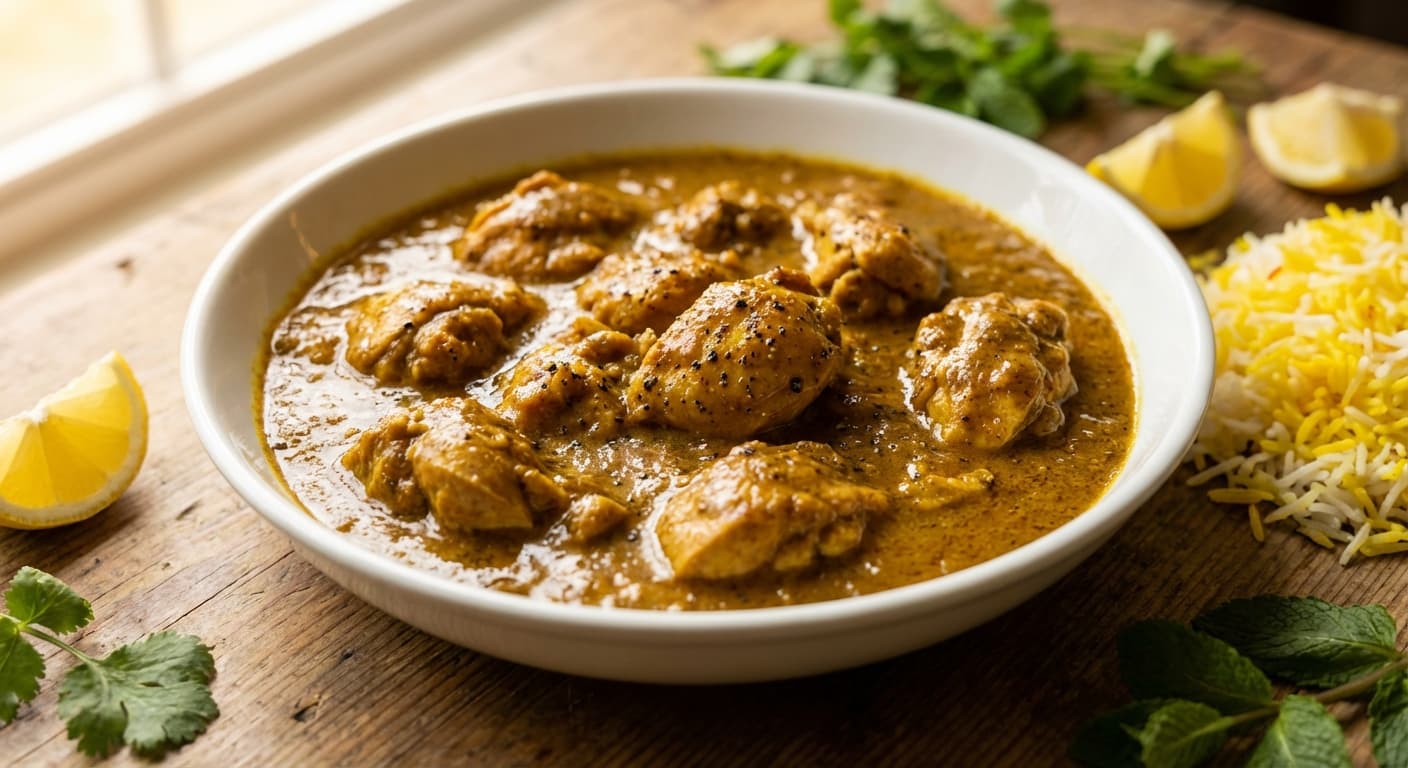
Khoresht Kari (خورشت کاری) — Persian Peanut Curry Chicken Stew
Khoresht Kari is a velvety Persian stew shaped by Silk Road trade, where curry spices met Iranian techniques of slow braising. Ground peanuts enrich the sauce into a luxurious, aromatic gravy finished with bright lemon.
Printable Recipe Card
Servings: 4 · Total: 90 min · Difficulty: medium
Ingredients (quick list)
- 700 g Boneless skinless chicken thighs (cut into 4 cm pieces)
- 250 g Yellow onion (finely diced)
- 30 ml Neutral oil (such as grapeseed or sunflower)
- 10 g Curry powder (about 1 1/2 tbsp)
- 2 g Ground ginger (about 1 tsp)
- 1 g Ground cardamom (about 1/2 tsp)
- 0.5 g Ground nutmeg (about 1/4 tsp)
- 2 g Black pepper (about 1 tsp)
- 8 g Fine sea salt (about 1 1/2 tsp)
- 160 g Unsalted peanuts (finely ground to a meal (not paste))
- 600 ml Chicken stock (low-sodium preferred)
- 30 ml Fresh lemon juice (about 2 tbsp)
+ 1 more in the full ingredients section below.
Steps (summary)
- Grind the peanuts to a fine meal using a food processor, stopping before they turn oily and become peanut butter. Measure out a…
- Heat the oil in a heavy pot over medium heat, then add the diced onion and cook for 10–12 minutes until deeply golden. Stir oft…
- Add curry powder, ground ginger, cardamom, nutmeg, and black pepper to the onions and cook for 60–90 seconds, stirring constant…
- Add the chicken pieces and 4 g of the salt, then sauté for 5–6 minutes until the exterior turns opaque and lightly golden in sp…
- Sprinkle in the ground peanuts and stir for 1 minute so they coat the chicken and onions like a roux. Pour in the chicken stock…
- Reduce heat to low, cover slightly ajar, and simmer for 45–55 minutes until the chicken is tender and the sauce is thick and ve…
+ 2 more steps in the full instructions section below.
Cultural Background
This curry-leaning khoresht reflects Persia’s historic trade routes, where imported spices were adapted to Iranian slow-braised stews. Peanuts add a lavish texture and richness, echoing the courtly preference for glossy, fragrant sauces.
Equipment
💡 Tips
- For the smoothest sauce, grind peanuts very finely and whisk the stock in slowly to avoid grainy clumps.
- Keep the simmer gentle; a hard boil can cause the peanut sauce to tighten and stick to the pot.
- If the stew thickens too much after resting, loosen with 30–60 ml hot stock and simmer 2 minutes.
⚠️ Common Mistakes
❌ Boiling the stew hard and leaving it unstirred
✅ Fix: Keep a low simmer and stir every 8–10 minutes; add 30–60 ml stock if the bottom looks dry.
❌ Grinding peanuts into butter, making the sauce oily
✅ Fix: Pulse in short bursts and stop at a dry meal; if it turns pasty, whisk it into stock before adding.
❌ Adding lemon early and simmering it for a long time
✅ Fix: Stir lemon juice in at the end and cook only 2 minutes to preserve brightness.
🧊 How to Store
Cool within 1 hour, then refrigerate in an airtight container for up to 3 days. Reheat gently over low heat, stirring often, with 30–90 ml water or stock to loosen; peanut-based sauces thicken as they chill and can scorch over high heat.
📅 Make Ahead
Dice the onion and pre-mix the spices up to 24 hours ahead, storing airtight. You can also grind the peanuts in advance and refrigerate them, then cook the stew the next day for even deeper flavor.
🍽️ Pairs Well With
- Chelow (steamed basmati rice)
- tahdig
- Shirazi salad
- torshi
- fresh herbs (sabzi khordan).
Regional Variations
- Some households add 0.5 g ground cinnamon for a sweeter, more perfumed finish alongside cardamom.
- In coastal-style versions, the stew is made slightly thinner and served more like a saucy khoresht over rice with extra lemon.
- A richer party version uses 20 g extra peanuts and finishes with 5 ml rosewater for a faint floral note.
Ingredients
- 700 gBoneless skinless chicken thighs (cut into 4 cm pieces)
- 250 gYellow onion (finely diced)
- 30 mlNeutral oil (such as grapeseed or sunflower)
- 10 gCurry powder (about 1 1/2 tbsp)
- 2 gGround ginger (about 1 tsp)
- 1 gGround cardamom (about 1/2 tsp)
- 0.5 gGround nutmeg (about 1/4 tsp)
- 2 gBlack pepper (about 1 tsp)
- 8 gFine sea salt (about 1 1/2 tsp)
- 160 gUnsalted peanuts (finely ground to a meal (not paste))
- 600 mlChicken stock (low-sodium preferred)
- 30 mlFresh lemon juice (about 2 tbsp)
- 2 gLemon zest (about 1 tsp, optional but traditional for lift)
🔄 Substitutions
- Boneless skinless chicken thighs→ Boneless skinless chicken breast
- Unsalted peanuts→ Unsweetened natural peanut butter
- Chicken stock→ Water plus 6 g salt
Instructions
- 1
Grind the peanuts to a fine meal using a food processor, stopping before they turn oily and become peanut butter. Measure out all spices and keep them ready, because the curry and cardamom bloom quickly once they hit the pan.
- 2
Heat the oil in a heavy pot over medium heat, then add the diced onion and cook for 10–12 minutes until deeply golden. Stir often and scrape the bottom so the onion caramelizes evenly without scorching, which would make the stew bitter.
- 3
Add curry powder, ground ginger, cardamom, nutmeg, and black pepper to the onions and cook for 60–90 seconds, stirring constantly. This brief toasting wakes up the Silk Road-style aromatics and prevents the spices from tasting raw in the final sauce.
- 4
Add the chicken pieces and 4 g of the salt, then sauté for 5–6 minutes until the exterior turns opaque and lightly golden in spots. Keep the heat at medium so the spices cling to the chicken and do not burn on the pot.
- 5
Sprinkle in the ground peanuts and stir for 1 minute so they coat the chicken and onions like a roux. Pour in the chicken stock gradually while stirring to prevent lumps, then bring the pot to a gentle simmer.
- 6
Reduce heat to low, cover slightly ajar, and simmer for 45–55 minutes until the chicken is tender and the sauce is thick and velvety. Stir every 8–10 minutes, because peanuts can settle and catch on the bottom if left unattended.
- 7
Uncover and simmer 5–10 minutes to fine-tune the thickness, aiming for a sauce that coats a spoon and slowly drips back. Stir in the remaining 4 g salt, then add lemon juice and lemon zest and cook 2 more minutes to round the richness with brightness.
- 8
Rest the stew off heat for 10 minutes so the peanut gravy relaxes and becomes silkier. Serve hot, spooned generously over rice, and make sure each portion gets both chicken and plenty of the aromatic sauce.
🪪 Recipe Passport
Cultural Background
This curry-leaning khoresht reflects Persia’s historic trade routes, where imported spices were adapted to Iranian slow-braised stews. Peanuts add a lavish texture and richness, echoing the courtly preference for glossy, fragrant sauces.
Regional Variations
Researched from multiple sources and validated by the Zaffaron editorial team. Every recipe is tested for accuracy, measurements, and cultural authenticity.
Nutrition per serving
Pairs well with
If you enjoyed this recipe, here are a few related Zaffaron recipes to try next.
Does your family make this differently?
Every family has their own version. Maybe your grandmother adds a secret ingredient, or your aunt has a completely different technique. Preserve your family's version — with their name on it, forever.
You Might Also Like
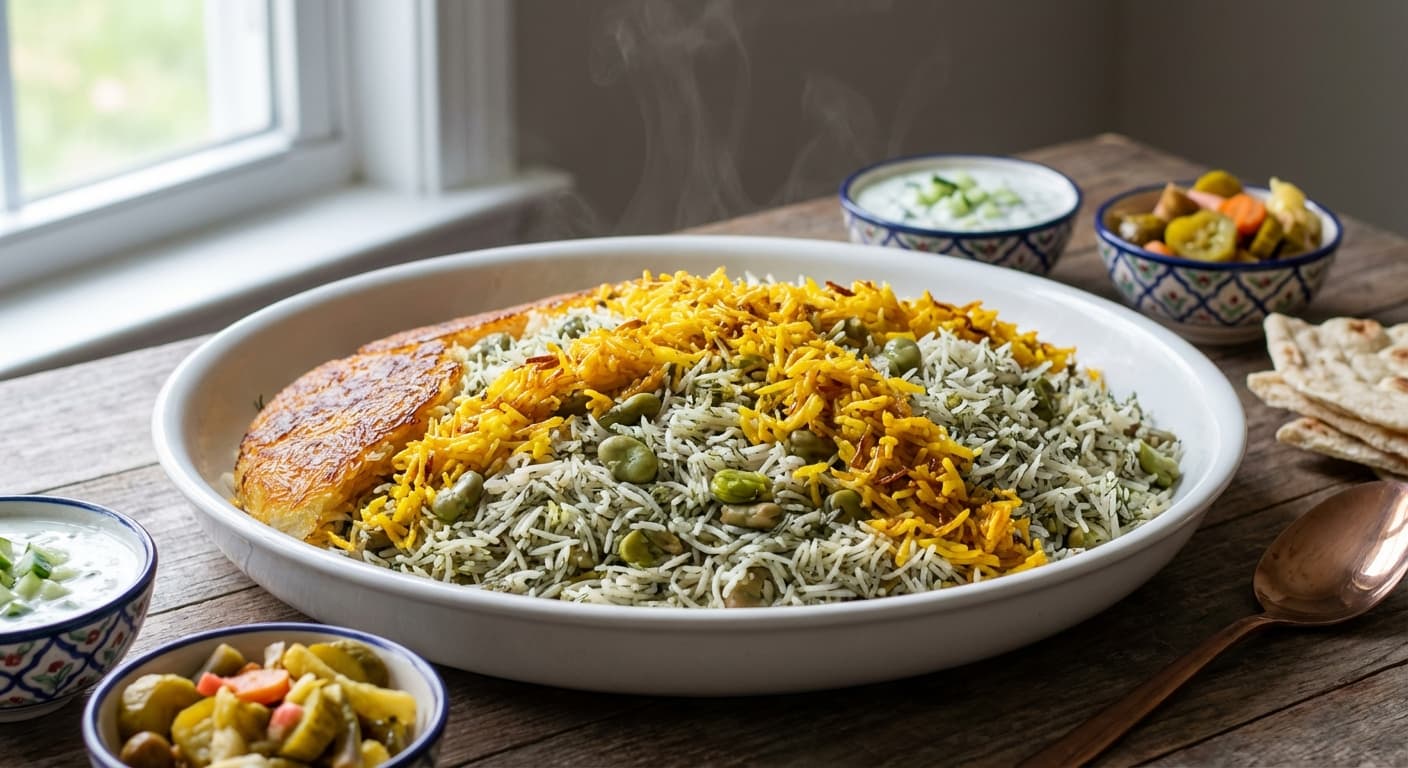
Baghali Polo (باقالی پلو) — Persian Dill and Fava Bean Rice with Saffron
Persian · Rice Dishes · 95 min
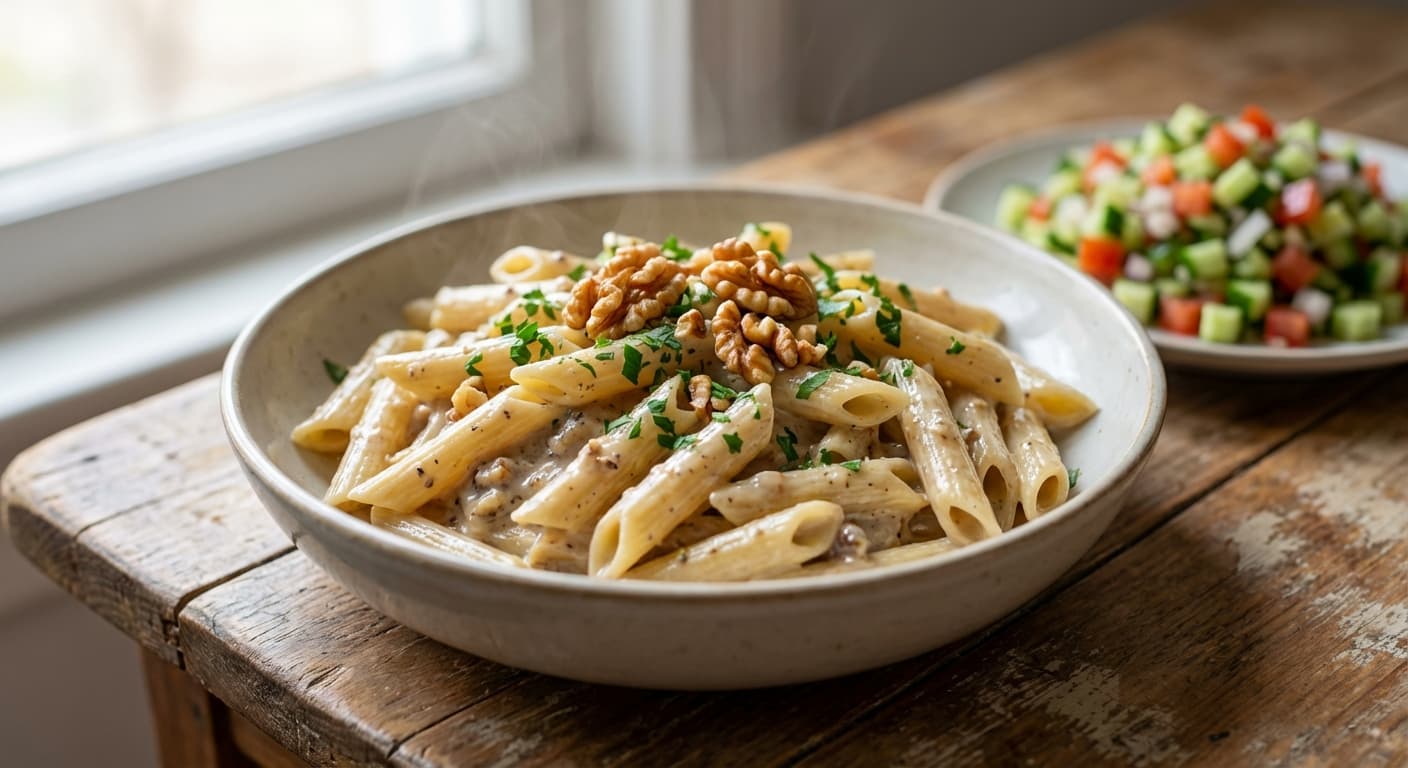
Pasta with Walnut Sauce (پاستا با سس گردو) — Creamy Persian Walnut-Yogurt Pasta
Persian · Main Courses · 35 min
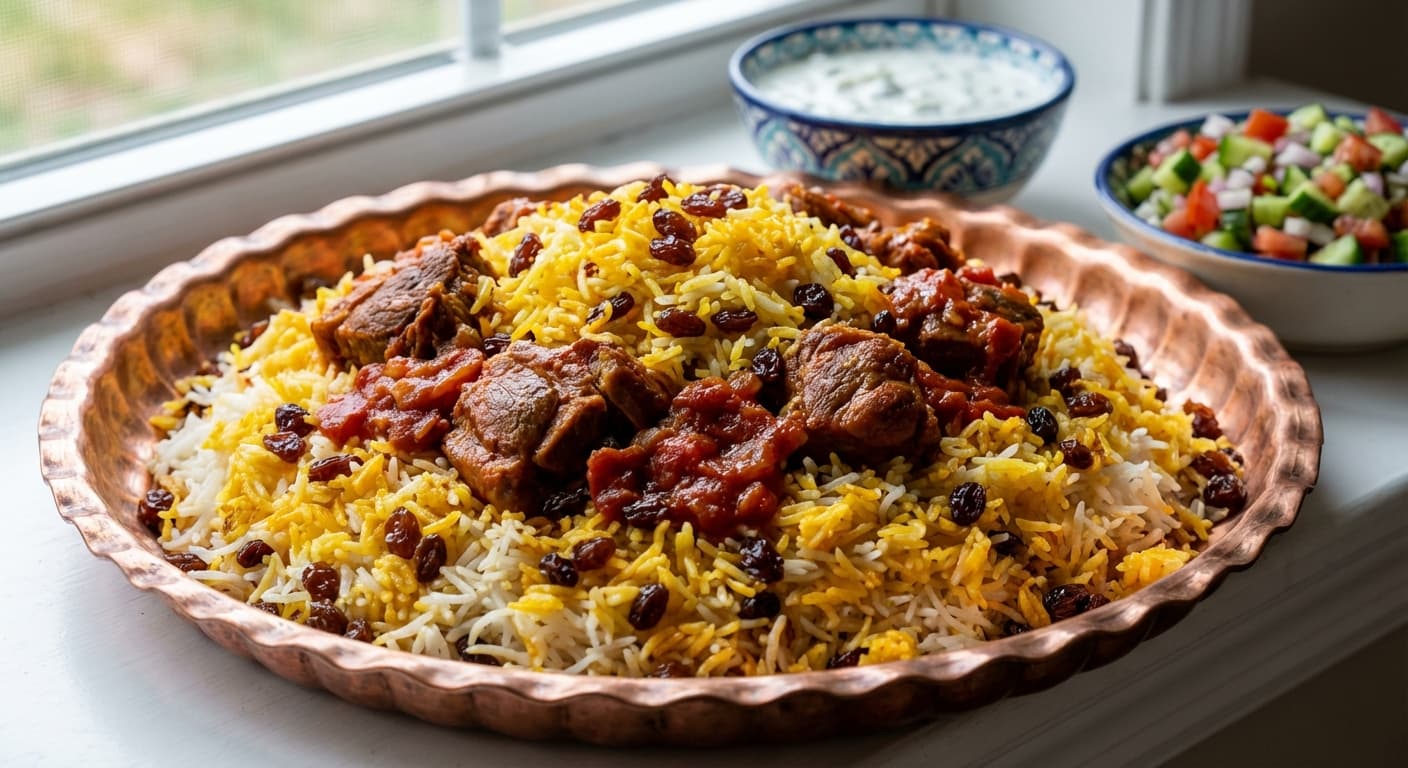
Kashmish Polow (کشمش پلو) — Persian Raisin Rice with Slow-Cooked Lamb
Persian · Rice Dishes · 155 min
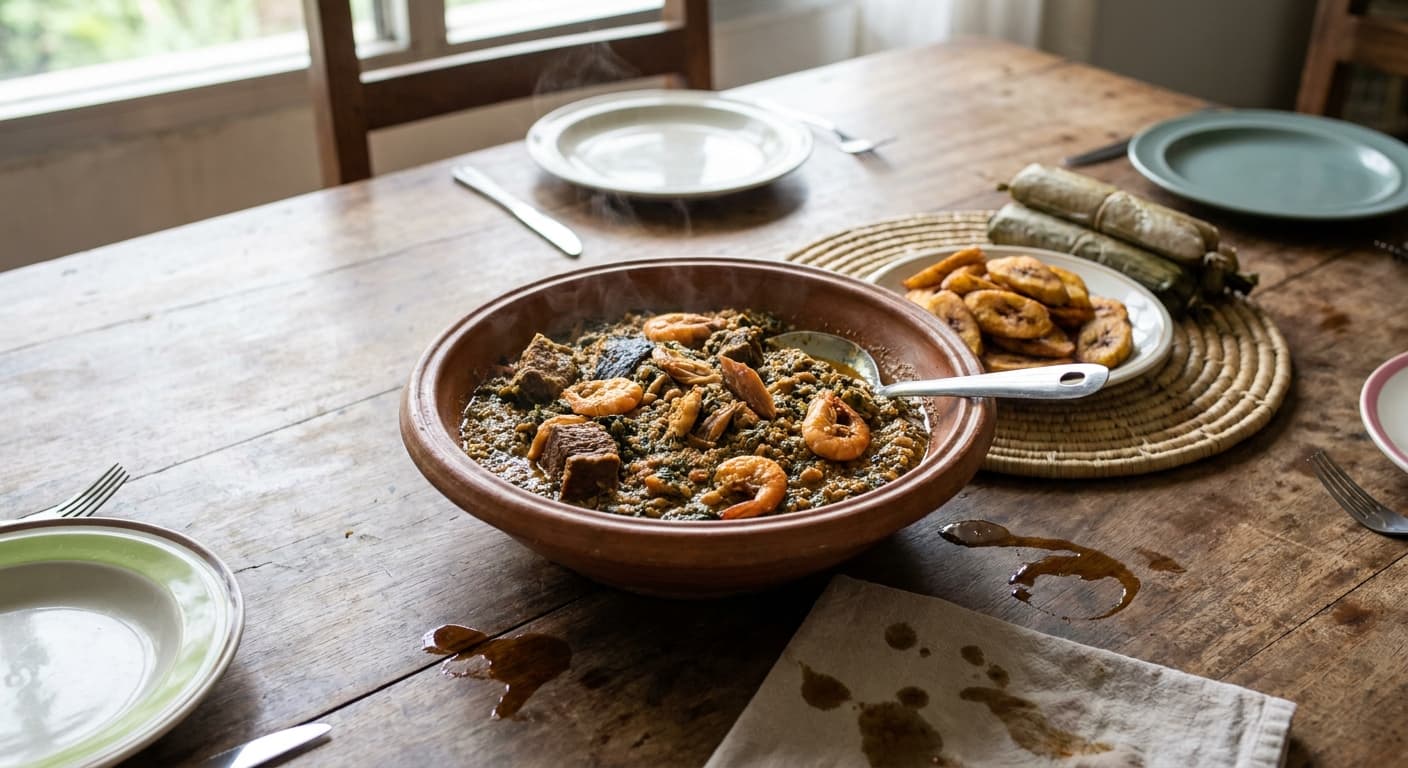
Cameroonian Ndolé (Ndolé) — Bitterleaf Peanut Stew with Beef and Seafood
West african · Stews · 140 min
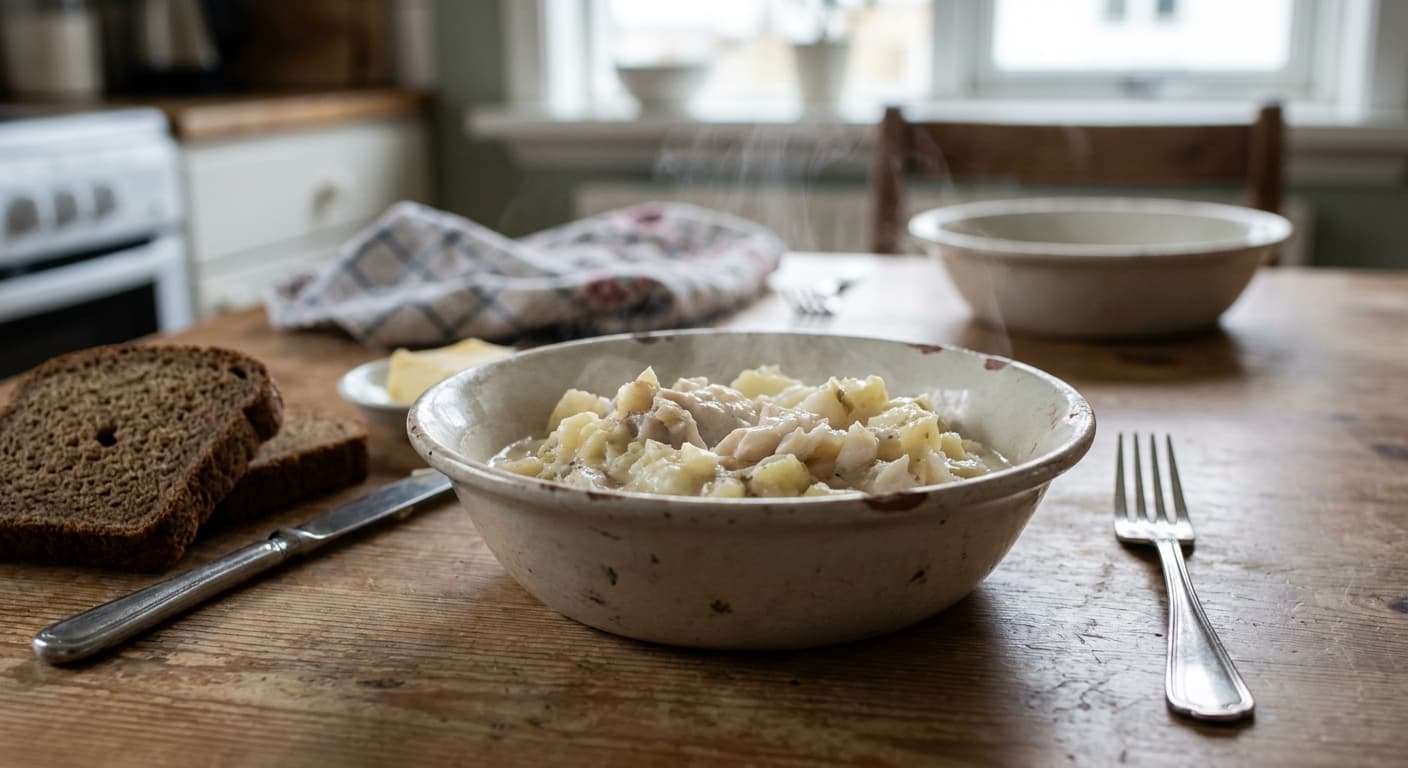
Icelandic Fish Stew (Plokkfiskur) — Creamy Cod and Potato Mash
Icelandic · Stews · 55 min
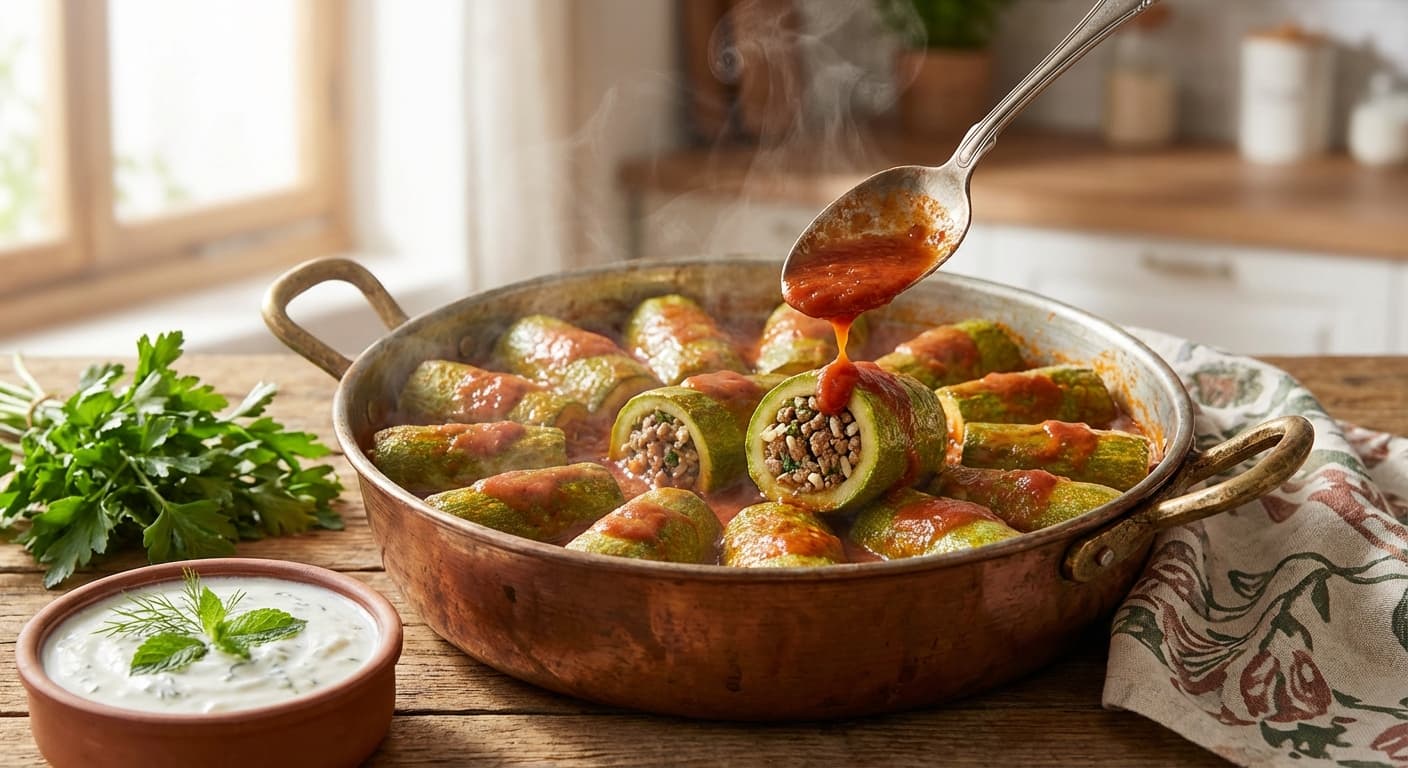
Stuffed Zucchini (Kabak Dolması) — Hollowed zucchini filled with spiced minced meat and rice
Turkish · Main Courses · 90 min
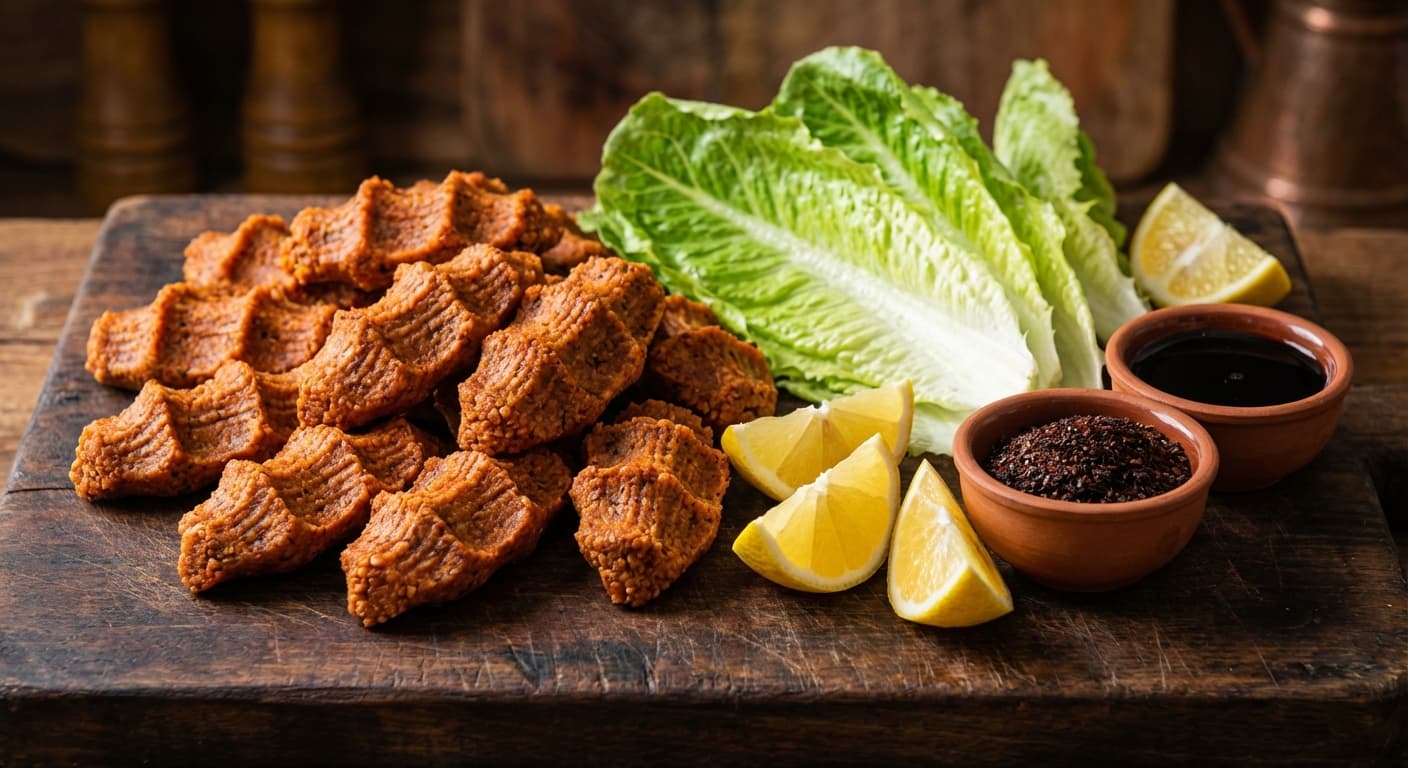
Cig Kofte (Çiğ Köfte) — Isot-kissed bulgur kneaded and served in lettuce
Turkish · Appetizers · 25 min
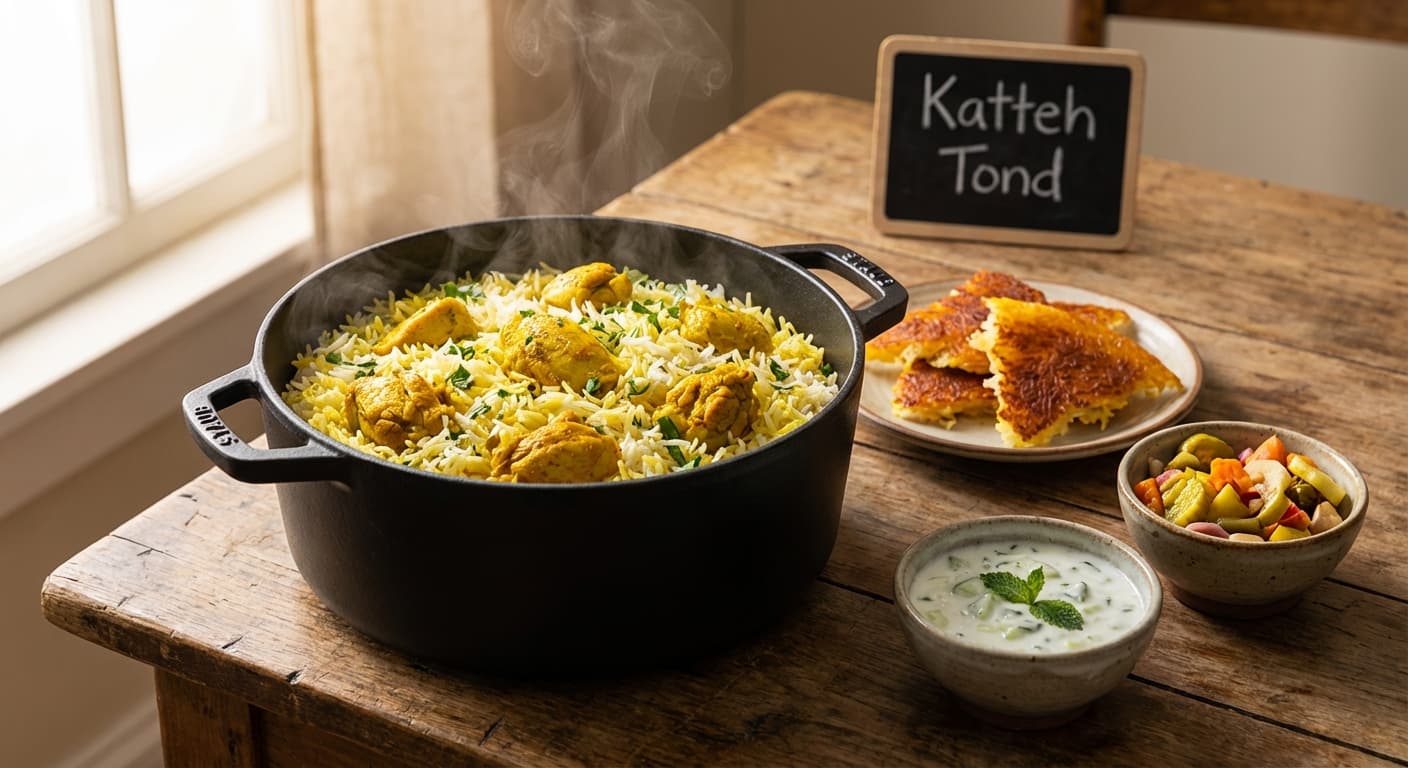
Katteh Tond (کته تند) — Spicy Caspian-Style One-Pot Chicken Rice
Persian · Rice Dishes · 85 min
Reviews
Cooked this recipe?
Tap the stars to rate it — that's all it takes. A few words are welcome but optional.
No ratings yet. Cooked this one? Be the first to rate it — it takes one tap.