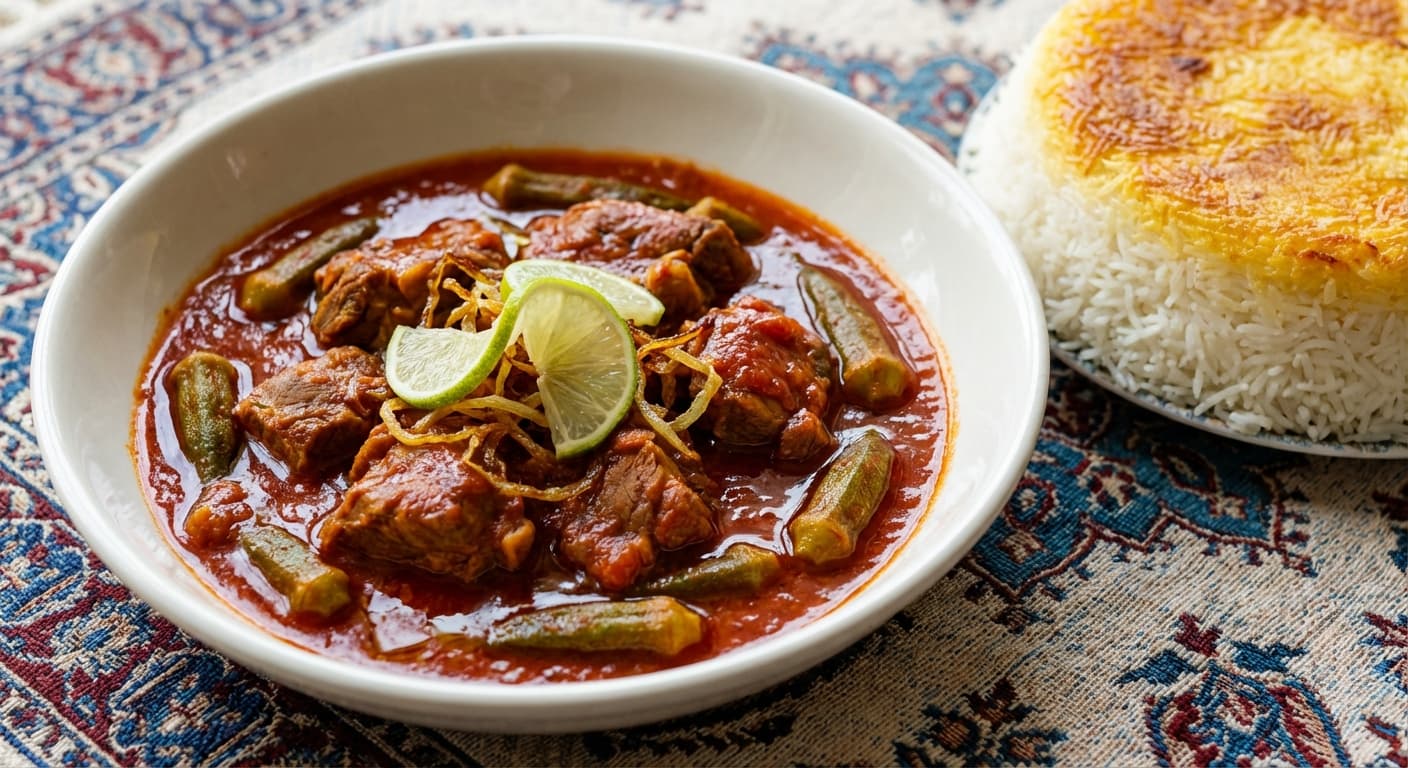
Khoreshte Bamieh (خورش بامیه) — Persian Okra & Lamb Stew with Lime
Khoreshte Bamieh is a beloved Southern Iranian stew where tender lamb and young okra simmer in a tomato-rich broth brightened with lime. It’s traditionally served over chelow, balancing deep savoriness with gentle tang.
Printable Recipe Card
Servings: 4 · Total: 135 min · Difficulty: medium
Ingredients (quick list)
- 600 g lamb shoulder, boneless, cut into 3 cm cubes (beef stew meat can be used)
- 250 g yellow onion, thinly sliced
- 12 g garlic, finely grated (about 3 cloves)
- 45 ml vegetable oil (divided)
- 2 tsp turmeric, ground
- 1 tsp black pepper, ground
- 2 tsp fine salt (divided)
- 60 g tomato paste (about 4 tbsp)
- 35 g sun-dried tomatoes, packed dry, finely chopped (adds depth; optional but traditional in many southern-style versions)
- 900 ml water
- 450 g fresh okra, small pods (trim stems without cutting into the pod)
- 45 ml fresh lime juice (about 3 tbsp)
+ 1 more in the full ingredients section below.
Steps (summary)
- Make the piaz dagh: heat 30 ml vegetable oil in a heavy pot over medium heat, then add the sliced onion. Cook for 12–15 minutes…
- Add the lamb to the pot and increase heat to medium-high. Sear for 6–8 minutes, turning to brown multiple sides, then stir in t…
- Add the grated garlic and cook for 30–45 seconds until fragrant, keeping it from browning. Stir in the tomato paste and chopped…
- Pour in 900 ml water and scrape the bottom of the pot to release all browned bits into the broth. Bring to a gentle boil, reduc…
- While the meat simmers, prep the okra: rinse and dry the pods thoroughly, then trim the stem caps without piercing the pod. Hea…
- Add the sautéed okra to the stew and gently stir once to distribute without breaking the pods. Simmer uncovered for 25–30 minut…
+ 1 more steps in the full instructions section below.
Cultural Background
A staple khoresh in Iran’s southern regions, Khoreshte Bamieh highlights warm-weather produce like okra and the Persian love of balanced sourness. Served over rice, it’s a family table classic that bridges everyday comfort and guest-worthy elegance.
Equipment
💡 Tips
- Choose small, bright-green okra pods (3–5 cm) for the most tender texture and fewer seeds.
- Dry okra completely before sautéing; water on the pods increases mucilage and can make the stew slimy.
- Fry tomato paste until it darkens a shade; this removes raw acidity and gives the stew its signature deep color.
⚠️ Common Mistakes
❌ Cutting okra stems too deeply so the pods split and turn the stew slimy.
✅ Fix: Trim only the cap end in a shallow cone without piercing the pod, and sauté briefly before adding to the stew.
❌ Adding lime juice early, making the meat take longer to tenderize.
✅ Fix: Simmer meat until nearly tender first, then add lime juice during the final 10–15 minutes.
❌ Not frying tomato paste, leaving a raw, sharp tomato taste.
✅ Fix: Cook tomato paste in oil for 2–3 minutes until darker and aromatic before adding water.
🧊 How to Store
Cool completely, then refrigerate in an airtight container for up to 3 days. Reheat gently over low heat with 60–90 ml water to loosen the sauce; avoid hard boiling to keep okra intact. Freeze up to 2 months, noting okra will soften slightly after thawing.
📅 Make Ahead
Cook the stew base (onion, meat, tomato paste, and water) up to 1 day ahead and refrigerate. Reheat to a simmer, sauté okra fresh, then add and finish with lime juice just before serving for best texture and brightness.
🍽️ Pairs Well With
- Chelow (Persian steamed rice)
- tahdig
- Shirazi salad
- torshi
- fresh herbs (sabzi khordan).
Regional Variations
- Southern coastal style: add 1 tsp ground cumin and 1 tsp coriander for a warmer spice backbone.
- Khuzestani-inspired: include 1 small green chili (10 g) simmered whole for gentle heat, removed before serving.
- Tehran home style: omit sun-dried tomatoes and increase tomato paste to 75 g for a cleaner tomato profile.
Ingredients
- 600 glamb shoulder, boneless, cut into 3 cm cubes (beef stew meat can be used)
- 250 gyellow onion, thinly sliced
- 12 ggarlic, finely grated (about 3 cloves)
- 45 mlvegetable oil (divided)
- 2 tspturmeric, ground
- 1 tspblack pepper, ground
- 2 tspfine salt (divided)
- 60 gtomato paste (about 4 tbsp)
- 35 gsun-dried tomatoes, packed dry, finely chopped (adds depth; optional but traditional in many southern-style versions)
- 900 mlwater
- 450 gfresh okra, small pods (trim stems without cutting into the pod)
- 45 mlfresh lime juice (about 3 tbsp)
- 1 tsplime zest (from 1 lime)
🔄 Substitutions
- lamb shoulder→ beef chuck
- sun-dried tomatoes→ fresh tomato, grated
- fresh lime juice→ bottled lime juice
Instructions
- 1
Make the piaz dagh: heat 30 ml vegetable oil in a heavy pot over medium heat, then add the sliced onion. Cook for 12–15 minutes, stirring often, until deeply golden and lightly crisp at the edges; this color is essential for a rich stew base.
- 2
Add the lamb to the pot and increase heat to medium-high. Sear for 6–8 minutes, turning to brown multiple sides, then stir in turmeric, black pepper, and 1 tsp salt and cook 60 seconds to bloom the spices.
- 3
Add the grated garlic and cook for 30–45 seconds until fragrant, keeping it from browning. Stir in the tomato paste and chopped sun-dried tomatoes, then fry for 2–3 minutes until the paste darkens slightly and smells sweet rather than raw.
- 4
Pour in 900 ml water and scrape the bottom of the pot to release all browned bits into the broth. Bring to a gentle boil, reduce to a low simmer, cover, and cook for 60 minutes, stirring once or twice, until the lamb is starting to turn tender.
- 5
While the meat simmers, prep the okra: rinse and dry the pods thoroughly, then trim the stem caps without piercing the pod. Heat the remaining 15 ml oil in a skillet over medium-high heat and sauté okra for 4–5 minutes, shaking the pan, until lightly blistered; this helps reduce sliminess and keeps pods intact.
- 6
Add the sautéed okra to the stew and gently stir once to distribute without breaking the pods. Simmer uncovered for 25–30 minutes until okra is tender but still holds shape and the broth is slightly thickened.
- 7
Stir in fresh lime juice, lime zest, and the remaining 1 tsp salt, then simmer 5–7 minutes to round out the acidity. Rest the stew off heat for 10 minutes before serving so the flavors settle and the surface oil rises slightly, as is traditional for khoresh.
🪪 Recipe Passport
Cultural Background
A staple khoresh in Iran’s southern regions, Khoreshte Bamieh highlights warm-weather produce like okra and the Persian love of balanced sourness. Served over rice, it’s a family table classic that bridges everyday comfort and guest-worthy elegance.
Regional Variations
Researched from multiple sources and validated by the Zaffaron editorial team. Every recipe is tested for accuracy, measurements, and cultural authenticity.
Nutrition per serving
Pairs well with
If you enjoyed this recipe, here are a few related Zaffaron recipes to try next.
- Khuzestani Falafel (فلافل آبادانی) — Spicy Abadan Chickpea Fritters
- Koofteh Rusi (کوفته روسی) — Persian Russian-Style Herb & Potato Kofta
- Kookoo Esfenaj Ba Panir Pizza (کوکو اسفناج با پنیر پیتزا) — Persian Spinach Frittata with Mozzarella
- Kookoo-ye Gharch va Berenj (کوکو ی قارچ و برنج) — Persian Mushroom and Rice Frittata
Does your family make this differently?
Every family has their own version. Maybe your grandmother adds a secret ingredient, or your aunt has a completely different technique. Preserve your family's version — with their name on it, forever.
You Might Also Like
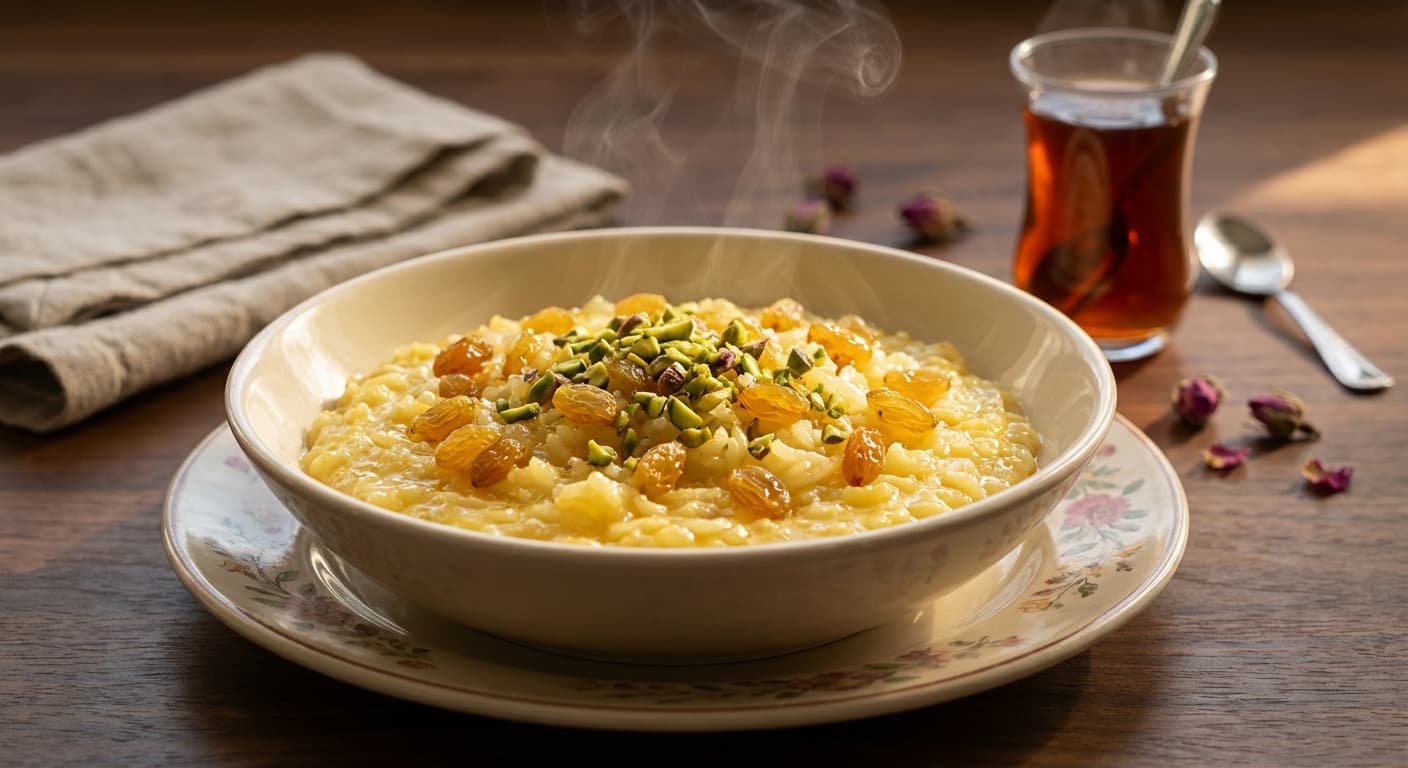
Saffron Sweet Rice (پلو شیرینی زعفرانی) — Festive Persian milk-saffron rice with nuts
Persian · Rice Dishes · 75 min
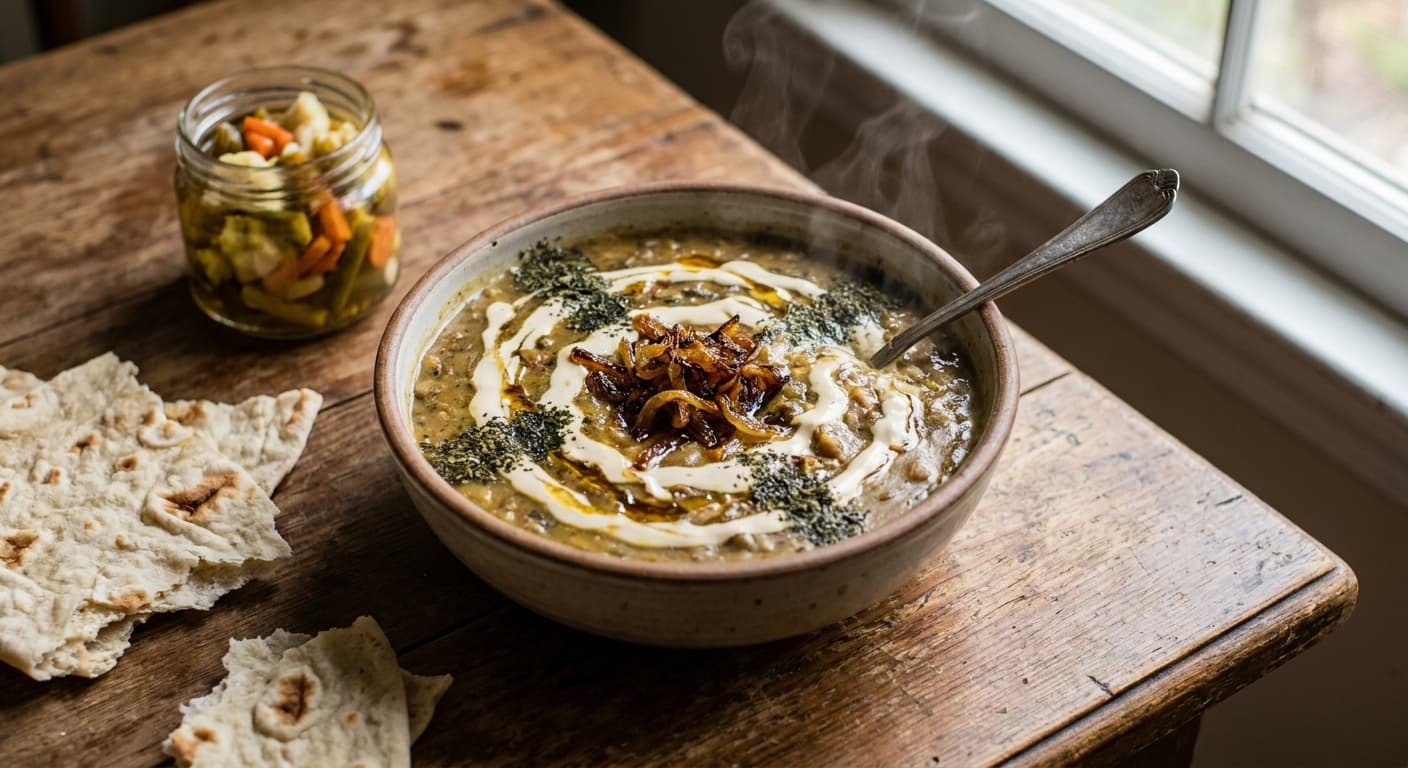
Ash-e Sak (آش ساک) — Gorgani Spinach and Lamb Ash
Persian · Soups · 175 min
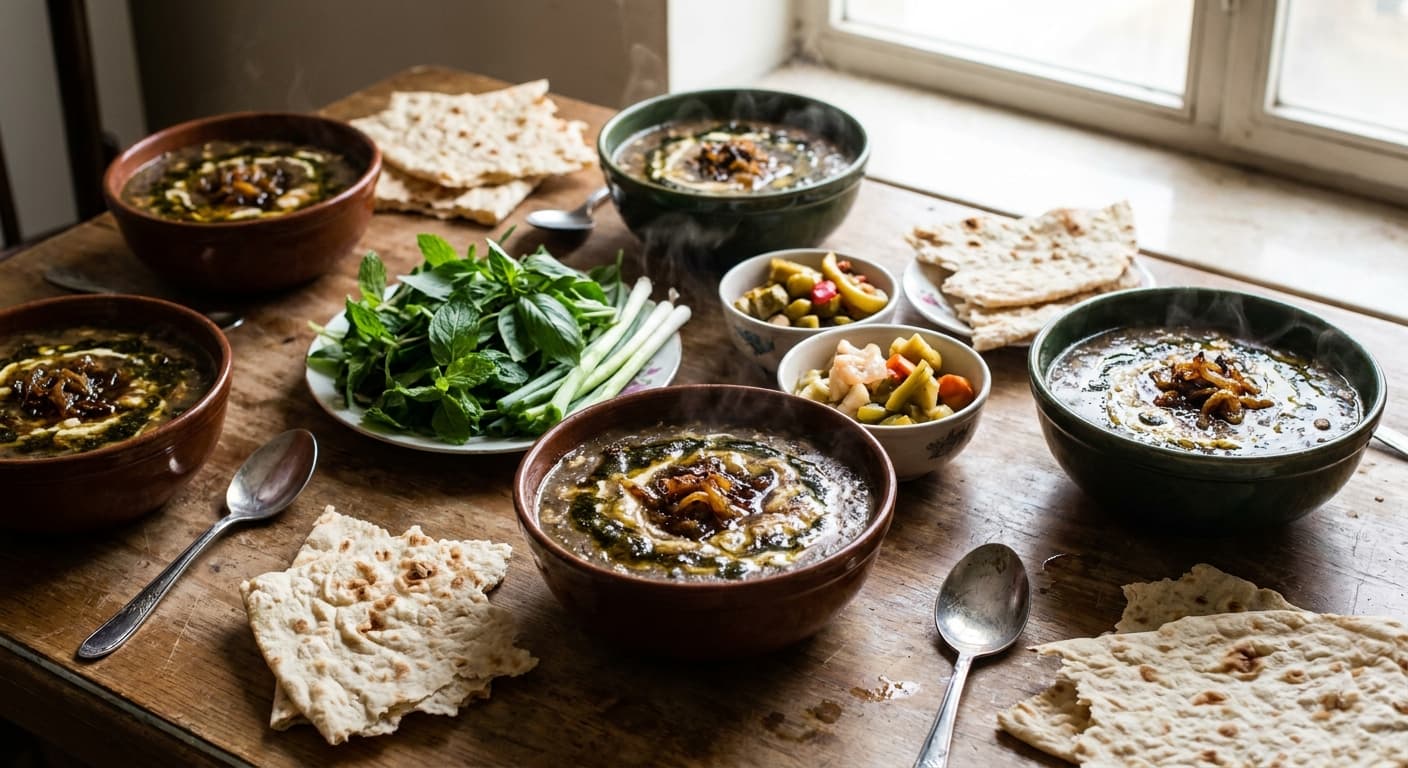
Ash-e Torsh (آش ترش) — Sour Herb and Legume Soup
Persian · Soups · 145 min
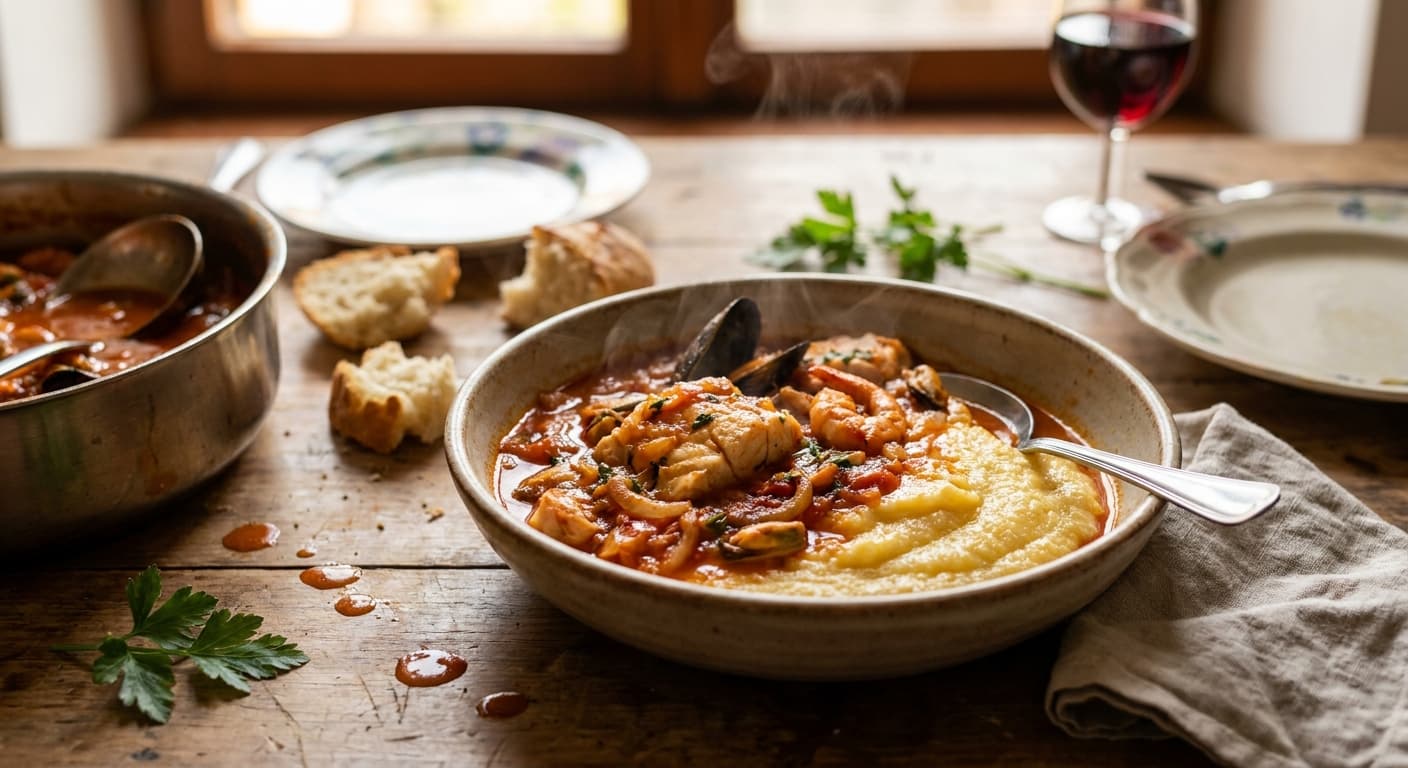
Brodet (Brodet) — Croatian Adriatic Fish Stew with Tomato and White Wine
Croatian · Stews · 70 min
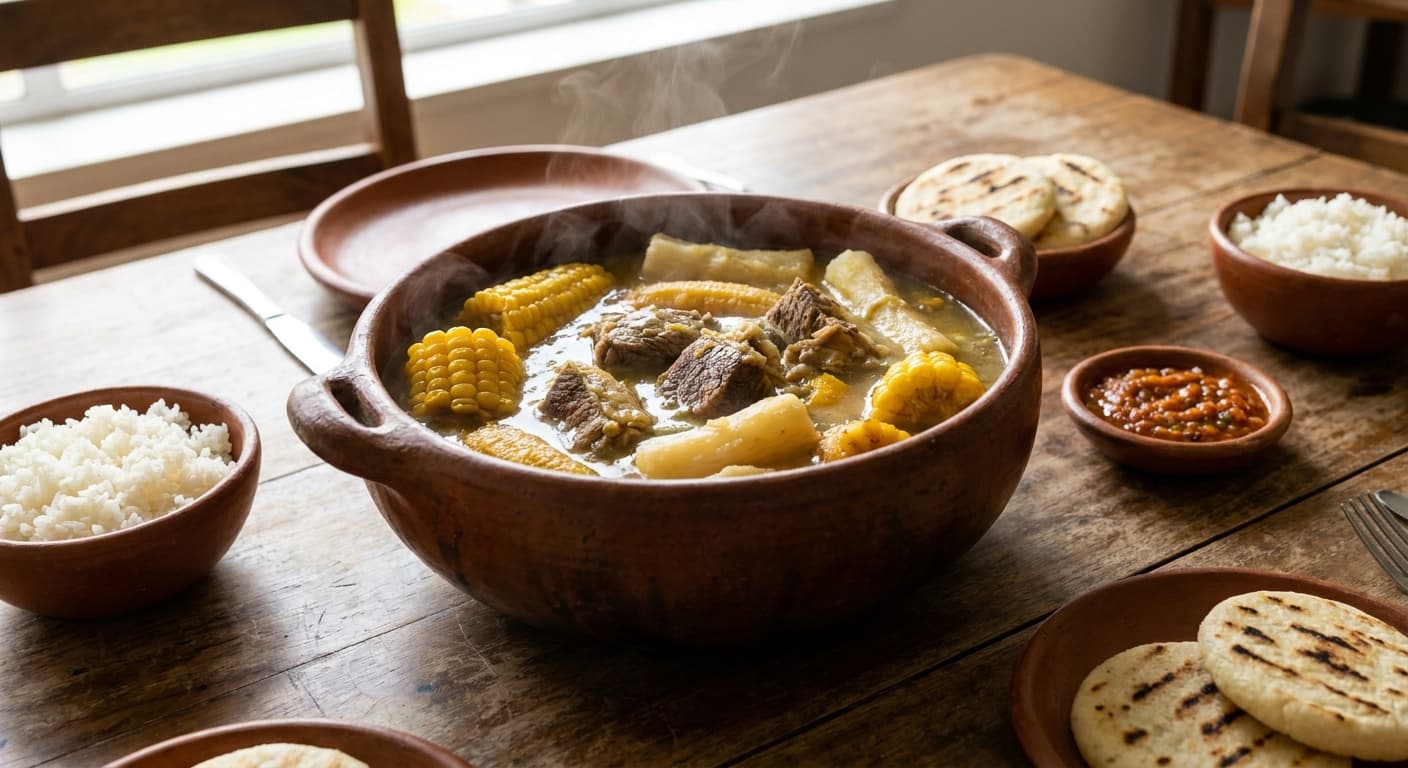
Colombian Sancocho (Sancocho Colombiano) — Hearty Three-Meat Root Vegetable Stew
Colombian · Stews · 170 min
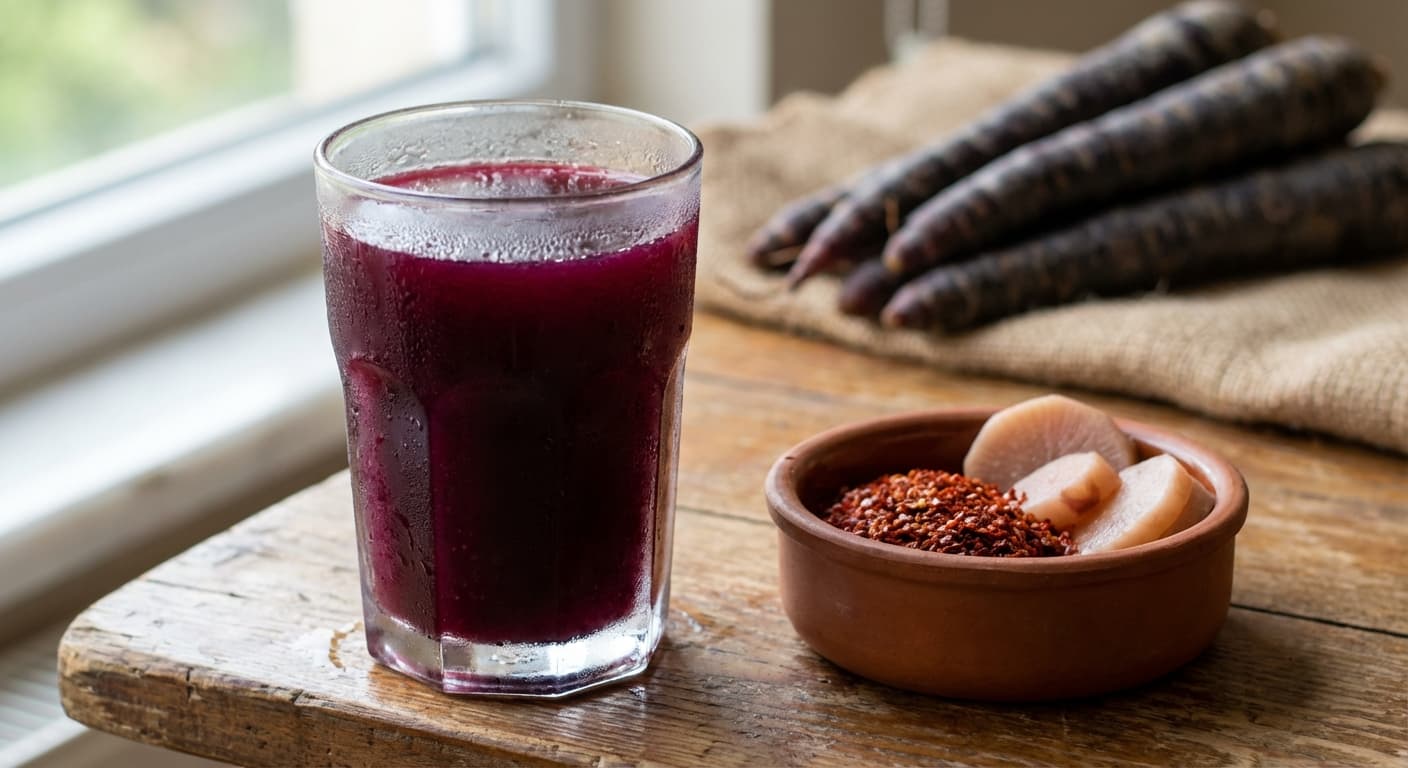
Salgam Juice (Şalgam) — Spicy, tangy fermented black-carrot drink
Turkish · Drinks · 25 min
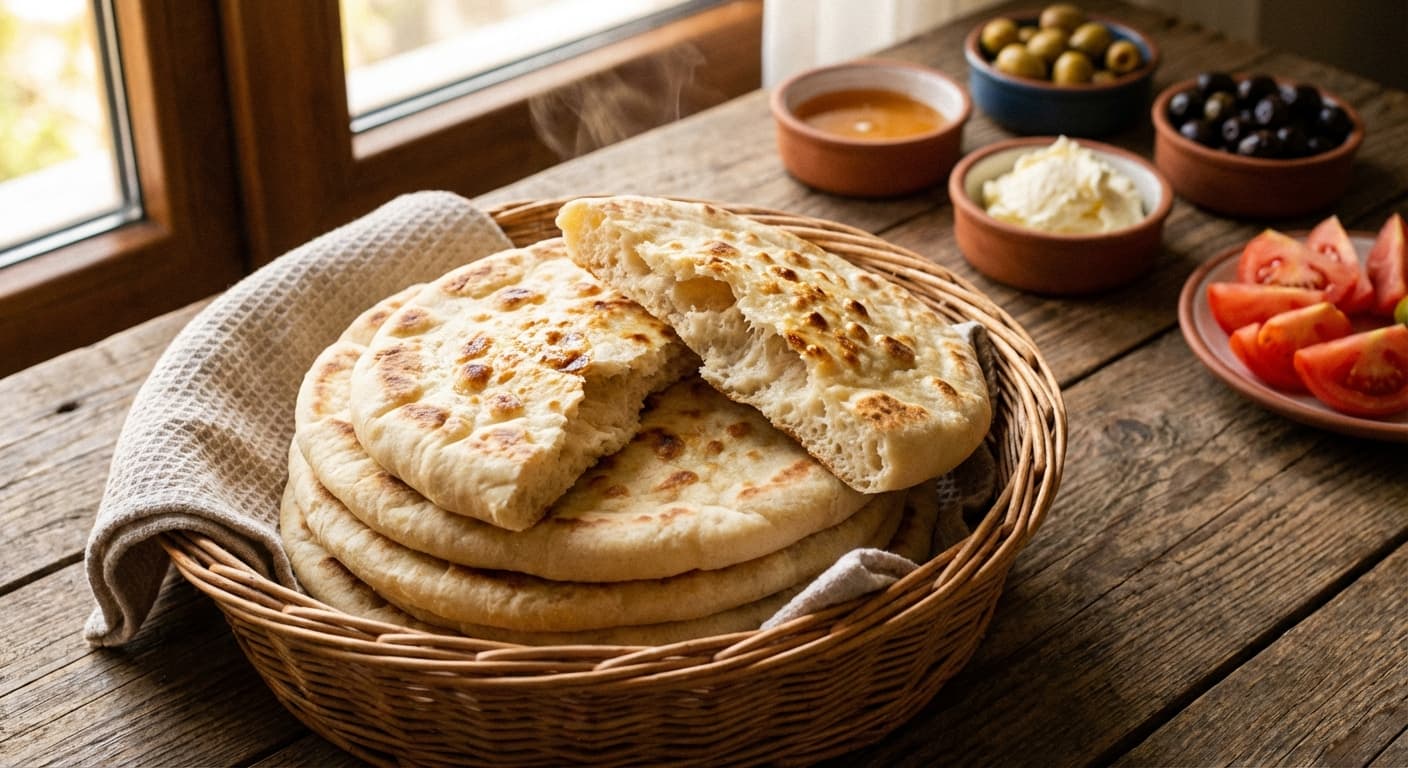
Bazlama (بازلاما) — Puffy Turkish Village Flatbread Cooked on a Saj
Turkish · Breads · 38 min
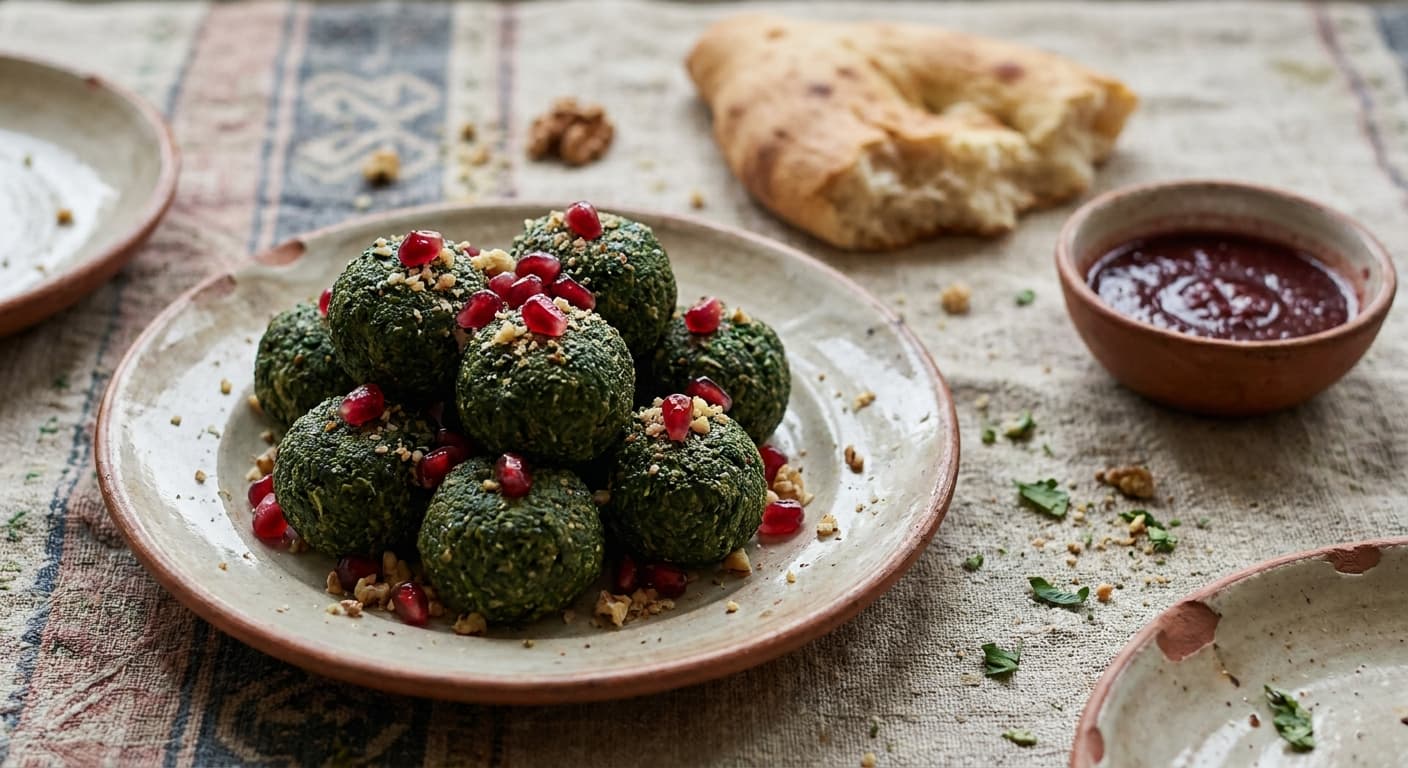
Pkhali (ფხალი) — Georgian Spinach-Walnut Appetizer
Georgian · Appetizers · 35 min
Reviews
Cooked this recipe?
Tap the stars to rate it — that's all it takes. A few words are welcome but optional.
No ratings yet. Cooked this one? Be the first to rate it — it takes one tap.