Tamago Kake Gohan (卵かけご飯) — Japanese Raw Egg Rice Breakfast
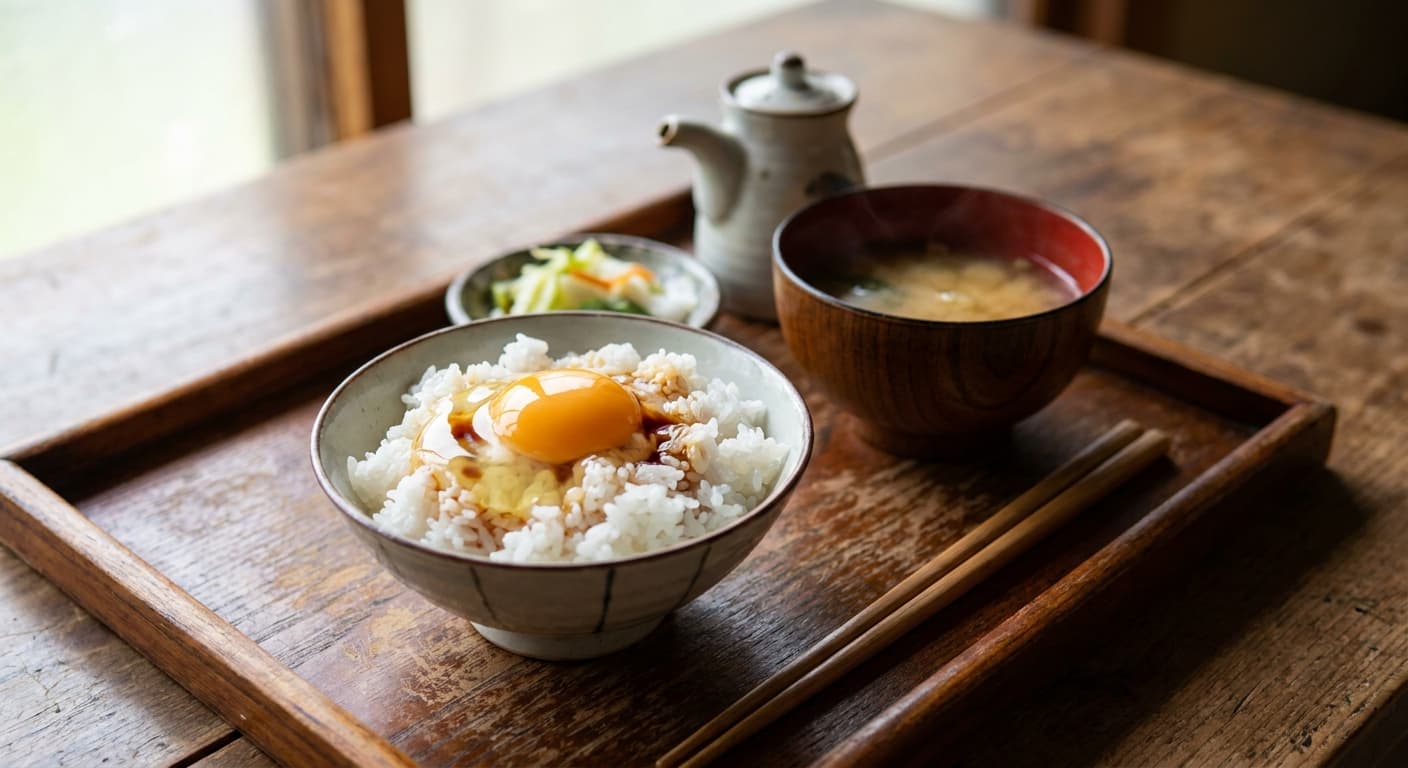
Tamago kake gohan is a beloved Japanese home breakfast of steaming short-grain rice mixed with raw egg and soy sauce. It is fast, comforting, and rooted in everyday rice culture rather than restaurant cooking.
Printable Recipe Card
Servings: 2 · Total: 40 min · Difficulty: easy
Ingredients (quick list)
- 300 g Japanese short-grain white rice (uncooked; yields about 600 g cooked rice)
- 360 ml water (for cooking the rice, adjust only if your rice cooker specifies a different fill line)
- 2 pasteurized eggs (use very fresh pasteurized eggs because they remain mostly raw)
- 2 tsp Japanese soy sauce (use halal-certified soy sauce if required)
- 1 sheet toasted nori (cut into thin strips)
- 2 scallions (thinly sliced)
- 2 tsp toasted white sesame seeds
Steps (summary)
- Place the rice in a bowl and rinse it under cool running water, swirling with your fingers until the water turns cloudy. Drain…
- Cook the drained rice with 360 ml water in a rice cooker using the standard white-rice setting, or cook it in a heavy pot with…
- Fluff the cooked rice gently with a rice paddle, using cutting and folding motions rather than mashing. Divide 600 g hot cooked…
- Crack each pasteurized egg into a separate small cup before adding it to the rice, checking that the shell is clean and the egg…
- Drizzle 1 tsp soy sauce over each egg and rice bowl. Stir each serving vigorously with chopsticks for 20 to 30 seconds, mixing…
- Finish each bowl with half the nori strips, half the sliced scallions, and 1 tsp toasted sesame seeds. Serve immediately while…
Cultural Background
This dish reflects the central place of rice in Japanese home cooking and the trust placed in high-quality eggs. It is especially associated with quick breakfasts, family kitchens, and the pleasure of simple ingredients.
Equipment
💡 Tips
- Use hot, freshly cooked Japanese short-grain rice; lukewarm rice will not emulsify the egg as smoothly.
- Crack the egg into a separate cup first, which prevents shell fragments or a bad egg from reaching the rice.
- For the cleanest classic flavor, start with 1 tsp soy sauce per bowl and add no more than 0.5 tsp extra if you prefer a saltier finish.
⚠️ Common Mistakes
❌ Using cold leftover rice
✅ Fix: Reheat the rice until steaming hot before adding the egg, or cook a fresh batch for the best silky texture.
❌ Adding too much soy sauce at the start
✅ Fix: Use 1 tsp per bowl first, mix thoroughly, and add only 0.5 tsp more if the rice still needs seasoning.
❌ Skipping egg safety
✅ Fix: Use pasteurized eggs, keep them refrigerated, crack them into a separate cup, and discard any egg with an off smell or damaged shell.
🧊 How to Store
Tamago kake gohan is best eaten immediately and should not be stored once raw egg has been mixed into the rice. Store plain cooked rice separately for up to 3 days refrigerated, then reheat until steaming before adding a fresh egg.
📅 Make Ahead
Wash and measure the rice the night before, then cook it fresh in the morning on a timer setting. Slice scallions and cut nori up to 1 day ahead, storing them separately and dry.
🍽️ Pairs Well With
- Miso soup
- cucumber tsukemono
- grilled salmon
- natto
- hojicha.
Regional Variations
- Some households mix the egg and soy sauce in a small bowl first, then pour the seasoned egg over the rice for a more even coating.
- In western Japan, a slightly sweeter dedicated tamago-kake soy sauce is sometimes used instead of plain soy sauce.
- Home cooks may add natto, katsuobushi, shirasu, or furikake, though the most classic version remains rice, egg, and soy sauce.
Ingredients
- 300 gJapanese short-grain white rice (uncooked; yields about 600 g cooked rice)
- 360 mlwater (for cooking the rice, adjust only if your rice cooker specifies a different fill line)
- 2pasteurized eggs (use very fresh pasteurized eggs because they remain mostly raw)
- 2 tspJapanese soy sauce (use halal-certified soy sauce if required)
- 1 sheettoasted nori (cut into thin strips)
- 2scallions (thinly sliced)
- 2 tsptoasted white sesame seeds
🔄 Substitutions
- Japanese soy sauce→ tamari
- pasteurized eggs→ pasteurized liquid whole egg
- toasted nori→ furikake
Instructions
- 1
Place the rice in a bowl and rinse it under cool running water, swirling with your fingers until the water turns cloudy. Drain and repeat 3 to 4 times, then let the rice sit in a fine-mesh sieve for 10 minutes so the grains hydrate evenly and cook with a glossy texture.
- 2
Cook the drained rice with 360 ml water in a rice cooker using the standard white-rice setting, or cook it in a heavy pot with a tight lid. If using a pot, bring the rice and water to a boil, cover, reduce the heat to very low, cook for 12 minutes, then turn off the heat and let it steam undisturbed for 10 minutes.
- 3
Fluff the cooked rice gently with a rice paddle, using cutting and folding motions rather than mashing. Divide 600 g hot cooked rice between 2 warmed bowls, because the heat of the rice helps the egg loosen into a silky sauce without fully cooking it.
- 4
Crack each pasteurized egg into a separate small cup before adding it to the rice, checking that the shell is clean and the egg smells fresh. Make a shallow well in the center of each bowl of rice and slide 1 egg into each well.
- 5
Drizzle 1 tsp soy sauce over each egg and rice bowl. Stir each serving vigorously with chopsticks for 20 to 30 seconds, mixing the egg into the hot rice until the grains become glossy, pale golden, and lightly creamy.
- 6
Finish each bowl with half the nori strips, half the sliced scallions, and 1 tsp toasted sesame seeds. Serve immediately while the rice is hot, because tamago kake gohan loses its signature silky texture as it cools.
🪪 Recipe Passport
Cultural Background
This dish reflects the central place of rice in Japanese home cooking and the trust placed in high-quality eggs. It is especially associated with quick breakfasts, family kitchens, and the pleasure of simple ingredients.
Regional Variations
Researched from multiple sources and validated by the Zaffaron editorial team. Every recipe is tested for accuracy, measurements, and cultural authenticity.
📚 Sources & Cultural References
- NHK WORLD-JAPAN — Dining with the Chef: Tamago Kake Gohan
- Shizuo Tsuji — Japanese Cooking: A Simple Art — (1980)
Sources cited by the Zaffaron editorial team during recipe research. Cultural and culinary references supporting authenticity claims.
Nutrition per serving
Pairs well with
If you enjoyed this recipe, here are a few related Zaffaron recipes to try next.
Does your family make this differently?
Every family has their own version. Maybe your grandmother adds a secret ingredient, or your aunt has a completely different technique. Preserve your family's version — with their name on it, forever.
You Might Also Like
Sunomono (酢の物) — Japanese Vinegared Cucumber and Wakame Salad
Japanese · Salads · 20 min
Hijiki no Nimono (ひじきの煮物) — Savory Simmered Hijiki Seaweed
Japanese · Side Dishes · 43 min
Nikujaga (肉じゃが) — Japanese Beef and Potato Stew
Japanese · Stews · 55 min
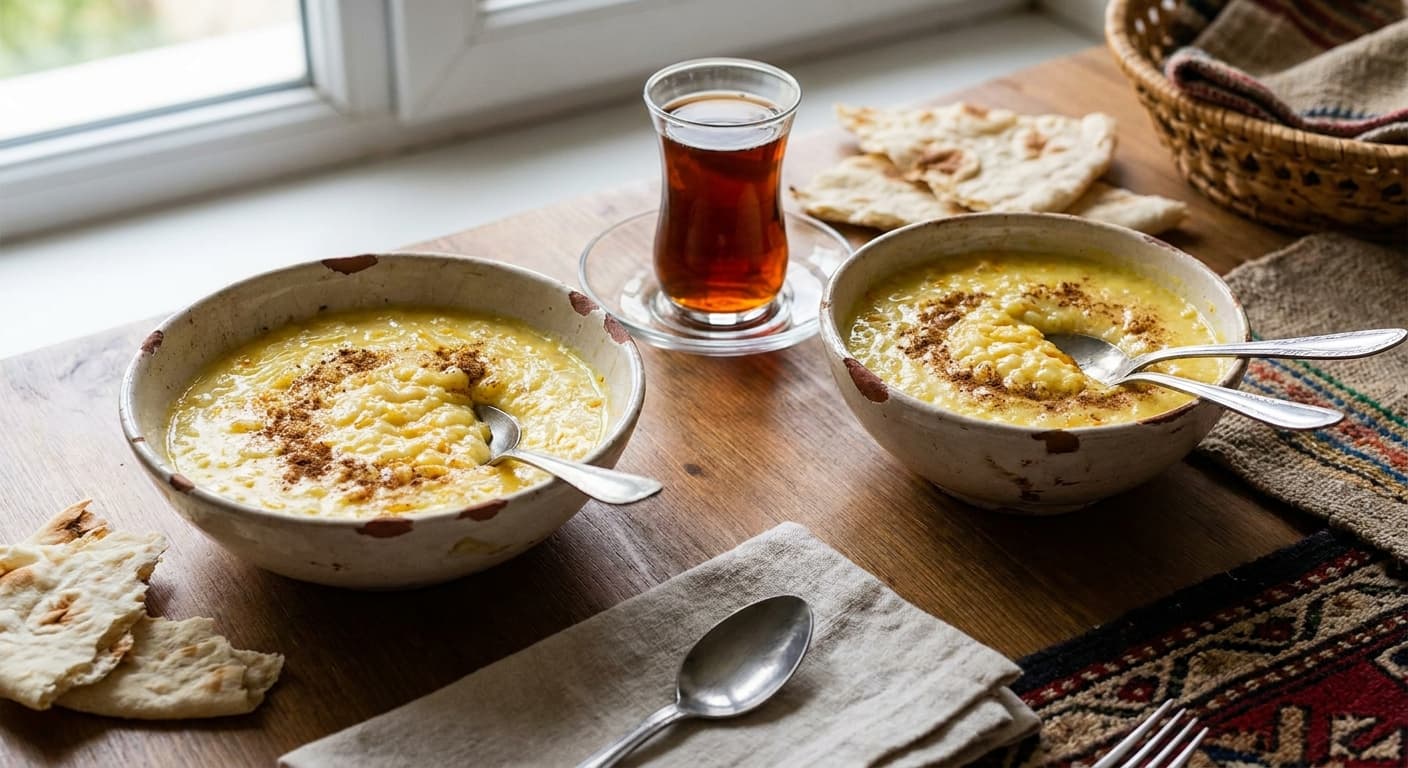
Azerbaijani Milk-Rice Porridge (Südlü Sıyıq) — Creamy Breakfast Rice with Saffron
Azerbaijani · Rice Dishes · 50 min
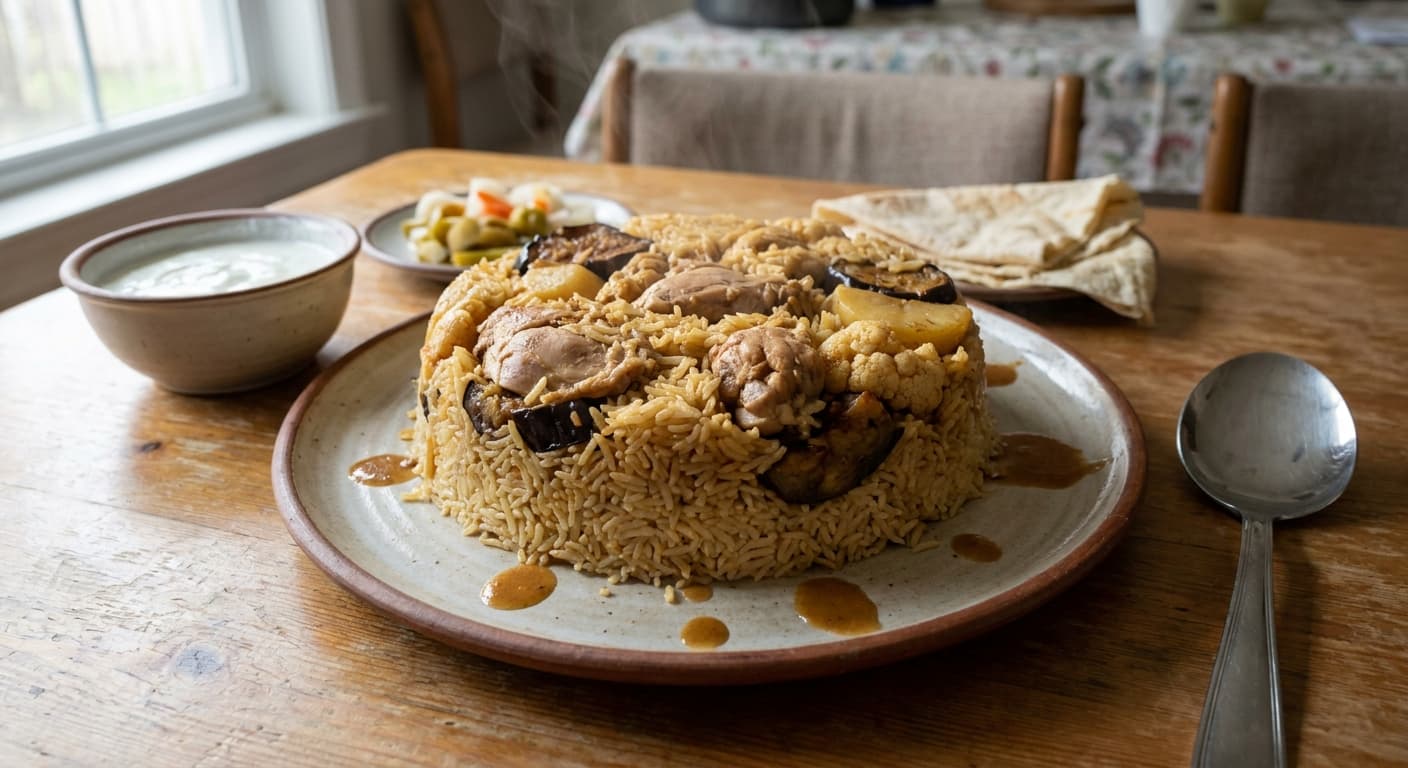
Maqluba (مقلوبة) — Jordanian Upside-Down Rice with Chicken
Jordanian · Rice Dishes · 110 min
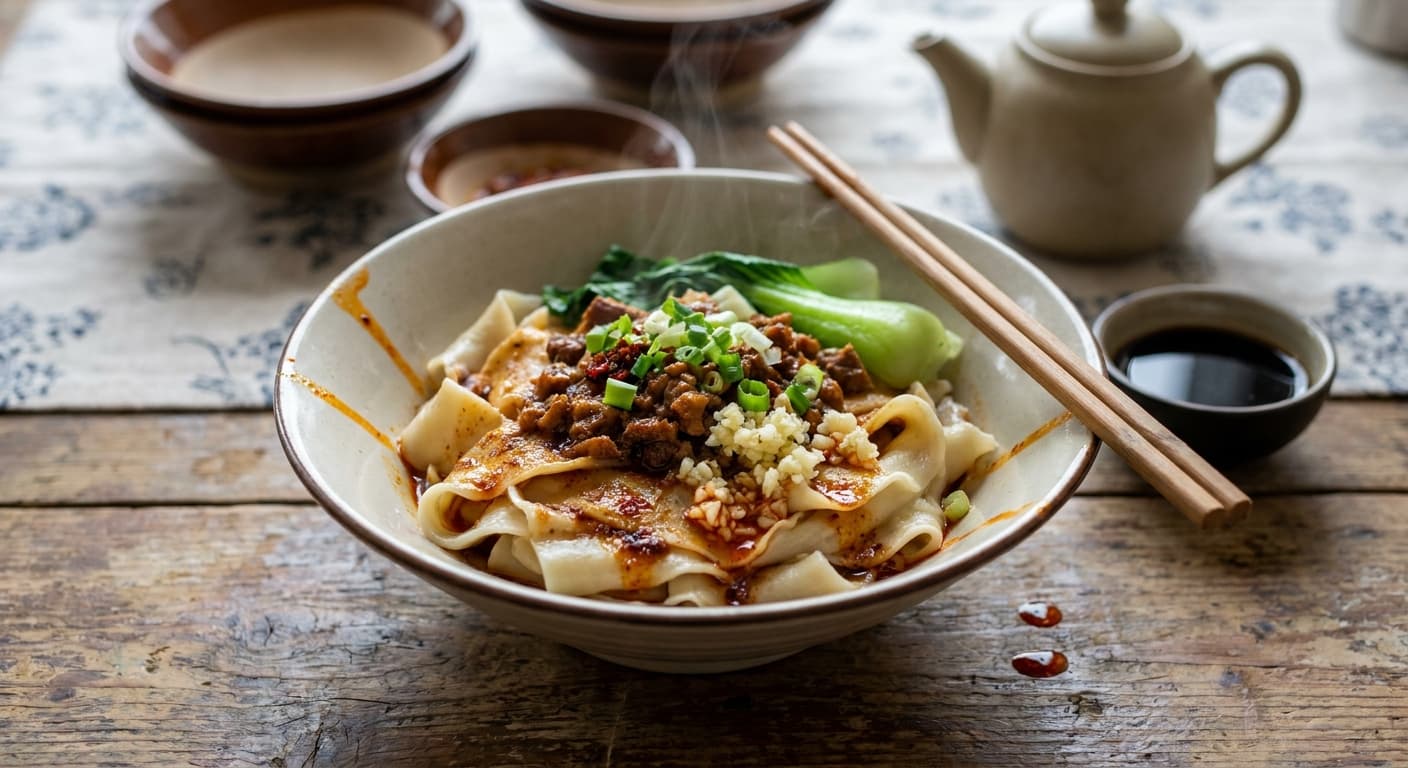
Biangbiang Noodles (油泼扯面) — Xi'an Hand-Pulled Belt Noodles
Chinese · Main Courses · 65 min
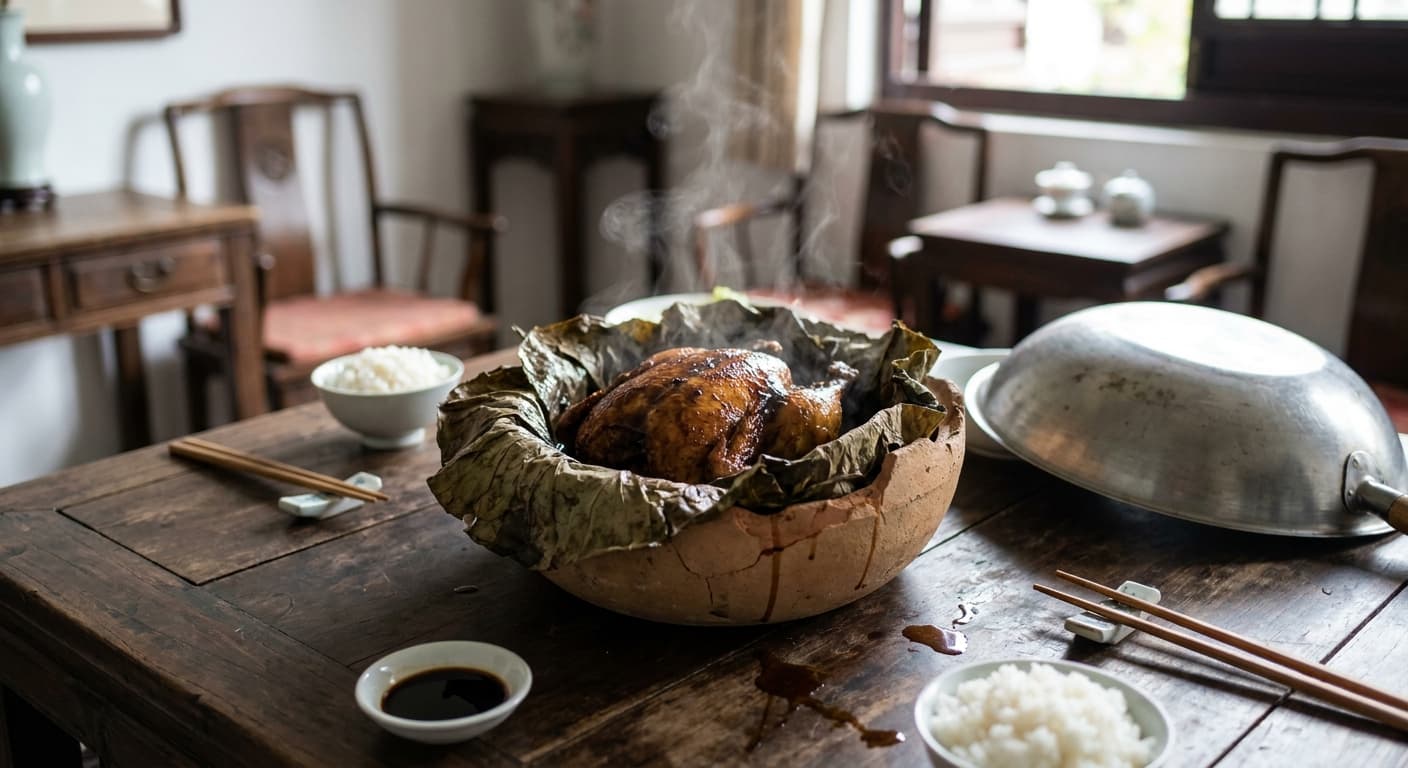
Beggar's Chicken (叫化鸡) — Lotus-Wrapped Clay-Baked Jiangnan Chicken
Chinese · Main Courses · 240 min
Gomaae (ごまあえ) — Japanese Spinach with Sesame Dressing
Japanese · Side Dishes · 18 min
Reviews
Cooked this recipe?
Tap the stars to rate it — that's all it takes. A few words are welcome but optional.
No ratings yet. Cooked this one? Be the first to rate it — it takes one tap.