Man’oushe Za’atar (منقوشة زعتر) — Lebanese Za’atar Flatbread
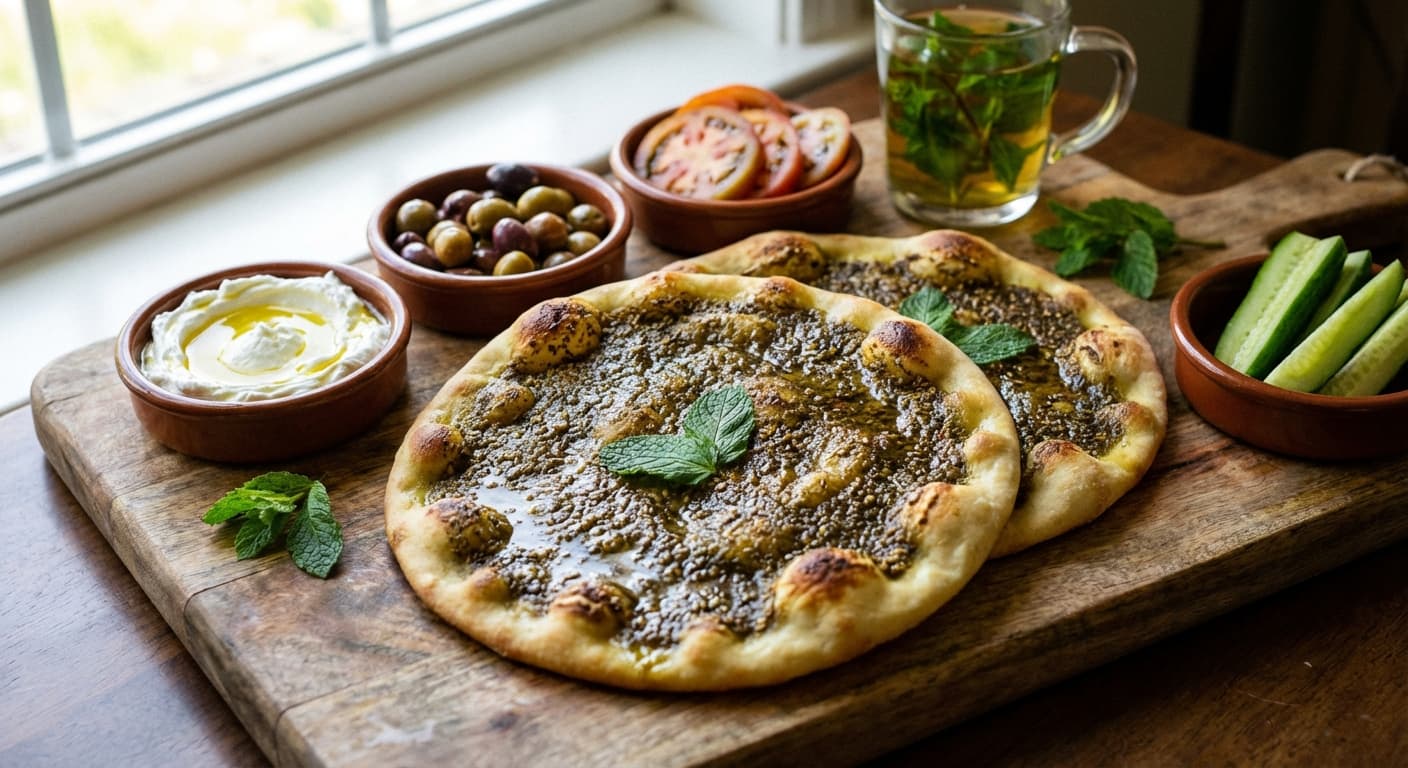
Man’oushe is a beloved Lebanese bakery flatbread, often eaten for breakfast or a quick lunch. The classic topping is za’atar mixed with olive oil, creating a fragrant, tangy, herbaceous crust that bakes in minutes.
Printable Recipe Card
Servings: 6 · Total: 37 min · Difficulty: medium
Ingredients (quick list)
- 420 g bread flour (plus 20 g for dusting)
- 270 ml warm water (about 38–40°C)
- 7 g instant yeast (1 standard packet)
- 8 g granulated sugar (helps yeast activity and browning)
- 8 g fine sea salt
- 15 ml extra-virgin olive oil (for tenderness)
- 60 g za’atar blend (Lebanese-style with sumac and sesame)
Steps (summary)
- Make the dough base by combining the warm water, instant yeast, and sugar in a large bowl. Stir for 15 seconds, then rest for 5…
- Add the bread flour and salt to the bowl, then drizzle in 15 ml olive oil. Mix with a spoon until a shaggy dough forms, then kn…
- Cover the bowl and let the dough rise at room temperature for 60–75 minutes, until doubled in size. If your kitchen is cool, pl…
- While the dough rises, prepare the topping by mixing the za’atar blend with 90 ml extra-virgin olive oil in a small bowl. Stir…
- Preheat the oven to 250°C and place a baking stone or inverted sheet pan inside to heat for at least 20 minutes. A very hot sur…
- Turn the risen dough onto a lightly floured surface and divide it into 6 equal pieces (about 120 g each). Shape each piece into…
+ 2 more steps in the full instructions section below.
Cultural Background
A cornerstone of Lebanese bakeries and home kitchens, man’oushe is often eaten in the morning, folded and carried on the go. Za’atar reflects the Levant’s love of wild thyme and sumac, with olive oil tying it to the region’s harvest traditions.
Equipment
💡 Tips
- For a softer, more pliable man’oushe, cover the hot flatbreads with a clean towel for 5 minutes after baking (time is important so they do not steam too long).
- If your za’atar blend is very salty, reduce the dough salt to 6 g to keep the overall seasoning balanced.
- Bake one test round first and adjust topping thickness; aim for a thin, glossy layer so the herbs toast without turning bitter.
⚠️ Common Mistakes
❌ Baking on a tray that is not fully preheated, leading to pale, tough bread.
✅ Fix: Preheat the stone or inverted sheet pan for at least 20 minutes at 250°C so the base sets quickly and blisters.
❌ Applying a thick layer of za’atar paste that burns before the dough bakes.
✅ Fix: Spread a thin, even layer (about 25 g per round) and leave a small border to protect the edges.
❌ Over-flouring during rolling, which makes the rounds dry and prevents good browning.
✅ Fix: Dust lightly and brush off excess flour; if sticking persists, rest the dough 5 more minutes to relax gluten.
🧊 How to Store
Cool completely, then store in an airtight container for up to 2 days at room temperature or 4 days refrigerated. Reheat on a dry skillet over medium heat for 60–90 seconds per side or in a 200°C oven for 4–5 minutes to revive crisp edges.
📅 Make Ahead
Mix and knead the dough, then refrigerate covered for up to 24 hours for deeper flavor. Bring to room temperature for 45 minutes before dividing and shaping, and stir the za’atar-oil topping again right before spreading.
🍽️ Pairs Well With
- Labneh
- sliced cucumbers and tomatoes
- olives
- mint tea
- pickled turnips.
Regional Variations
- Beirut-style bakery man’oushe is often very thin with a generous, glossy za’atar layer and strong oven blistering.
- Some mountain villages use a more thyme-forward za’atar with less sesame, producing a greener, more herbal topping.
- A common street variation adds sliced tomatoes and onions after baking for freshness and crunch.
Ingredients
- 420 gbread flour (plus 20 g for dusting)
- 270 mlwarm water (about 38–40°C)
- 7 ginstant yeast (1 standard packet)
- 8 ggranulated sugar (helps yeast activity and browning)
- 8 gfine sea salt
- 15 mlextra-virgin olive oil (for tenderness)
- 60 gza’atar blend (Lebanese-style with sumac and sesame)
🔄 Substitutions
- bread flour→ all-purpose flour
- instant yeast→ active dry yeast
- za’atar blend→ mix 30 g dried thyme + 20 g sumac + 10 g toasted sesame seeds
Instructions
- 1
Make the dough base by combining the warm water, instant yeast, and sugar in a large bowl. Stir for 15 seconds, then rest for 5 minutes until lightly foamy, which confirms the yeast is active.
- 2
Add the bread flour and salt to the bowl, then drizzle in 15 ml olive oil. Mix with a spoon until a shaggy dough forms, then knead for 8–10 minutes until smooth and elastic; the dough should feel soft but not sticky.
- 3
Cover the bowl and let the dough rise at room temperature for 60–75 minutes, until doubled in size. If your kitchen is cool, place the bowl in a turned-off oven with the light on to maintain gentle warmth.
- 4
While the dough rises, prepare the topping by mixing the za’atar blend with 90 ml extra-virgin olive oil in a small bowl. Stir until it becomes a loose paste; it should spread easily but still look textured with sesame and herbs.
- 5
Preheat the oven to 250°C and place a baking stone or inverted sheet pan inside to heat for at least 20 minutes. A very hot surface is essential for the signature blistered, bakery-style base.
- 6
Turn the risen dough onto a lightly floured surface and divide it into 6 equal pieces (about 120 g each). Shape each piece into a tight ball, cover, and rest for 10 minutes so the gluten relaxes and the rounds roll out without shrinking.
- 7
Roll each dough ball into a round about 18–20 cm wide and 3–4 mm thick. Transfer the round to a piece of parchment, then spread about 1 1/2 tablespoons (roughly 25 g) of the za’atar-oil mixture evenly, leaving a 5 mm border to prevent burning.
- 8
Slide the man’oushe (with parchment) onto the preheated stone or hot tray and bake for 6–8 minutes until the edges are golden and the topping is fragrant. Remove and rest for 1 minute before serving, which helps the crust set while staying tender.
🪪 Recipe Passport
Cultural Background
A cornerstone of Lebanese bakeries and home kitchens, man’oushe is often eaten in the morning, folded and carried on the go. Za’atar reflects the Levant’s love of wild thyme and sumac, with olive oil tying it to the region’s harvest traditions.
Regional Variations
Researched from multiple sources and validated by the Zaffaron editorial team. Every recipe is tested for accuracy, measurements, and cultural authenticity.
Nutrition per serving
Pairs well with
If you enjoyed this recipe, here are a few related Zaffaron recipes to try next.
Does your family make this differently?
Every family has their own version. Maybe your grandmother adds a secret ingredient, or your aunt has a completely different technique. Preserve your family's version — with their name on it, forever.
You Might Also Like
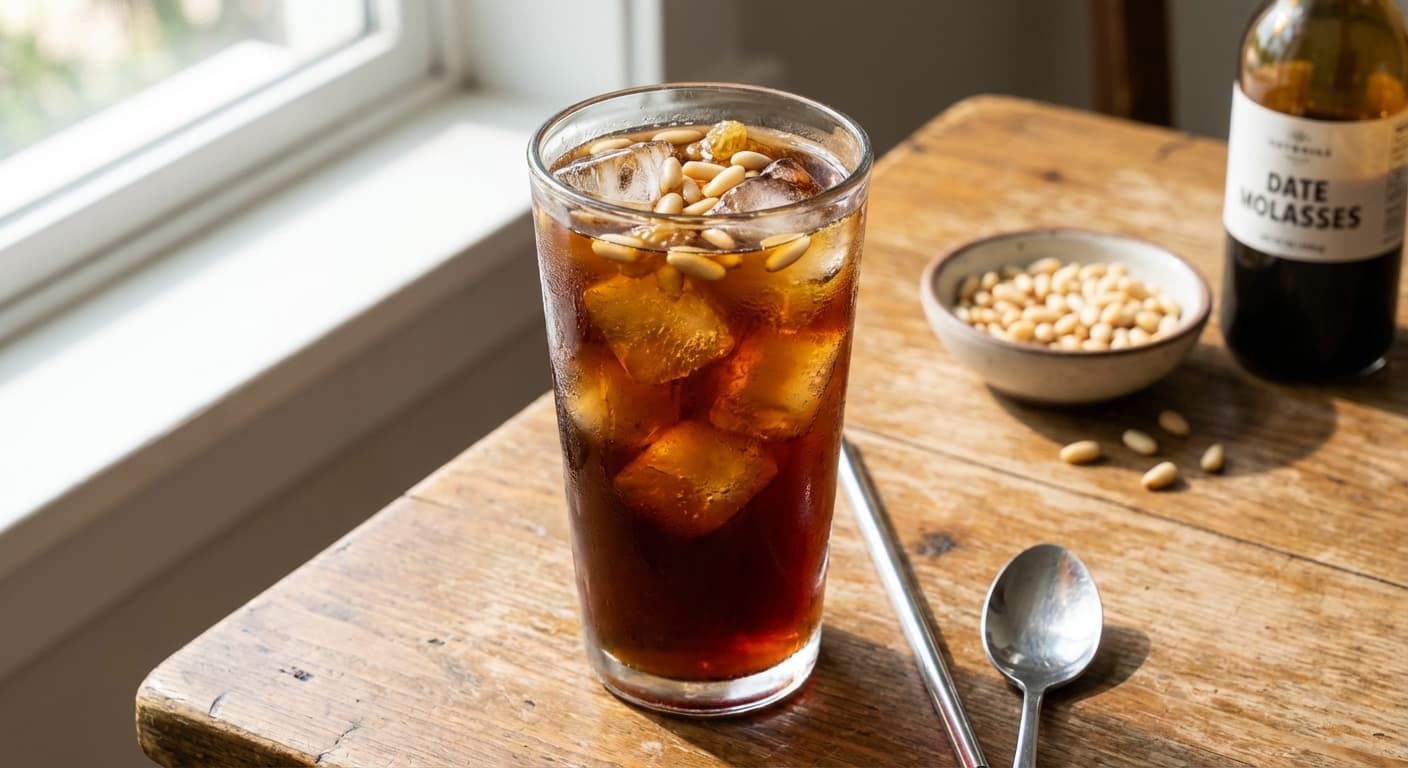
Jallab (جلاب) — Lebanese date-molasses drink with pine nuts
Lebanese · Drinks · 10 min
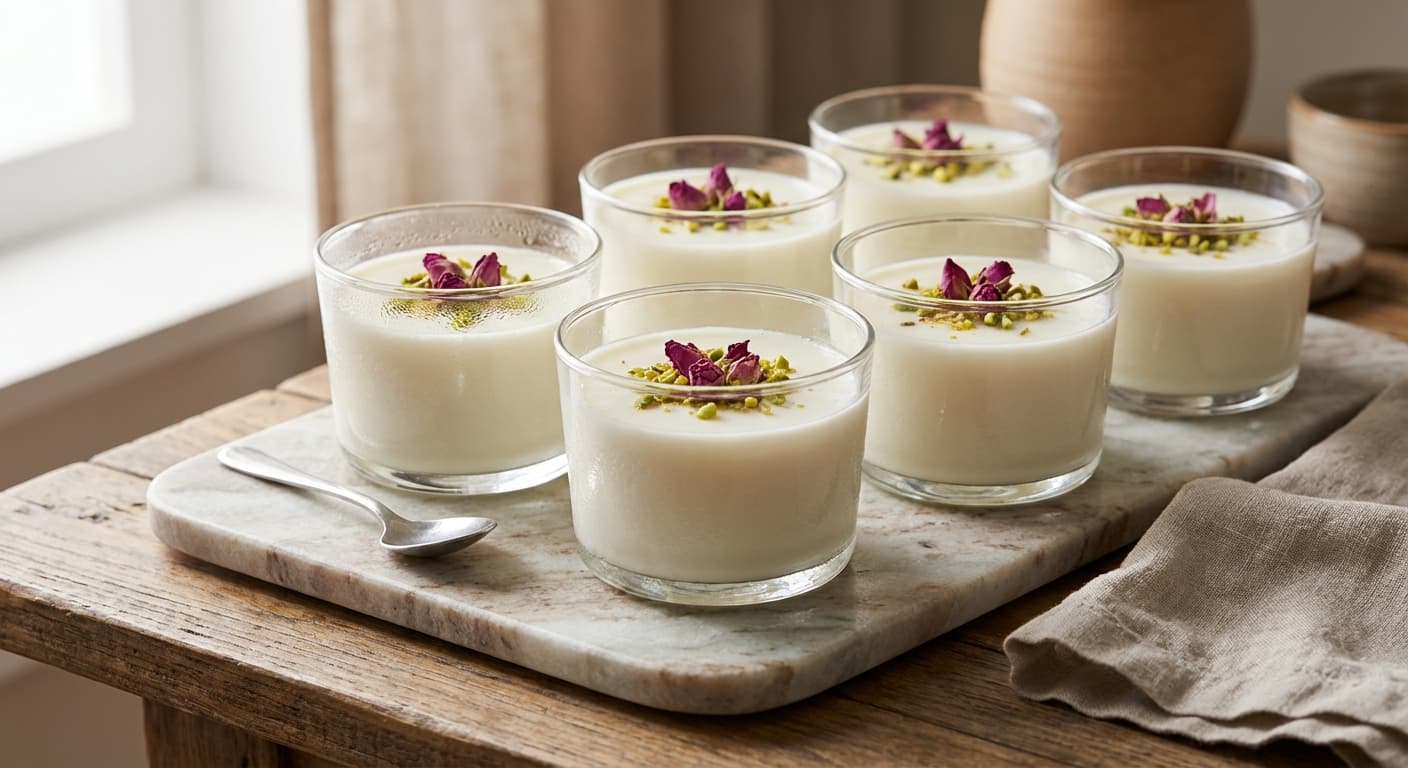
Mhalabiyeh (مهلبية) — Lebanese Milk Pudding with Orange Blossom
Lebanese · Desserts · 22 min
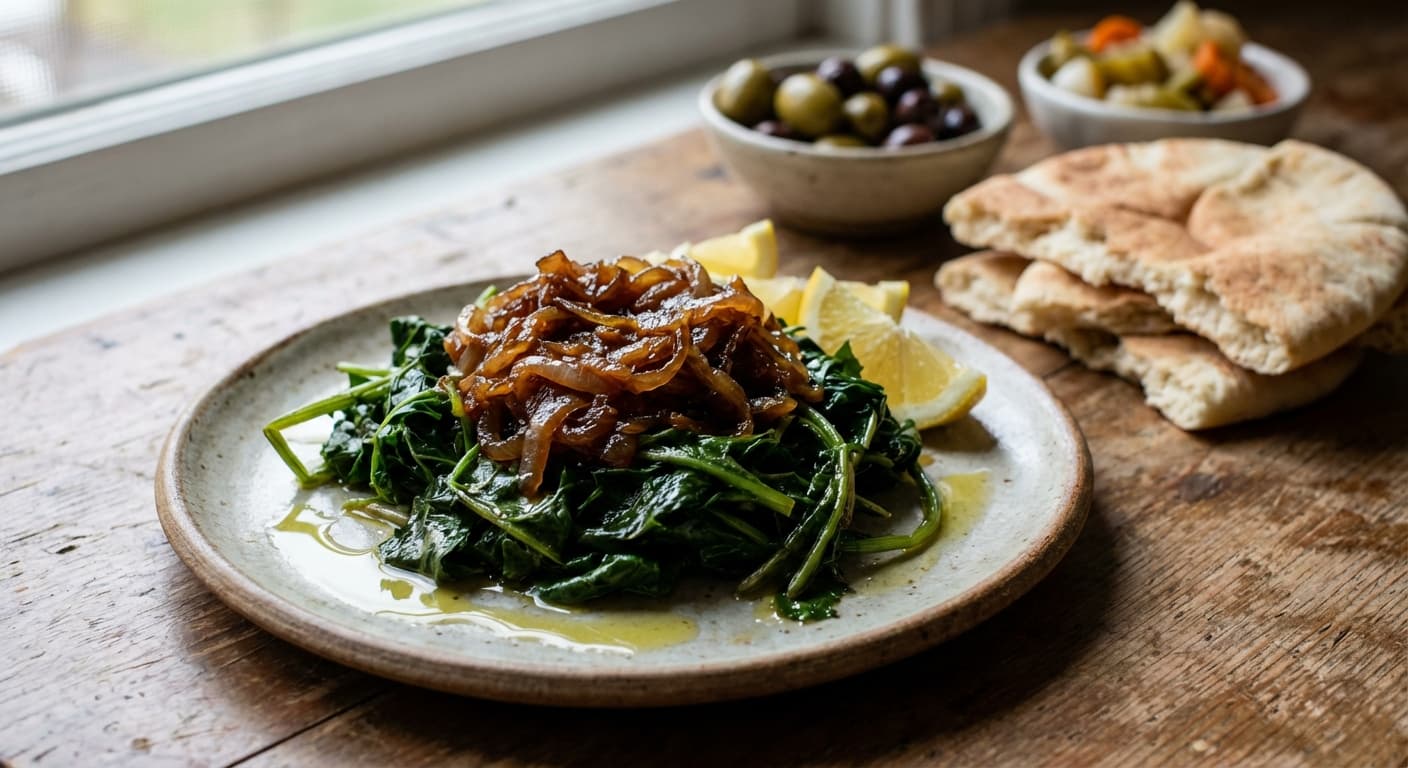
Hindbeh b Zeit (هندبة بزيت) — Lebanese dandelion greens with onions and olive oil
Lebanese · Side Dishes · 55 min
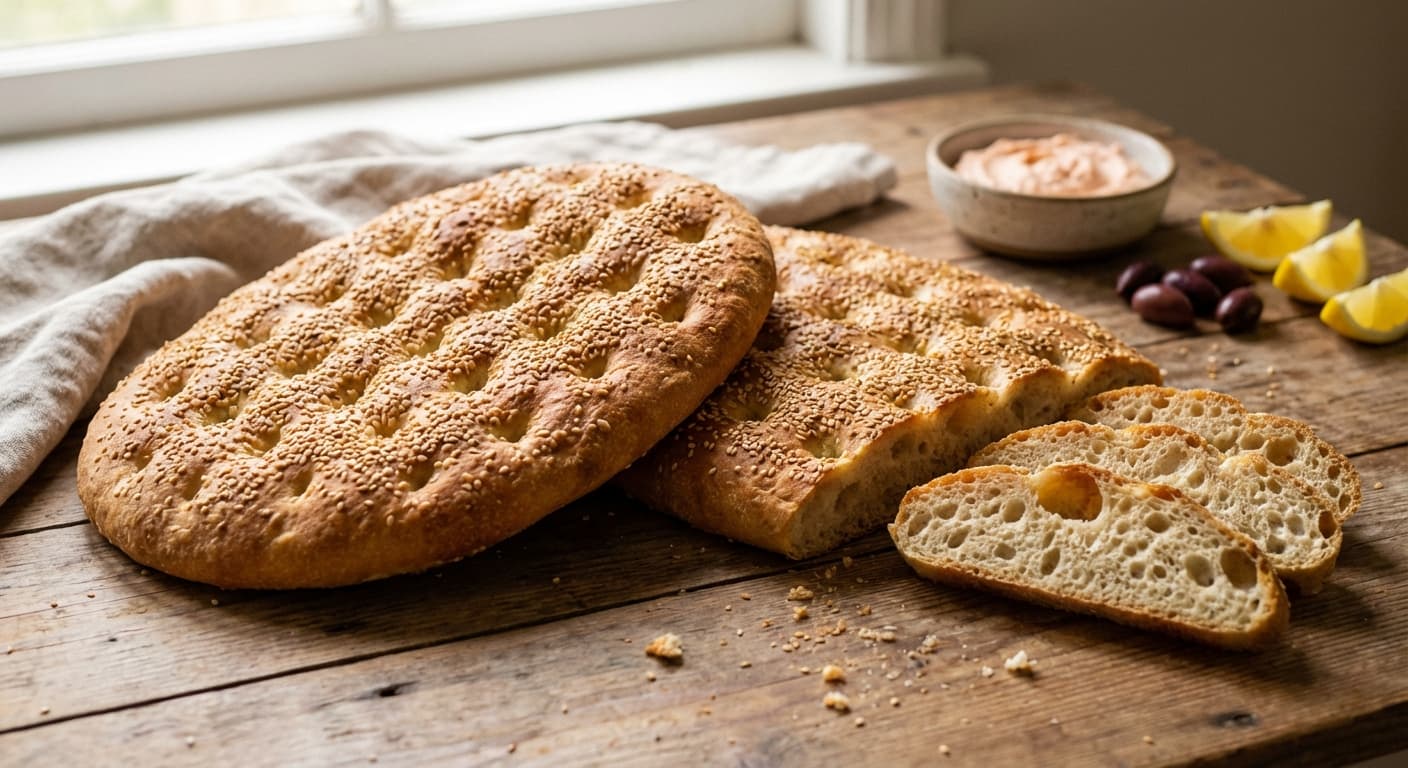
Lagana (Λαγάνα) — Sesame-Topped Greek Clean Monday Flatbread
Greek · Breads · 43 min
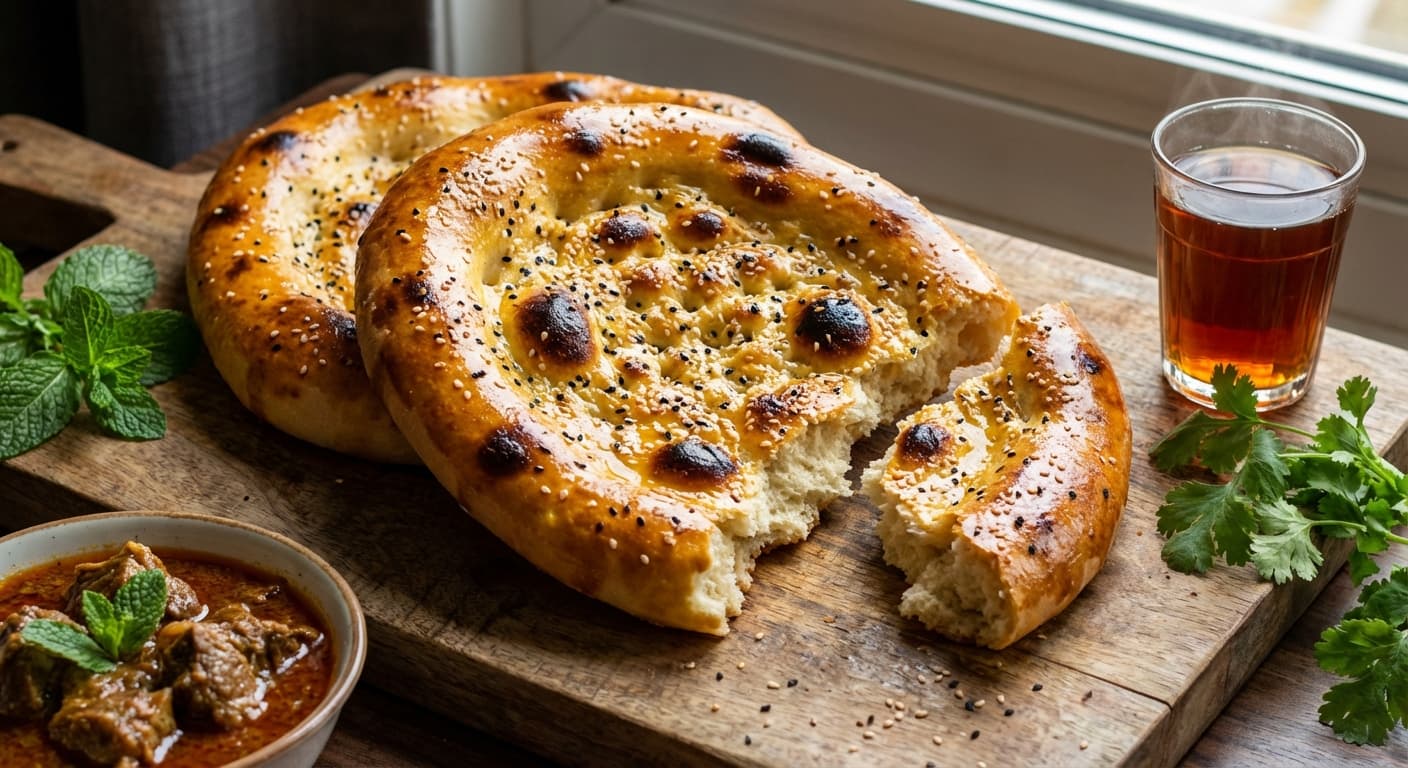
Kulcha-e Kandahari (کلچهٔ کندهاری) — Afghan Thick naan, Kandahar-style bakery bread
Afghan · Breads · 43 min
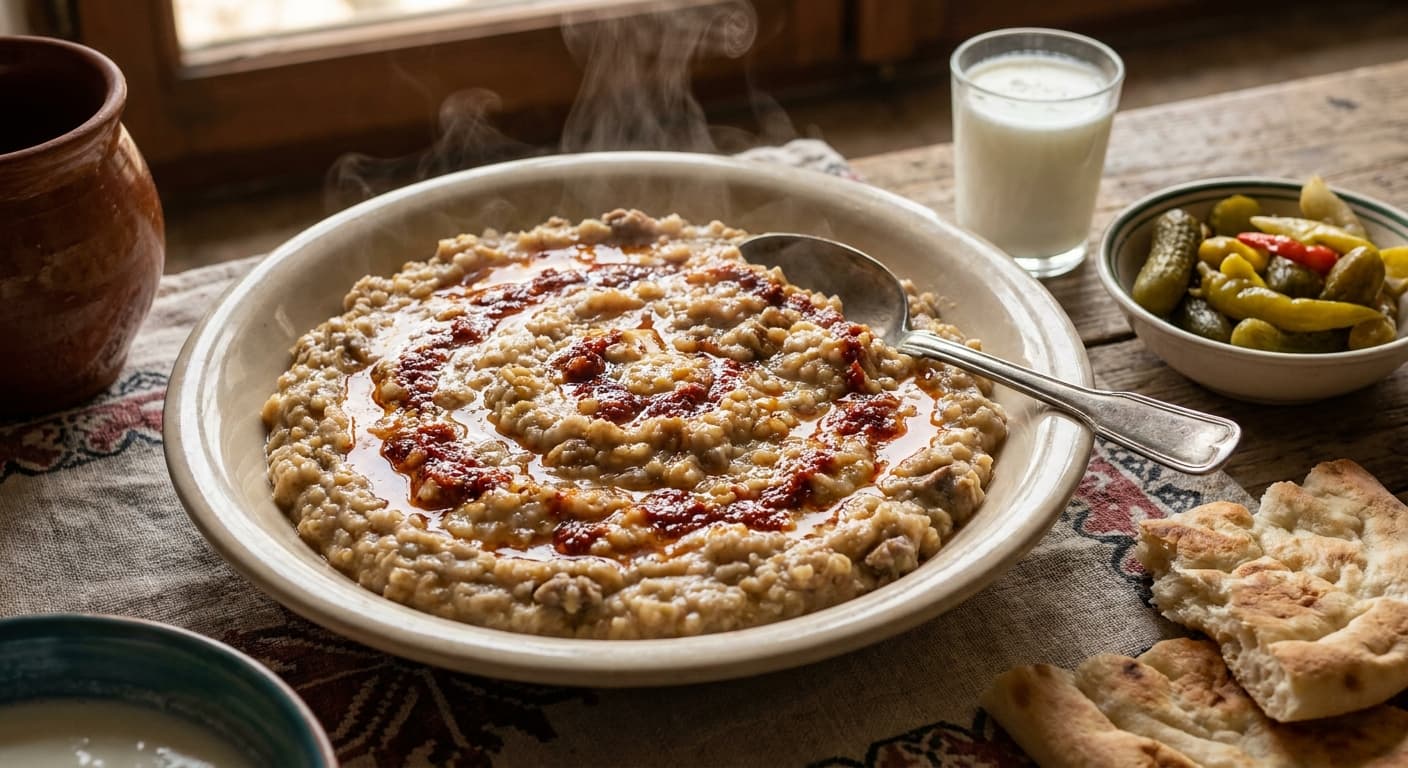
Keshkek (Keşkek) — Creamy Ceremonial Wheat and Lamb Stew
Turkish · Stews · 240 min
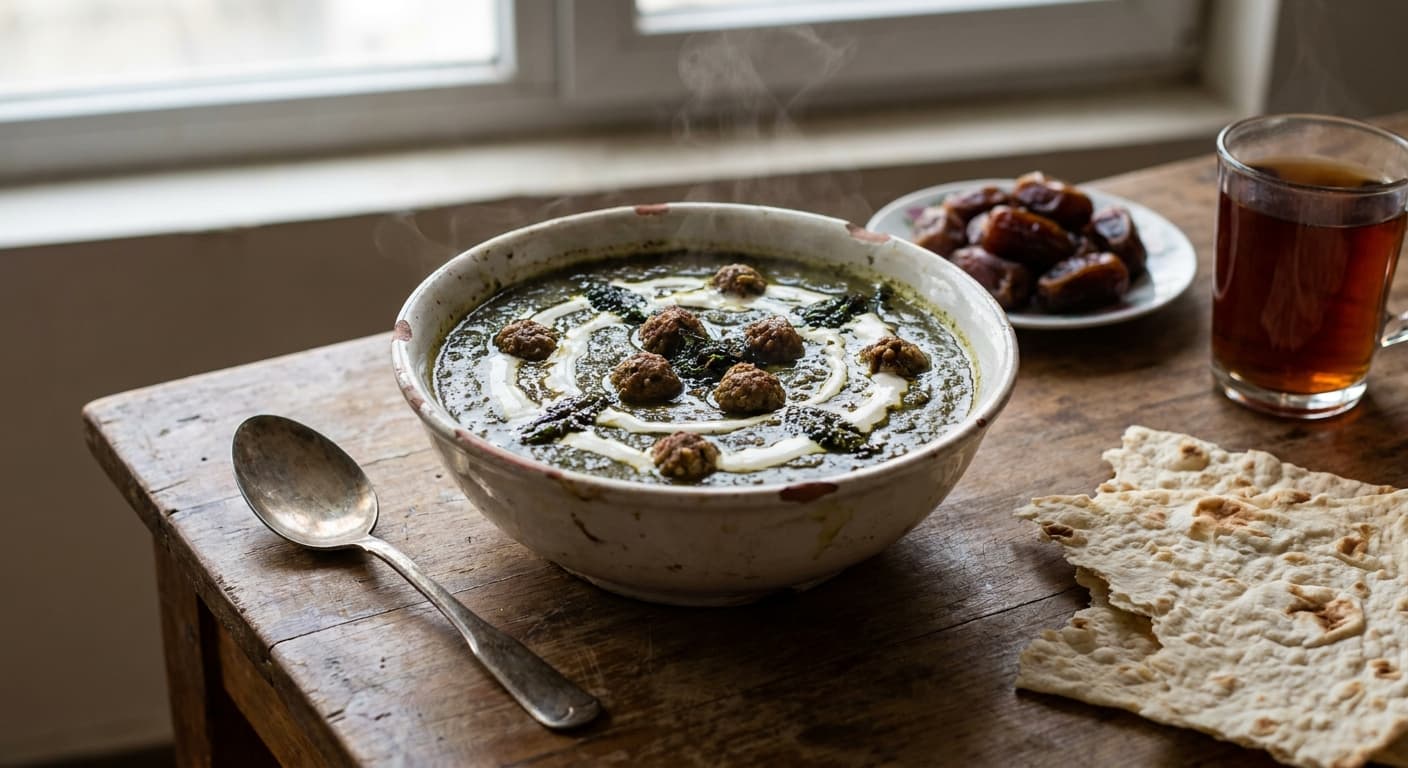
Ash-e Sak (آش ساک) — Golestani Spinach, Legume, and Meatball Soup
Persian · Soups · 175 min
Romanian Polenta (Mămăligă) — Firm Cornmeal Porridge
Romanian · Side Dishes · 30 min
Reviews
Cooked this recipe?
Tap the stars to rate it — that's all it takes. A few words are welcome but optional.
No ratings yet. Cooked this one? Be the first to rate it — it takes one tap.