Nan-e Soup (نان سوپ) — Persian Dill-Infused Soup Bread
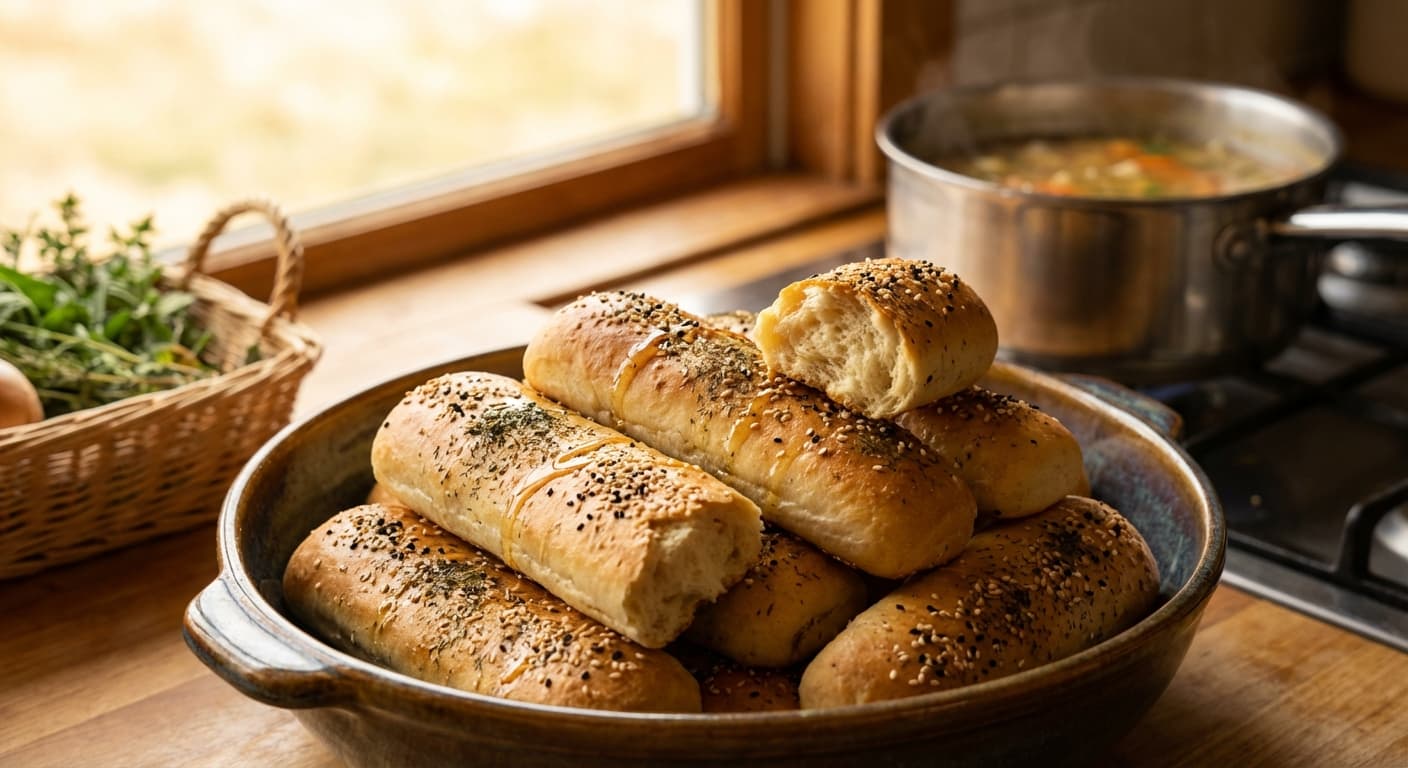
Soft, baton-shaped Persian soup breads scented with dried dill and lightly sweetened with honey. Brushed with olive oil and topped with sesame or nigella, they bake airy and tender—ideal for dipping into stews and soups.
Printable Recipe Card
Servings: 8 · Total: 148 min · Difficulty: medium
Ingredients (quick list)
- 420 g All-purpose flour (plus extra for dusting)
- 7 g Active dry yeast (1 standard packet)
- 10 g Granulated sugar (to help activate yeast)
- 9 g Fine sea salt (about 1 1/2 tsp)
- 6 g Dried dill weed (about 2 tbsp, rubbed between fingers)
- 240 ml Whole milk (warmed to 38–40°C / 100–104°F)
- 30 g Honey (about 1 1/2 tbsp)
- 30 ml Olive oil (2 tbsp, plus extra for greasing)
- 30 ml Warm water (about 38–40°C / 100–104°F, only if needed to bring dough together)
- 50 g Egg (1 large, beaten)
- 15 ml Milk (1 tbsp, for egg wash)
- 12 g Sesame seeds (about 1 tbsp; or use nigella seeds instead)
+ 1 more in the full ingredients section below.
Steps (summary)
- Activate the yeast: In a bowl, whisk the warm milk (38–40°C / 100–104°F) with honey and sugar until dissolved. Sprinkle in the…
- Mix the dough: In a large bowl, combine flour, salt, and dried dill (rubbed between your fingers to release aroma). Make a well…
- Knead to develop gluten: Turn dough onto a lightly floured surface and knead 8–10 minutes until smooth, elastic, and only sligh…
- First rise: Lightly oil a bowl with 1 tsp olive oil, place dough inside, and turn to coat. Cover tightly and let rise 60–75 min…
- Divide and pre-shape: Line two baking sheets with parchment. Punch down dough gently to deflate, then divide into 8 equal piece…
- Shape baton breads: Working one piece at a time, flatten into a 12–14 cm rectangle. Roll tightly from the long edge into a log,…
+ 2 more steps in the full instructions section below.
Cultural Background
Herb-scented breads and rolls are commonly served alongside Persian soups and stews, where bread is used for dipping and soaking up broth. Dill is a familiar herb in Iranian home cooking, valued for its fragrance and its pairing with legumes, rice, and yogurt-based dishes.
Equipment
💡 Tips
- Rub dried dill between your fingers before mixing to intensify aroma without adding bitterness.
- For extra softness, keep the dough slightly tacky; a dry dough bakes into stiff batons that do not soak soup well.
- If using nigella seeds, toast them dry in a pan for 30–45 seconds to bring out a nutty, onion-like fragrance.
- To mimic a bakery-style finish, place a small metal pan on the oven floor and add 120 ml boiling water right after loading the bread for gentle steam (use caution).
- Weigh dough portions for uniform baking and consistent baton size.
⚠️ Common Mistakes
❌ Using milk that is too hot for the yeast
💡 Why: Temperatures above about 46°C / 115°F can weaken or kill yeast, leading to poor rise and dense bread.
✅ Fix: Warm milk to 38–40°C / 100–104°F and verify with a thermometer or by touch (warm, not hot). Start over if the yeast does not foam within 10 minutes.
❌ Adding too much flour during kneading
💡 Why: A stiff dough cannot expand well, producing tight crumb and dry batons that do not absorb soup pleasantly.
✅ Fix: Knead longer instead of adding flour; dust lightly in 5–10 g increments only until manageable. The dough should feel soft and slightly tacky.
❌ Under-proofing the shaped batons
💡 Why: Insufficient proofing causes tearing and uneven expansion, making the crumb heavy and the crust thick.
✅ Fix: Proof until visibly puffy and the dough slowly springs back when gently pressed (about 25–35 minutes at warm room temperature).
❌ Over-baking to chase extra color
💡 Why: These are meant to be soft for dipping; extended baking dries the crumb and hardens the crust.
✅ Fix: Bake just to deep golden (14–18 minutes) and brush with a little olive oil while hot, then tent with a towel for 10 minutes.
🧊 How to Store
Cool completely, then store airtight at room temperature for up to 2 days. For longer storage, freeze in a zip-top bag up to 2 months. Reheat from thawed at 180°C / 350°F for 6–8 minutes, or from frozen for 10–12 minutes, loosely wrapped in foil for softness.
📅 Make Ahead
After the first rise, refrigerate the covered dough up to 18 hours for deeper flavor. Let it sit at room temperature 45–60 minutes before dividing and shaping. Alternatively, shape batons, refrigerate covered up to 12 hours, then proof at room temperature 30–60 minutes before baking.
🍽️ Pairs Well With
- Ash reshteh (thick herb and noodle soup)
- Ghormeh sabzi (herb stew)
- Abgoosht (chickpea and lamb stew)
- Adas polo or simple lentil soup
- Labneh or strained yogurt with cucumbers and herbs
Regional Variations
- Tehran-style home bakeriesOften shaped smaller and served as soft, soup-friendly rolls; sesame is a common topping, and the crumb is kept tender with a slightly enriched dough.
- Caspian-influenced kitchensDill is sometimes paired with additional dried herbs such as mint or a small amount of ground coriander, and nigella seeds are favored for a more savory aroma.
Ingredients
- 420 gAll-purpose flour (plus extra for dusting)
- 7 gActive dry yeast (1 standard packet)
- 10 gGranulated sugar (to help activate yeast)
- 9 gFine sea salt (about 1 1/2 tsp)
- 6 gDried dill weed (about 2 tbsp, rubbed between fingers)
- 240 mlWhole milk (warmed to 38–40°C / 100–104°F)
- 30 gHoney (about 1 1/2 tbsp)
- 30 mlOlive oil (2 tbsp, plus extra for greasing)
- 30 mlWarm water (about 38–40°C / 100–104°F, only if needed to bring dough together)
- 50 gEgg (1 large, beaten)
- 15 mlMilk (1 tbsp, for egg wash)
- 12 gSesame seeds (about 1 tbsp; or use nigella seeds instead)
- 12 gNigella seeds (about 1 tbsp; optional alternative to sesame)
🔄 Substitutions
- Whole milk→ 2% milk or unsweetened soy milk
- Honey→ Maple syrup or granulated sugar (25 g)
- Sesame seeds→ Nigella seeds
Instructions
- 1
Activate the yeast: In a bowl, whisk the warm milk (38–40°C / 100–104°F) with honey and sugar until dissolved. Sprinkle in the active dry yeast, stir once, then rest 8–10 minutes until foamy. If it does not foam, replace yeast and recheck milk temperature before continuing.
- 2
Mix the dough: In a large bowl, combine flour, salt, and dried dill (rubbed between your fingers to release aroma). Make a well and add the foamy yeast mixture and olive oil. Stir with a spoon until shaggy; if dry flour remains, add warm water 1 tbsp at a time (up to 30 ml total).
- 3
Knead to develop gluten: Turn dough onto a lightly floured surface and knead 8–10 minutes until smooth, elastic, and only slightly tacky. Aim for a soft dough that springs back when pressed. If sticky, dust with 5–10 g flour at a time; avoid adding too much or the breads will bake dense.
- 4
First rise: Lightly oil a bowl with 1 tsp olive oil, place dough inside, and turn to coat. Cover tightly and let rise 60–75 minutes at warm room temperature (24–27°C / 75–80°F) until doubled. For cooler kitchens, place near a warm oven or proofing box for consistent rise.
- 5
Divide and pre-shape: Line two baking sheets with parchment. Punch down dough gently to deflate, then divide into 8 equal pieces (about 90–95 g each). Shape each into a tight ball, cover with a towel, and rest 10 minutes. This relaxes gluten, making baton shaping easier and more even.
- 6
Shape baton breads: Working one piece at a time, flatten into a 12–14 cm rectangle. Roll tightly from the long edge into a log, pinching the seam closed. Roll under your palms to 18–22 cm long with tapered ends. Place on trays with 6–7 cm spacing. Cover and proof 25–35 minutes until puffy.
- 7
Heat oven and apply topping: Meanwhile, preheat oven to 220°C / 425°F (200°C / 400°F convection) for at least 15 minutes. Whisk egg with 1 tbsp milk. Brush each proofed baton lightly with egg wash, then sprinkle with sesame seeds or nigella seeds (or a mix). Score one shallow line lengthwise for controlled expansion.
- 8
Bake and finish: Bake 14–18 minutes, rotating trays at 10 minutes, until deep golden with a hollow sound when tapped. For a softer crust, brush hot breads with 1–2 tsp olive oil and cover loosely with a clean towel for 10 minutes. Cool 15 minutes before serving for best crumb.
🪪 Recipe Passport
Cultural Background
Herb-scented breads and rolls are commonly served alongside Persian soups and stews, where bread is used for dipping and soaking up broth. Dill is a familiar herb in Iranian home cooking, valued for its fragrance and its pairing with legumes, rice, and yogurt-based dishes.
Regional Variations
Researched from multiple sources and validated by the Zaffaron editorial team. Every recipe is tested for accuracy, measurements, and cultural authenticity.
Nutrition per serving
Pairs well with
If you enjoyed this recipe, here are a few related Zaffaron recipes to try next.
Does your family make this differently?
Every family has their own version. Maybe your grandmother adds a secret ingredient, or your aunt has a completely different technique. Preserve your family's version — with their name on it, forever.
You Might Also Like
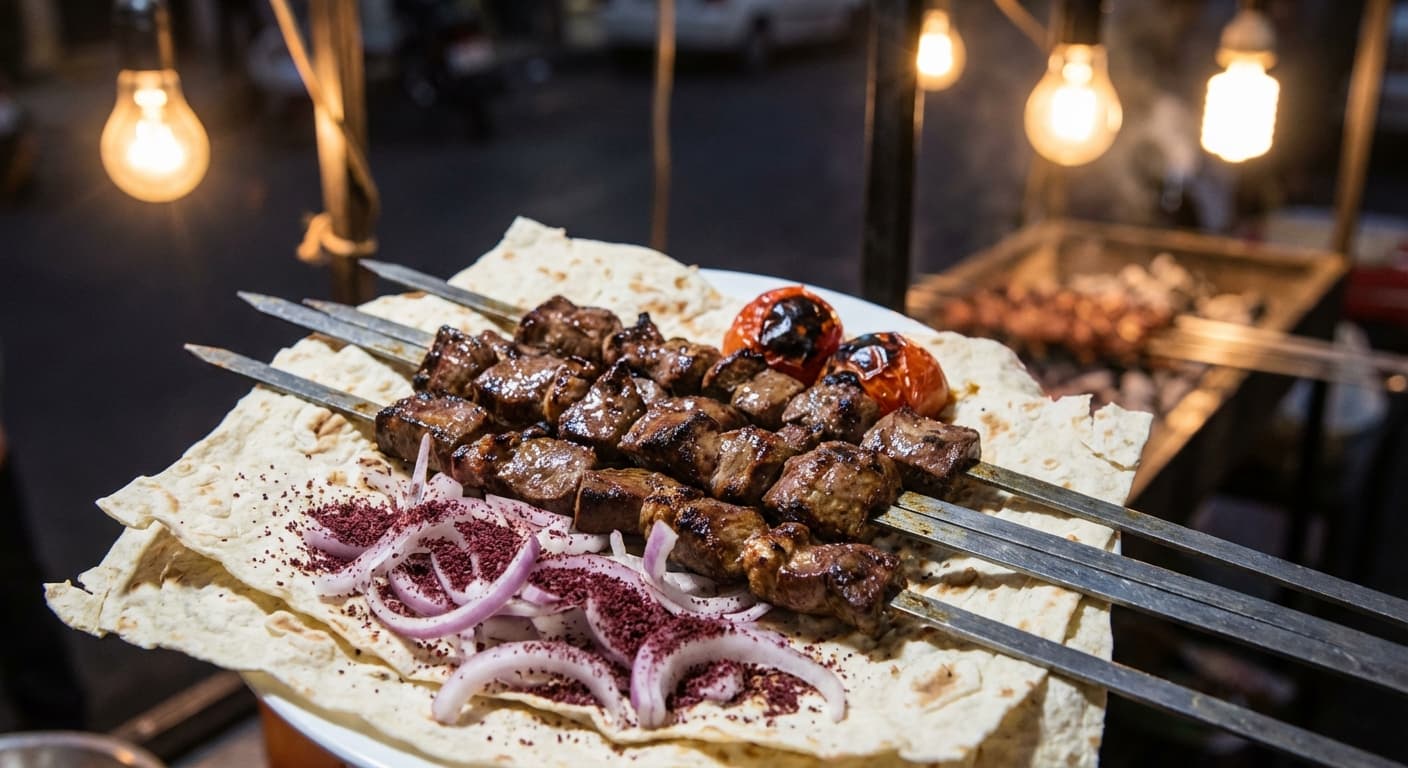
Jigar Kabab (جگر کباب) — Classic Persian Lamb Liver Skewers
Persian · Kebabs · 33 min
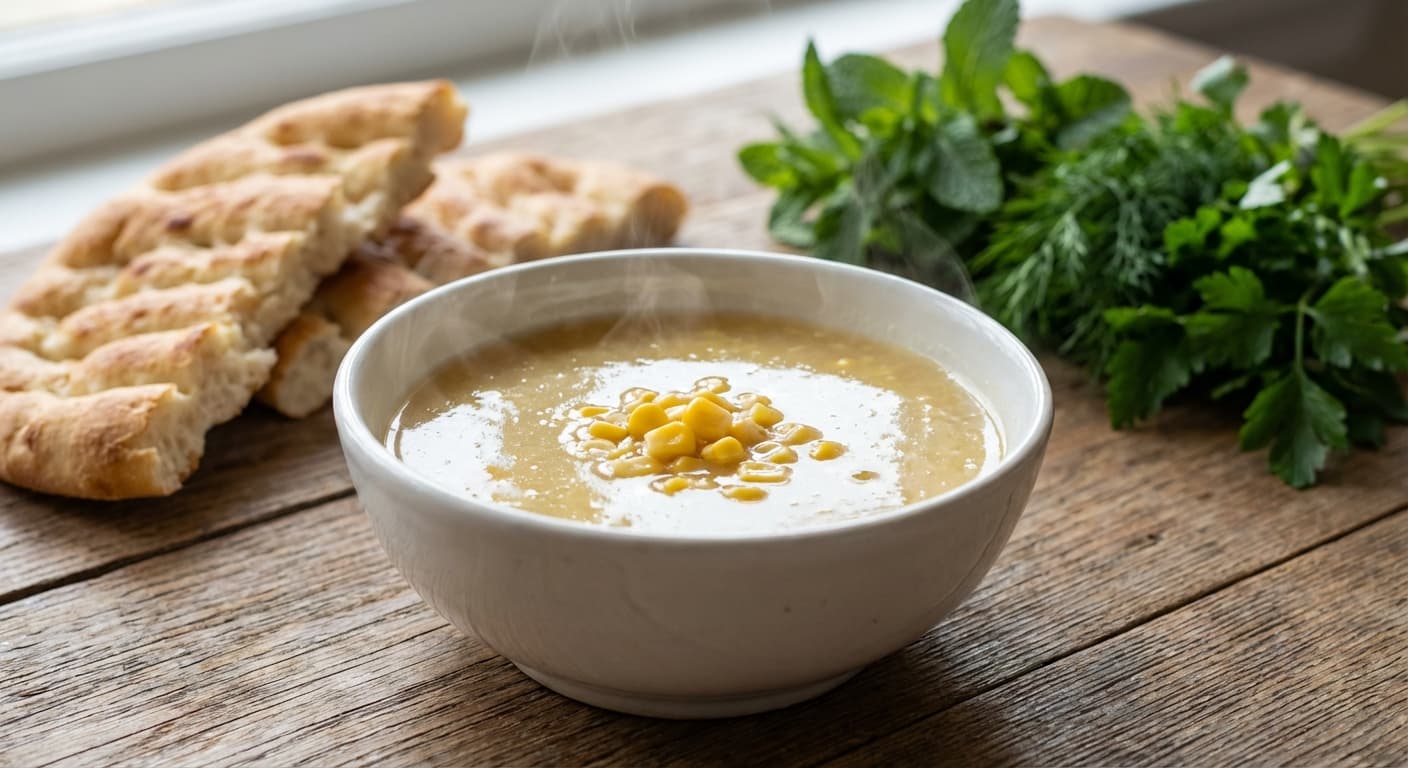
Persian Sweet Corn Soup (سوپ ذرت) — Silky Golden Comfort Soup
Persian · Soups · 50 min
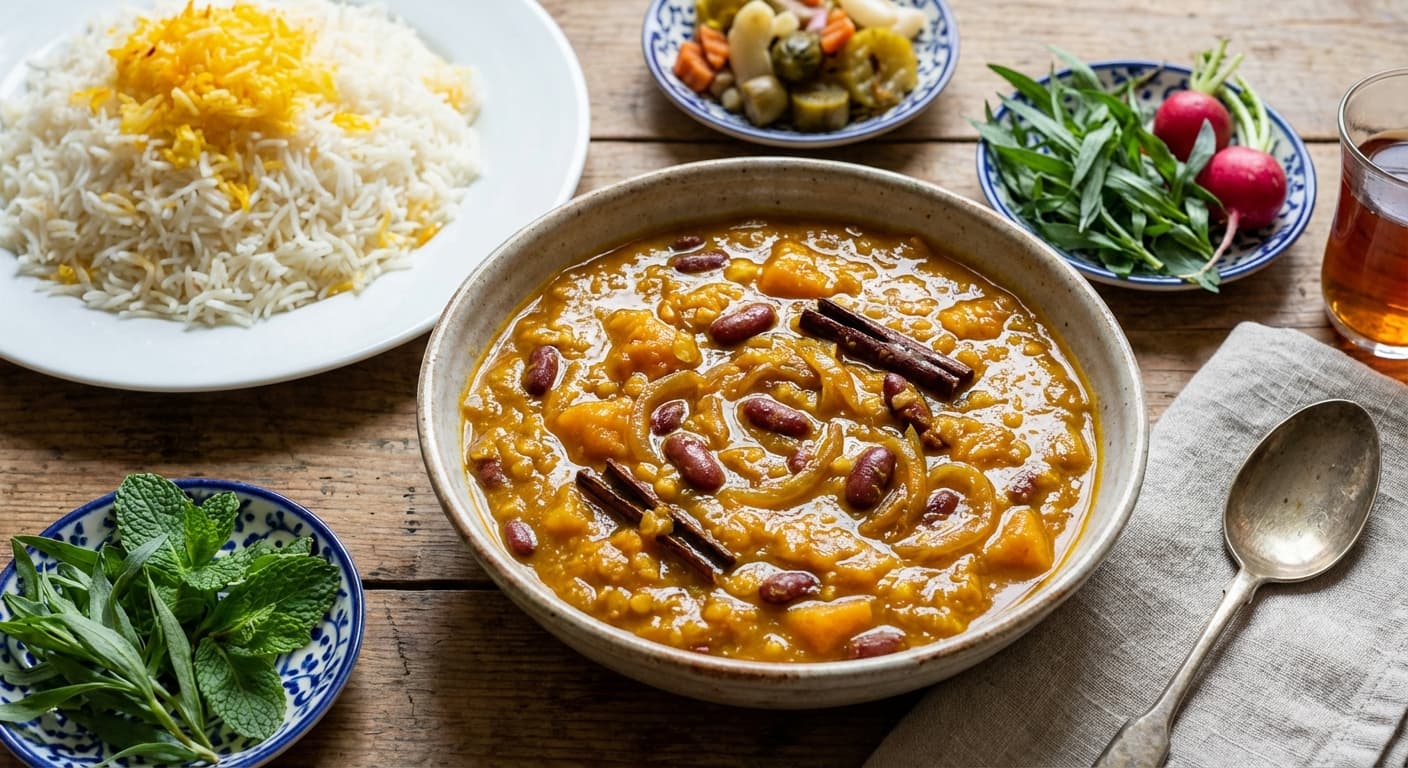
Gheimeh Kadoo Halvai (قیمه کدو حلوایی) — Sweet Pumpkin & Legume Stew
Persian · Stews · 110 min
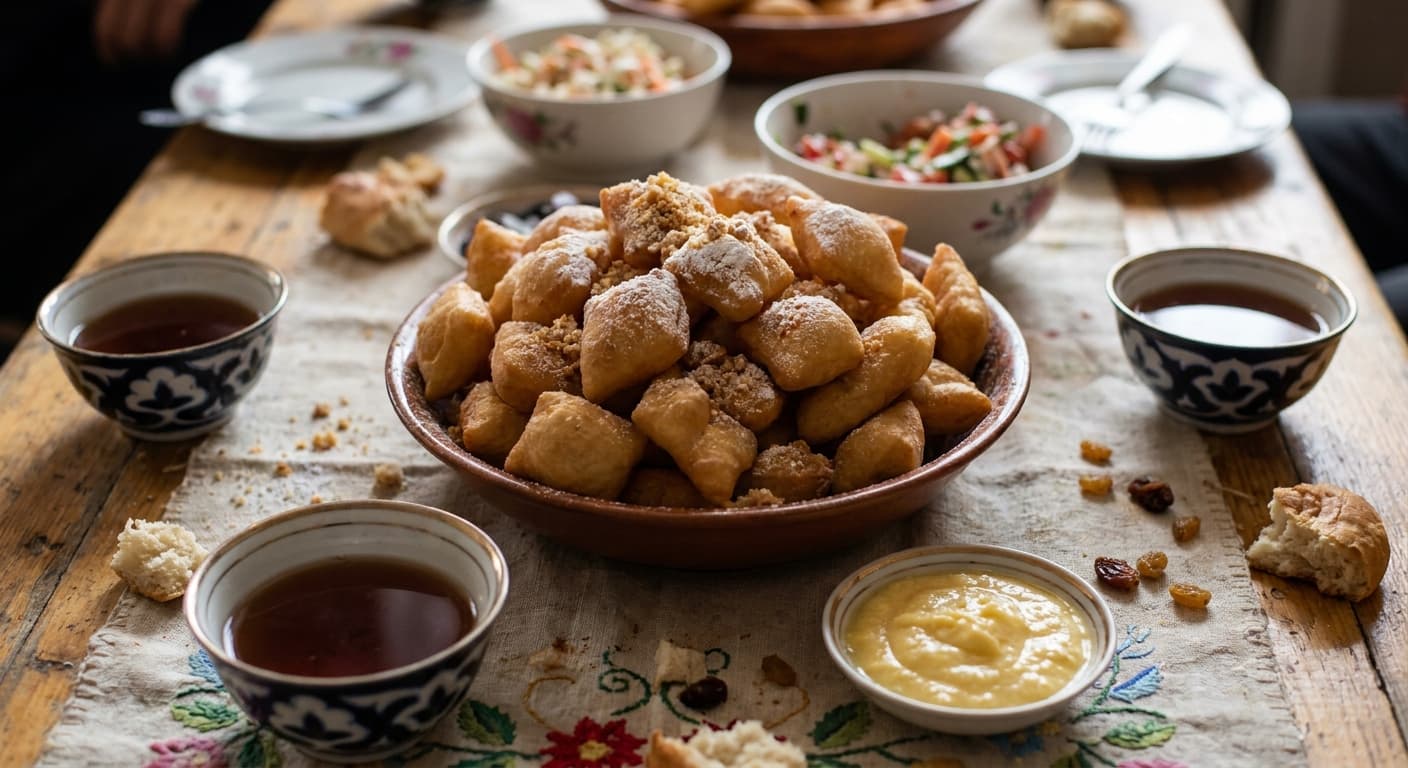
Boorsok (Боорсок) — Kyrgyz Fried Celebration Bread
Kyrgyz · Breads · 120 min
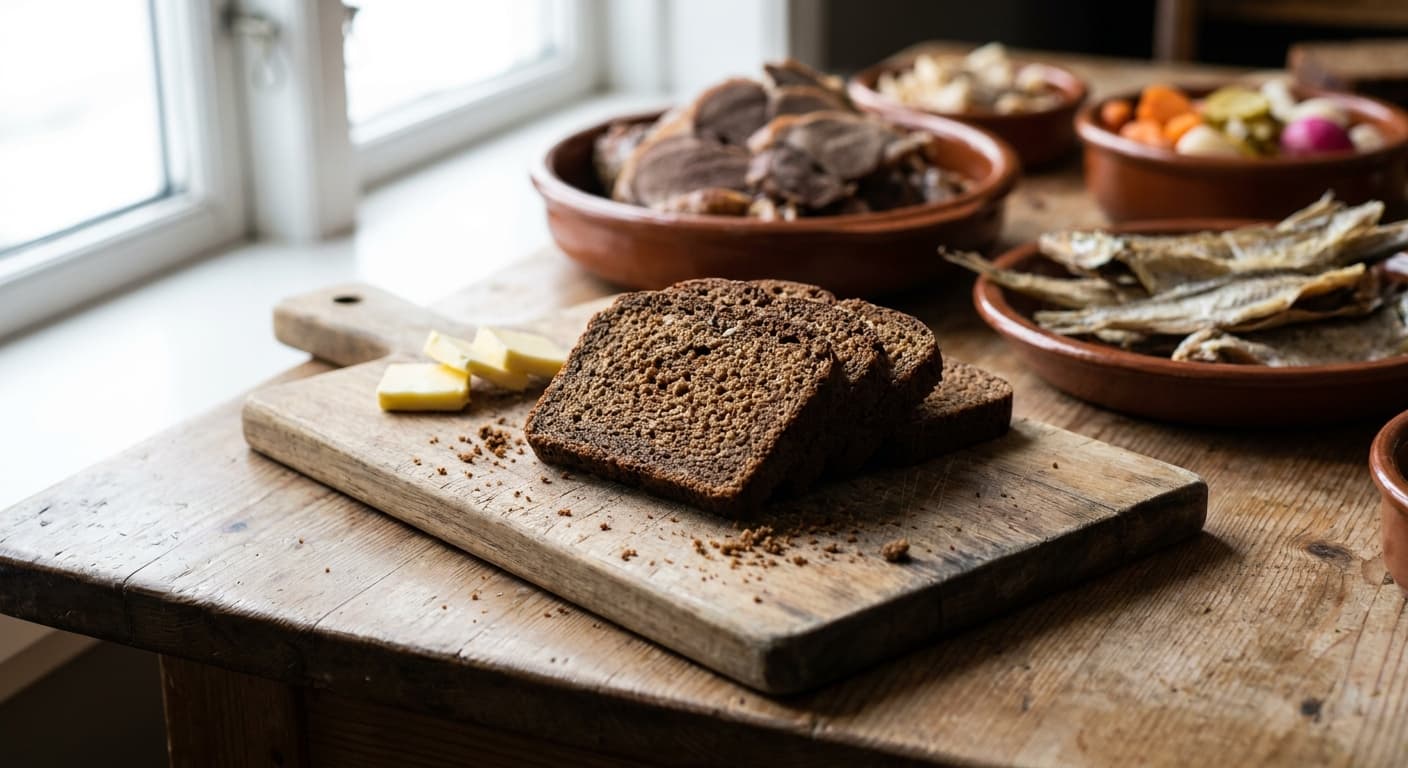
Icelandic Rye Bread (Rúgbrauð) — Dense Geothermal-Style Rye Loaf
Icelandic · Breads · 440 min
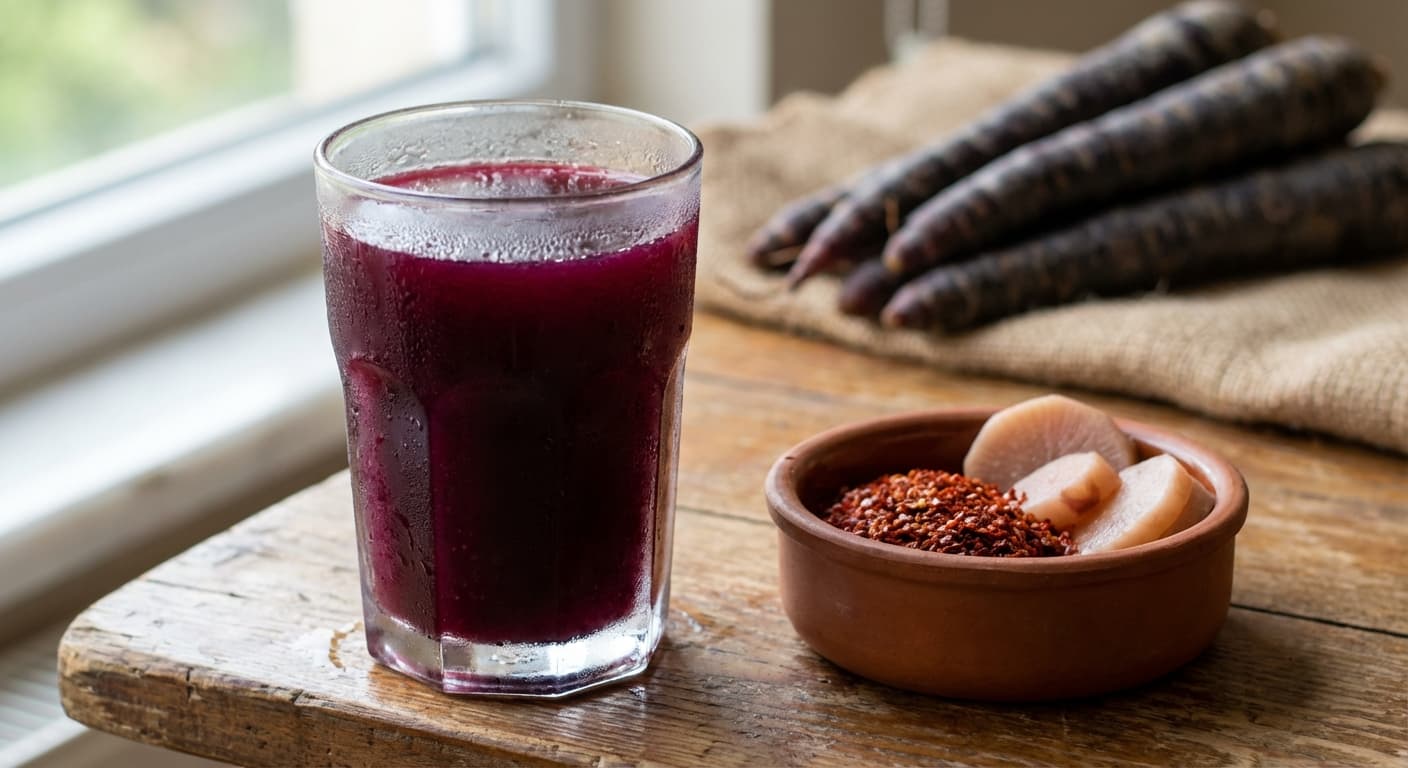
Salgam Juice (Şalgam) — Spicy, tangy fermented black-carrot drink
Turkish · Drinks · 25 min
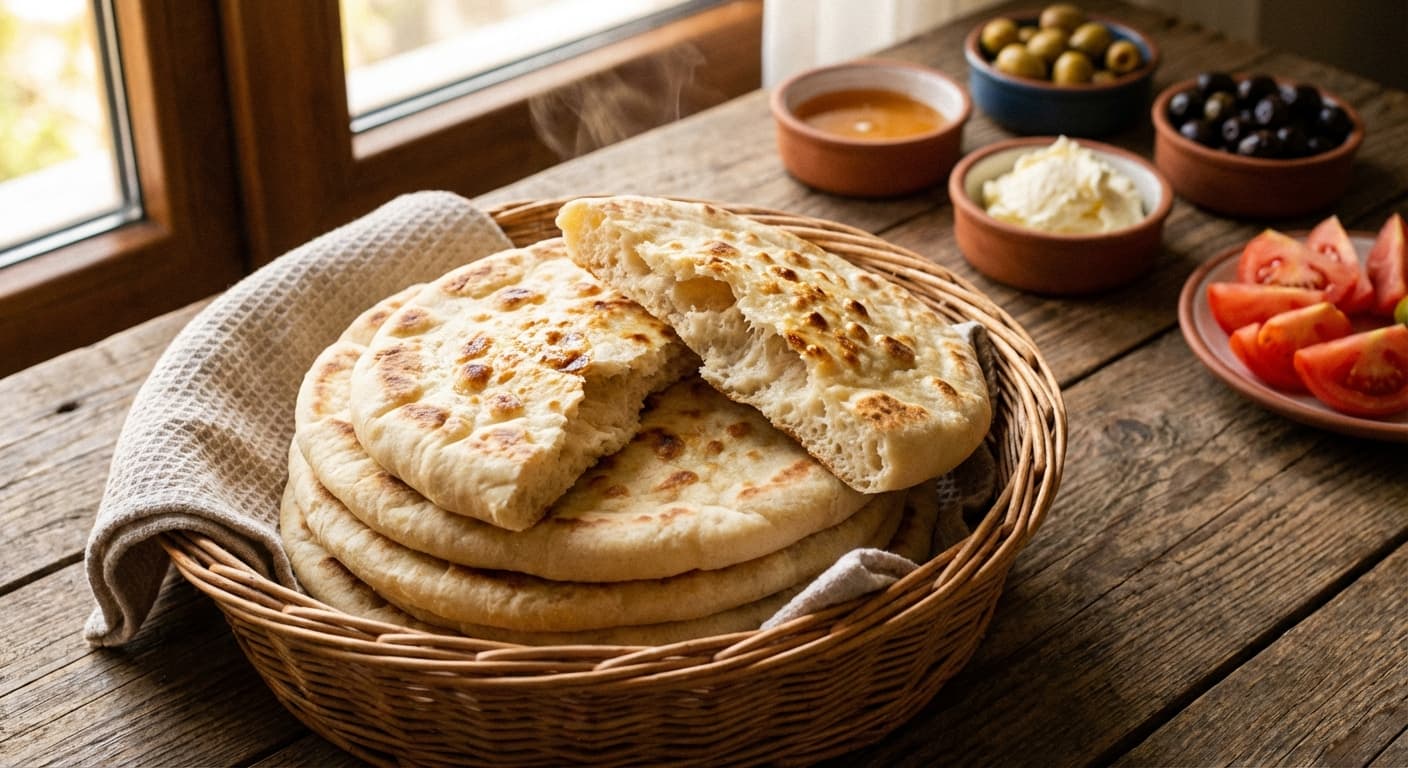
Bazlama (بازلاما) — Puffy Turkish Village Flatbread Cooked on a Saj
Turkish · Breads · 38 min
Samosa-ye Goosht (سمبوسه گوشت) — Persian-Style Crispy Meat & Herb Pastries
Persian · Appetizers · 145 min
Reviews
Cooked this recipe?
Tap the stars to rate it — that's all it takes. A few words are welcome but optional.
No ratings yet. Cooked this one? Be the first to rate it — it takes one tap.