Injera (እንጀራ) — Fermented Ethiopian Teff Flatbread
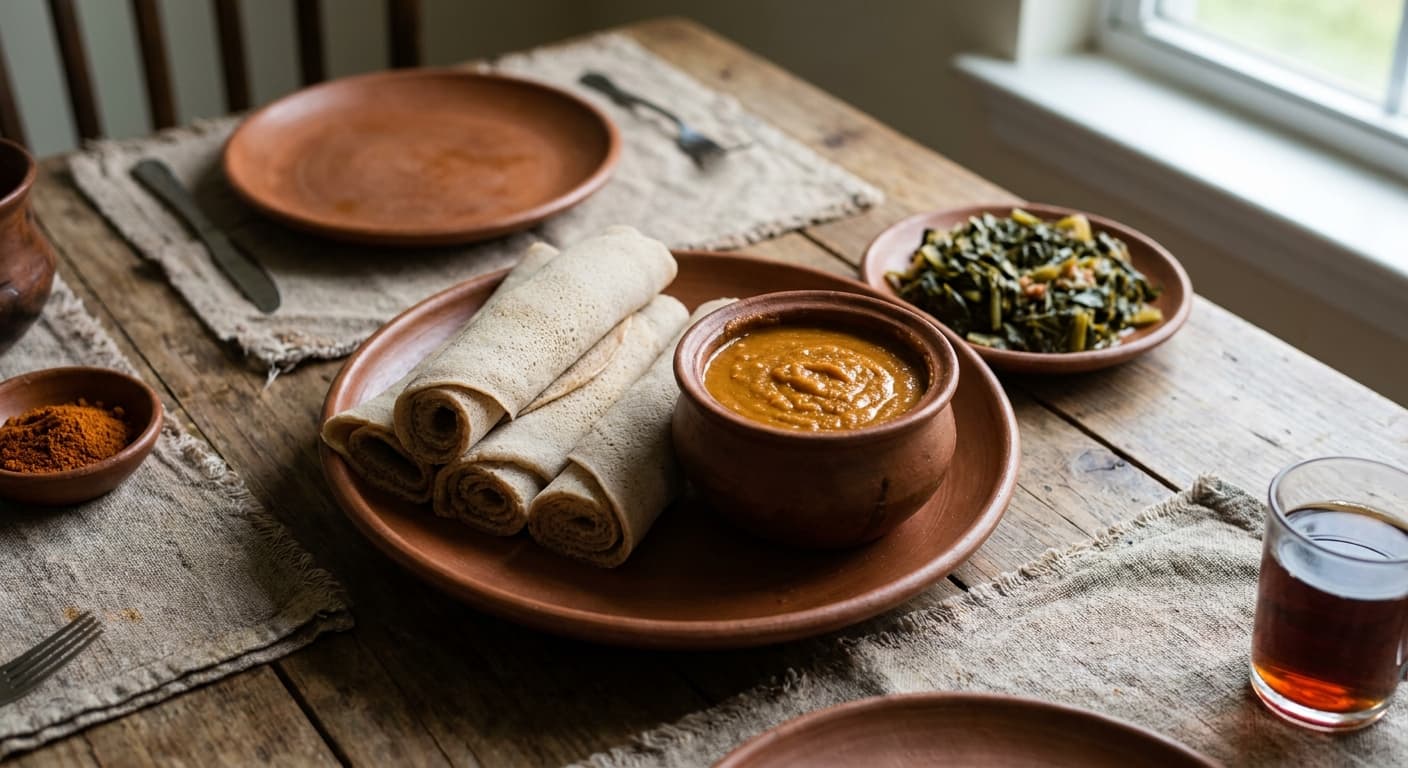
Injera is Ethiopia’s sour, spongy flatbread made from fermented teff batter. It serves as plate, utensil, and bread for wat stews such as shiro, gomen, and doro wat.
Printable Recipe Card
Servings: 8 · Total: 70 min · Difficulty: medium
Ingredients (quick list)
- 500 g teff flour (ivory or brown teff, finely milled)
- 60 g mature teff injera starter (also called ersho; use active, pleasantly sour starter)
- 650 ml filtered water (room temperature)
- 250 ml boiling water
Steps (summary)
- Whisk the mature teff injera starter with 650 ml room-temperature filtered water in a large nonreactive bowl until evenly loose…
- Cover the bowl with a clean kitchen towel or a loose-fitting lid, leaving room for fermentation gases to escape. Ferment at 21…
- After fermentation, remove 120 ml of the batter and put it in a small saucepan. Whisk in 250 ml boiling water, then cook over m…
- Let the absit cool for 10 minutes, then whisk it back into the main fermented teff batter until completely incorporated. Cover…
- Heat a 30 cm mitad or heavy nonstick crepe pan over medium heat for 5 minutes, then reduce the heat to medium-low. Stir the bat…
- Cook uncovered for 30 to 45 seconds, until tiny holes open across the surface and the edges begin to set. Cover the pan with a…
+ 2 more steps in the full instructions section below.
Cultural Background
As Yohanis Gebreyesus emphasizes, injera is central to Ethiopian meals: a shared edible platter and utensil made from teff. Its sourness balances wat, while its communal presentation expresses hospitality and family eating.
Equipment
💡 Tips
- A lively ersho is the key to good flavor; it should smell tangy and cereal-sweet, not rotten or moldy.
- If the first injera cracks, whisk 30 ml room-temperature water into the batter and rest it for 10 minutes before cooking the next one.
- Do not flip injera; the top must steam gently under a lid to keep the bread soft and full of small eyes.
⚠️ Common Mistakes
❌ Cooking the batter before it is fully fermented.
✅ Fix: Wait until the batter smells pleasantly sour and shows fine bubbles; at cool room temperature this may take the full 72 hours.
❌ Browning the bottom like a crepe.
✅ Fix: Lower the heat and cook under a lid, because injera should steam through and remain pale, soft, and flexible.
❌ Stacking hot injera immediately.
✅ Fix: Cool each piece for 2 minutes in a single layer so steam can escape before stacking.
🧊 How to Store
Cool injera completely, stack it, and wrap it in a clean towel inside an airtight container. Refrigerate for up to 4 days or freeze for 2 months. Reheat covered in a steamer for 2 minutes or microwave under a damp towel for 20 seconds.
📅 Make Ahead
The batter can be fermented 1 day ahead after the absit is added, then refrigerated overnight. Bring it to room temperature for 1 hour and whisk gently before cooking.
🍽️ Pairs Well With
- Shiro wat
- doro wat
- gomen
- tibs
- kitfo
- misir wat.
Regional Variations
- In many Ethiopian homes, pure teff injera is preferred for its deep sour flavor and naturally gluten-free structure.
- Some households blend teff with barley, wheat, sorghum, or rice flour depending on region, cost, and grain availability.
- A darker brown teff produces a more earthy injera, while ivory teff gives a lighter color and milder grain flavor.
Ingredients
- 500 gteff flour (ivory or brown teff, finely milled)
- 60 gmature teff injera starter (also called ersho; use active, pleasantly sour starter)
- 650 mlfiltered water (room temperature)
- 250 mlboiling water
🔄 Substitutions
- mature teff injera starter→ 60 g active gluten-free sourdough starter fed with teff flour
- 500 g teff flour→ 400 g teff flour plus 100 g fine rice flour
- mitad→ 30 cm heavy nonstick crepe pan with a tight lid
Instructions
- 1
Whisk the mature teff injera starter with 650 ml room-temperature filtered water in a large nonreactive bowl until evenly loosened. Add 500 g teff flour and whisk for 2 minutes, scraping the bottom and sides, until the batter is smooth and about as thick as heavy cream.
- 2
Cover the bowl with a clean kitchen towel or a loose-fitting lid, leaving room for fermentation gases to escape. Ferment at 21 to 24°C for 48 to 72 hours, stirring once every 24 hours, until the batter smells pleasantly sour and small bubbles are visible across the surface.
- 3
After fermentation, remove 120 ml of the batter and put it in a small saucepan. Whisk in 250 ml boiling water, then cook over medium heat for 3 to 5 minutes, stirring constantly, until the mixture turns glossy and thick like loose porridge; this cooked portion is the absit.
- 4
Let the absit cool for 10 minutes, then whisk it back into the main fermented teff batter until completely incorporated. Cover the bowl again and let the batter rest for 60 to 90 minutes, until it rises slightly and shows fine bubbles that will create the classic injera eyes.
- 5
Heat a 30 cm mitad or heavy nonstick crepe pan over medium heat for 5 minutes, then reduce the heat to medium-low. Stir the batter once, ladle about 120 ml onto the hot surface, and quickly swirl from the outside inward to form a thin, even round.
- 6
Cook uncovered for 30 to 45 seconds, until tiny holes open across the surface and the edges begin to set. Cover the pan with a lid and steam the injera for 90 to 120 seconds, until the top is dry, spongy, and no wet batter remains.
- 7
Slide a thin flexible spatula under the edge and lift the injera onto a clean towel or woven basket, taking care not to tear the delicate surface. Cool each injera in a single layer for 2 minutes before stacking, because stacking while very hot can make the breads gummy.
- 8
Repeat with the remaining batter, adjusting the heat so each injera steams without browning on the bottom. Serve warm or at room temperature with shiro wat, gomen, tibs, kitfo, or doro wat arranged over a large injera-lined platter.
🪪 Recipe Passport
Cultural Background
As Yohanis Gebreyesus emphasizes, injera is central to Ethiopian meals: a shared edible platter and utensil made from teff. Its sourness balances wat, while its communal presentation expresses hospitality and family eating.
Regional Variations
Researched from multiple sources and validated by the Zaffaron editorial team. Every recipe is tested for accuracy, measurements, and cultural authenticity.
📚 Sources & Cultural References
- Yohanis Gebreyesus — Ethiopia: Recipes and Traditions from the Horn of Africa — (2018)
- Kittee Berns — Teff Love — (2015)
Sources cited by the Zaffaron editorial team during recipe research. Cultural and culinary references supporting authenticity claims.
Nutrition per serving
Pairs well with
If you enjoyed this recipe, here are a few related Zaffaron recipes to try next.
Does your family make this differently?
Every family has their own version. Maybe your grandmother adds a secret ingredient, or your aunt has a completely different technique. Preserve your family's version — with their name on it, forever.
You Might Also Like
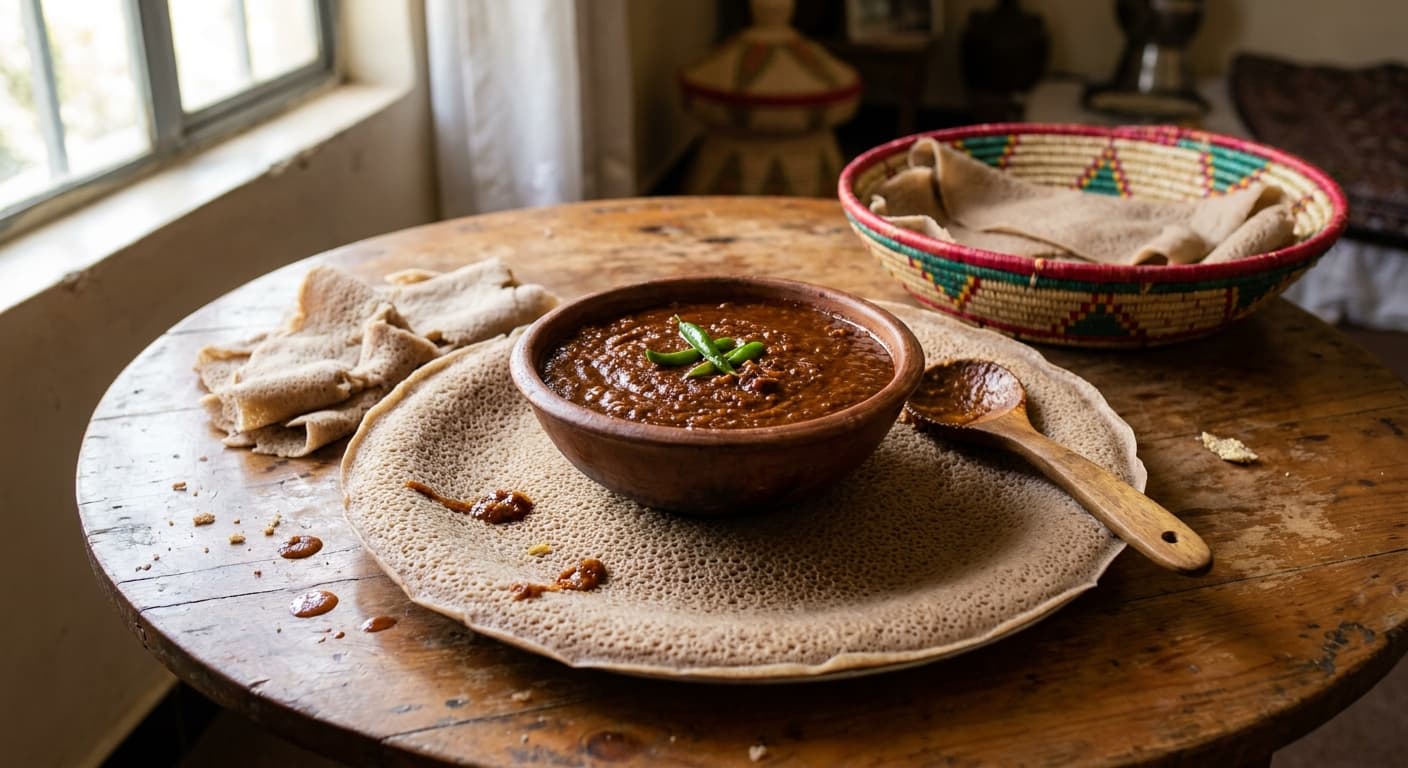
Ethiopian Red Lentil Stew (ምስር ወጥ) — Berbere-Spiced Fasting Wot
Ethiopian · Stews · 60 min
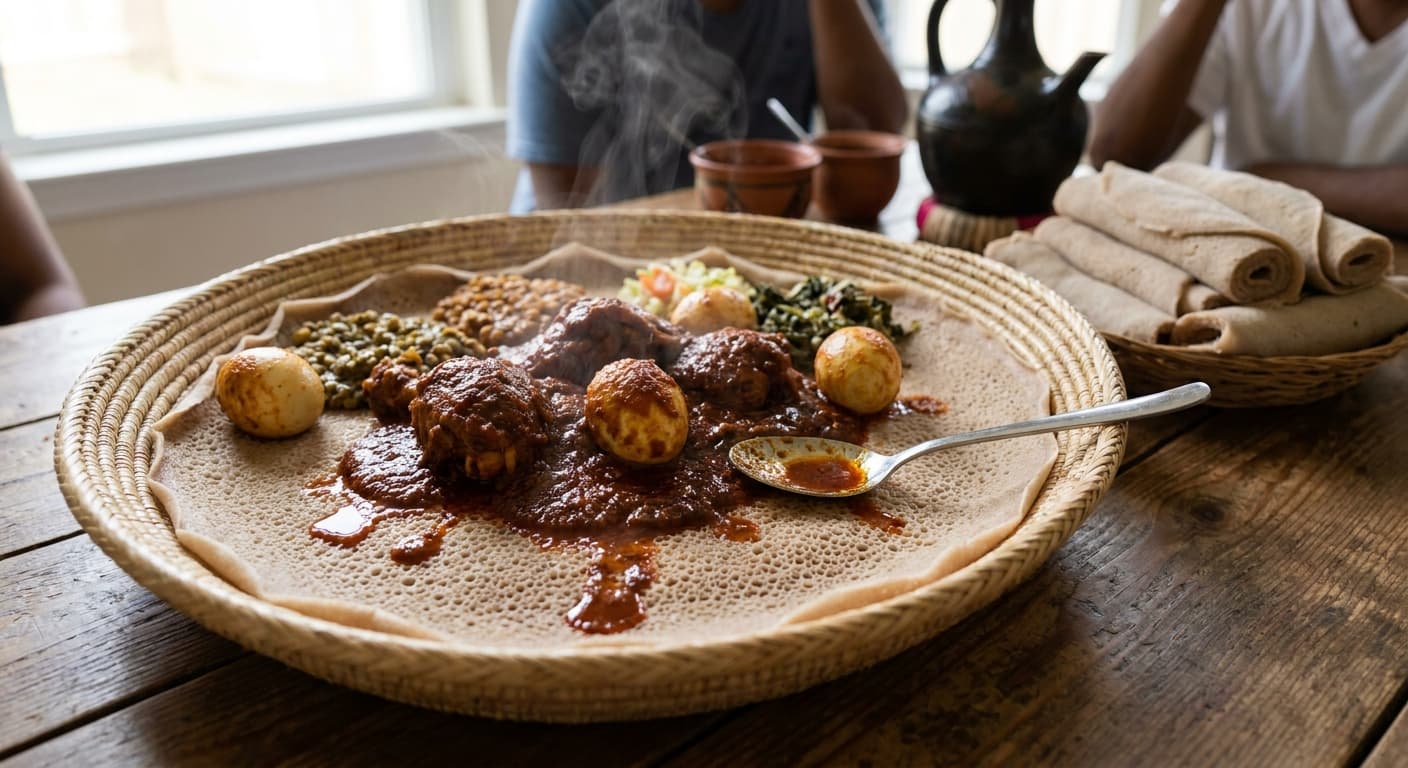
Ethiopian Doro Wat (ዶሮ ወጥ) — Berbere Chicken Stew with Eggs
Ethiopian · Stews · 130 min
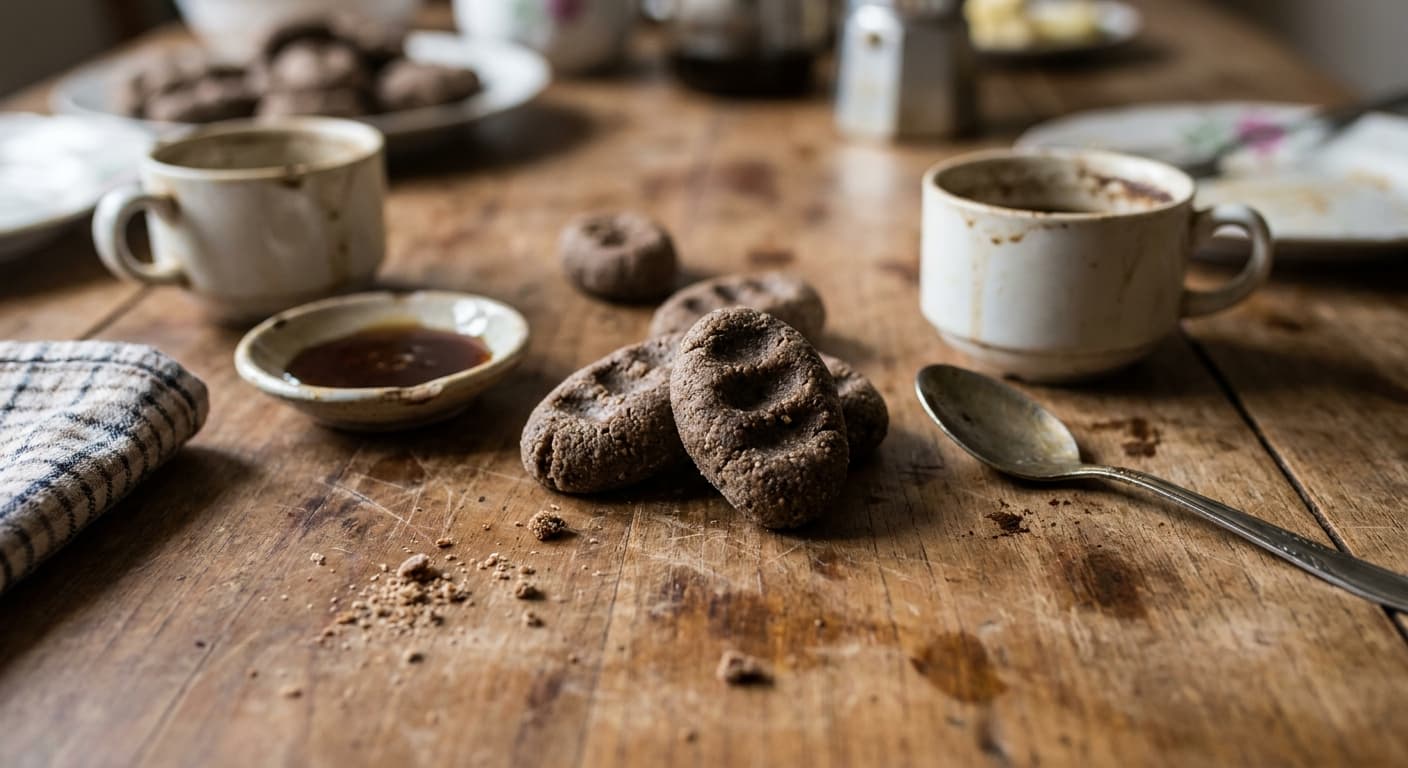
Besso (በሶ) — Ethiopian Roasted Barley Bites
Ethiopian · Appetizers · 20 min
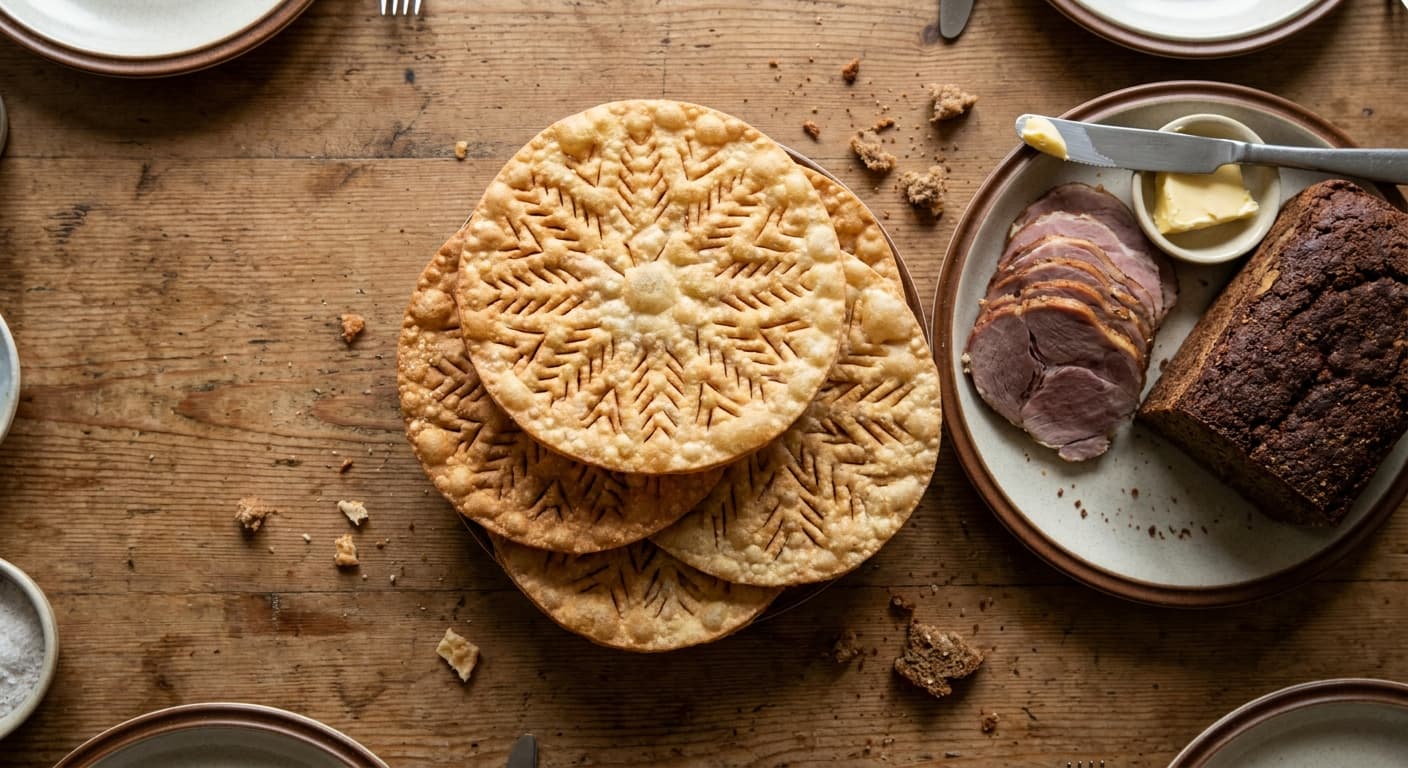
Leaf Bread (Laufabrauð) — Crisp Icelandic Christmas Flatbread
Icelandic · Breads · 100 min
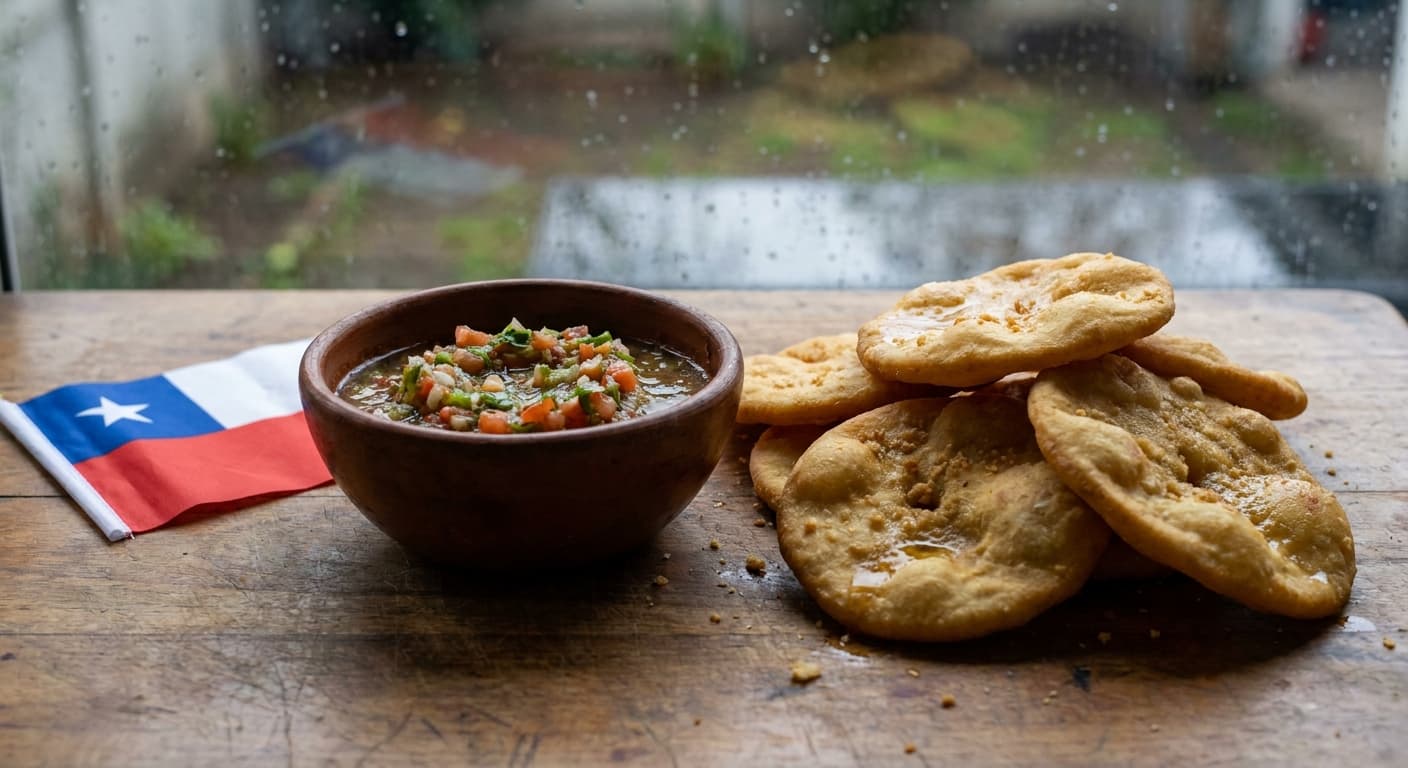
Chilean Pumpkin Sopaipillas (Sopaipillas Chilenas) — Fried Squash Breads with Pebre
Chilean · Breads · 60 min
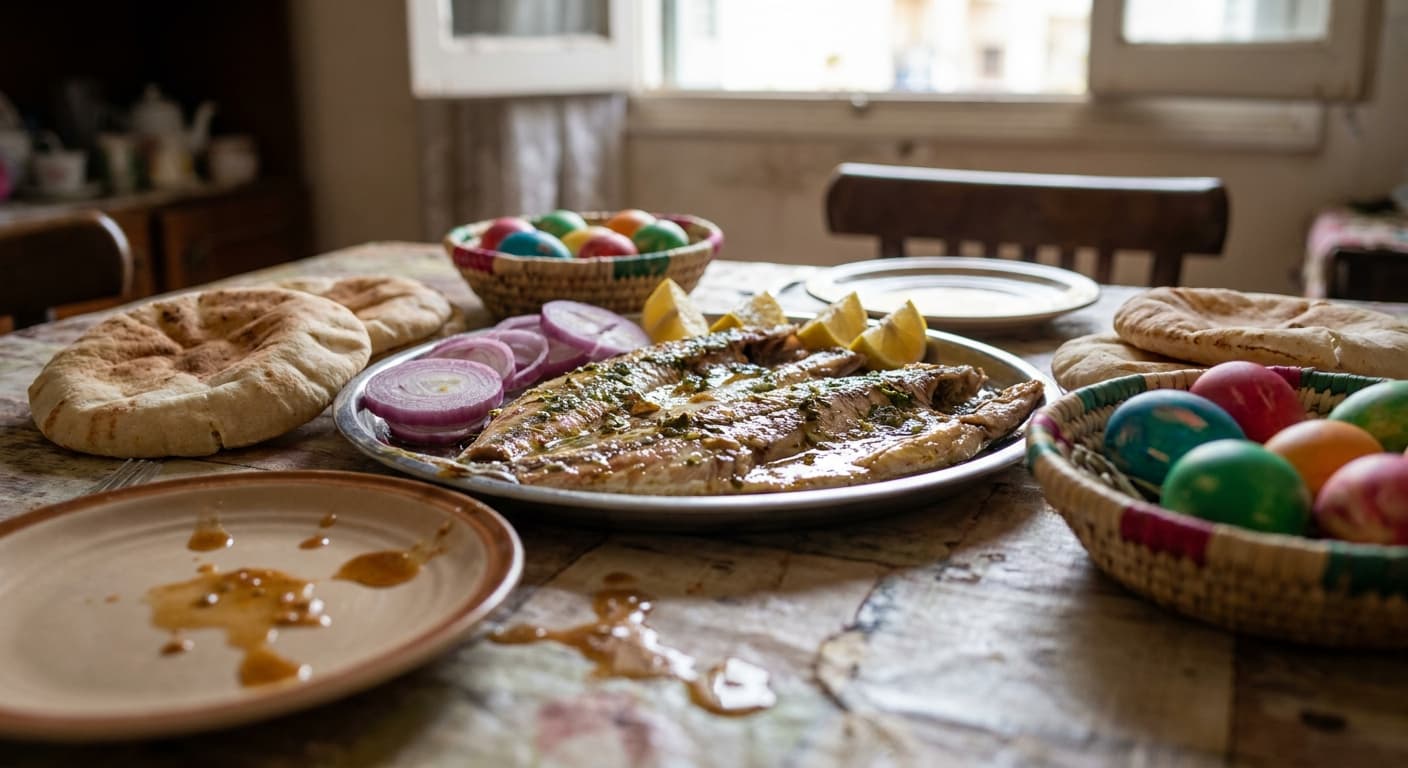
Feseekh (فسيخ) — Egyptian Salt-Cured Mullet for Sham el-Nessim
Egyptian · Main Courses · 30 min
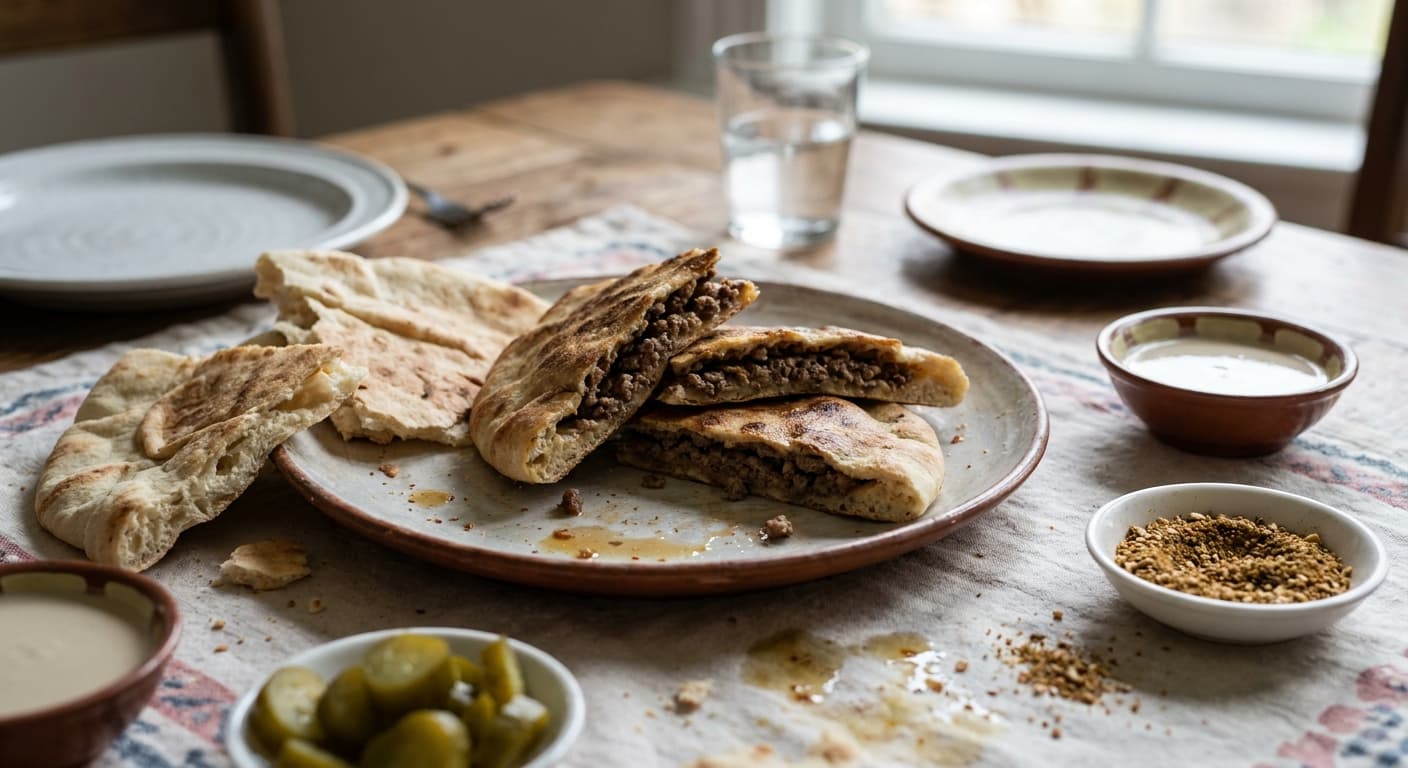
Hawawshi (حواوشي) — Egyptian Spiced Meat-Stuffed Baladi Bread
Egyptian · Main Courses · 55 min
Sir Torshi (سیر ترشی) — Aged Persian Garlic Pickle
Persian · Pickles · 50 min
Reviews
Cooked this recipe?
Tap the stars to rate it — that's all it takes. A few words are welcome but optional.
No ratings yet. Cooked this one? Be the first to rate it — it takes one tap.