Nokhod Polo (نخود پلو) — Persian Pea Rice
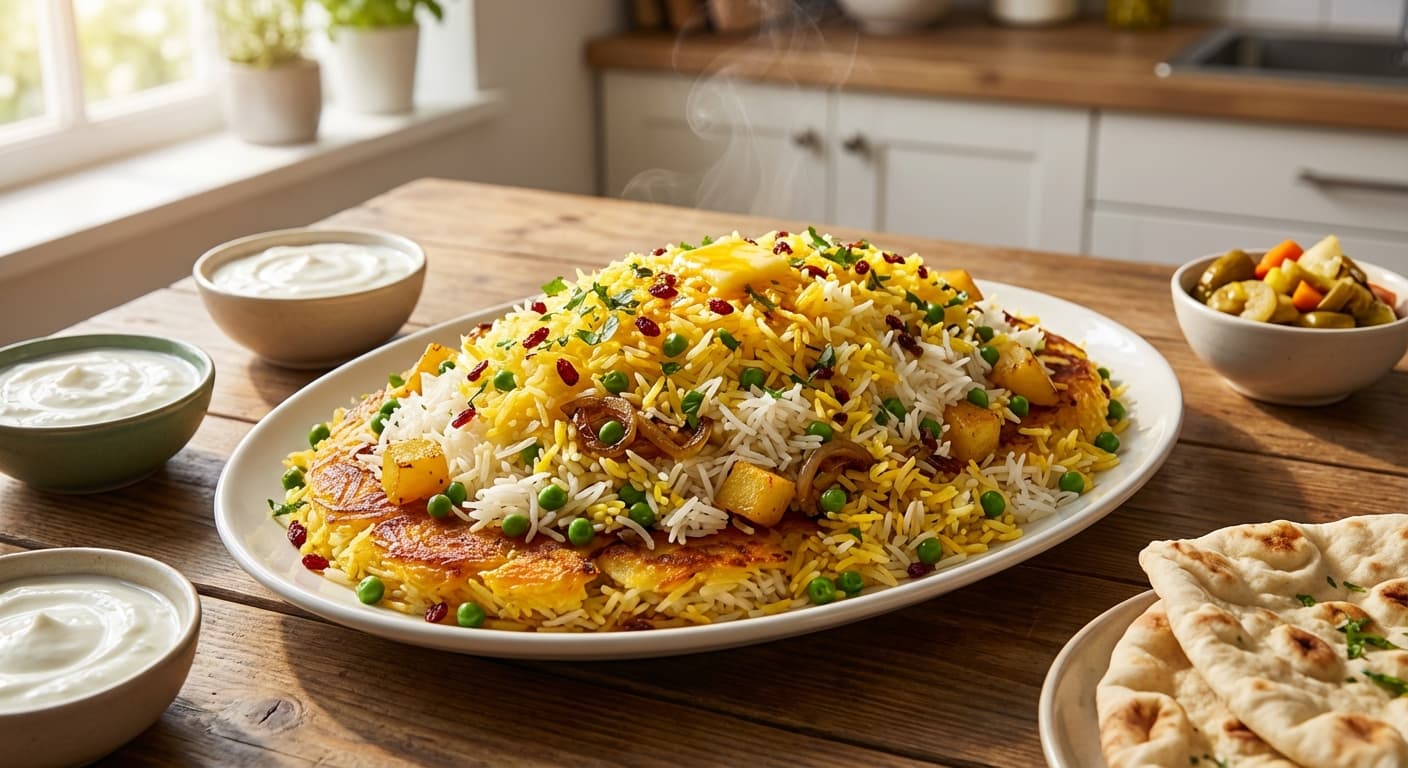
Nokhod Polo is a comforting Persian layered rice with sweet green peas, a tomato-onion base, and saffron-tinted basmati. Finished dam-pokht style with crispy potato tahdig, it’s fragrant, colorful, and perfect for everyday family meals.
Printable Recipe Card
Servings: 6 · Total: 135 min · Difficulty: medium
Ingredients (quick list)
- 500 g Basmati rice (rinsed until water runs mostly clear, then soaked)
- 1500 ml Water (for soaking and parboiling (plus more as needed))
- 22 g Salt (divided; includes salting the parboil water)
- 250 g Onion (finely diced)
- 90 ml Vegetable oil (divided)
- 2 tsp Turmeric (ground)
- 400 g Tomatoes (grated on a box grater, skins discarded (or finely crushed))
- 30 g Tomato paste (for deeper color and richness)
- 300 g Green peas (frozen, thawed; or fresh shelled)
- 350 g Potato (peeled and sliced into 4 mm rounds for tahdig)
- 3 tbsp Brewed saffron (made by steeping 1/4 tsp finely ground saffron in 45 ml hot water for 10 minutes)
Steps (summary)
- Rinse the basmati rice in several changes of cool water until it runs mostly clear. Soak the rice in 1,000 ml water with 10 g s…
- Prepare the saffron: steep 1/4 tsp ground saffron in 45 ml hot (not boiling) water for 10 minutes, then set aside. In a wide sk…
- Stir in turmeric and cook 30 seconds to bloom. Add grated tomatoes and tomato paste, then cook 8–10 minutes over medium-high he…
- Parboil the rice: bring a large pot of water to a rolling boil (about 2.5–3 liters). Add the soaked rice (drained) and 6 g salt…
- Build the tahdig: in a heavy nonstick or well-seasoned pot (24–26 cm), heat 30 ml vegetable oil over medium heat for 1 minute.…
- Layer the rice and filling: reduce heat to low. Add 1/3 of the parboiled rice over the potatoes, then spoon on half the tomato-…
+ 2 more steps in the full instructions section below.
Cultural Background
Nokhod Polo is a familiar home-cooked rice dish in Persian kitchens, valued for its balance of vegetables, warming spices, and fragrant steamed rice technique. It is often prepared as an everyday meal and is also served when a comforting, colorful rice is desired for family gatherings.
Equipment
💡 Tips
- For distinct grains, avoid overboiling during parboil; drain when the rice is long but still slightly firm in the center.
- If your tomatoes are watery, cook the base longer until thick; excess moisture can make the final rice gummy.
- A heavy-bottom pot and a tightly wrapped lid are key for steady steam and crisp tahdig.
- For extra aroma, reserve 2–3 spoonfuls of plain rice, mix with 1 tbsp brewed saffron, and mound it on top at serving.
- If using fresh peas, simmer them in the tomato base 2–3 minutes longer than thawed frozen peas.
⚠️ Common Mistakes
❌ Overboiling the rice during parboil
💡 Why: Fully cooked rice will break and turn soft during steaming, leading to a sticky texture.
✅ Fix: Boil only until elongated with a slightly firm center (5–7 minutes), then drain immediately and rinse briefly with cool water.
❌ Using a watery tomato-pea base
💡 Why: Excess moisture steams into the rice and prevents distinct grains and crisp tahdig.
✅ Fix: Cook the tomato mixture until thick and glossy and the oil separates; if needed, simmer uncovered 3–5 minutes longer before layering.
❌ Weak steam seal on the pot lid
💡 Why: Steam escapes, causing uneven cooking and a pale, soft tahdig.
✅ Fix: Wrap the lid with a towel and cover tightly; start on medium heat for 8 minutes to build steam, then reduce to low for steady cooking.
❌ Flipping the pot too soon
💡 Why: Tahdig needs time to firm; flipping immediately can tear the crust.
✅ Fix: Rest the pot off heat, covered, for 10 minutes, then loosen edges with a thin spatula before inverting.
🧊 How to Store
Cool leftovers within 2 hours. Refrigerate airtight for up to 4 days. Reheat covered with 1–2 tbsp water in a saucepan over low heat for 10–12 minutes, or microwave covered in 60-second bursts. Tahdig is best fresh; re-crisp in a dry skillet over medium heat 3–5 minutes.
📅 Make Ahead
Make the tomato-pea base up to 2 days ahead and refrigerate airtight. On cooking day, soak and parboil the rice, then layer and steam as directed. Brew saffron up to 4 hours ahead; keep covered at room temperature.
🍽️ Pairs Well With
- Plain yogurt or cucumber yogurt
- Shirazi salad (tomato-cucumber-onion salad)
- Pickled vegetables
- Fresh herbs and radishes
Regional Variations
- Tehran-style home cookingOften includes a richer tomato base with tomato paste for deeper color, and potato tahdig is common. Some cooks drizzle a little saffron water on the top layer for a bright yellow finish.
- Northern Iran (Caspian influence)May be made with more herbs and a lighter tomato presence, and sometimes served alongside pickled vegetables and fresh herbs to balance the sweetness of peas.
Ingredients
- 500 gBasmati rice (rinsed until water runs mostly clear, then soaked)
- 1500 mlWater (for soaking and parboiling (plus more as needed))
- 22 gSalt (divided; includes salting the parboil water)
- 250 gOnion (finely diced)
- 90 mlVegetable oil (divided)
- 2 tspTurmeric (ground)
- 400 gTomatoes (grated on a box grater, skins discarded (or finely crushed))
- 30 gTomato paste (for deeper color and richness)
- 300 gGreen peas (frozen, thawed; or fresh shelled)
- 350 gPotato (peeled and sliced into 4 mm rounds for tahdig)
- 3 tbspBrewed saffron (made by steeping 1/4 tsp finely ground saffron in 45 ml hot water for 10 minutes)
🔄 Substitutions
- Green peas→ Diced carrots (250 g) plus peas (150 g)
- Fresh grated tomatoes→ Canned crushed tomatoes (400 g)
- Potato tahdig→ Flatbread tahdig (1 large lavash sheet, cut to fit pot)
Instructions
- 1
Rinse the basmati rice in several changes of cool water until it runs mostly clear. Soak the rice in 1,000 ml water with 10 g salt for 45 minutes at room temperature. Meanwhile, thaw the peas if frozen, grate the tomatoes, and slice the potatoes into even 4 mm rounds so they crisp evenly.
- 2
Prepare the saffron: steep 1/4 tsp ground saffron in 45 ml hot (not boiling) water for 10 minutes, then set aside. In a wide skillet over medium heat, warm 60 ml vegetable oil. Add diced onion and cook 10–12 minutes, stirring, until golden and sweet-smelling but not burnt.
- 3
Stir in turmeric and cook 30 seconds to bloom. Add grated tomatoes and tomato paste, then cook 8–10 minutes over medium-high heat, stirring often, until the mixture darkens slightly and the oil begins to separate at the edges. Add peas, 120 ml water, and 6 g salt; simmer 8 minutes until peas are tender and the sauce is thick.
- 4
Parboil the rice: bring a large pot of water to a rolling boil (about 2.5–3 liters). Add the soaked rice (drained) and 6 g salt. Boil 5–7 minutes, stirring gently once or twice, until the grains are elongated and the center is slightly firm. Drain immediately in a fine colander and rinse briefly with 250 ml cool water to stop cooking.
- 5
Build the tahdig: in a heavy nonstick or well-seasoned pot (24–26 cm), heat 30 ml vegetable oil over medium heat for 1 minute. Arrange potato slices in a single tight layer, slightly overlapping. Sprinkle the potatoes with 2 g salt. Cook 3 minutes until the oil sizzles steadily; this head start helps the potato tahdig set and crisp.
- 6
Layer the rice and filling: reduce heat to low. Add 1/3 of the parboiled rice over the potatoes, then spoon on half the tomato-pea base. Repeat with another 1/3 rice and the remaining base, finishing with the last 1/3 rice. Use the handle of a spoon to poke 5–6 steam holes down to the bottom for even steaming.
- 7
Steam (dam): wrap the lid with a clean kitchen towel and cover the pot tightly. Cook over medium heat for 8 minutes to build steam, then reduce to low and steam 40 minutes. During the last 10 minutes, drizzle 3 tbsp brewed saffron over the top layer of rice without stirring, so the aroma stays bright.
- 8
Rest and serve: turn off the heat and let the pot rest, covered, for 10 minutes to firm the tahdig and settle moisture. Fluff the rice gently from the top, keeping layers mostly intact. Invert the pot onto a platter (or lift out the tahdig separately). Serve with saffron-streaked rice on top and crisp potato tahdig alongside.
🪪 Recipe Passport
Cultural Background
Nokhod Polo is a familiar home-cooked rice dish in Persian kitchens, valued for its balance of vegetables, warming spices, and fragrant steamed rice technique. It is often prepared as an everyday meal and is also served when a comforting, colorful rice is desired for family gatherings.
Regional Variations
Researched from multiple sources and validated by the Zaffaron editorial team. Every recipe is tested for accuracy, measurements, and cultural authenticity.
Nutrition per serving
Pairs well with
If you enjoyed this recipe, here are a few related Zaffaron recipes to try next.
Does your family make this differently?
Every family has their own version. Maybe your grandmother adds a secret ingredient, or your aunt has a completely different technique. Preserve your family's version — with their name on it, forever.
You Might Also Like
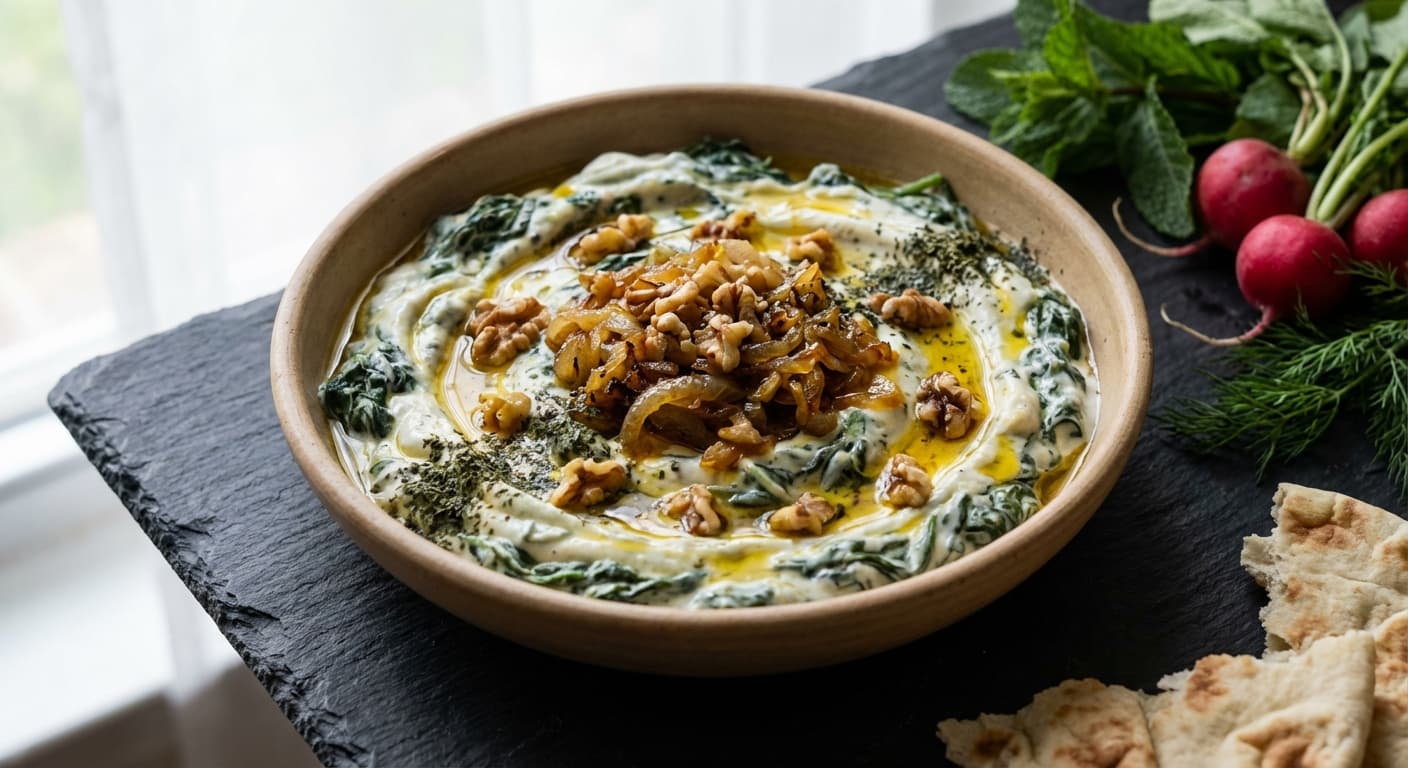
Borani Esfenaj (بورانی اسفناج) — Persian Spinach and Yogurt Dip with Saffron and Walnuts
Persian · Appetizers · 40 min
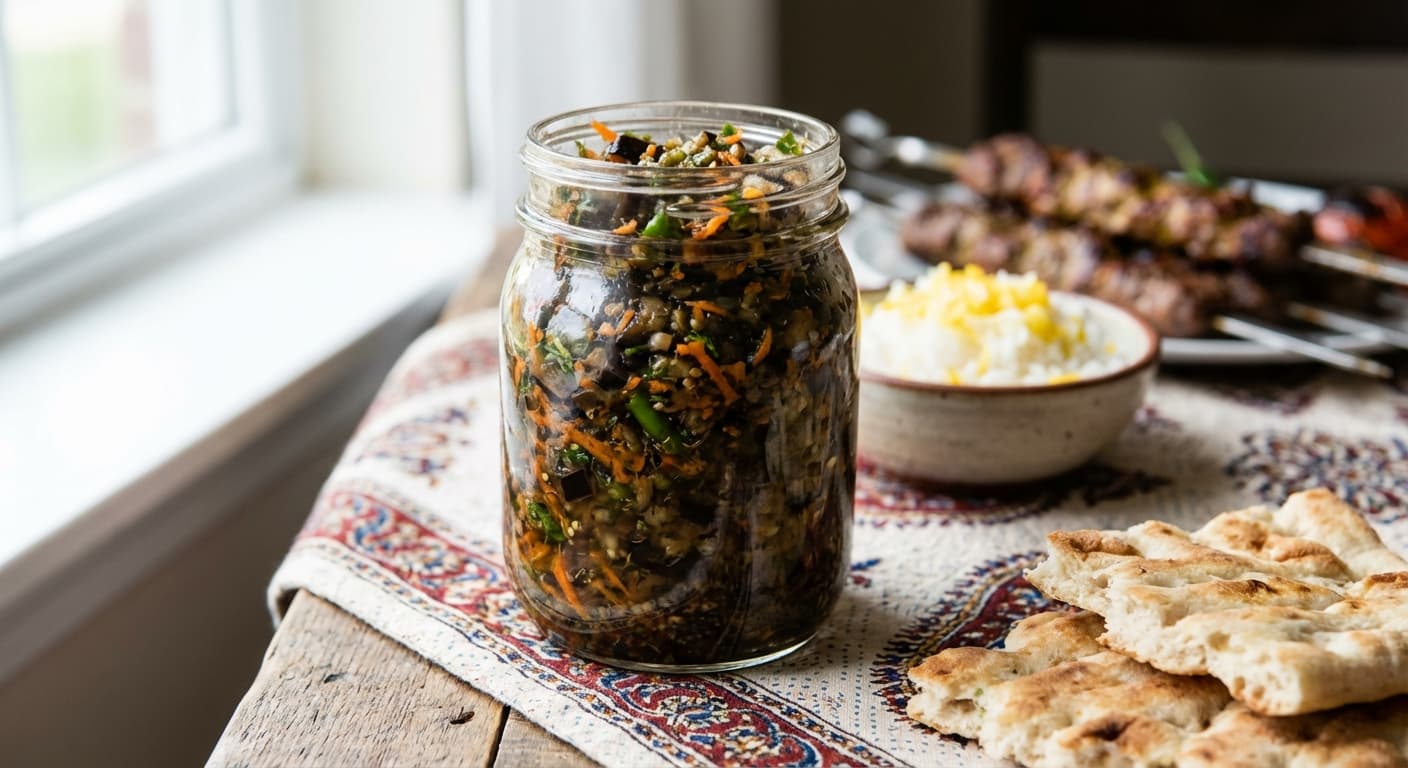
Persian Smoked Torshi Liteh (ترشی لیته) — Caspian-style smoky mixed vegetable pickle
Persian · Side Dishes · 60 min
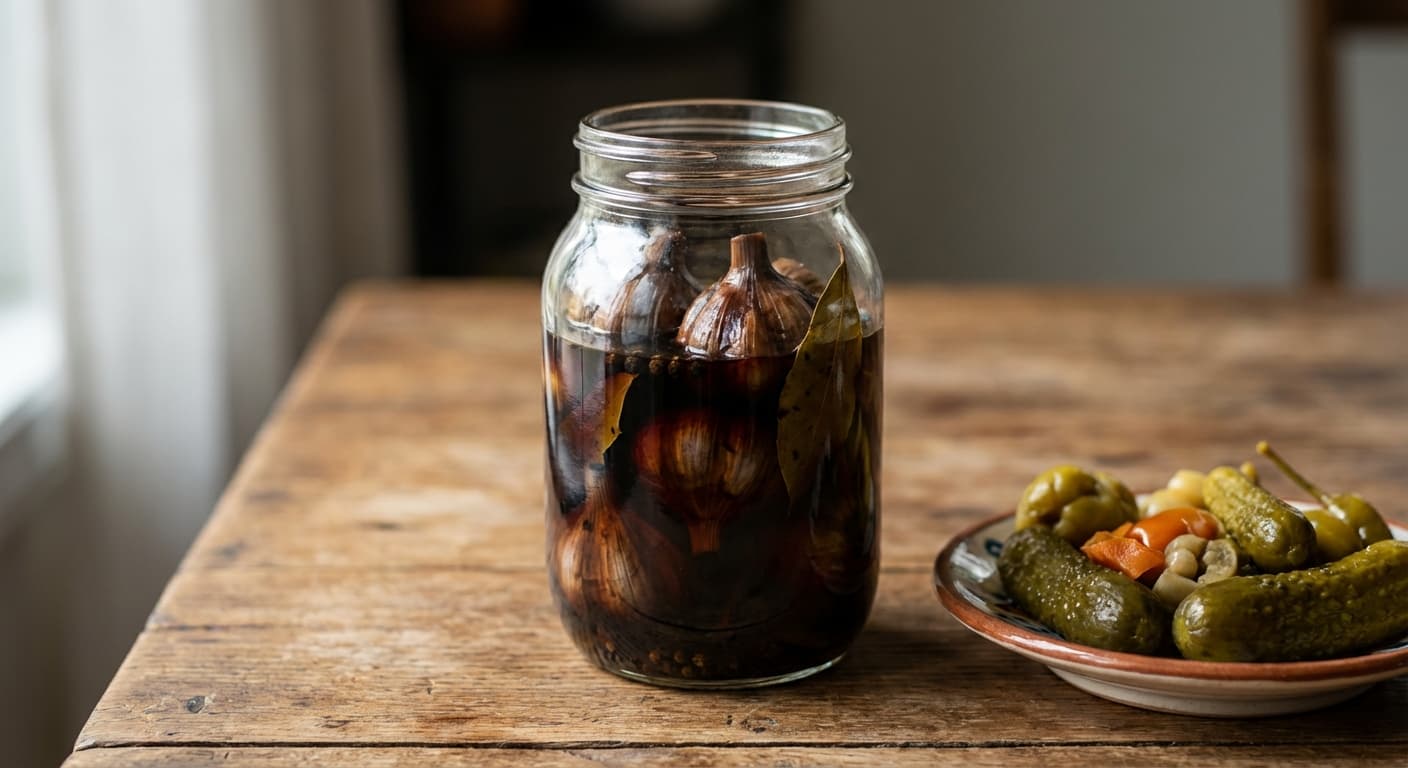
Aged Garlic Pickle (سیر ترشی) — Gilan’s seven-year-style black garlic torshi
Persian · Side Dishes · 45 min
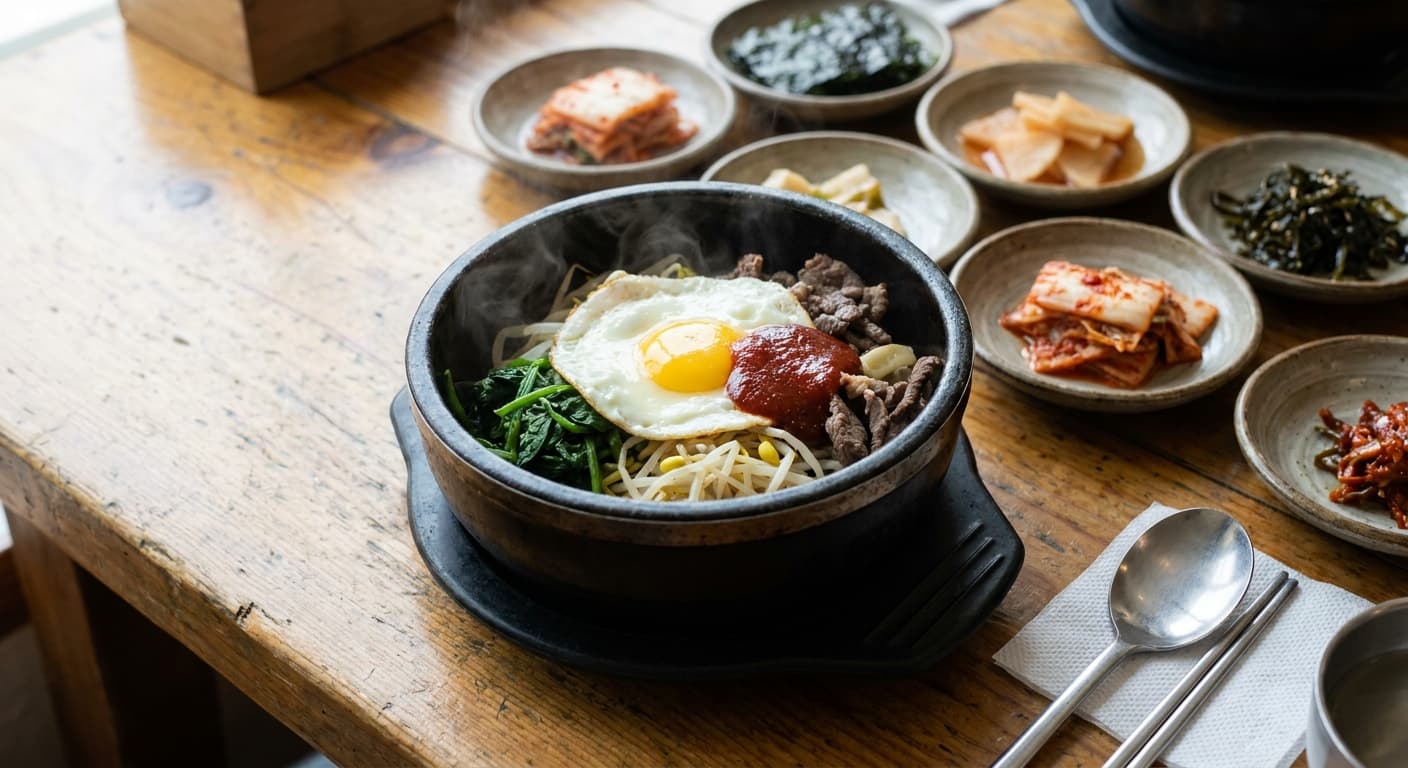
Bibimbap (비빔밥) — Korean Mixed Rice Bowl
Korean · Rice Dishes · 80 min
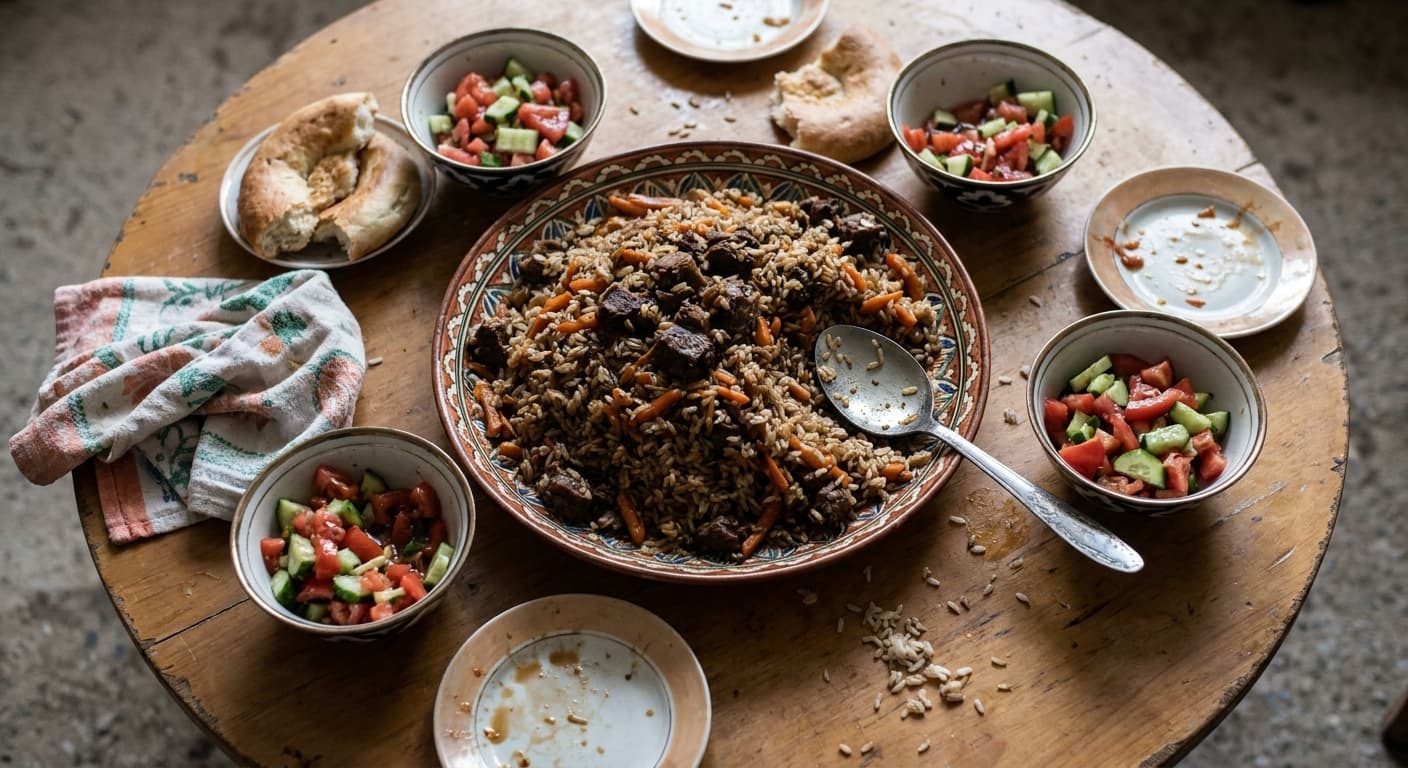
Oshi Siyoh (Оши сиёҳ) — Bukhara-Style Dark Pilaf
Tajik · Rice Dishes · 125 min
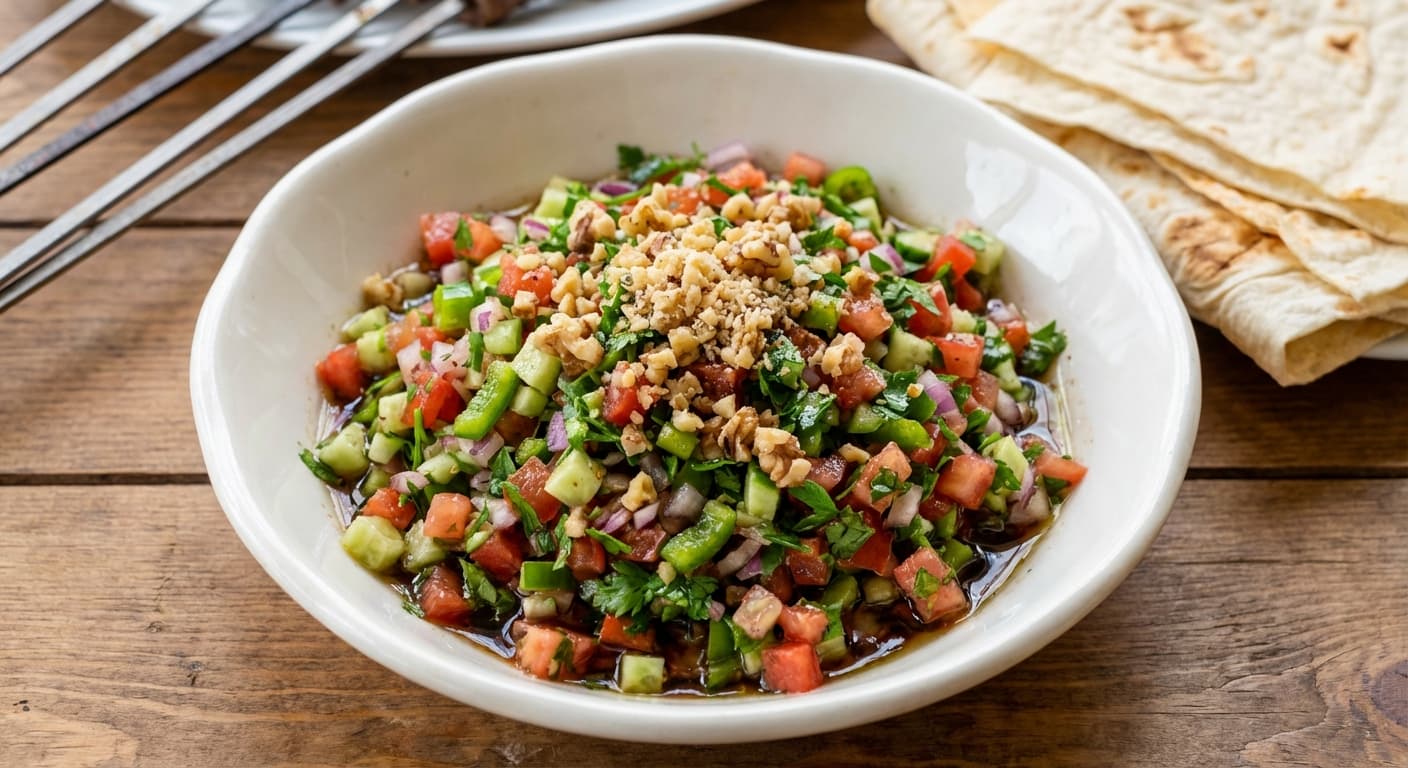
Gavurdağı Salad (Gavurdağı Salatası) — Finely Chopped Walnut & Pomegranate Salad
Turkish · Salads · 20 min
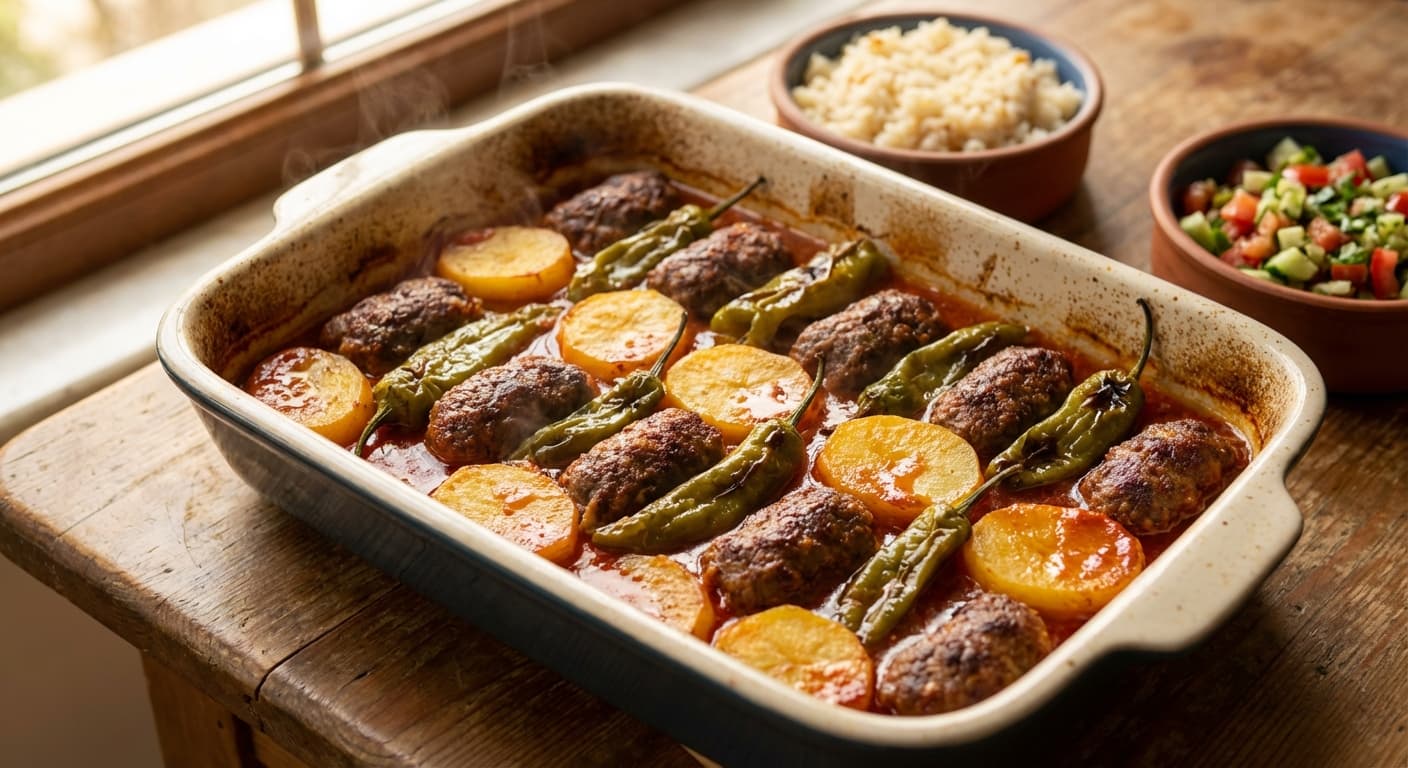
Izmir Kofte (İzmir Köfte) — Oven-Baked Meatballs with Tomato Sauce and Potatoes
Turkish · Main Courses · 70 min
Orromo (Оромо) — Kyrgyz Steamed Rolled Dumpling with Lamb and Pumpkin
Kyrgyz · Main Courses · 105 min
Reviews
Cooked this recipe?
Tap the stars to rate it — that's all it takes. A few words are welcome but optional.
No ratings yet. Cooked this one? Be the first to rate it — it takes one tap.