Har Gow Shrimp Dumplings (虾饺) — Translucent Cantonese Dim Sum
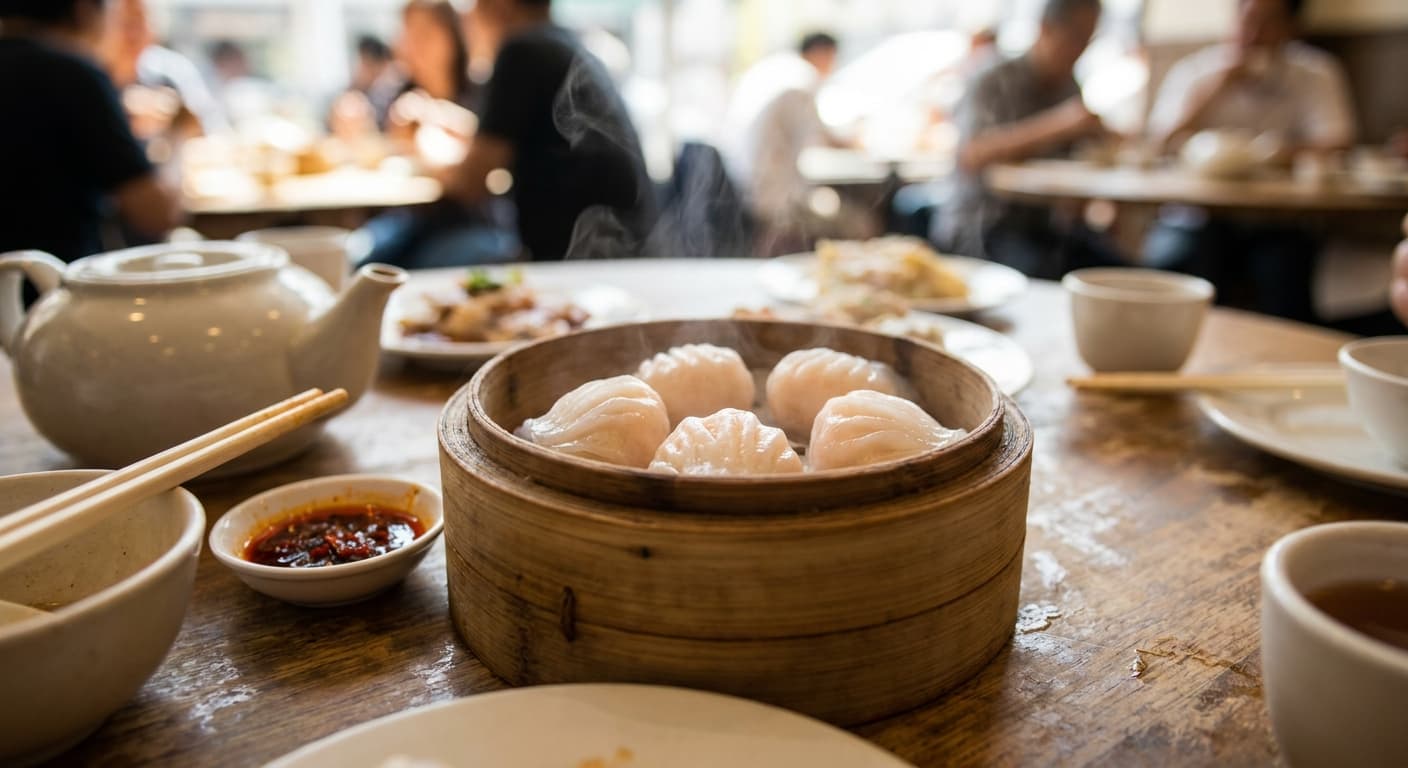
Har gow are classic Cantonese dim sum dumplings with a translucent wheat-starch wrapper and a springy shrimp filling. Their delicate pleats, ginger aroma, and glossy steamed skin make them a signature of yum cha service.
Printable Recipe Card
Servings: 5 · Total: 68 min · Difficulty: hard
Ingredients (quick list)
- 300 g raw shrimp, peeled and deveined (use medium shrimp; pat very dry)
- 60 g canned bamboo shoots, drained (finely diced)
- 20 g pork back fat (finely minced for traditional juiciness)
- 1 inch fresh ginger (finely grated and squeezed for juice)
- 1 scallion (white part only, finely minced)
- 1 tsp toasted sesame oil
- 1 tsp granulated sugar
- 0.75 tsp fine sea salt
- 0.25 tsp ground white pepper
- 2 tsp cornstarch
- 125 g wheat starch
- 50 g tapioca starch
+ 3 more in the full ingredients section below.
Steps (summary)
- Chop half of the shrimp into small 5 mm pieces and mince the remaining half into a coarse paste. This mixture gives har gow its…
- Place the shrimp, bamboo shoots, pork back fat, ginger juice, scallion, sesame oil, sugar, salt, white pepper, and cornstarch i…
- Cover the filling and refrigerate it for 20 minutes while you make the wrapper dough. Chilling firms the shrimp mixture, making…
- Mix the wheat starch, tapioca starch, and salt in a heatproof bowl. Pour in the boiling water all at once and stir immediately…
- When the dough is cool enough to handle but still warm, knead in the neutral oil for 3 minutes until smooth and elastic. Keep t…
- Roll the warm dough into a log and divide it into 20 equal pieces of about 16 g each. Work with one piece at a time and keep th…
+ 4 more steps in the full instructions section below.
Cultural Background
Har gow are a benchmark Cantonese dim sum dumpling, prized for translucent skins and careful pleating. Eileen Yin-Fei Lo describes dim sum as part of the Chinese tea lunch tradition, where technique and hospitality meet.
Equipment
💡 Tips
- Use boiling water, not hot tap water, because wheat starch needs intense heat to form a smooth translucent dough.
- Pat the shrimp very dry before chopping; excess moisture makes the filling loose and can tear the wrappers.
- If the dough cracks while shaping, knead in 0.5 tsp boiling water while it is still warm and keep it covered between dumplings.
⚠️ Common Mistakes
❌ Using water that is not boiling for the dough.
✅ Fix: Pour freshly boiled water directly onto the starches and stir immediately so the wrapper becomes smooth and translucent.
❌ Overfilling the dumplings.
✅ Fix: Use 1 level tablespoon of filling per wrapper, leaving enough edge to pleat and seal without tearing.
❌ Letting the wrapper dough sit uncovered.
✅ Fix: Keep every portion covered until the moment you press and fill it, because starch dough dries faster than wheat-flour dough.
🧊 How to Store
Cooked har gow are best eaten immediately, but leftovers can be refrigerated in a covered container for up to 2 days. Re-steam from chilled for 4 to 5 minutes; microwaving can make the wrappers tough and gummy.
📅 Make Ahead
The filling can be mixed and refrigerated up to 1 day ahead. Shape har gow shortly before steaming, because the starch wrappers become brittle if held raw for too long.
🍽️ Pairs Well With
- Chinese tea
- chili oil
- light soy sauce
- steamed siu mai
- char siu bao
- blanched bok choy.
Regional Variations
- Some Hong Kong dim sum kitchens add a small amount of minced water chestnut for extra crunch.
- Restaurant versions may include a higher proportion of pork fat for a glossier, juicier filling.
- Modern home versions often omit pork fat and increase sesame oil slightly for a lighter dumpling.
Ingredients
- 300 graw shrimp, peeled and deveined (use medium shrimp; pat very dry)
- 60 gcanned bamboo shoots, drained (finely diced)
- 20 gpork back fat (finely minced for traditional juiciness)
- 1 inchfresh ginger (finely grated and squeezed for juice)
- 1scallion (white part only, finely minced)
- 1 tsptoasted sesame oil
- 1 tspgranulated sugar
- 0.75 tspfine sea salt
- 0.25 tspground white pepper
- 2 tspcornstarch
- 125 gwheat starch
- 50 gtapioca starch
- 190 mlboiling water
- 2 tspneutral oil
- 1 sheetparchment paper (cut into small perforated squares)
🔄 Substitutions
- pork back fat→ additional shrimp plus 1 tsp neutral oil
- bamboo shoots→ finely diced water chestnuts
- tapioca starch→ potato starch
Instructions
- 1
Chop half of the shrimp into small 5 mm pieces and mince the remaining half into a coarse paste. This mixture gives har gow its classic dim sum texture, with visible shrimp pieces suspended in a springy filling.
- 2
Place the shrimp, bamboo shoots, pork back fat, ginger juice, scallion, sesame oil, sugar, salt, white pepper, and cornstarch in a bowl. Stir firmly in one direction for 2 minutes, until the filling turns tacky and clings to the side of the bowl.
- 3
Cover the filling and refrigerate it for 20 minutes while you make the wrapper dough. Chilling firms the shrimp mixture, making it easier to portion and helping the dumplings hold a neat crescent shape.
- 4
Mix the wheat starch, tapioca starch, and salt in a heatproof bowl. Pour in the boiling water all at once and stir immediately with chopsticks or a sturdy spoon until the starches hydrate into a rough, translucent dough.
- 5
When the dough is cool enough to handle but still warm, knead in the neutral oil for 3 minutes until smooth and elastic. Keep the dough covered with plastic wrap or an inverted bowl at all times, because har gow dough dries and cracks quickly.
- 6
Roll the warm dough into a log and divide it into 20 equal pieces of about 16 g each. Work with one piece at a time and keep the remaining pieces covered so the wrappers stay supple.
- 7
Lightly oil a cleaver, bench scraper, or small rolling pin and press one dough piece into a thin 8 cm round. The wrapper should be thinner at the edge than in the center, which allows neat pleats while protecting the shrimp filling.
- 8
Place 1 level tablespoon of chilled filling in the center of the wrapper. Fold the wrapper into a half-moon and make 7 to 9 pleats along one side, pressing the opposite edge against the pleats to seal without squeezing out the filling.
- 9
Arrange the dumplings on perforated parchment squares in a bamboo steamer, leaving at least 2 cm between them. Bring water to a vigorous boil in a wok or steamer pot before setting the basket in place.
- 10
Steam the har gow over high heat for 6 to 8 minutes, until the wrappers become glossy and translucent and the shrimp is fully cooked. Serve immediately, because the wrappers are most tender and elastic straight from the steamer.
🪪 Recipe Passport
Cultural Background
Har gow are a benchmark Cantonese dim sum dumpling, prized for translucent skins and careful pleating. Eileen Yin-Fei Lo describes dim sum as part of the Chinese tea lunch tradition, where technique and hospitality meet.
Regional Variations
Researched from multiple sources and validated by the Zaffaron editorial team. Every recipe is tested for accuracy, measurements, and cultural authenticity.
📚 Sources & Cultural References
- Eileen Yin-Fei Lo — The Dim Sum Book — (1982)
- Alan Davidson — The Oxford Companion to Food — (1999)
Sources cited by the Zaffaron editorial team during recipe research. Cultural and culinary references supporting authenticity claims.
Nutrition per serving
Pairs well with
If you enjoyed this recipe, here are a few related Zaffaron recipes to try next.
Does your family make this differently?
Every family has their own version. Maybe your grandmother adds a secret ingredient, or your aunt has a completely different technique. Preserve your family's version — with their name on it, forever.
You Might Also Like
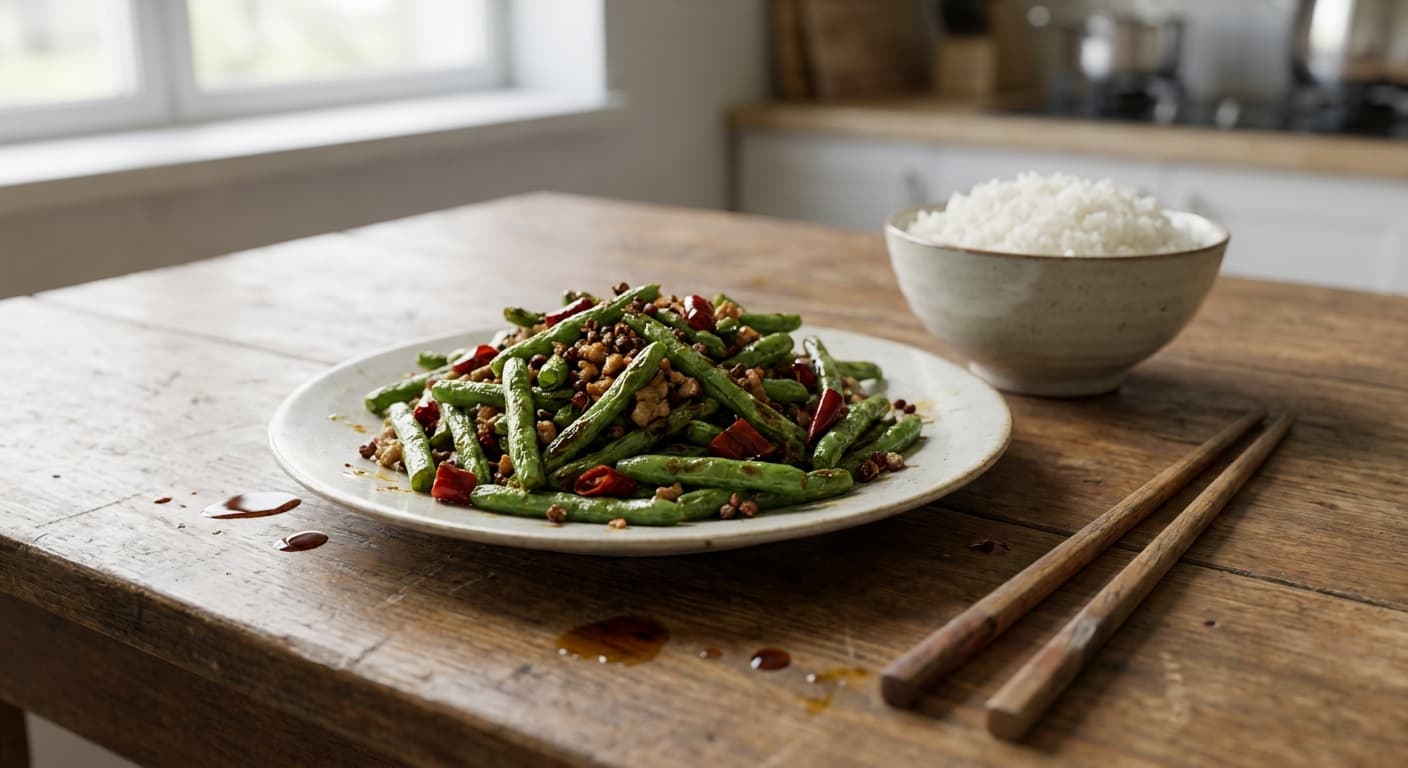
Dry-Fried Green Beans (干煸四季豆) — Sichuan Wok-Blistered Beans with Pork
Chinese · Side Dishes · 27 min
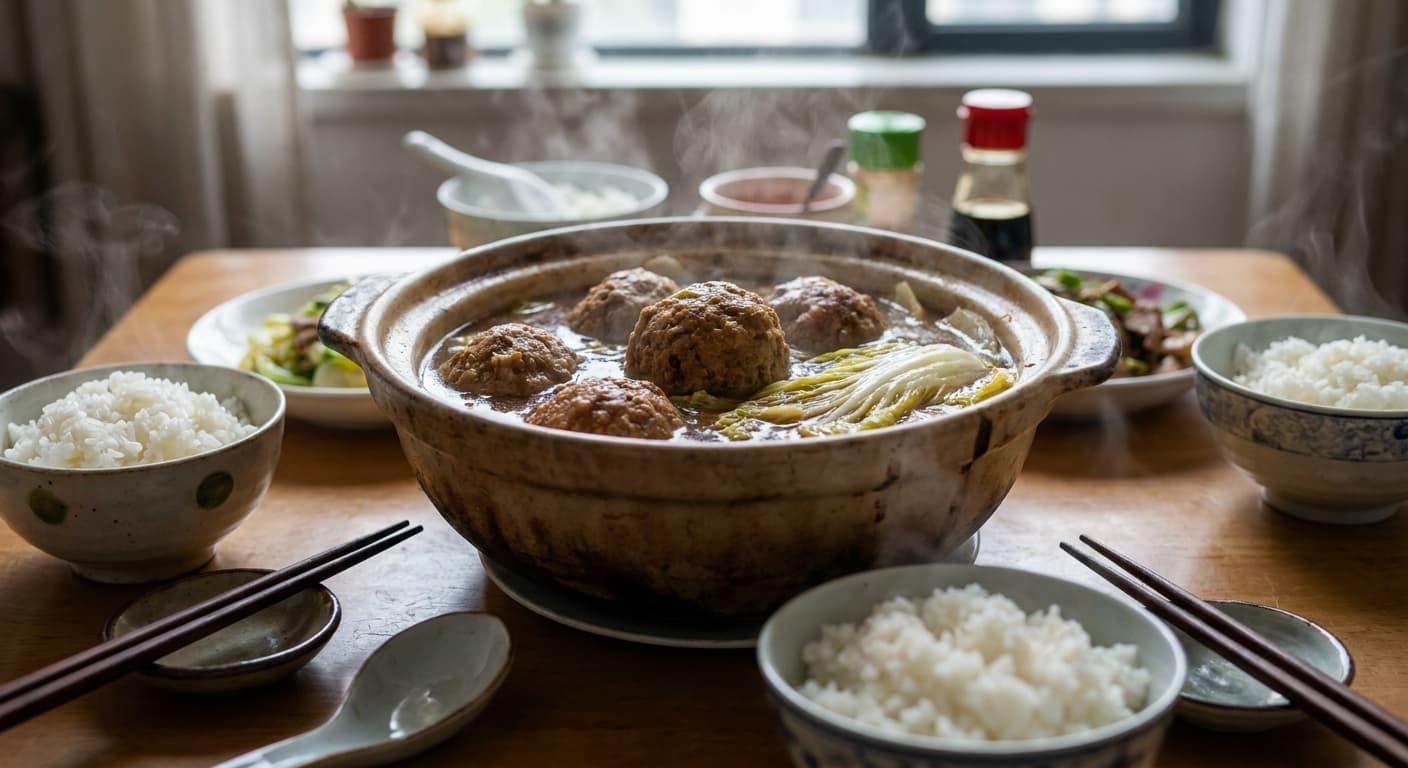
Lion's Head Meatballs (狮子头) — Braised Huaiyang Pork Meatballs
Chinese · Main Courses · 110 min
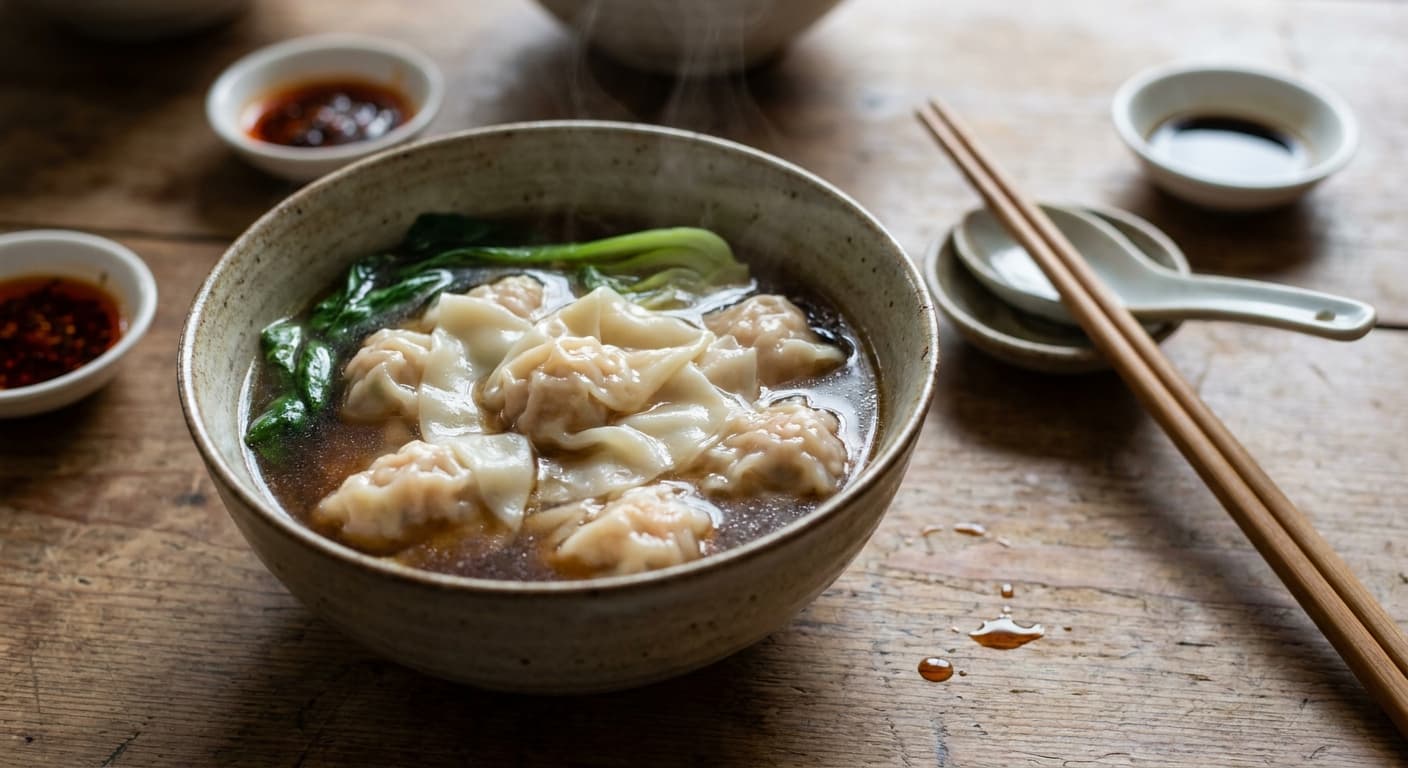
Wonton Soup (雲吞湯) — Cantonese Pork and Shrimp Dumpling Broth
Chinese · Soups · 70 min
Aloo Pie (Aloo Pie) — Trinidadian Fried Potato-Stuffed Street Snack
Trinidadian · Appetizers · 80 min
Estonian Jellied Pork (Sült) — Clear Pork Aspic with Garlic and Bay
Estonian · Appetizers · 245 min
Jeyuk Bokkeum (제육볶음) — Spicy Korean Stir-Fried Pork
Korean · Main Courses · 37 min
Hue-Style Spicy Beef Noodle Soup (Bún Bò Huế) — Lemongrass Beef and Pork Rice Noodle Soup
Vietnamese · Soups · 260 min
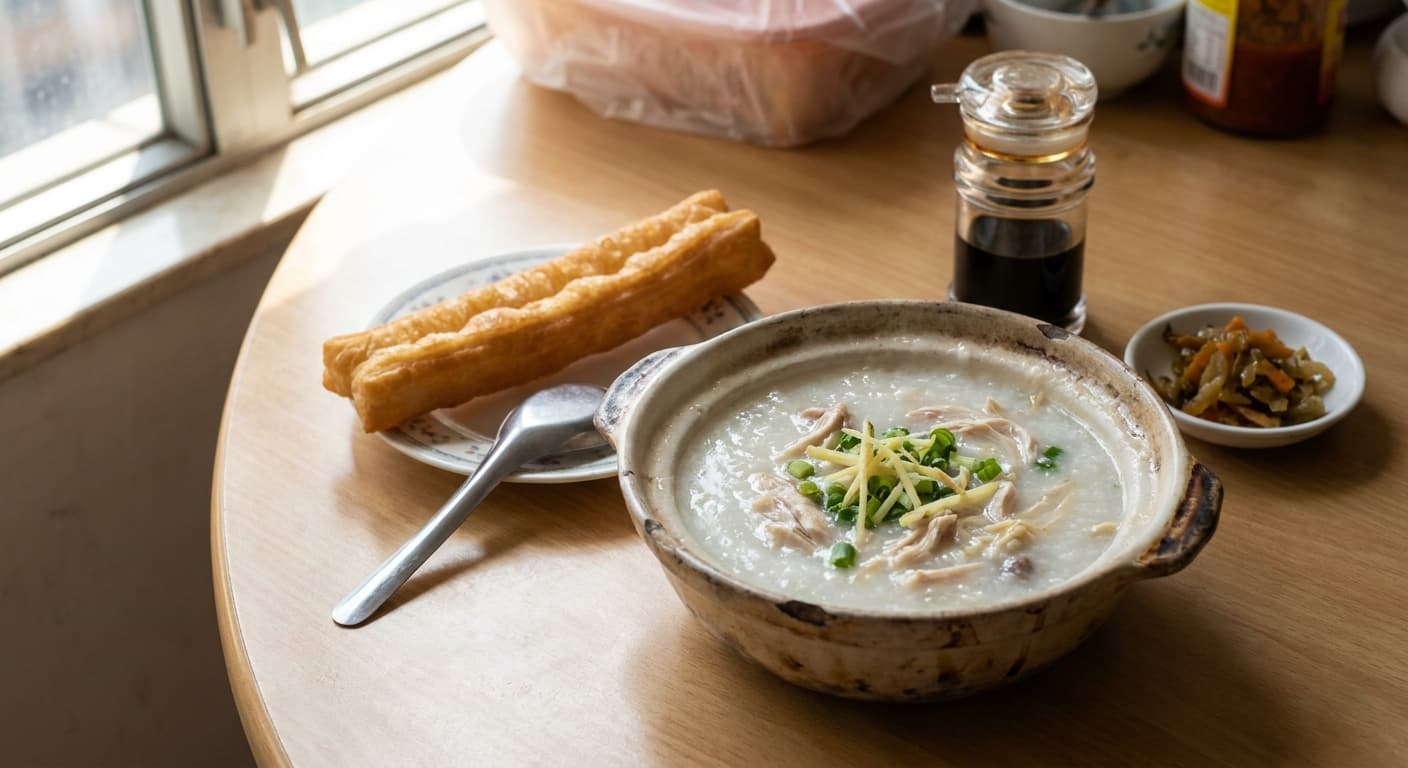
Cantonese Chicken Congee (粵式雞粥) — Silky Rice Porridge with Ginger
Chinese · Rice Dishes · 95 min
Reviews
Cooked this recipe?
Tap the stars to rate it — that's all it takes. A few words are welcome but optional.
No ratings yet. Cooked this one? Be the first to rate it — it takes one tap.