Payasam (പായസം) — South Indian jaggery and ghee milk pudding
Payasam is a beloved South Indian milk dessert often served at temple feasts and celebrations. This version uses jaggery for deep caramel sweetness, ghee for richness, and cardamom for a classic, fragrant finish.
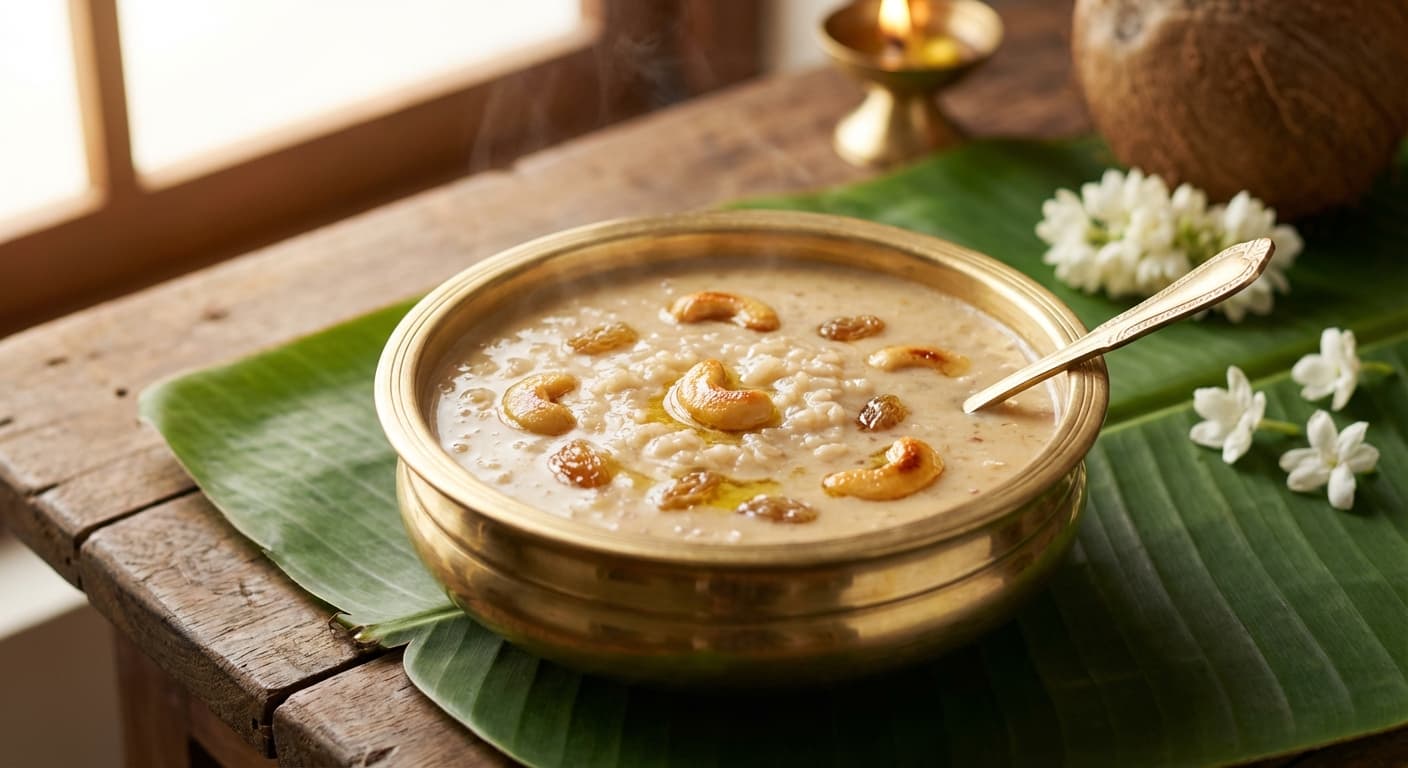
Printable Recipe Card
Servings: 6 · Total: 45 min · Difficulty: medium
Ingredients (quick list)
- 1000 ml Whole milk (Prefer full-fat for best body)
- 60 g Basmati rice (Rinsed until water runs mostly clear)
- 200 ml Water (For pre-cooking the rice)
- 180 g Jaggery (solid, grated) (Use dark jaggery for deeper flavor)
- 30 g Ghee (Divided for roasting and finishing)
- 25 g Cashews (Halved)
- 20 g Golden raisins
- 6 pod Green cardamom pods (Seeds crushed to a fine powder)
- 1 g Fine sea salt (A small pinch to balance sweetness)
Steps (summary)
- Rinse the basmati rice in several changes of water, then drain well. In a small saucepan, combine the rice with 200 ml water an…
- In a heavy-bottomed pot, bring the milk to a gentle boil over medium heat, stirring every 1–2 minutes to prevent scorching. Red…
- Add the par-cooked rice (with any remaining cooking water) to the simmering milk and stir well. Cook on low for 12–15 minutes,…
- Meanwhile, dissolve the jaggery by heating 180 g jaggery with 60 ml water in a small pan for 3–4 minutes, stirring until fully…
- Turn the heat under the milk-and-rice mixture to the lowest setting and stir in the warm jaggery syrup in a thin stream. Simmer…
- In a small skillet, heat 20 g ghee over medium heat until it shimmers. Fry the cashews for 2–3 minutes until golden, then add r…
+ 1 more steps in the full instructions section below.
Cultural Background
Payasam is a ceremonial sweet across South India, offered in temples and served at weddings and harvest festivals. Jaggery-based versions are especially associated with traditional feasts, where ghee-fried nuts signal abundance and hospitality.
Equipment
💡 Tips
- Keep the heat low after adding jaggery; high heat can cause milk to split, especially with darker jaggery.
- Stir the pot bottom in a figure-eight motion every 30–45 seconds to prevent rice from sticking and scorching.
- For a thicker, festival-style payasam, simmer 5 extra minutes before adding the fried nuts and raisins.
⚠️ Common Mistakes
❌ Adding jaggery directly without dissolving and straining
✅ Fix: Melt jaggery with measured water and strain; this removes grit and blends evenly into the milk.
❌ Boiling vigorously after adding jaggery
✅ Fix: Keep the heat at the lowest simmer and stir continuously; if it looks close to splitting, pull off heat and whisk gently.
❌ Undercooking the rice so the payasam feels grainy
✅ Fix: Par-cook rice first and then simmer in milk until fully tender; add 50 ml hot milk if it thickens before the rice is soft.
🧊 How to Store
Cool completely, then refrigerate in an airtight container for up to 3 days. Reheat gently on low with 50–100 ml milk per batch, stirring often; avoid boiling hard after reheating to keep the texture smooth.
📅 Make Ahead
You can rinse and par-cook the rice up to 24 hours ahead and refrigerate it. Jaggery syrup can be made 2 days ahead; warm it before adding so it incorporates smoothly without cooling the pot.
🍽️ Pairs Well With
- South Indian banana (elaichi pazham)
- filter coffee
- medu vada
- festive thali.
Regional Variations
- Pal Payasam: made with only milk and sugar, simmered long for a pale caramel flavor without jaggery.
- Ada Pradhaman: uses rice flakes (ada) and often includes coconut milk for a richer, darker payasam.
- Semiya Payasam: replaces rice with roasted vermicelli for a quicker, lighter texture.
Ingredients
- 1000 mlWhole milk (Prefer full-fat for best body)
- 60 gBasmati rice (Rinsed until water runs mostly clear)
- 200 mlWater (For pre-cooking the rice)
- 180 gJaggery (solid, grated) (Use dark jaggery for deeper flavor)
- 30 gGhee (Divided for roasting and finishing)
- 25 gCashews (Halved)
- 20 gGolden raisins
- 6 podGreen cardamom pods (Seeds crushed to a fine powder)
- 1 gFine sea salt (A small pinch to balance sweetness)
🔄 Substitutions
- Basmati rice→ Short-grain rice
- Golden raisins→ Black raisins
- Whole milk→ 2% milk
Instructions
- 1
Rinse the basmati rice in several changes of water, then drain well. In a small saucepan, combine the rice with 200 ml water and simmer for 8–10 minutes until the grains are swollen and about 70% cooked.
- 2
In a heavy-bottomed pot, bring the milk to a gentle boil over medium heat, stirring every 1–2 minutes to prevent scorching. Reduce to low and simmer for 10 minutes so the milk slightly thickens and tastes cooked, not raw.
- 3
Add the par-cooked rice (with any remaining cooking water) to the simmering milk and stir well. Cook on low for 12–15 minutes, stirring frequently, until the rice is very tender and the mixture looks lightly creamy.
- 4
Meanwhile, dissolve the jaggery by heating 180 g jaggery with 60 ml water in a small pan for 3–4 minutes, stirring until fully melted. Strain the syrup through a fine sieve to remove any grit, then keep it warm so it blends smoothly.
- 5
Turn the heat under the milk-and-rice mixture to the lowest setting and stir in the warm jaggery syrup in a thin stream. Simmer gently for 5–7 minutes, stirring constantly, until the payasam turns a deeper caramel color and thickens slightly.
- 6
In a small skillet, heat 20 g ghee over medium heat until it shimmers. Fry the cashews for 2–3 minutes until golden, then add raisins and cook 30–45 seconds until they plump; immediately scrape everything (with ghee) into the payasam.
- 7
Stir in the crushed cardamom seeds, salt, and the remaining 10 g ghee for a glossy finish. Rest the payasam off the heat for 10 minutes to let the flavors bloom, then serve warm or chilled; it will thicken further as it cools.
🪪 Recipe Passport
Cultural Background
Payasam is a ceremonial sweet across South India, offered in temples and served at weddings and harvest festivals. Jaggery-based versions are especially associated with traditional feasts, where ghee-fried nuts signal abundance and hospitality.
Regional Variations
Researched from multiple sources and validated by the Zaffaron editorial team. Every recipe is tested for accuracy, measurements, and cultural authenticity.
Nutrition per serving
Pairs well with
If you enjoyed this recipe, here are a few related Zaffaron recipes to try next.
Does your family make this differently?
Every family has their own version. Maybe your grandmother adds a secret ingredient, or your aunt has a completely different technique. Preserve your family's version — with their name on it, forever.
You Might Also Like
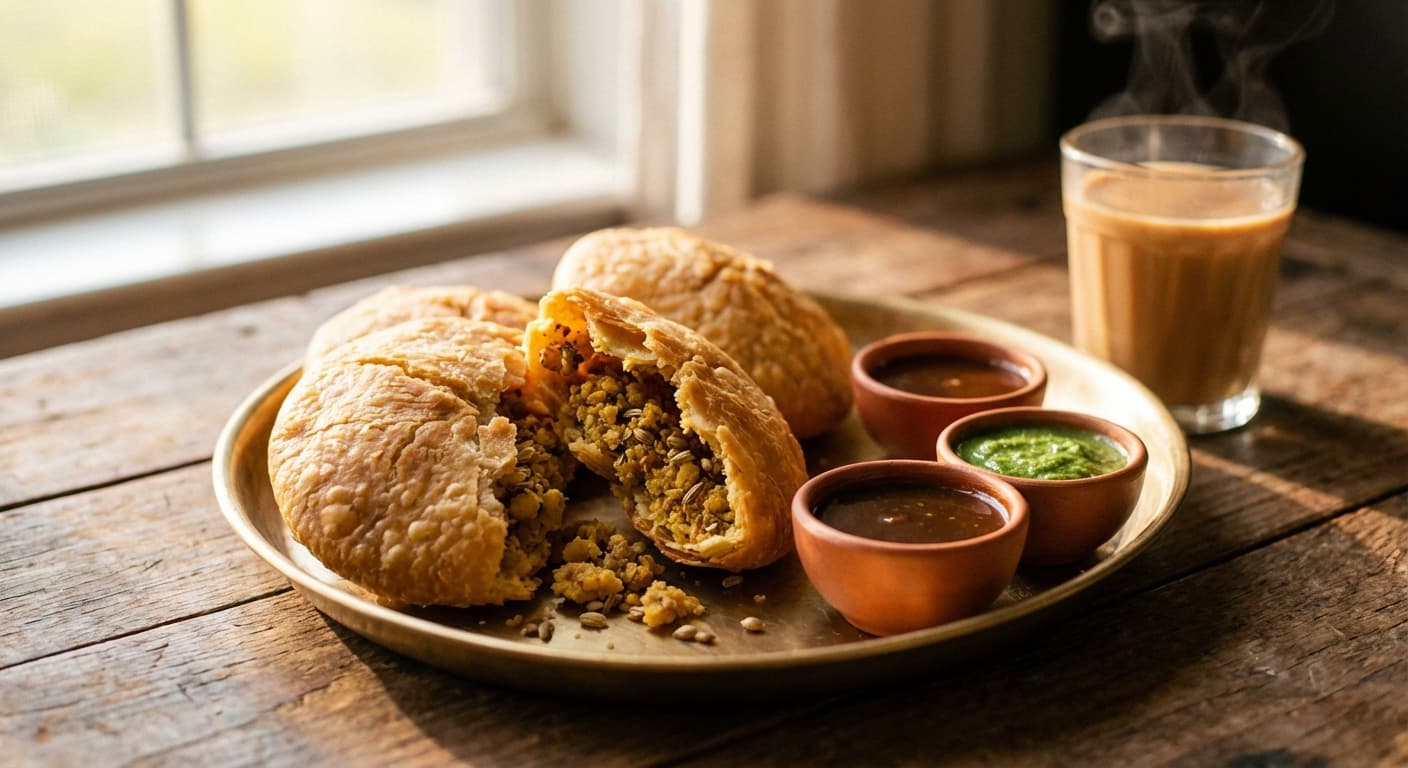
Kachori (कचौरी) — Flaky fried pastry stuffed with spiced moong dal
Indian · Appetizers · 70 min
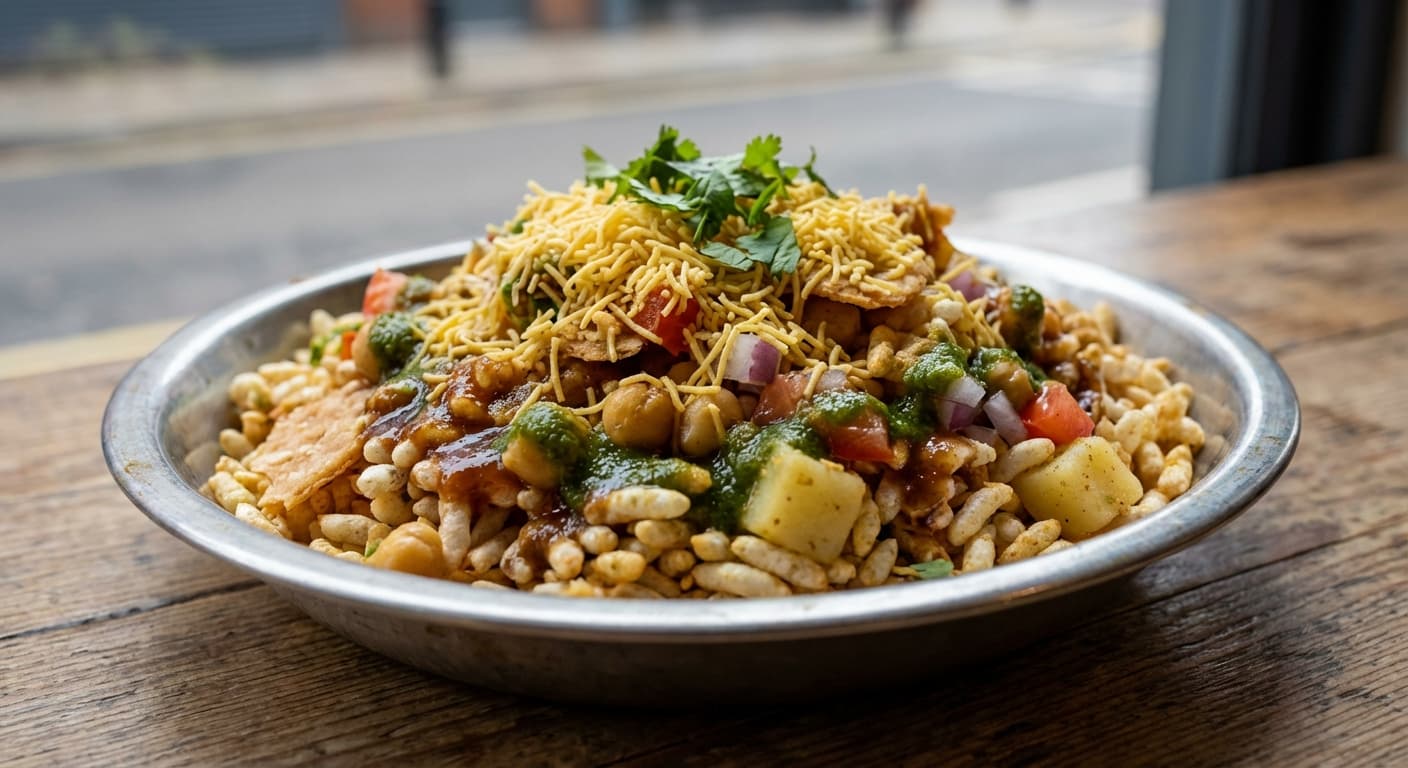
Bhel Puri (भेल पूरी) — Indian Puffed Rice Chaat with Tangy Chutneys
Indian · Appetizers · 30 min
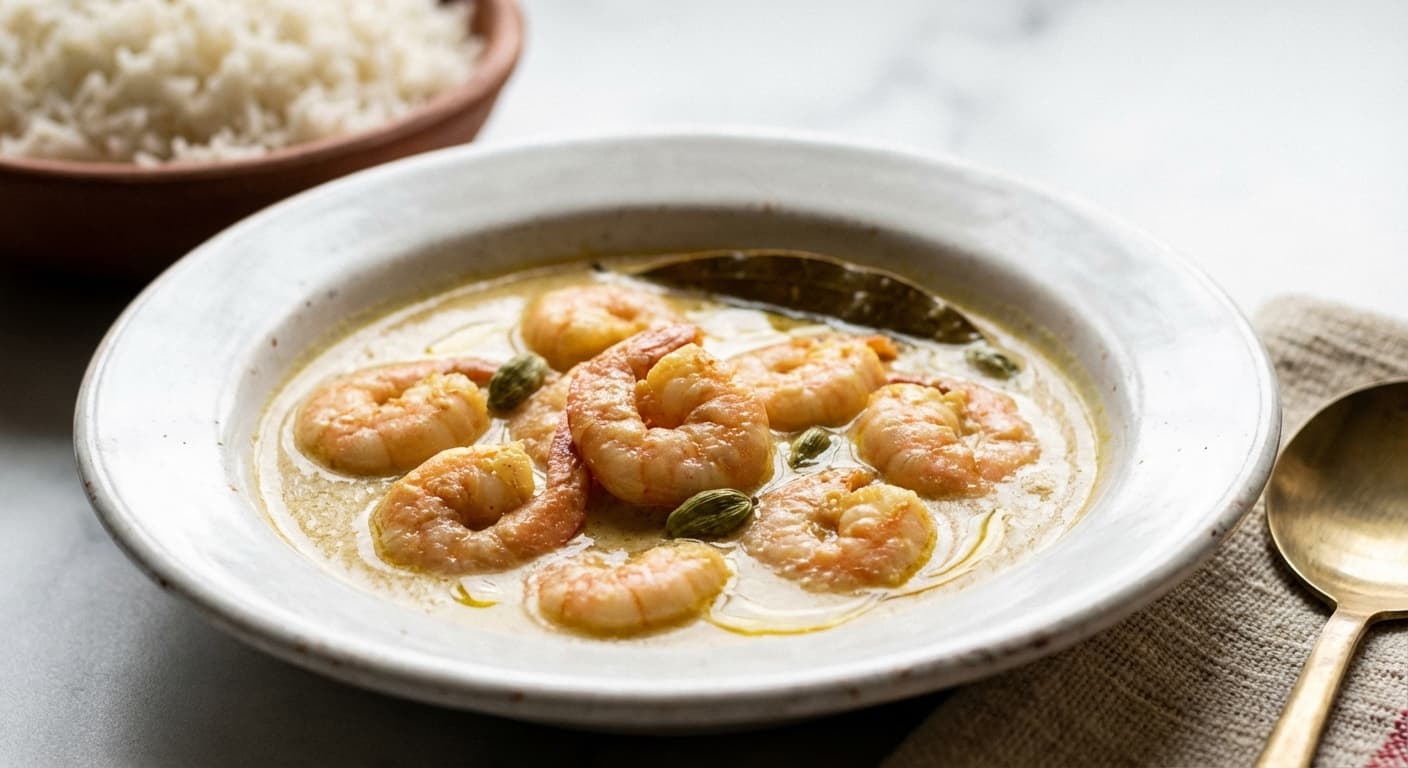
Chingri Malai Curry (চিংড়ি মালাই কারি) — Indian Prawns in Coconut Milk with Gentle Spices
Indian · Main Courses · 45 min
Crème Brûlée (Crème brûlée) — Classic Vanilla Custard with Caramelized Sugar
French · Desserts · 60 min
Tiramisu (Tiramisù) — Classic Coffee-Mascarpone Layered Dessert
Italian · Desserts · 35 min
Murgh-e Qorma (مرغ قورمه) — Afghan Chicken in Onion-Tomato Gravy
Afghan · Stews · 95 min
Bhapa Pitha (ভাপা পিঠা) — Steamed Rice Cakes with Coconut and Date Palm Jaggery
Bangladeshi · Desserts · 67 min
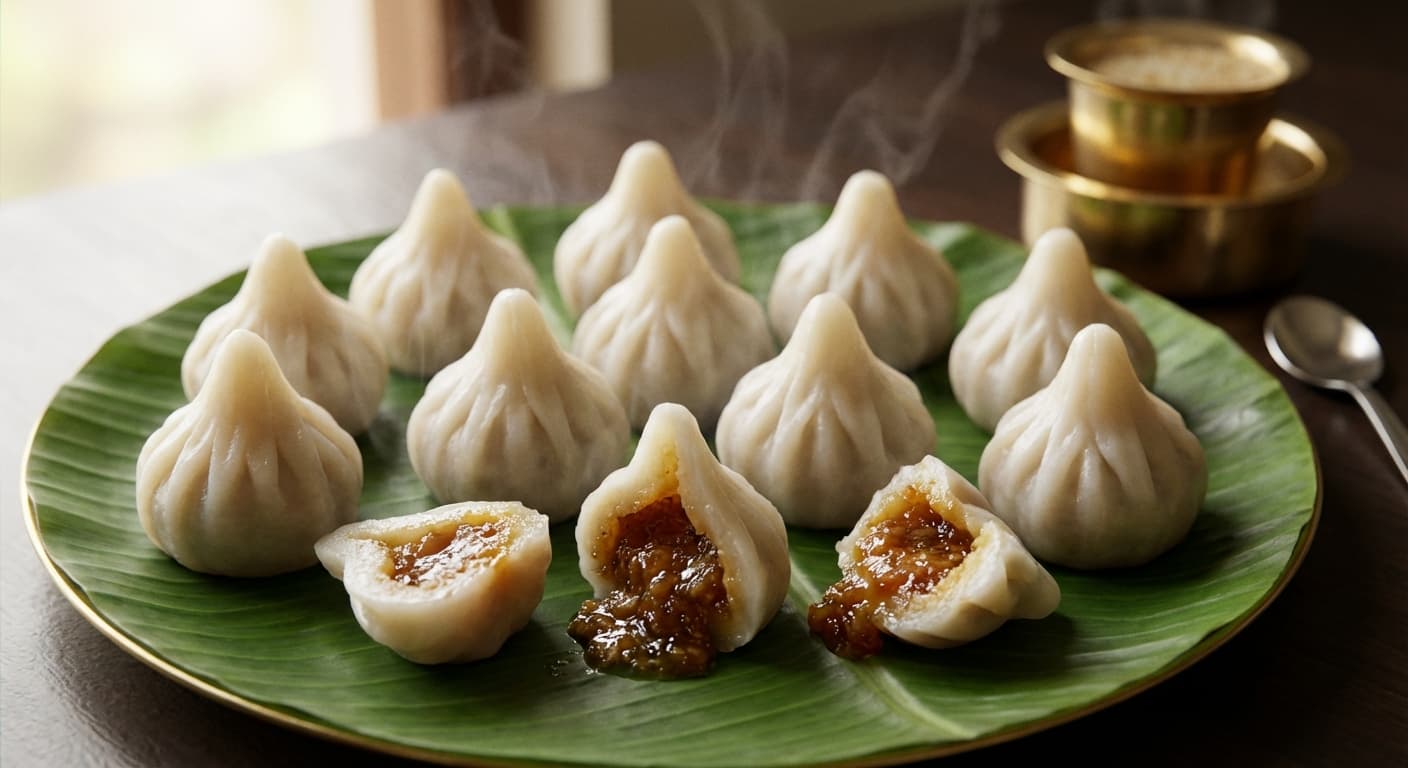
Kozhukattai (मोदक) — Indian Steamed Rice Dumplings with Sweet Coconut
Indian · Desserts · 65 min
Reviews
Cooked this recipe?
Tap the stars to rate it — that's all it takes. A few words are welcome but optional.
No ratings yet. Cooked this one? Be the first to rate it — it takes one tap.