Polish Pierogi Ruskie (Pierogi ruskie) — Potato-Cheese Dumplings
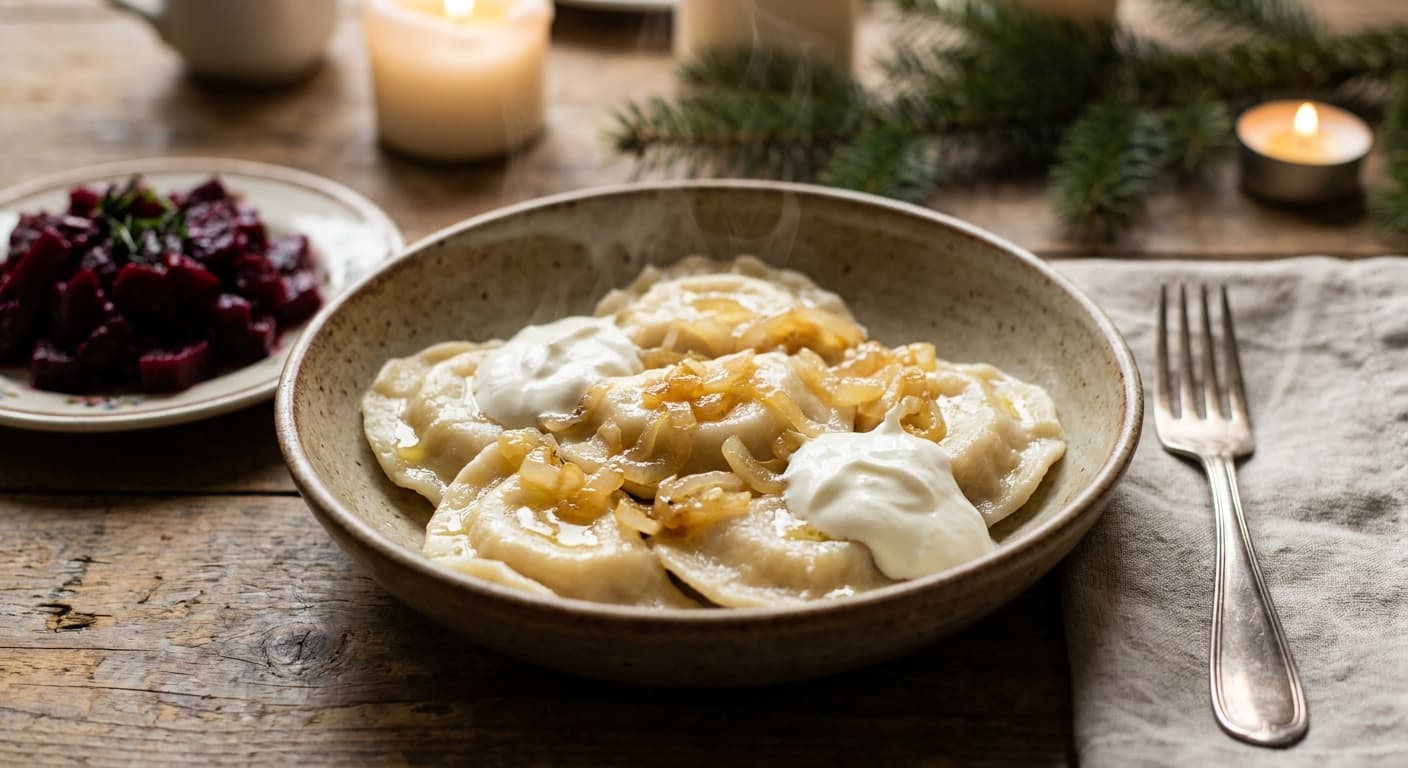
Pierogi ruskie are beloved Polish dumplings filled with potato, twaróg, onion, and black pepper. Despite the name, they come from the Ruthenian borderlands tradition and remain a comfort-food staple across Poland.
Printable Recipe Card
Servings: 6 · Total: 100 min · Difficulty: medium
Ingredients (quick list)
- 400 g all-purpose flour
- 6 g fine sea salt
- 1 large egg
- 180 ml warm water (about 45°C)
- 1 tbsp neutral oil
- 700 g starchy potatoes (peeled weight)
- 400 g twaróg or dry farmer cheese (well drained and crumbled)
- 2 yellow onion (finely diced, about 300 g total)
- 75 g unsalted butter
- 2 tsp freshly ground black pepper
- 180 g sour cream
- 4 l water
Steps (summary)
- Put the peeled potatoes in a saucepan, cover with cold water by 3 cm, and simmer until completely tender, about 18 minutes. Dra…
- Melt 45 g of the butter in a skillet over medium heat and add the diced onions. Cook for 10 to 12 minutes, stirring often, unti…
- Mix the warm mashed potatoes with the twaróg, 7 g salt, black pepper, and half of the cooked onions. Mash and fold until the fi…
- Combine the flour and 6 g salt in a large bowl, then add the egg, warm water, and oil. Stir into a shaggy dough, knead on a lig…
- Divide the rested dough into 2 portions and keep one portion covered while you work with the other. Roll the dough to about 2 m…
- Place about 18 g of filling in the center of each dough circle. Fold into a half-moon, press out trapped air, and seal the edge…
+ 3 more steps in the full instructions section below.
Cultural Background
Pierogi ruskie reflect Poland’s eastern borderland foodways, where potatoes, fresh cheese, and onions became a defining dumpling filling. They are everyday fare, Christmas Eve-friendly when served meatless, and a fixture of family gatherings.
Equipment
💡 Tips
- Use dry twaróg or farmer cheese; wet cheese makes the filling loose and can split the dough.
- Resting the dough is essential because it relaxes the gluten and makes rolling easier.
- Seal each pieróg carefully with dry hands; floury or wet edges prevent a strong seal.
⚠️ Common Mistakes
❌ Using watery potatoes or cheese
✅ Fix: Steam-dry the potatoes after draining and use well-drained twaróg or farmer cheese.
❌ Overfilling the dumplings
✅ Fix: Use about 18 g filling per wrapper so the seam can close without stretching or tearing.
❌ Boiling too aggressively
✅ Fix: Keep the water at a gentle boil so the pierogi move without bursting.
🧊 How to Store
Refrigerate boiled pierogi in a covered container for up to 3 days, lightly tossed with butter to prevent sticking. Reheat by pan-frying in butter over medium heat until hot and lightly golden.
📅 Make Ahead
Prepare the filling up to 2 days ahead and keep it refrigerated. Shaped raw pierogi can be frozen on a tray, then bagged and boiled directly from frozen with 1 to 2 extra minutes of cooking.
🍽️ Pairs Well With
- Sour cream
- browned onions
- cucumber salad
- beetroot salad
- clear barszcz.
Regional Variations
- In some eastern Polish homes, the filling is seasoned with more black pepper for a sharper finish.
- Some cooks omit egg from the dough and use only flour, warm water, salt, and a small amount of oil.
- In diaspora kitchens, dry cottage cheese is sometimes pressed and used when twaróg is unavailable.
Ingredients
- 400 gall-purpose flour
- 6 gfine sea salt
- 1large egg
- 180 mlwarm water (about 45°C)
- 1 tbspneutral oil
- 700 gstarchy potatoes (peeled weight)
- 400 gtwaróg or dry farmer cheese (well drained and crumbled)
- 2yellow onion (finely diced, about 300 g total)
- 75 gunsalted butter
- 2 tspfreshly ground black pepper
- 180 gsour cream
- 4 lwater
🔄 Substitutions
- twaróg→ dry farmer cheese
- starchy potatoes→ Yukon Gold potatoes
- sour cream→ plain Greek yogurt
Instructions
- 1
Put the peeled potatoes in a saucepan, cover with cold water by 3 cm, and simmer until completely tender, about 18 minutes. Drain very well, return them to the hot pan for 1 minute to steam off moisture, then mash until smooth and let them cool until warm rather than hot.
- 2
Melt 45 g of the butter in a skillet over medium heat and add the diced onions. Cook for 10 to 12 minutes, stirring often, until the onions are soft, sweet, and lightly golden rather than crisp.
- 3
Mix the warm mashed potatoes with the twaróg, 7 g salt, black pepper, and half of the cooked onions. Mash and fold until the filling is cohesive but still slightly rustic, then taste for balance before shaping the dumplings.
- 4
Combine the flour and 6 g salt in a large bowl, then add the egg, warm water, and oil. Stir into a shaggy dough, knead on a lightly floured surface for 7 to 9 minutes until smooth and elastic, then cover and rest for 30 minutes.
- 5
Divide the rested dough into 2 portions and keep one portion covered while you work with the other. Roll the dough to about 2 mm thick and cut circles with a 7.5 cm cutter, gathering and rerolling scraps only once to keep the dough tender.
- 6
Place about 18 g of filling in the center of each dough circle. Fold into a half-moon, press out trapped air, and seal the edges firmly with your fingertips, making sure no filling sits in the seam.
- 7
Bring 4 l water and 12 g salt to a gentle boil in a wide pot. Boil the pierogi in batches of 10 to 12, stirring once after adding them, and cook for 2 to 3 minutes after they float to the surface.
- 8
Lift the cooked pierogi with a slotted spoon and transfer them to a warm platter. Toss gently with the remaining 30 g butter so they do not stick, then spoon over the reserved buttery onions.
- 9
Serve the pierogi hot with sour cream on the side. For a traditional pan-fried finish, chill the boiled pierogi briefly, then brown them in a buttered skillet for 2 minutes per side until lightly crisp.
🪪 Recipe Passport
Cultural Background
Pierogi ruskie reflect Poland’s eastern borderland foodways, where potatoes, fresh cheese, and onions became a defining dumpling filling. They are everyday fare, Christmas Eve-friendly when served meatless, and a fixture of family gatherings.
Regional Variations
Researched from multiple sources and validated by the Zaffaron editorial team. Every recipe is tested for accuracy, measurements, and cultural authenticity.
📚 Sources & Cultural References
- Anne Applebaum and Danielle Crittenden — From a Polish Country House Kitchen — (2012)
- Maria Lemnis and Henryk Vitry — Old Polish Traditions in the Kitchen and at the Table — (1996)
Sources cited by the Zaffaron editorial team during recipe research. Cultural and culinary references supporting authenticity claims.
Nutrition per serving
Pairs well with
If you enjoyed this recipe, here are a few related Zaffaron recipes to try next.
Does your family make this differently?
Every family has their own version. Maybe your grandmother adds a secret ingredient, or your aunt has a completely different technique. Preserve your family's version — with their name on it, forever.
You Might Also Like
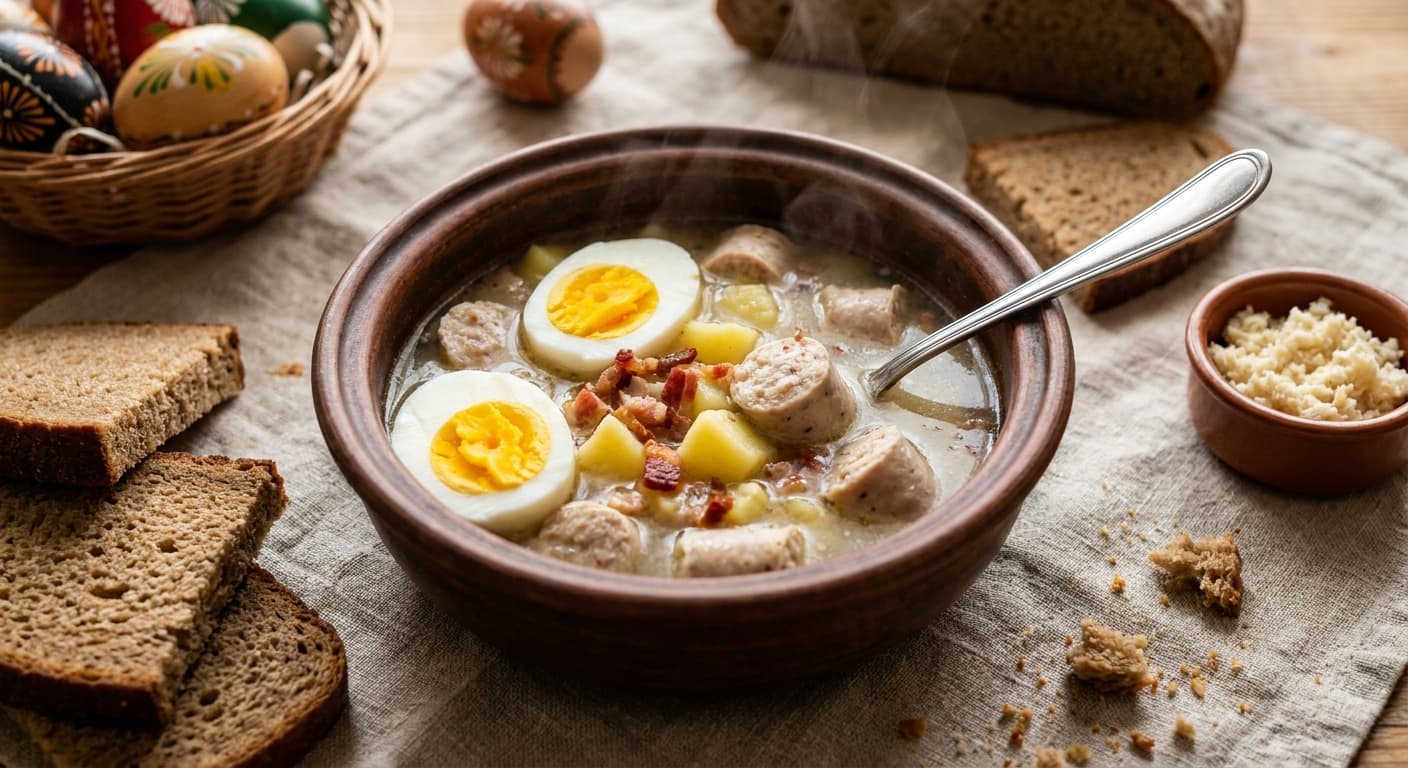
Polish Sour Rye Soup (Żurek) — Tangy Easter Sausage Soup
Polish · Soups · 80 min
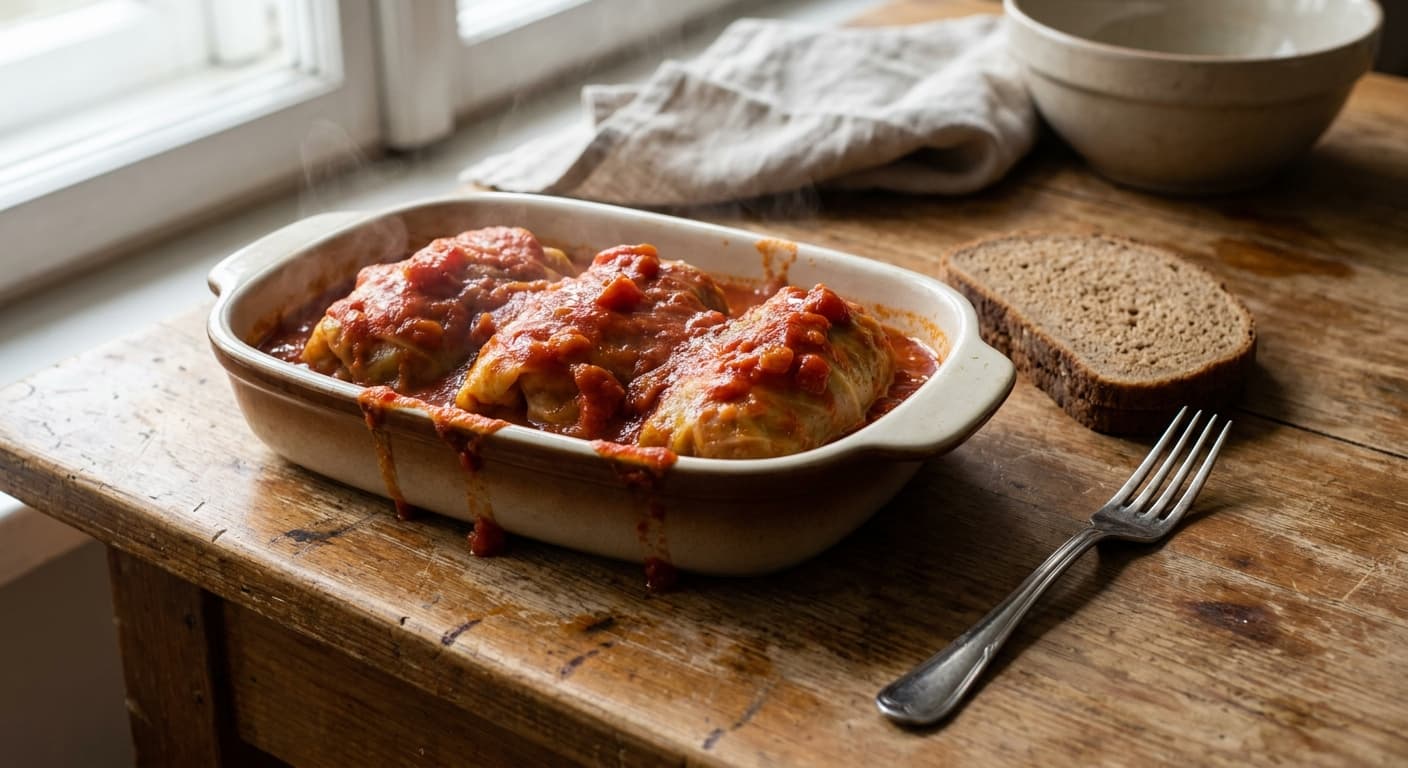
Polish Stuffed Cabbage Rolls (Gołąbki) — Tender Cabbage Rolls in Tomato Sauce
Polish · Main Courses · 135 min
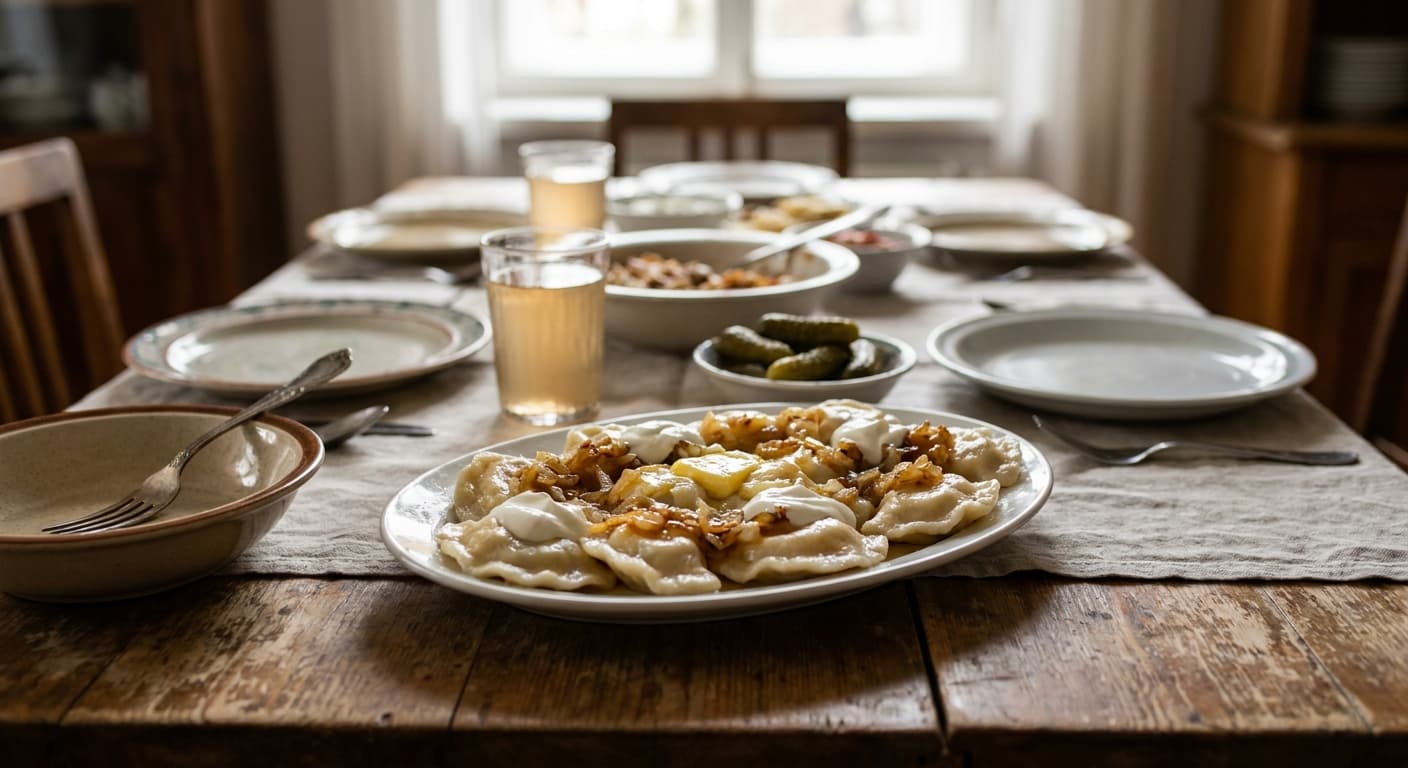
Potato and Cheese Pierogi (Pierogi ruskie) — Polish Dumplings with Farmer Cheese
Polish · Main Courses · 95 min
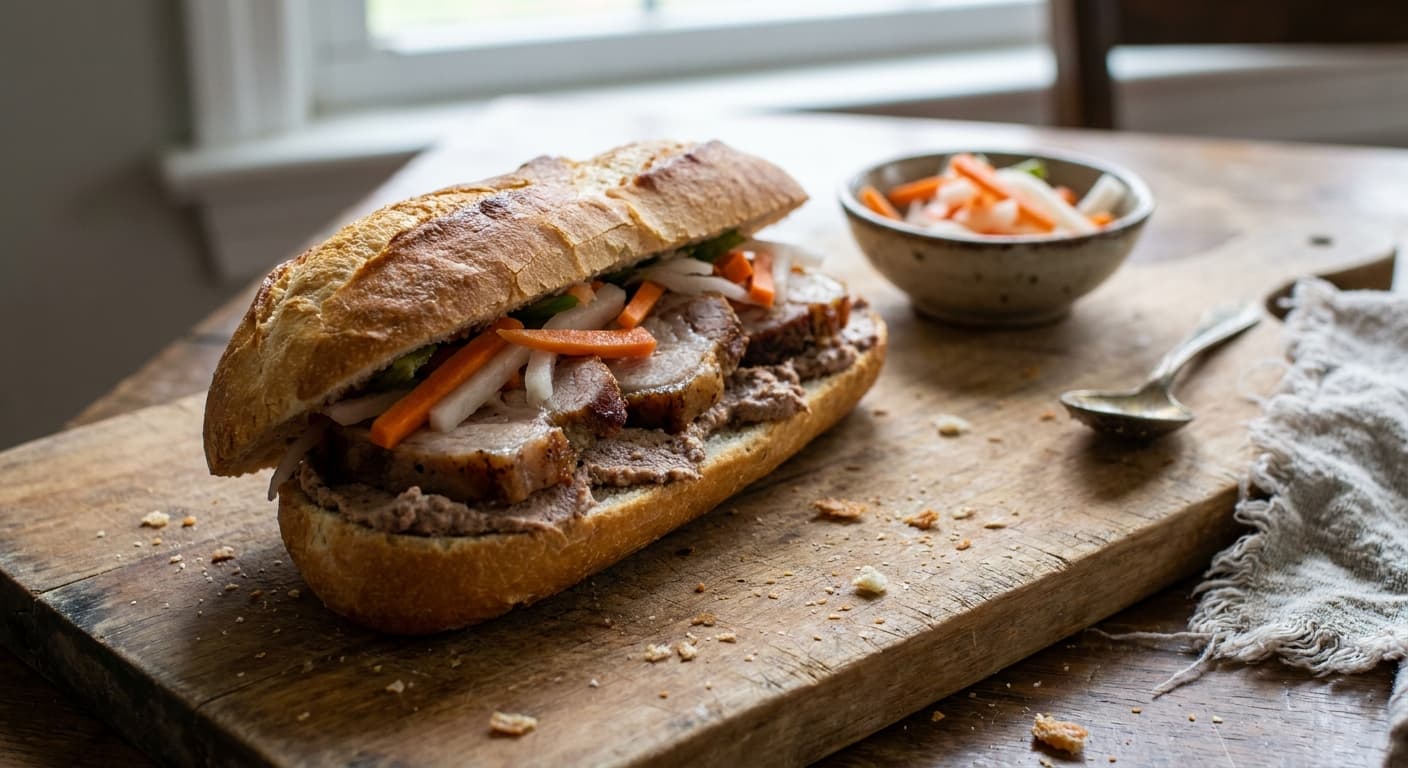
Num Pang Pate (នំប៉័ងប៉ាតេ) — Cambodian Baguette with Pate and Pickles
Cambodian · Main Courses · 60 min
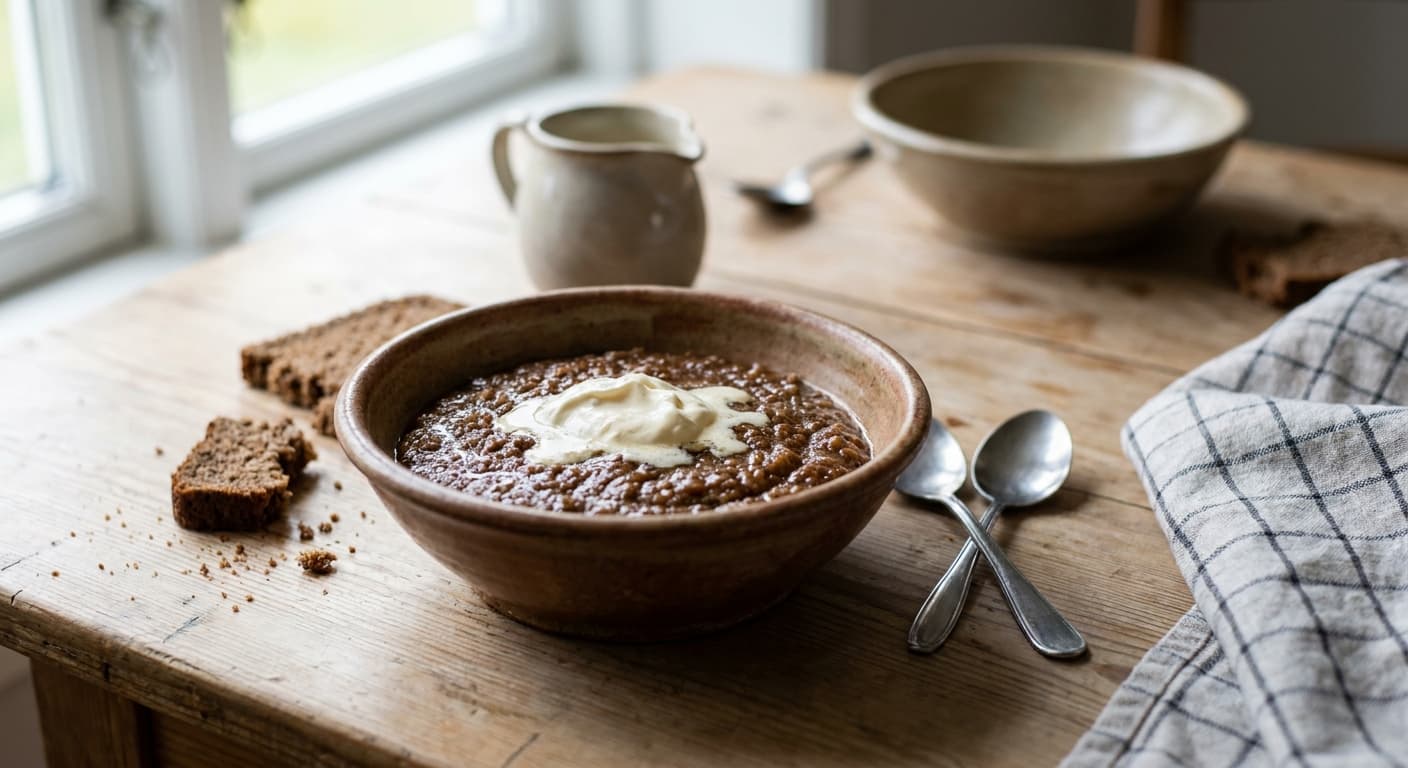
Rye Bread and Beer Porridge (Øllebrød) — Traditional Danish Breakfast
Danish · Main Courses · 65 min
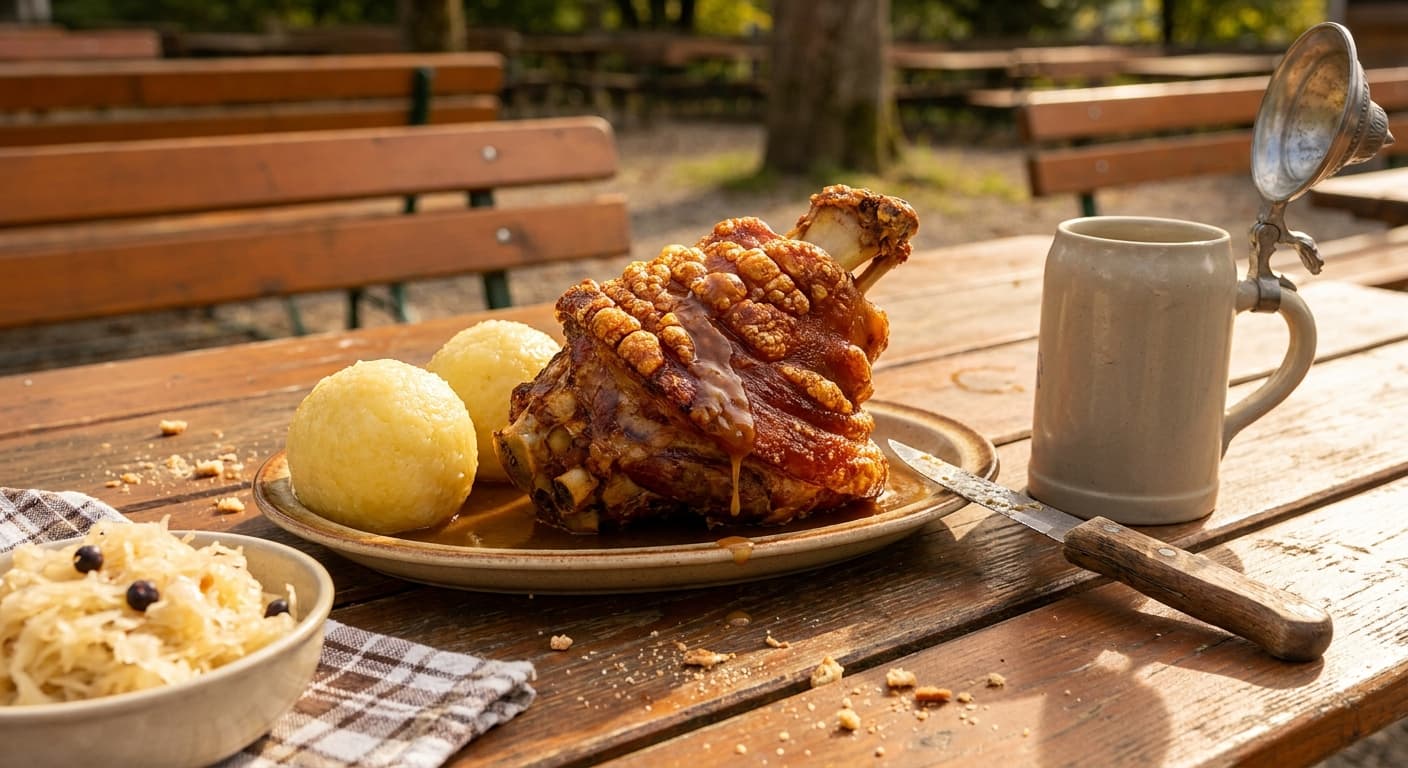
Bavarian Schweinshaxe (Schweinshaxe) — Crispy Roasted Pork Knuckle
German · Main Courses · 235 min
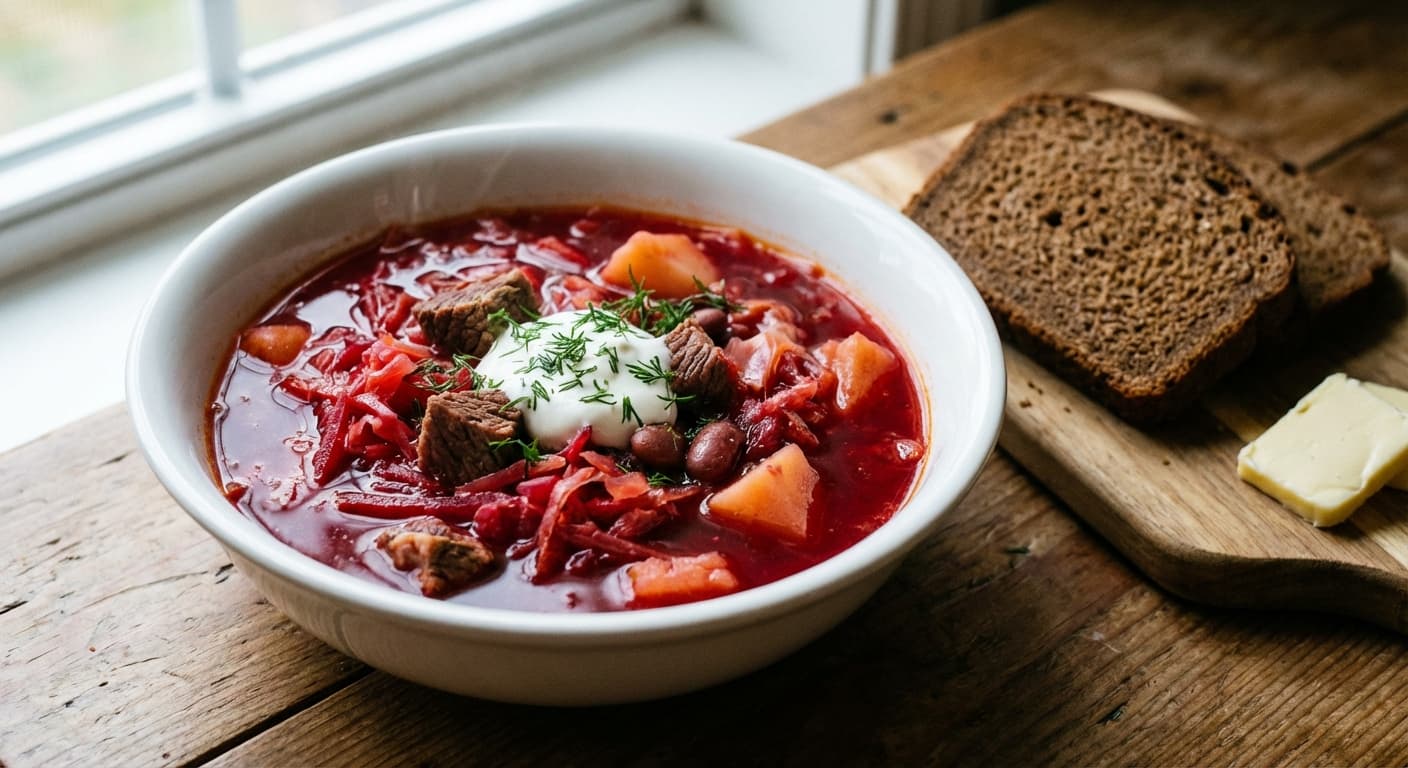
Borscht (Борщ) — Russian Beet and Beef Soup
Russian · Soups · 185 min
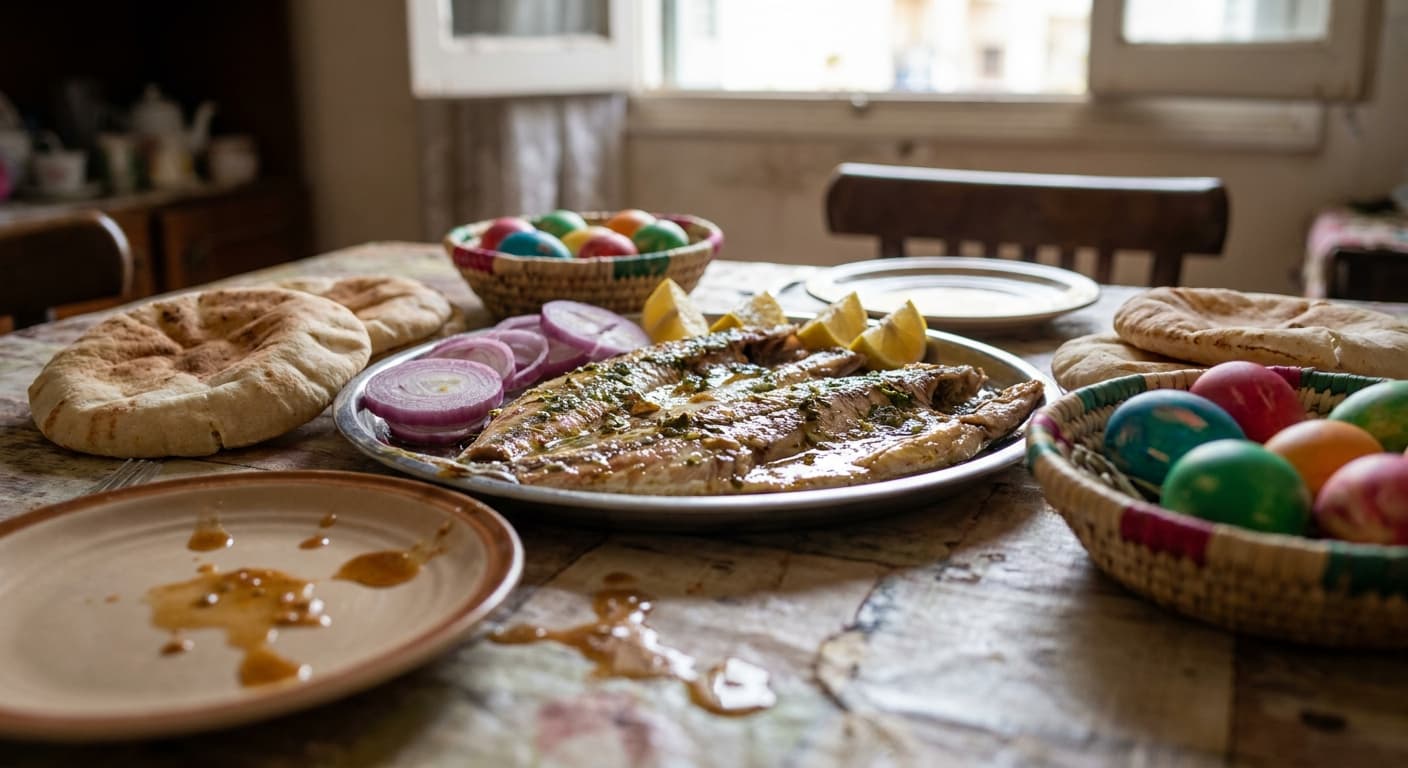
Feseekh (فسيخ) — Egyptian Salt-Cured Mullet for Sham el-Nessim
Egyptian · Main Courses · 30 min
Reviews
Cooked this recipe?
Tap the stars to rate it — that's all it takes. A few words are welcome but optional.
No ratings yet. Cooked this one? Be the first to rate it — it takes one tap.