Tsuivan (Цуйван) — Mongolian Steamed Noodles with Meat and Vegetables
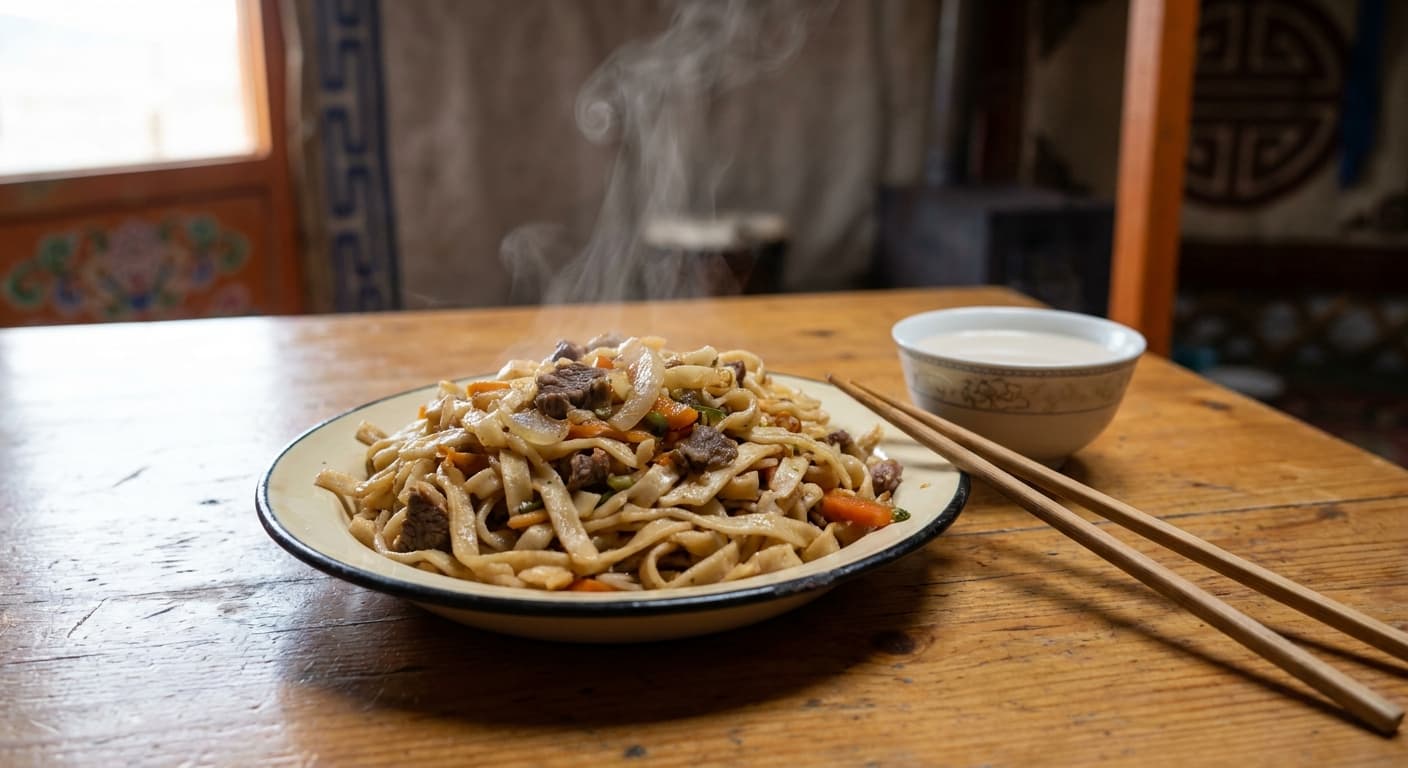
Tsuivan is a hearty Mongolian one-pan noodle dish made by steaming hand-cut dough over meat and vegetables. Unlike guriltai shul, it cooks mostly dry, so the noodles absorb lamb juices and become chewy, savory, and deeply satisfying.
Printable Recipe Card
Servings: 4 · Total: 80 min · Difficulty: medium
Ingredients (quick list)
- 360 g all-purpose flour
- 180 ml warm water
- 4 g fine salt
- 1 tbsp sunflower oil (for coating the rolled dough)
- 500 g boneless lamb shoulder (mutton may be used for a stronger traditional flavor)
- 180 g yellow onion (thinly sliced)
- 200 g carrots (cut into matchsticks)
- 250 g green cabbage (thinly sliced)
- 220 g potato (peeled and cut into thin batons)
- 2 clove garlic (finely chopped)
- 1 tsp black pepper (freshly ground)
- 350 ml water
Steps (summary)
- Mix the flour and 4 g salt in a bowl, then add the warm water gradually while stirring with your fingers or chopsticks. Knead f…
- Roll the rested dough into a rectangle about 2 mm thick, brush the surface with 1 tbsp sunflower oil, and fold it loosely into…
- Cut the lamb shoulder into thin strips about 5 cm long and 5 mm thick so it cooks quickly and stays tender. Heat 1.5 tbsp sunfl…
- Add the onion and cook for 4 minutes, scraping the browned bits from the pot as the onion softens. Stir in the garlic, carrots,…
- Pour in 350 ml water and bring it to a steady simmer, making sure the liquid sits just below the top of the meat and vegetables…
- Turn off the heat and let the covered pot stand for 5 minutes so the noodles finish absorbing steam and lamb juices. Toss every…
Cultural Background
As Boldoo Bayar records in Mongolian Cooking, dishes built from meat, flour, and simple vegetables define practical home cooking on the steppe. Tsuivan turns the same staples found near buuz and khuushuur into an everyday family meal.
Equipment
💡 Tips
- Keep the lid tightly closed while the noodles steam, because lost steam will leave the top noodles dry and undercooked.
- Slice the meat thinly across the grain; tsuivan is quick-cooked, and thick pieces of lamb can toughen before the noodles are done.
- If the pot is very wide, reduce the heat once the liquid simmers so the bottom does not scorch before the noodles steam through.
⚠️ Common Mistakes
❌ Adding too much water before steaming the noodles
✅ Fix: Keep the liquid just below the vegetables so the noodles steam rather than boil into a soup.
❌ Rolling the dough too thick
✅ Fix: Roll to about 2 mm thick so the noodles cook through during the covered steaming time.
❌ Stirring the noodles into the pot too early
✅ Fix: Lay them on top and toss only after resting, because early stirring makes the noodles clump and break.
🧊 How to Store
Refrigerate leftovers in an airtight container for up to 3 days. Reheat in a covered skillet with 2 tbsp water per serving over medium-low heat for 6 to 8 minutes, tossing once the noodles loosen.
📅 Make Ahead
The dough can be mixed and rested up to 12 hours ahead in the refrigerator. Bring it to room temperature for 30 minutes before rolling, and slice the vegetables up to 1 day ahead.
🍽️ Pairs Well With
- Suutei tsai
- cucumber salad
- pickled vegetables
- aaruul.
Regional Variations
- Some households use mutton with more fat for a stronger countryside flavor.
- Urban versions may include bell pepper or a small amount of soy sauce, though the core dish remains meat, flour, onion, and vegetables.
- In colder seasons, cooks may increase potato and reduce cabbage for a heavier, more filling tsuivan.
Ingredients
- 360 gall-purpose flour
- 180 mlwarm water
- 4 gfine salt
- 1 tbspsunflower oil (for coating the rolled dough)
- 500 gboneless lamb shoulder (mutton may be used for a stronger traditional flavor)
- 180 gyellow onion (thinly sliced)
- 200 gcarrots (cut into matchsticks)
- 250 ggreen cabbage (thinly sliced)
- 220 gpotato (peeled and cut into thin batons)
- 2 clovegarlic (finely chopped)
- 1 tspblack pepper (freshly ground)
- 350 mlwater
🔄 Substitutions
- boneless lamb shoulder→ beef chuck
- sunflower oil→ rendered sheep tail fat
- green cabbage→ white cabbage
Instructions
- 1
Mix the flour and 4 g salt in a bowl, then add the warm water gradually while stirring with your fingers or chopsticks. Knead for 8 minutes until the dough is firm, smooth, and only slightly tacky, then cover it and rest it for 20 minutes so the gluten relaxes.
- 2
Roll the rested dough into a rectangle about 2 mm thick, brush the surface with 1 tbsp sunflower oil, and fold it loosely into layers. Slice it into 6 mm-wide noodles, then gently shake the strands apart without stretching them too thin; these hand-cut noodles are central to authentic tsuivan.
- 3
Cut the lamb shoulder into thin strips about 5 cm long and 5 mm thick so it cooks quickly and stays tender. Heat 1.5 tbsp sunflower oil in a heavy pot or deep skillet over medium-high heat, then brown the lamb for 6 minutes until its edges take on color and the fat begins to render.
- 4
Add the onion and cook for 4 minutes, scraping the browned bits from the pot as the onion softens. Stir in the garlic, carrots, cabbage, potato, 8 g salt, and black pepper, then cook for 5 minutes until the vegetables are glossy and slightly collapsed.
- 5
Pour in 350 ml water and bring it to a steady simmer, making sure the liquid sits just below the top of the meat and vegetables. Spread the cut noodles evenly over the surface without stirring them into the liquid, cover tightly, and steam over low heat for 18 minutes; this dry-steaming method distinguishes tsuivan from soupy guriltai shul.
- 6
Turn off the heat and let the covered pot stand for 5 minutes so the noodles finish absorbing steam and lamb juices. Toss everything together from the bottom upward until the noodles are coated, then serve hot with suutei tsai or a simple side of aaruul if desired.
🪪 Recipe Passport
Cultural Background
As Boldoo Bayar records in Mongolian Cooking, dishes built from meat, flour, and simple vegetables define practical home cooking on the steppe. Tsuivan turns the same staples found near buuz and khuushuur into an everyday family meal.
Regional Variations
Researched from multiple sources and validated by the Zaffaron editorial team. Every recipe is tested for accuracy, measurements, and cultural authenticity.
📚 Sources & Cultural References
- Boldoo Bayar — Mongolian Cooking
Sources cited by the Zaffaron editorial team during recipe research. Cultural and culinary references supporting authenticity claims.
Nutrition per serving
Pairs well with
If you enjoyed this recipe, here are a few related Zaffaron recipes to try next.
Does your family make this differently?
Every family has their own version. Maybe your grandmother adds a secret ingredient, or your aunt has a completely different technique. Preserve your family's version — with their name on it, forever.
You Might Also Like
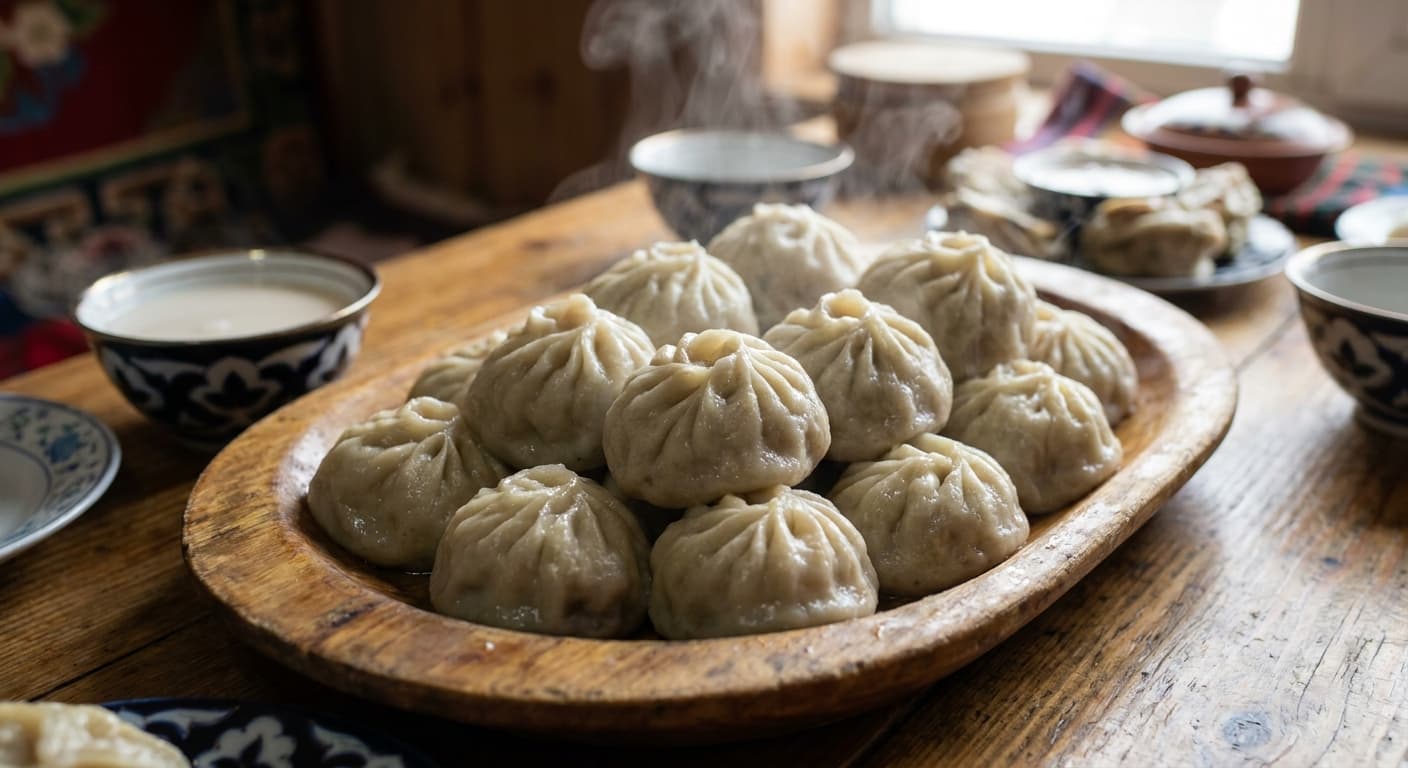
Mongolian Buuz (Бууз) — Steamed Meat Dumplings
Mongolian · Main Courses · 77 min
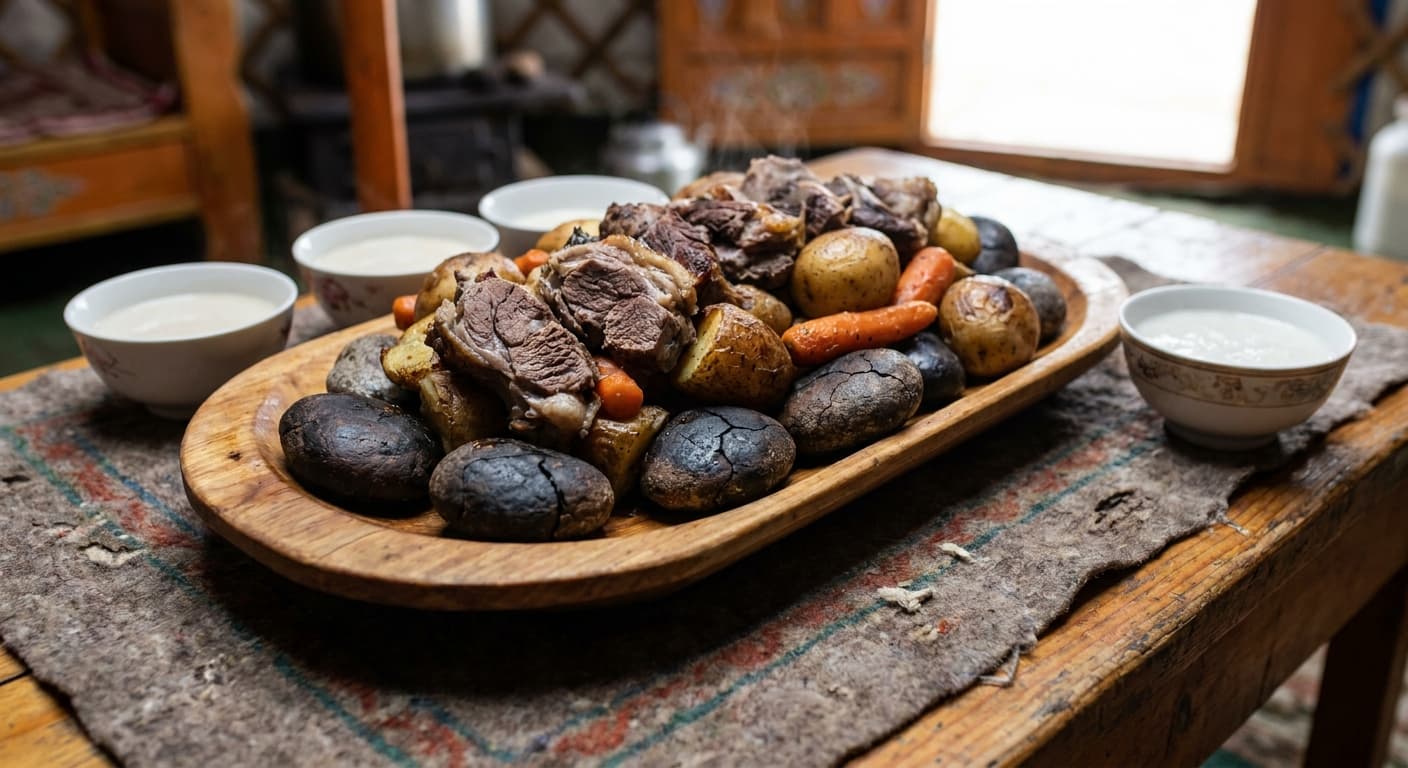
Boodog (Боодог) — Mongolian Hot-Stone Goat Roast
Mongolian · Main Courses · 180 min
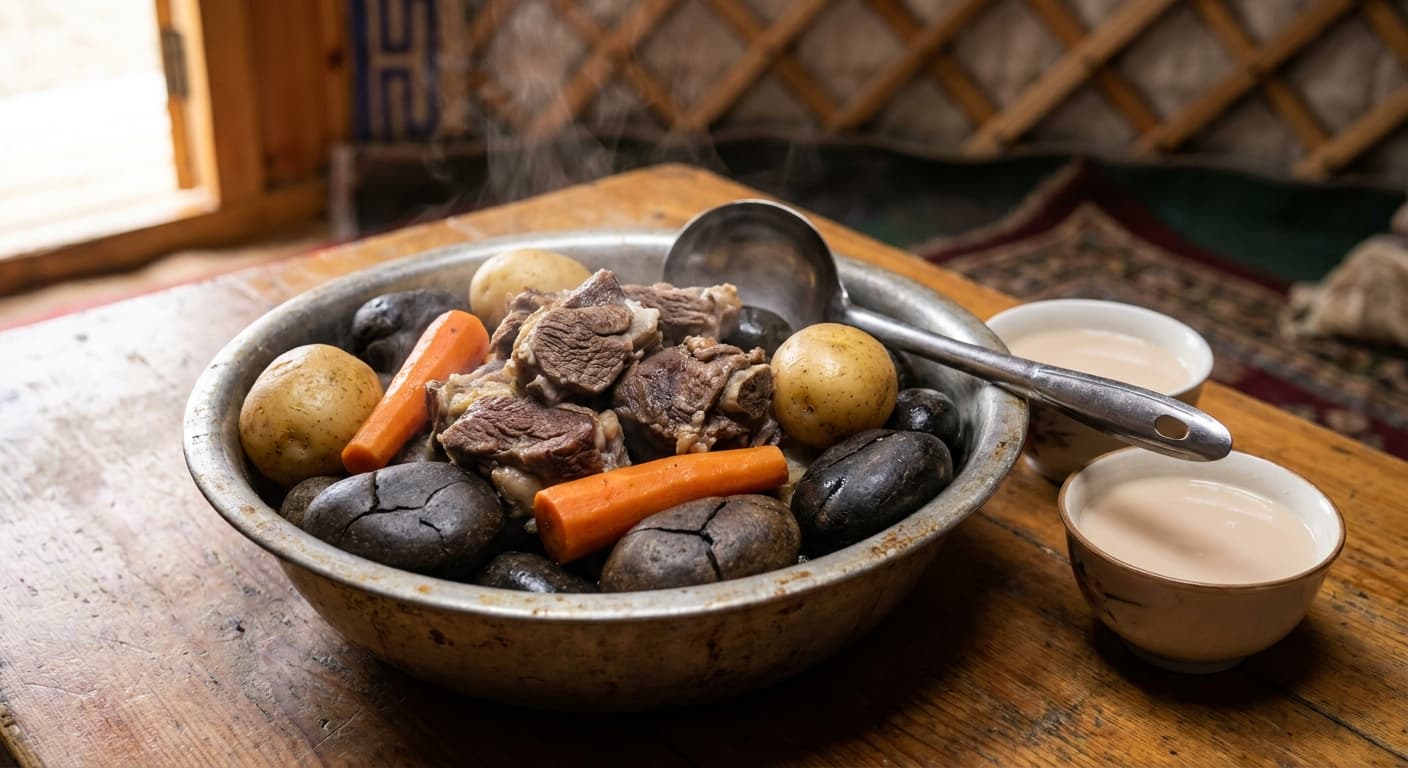
Khorkhog (Хорхог) — Mongolian Hot-Stone Lamb Stew
Mongolian · Main Courses · 130 min
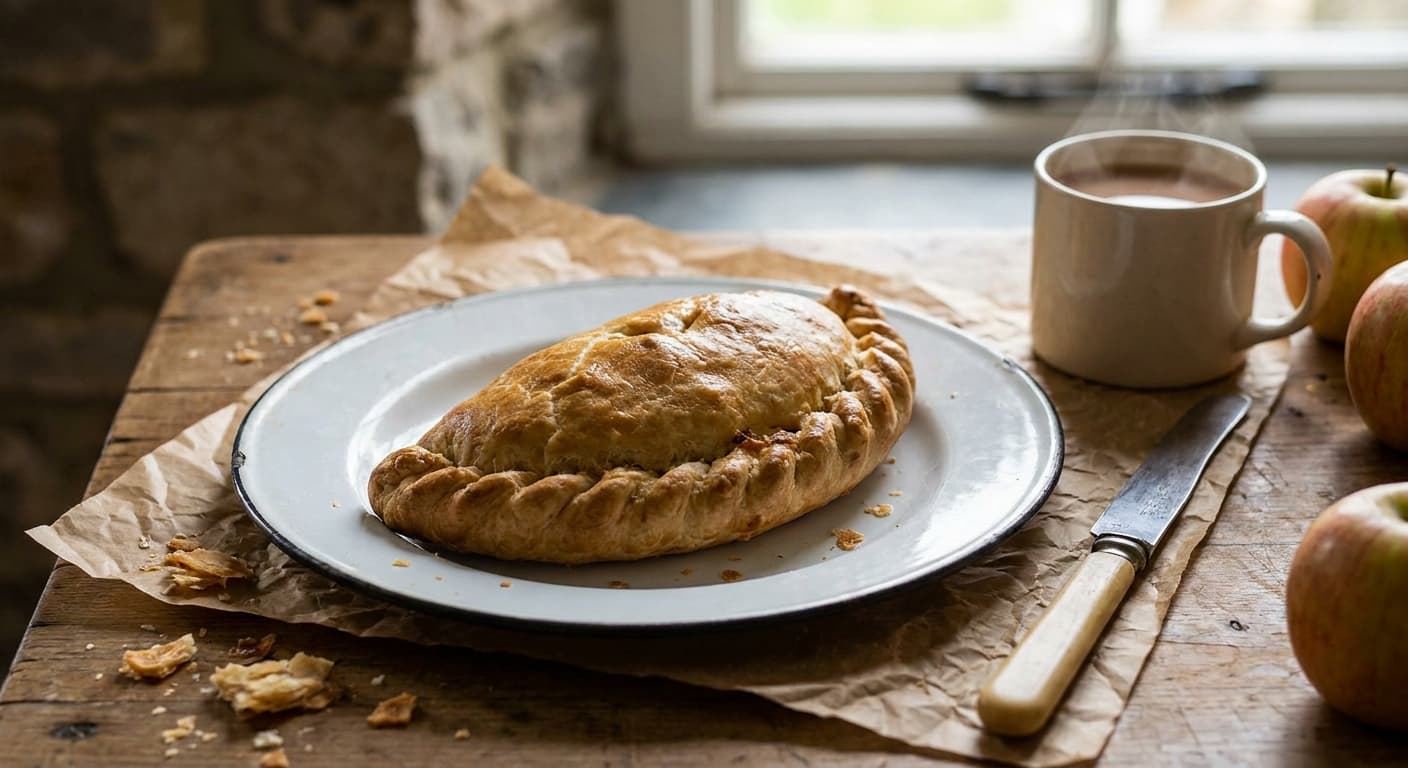
Cornish Pasty (Cornish Pasty) — Traditional Beef and Swede Hand Pie
British · Main Courses · 100 min
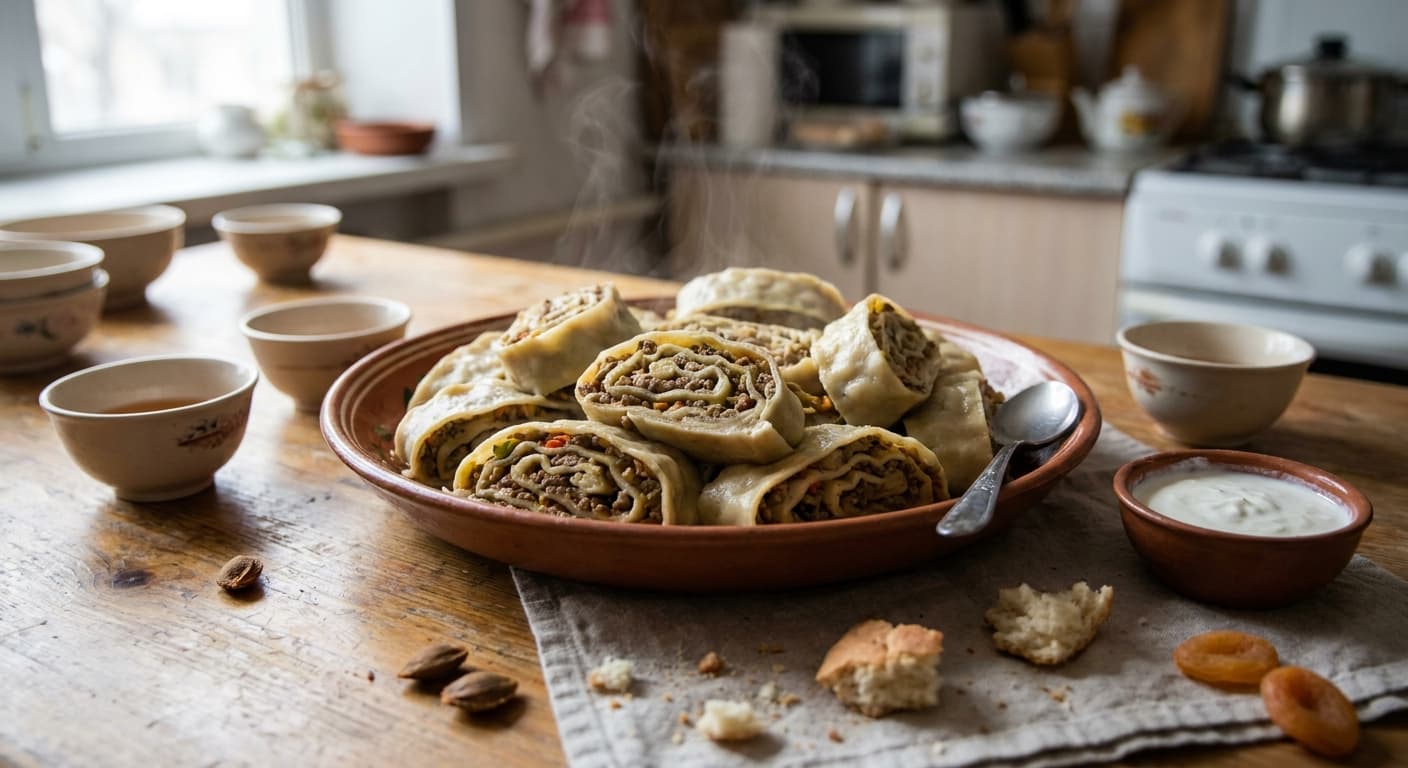
Orromo (Оромо) — Kyrgyz Steamed Rolled Dumpling with Lamb and Pumpkin
Kyrgyz · Main Courses · 105 min
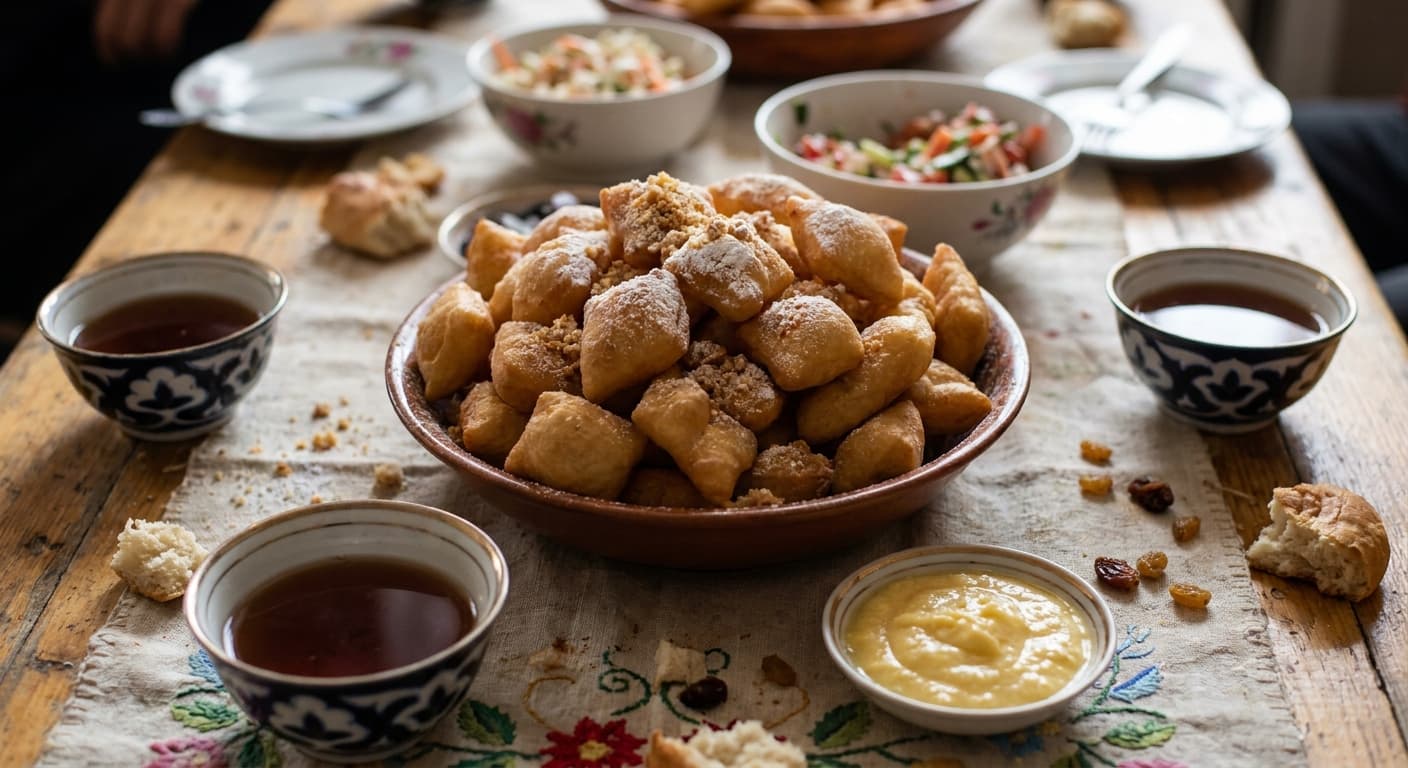
Boorsok (Боорсок) — Kyrgyz Fried Celebration Bread
Kyrgyz · Breads · 120 min
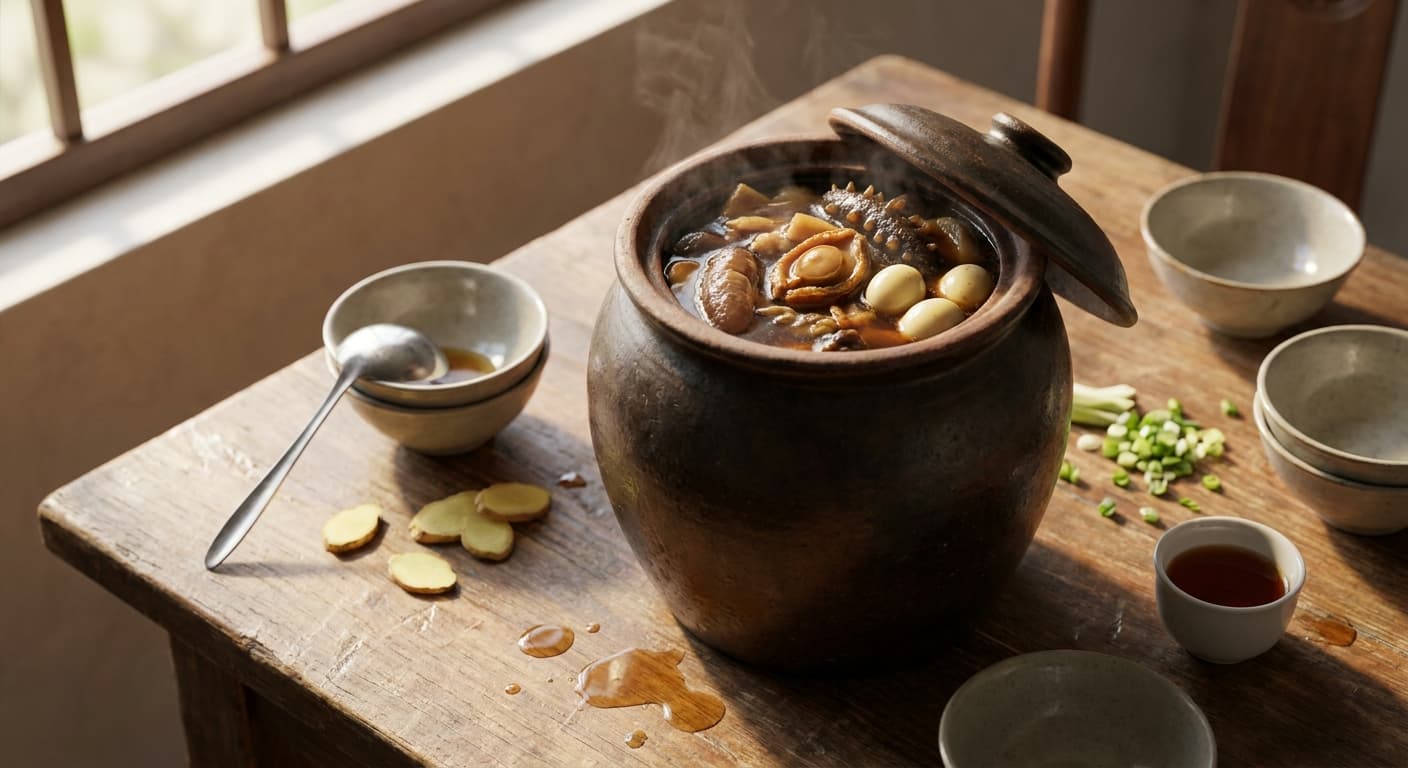
Buddha Jumps Over the Wall (佛跳墙) — Fujian Banquet Treasure Soup
Chinese · Soups · 540 min
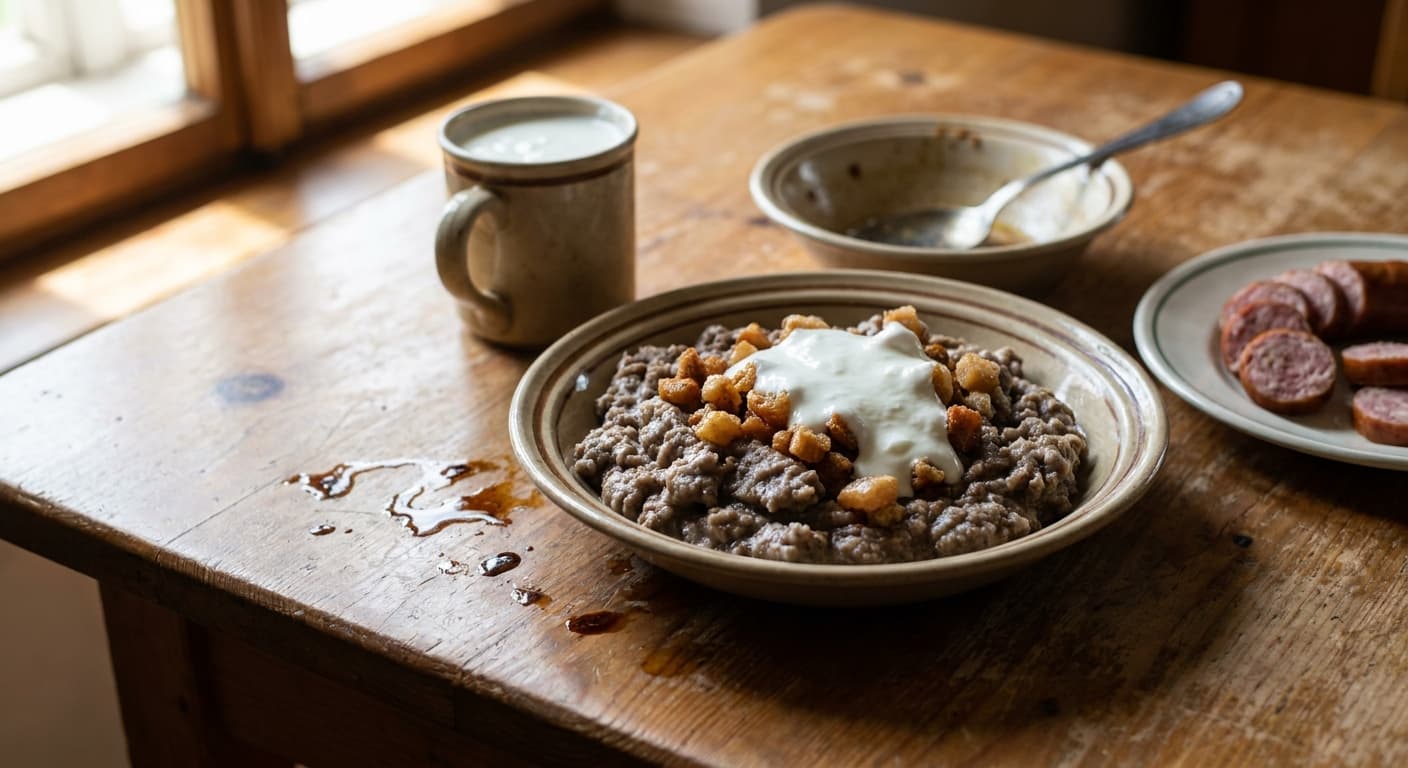
Buckwheat Žganci (Ajdovi žganci) — Slovenian Buckwheat Crumbs with Cracklings
Slovenian · Side Dishes · 45 min
Reviews
Cooked this recipe?
Tap the stars to rate it — that's all it takes. A few words are welcome but optional.
No ratings yet. Cooked this one? Be the first to rate it — it takes one tap.