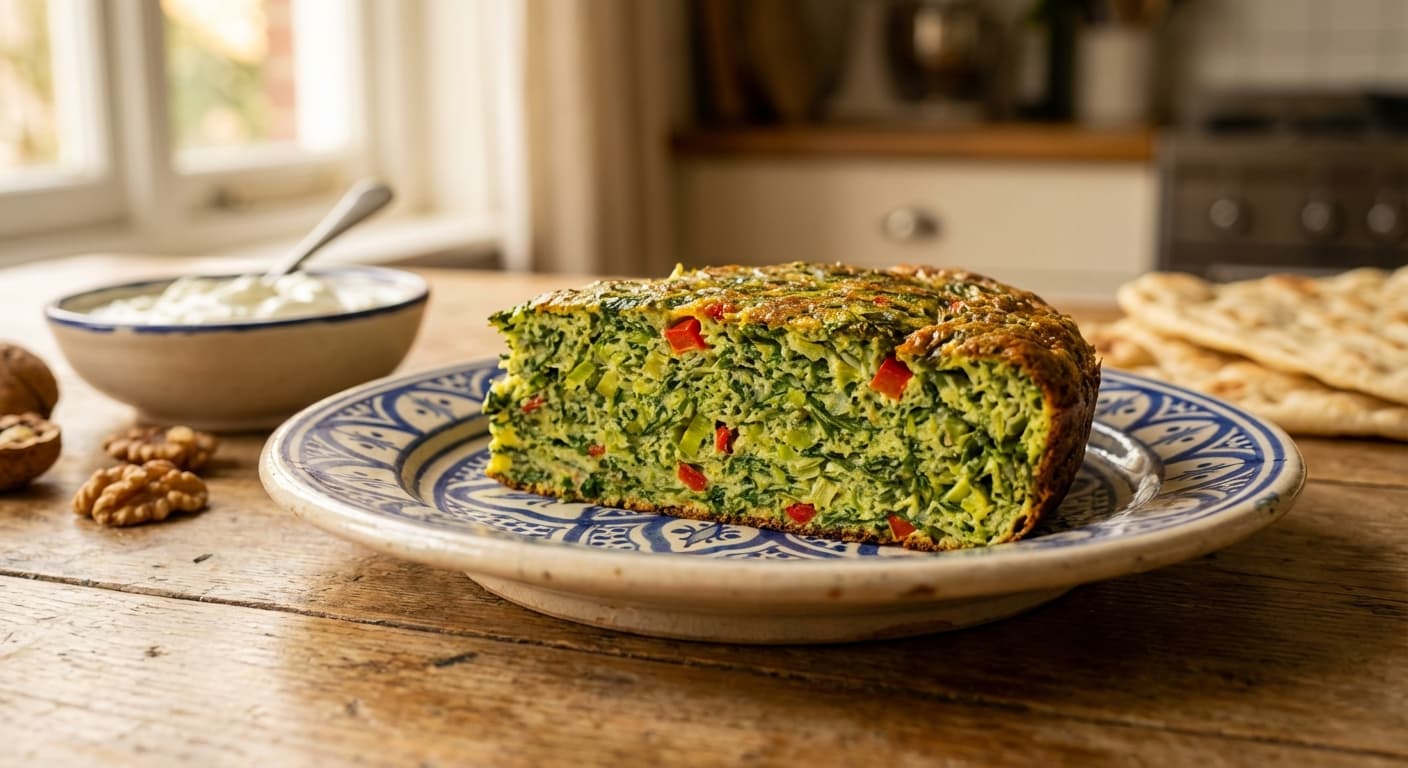
Kuku Sabzi (کوکو سبزی) — Persian Winter Herb Frittata
A fluffy Persian herb frittata packed with winter greens. Leeks and spinach bring earthy depth, while basil, parsley, cumin, and red bell pepper add aroma and color. Ideal warm or room temperature.
Printable Recipe Card
Servings: 6 · Total: 50 min · Difficulty: easy
Ingredients (quick list)
- 250 g Leeks (white and light-green parts only), thinly sliced (Rinse thoroughly to remove grit; slice into 3–5 mm rounds)
- 200 g Baby spinach leaves (Washed and dried well)
- 120 g Red bell pepper, finely diced (About 1/2 large pepper; 5 mm dice)
- 60 g Fresh parsley, finely chopped (Leaves and tender stems)
- 25 g Fresh basil, finely chopped (Pack loosely; avoid bruising)
- 8 each Large eggs (Room temperature for best volume)
- 1 tsp Ground cumin (Freshly opened if possible)
- 1.25 tsp Fine sea salt (Adjust slightly if using kosher salt)
- 0.5 tsp Black pepper, freshly ground
- 60 ml Olive oil (Divided: for sautéing and pan/oiling the top)
Steps (summary)
- Heat the oven to 190°C / 375°F with a rack in the middle. Place a 24 cm (10-inch) oven-safe skillet inside for 5 minutes to pre…
- Carefully remove the hot skillet and set over medium heat. Add 30 ml olive oil, then sauté leeks with 1/4 teaspoon of the salt…
- In a large bowl, whisk the eggs vigorously for 45–60 seconds until slightly foamy. Whisk in ground cumin, remaining salt, and b…
- Return the skillet to medium heat and add 15 ml olive oil, swirling to coat the bottom and sides. Pour in the egg mixture and s…
- Transfer the skillet to the oven and bake at 190°C / 375°F for 10–14 minutes, until the center reaches 71°C / 160°F and no long…
Cultural Background
Kuku sabzi is a widely loved Persian herb frittata often served during Nowruz, where abundant greens are associated with seasonal renewal. It is also a common home-style dish for everyday meals because it is economical, nourishing, and well suited to serving warm or at room temperature.
Equipment
💡 Tips
- Dry the greens and herbs very well; excess water is the main cause of a dense, weeping kuku.
- Whisking the eggs until foamy adds lift and a fluffier texture without any added baking powder.
- If your skillet is not nonstick, line the bottom with a round of parchment and oil it to prevent sticking.
- For clean slices, rest the kuku 10 minutes, then cut with a sharp knife wiped between cuts.
⚠️ Common Mistakes
❌ Not drying the greens and herbs
💡 Why: Moisture releases during cooking, making the center watery and preventing proper set.
✅ Fix: Spin or pat dry thoroughly; after sautéing spinach, cook just until wilted and let steam evaporate before mixing.
❌ Adding hot vegetables directly to the eggs
💡 Why: Heat can partially scramble the eggs, creating grainy curds and uneven texture.
✅ Fix: Cool the sautéed mixture 5 minutes before folding into the eggs.
❌ Overbaking until completely firm
💡 Why: Eggs continue to cook from residual heat, leading to a dry, rubbery kuku.
✅ Fix: Pull at 71°C / 160°F or when the center is just set; rest 10 minutes before slicing.
❌ Using too little oil in the pan
💡 Why: The mixture sticks and tears, and the edges do not develop the characteristic golden crust.
✅ Fix: Oil the skillet bottom and sides well; drizzle a little oil on top before baking for better browning.
🧊 How to Store
Cool completely, then refrigerate in an airtight container for up to 4 days. Reheat slices in a 160°C / 325°F oven for 8–10 minutes or in a covered skillet over low heat for 3–4 minutes per side. Freeze tightly wrapped portions up to 2 months; thaw overnight in the refrigerator.
📅 Make Ahead
Chop herbs and vegetables up to 24 hours ahead and refrigerate separately, tightly covered with a paper towel to absorb moisture. You can also fully cook the kuku, cool, and refrigerate; it tastes excellent at room temperature the next day and slices cleanly for picnics or lunchboxes.
🍽️ Pairs Well With
- Plain yogurt or strained yogurt with cucumber and mint
- Pickles or mixed torshi
- Flatbread or lavash
- Tomato and cucumber salad with lemon
Regional Variations
- Tehran and central IranOften made with a broad mix of herbs and may include dried barberries for tart pops of flavor; the texture is commonly kept fluffy and thick, like a frittata.
- Northern Iran (Caspian region)Frequently includes more leafy greens and alliums, sometimes cooked a bit longer for deeper caramelization; it may be served alongside fish or rice in family meals.
Ingredients
- 250 gLeeks (white and light-green parts only), thinly sliced (Rinse thoroughly to remove grit; slice into 3–5 mm rounds)
- 200 gBaby spinach leaves (Washed and dried well)
- 120 gRed bell pepper, finely diced (About 1/2 large pepper; 5 mm dice)
- 60 gFresh parsley, finely chopped (Leaves and tender stems)
- 25 gFresh basil, finely chopped (Pack loosely; avoid bruising)
- 8 eachLarge eggs (Room temperature for best volume)
- 1 tspGround cumin (Freshly opened if possible)
- 1.25 tspFine sea salt (Adjust slightly if using kosher salt)
- 0.5 tspBlack pepper, freshly ground
- 60 mlOlive oil (Divided: for sautéing and pan/oiling the top)
🔄 Substitutions
- Leeks→ Yellow onion (200 g), finely diced
- Baby spinach leaves→ Chopped Swiss chard (200 g, stems removed)
- Olive oil→ Neutral oil such as grapeseed or sunflower oil
Instructions
- 1
Heat the oven to 190°C / 375°F with a rack in the middle. Place a 24 cm (10-inch) oven-safe skillet inside for 5 minutes to preheat. Meanwhile, rinse sliced leeks in a bowl of cold water, lift out, and drain well. Thoroughly dry spinach and herbs to prevent a watery frittata.
- 2
Carefully remove the hot skillet and set over medium heat. Add 30 ml olive oil, then sauté leeks with 1/4 teaspoon of the salt for 6–8 minutes, stirring, until softened and lightly golden. Add diced red bell pepper and cook 3 minutes. Add spinach and cook 1–2 minutes, just until wilted; cool 5 minutes.
- 3
In a large bowl, whisk the eggs vigorously for 45–60 seconds until slightly foamy. Whisk in ground cumin, remaining salt, and black pepper. Fold in chopped parsley and basil, then fold in the cooled leek–pepper–spinach mixture. Stir until evenly distributed; the mixture should look herb-forward with egg binding it together.
- 4
Return the skillet to medium heat and add 15 ml olive oil, swirling to coat the bottom and sides. Pour in the egg mixture and smooth the top. Cook undisturbed for 4–5 minutes until the edges set and the center is still loose. Drizzle the remaining 15 ml olive oil over the surface to encourage browning.
- 5
Transfer the skillet to the oven and bake at 190°C / 375°F for 10–14 minutes, until the center reaches 71°C / 160°F and no longer looks wet. For a deeper golden top, broil on high for 60–90 seconds, watching closely. Rest 10 minutes, then slice into wedges or squares for serving.
🪪 Recipe Passport
Cultural Background
Kuku sabzi is a widely loved Persian herb frittata often served during Nowruz, where abundant greens are associated with seasonal renewal. It is also a common home-style dish for everyday meals because it is economical, nourishing, and well suited to serving warm or at room temperature.
Regional Variations
Researched from multiple sources and validated by the Zaffaron editorial team. Every recipe is tested for accuracy, measurements, and cultural authenticity.
Nutrition per serving
Pairs well with
If you enjoyed this recipe, here are a few related Zaffaron recipes to try next.
- Aabgoosht-e Giahi (آبگوشت گیاهی) — Persian Vegetarian Stone Soup
- Agha Koocooloo (آقا کوچولو) — Whimsical Persian Garden Vegetable Characters
- Aromatic Garlic and Fresh Herb Macaroni (مکارونی سیر و سبزی معطر) — Mediterranean-style herb-garlic pasta with tomatoes
- Yatimcheh (یتیمچه) — Persian Slow-Cooked Vegetable Stew
Does your family make this differently?
Every family has their own version. Maybe your grandmother adds a secret ingredient, or your aunt has a completely different technique. Preserve your family's version — with their name on it, forever.
You Might Also Like
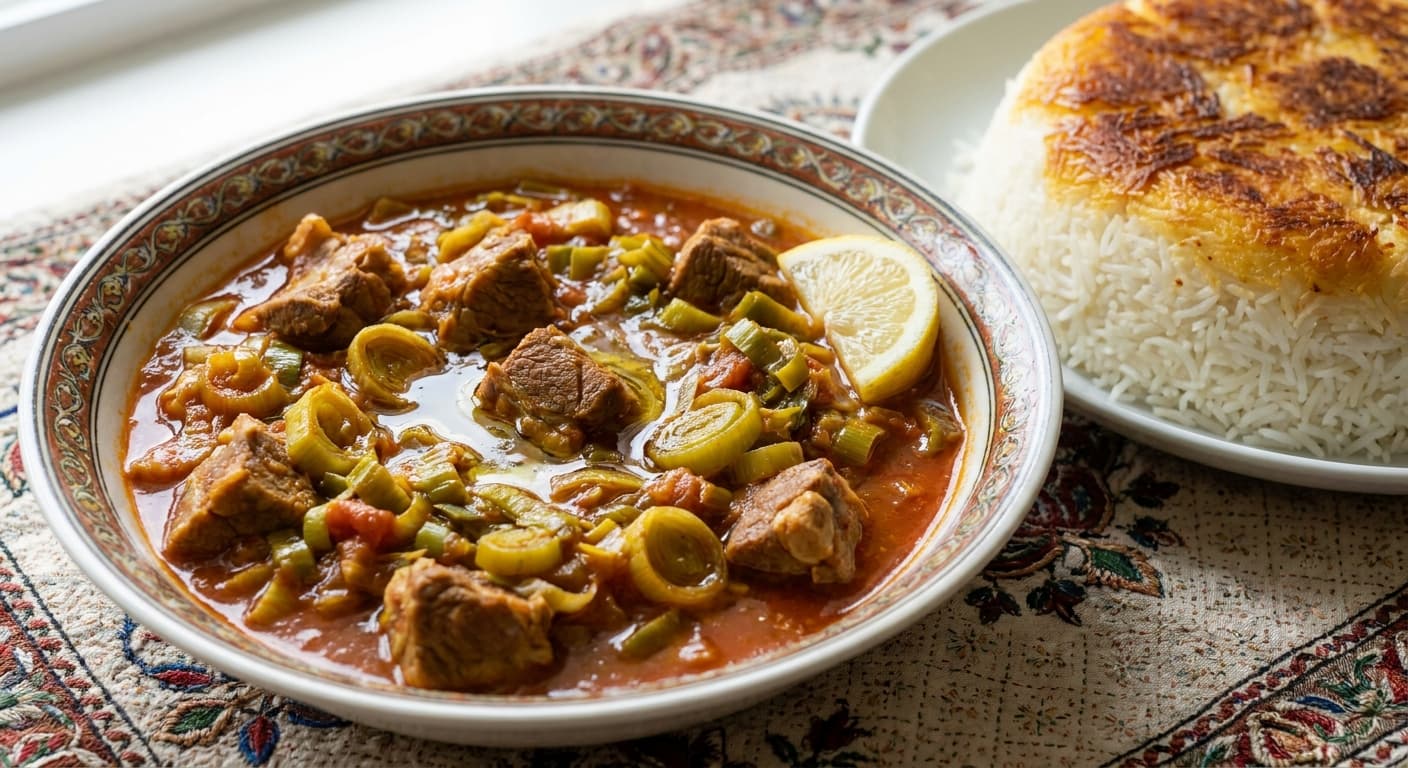
Khoresh Tareh Farangi (خورش تره فرنگی) — Persian Leek and Lamb Stew
Persian · Stews · 130 min
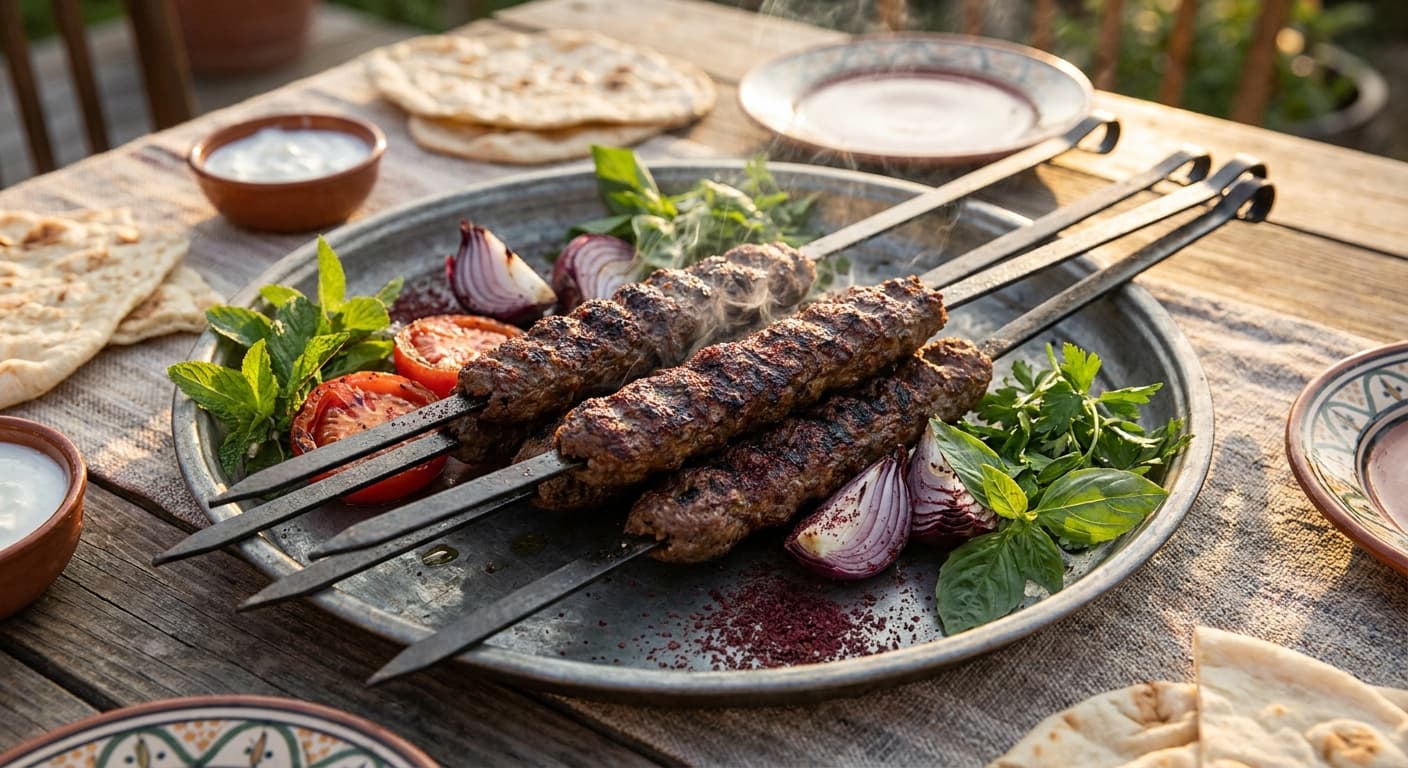
Authentic Kabab Koobideh (کباب کوبیده) — Persian Minced Lamb Skewers
Persian · Kebabs · 40 min
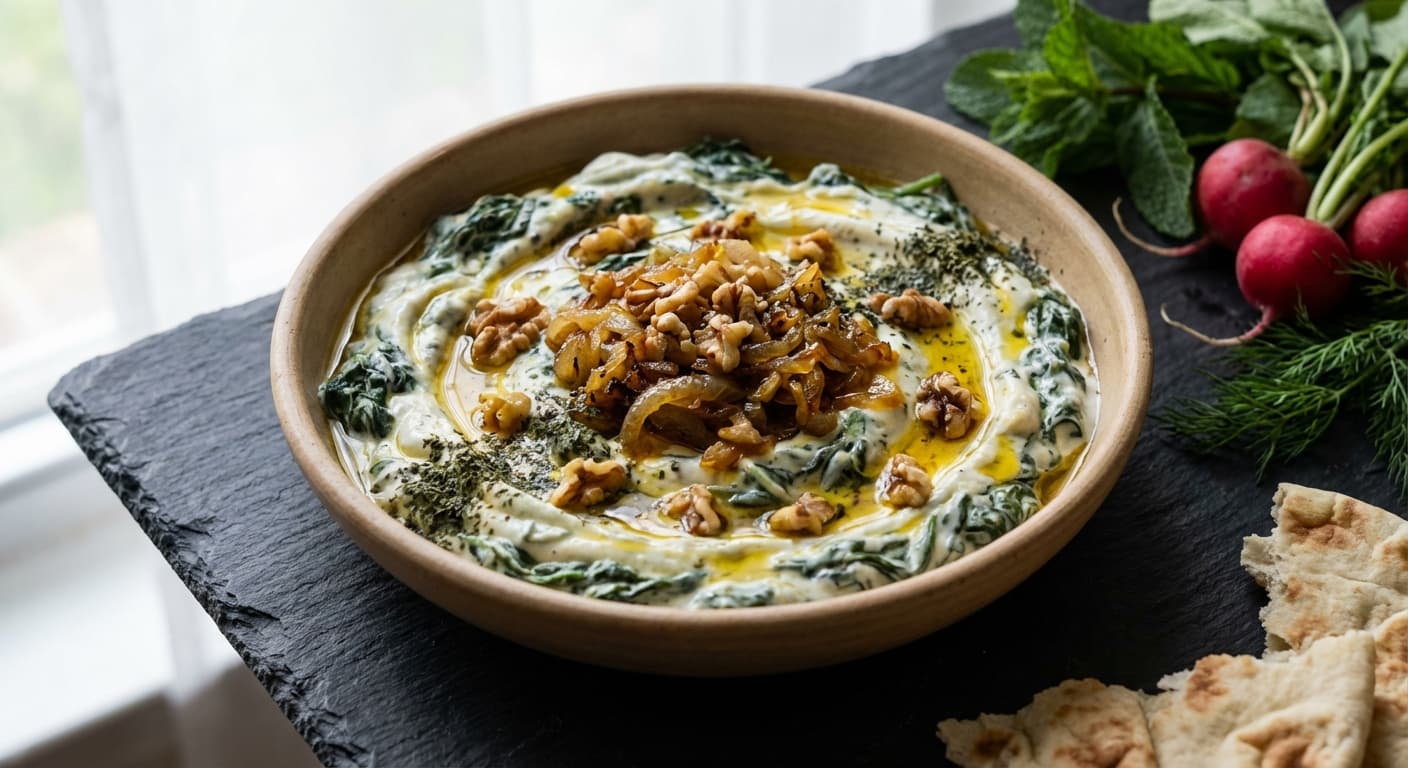
Borani Esfenaj (بورانی اسفناج) — Persian Spinach and Yogurt Dip with Saffron and Walnuts
Persian · Appetizers · 40 min
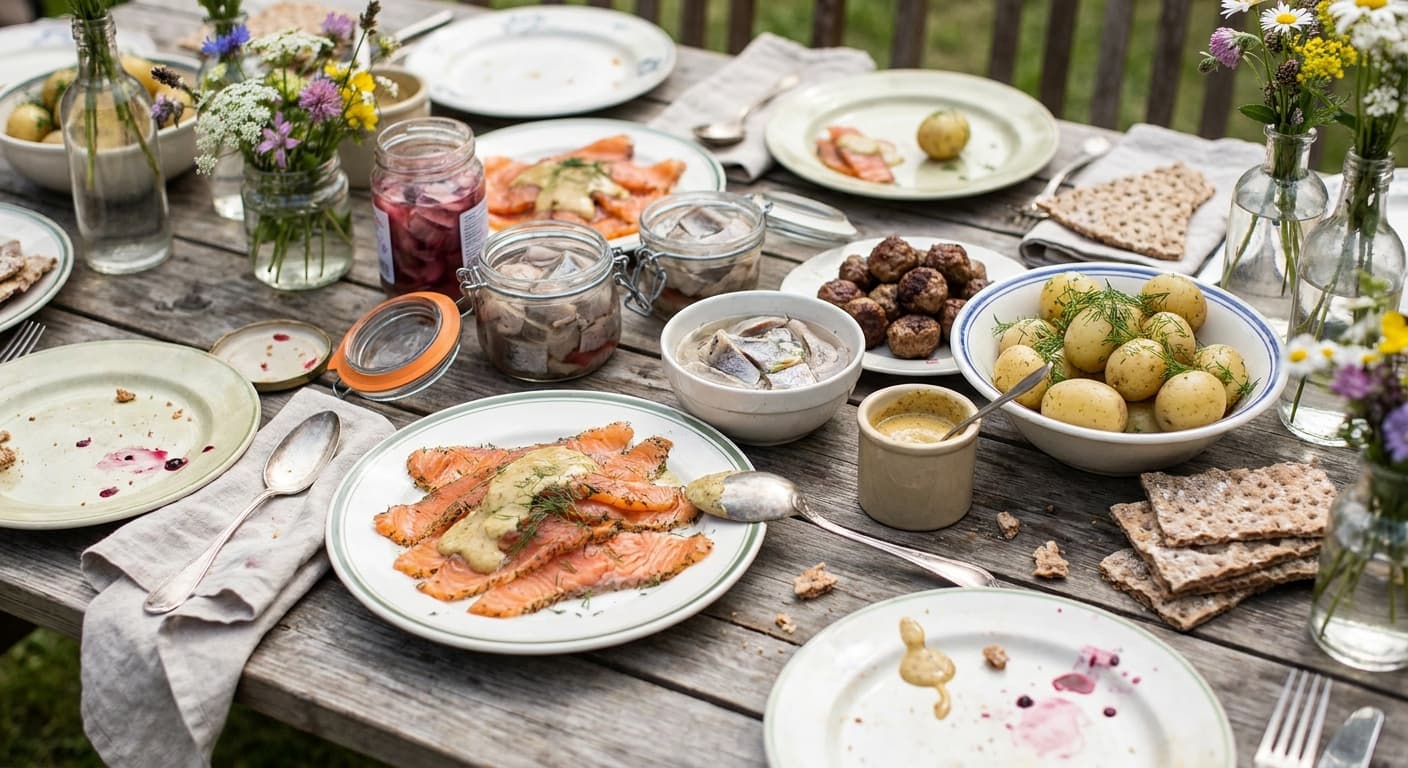
Swedish Smörgåsbord (Smörgåsbord) — Classic Buffet with Gravlax, Sill, and Köttbullar
Swedish · Main Courses · 115 min
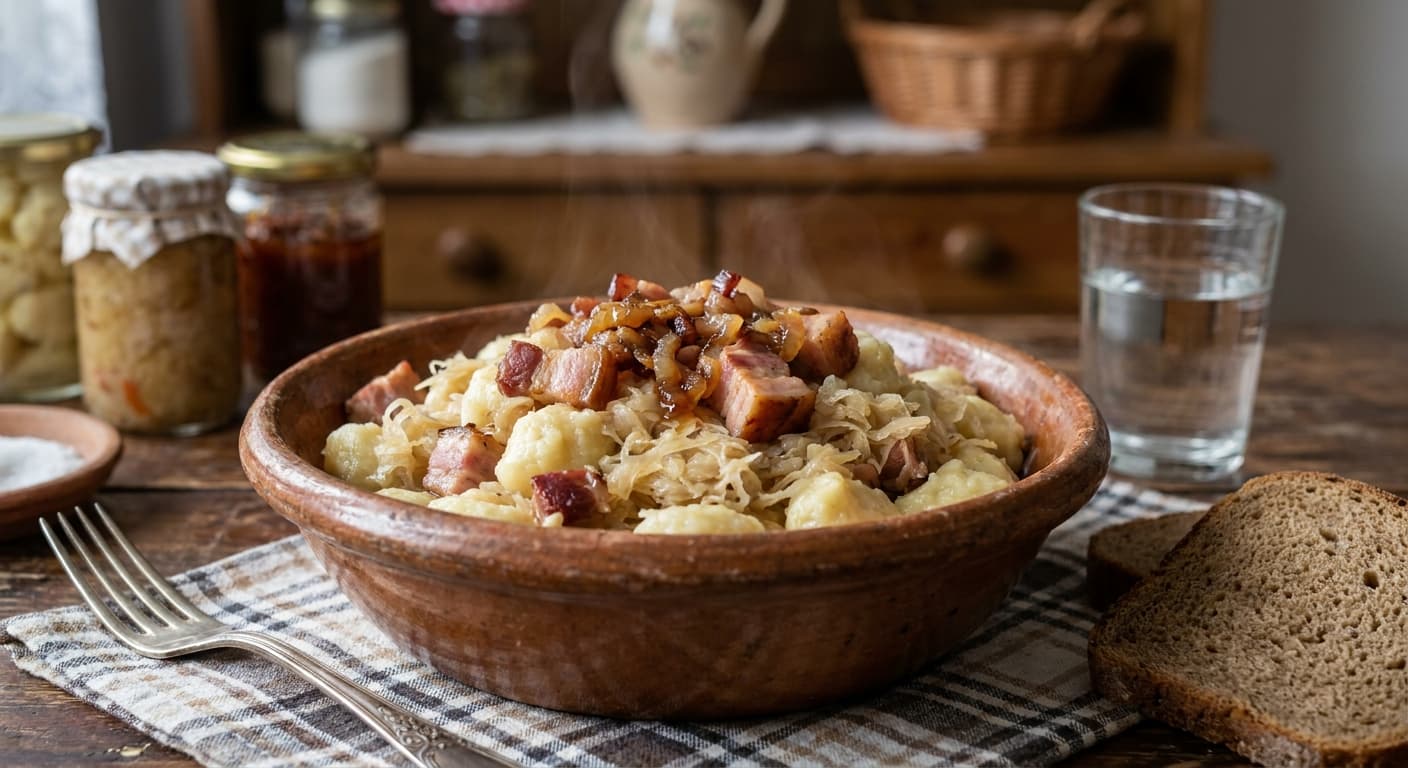
Potato Dumplings with Smoked Meat (Strapačky s údeným mäsom) — Rustic Slovak Halušky with Sauerkraut
Slovak · Main Courses · 70 min
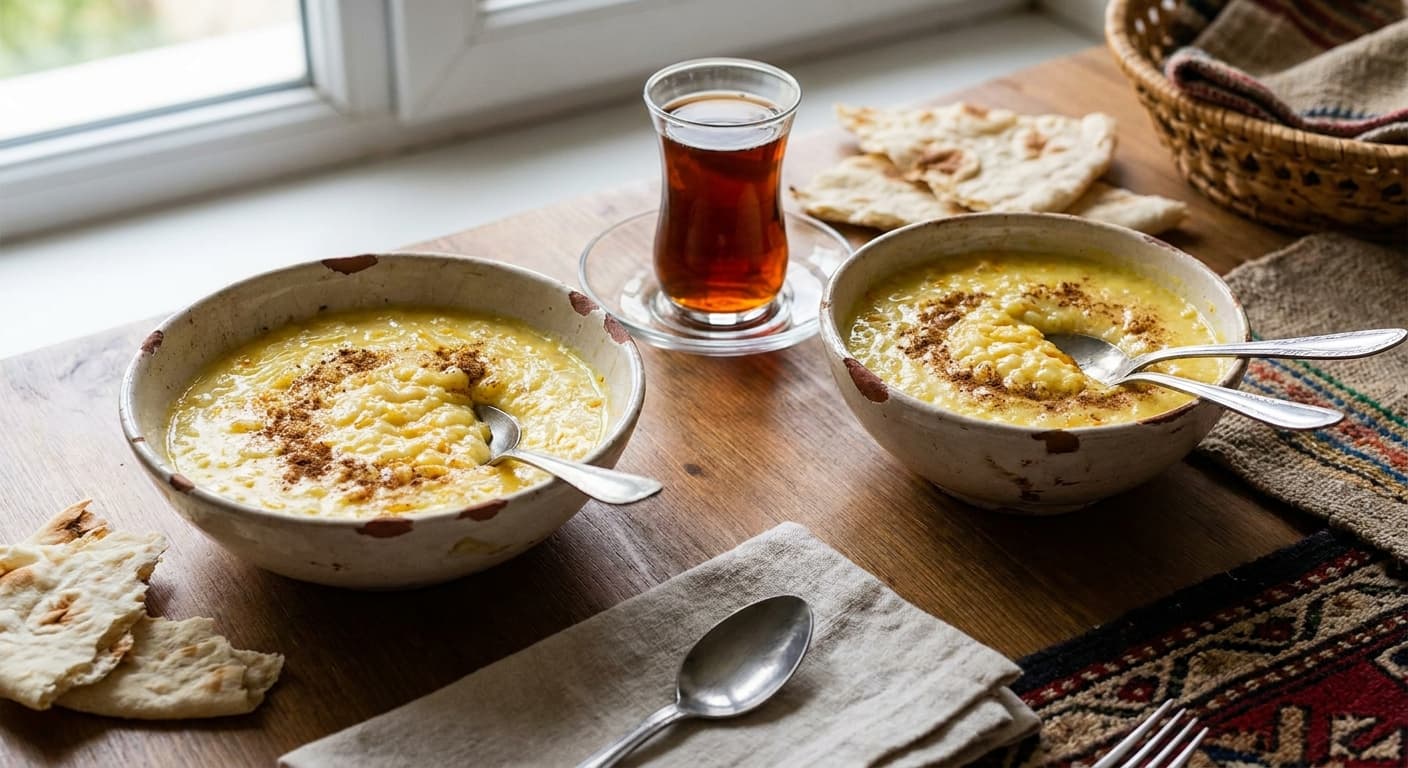
Azerbaijani Milk-Rice Porridge (Südlü Sıyıq) — Creamy Breakfast Rice with Saffron
Azerbaijani · Rice Dishes · 50 min
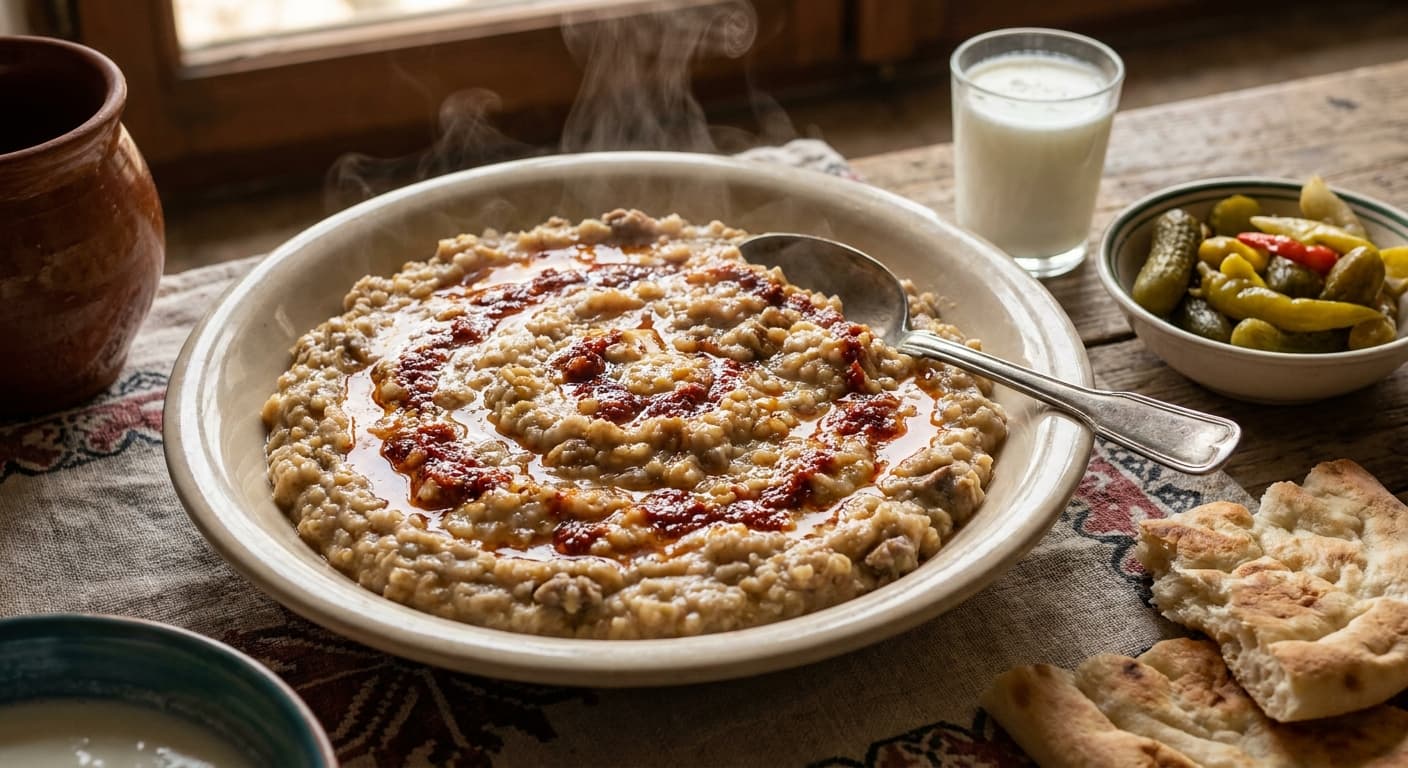
Keshkek (Keşkek) — Creamy Ceremonial Wheat and Lamb Stew
Turkish · Stews · 240 min
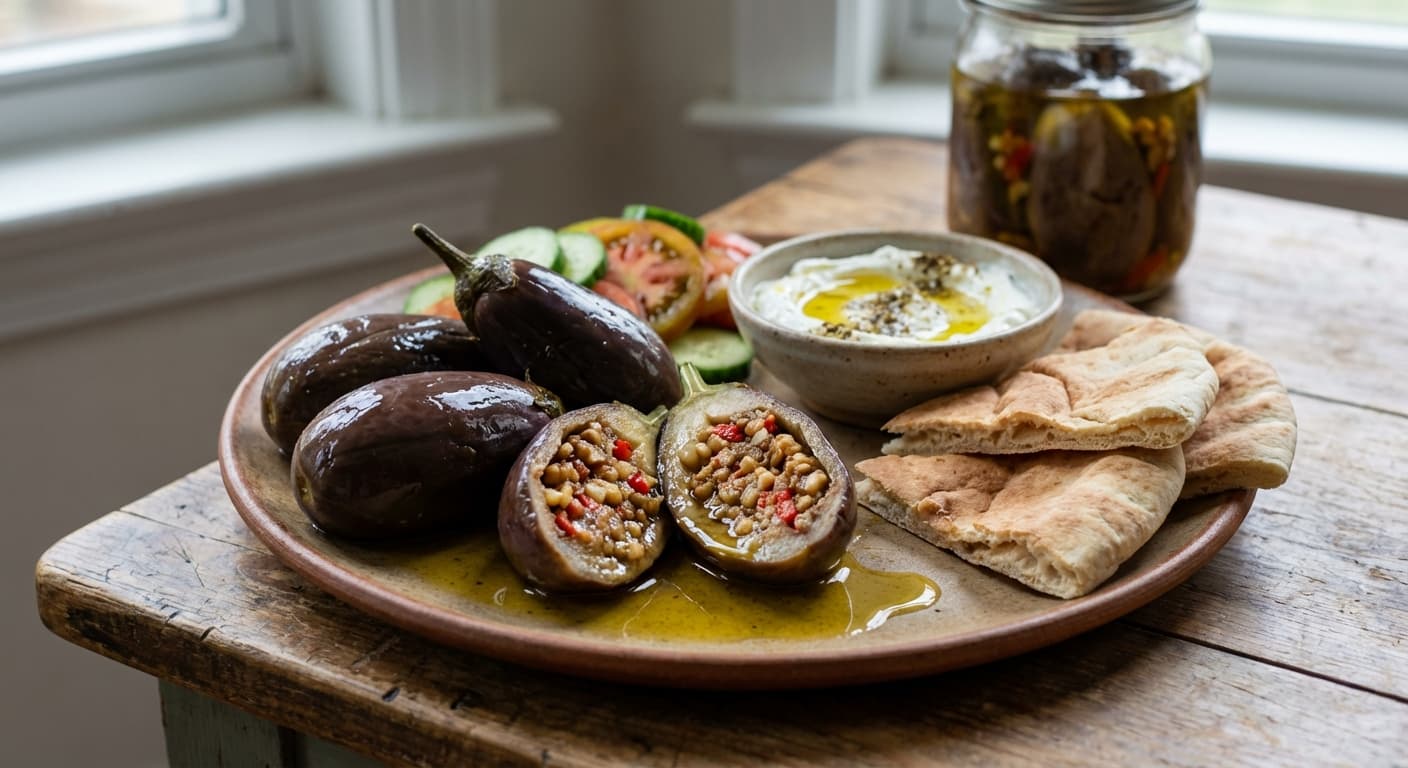
Makdous (مكدوس) — Lebanese Stuffed Baby Eggplants Preserved in Olive Oil
Lebanese · Appetizers · 115 min
Reviews
Cooked this recipe?
Tap the stars to rate it — that's all it takes. A few words are welcome but optional.
No ratings yet. Cooked this one? Be the first to rate it — it takes one tap.