Yalantzi Dolmadakia (Ντολμαδάκια γιαλαντζί) — Vine Leaves Stuffed with Rice, Pine Nuts, and Dill
Dolmadakia yalantzi are classic Greek meatless stuffed vine leaves, perfumed with dill and brightened with lemon. Often served at mezze tables and during fasting periods, they balance tender rice, pine nuts, and olive oil in each bite.
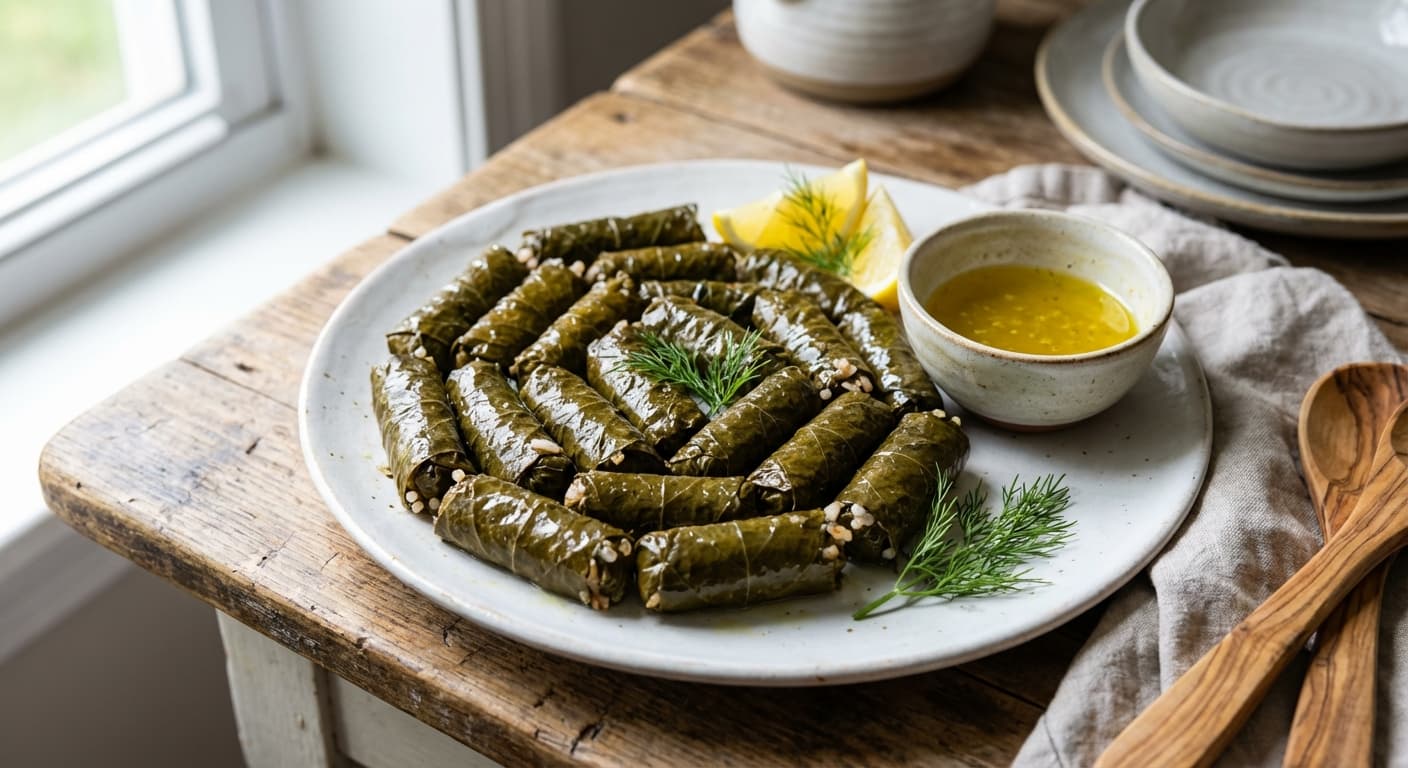
Printable Recipe Card
Servings: 6 · Total: 100 min · Difficulty: medium
Ingredients (quick list)
- 60 leaf jarred vine leaves, drained (choose medium-size leaves; reserve torn ones for lining the pot)
- 2000 ml water (for blanching and rinsing)
- 90 ml extra-virgin olive oil (plus 15 ml for the pot)
- 180 g yellow onion, finely minced
- 250 g short-grain rice (Calrose or Arborio-style works well)
- 40 g pine nuts
- 25 g fresh dill, finely chopped
- 15 g fresh parsley, finely chopped
- 8 g fresh mint, finely chopped (optional but traditional in many homes)
- 2 tsp lemon zest (from 2 lemons)
- 80 ml lemon juice (from 2–3 lemons)
- 6 g fine sea salt
+ 3 more in the full ingredients section below.
Steps (summary)
- Prepare the vine leaves so they are tender and not overly salty. Bring 2000 ml water to a boil, add the drained vine leaves, an…
- Make the aromatic base for the filling to keep the rice from tasting raw or starchy. Warm 90 ml olive oil in a wide pan over me…
- Coat and lightly toast the rice so it starts absorbing flavor before rolling. Add the rice and pine nuts to the onions and cook…
- Season the filling and partially hydrate it so it finishes cooking inside the leaves without bursting. Stir in dill, parsley, m…
- Cool the filling briefly so it is easier to roll and won’t tear the leaves. Spread the mixture on a plate or tray for 10 minute…
- Line the pot to prevent sticking and add gentle lemon aroma from below. Drizzle 15 ml olive oil into a heavy pot, line the base…
+ 5 more steps in the full instructions section below.
Cultural Background
Dolmadakia yalantzi are a beloved Greek mezze and a staple during Orthodox fasting, when meatless dishes shine. Their Ottoman-era roots spread across the Aegean, but Greek versions lean bright with lemon, dill, and generous olive oil.
Equipment
💡 Tips
- Rinse jarred vine leaves after blanching to control saltiness; if they are still salty, soak in cool water for 10 minutes, then drain well.
- Keep rolls small and uniform (about 12 g filling each) so they cook evenly and look classic on a mezze platter.
- Resting 15 minutes is essential; it firms the rice and prevents the dolmadakia from opening when transferred.
⚠️ Common Mistakes
❌ Rolling too tightly so the rice expands and splits the leaves
✅ Fix: Roll snugly but leave slight give; keep filling to about 12 g per leaf and avoid overstuffing.
❌ Boiling hard, which makes rolls unravel and rice cook unevenly
✅ Fix: Bring to a simmer, then keep heat low with only gentle bubbling; weigh down with a plate.
❌ Overly salty dolmadakia from brined leaves
✅ Fix: Blanch 2 minutes and rinse well; if still salty, soak 10 minutes in cool water and drain before rolling.
🧊 How to Store
Cool completely, then refrigerate in an airtight container for up to 4 days with a splash (30 ml) of the cooking liquid to prevent drying. Serve cold or bring to room temp; to reheat, steam gently 6–8 minutes so the leaves stay tender.
📅 Make Ahead
Roll the dolmadakia up to 24 hours ahead and refrigerate tightly covered in the pot. Add hot water and lemon juice just before cooking, or cook fully and chill; they taste even better after resting overnight.
🍽️ Pairs Well With
- Greek yogurt with lemon
- Kalamata olives
- feta
- warm pita
- horiatiki salad
- roasted peppers
- a glass of ouzo.
Regional Variations
- Aegean islands: extra mint and more lemon juice, served chilled with a stronger olive-oil finish.
- Northern Greece: a pinch more allspice and parsley-forward herbs, sometimes with a few currants for sweetness.
- Constantinople-style influence: tighter, smaller rolls with more pine nuts and a silkier, oil-rich finish.
Ingredients
- 60 leafjarred vine leaves, drained (choose medium-size leaves; reserve torn ones for lining the pot)
- 2000 mlwater (for blanching and rinsing)
- 90 mlextra-virgin olive oil (plus 15 ml for the pot)
- 180 gyellow onion, finely minced
- 250 gshort-grain rice (Calrose or Arborio-style works well)
- 40 gpine nuts
- 25 gfresh dill, finely chopped
- 15 gfresh parsley, finely chopped
- 8 gfresh mint, finely chopped (optional but traditional in many homes)
- 2 tsplemon zest (from 2 lemons)
- 80 mllemon juice (from 2–3 lemons)
- 6 gfine sea salt
- 1 tspblack pepper, freshly ground
- 0.5 tspground allspice (common in Greek dolmades)
- 6lemon slices (thin slices for layering and aroma)
🔄 Substitutions
- pine nuts→ chopped walnuts
- fresh dill→ fresh fennel fronds
- short-grain rice→ medium-grain rice
Instructions
- 1
Prepare the vine leaves so they are tender and not overly salty. Bring 2000 ml water to a boil, add the drained vine leaves, and blanch for 2 minutes, then drain and rinse under cool water.
- 2
Make the aromatic base for the filling to keep the rice from tasting raw or starchy. Warm 90 ml olive oil in a wide pan over medium heat, add the minced onion, and cook for 6–8 minutes until soft and translucent.
- 3
Coat and lightly toast the rice so it starts absorbing flavor before rolling. Add the rice and pine nuts to the onions and cook for 2 minutes, stirring constantly, until the grains look glossy and the pine nuts smell nutty.
- 4
Season the filling and partially hydrate it so it finishes cooking inside the leaves without bursting. Stir in dill, parsley, mint, lemon zest, salt, pepper, and allspice, then add 150 ml water and cook for 3 minutes until the water is mostly absorbed.
- 5
Cool the filling briefly so it is easier to roll and won’t tear the leaves. Spread the mixture on a plate or tray for 10 minutes, and use this time to sort leaves by size and set aside any torn ones for lining the pot.
- 6
Line the pot to prevent sticking and add gentle lemon aroma from below. Drizzle 15 ml olive oil into a heavy pot, line the base with torn vine leaves, and scatter 3 lemon slices over the lining.
- 7
Roll the dolmadakia with consistent size so they cook evenly. Place one vine leaf shiny-side down with the stem end facing you, add 1 heaped teaspoon (about 12 g) filling near the stem, fold in the sides, and roll tightly into a small cigar leaving a little room for rice expansion.
- 8
Pack the rolls snugly so they do not unravel during simmering. Arrange them seam-side down in concentric circles in the pot, layering as needed, and tuck remaining lemon slices between layers for fragrance.
- 9
Add cooking liquid carefully and weigh the rolls so they stay submerged and intact. Pour in 600 ml hot water mixed with 80 ml lemon juice, set a heatproof plate directly on top of the dolmadakia, and bring to a gentle simmer over medium heat.
- 10
Simmer slowly so the rice cooks through without splitting the leaves. Reduce heat to low, cover, and cook for 45 minutes, then rest off the heat for 15 minutes so the rolls set and absorb remaining liquid.
- 11
Check doneness and adjust brightness before serving. Taste one dolmadaki: the rice should be tender and the leaf silky; if needed, simmer 5–8 minutes more with 60 ml additional hot water, then cool to warm or room temperature before plating.
🪪 Recipe Passport
Cultural Background
Dolmadakia yalantzi are a beloved Greek mezze and a staple during Orthodox fasting, when meatless dishes shine. Their Ottoman-era roots spread across the Aegean, but Greek versions lean bright with lemon, dill, and generous olive oil.
Regional Variations
Researched from multiple sources and validated by the Zaffaron editorial team. Every recipe is tested for accuracy, measurements, and cultural authenticity.
Nutrition per serving
Pairs well with
If you enjoyed this recipe, here are a few related Zaffaron recipes to try next.
Does your family make this differently?
Every family has their own version. Maybe your grandmother adds a secret ingredient, or your aunt has a completely different technique. Preserve your family's version — with their name on it, forever.
You Might Also Like
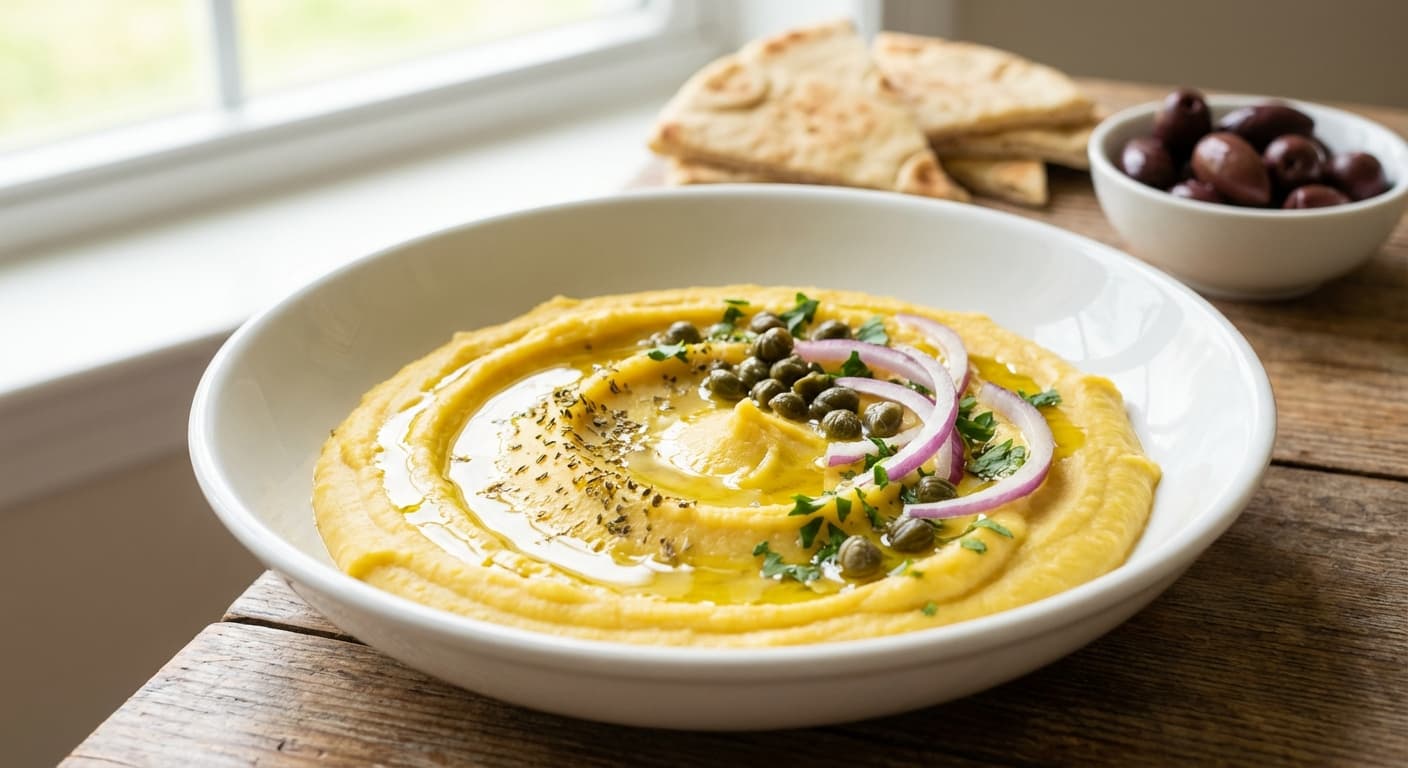
Santorini Fava (Φάβα Σαντορίνης) — Creamy yellow split pea purée with capers
Greek · Appetizers · 65 min
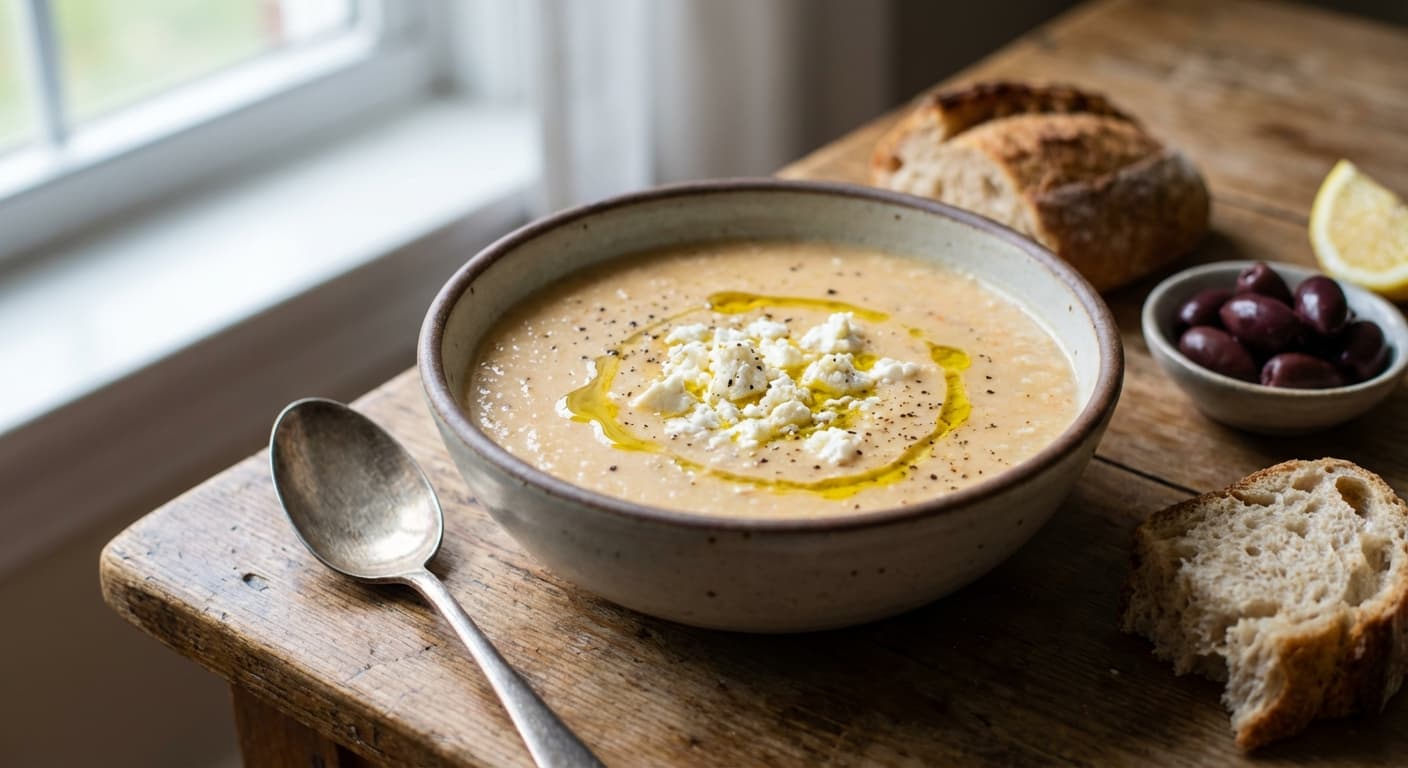
Trahanas Soup (Τραχανάς) — Greek fermented grain comfort soup
Greek · Soups · 35 min
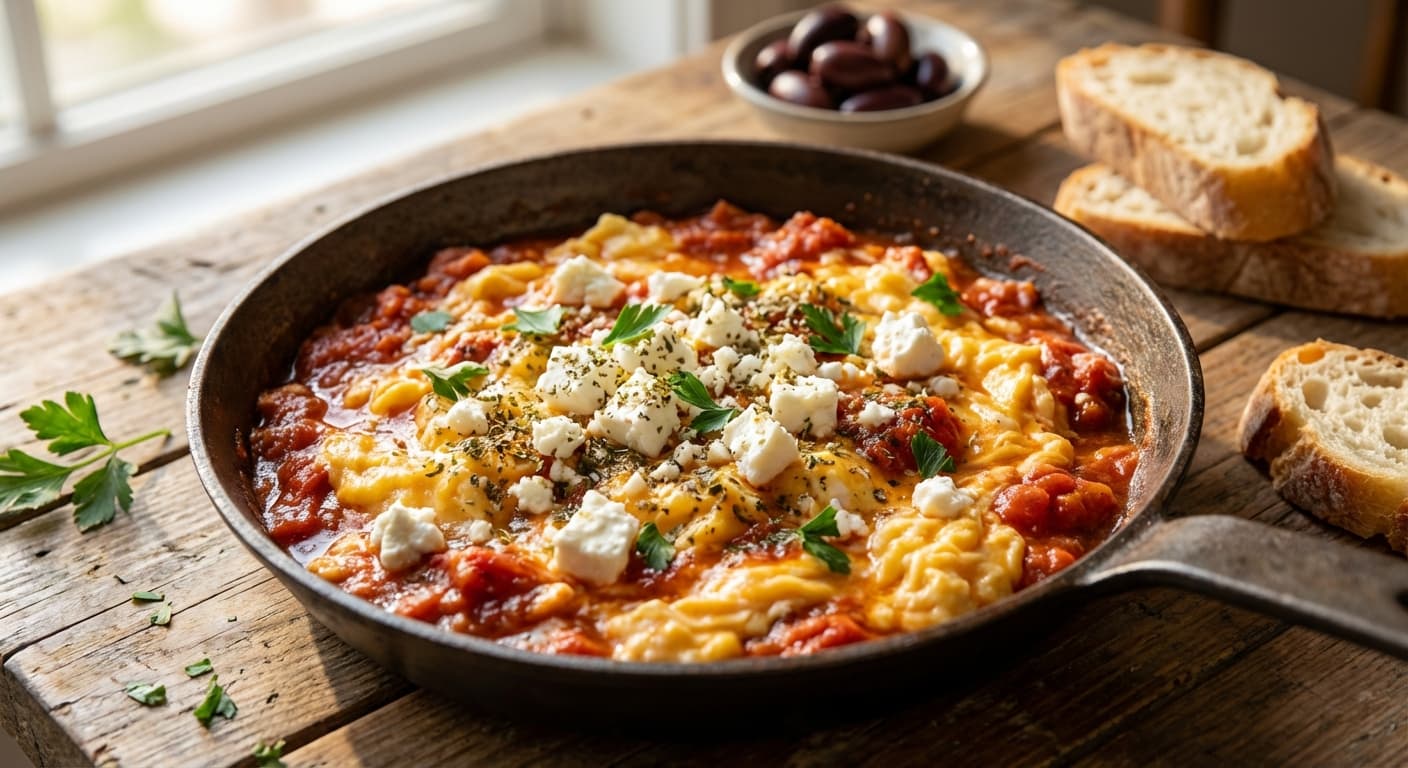
Kagianas (Καγιανάς) — Greek Eggs with Tomato, Feta, and Oregano
Greek · Main Courses · 22 min
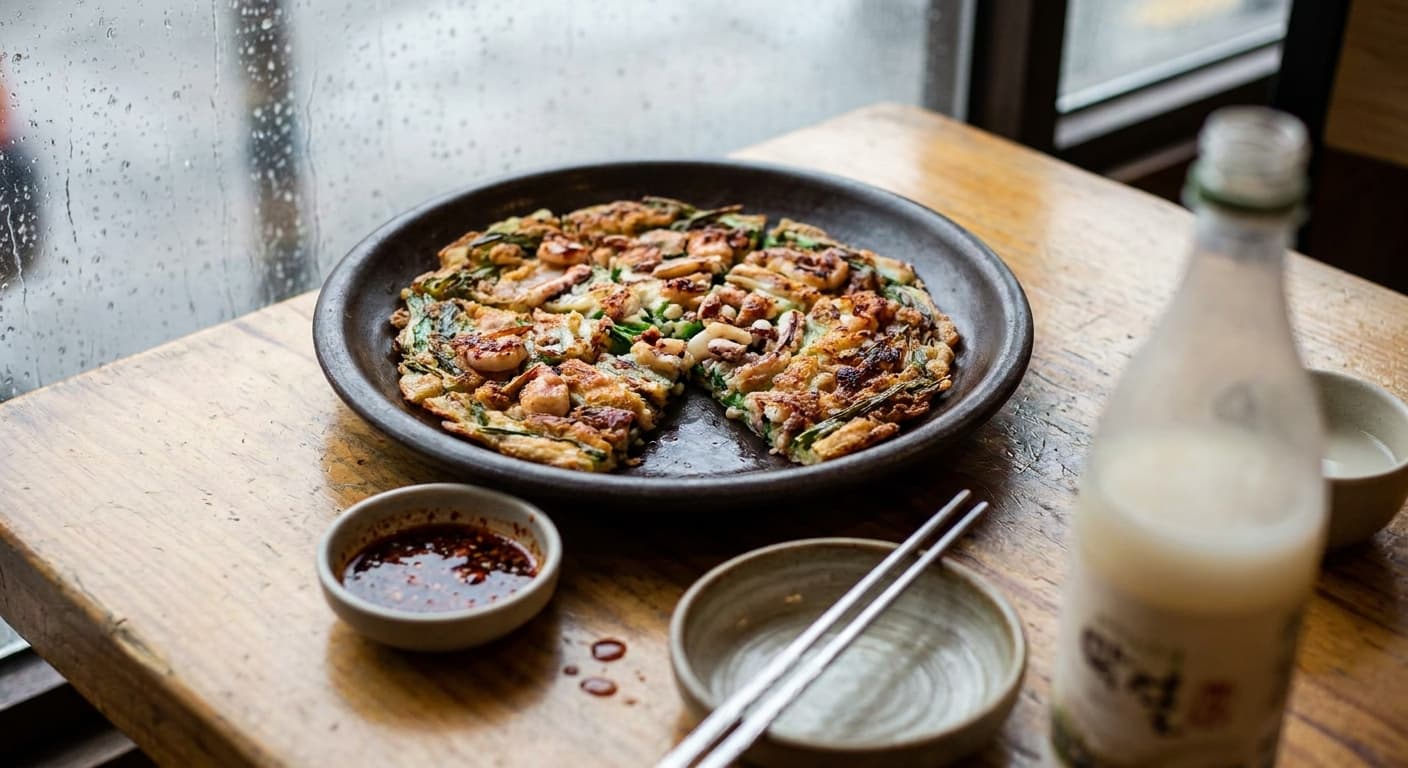
Haemul Pajeon (해물파전) — Korean Seafood Scallion Pancake
Korean · Appetizers · 41 min
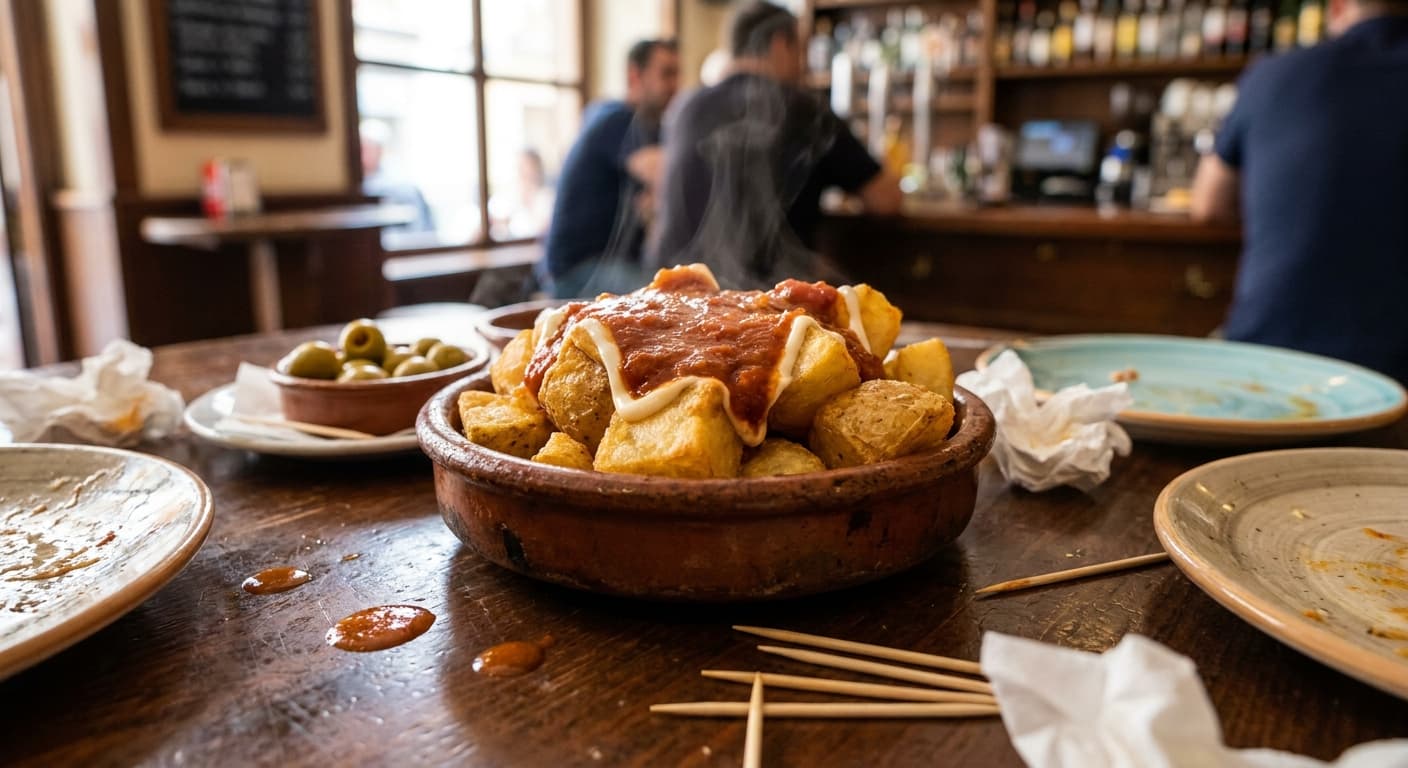
Patatas Bravas (Patatas bravas) — Crisp Spanish Tapas Potatoes with Spicy Brava Sauce
Spanish · Appetizers · 55 min
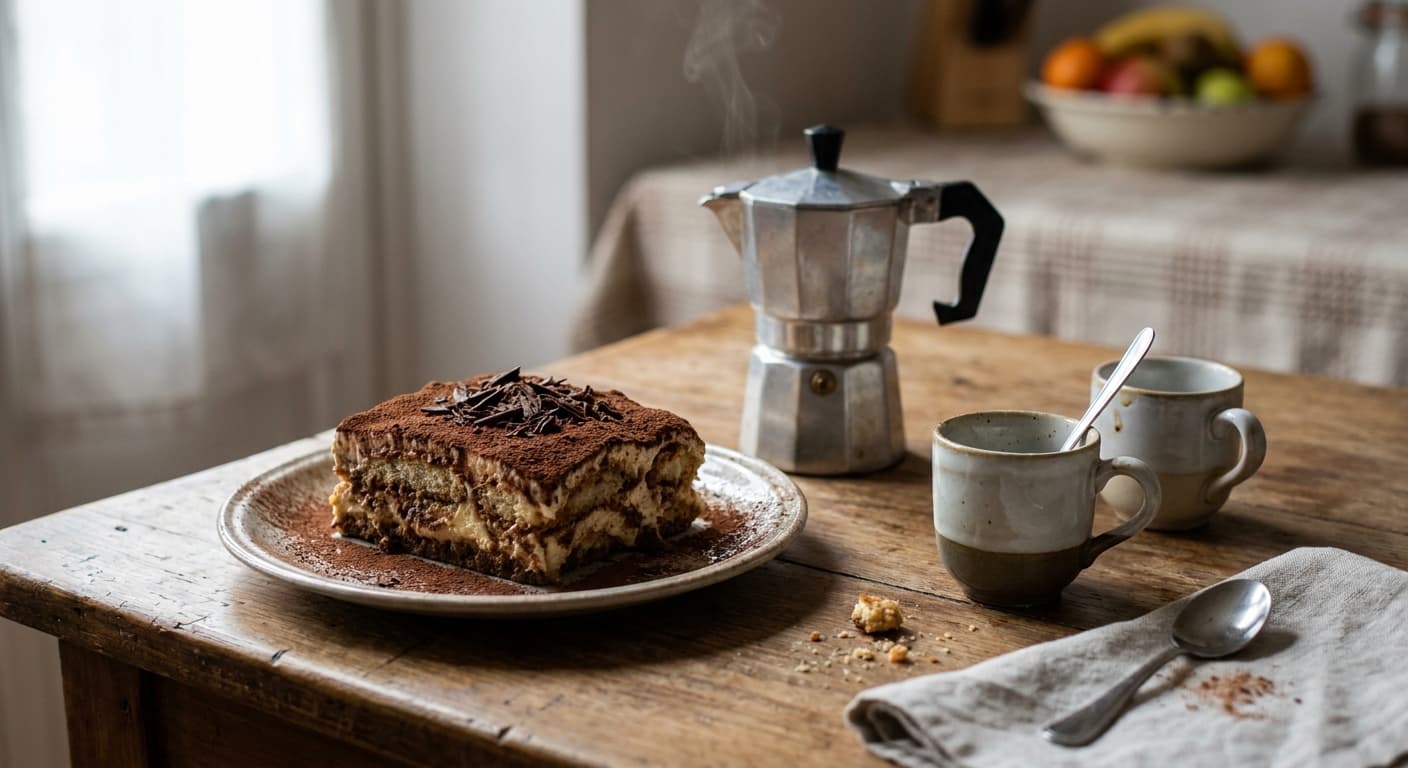
Tiramisu (Tiramisù) — Classic Coffee-Mascarpone Layered Dessert
Italian · Desserts · 35 min
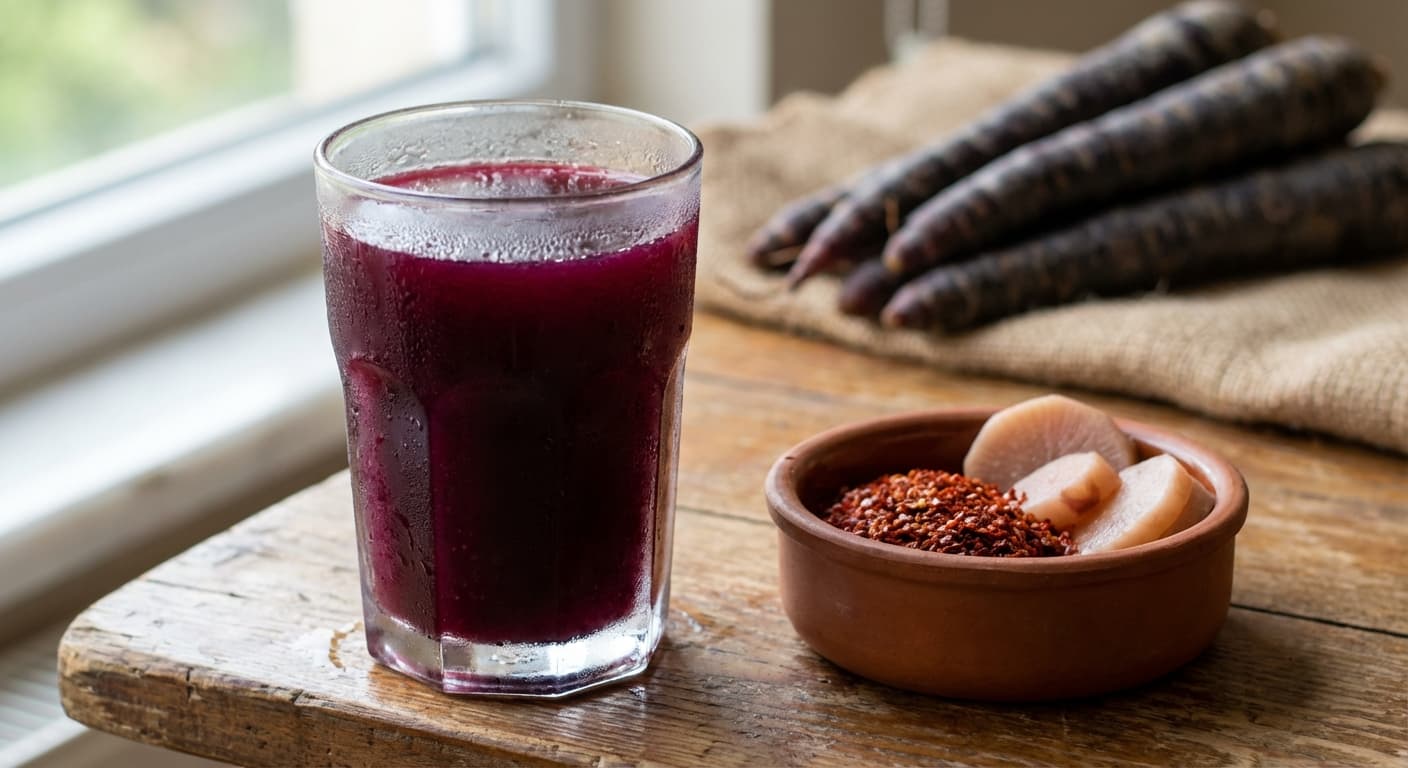
Salgam Juice (Şalgam) — Spicy, tangy fermented black-carrot drink
Turkish · Drinks · 25 min
Dolma Mahshi (دلمه محشی) — Persian Stuffed Vine Leaves with Macaroni
Persian · Main Courses · 130 min
Reviews
Cooked this recipe?
Tap the stars to rate it — that's all it takes. A few words are welcome but optional.
No ratings yet. Cooked this one? Be the first to rate it — it takes one tap.