Greek Mediterranean Diet: 10 Traditional Recipes for Healthy Living
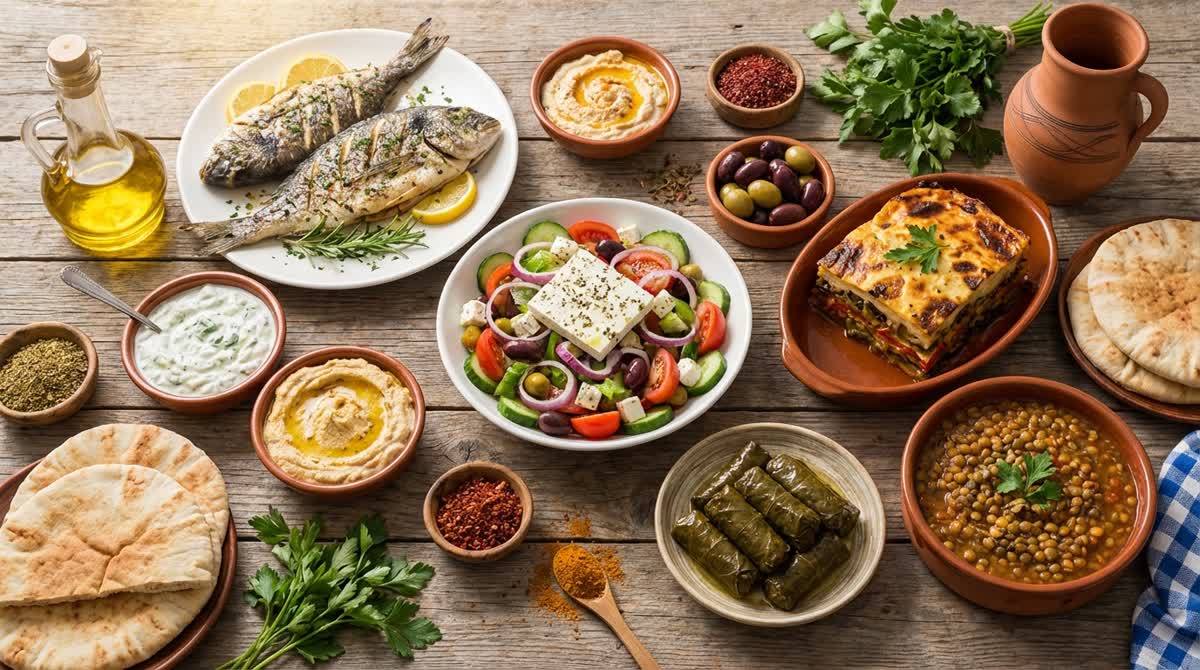
The Greek table has a way of making “healthy” feel like a celebration. It’s not about strict rules, superfoods, or counting anything—it’s about real ingredients, long lunches, seasonal cooking, and the kind of meals that leave you satisfied without feeling weighed down. That’s why the mediterranean diet (in its most traditional Greek form) continues to be one of the most respected eating patterns in the world: it’s practical, delicious, and built around foods people genuinely want to eat.
In this guide, we’re diving into the heart of the Greek Mediterranean way of eating with 10 traditional dishes you can cook at home—plus the cultural context that makes them more than just “recipes.” If you’re searching for greek diet recipes that support everyday wellness, or simply want more healthy greek food in your weekly rotation, you’re in the right place.
What “Greek Mediterranean Diet” Really Means (Beyond the Buzzword)
When people say mediterranean diet, they often mean a general style of eating: lots of vegetables, legumes, whole grains, olive oil, seafood, and moderate amounts of dairy and meat. But the Greek version has its own signature:
- Extra-virgin olive oil as the primary fat—used generously, not sparingly
- Legumes (beans, lentils) and vegetable-forward meals as everyday staples
- Wild greens (horta), herbs, and bitter flavors that balance rich foods
- Seafood and fish soups that reflect Greece’s coastline and islands
- Cheese (often feta) used for flavor, not as the main event
- Sweets that are typically honey- or syrup-based and enjoyed mindfully—often tied to holidays or gatherings
It’s also a lifestyle: meals are social, food is seasonal, and cooking is often simple but intentional.
The 10 Traditional Recipes to Build a Greek Mediterranean Week
Below are 10 classics that represent the best of Greek home cooking—balanced, flavorful, and deeply rooted in tradition. Many of these are the kind of healthy greek food that Greeks actually eat regularly (especially the soups, greens, and stuffed vegetables), and they’re a smart foundation if you’re collecting go-to greek diet recipes.
1) Fasolada (Greek White Bean Soup): The Everyday Power Bowl
Bean soups are a cornerstone of Greek home cooking, and fasolada is often called Greece’s national dish. It’s humble, affordable, and incredibly nourishing—exactly the kind of meal that makes the mediterranean diet so sustainable.
Make it when you want:
- High fiber + plant protein
- A one-pot meal that tastes even better the next day
- Comfort food that still feels light
Cook it here: Fasolada (Φασολάδα) — Greek White Bean Soup with Tomato and Olive Oil
Tip from a Greek kitchen: Finish each bowl with a generous drizzle of olive oil and a squeeze of lemon. That last-minute brightness is the “secret” that makes it taste like home.
2) Horiatiki (Greek Village Salad): Peak Simplicity, Maximum Flavor
A true Greek salad isn’t a pile of lettuce—it’s a celebration of summer produce: tomatoes, cucumbers, onion, olives, oregano, and a slab of feta. It’s one of the easiest ways to eat more vegetables without feeling like you’re “trying to be healthy.”
Try one of these classic versions:
- Greek Salad (Χωριάτικη) — Classic Greek Village Salad with Feta and Olives
- Horiatiki Salata (Χωριάτικη Σαλάτα) — Greek Village Salad with Feta and Olives
Practical tip: Use the best tomatoes you can find. If tomatoes are out of season, swap in cherry tomatoes and add extra oregano and good olive oil to boost flavor.
3) Horta Vrasta: The Greek “Greens + Lemon” Ritual
If there’s one dish that captures the Greek approach to healthy greek food, it’s boiled wild greens dressed with olive oil and lemon. It sounds simple because it is—and that’s the point. Greeks have long relied on bitter greens for everyday nourishment.
Make it here: Horta Vrasta (Χόρτα Βραστά) — Greek boiled wild greens with olive oil and lemon
How Greeks actually eat it: As a side to fish, alongside beans, or with a few olives and bread for a light meal. It’s also a great “reset” dish after heavier foods.
4) Dolmades: Stuffed Grape Leaves That Taste Like Summer
Dolmades are grape leaves filled with rice, herbs, and often pine nuts or currants depending on the region. They’re fragrant, satisfying, and a perfect example of how the mediterranean diet uses herbs and acidity (lemon) to create big flavor without heaviness.
Cook them here: Dolmades (Ντολμάδες) — Greek Stuffed Grape Leaves with Rice and Herbs
Make-ahead tip: Dolmades are even better after resting in the fridge overnight. They’re ideal for meal prep lunches—add a salad and you’re set.
5) Gemista: Stuffed Tomatoes and Peppers (The Ultimate Seasonal Main)
Ask Greeks what tastes like summer, and many will say gemista: tomatoes and peppers stuffed with herbed rice, baked until jammy and sweet. It’s naturally plant-forward and can be made richer with potatoes baked in the same pan.
Make it here: Gemista (Γεμιστά) — Greek Stuffed Tomatoes and Peppers with Herbed Rice
Healthy upgrade without losing tradition: Add chickpeas or lentils to the rice filling for extra protein while keeping the dish firmly in the realm of classic greek diet recipes.
6) Imam Bayildi: Olive Oil–Braised Eggplant That Melts in Your Mouth
Imam bayildi is one of those dishes that makes you respect eggplant. It’s stuffed and braised with onions, garlic, and tomatoes in plenty of olive oil—silky, aromatic, and surprisingly satisfying.
Cook it here: Imam Bayildi (Ιμάμ Μπαϊλντί) — Greek Olive Oil-Braised Stuffed Eggplant
Cultural note: This belongs to a broader Eastern Mediterranean tradition, but it’s deeply at home on Greek tables—especially in Lenten or meatless periods, which are a big part of traditional Greek eating patterns.
7) Spanakopita: The Famous Spinach Pie (And How to Keep It Balanced)
Spanakopita is beloved for a reason: spinach, herbs, feta, and crisp phyllo. While it’s not “light” in the salad sense, it’s still a smart dish in the context of the mediterranean diet—greens, herbs, and satisfying fats that keep you full.
Bake it here: Spanakopita (Σπανακόπιτα) — Greek Spinach and Feta Phyllo Pie
Balance tip: Serve spanakopita with a big village salad or a plate of horta. That’s how it often appears at home: pie + greens, not pie alone.
8) Kakavia: Fisherman’s Fish Soup with Herbs
Greek islands and coastal towns have a long tradition of fish soups—simple, briny, and restorative. Kakavia is the kind of dish that feels like a deep breath: fish, olive oil, herbs, and that unmistakable sea-to-table character.
Cook it here: Kakavia (Κακαβιά) — Greek Fisherman’s Fish Soup with Herbs
Practical tip: Use a mix of fish bones/heads (for broth) and a few pieces of firm fish (for serving). That’s how you build flavor without needing heavy ingredients.
9) Psarosoupa (Fish Soup with Lemon): Bright, Clean, and Comforting
If you love lemony soups, psarosoupa deserves a spot in your rotation. It’s lighter than creamy soups but still deeply comforting—perfect for cooler months or when you want something nourishing that isn’t heavy.
Make it here: Psarosoupa (Ψαρόσουπα) — Greek Fisherman’s Fish Soup with Lemon
Serving idea: Add a side of boiled greens or a simple salad. This is classic healthy greek food: soup + vegetables + olive oil + lemon.
10) Taramosalata: A Traditional Spread That Turns Snacks into a Meal
Taramosalata is a creamy fish roe spread often enjoyed during Lent and on seafood-focused days. It’s bold, tangy, and perfect for turning a simple spread platter into something special.
Make it here: Taramosalata (Ταραμοσαλάτα) — Greek Creamy Fish Roe Spread with Lemon
How to eat it the Greek way: With bread, olives, sliced vegetables, and maybe a simple salad. It’s not meant to be eaten in huge quantities—think of it as a flavor-packed component in a larger table.
How to Turn These Recipes into a Realistic Weekly Plan
The easiest way to live the mediterranean diet isn’t to overhaul everything—it’s to build a rhythm. Here’s a simple structure inspired by Greek home cooking:
A) Anchor your week with 2 big pots
- Fasolada for lunches and quick dinners
- A fish soup (kakavia or psarosoupa) for lighter nights
B) Keep two “always ready” sides
- Horiatiki ingredients on hand (tomatoes, cucumber, feta, olives)
- Greens for horta vrasta (or any leafy substitute if wild greens aren’t available)
C) Add one tray-bake dish
- Gemista or imam bayildi—both reheat beautifully and feel better the next day
D) Include one “special” bake
- Spanakopita for a weekend lunch, a gathering, or a make-ahead breakfast slice
This is the heart of traditional greek diet recipes: repeatable, seasonal, and satisfying.
Ingredient Principles That Make Greek Food “Healthy” (Without Trying)
You’ll notice the recipes above share a few habits that naturally support wellness:
Olive oil is used for flavor and satiety
In Greek cooking, olive oil isn’t just a garnish—it’s part of the meal’s structure. It carries flavor, helps vegetables feel satisfying, and turns simple ingredients into something you crave.
Lemon and vinegar keep dishes bright
Acidity is a quiet hero in healthy greek food. It makes beans taste lighter, greens taste fresher, and soups taste more layered.
Herbs are treated like vegetables
Dill, parsley, mint, oregano—these aren’t mere decoration. They’re used generously, and they’re part of why Greek food tastes so alive.
Meals are built around plants, not “plant-based substitutes”
Even when a dish includes meat or cheese, the plate often still leans heavily on vegetables, legumes, and grains. That’s classic mediterranean diet thinking.
Smart Substitutions (So You Can Cook Greek Food Anywhere)
Not everyone has access to wild greens, perfect summer tomatoes, or Greek feta from a village market. You can still make these dishes taste authentic with a few swaps:
- Wild greens (horta): try dandelion greens, escarole, chard, or a mix of spinach and arugula
- Feta: choose a block feta (not pre-crumbled) for better texture and flavor
- Olives: Kalamata are classic, but any good brined olive works
- Tomatoes: in winter, use cherry tomatoes + a spoon of tomato paste in cooked dishes
- Lemon: always finish with fresh lemon juice, not bottled
The goal isn’t perfection—it’s keeping the spirit of the dish intact.
A Note on “Traditional” Dishes That Are Heavier (And How Greeks Actually Eat Them)
You might notice that some famous Greek dishes—like rich baked pastas or layered casseroles—don’t appear in the “everyday” list above. That’s intentional. Traditional Greek eating includes celebratory dishes, but they’re often enjoyed less frequently, in smaller portions, and alongside salads and vegetables.
If you want to explore those iconic comfort foods too (and you should—they’re part of Greek culinary identity), Zaffaron has you covered:
- Moussaka (Μουσακάς) — Classic Greek Layered Eggplant and Beef Bake
- Pastitsio (Παστίτσιο) — Greek Baked Pasta with Beef Ragù and Béchamel
How to keep it Mediterranean-style: Pair a small slice with a big horiatiki salad and call it a feast—because it is.
Bringing It All Together: Your Greek Mediterranean Starting Point
If you’re trying to eat in a way that feels good long-term, Greek cooking is a gift: it’s flexible, flavor-first, and rooted in ingredients that are easy to love. These greek diet recipes aren’t “diet food”—they’re just how generations learned to cook with what they had: beans, greens, olive oil, herbs, and seasonal produce. And that’s exactly why the mediterranean diet works so well in real life.
The best next step is simple: pick two recipes from the list and cook them this week. Make a pot of fasolada and a tray of gemista, or do spanakopita with horiatiki and horta on the side. Build momentum, then expand.
Ready to Cook? Explore More on Zaffaron
Start with the classics above, then keep exploring Zaffaron’s growing collection of traditional Greek favorites—from soups and salads to celebratory bakes and sweet treats. Open a recipe, read the notes, and make it your own—because the healthiest way to eat is the one you’ll happily return to.
Which dish are you cooking first: fasolada, gemista, or spanakopita?