Greek Salad (Χωριάτικη) — Classic Greek Village Salad with Feta and Olives
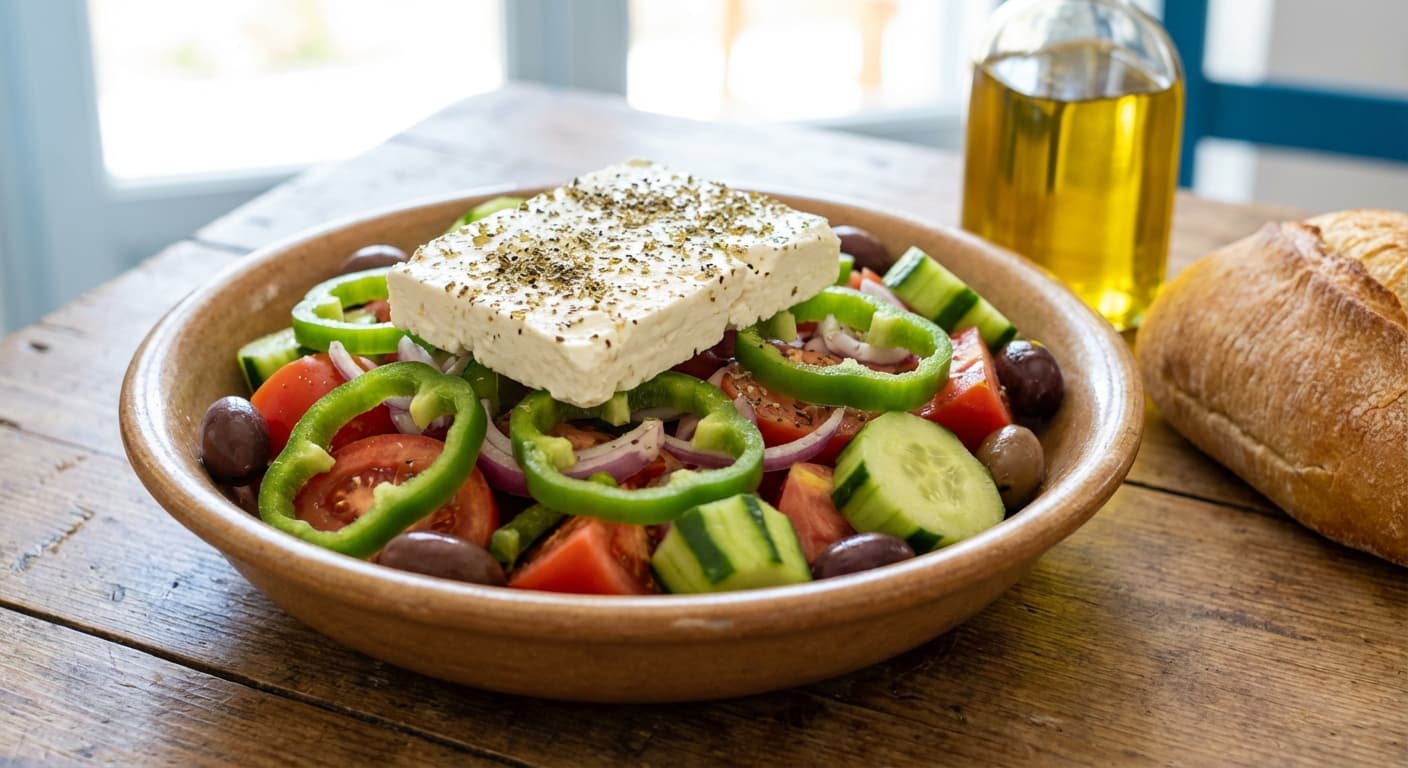
Horiatiki is the iconic Greek village salad—crisp vegetables, briny olives, and a slab of feta dressed simply with olive oil and oregano. It’s a staple of Greek tavernas, celebrated for peak-summer produce and minimal fuss.
Printable Recipe Card
Servings: 4 · Total: 15 min · Difficulty: easy
Ingredients (quick list)
- 500 g ripe tomatoes (cut into 2.5 cm chunks)
- 300 g cucumber (partially peeled in stripes, sliced 1 cm thick)
- 150 g green bell pepper (seeded and sliced into rings or strips)
- 120 g red onion (thinly sliced)
- 80 g Kalamata olives (pitted or unpitted)
- 200 g feta cheese (served as a slab or large chunks)
- 60 ml extra-virgin olive oil (about 4 tbsp)
- 15 ml red wine vinegar (about 1 tbsp)
- 2 tsp dried oregano (Greek oregano preferred)
- 1.5 tsp fine sea salt (adjust only if olives and feta are mild)
- 0.5 tsp black pepper (freshly ground)
Steps (summary)
- Cut the tomatoes into chunky wedges or 2.5 cm pieces and place them in a wide salad bowl. Slice the cucumber, pepper, and onion…
- Scatter the Kalamata olives over the vegetables and gently toss once with clean hands or two spoons. Keep the mixing minimal so…
- Lay the feta on top as a single slab or in large chunks rather than crumbling it. This is the classic taverna presentation and…
- Drizzle the olive oil evenly over the salad, then add the red wine vinegar in a thin stream. Sprinkle the oregano, salt, and bl…
- Let the salad stand for 5 minutes at room temperature so the tomatoes release a little juice and the dressing lightly coats eve…
Cultural Background
Horiatiki, meaning “village-style,” reflects Greece’s produce-first food culture: ripe tomatoes, cucumbers, olives, and feta with olive oil and oregano. It’s a taverna essential, especially in summer, often eaten with bread to soak up the juices.
Equipment
💡 Tips
- Use room-temperature tomatoes for better sweetness and aroma; cold tomatoes taste muted.
- If the onion is very sharp, soak the slices in cold water for 10 minutes, then drain well before adding.
- Serve with bread and scoop the tomato-olive juices (the "salad sauce")—it’s a key part of the experience.
⚠️ Common Mistakes
❌ Over-mixing until the tomatoes break down and the salad turns soupy.
✅ Fix: Toss gently once before adding feta, then leave it mostly undisturbed and serve promptly.
❌ Using low-quality olive oil, which makes the salad taste flat or greasy.
✅ Fix: Choose a fruity extra-virgin olive oil and measure 60 ml so the dressing is rich but balanced.
❌ Over-salting without accounting for salty feta and olives.
✅ Fix: Start with 1.5 tsp salt only if your feta/olives are mild; otherwise reduce to 0.5 tsp and adjust after tasting the juices.
🧊 How to Store
Best eaten fresh, but leftovers can be refrigerated in an airtight container for up to 24 hours. For best texture, store feta separately and drain excess tomato juice before serving; refresh with 10 ml olive oil and 5 ml vinegar after chilling.
📅 Make Ahead
Slice the cucumber, pepper, and onion up to 12 hours ahead and refrigerate in separate containers. Cut tomatoes and dress the salad only right before serving to keep it crisp and prevent excess liquid.
🍽️ Pairs Well With
- Crusty bread
- grilled souvlaki
- roast chicken
- lemon potatoes
- tzatziki.
Regional Variations
- Island-style: add 1 tbsp capers (about 8 g) for extra brine and a sea-salty finish.
- Mainland taverna style: serve with barley rusks (dakos-style) to absorb the tomato juices.
- Pepper-forward: use a mix of green and red bell pepper for sweeter crunch and more color.
Ingredients
- 500 gripe tomatoes (cut into 2.5 cm chunks)
- 300 gcucumber (partially peeled in stripes, sliced 1 cm thick)
- 150 ggreen bell pepper (seeded and sliced into rings or strips)
- 120 gred onion (thinly sliced)
- 80 gKalamata olives (pitted or unpitted)
- 200 gfeta cheese (served as a slab or large chunks)
- 60 mlextra-virgin olive oil (about 4 tbsp)
- 15 mlred wine vinegar (about 1 tbsp)
- 2 tspdried oregano (Greek oregano preferred)
- 1.5 tspfine sea salt (adjust only if olives and feta are mild)
- 0.5 tspblack pepper (freshly ground)
🔄 Substitutions
- Kalamata olives→ Greek green olives
- red wine vinegar→ lemon juice
- feta cheese→ sheep’s milk white brined cheese
Instructions
- 1
Cut the tomatoes into chunky wedges or 2.5 cm pieces and place them in a wide salad bowl. Slice the cucumber, pepper, and onion as directed, then add them on top so the salad stays crisp.
- 2
Scatter the Kalamata olives over the vegetables and gently toss once with clean hands or two spoons. Keep the mixing minimal so the tomatoes don’t break down and turn the salad watery.
- 3
Lay the feta on top as a single slab or in large chunks rather than crumbling it. This is the classic taverna presentation and it helps the feta stay creamy instead of dissolving into the dressing.
- 4
Drizzle the olive oil evenly over the salad, then add the red wine vinegar in a thin stream. Sprinkle the oregano, salt, and black pepper over the feta and vegetables so the aroma blooms right on the surface.
- 5
Let the salad stand for 5 minutes at room temperature so the tomatoes release a little juice and the dressing lightly coats everything. Serve immediately, making sure each plate gets some tomato juices and oil from the bottom of the bowl.
🪪 Recipe Passport
Cultural Background
Horiatiki, meaning “village-style,” reflects Greece’s produce-first food culture: ripe tomatoes, cucumbers, olives, and feta with olive oil and oregano. It’s a taverna essential, especially in summer, often eaten with bread to soak up the juices.
Regional Variations
Researched from multiple sources and validated by the Zaffaron editorial team. Every recipe is tested for accuracy, measurements, and cultural authenticity.
Nutrition per serving
Pairs well with
If you enjoyed this recipe, here are a few related Zaffaron recipes to try next.
Does your family make this differently?
Every family has their own version. Maybe your grandmother adds a secret ingredient, or your aunt has a completely different technique. Preserve your family's version — with their name on it, forever.
You Might Also Like

Amygdalota (Αμυγδαλωτά) — Chewy Greek Almond Cookies with Orange and Almond
Greek · Desserts · 38 min

Vasilopita (Βασιλόπιτα) — Greek New Year cake with a hidden coin
Greek · Desserts · 80 min
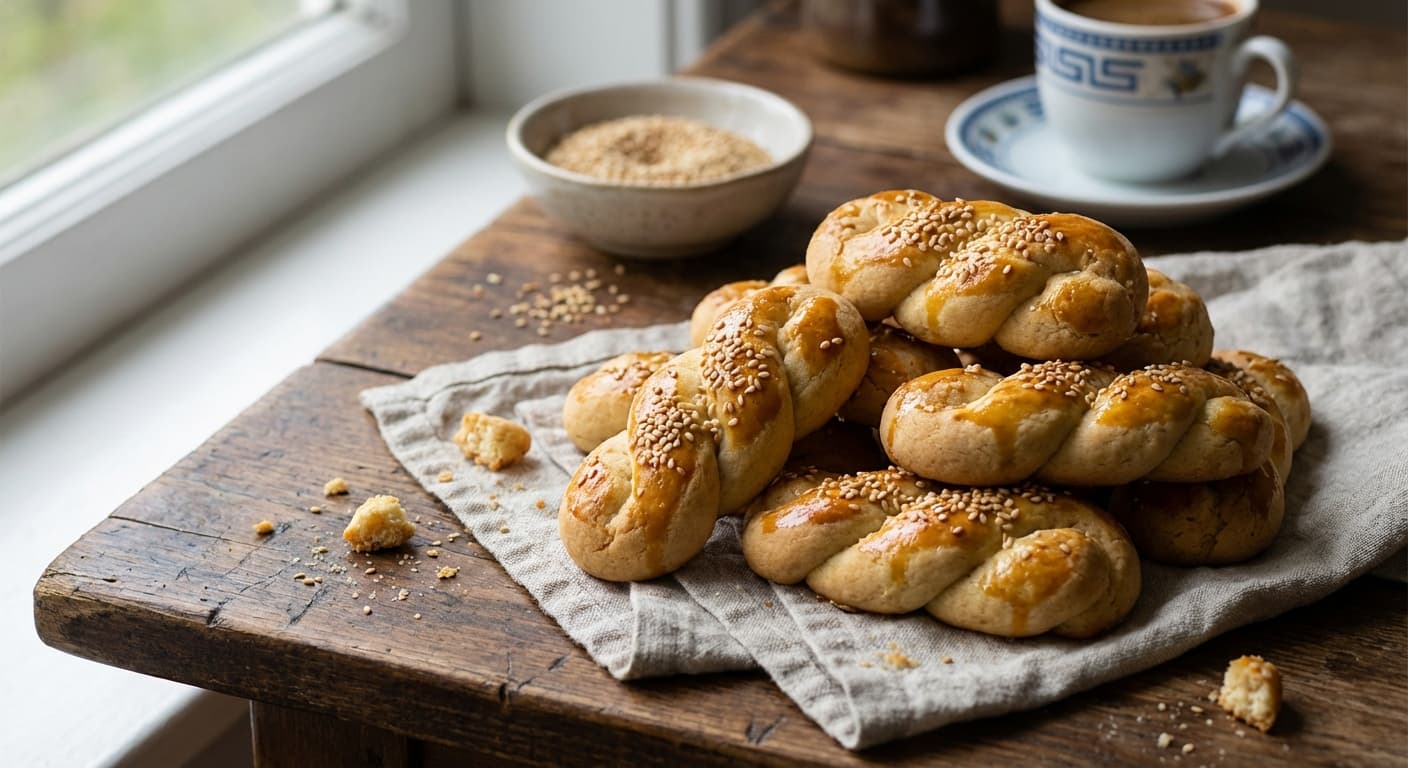
Koulourakia (Κουλουράκια) — Greek Sesame-Topped Easter Butter Cookies
Greek · Desserts · 43 min
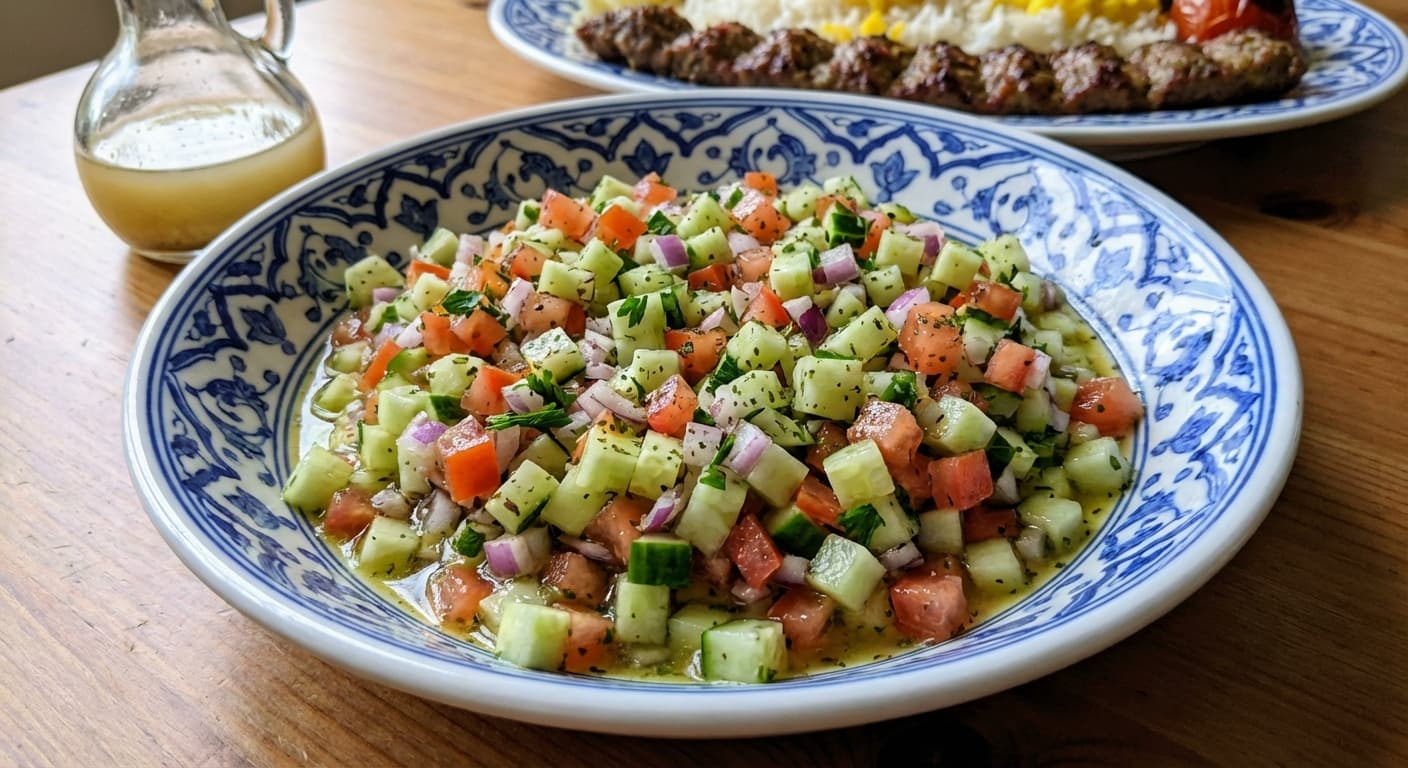
Shirazi Salad (سالاد شیرازی) — Brunoised cucumber-tomato herb salad with ab-ghooreh
Persian · Salads · 20 min
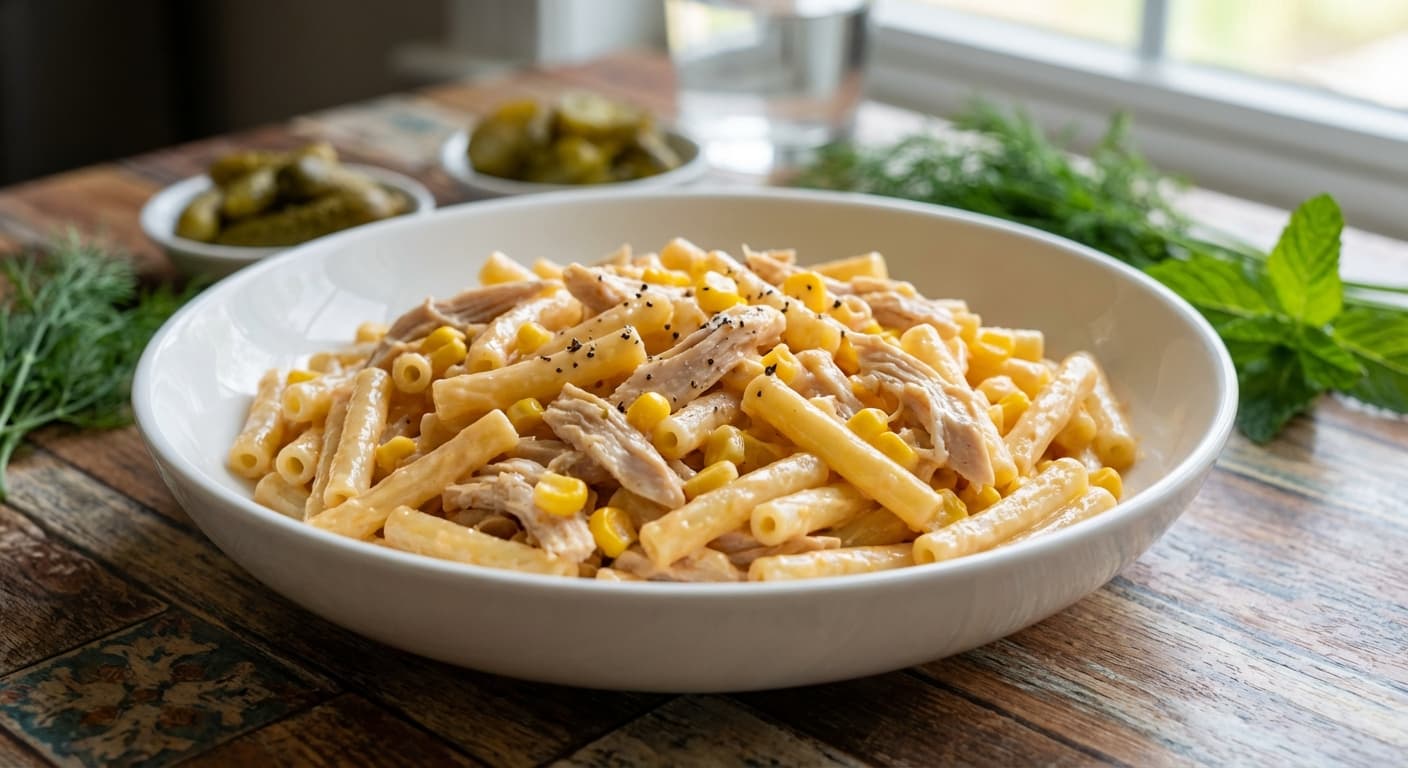
Persian Cold Pasta Salad (سالاد ماکارونی سرد) — Creamy chicken pasta salad for gatherings
Persian · Salads · 40 min
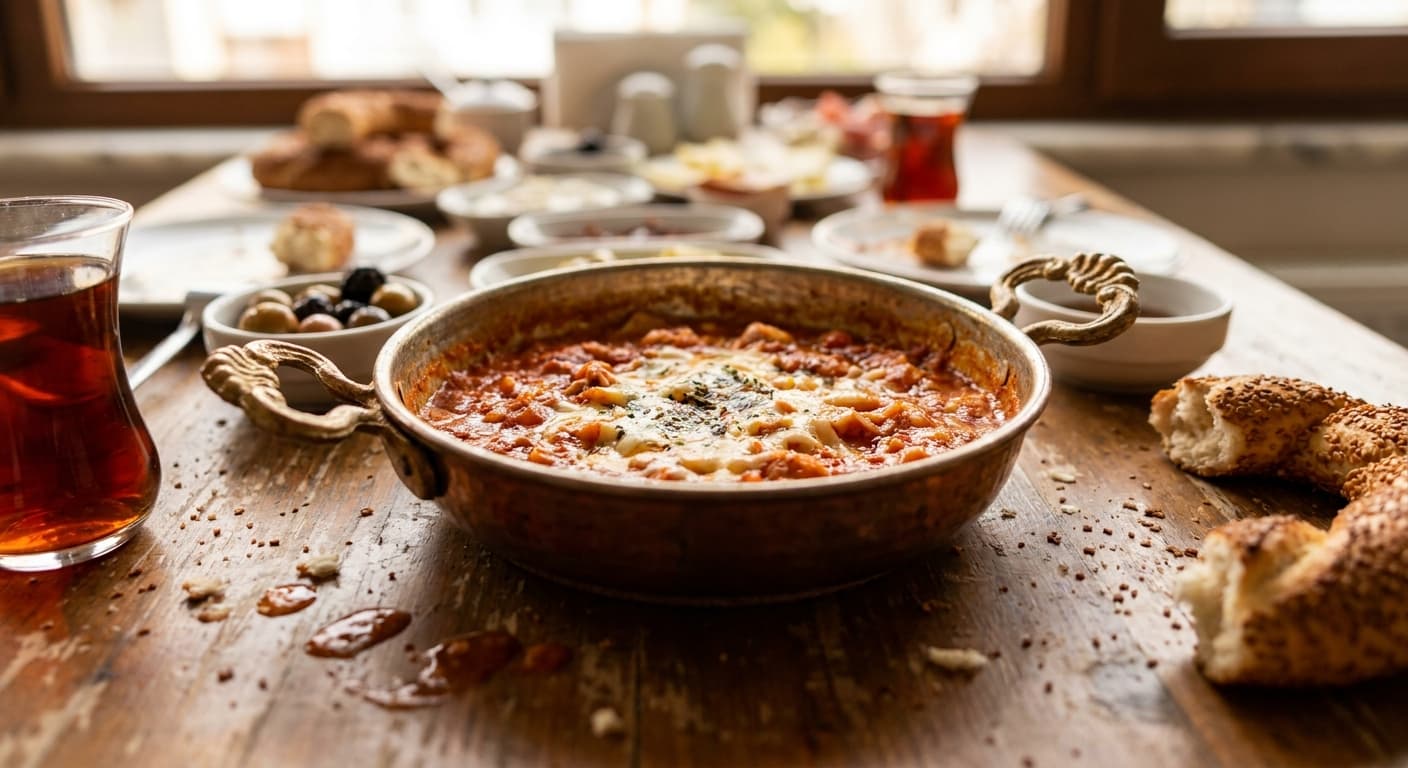
Turkish Menemen (Menemen) — Soft Eggs with Tomatoes and Peppers
Turkish · Main Courses · 37 min
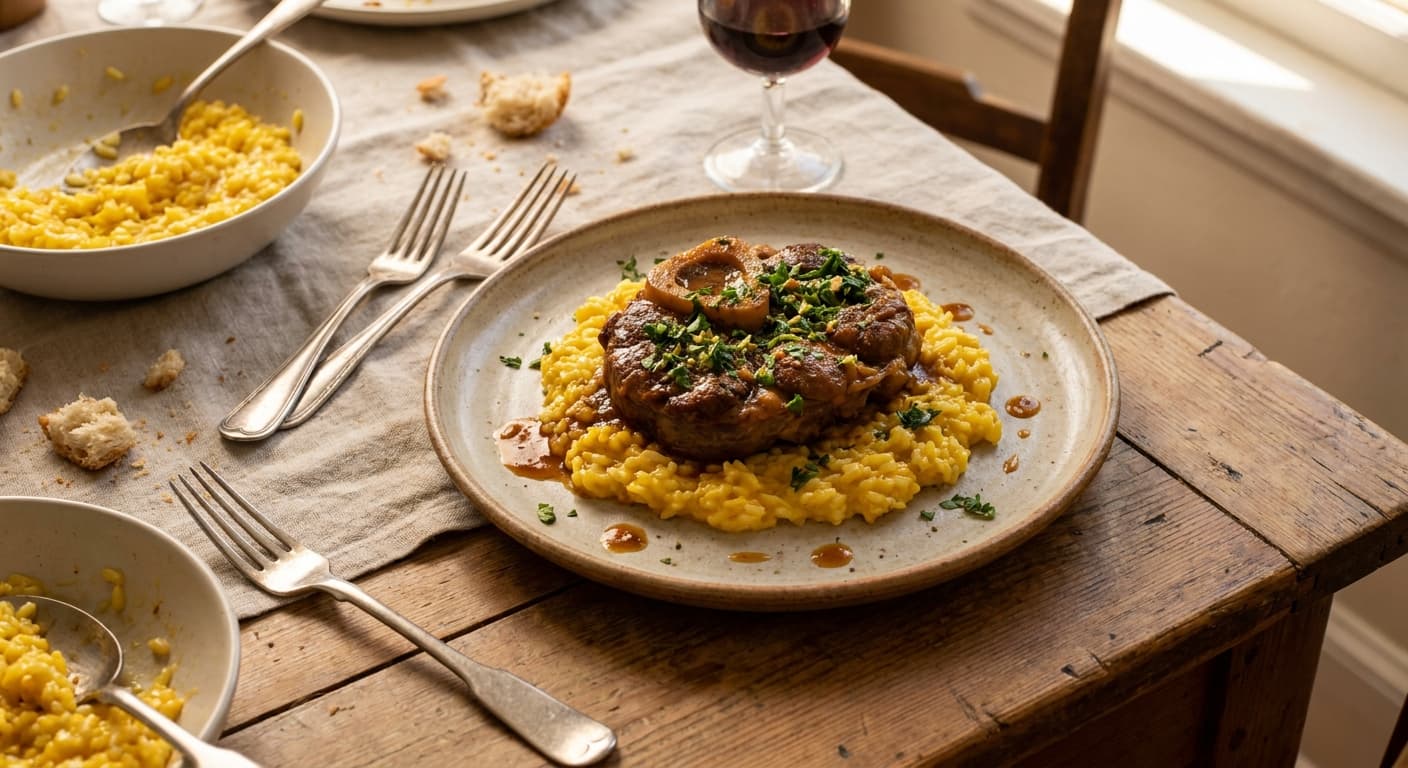
Osso Buco (Osso Buco alla Milanese) — Milanese Braised Veal Shanks
Italian · Main Courses · 145 min
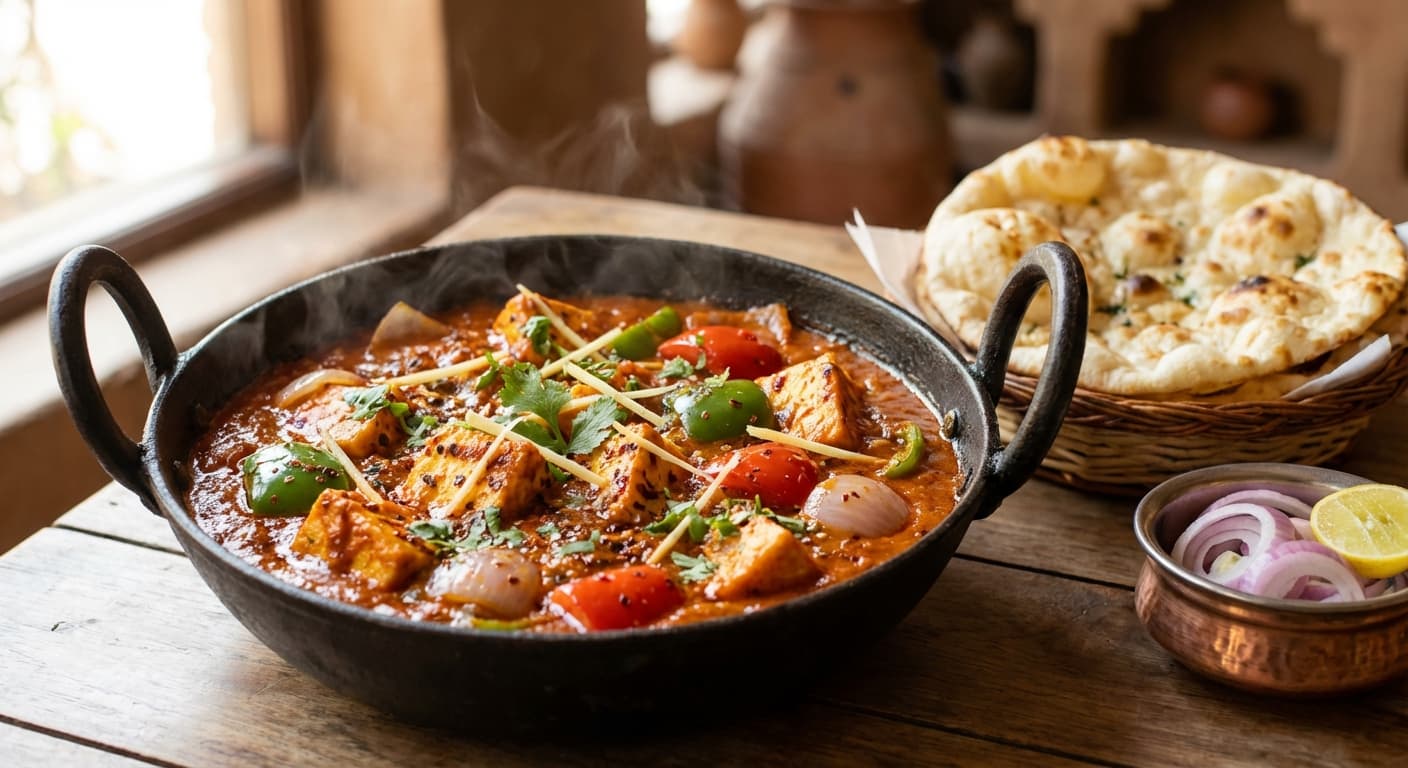
Kadai Paneer (कड़ाही पनीर) — Indian Paneer in Spicy Bell-Pepper Tomato Gravy
Indian · Main Courses · 45 min
Reviews
Cooked this recipe?
Tap the stars to rate it — that's all it takes. A few words are welcome but optional.
No ratings yet. Cooked this one? Be the first to rate it — it takes one tap.