Batbout (بطبوط) — Moroccan Soft Pan-Cooked Flatbread
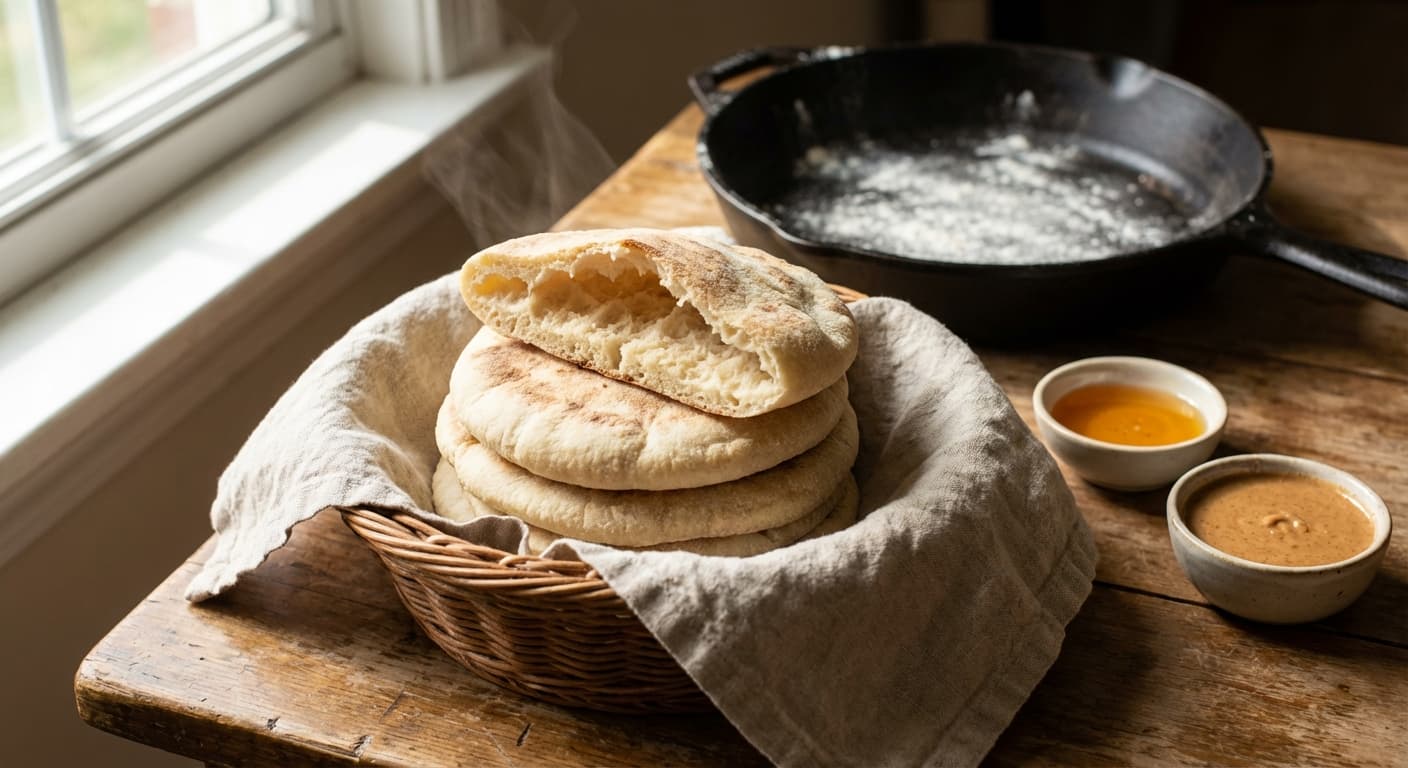
Batbout is a beloved Moroccan pan-cooked bread, puffed like a pocket and tender inside. Often served warm at breakfast or alongside tagines, it’s a staple of home kitchens and street stalls across Morocco.
Printable Recipe Card
Servings: 8 · Total: 45 min · Difficulty: medium
Ingredients (quick list)
- 240 g all-purpose flour (plus 20 g extra for dusting)
- 120 g fine semolina (also called semolina flour; use fine, not coarse)
- 6 g instant yeast (about 2 tsp)
- 8 g granulated sugar (about 2 tsp)
- 6 g fine sea salt (about 1 tsp)
- 240 ml warm water (about 38–40°C for best yeast activity)
- 15 ml olive oil (about 1 tbsp)
- 10 ml neutral oil (for lightly oiling the pan and hands)
Steps (summary)
- In a large bowl, whisk together the all-purpose flour, fine semolina, instant yeast, sugar, and salt until evenly combined. Add…
- Knead the dough for 8 minutes until it becomes smooth, elastic, and slightly tacky but not wet. If it feels sticky enough to sm…
- Lightly oil a clean bowl with 5 ml neutral oil and place the dough inside, turning once to coat. Cover tightly and let rise at…
- Turn the dough onto a lightly floured surface and gently press out excess gas without tearing it. Divide into 8 equal pieces (a…
- Dust the work surface lightly with flour and flatten each ball into a round about 10–11 cm wide and 8–10 mm thick. Arrange roun…
- Heat a heavy skillet or griddle over medium heat for 3 minutes, then reduce to medium-low and lightly wipe with 5 ml neutral oi…
+ 2 more steps in the full instructions section below.
Cultural Background
Batbout is a Moroccan everyday bread cooked on a griddle rather than baked, making it ideal for home kitchens without ovens. Its soft pocket is perfect for stuffing with salads, grilled meats, or spreads, and it commonly appears at breakfast and tea time.
Equipment
💡 Tips
- Keep the pan at medium-low so the bread has time to puff; a too-hot skillet browns the outside before the inside cooks.
- For a cleaner pocket, avoid over-flouring the surface and keep rounds evenly thick at 8–10 mm.
- Stack batbout under a towel as they finish so the crust stays soft and flexible for stuffing.
⚠️ Common Mistakes
❌ Cooking over high heat so the bread browns before the center cooks.
✅ Fix: Use medium-low heat and extend cooking time slightly; the surface should freckle gradually, not scorch.
❌ Rolling too thin, causing a dry, cracker-like result with poor puffing.
✅ Fix: Keep rounds 8–10 mm thick and allow a full 20-minute rest before cooking.
❌ Using too much flour while shaping, preventing the layers from sealing into a pocket.
✅ Fix: Dust lightly and brush off excess flour before the dough hits the pan.
🧊 How to Store
Cool completely, then store batbout in an airtight bag at room temperature for up to 24 hours or refrigerate up to 3 days. Reheat in a dry skillet over medium-low for 45–60 seconds per side, or wrap in foil and warm at 160°C for 8 minutes to restore softness.
📅 Make Ahead
Mix and knead the dough, then refrigerate covered for up to 12 hours for slower fermentation and deeper flavor. Bring to room temperature for 45 minutes before shaping, resting, and pan-cooking as directed.
🍽️ Pairs Well With
- Amlou
- honey and butter
- harira
- kefta tagine
- zaalouk
- olives and preserved lemon.
Regional Variations
- Stuffed batbout: split and fill with spiced tuna, olives, and preserved lemon for street-food style sandwiches.
- Herb batbout: knead in 6 g dried oregano and 2 g ground cumin for a savory, tagine-friendly bread.
- Whole-grain batbout: replace 120 g all-purpose flour with 120 g whole wheat flour for a nuttier flavor.
Ingredients
- 240 gall-purpose flour (plus 20 g extra for dusting)
- 120 gfine semolina (also called semolina flour; use fine, not coarse)
- 6 ginstant yeast (about 2 tsp)
- 8 ggranulated sugar (about 2 tsp)
- 6 gfine sea salt (about 1 tsp)
- 240 mlwarm water (about 38–40°C for best yeast activity)
- 15 mlolive oil (about 1 tbsp)
- 10 mlneutral oil (for lightly oiling the pan and hands)
🔄 Substitutions
- fine semolina→ whole wheat flour
- instant yeast→ active dry yeast
- olive oil→ melted butter
Instructions
- 1
In a large bowl, whisk together the all-purpose flour, fine semolina, instant yeast, sugar, and salt until evenly combined. Add the warm water and olive oil, then mix with your hand or a sturdy spoon until a shaggy dough forms and no dry pockets remain.
- 2
Knead the dough for 8 minutes until it becomes smooth, elastic, and slightly tacky but not wet. If it feels sticky enough to smear on your fingers, knead in 10 g flour at a time from the extra flour until it holds its shape.
- 3
Lightly oil a clean bowl with 5 ml neutral oil and place the dough inside, turning once to coat. Cover tightly and let rise at room temperature for 60 minutes, or until the dough has roughly doubled and springs back slowly when pressed.
- 4
Turn the dough onto a lightly floured surface and gently press out excess gas without tearing it. Divide into 8 equal pieces (about 75 g each), then shape each into a tight ball by tucking the edges underneath and sealing the seam.
- 5
Dust the work surface lightly with flour and flatten each ball into a round about 10–11 cm wide and 8–10 mm thick. Arrange rounds on a lightly floured towel or tray, cover, and rest for 20 minutes so the dough relaxes and puffs more easily on the pan.
- 6
Heat a heavy skillet or griddle over medium heat for 3 minutes, then reduce to medium-low and lightly wipe with 5 ml neutral oil. Cook one or two rounds at a time for 2 to 3 minutes on the first side until small bubbles appear and the underside shows light golden spots.
- 7
Flip and cook 2 to 3 minutes on the second side, pressing gently with a clean towel or spatula to encourage even puffing. Flip once more for 30 to 60 seconds to finish; the batbout should feel light, with a soft crust and deeper brown freckles.
- 8
Transfer cooked batbout to a towel-lined basket and cover to keep them soft and steamy. Repeat with remaining dough, adjusting heat as needed; if browning too fast, lower the heat for the next rounds so the centers cook through before the surface darkens.
🪪 Recipe Passport
Cultural Background
Batbout is a Moroccan everyday bread cooked on a griddle rather than baked, making it ideal for home kitchens without ovens. Its soft pocket is perfect for stuffing with salads, grilled meats, or spreads, and it commonly appears at breakfast and tea time.
Regional Variations
Researched from multiple sources and validated by the Zaffaron editorial team. Every recipe is tested for accuracy, measurements, and cultural authenticity.
Nutrition per serving
Pairs well with
If you enjoyed this recipe, here are a few related Zaffaron recipes to try next.
Does your family make this differently?
Every family has their own version. Maybe your grandmother adds a secret ingredient, or your aunt has a completely different technique. Preserve your family's version — with their name on it, forever.
You Might Also Like
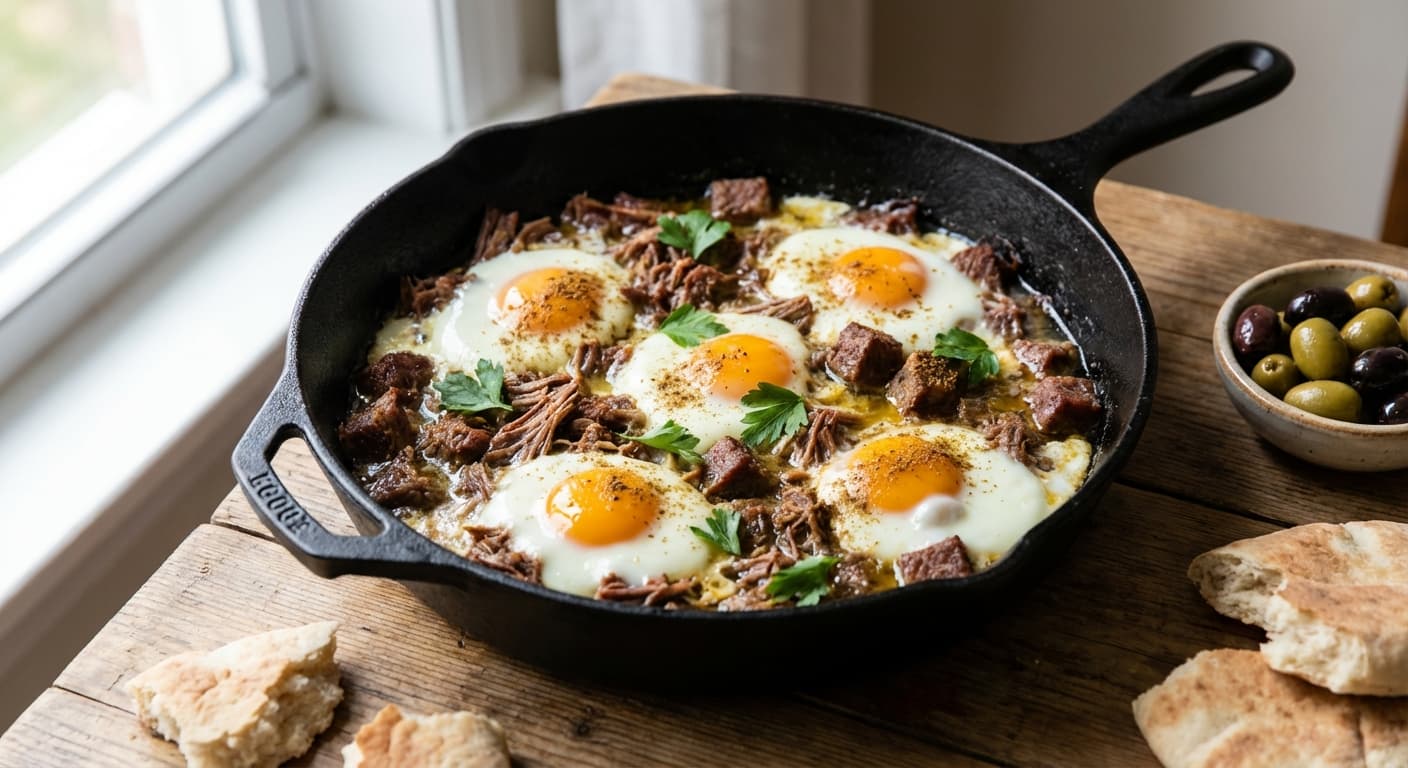
Khlea (خليع) — Moroccan Preserved Spiced Beef with Eggs
Moroccan · Main Courses · 285 min
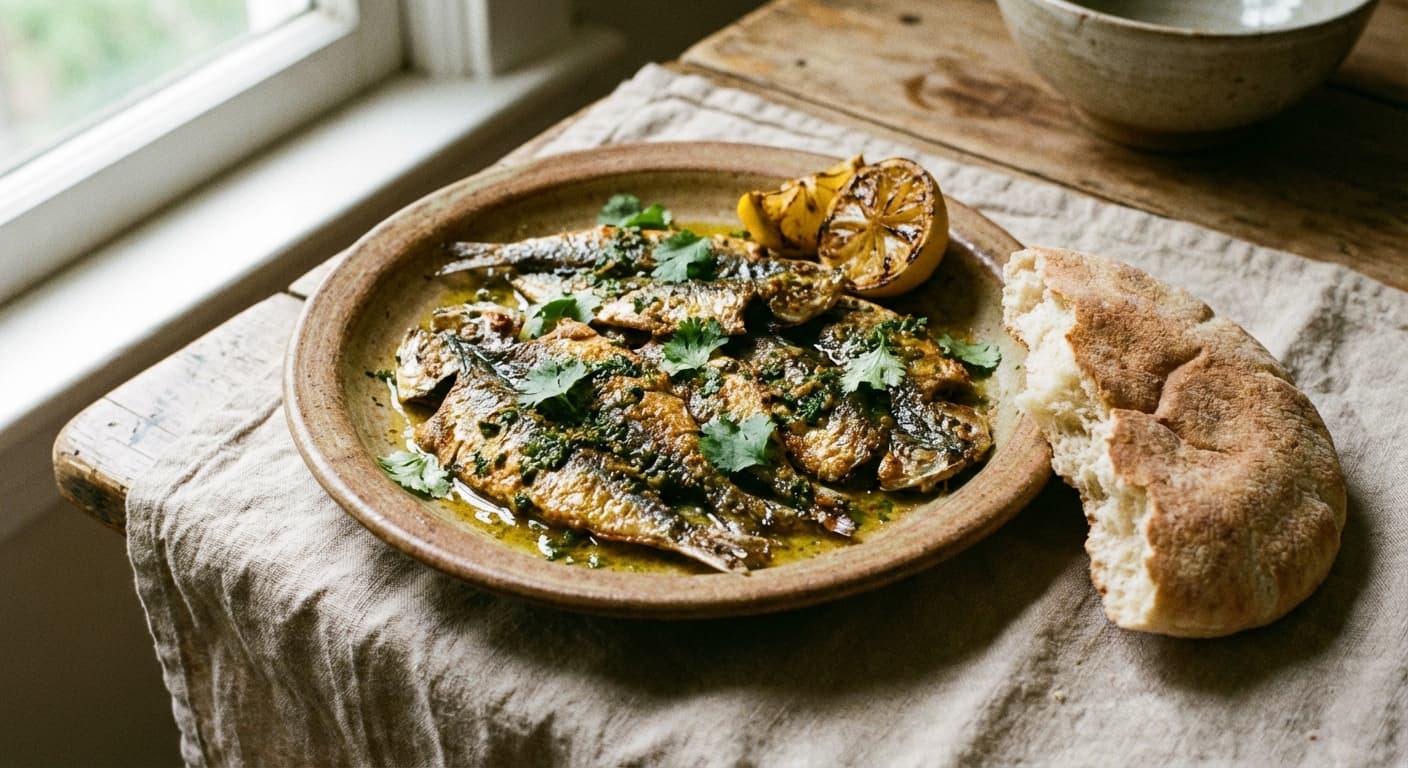
Sardines Chermoula (سردين شرمولة) — Moroccan chermoula-marinated sardines, pan-fried
Moroccan · Main Courses · 37 min
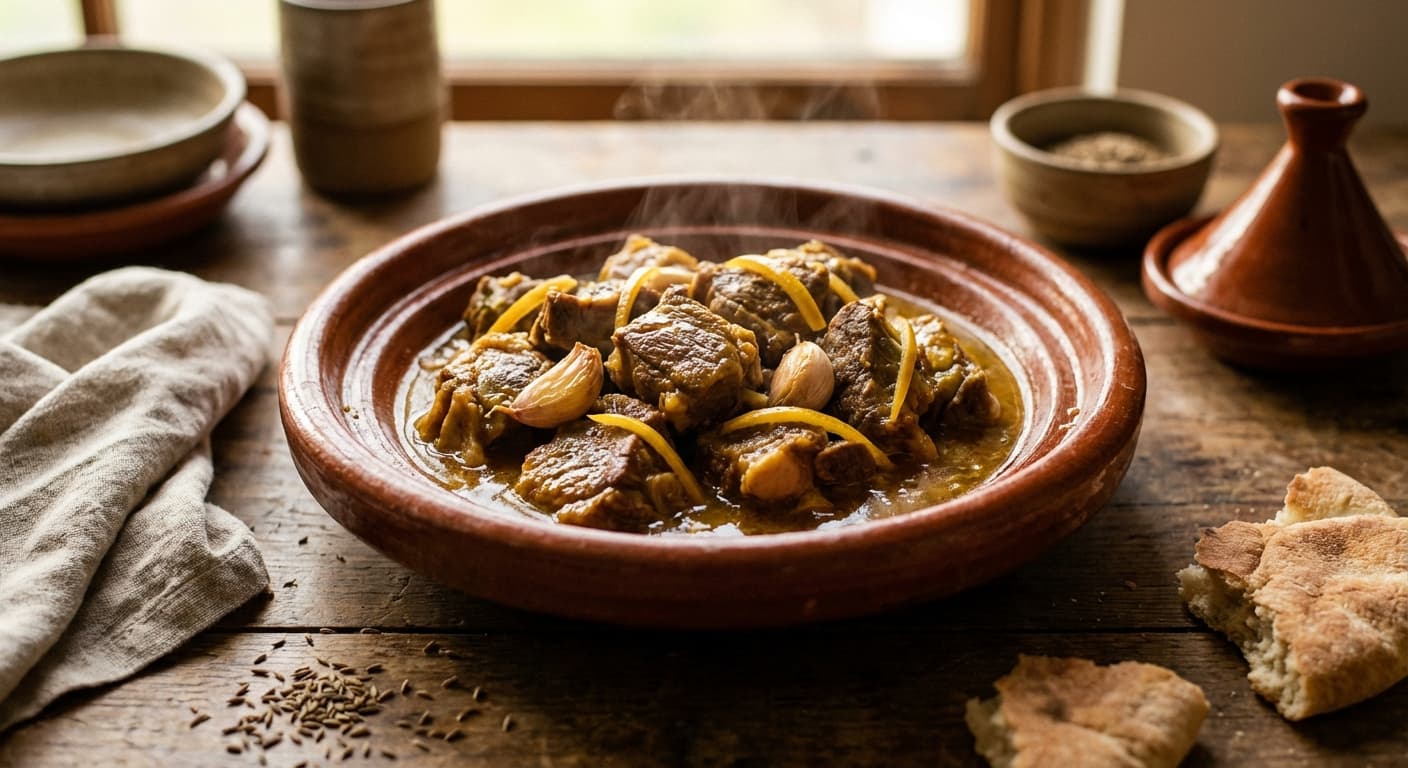
Tanjia Marrakchia (طنجية مراكشية) — Moroccan Slow-cooked lamb in clay urn
Moroccan · Main Courses · 260 min
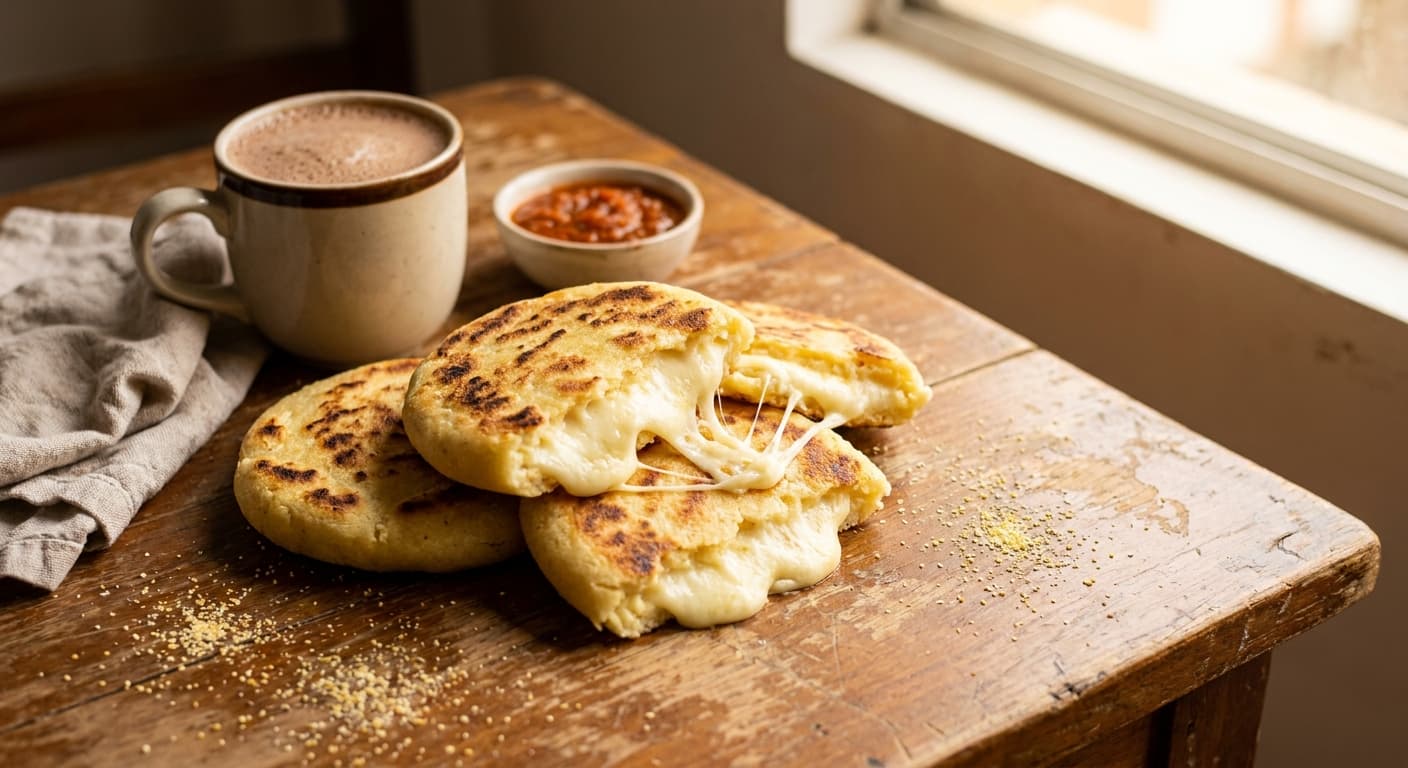
Colombian Cheese Arepas (Arepas de Queso) — Golden Corn Cakes Filled with Melted Cheese
Colombian · Breads · 38 min
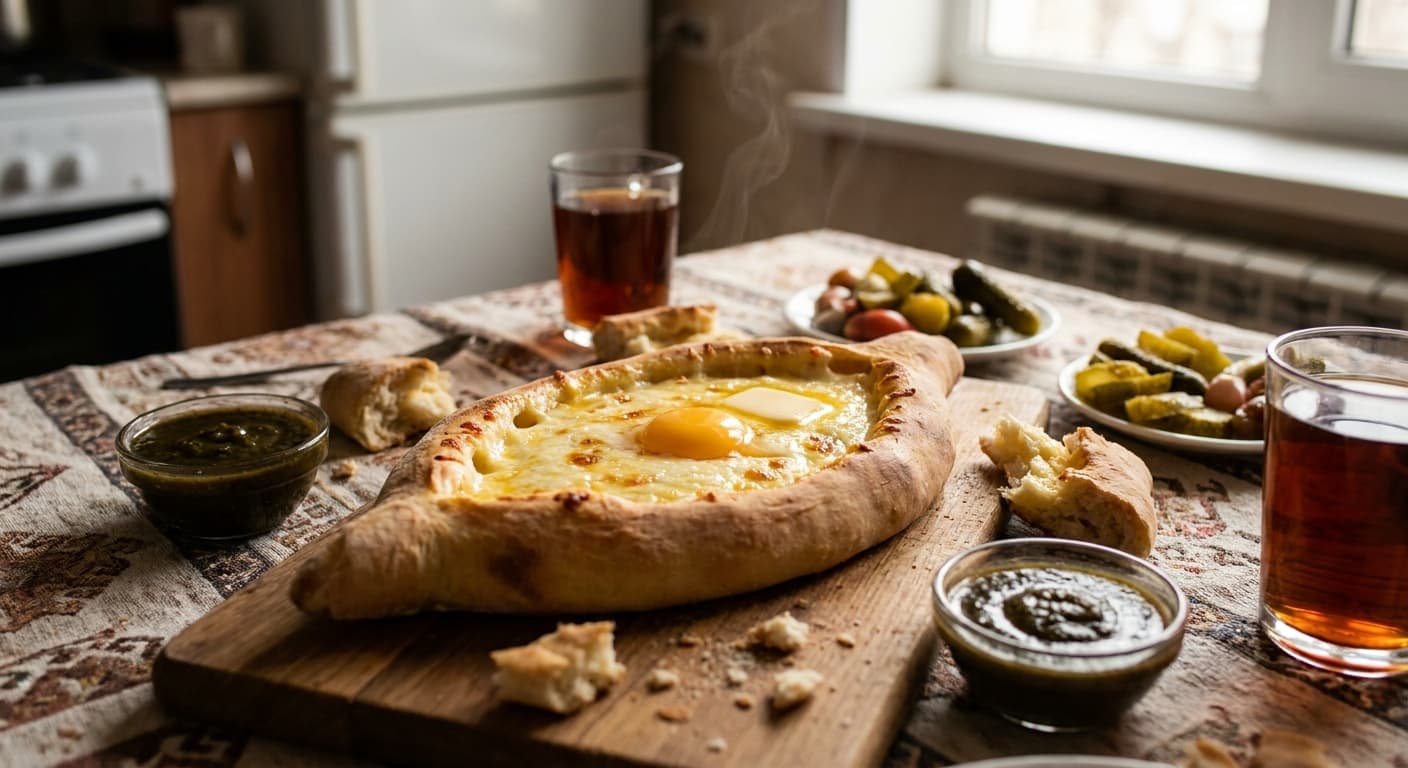
Georgian Khachapuri Adjaruli (აჭარული ხაჭაპური) — Boat-Shaped Cheese Bread
Georgian · Breads · 53 min
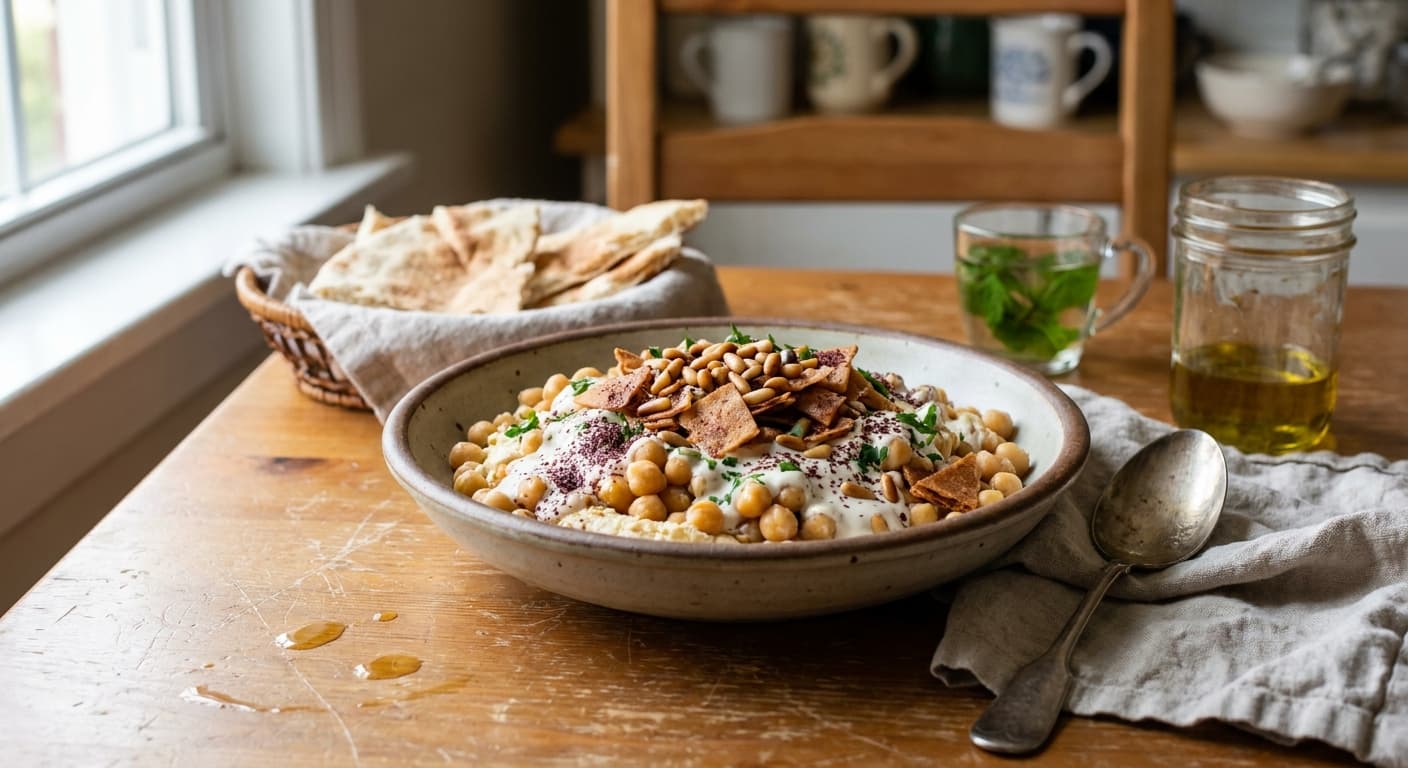
Fattet Hummus (فتة حمص) — Chickpeas with Yogurt and Crisp Bread
Lebanese · Main Courses · 30 min
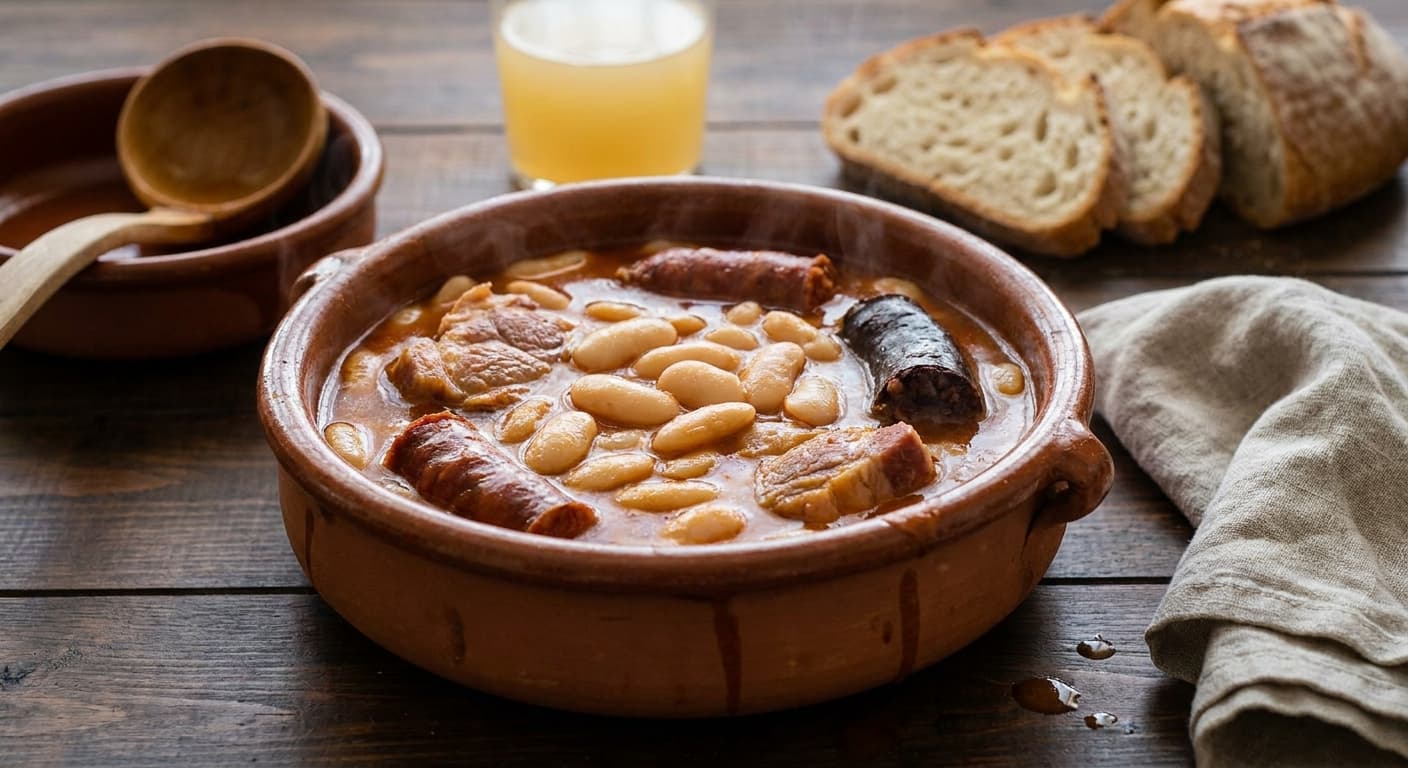
Asturian Bean Stew (Fabada Asturiana) — Smoky Spanish Bean and Pork Stew
Spanish · Stews · 210 min
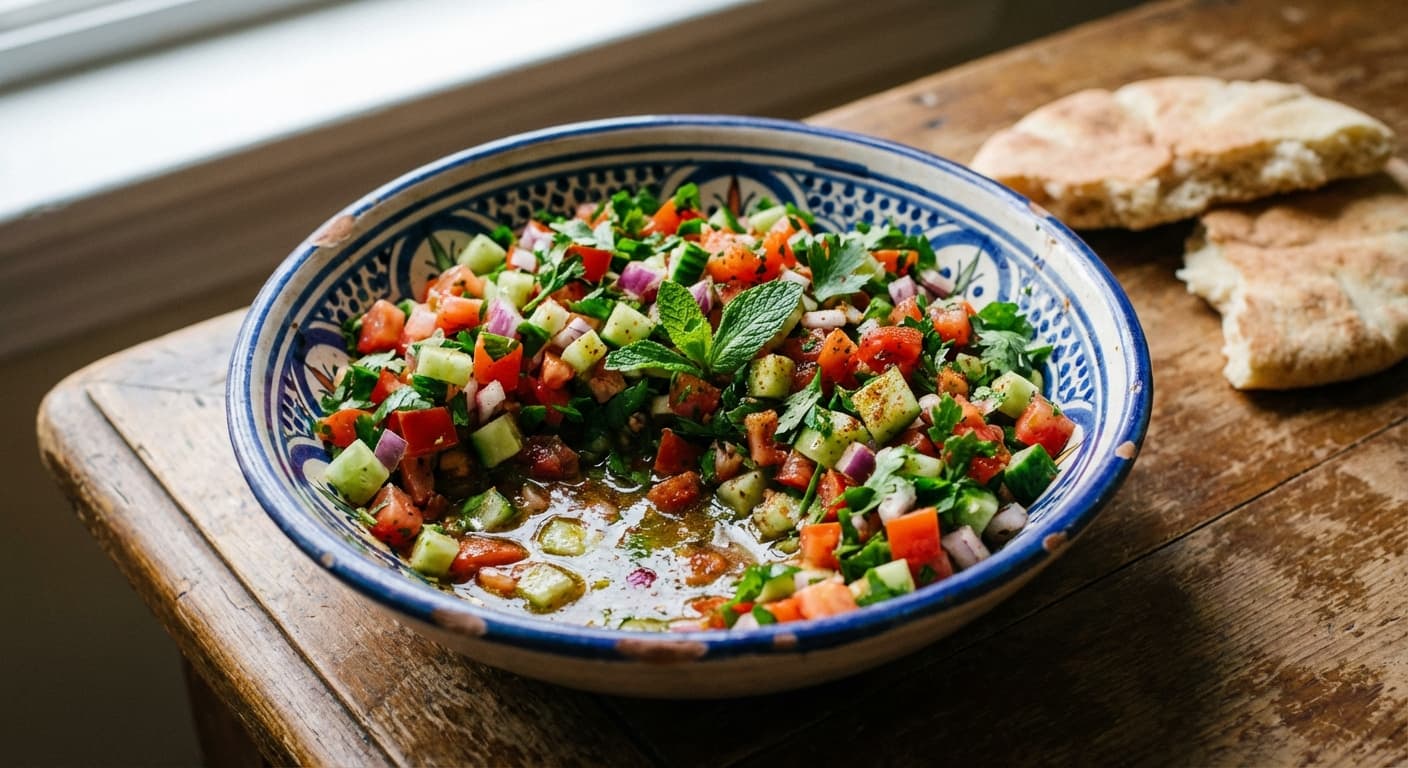
Chlada Maghribia (شلادة مغربية) — Moroccan Tomato-Cucumber Salad with Herbs
Moroccan · Salads · 15 min
Reviews
Cooked this recipe?
Tap the stars to rate it — that's all it takes. A few words are welcome but optional.
No ratings yet. Cooked this one? Be the first to rate it — it takes one tap.