Beef Chow Fun (干炒牛河) — Cantonese Wok-Fried Rice Noodles with Beef
Beef Chow Fun is a Cantonese classic built around fresh wide rice noodles, tender marinated beef, bean sprouts, and the smoky wok aroma known as wok hei. It is a beloved Hong Kong and Guangdong stir-fry served in restaurants, street stalls, and home kitchens.
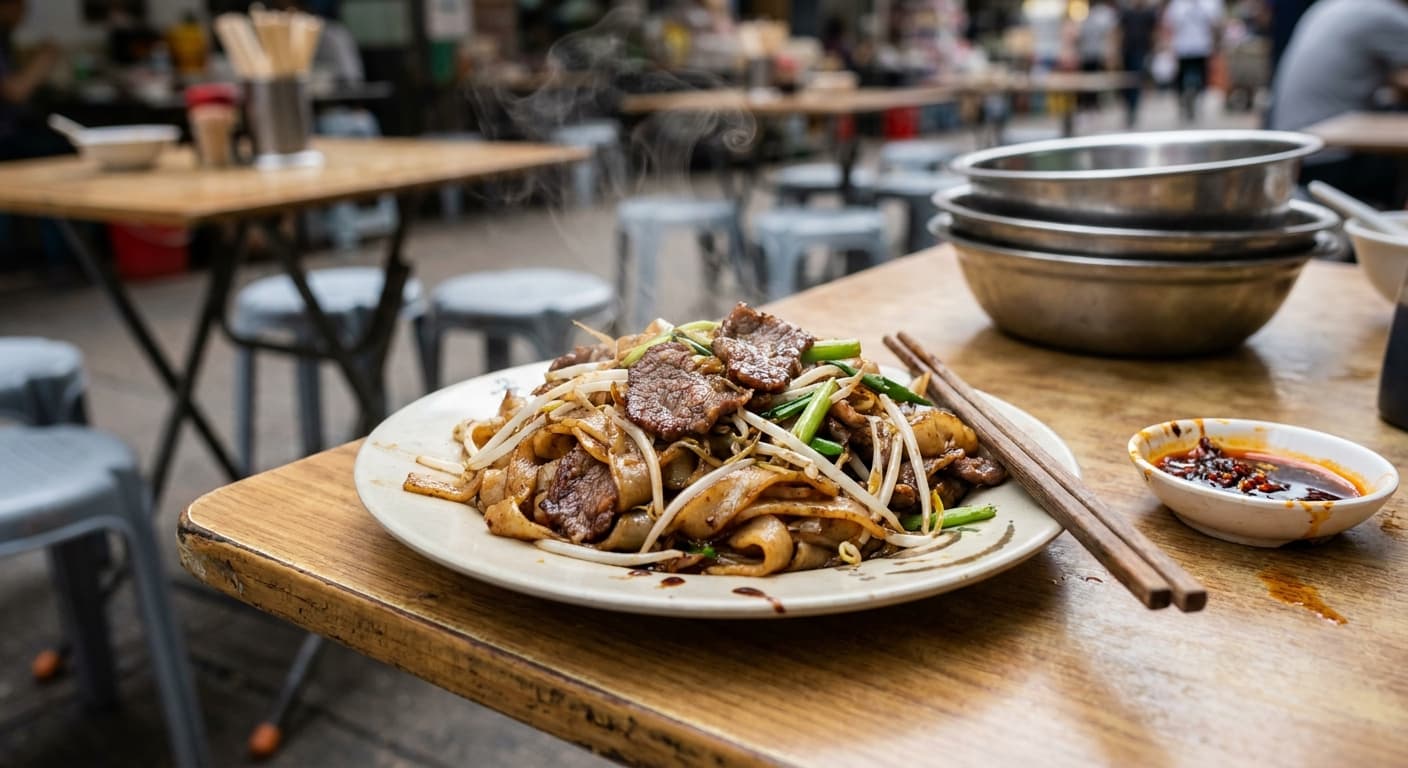
Printable Recipe Card
Servings: 4 · Total: 33 min · Difficulty: medium
Ingredients (quick list)
- 340 g flank steak (slice 3 mm thick across the grain)
- 1 tbsp light soy sauce
- 1 tbsp Shaoxing wine
- 2 tsp cornstarch
- 2 tsp neutral oil (peanut, canola, or grapeseed oil)
- 0.25 tsp white pepper
- 0.125 tsp baking soda (optional but traditional for extra tenderness)
- 680 g fresh wide rice noodles (ho fun, separated by hand before cooking)
- 1 yellow onion (thinly sliced)
- 5 scallions (cut into 5 cm lengths, white and green parts separated)
- 170 g mung bean sprouts (rinsed and very well drained)
- 1 tbsp dark soy sauce
+ 3 more in the full ingredients section below.
Steps (summary)
- Slice the flank steak thinly across the grain so the finished beef stays tender. Combine it with light soy sauce, Shaoxing wine…
- Let the beef marinate for 15 minutes at room temperature while you prepare the noodles and vegetables. If your kitchen is very…
- Separate the fresh wide rice noodles gently with your fingers before they go into the wok. If they are stiff from refrigeration…
- Stir together the light soy sauce, dark soy sauce, oyster sauce, sugar, sesame oil, and white pepper in a small bowl. Keep this…
- Heat a carbon-steel wok over high heat until a bead of water evaporates within 1 second. Add 1 tbsp neutral oil, swirl to coat,…
- Stir-fry the beef for another 45 to 60 seconds until it is about 80 percent cooked and lightly browned at the edges. Transfer t…
+ 6 more steps in the full instructions section below.
Cultural Background
Known in Cantonese as dry-fried beef ho fun, this dish is a benchmark of wok skill in Guangdong and Hong Kong. The best versions balance tender beef, intact noodles, and smoky wok hei without excess oil or sauce.
Equipment
💡 Tips
- Use fresh ho fun whenever possible; dried rice noodles do not deliver the same soft, elastic Cantonese texture.
- Drain bean sprouts thoroughly, because excess water lowers wok temperature and makes the noodles steam instead of char.
- Cook in two smaller batches if your burner is weak or your wok is under 35 cm wide.
⚠️ Common Mistakes
❌ Breaking the rice noodles into short fragments
✅ Fix: Warm chilled noodles first and toss with lifting motions instead of chopping or pressing with the spatula.
❌ Adding wet bean sprouts to the wok
✅ Fix: Rinse them early and dry them thoroughly in a colander or salad spinner before cooking.
❌ Crowding the wok
✅ Fix: Use very high heat and cook in two batches if the noodles cannot spread across the hot surface.
🧊 How to Store
Refrigerate leftovers in an airtight container for up to 2 days. Reheat in a lightly oiled hot wok or skillet for 2 to 3 minutes, adding 1 tbsp water if the noodles have firmed; microwaving softens the texture.
📅 Make Ahead
Slice and marinate the beef up to 6 hours ahead, and mix the sauce up to 1 day ahead. Separate and warm the rice noodles only shortly before cooking so they remain supple.
🍽️ Pairs Well With
- Chinese broccoli with oyster sauce
- hot tea
- cucumber salad
- chili oil
- steamed egg custard.
Regional Variations
- Hong Kong restaurant versions often emphasize dark soy color and a pronounced smoky wok hei.
- Guangzhou-style versions may be a little lighter in color, with cleaner beef flavor and less sauce.
- Singapore and Malaysian versions sometimes include more bean sprouts and a slightly sweeter sauce profile.
Ingredients
- 340 gflank steak (slice 3 mm thick across the grain)
- 1 tbsplight soy sauce
- 1 tbspShaoxing wine
- 2 tspcornstarch
- 2 tspneutral oil (peanut, canola, or grapeseed oil)
- 0.25 tspwhite pepper
- 0.13 tspbaking soda (optional but traditional for extra tenderness)
- 680 gfresh wide rice noodles (ho fun, separated by hand before cooking)
- 1yellow onion (thinly sliced)
- 5scallions (cut into 5 cm lengths, white and green parts separated)
- 170 gmung bean sprouts (rinsed and very well drained)
- 1 tbspdark soy sauce
- 1 tbspoyster sauce
- 1 tspgranulated sugar
- 1 tspsesame oil
🔄 Substitutions
- flank steak→ sirloin steak
- Shaoxing wine→ dry sherry
- oyster sauce→ vegetarian mushroom oyster sauce
Instructions
- 1
Slice the flank steak thinly across the grain so the finished beef stays tender. Combine it with light soy sauce, Shaoxing wine, cornstarch, neutral oil, white pepper, and baking soda, then mix firmly for 1 minute until the slices feel slightly sticky and coated.
- 2
Let the beef marinate for 15 minutes at room temperature while you prepare the noodles and vegetables. If your kitchen is very warm, refrigerate the beef for the same time and remove it 5 minutes before stir-frying.
- 3
Separate the fresh wide rice noodles gently with your fingers before they go into the wok. If they are stiff from refrigeration, microwave them loosely covered for 60 seconds or steam them for 2 minutes until pliable but not wet.
- 4
Stir together the light soy sauce, dark soy sauce, oyster sauce, sugar, sesame oil, and white pepper in a small bowl. Keep this sauce beside the stove, because chow fun cooks quickly and the noodles should not wait in the hot wok.
- 5
Heat a carbon-steel wok over high heat until a bead of water evaporates within 1 second. Add 1 tbsp neutral oil, swirl to coat, then spread the beef in a single layer and sear for 45 seconds before turning.
- 6
Stir-fry the beef for another 45 to 60 seconds until it is about 80 percent cooked and lightly browned at the edges. Transfer the beef to a plate immediately so it does not overcook while the noodles are fried.
- 7
Return the wok to high heat and add 1 tbsp neutral oil. Add the sliced onion and scallion whites, then stir-fry for 45 seconds until fragrant and just beginning to soften.
- 8
Add the remaining 1 tbsp neutral oil and the separated rice noodles. Toss by lifting and folding with a wok spatula for 1 minute, using broad movements so the noodles char lightly without breaking into small pieces.
- 9
Pour the prepared sauce evenly around the sides of the hot wok rather than directly into one spot. Toss and fold the noodles for 1 to 2 minutes until they are evenly stained brown and smell smoky.
- 10
Return the beef and any collected juices to the wok. Add the bean sprouts and scallion greens, then toss for 45 to 60 seconds until the sprouts are hot but still crisp.
- 11
Spread the noodles briefly against the hottest surface of the wok for 15 seconds to encourage wok hei without burning the sauce. Give everything one final fold, then transfer immediately to a warm serving platter.
- 12
Serve the Beef Chow Fun as soon as it leaves the wok, when the noodles are glossy and the beef is still juicy. This dish loses its best texture as it sits, so bring diners to the table before the final stir-fry begins.
🪪 Recipe Passport
Cultural Background
Known in Cantonese as dry-fried beef ho fun, this dish is a benchmark of wok skill in Guangdong and Hong Kong. The best versions balance tender beef, intact noodles, and smoky wok hei without excess oil or sauce.
Regional Variations
Researched from multiple sources and validated by the Zaffaron editorial team. Every recipe is tested for accuracy, measurements, and cultural authenticity.
📚 Sources & Cultural References
- Grace Young — The Breath of a Wok — (2004)
- Eileen Yin-Fei Lo — The Chinese Kitchen — (1999)
Sources cited by the Zaffaron editorial team during recipe research. Cultural and culinary references supporting authenticity claims.
Nutrition per serving
Pairs well with
If you enjoyed this recipe, here are a few related Zaffaron recipes to try next.
Does your family make this differently?
Every family has their own version. Maybe your grandmother adds a secret ingredient, or your aunt has a completely different technique. Preserve your family's version — with their name on it, forever.
You Might Also Like
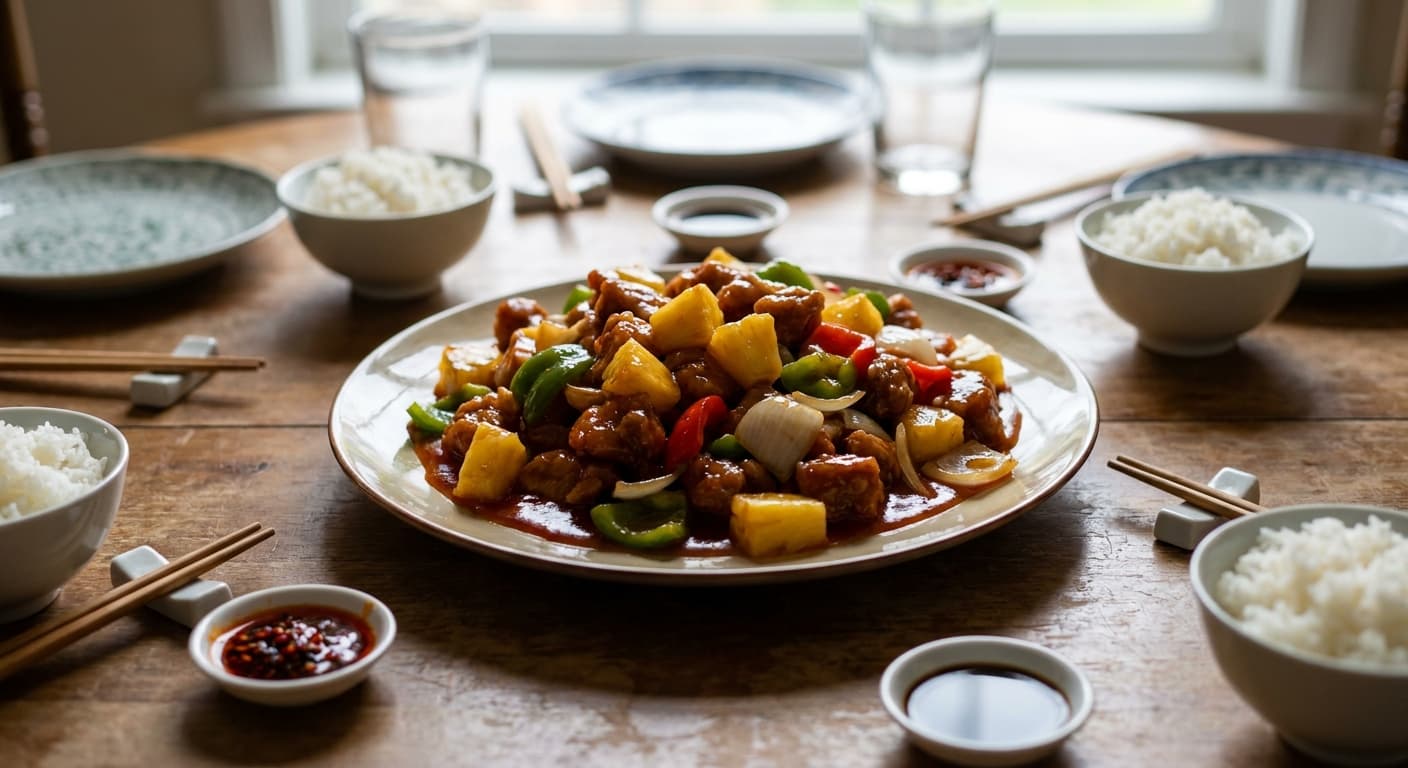
Sweet and Sour Pork (咕噜肉) — Cantonese Pork with Pineapple and Peppers
Chinese · Main Courses · 55 min
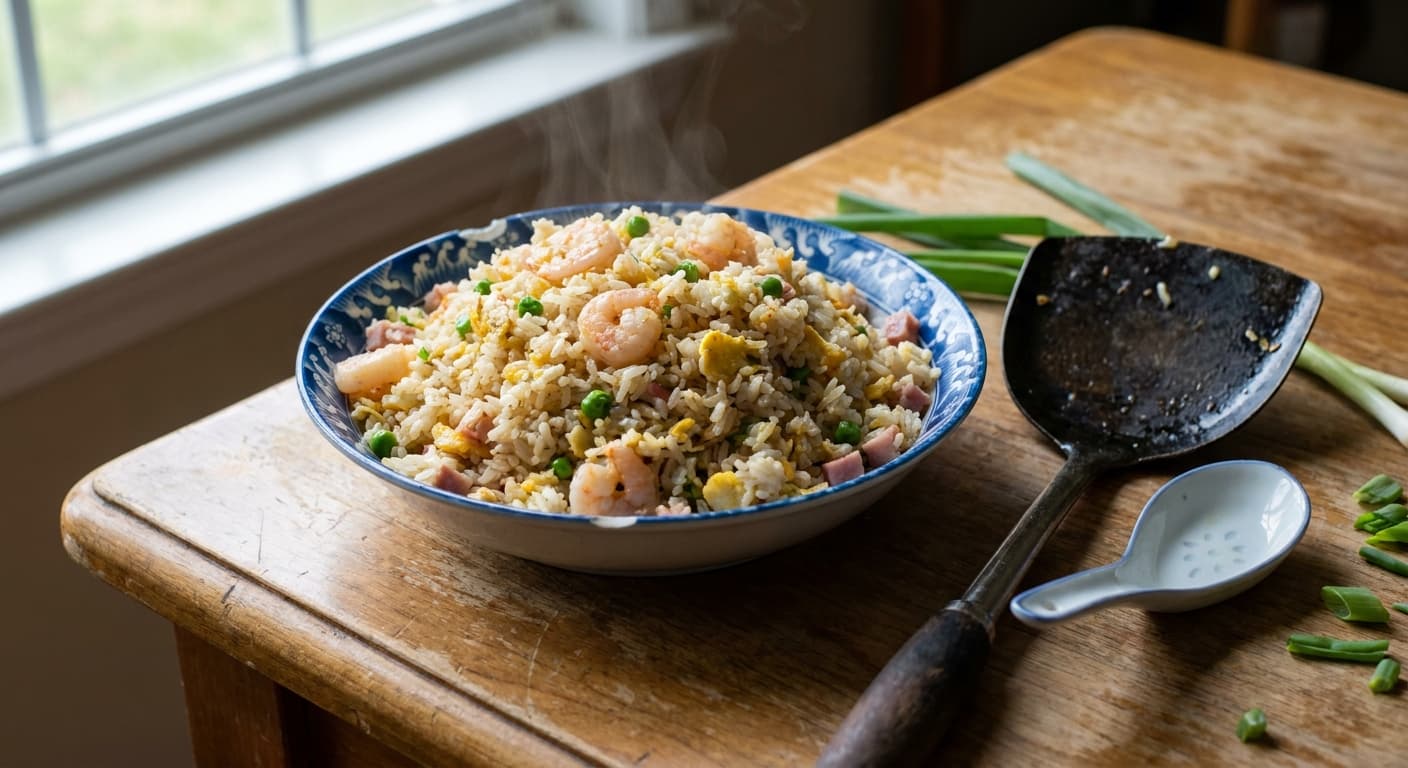
Yangzhou Fried Rice (扬州炒饭) — Classic Shrimp, Char Siu, and Egg Fried Rice
Chinese · Rice Dishes · 30 min
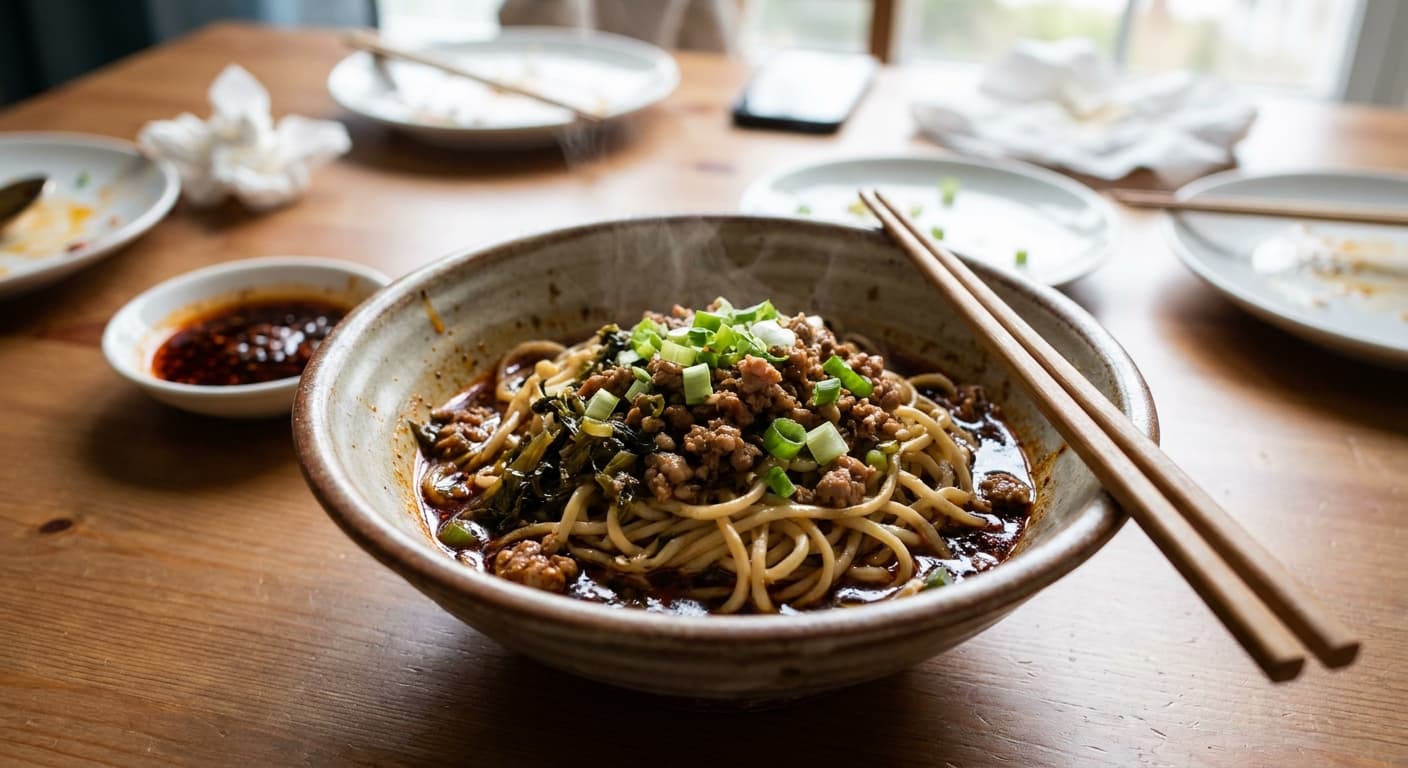
Dan Dan Noodles (担担面) — Sichuan Noodles with Spicy Sesame-Chili Pork Sauce
Chinese · Main Courses · 45 min
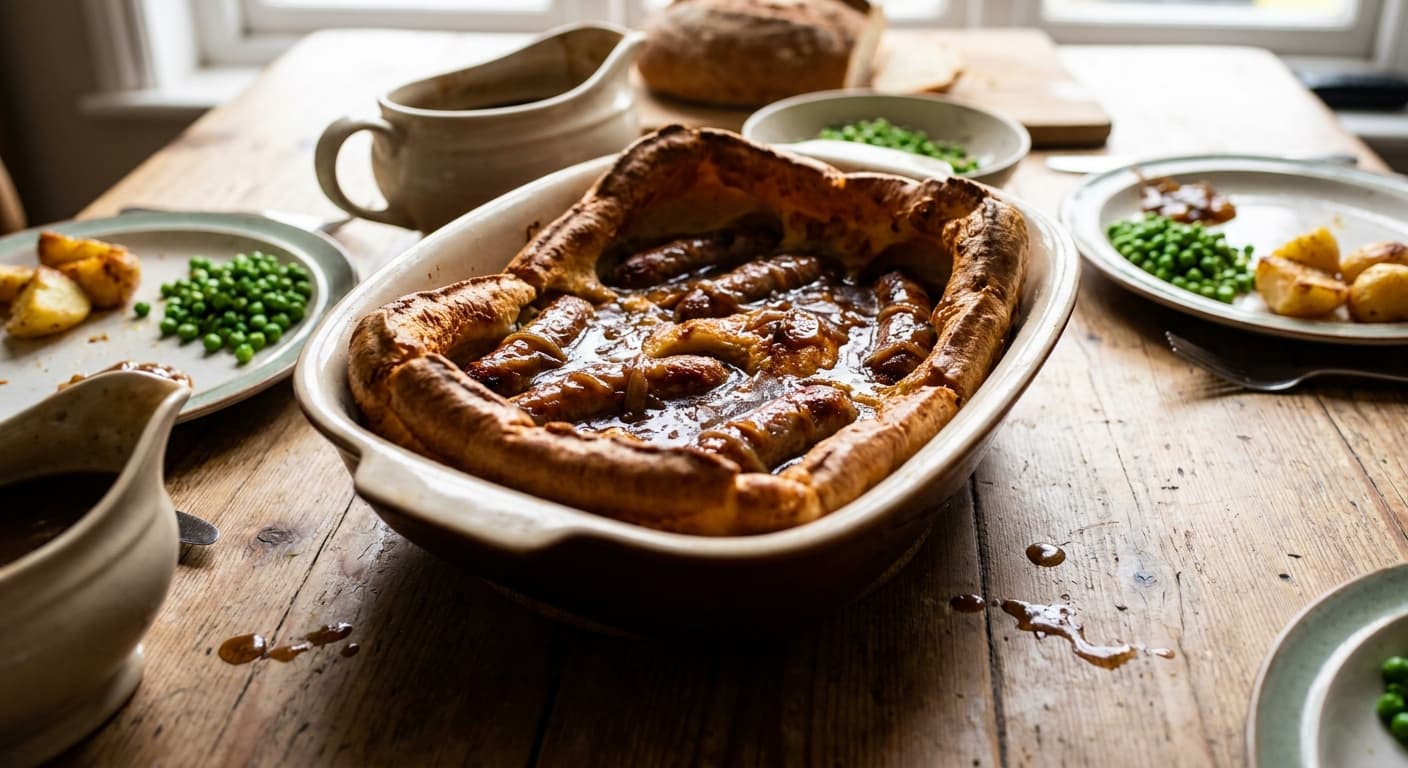
Toad in the Hole (Toad in the Hole) — Sausages Baked in Yorkshire Pudding Batter
British · Main Courses · 65 min
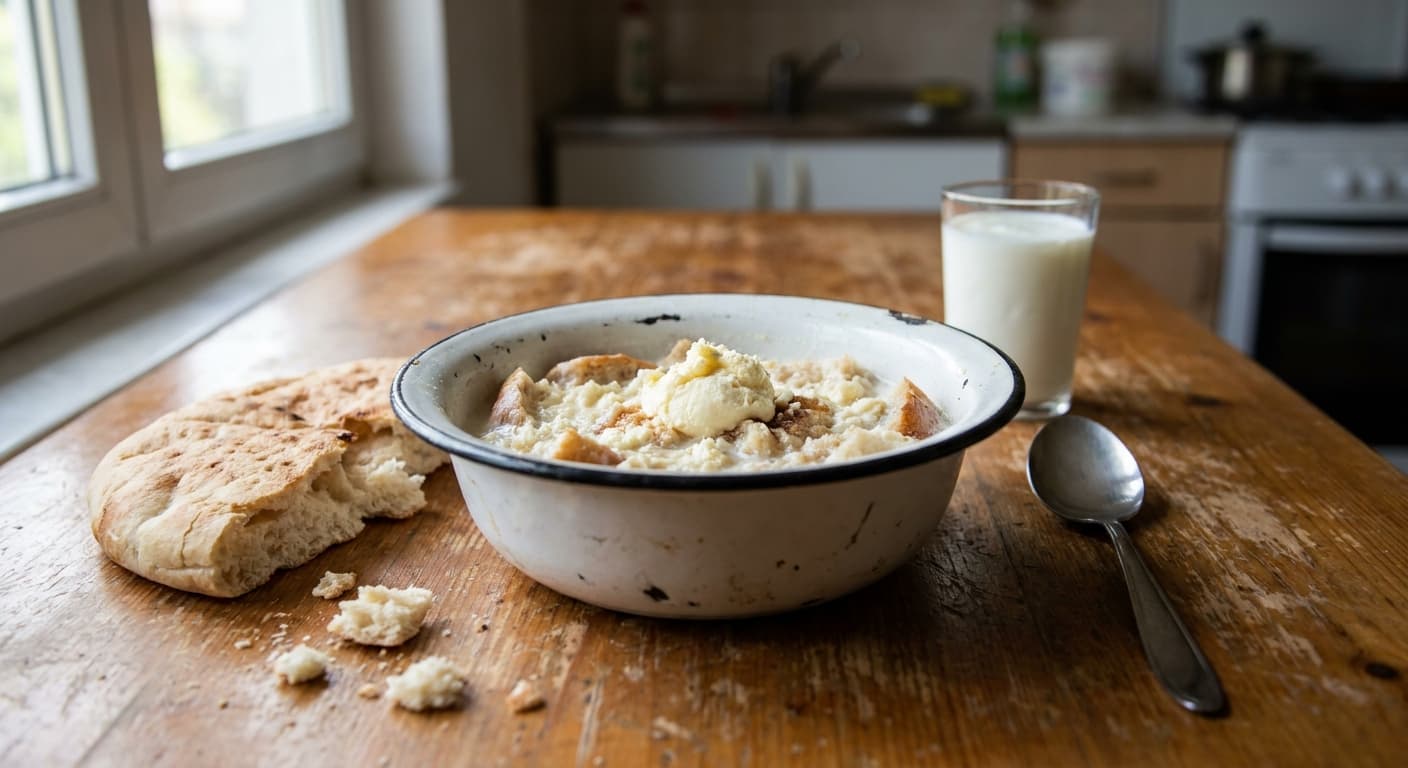
Bosnian Popara (Попара) — Bread Porridge with Kaymak
Bosnian · Main Courses · 22 min
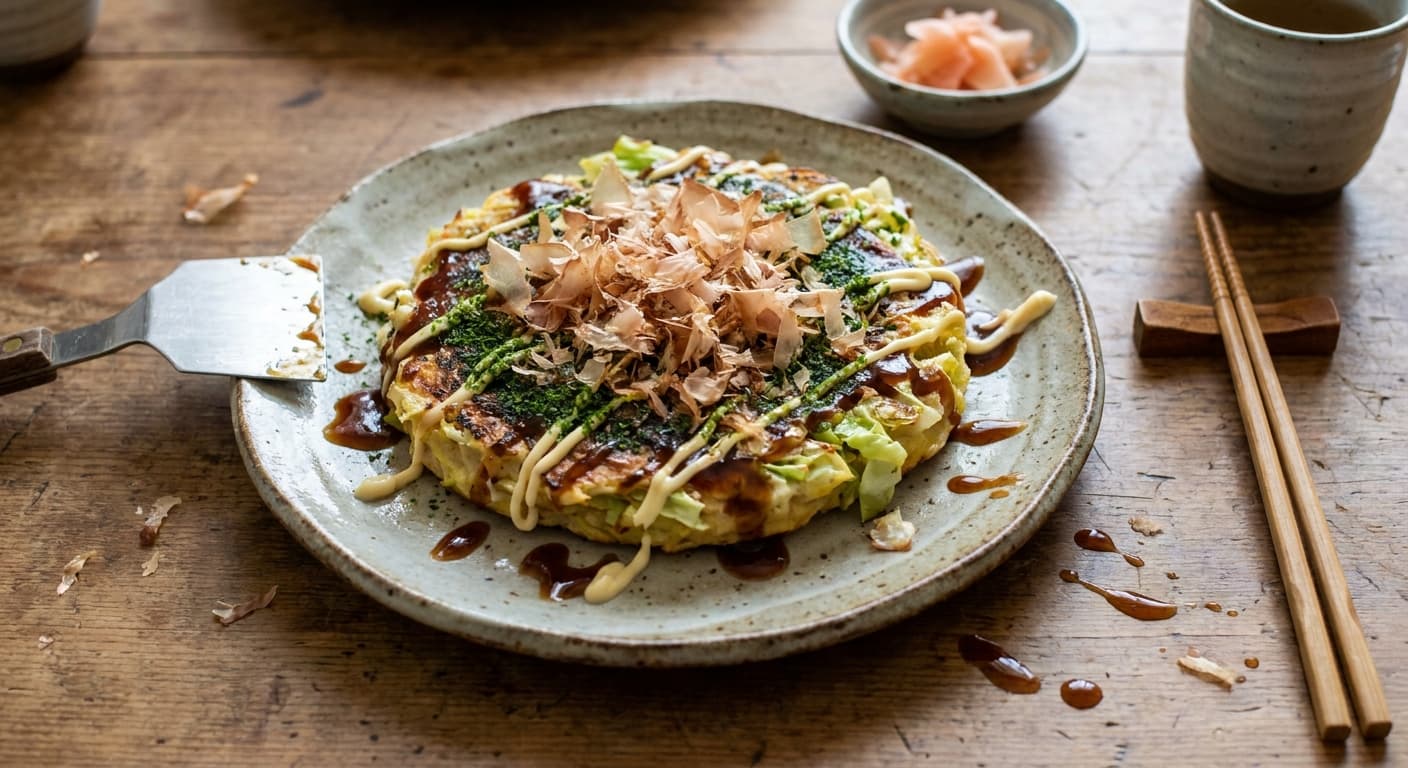
Okonomiyaki (お好み焼き) — Osaka-Style Savory Cabbage Pancake
Japanese · Main Courses · 49 min
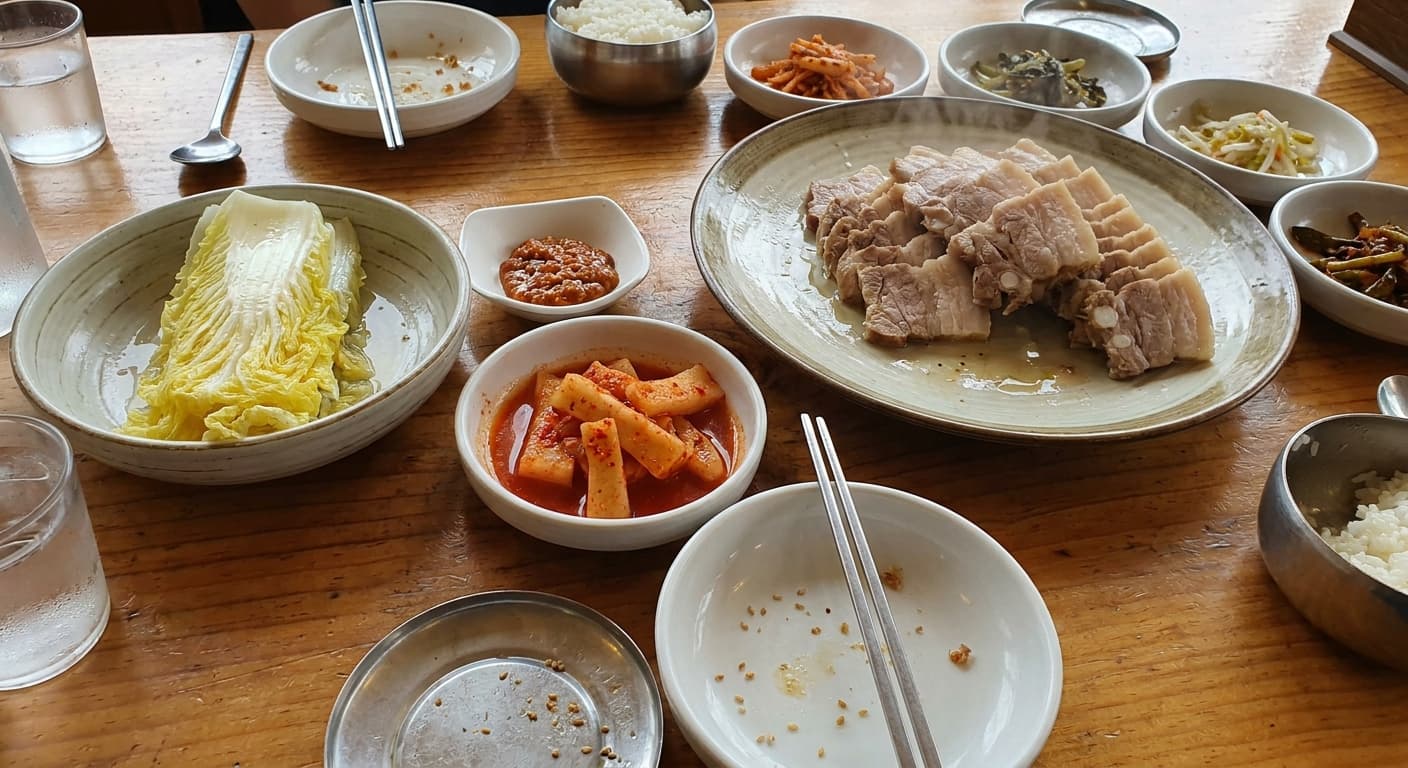
Bossam (보쌈) — Korean Boiled Pork Lettuce Wraps
Korean · Main Courses · 135 min
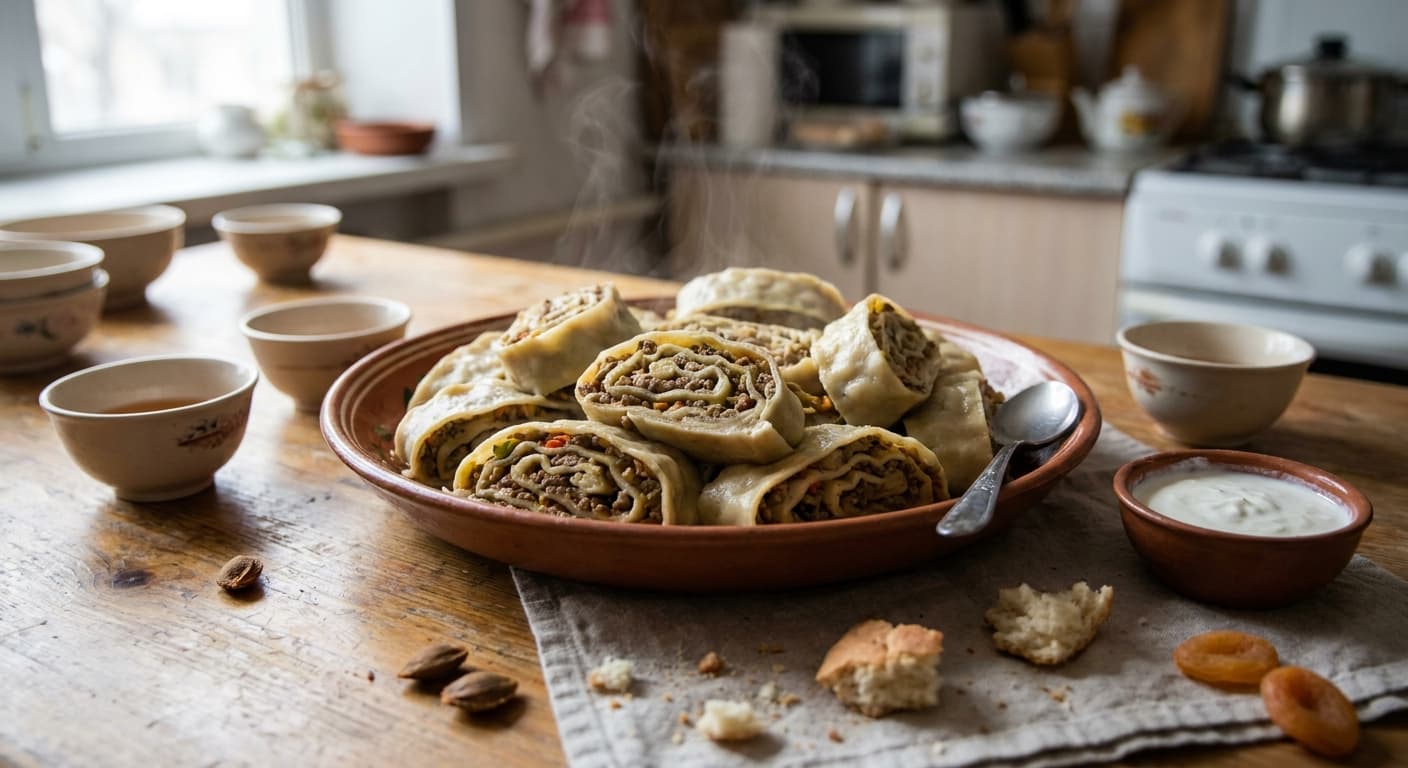
Orromo (Оромо) — Kyrgyz Steamed Rolled Dumpling with Lamb and Pumpkin
Kyrgyz · Main Courses · 105 min
Reviews
Cooked this recipe?
Tap the stars to rate it — that's all it takes. A few words are welcome but optional.
No ratings yet. Cooked this one? Be the first to rate it — it takes one tap.