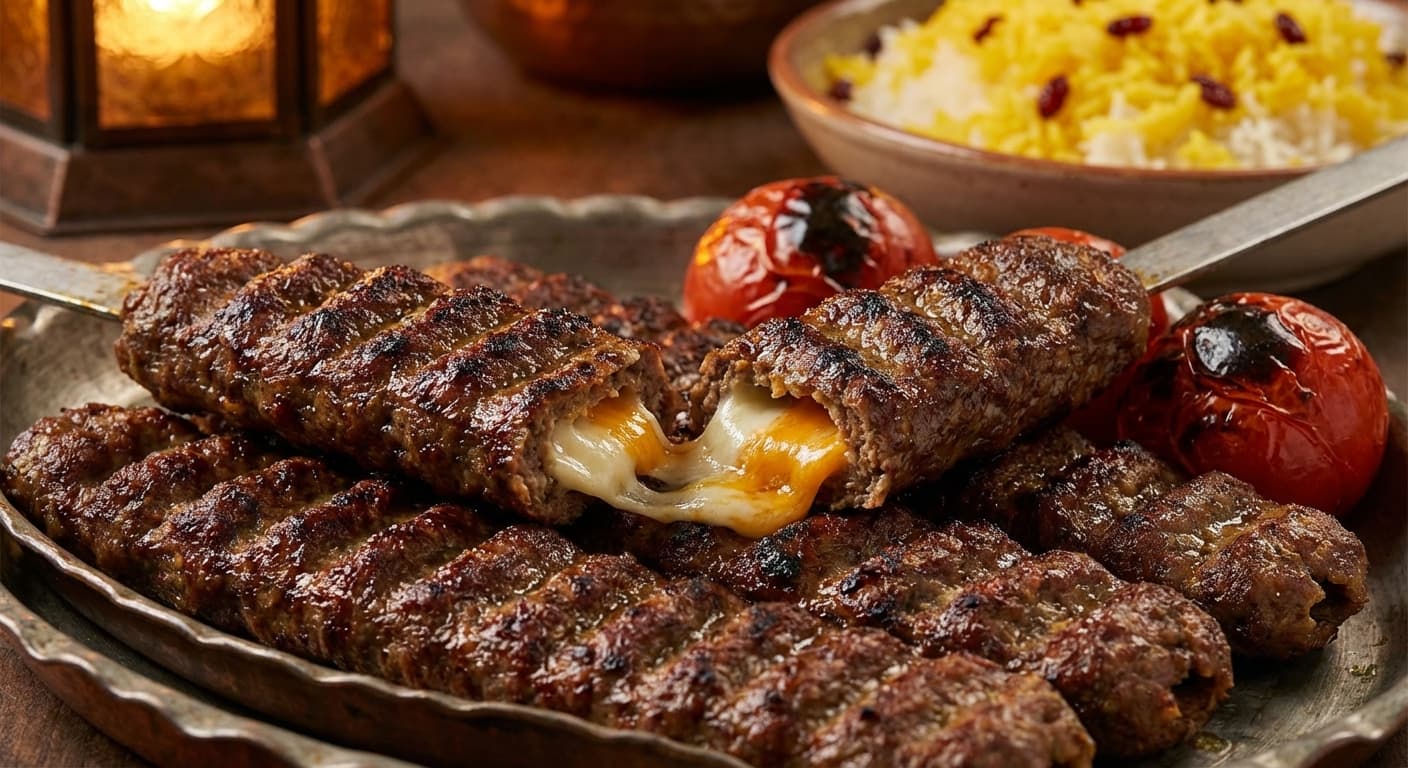
Kabab Koobideh (کباب کوبیده) — Cheesy Persian Minced Kebab Skewers
A modern, indulgent take on Persian koobideh: seasoned minced meat skewers studded with a molten blend of Ninia-style brined cheese and sharp cheddar. Smoky, juicy, and perfect with rice or flatbread.
Printable Recipe Card
Servings: 4 · Total: 98 min · Difficulty: medium
Ingredients (quick list)
- 600 g Ground beef (80/20) (cold from the refrigerator for better binding)
- 200 g Ground lamb (cold; adds classic koobideh richness (optional but recommended))
- 300 g Yellow onion (1 large; finely grated on the small holes)
- 10 g Sea salt (about 1 3/4 tsp; essential for protein binding)
- 2 g Black pepper (about 1 tsp, freshly ground)
- 1 g Baking soda (about 1/4 tsp; improves tenderness and browning)
- 30 ml Ice water (2 tbsp; helps emulsify and keep the mixture cold)
- 120 g Ninia-style brined white cheese (drained well, cut into 6–8 mm cubes; see substitutions if unavailable)
- 80 g Cheddar cheese (sharp; cut into 6–8 mm cubes)
- 15 ml Neutral oil (1 tbsp; for brushing skewers and grill grates)
Steps (summary)
- Grate the onion into a bowl, then squeeze it firmly in a clean towel or cheesecloth to remove as much juice as possible (aim fo…
- In a large, cold bowl, combine ground beef, ground lamb, squeezed onion pulp, sea salt, black pepper, and baking soda. Add the…
- While the meat chills, drain the brined cheese thoroughly and pat it dry. Cut both cheeses into 6–8 mm cubes so they melt witho…
- Prepare a charcoal grill for medium-high heat (about 230–260°C / 450–500°F at the grate), or preheat a gas grill to medium-high…
- Divide the meat mixture into 8 equal portions (about 105 g each). With wet hands, flatten one portion into a rectangle in your…
- Press each filled portion onto a wide, flat skewer, spreading it evenly to about 2 cm thickness and 18–22 cm length. Create cla…
+ 2 more steps in the full instructions section below.
Cultural Background
Kabab koobideh is a widely recognized Iranian grilled kebab associated with bazaars, family gatherings, and restaurant grilling traditions. This cheese-filled version is a contemporary adaptation that keeps the core technique—onion-bound minced meat on wide skewers—while adding a modern, melty center.
Equipment
💡 Tips
- Squeezing onion thoroughly is the single biggest factor for kebabs that stay on the skewer.
- Knead until the mixture becomes sticky; that tackiness is the protein bind that prevents falling apart.
- Keep everything cold (meat, bowl, skewers, cheese). Warm fat smears and weakens the structure.
- Seal the meat completely around the cheese and avoid cracks; even small gaps can cause cheese to leak and tear the kebab.
- If grilling on thin skewers, double-skewer each kebab for stability.
⚠️ Common Mistakes
❌ Not squeezing the grated onion enough
💡 Why: Excess onion juice loosens the mixture, making it slide off the skewer and steam instead of sear
✅ Fix: Squeeze until the pulp feels fairly dry; if it still seems wet, squeeze again and extend chilling time by 15 minutes
❌ Under-kneading the meat mixture
💡 Why: Without proper mixing, proteins do not bind and the kebab cracks and drops during flipping
✅ Fix: Knead 6–8 minutes until sticky and elastic; the mixture should cling to your hand before chilling
❌ Cheese leaking and tearing the kebab
💡 Why: Warm cheese, large chunks, or unsealed seams create weak points that burst as the cheese melts
✅ Fix: Use small cubes, keep cheese cold, and fully seal the meat with no cracks; move to a cooler zone once browned to finish gently
❌ Cooking only over high heat the whole time
💡 Why: The outside can burn before the inside reaches a safe temperature, and the cheese may separate
✅ Fix: Sear over high heat to set the kebab, then finish over a cooler zone to 71°C / 160°F internal
🧊 How to Store
Best eaten immediately. Refrigerate cooked kebabs in an airtight container for up to 3 days. Reheat gently, covered, in a 160°C / 325°F oven for 10–12 minutes or in a covered skillet over low heat; high heat can cause the cheese to separate and leak.
📅 Make Ahead
Mix and knead the meat base up to 24 hours ahead and refrigerate tightly covered. Cube and chill the cheeses up to 2 days ahead. Shape onto skewers up to 2 hours before grilling; keep refrigerated, uncovered for 15 minutes before grilling to slightly firm the surface.
🍽️ Pairs Well With
- Steamed saffron rice
- Grilled tomatoes and onions
- Fresh herbs
- radishes
- and lemon wedges
- Plain yogurt or yogurt-cucumber salad
- Flatbread
Regional Variations
- Tehran-style restaurant koobidehOften made with a beef-and-lamb blend and shaped with pronounced ridges; typically served with saffron rice, grilled tomato, and buttered flatbread.
- Caspian region (north of Iran)Kebabs are frequently paired with abundant fresh herbs and local rice; some cooks prefer slightly higher onion content for extra juiciness, balanced by longer chilling for structure.
Ingredients
- 600 gGround beef (80/20) (cold from the refrigerator for better binding)
- 200 gGround lamb (cold; adds classic koobideh richness (optional but recommended))
- 300 gYellow onion (1 large; finely grated on the small holes)
- 10 gSea salt (about 1 3/4 tsp; essential for protein binding)
- 2 gBlack pepper (about 1 tsp, freshly ground)
- 1 gBaking soda (about 1/4 tsp; improves tenderness and browning)
- 30 mlIce water (2 tbsp; helps emulsify and keep the mixture cold)
- 120 gNinia-style brined white cheese (drained well, cut into 6–8 mm cubes; see substitutions if unavailable)
- 80 gCheddar cheese (sharp; cut into 6–8 mm cubes)
- 15 mlNeutral oil (1 tbsp; for brushing skewers and grill grates)
🔄 Substitutions
- Ninia-style brined white cheese→ Low-moisture mozzarella plus a small amount of feta (3:1 by weight)
- Ground lamb→ All ground beef (80/20)
- Charcoal grill→ Oven broiler on a foil-lined tray with a rack
Instructions
- 1
Grate the onion into a bowl, then squeeze it firmly in a clean towel or cheesecloth to remove as much juice as possible (aim for about 120–150 g squeezed onion pulp). Discard or reserve the juice for another use. Keeping the onion dry is crucial so the kebab mixture holds on the skewers.
- 2
In a large, cold bowl, combine ground beef, ground lamb, squeezed onion pulp, sea salt, black pepper, and baking soda. Add the ice water and knead vigorously by hand for 6–8 minutes until the mixture turns sticky and cohesive, like a smooth paste. Cover and refrigerate for 45 minutes to firm up.
- 3
While the meat chills, drain the brined cheese thoroughly and pat it dry. Cut both cheeses into 6–8 mm cubes so they melt without leaking too quickly. Mix the two cheeses together and refrigerate until needed. Keep the cheese cold so it stays in place during shaping.
- 4
Prepare a charcoal grill for medium-high heat (about 230–260°C / 450–500°F at the grate), or preheat a gas grill to medium-high with a hot zone and a cooler zone. Brush the grates lightly with neutral oil. If using metal koobideh skewers, chill them 10 minutes for easier handling.
- 5
Divide the meat mixture into 8 equal portions (about 105 g each). With wet hands, flatten one portion into a rectangle in your palm, add 25 g of the cheese mix in a line down the center, then fold the meat around it and pinch to seal completely. Repeat, keeping seams tight to reduce cheese blowouts.
- 6
Press each filled portion onto a wide, flat skewer, spreading it evenly to about 2 cm thickness and 18–22 cm length. Create classic ridges by pressing your fingers along the meat every 2–3 cm. Keep a bowl of water nearby to re-wet hands; warm hands can cause slipping.
- 7
Grill over the hot zone for 2 minutes, then flip carefully. Grill 2 minutes more, flipping once again, until the exterior is browned and set. Move to the cooler zone and cook 6–8 minutes, turning every 2 minutes, until the center reaches 71°C / 160°F and the cheese is molten.
- 8
Rest the skewers for 3 minutes off heat, then slide the kebabs onto a platter using flatbread or a piece of parchment for grip. Serve immediately while the cheese is still flowing. For extra smokiness, briefly pass the kebabs over the hot zone for 15–20 seconds just before serving.
🪪 Recipe Passport
Cultural Background
Kabab koobideh is a widely recognized Iranian grilled kebab associated with bazaars, family gatherings, and restaurant grilling traditions. This cheese-filled version is a contemporary adaptation that keeps the core technique—onion-bound minced meat on wide skewers—while adding a modern, melty center.
Regional Variations
Researched from multiple sources and validated by the Zaffaron editorial team. Every recipe is tested for accuracy, measurements, and cultural authenticity.
Nutrition per serving
Pairs well with
If you enjoyed this recipe, here are a few related Zaffaron recipes to try next.
- Authentic Persian Kabab Koobideh (کباب کوبیده) — Charcoal-Grilled Minced Meat Skewers
- Salad Shirazi (سالاد شیرازی) — Persian Cucumber Tomato Salad
- Chelo (چلو) — Persian Fluffy Steamed Rice
- Chelo Kebab Koobideh (چلو کباب کوبیده) — Persian Minced Meat Skewers with Saffron Rice
- Persian Steamed Rice Masterclass (چلو و پلو) — Chelo and Polow techniques with perfect tahdig
Does your family make this differently?
Every family has their own version. Maybe your grandmother adds a secret ingredient, or your aunt has a completely different technique. Preserve your family's version — with their name on it, forever.
You Might Also Like
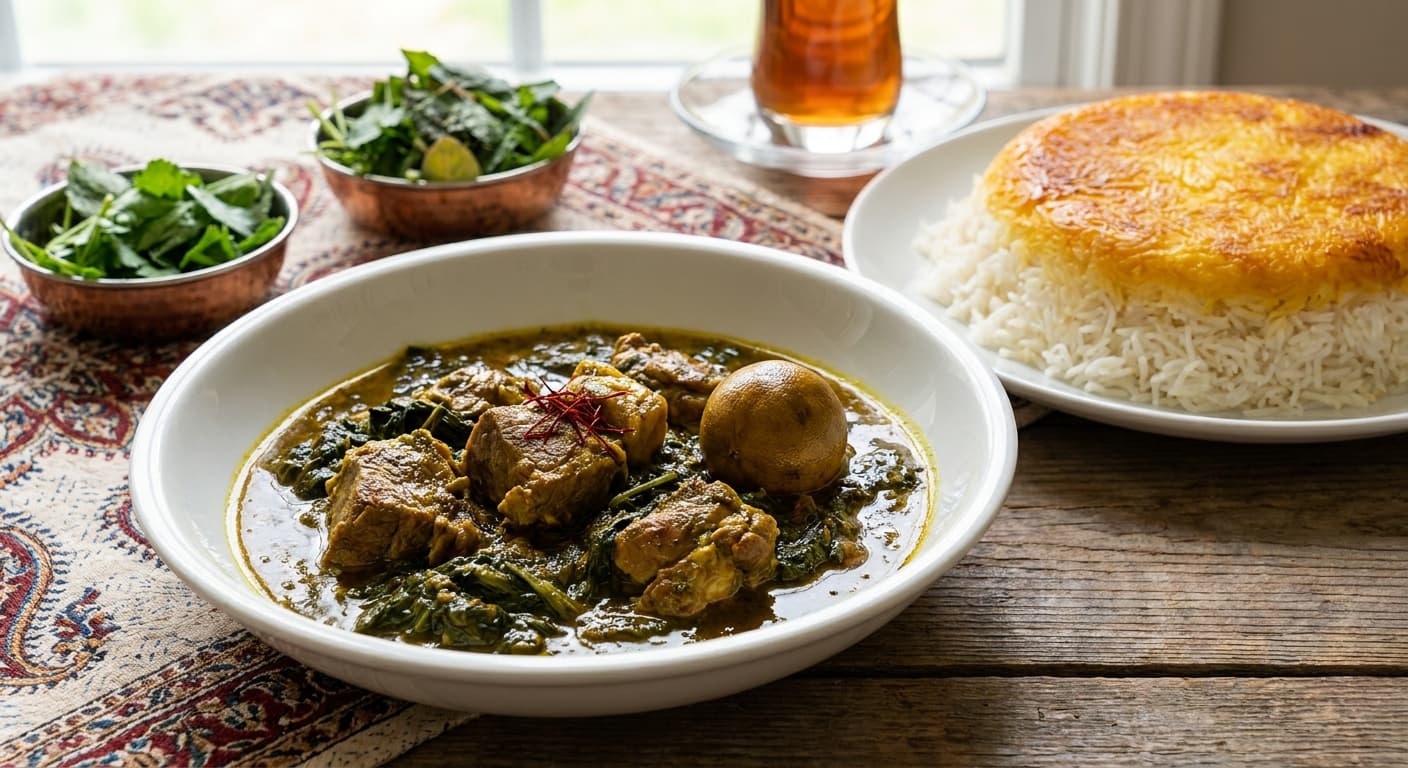
Persian Khoresht Saak (خورش ساک) — Saffron-Cardamom Lamb Stew with Saak Greens
Persian · Stews · 145 min
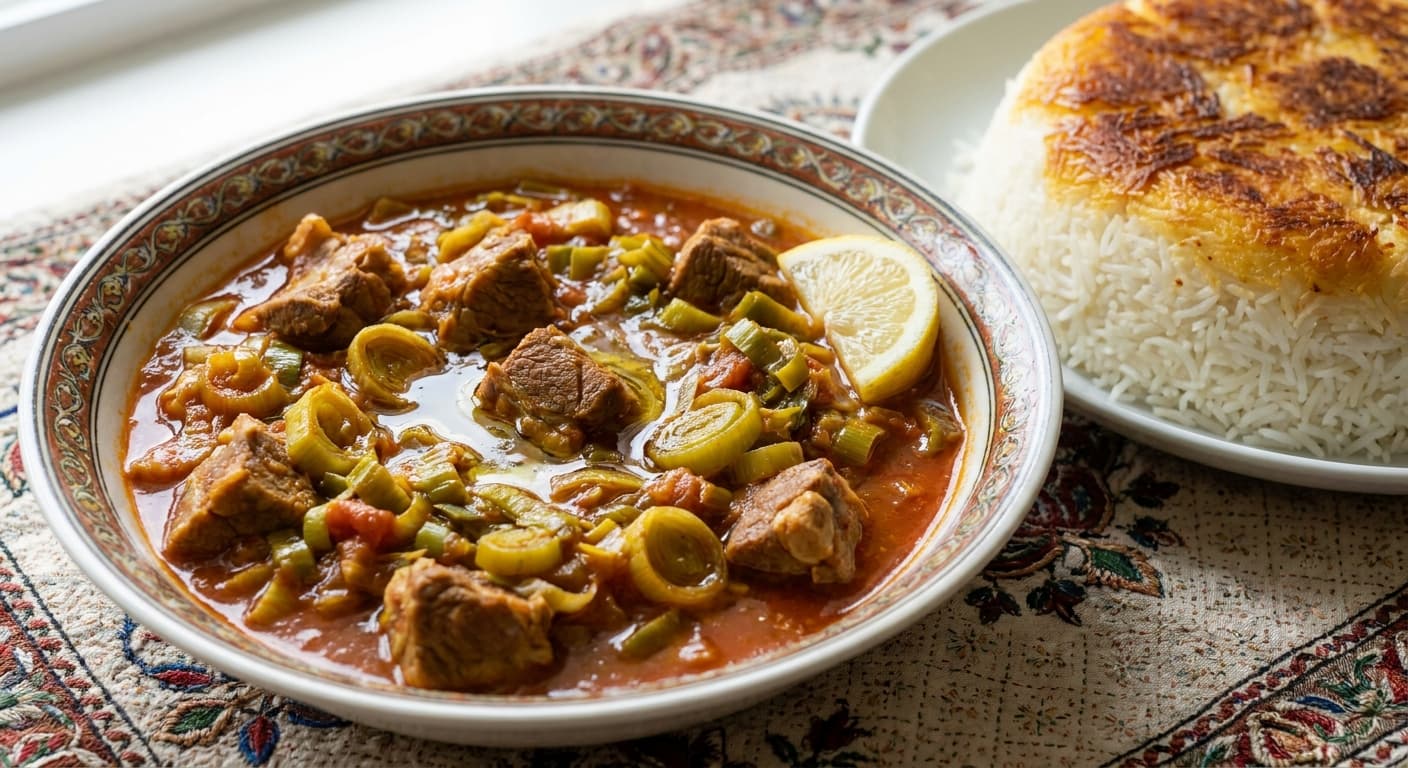
Khoresh Tareh Farangi (خورش تره فرنگی) — Persian Leek and Lamb Stew
Persian · Stews · 130 min
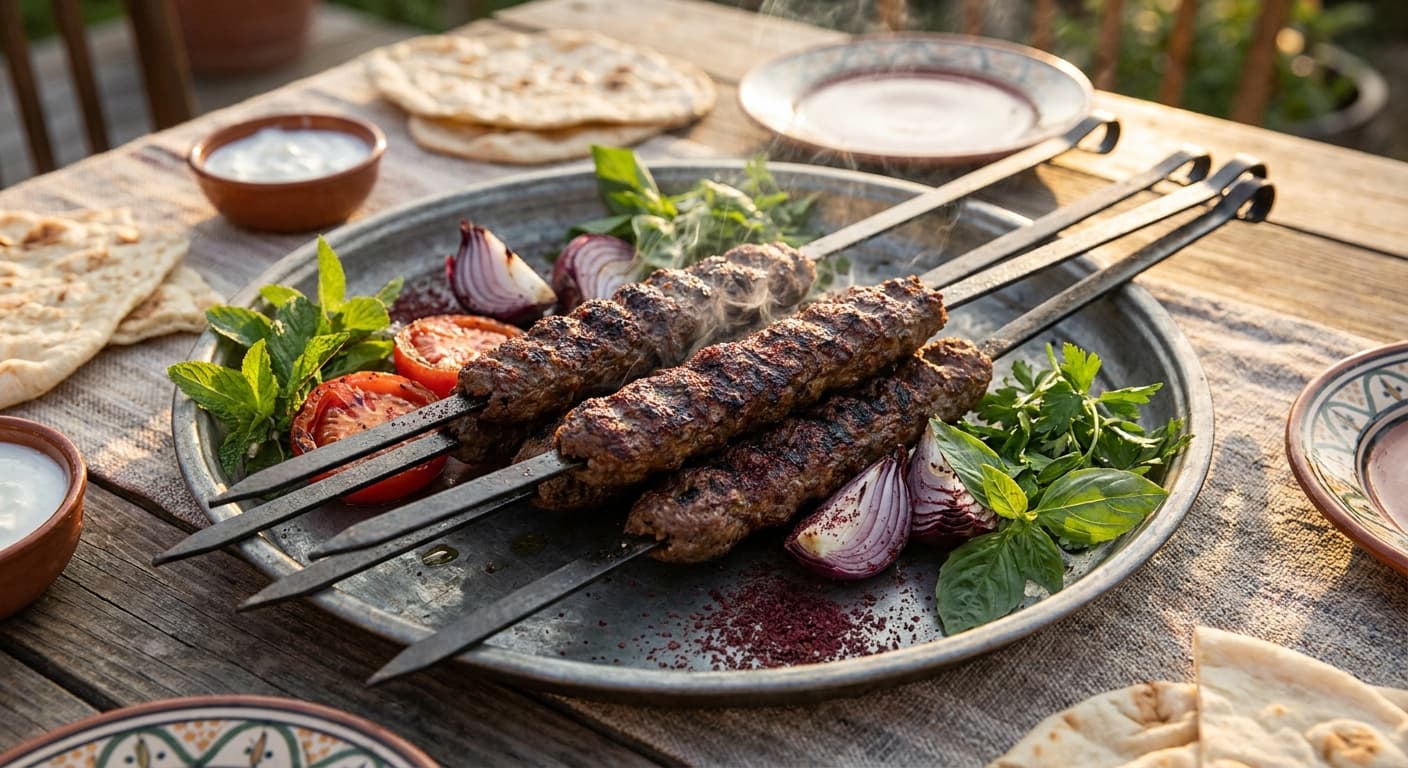
Authentic Kabab Koobideh (کباب کوبیده) — Persian Minced Lamb Skewers
Persian · Kebabs · 40 min
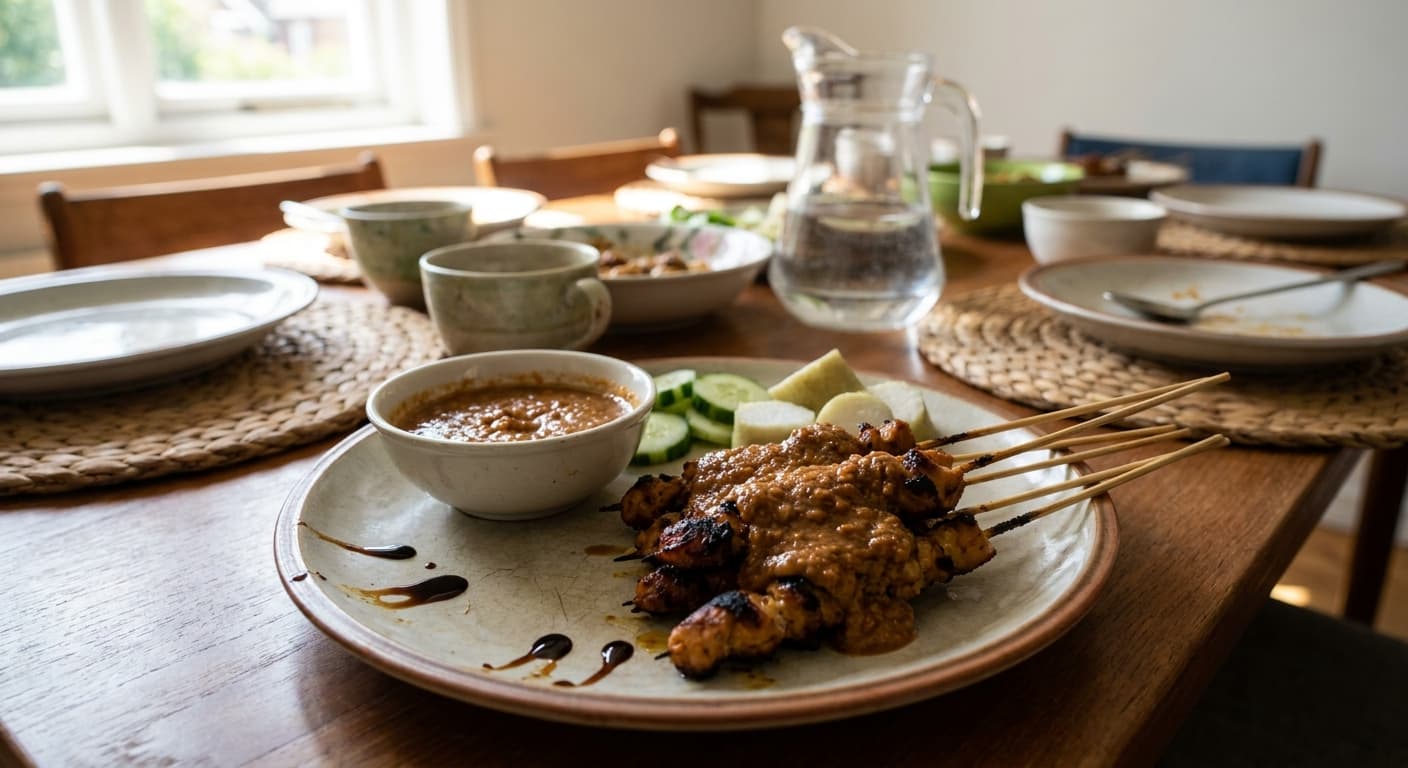
Chicken Satay (Sate Ayam) — Indonesian Skewers with Peanut Sauce
Indonesian · Kebabs · 55 min
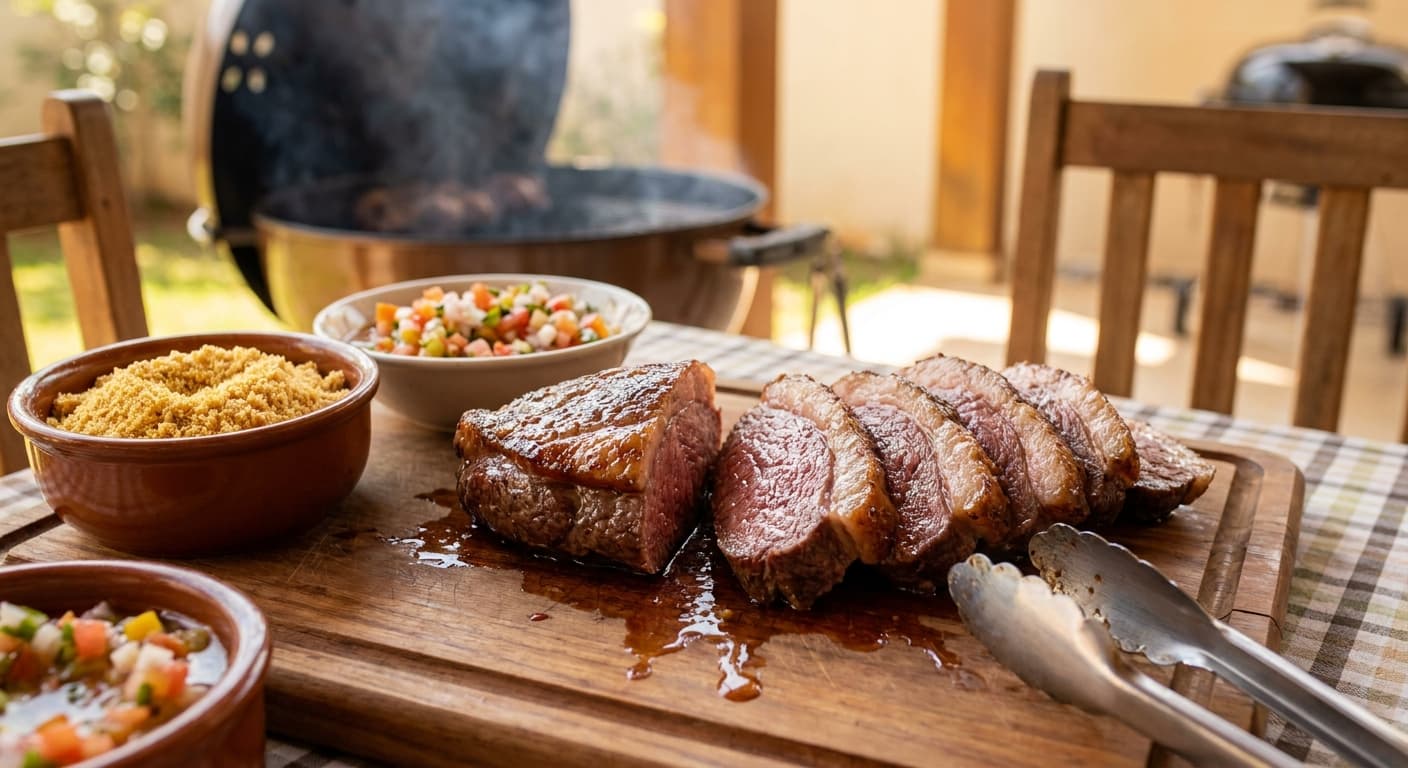
Brazilian Picanha (Picanha) — Coarse-Salted Churrasco Steak
Brazilian · Kebabs · 50 min
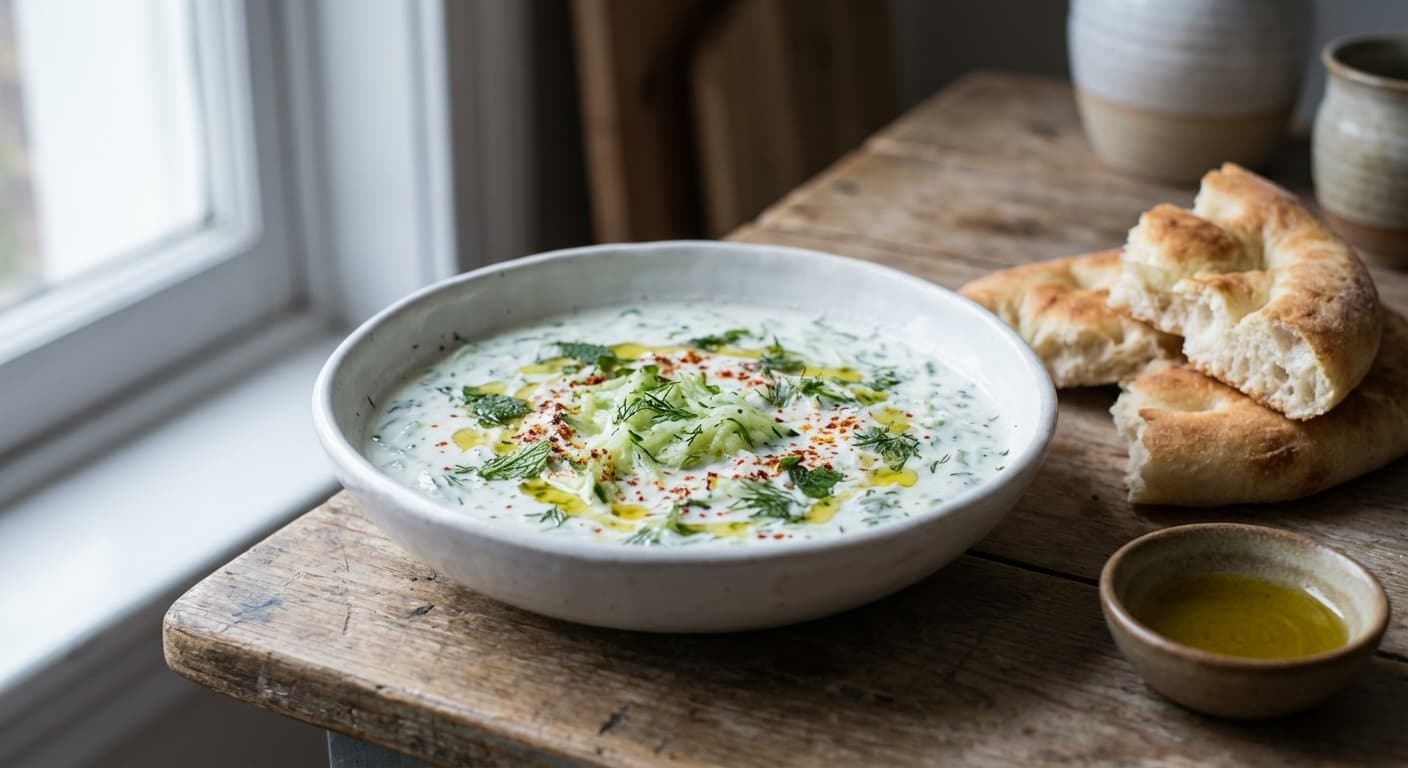
Cacık (Yoğurtlu Salatalık Mezesi) — Chilled Turkish Yogurt, Cucumber & Mint Dip
Turkish · Appetizers · 15 min
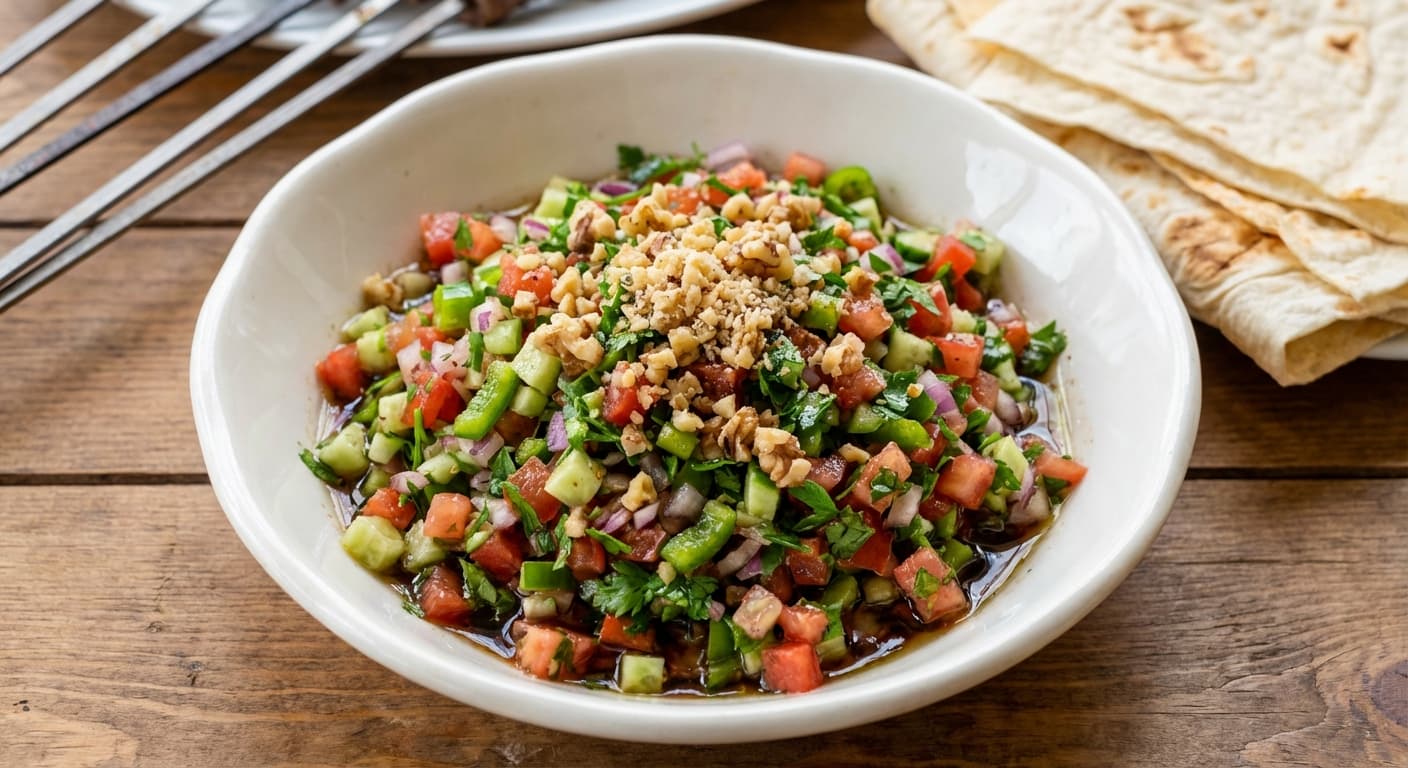
Gavurdağı Salad (Gavurdağı Salatası) — Finely Chopped Walnut & Pomegranate Salad
Turkish · Salads · 20 min
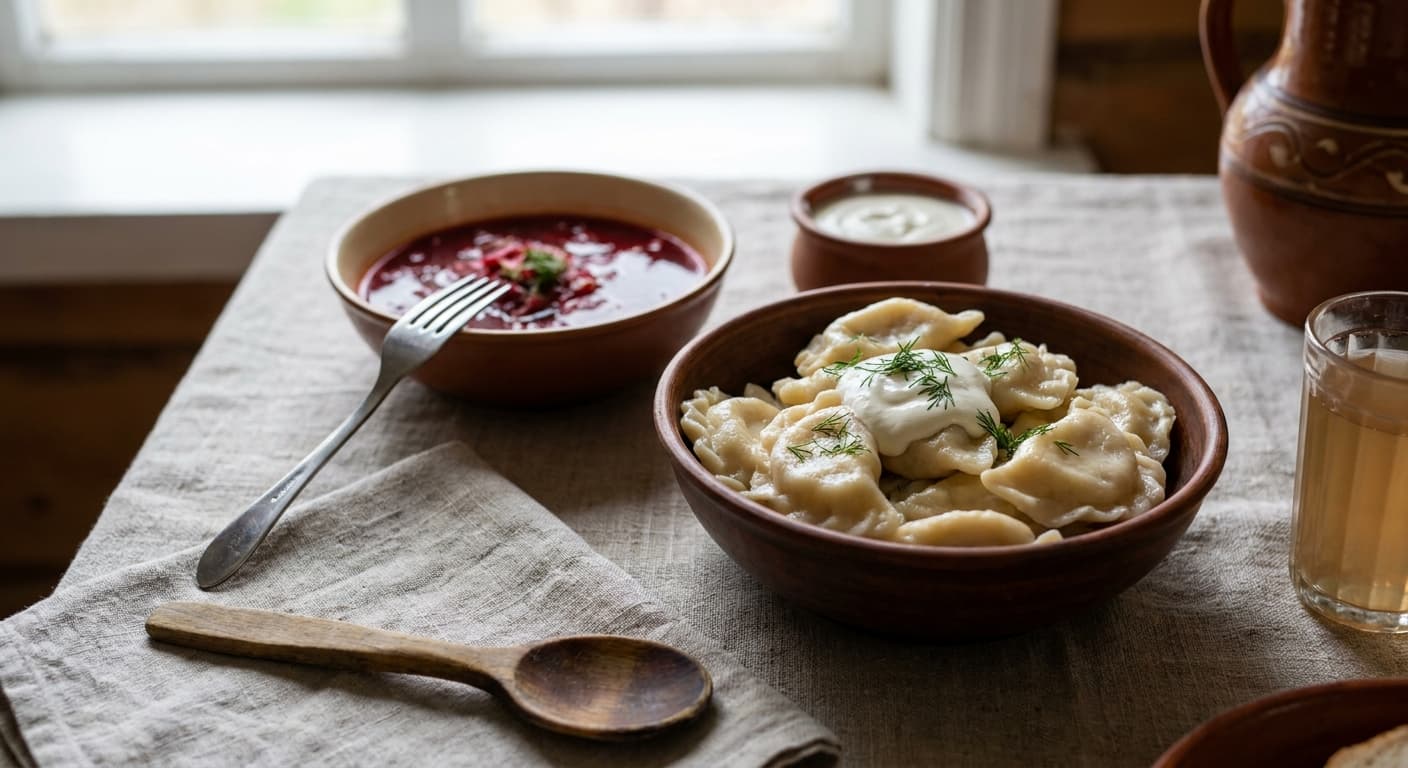
Varenyky (Вареники) — Ukrainian Potato-Cheese Dumplings
Ukrainian · Main Courses · 95 min
Reviews
Cooked this recipe?
Tap the stars to rate it — that's all it takes. A few words are welcome but optional.
No ratings yet. Cooked this one? Be the first to rate it — it takes one tap.