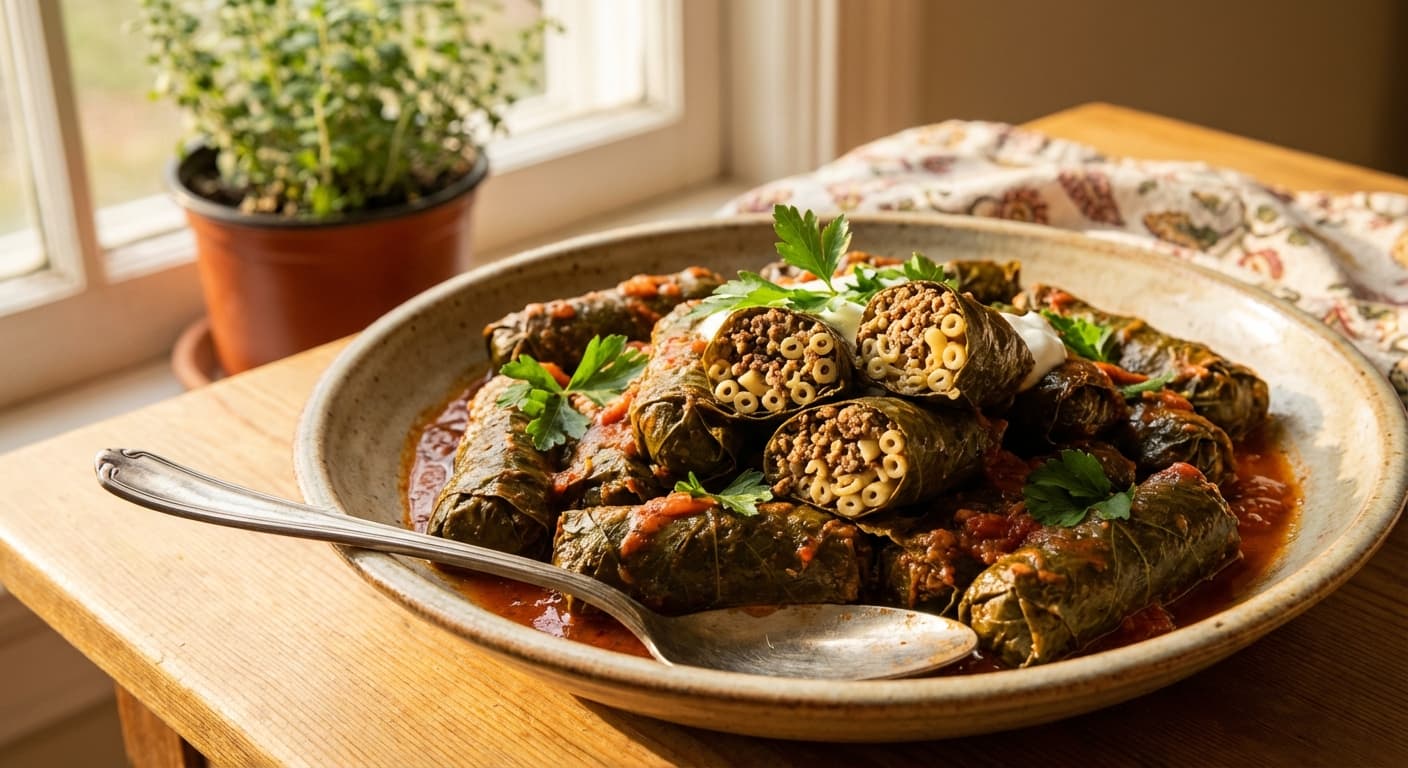
Dolmeh Barg-e Mo (دلمه برگ مو) — Persian Stuffed Vine Leaves with Macaroni
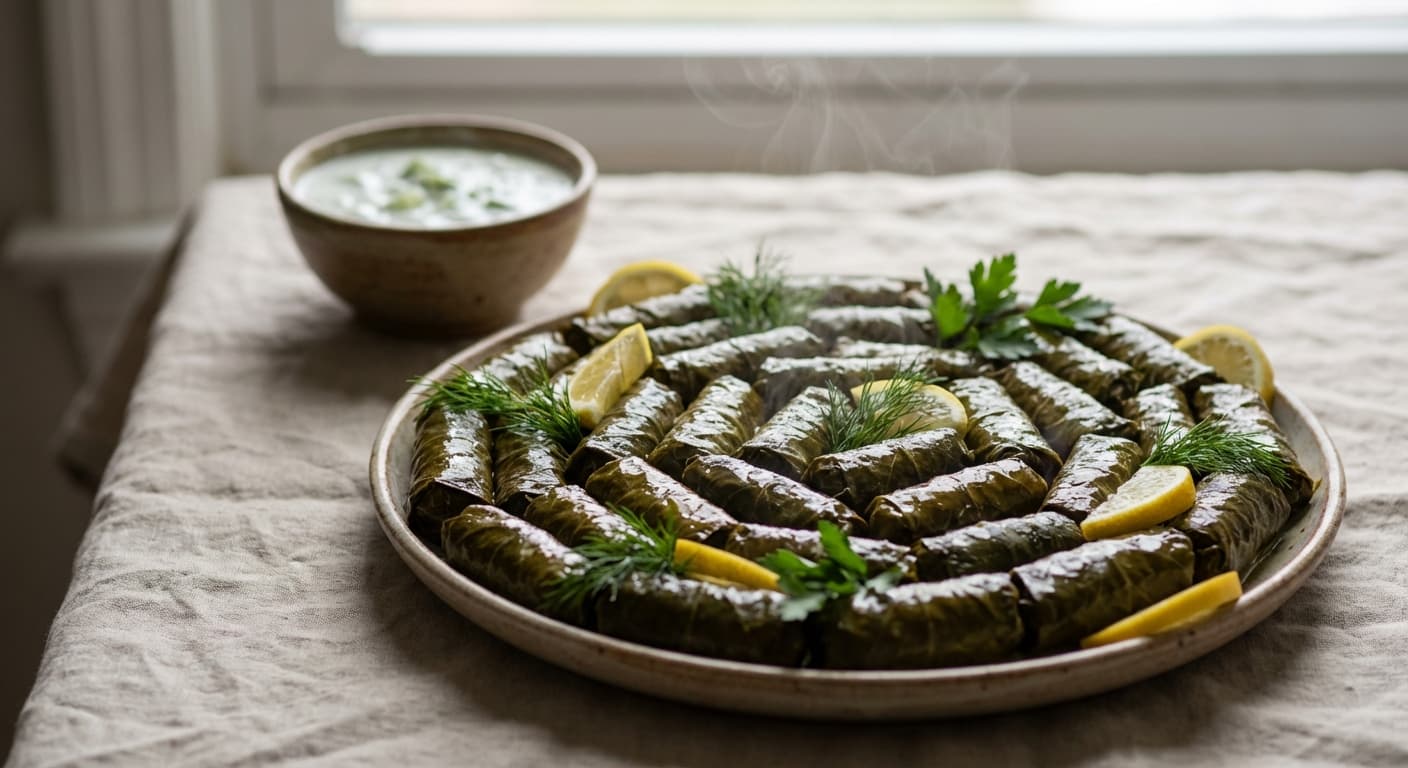
Persian-style stuffed vine leaves filled with spiced ground meat, herbs, and tender macaroni, simmered in a tangy tomato-mint sauce. Hearty yet bright, with savory umami and a clean herbal finish.
Printable Recipe Card
Servings: 6 · Total: 125 min · Difficulty: medium
Ingredients (quick list)
- 60 Jarred grape leaves (in brine) (about 450–500 g drained; choose intact medium leaves)
- 2000 g Water (for blanching and cooking)
- 30 g Olive oil (for the pot base)
- 180 g Onion (finely diced)
- 450 g Ground beef (85–90% lean) or ground lamb (chilled)
- 12 g Garlic (minced (about 3 cloves))
- 250 g Tomatoes (seeded and finely chopped)
- 30 g Tomato paste (about 2 tablespoons)
- 120 g Macaroni (small elbows or ditalini) (dry)
- 30 g Parsley (finely chopped leaves (about 1 packed cup))
- 8 g Salt (about 1 1/4 teaspoons; plus more to taste)
- 2 g Black pepper (about 1 teaspoon, freshly ground)
+ 6 more in the full ingredients section below.
Steps (summary)
- Rinse the grape leaves under cool running water for 30–45 seconds to remove excess brine. Bring 2000 g water to a boil, then bl…
- Cook the macaroni in unsalted boiling water for 5 minutes (about 2 minutes less than package directions). Drain and rinse brief…
- Heat 30 g olive oil in a wide skillet over medium heat. Add diced onion and cook 8–10 minutes until soft and lightly golden. Ad…
- Add ground meat to the skillet and cook 6–8 minutes, breaking it into small crumbles, until no pink remains. Stir in salt, blac…
- Set up a rolling station: place a leaf shiny-side down with the stem end facing you. Add 18–22 g filling (about 1 heaped tables…
- Prepare the pot: choose a heavy 4–5 liter pot. Add 30 g olive oil and line the base with a few torn grape leaves (from any dama…
+ 2 more steps in the full instructions section below.
Cultural Background
Stuffed vine leaves are widely prepared across West Asia and the Eastern Mediterranean, with local seasonings and fillings reflecting regional tastes. In Iranian home cooking, dolma-style dishes are often served for gatherings because they can be made ahead and shared at the table.
Equipment
💡 Tips
- If grape leaves taste very salty after rinsing, soak them in cool water for 10 minutes, then drain well.
- Use small pasta shapes (elbows or ditalini) so the filling stays compact and rolls evenly.
- A snug pot pack is essential; if your pot is wide, add a second plate or a small lid to keep rolls from floating and opening.
- For a deeper tomato flavor, cook the tomato paste in the skillet for 60 seconds before adding chopped tomatoes.
- Taste the sauce before pouring; brined leaves vary, so adjust salt conservatively.
⚠️ Common Mistakes
❌ Overfilling the leaves
💡 Why: The pasta and meat expand slightly as they finish cooking, which can split the leaves and leak filling.
✅ Fix: Use 18–22 g filling per medium leaf and roll snugly but not overly tight; choose larger leaves for larger portions.
❌ Boiling aggressively during simmering
💡 Why: Rapid bubbling knocks the rolls around and can tear leaves, making the sauce cloudy and the rolls uneven.
✅ Fix: Bring to a simmer, then reduce to low so only a few bubbles break the surface; keep a plate on top to stabilize.
❌ Cooking the macaroni fully before stuffing
💡 Why: Fully cooked pasta turns soft and can become pasty after 55–60 minutes of simmering inside the rolls.
✅ Fix: Par-cook only 5 minutes, rinse, and drain very well so it finishes cooking gently in the sauce.
❌ Salting the sauce heavily without accounting for brined leaves
💡 Why: Grape leaves can contribute significant salt, making the finished dish overly salty.
✅ Fix: Rinse (and soak if needed), then start with 3 g salt in the sauce and adjust only after cooking.
🧊 How to Store
Cool to room temperature within 2 hours. Refrigerate in an airtight container with some sauce for up to 4 days. Reheat covered on the stovetop over low heat with 2–3 tablespoons water for 10–15 minutes, or microwave covered until hot. Freeze up to 2 months; thaw overnight in the refrigerator.
📅 Make Ahead
Roll the dolma up to 24 hours ahead, arrange in the pot, cover, and refrigerate. Mix the sauce separately and refrigerate. Bring pot toward room temperature for 20 minutes, then add sauce and cook as directed, adding 5–10 minutes if starting cold.
🍽️ Pairs Well With
- Plain yogurt or strained yogurt
- Fresh herbs and sliced cucumbers
- Flatbread or steamed rice
- A simple tomato-cucumber salad with lemon and olive oil
Regional Variations
- Northwest IranOften features a more pronounced herb profile and a brighter sour note; some cooks increase dried mint and lemon and keep the sauce lighter to highlight the leaves.
- Levant (Eastern Mediterranean)Commonly uses a tangier cooking liquid and may include additional herbs; the rolls are frequently served at room temperature with yogurt on the side.
Ingredients
- 60Jarred grape leaves (in brine) (about 450–500 g drained; choose intact medium leaves)
- 2000 gWater (for blanching and cooking)
- 30 gOlive oil (for the pot base)
- 180 gOnion (finely diced)
- 450 gGround beef (85–90% lean) or ground lamb (chilled)
- 12 gGarlic (minced (about 3 cloves))
- 250 gTomatoes (seeded and finely chopped)
- 30 gTomato paste (about 2 tablespoons)
- 120 gMacaroni (small elbows or ditalini) (dry)
- 30 gParsley (finely chopped leaves (about 1 packed cup))
- 8 gSalt (about 1 1/4 teaspoons; plus more to taste)
- 2 gBlack pepper (about 1 teaspoon, freshly ground)
- 2 gGround cumin (about 1 teaspoon)
- 1 gGround allspice (about 1/2 teaspoon)
- 2 gCrushed dried mint (about 1 teaspoon)
- 400 gTomato passata (or crushed tomatoes)
- 45 gLemon juice (about 3 tablespoons, freshly squeezed)
- 6 gSugar (about 1 1/2 teaspoons, balances acidity)
🔄 Substitutions
- Ground beef or lamb→ Ground turkey (dark meat preferred)
- Jarred grape leaves→ Fresh grape leaves, blanched
- Tomato passata→ Canned crushed tomatoes
Instructions
- 1
Rinse the grape leaves under cool running water for 30–45 seconds to remove excess brine. Bring 2000 g water to a boil, then blanch leaves for 60–90 seconds until pliable. Drain well and pat dry. Cover with a damp towel so they stay supple while you prepare the filling.
- 2
Cook the macaroni in unsalted boiling water for 5 minutes (about 2 minutes less than package directions). Drain and rinse briefly with cool water to stop cooking, then drain again thoroughly. This prevents the pasta from turning mushy during the long simmer inside the leaves.
- 3
Heat 30 g olive oil in a wide skillet over medium heat. Add diced onion and cook 8–10 minutes until soft and lightly golden. Add minced garlic and cook 30 seconds. Stir in chopped tomatoes and tomato paste; cook 3–4 minutes until thick and glossy, reducing raw tomato flavor.
- 4
Add ground meat to the skillet and cook 6–8 minutes, breaking it into small crumbles, until no pink remains. Stir in salt, black pepper, cumin, and allspice. Remove from heat and cool 10 minutes so the herbs stay bright. Fold in chopped parsley and the par-cooked macaroni until evenly mixed.
- 5
Set up a rolling station: place a leaf shiny-side down with the stem end facing you. Add 18–22 g filling (about 1 heaped tablespoon) near the stem. Fold the bottom up over filling, fold in the sides, then roll tightly into a small cigar. Leave slight room for expansion as pasta finishes cooking.
- 6
Prepare the pot: choose a heavy 4–5 liter pot. Add 30 g olive oil and line the base with a few torn grape leaves (from any damaged ones) to prevent sticking. Arrange dolma seam-side down in tight concentric circles, stacking a second layer if needed, keeping rolls snug so they do not unravel.
- 7
Whisk the sauce: combine passata, tomato paste, olive oil, lemon juice, dried mint, sugar, salt, black pepper, and 400 g water. Pour over the dolma; liquid should come just to the top layer (add up to 150 g more water if needed). Place a heatproof plate on top to keep rolls submerged.
- 8
Bring to a gentle simmer over medium heat for 6–8 minutes, then reduce to low, cover, and cook 55–60 minutes. Keep the simmer quiet; rapid boiling can split leaves. Rest off heat, covered, for 15 minutes to set the filling and thicken the sauce slightly before serving.
🪪 Recipe Passport
Cultural Background
Stuffed vine leaves are widely prepared across West Asia and the Eastern Mediterranean, with local seasonings and fillings reflecting regional tastes. In Iranian home cooking, dolma-style dishes are often served for gatherings because they can be made ahead and shared at the table.
Regional Variations
Researched from multiple sources and validated by the Zaffaron editorial team. Every recipe is tested for accuracy, measurements, and cultural authenticity.
Nutrition per serving
Pairs well with
If you enjoyed this recipe, here are a few related Zaffaron recipes to try next.
Does your family make this differently?
Every family has their own version. Maybe your grandmother adds a secret ingredient, or your aunt has a completely different technique. Preserve your family's version — with their name on it, forever.
You Might Also Like
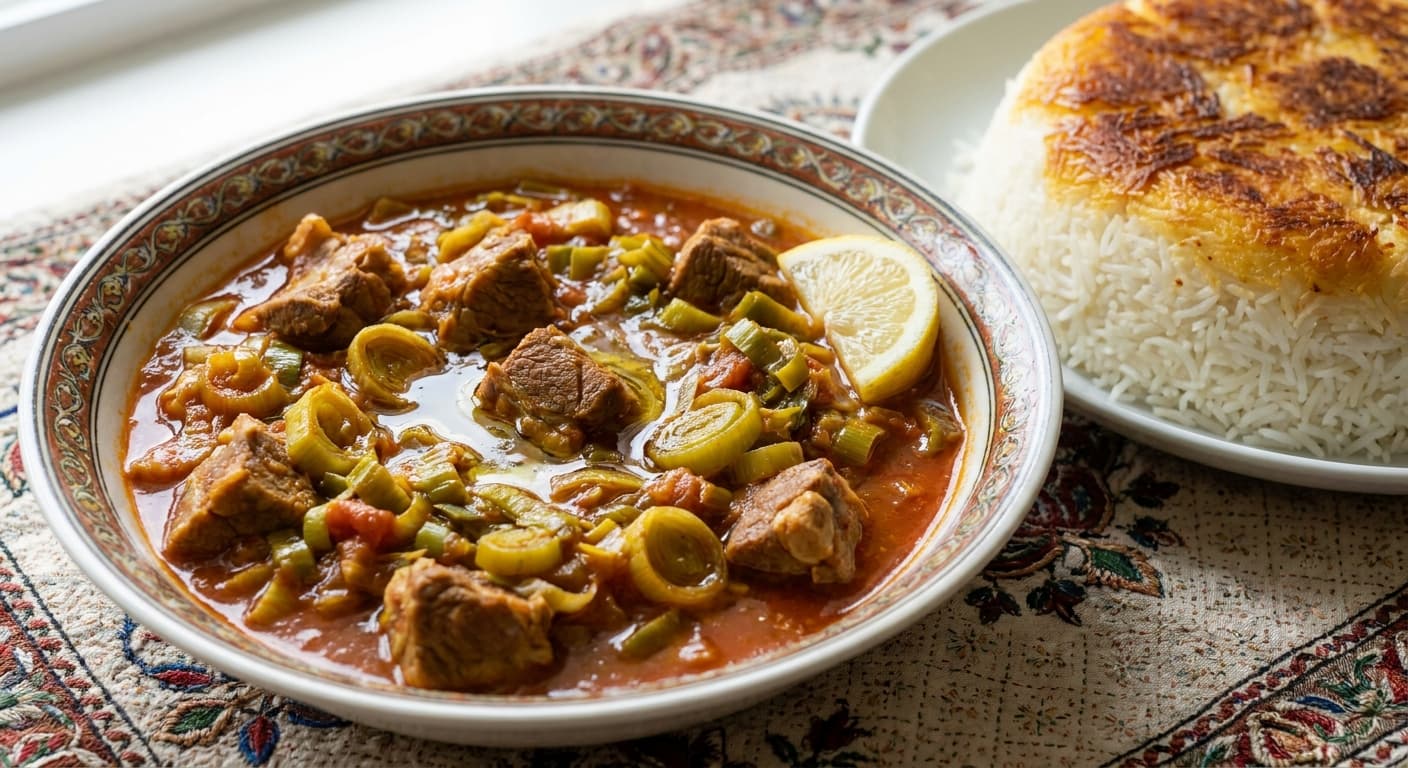
Khoresh Tareh Farangi (خورش تره فرنگی) — Persian Leek and Lamb Stew
Persian · Stews · 130 min
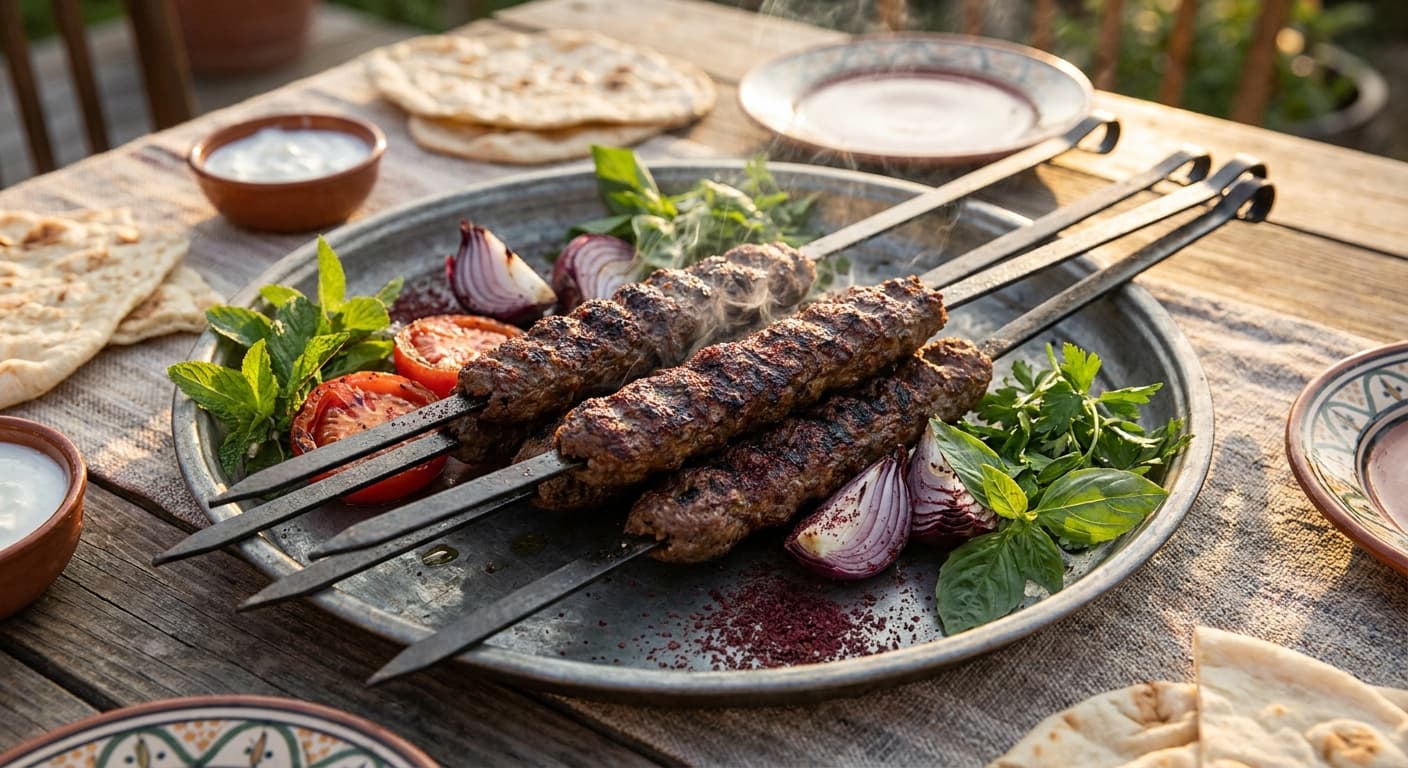
Authentic Kabab Koobideh (کباب کوبیده) — Persian Minced Lamb Skewers
Persian · Kebabs · 40 min
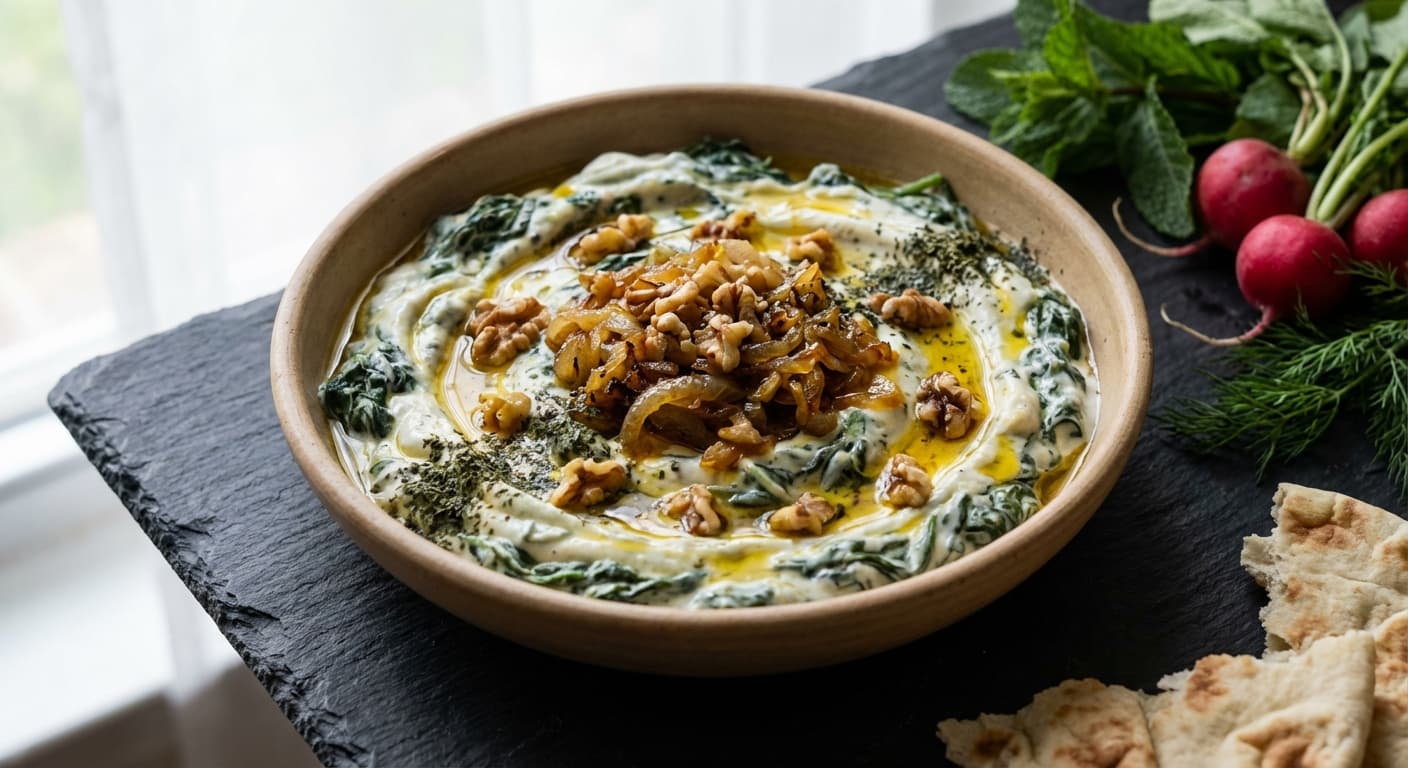
Borani Esfenaj (بورانی اسفناج) — Persian Spinach and Yogurt Dip with Saffron and Walnuts
Persian · Appetizers · 40 min
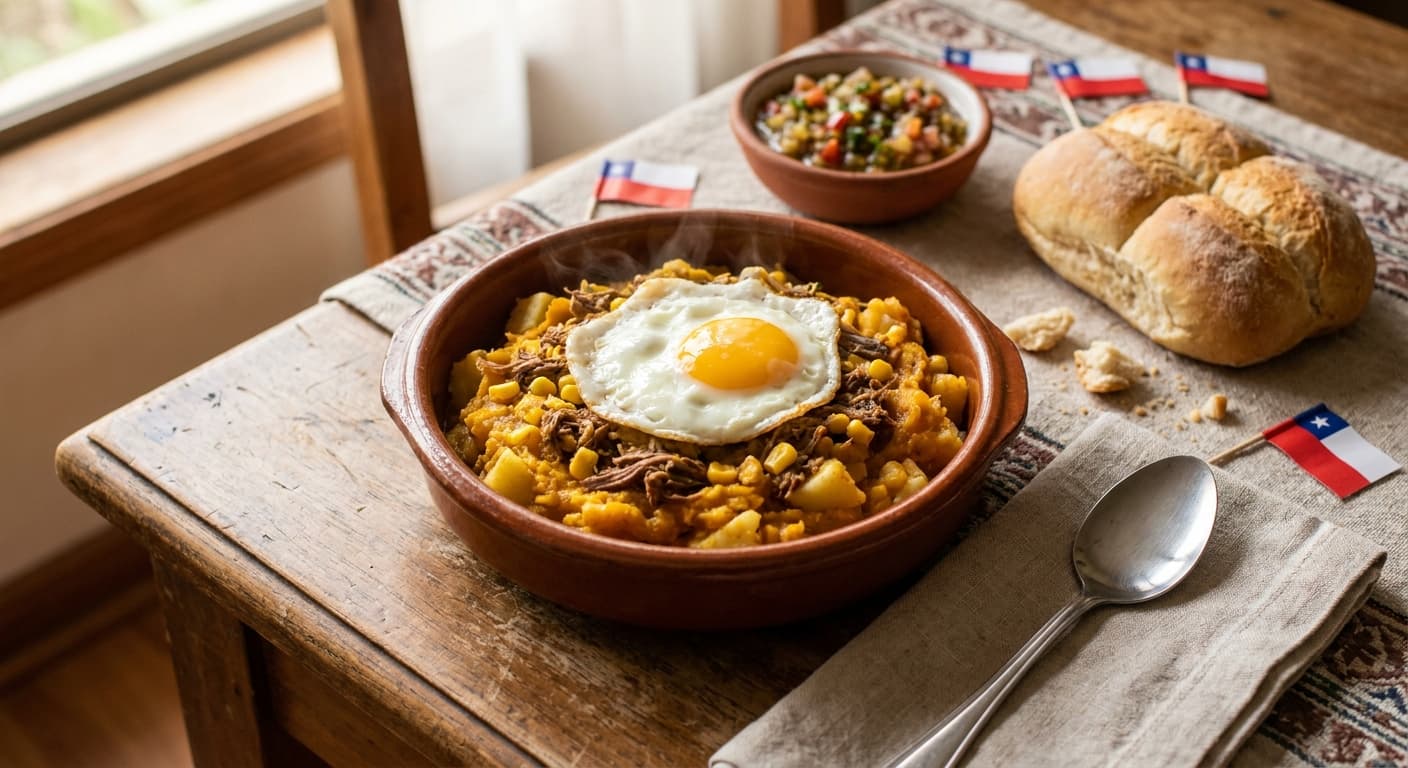
Charquicán (Charquicán) — Chilean Beef and Vegetable Hash
Chilean · Main Courses · 70 min
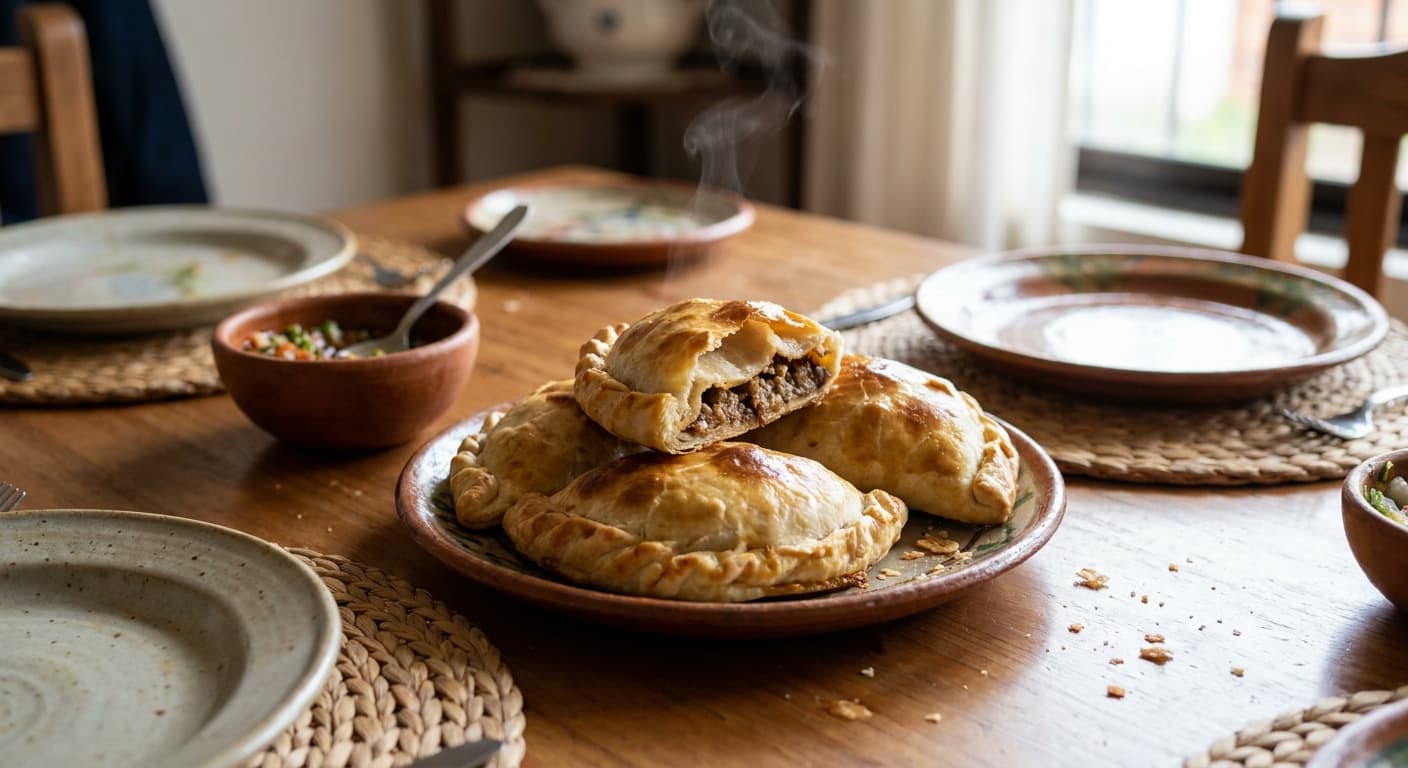
Chilean Beef Empanada (Empanada de pino) — Baked pastry filled with beef, onion, egg, olive, and raisins
Chilean · Main Courses · 125 min
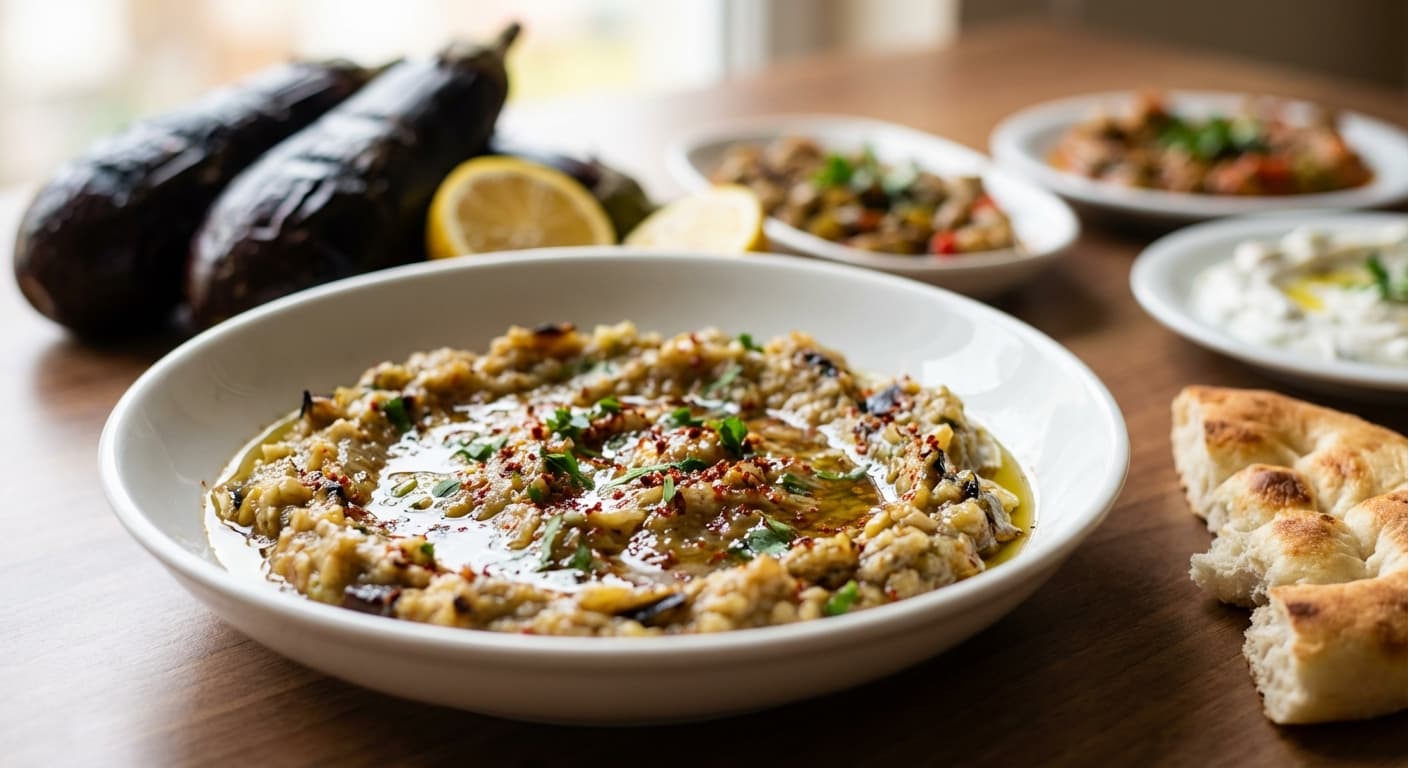
Smoky Eggplant Salad (Patlıcan Salatası) — Turkish charred eggplant with garlic and olive oil
Turkish · Salads · 40 min
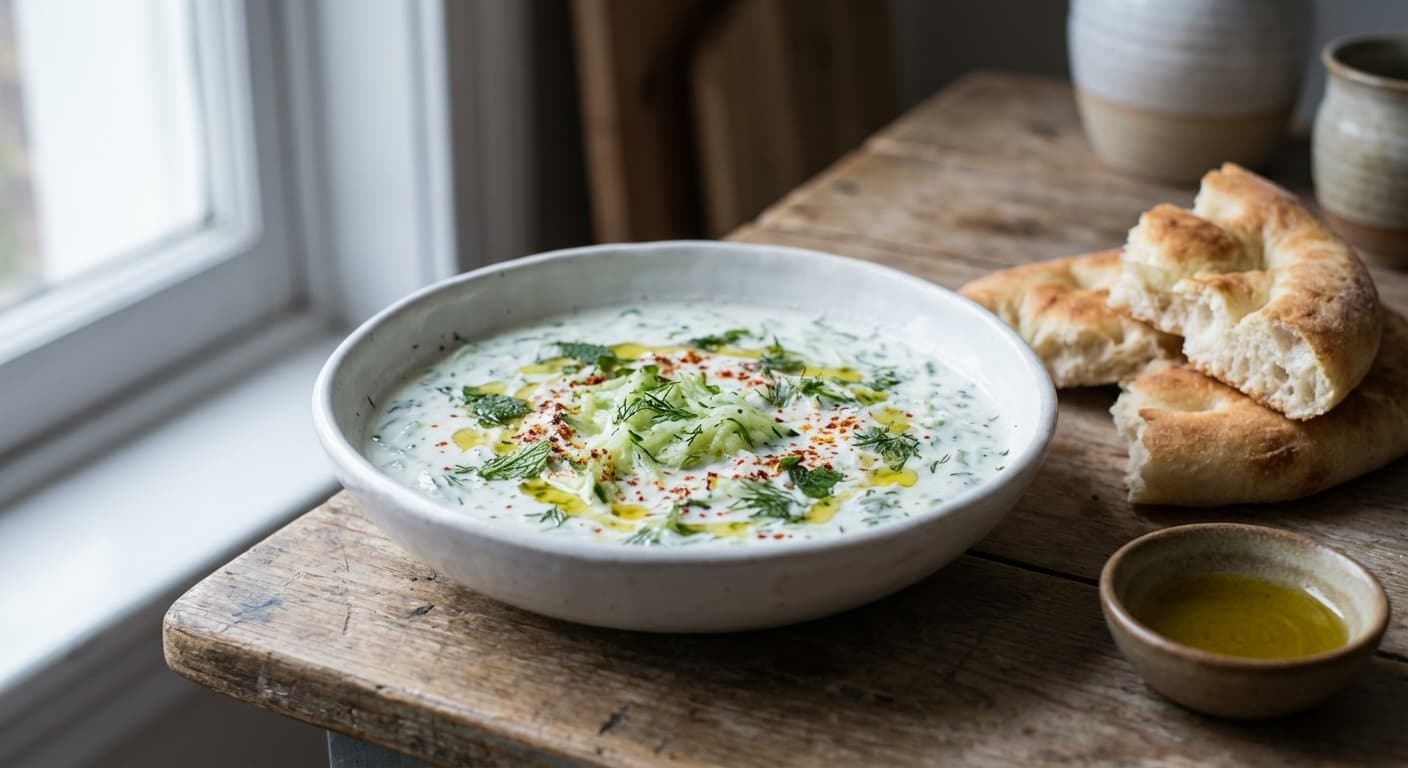
Cacık (Yoğurtlu Salatalık Mezesi) — Chilled Turkish Yogurt, Cucumber & Mint Dip
Turkish · Appetizers · 15 min
Stuffed Grape Leaves (دلمه برگ مو) — Herb-Scented Persian Dolmeh
Persian · Appetizers · 105 min
Reviews
Cooked this recipe?
Tap the stars to rate it — that's all it takes. A few words are welcome but optional.
No ratings yet. Cooked this one? Be the first to rate it — it takes one tap.