Ethiopian Doro Wat (ዶሮ ወጥ) — Berbere Chicken Stew with Eggs
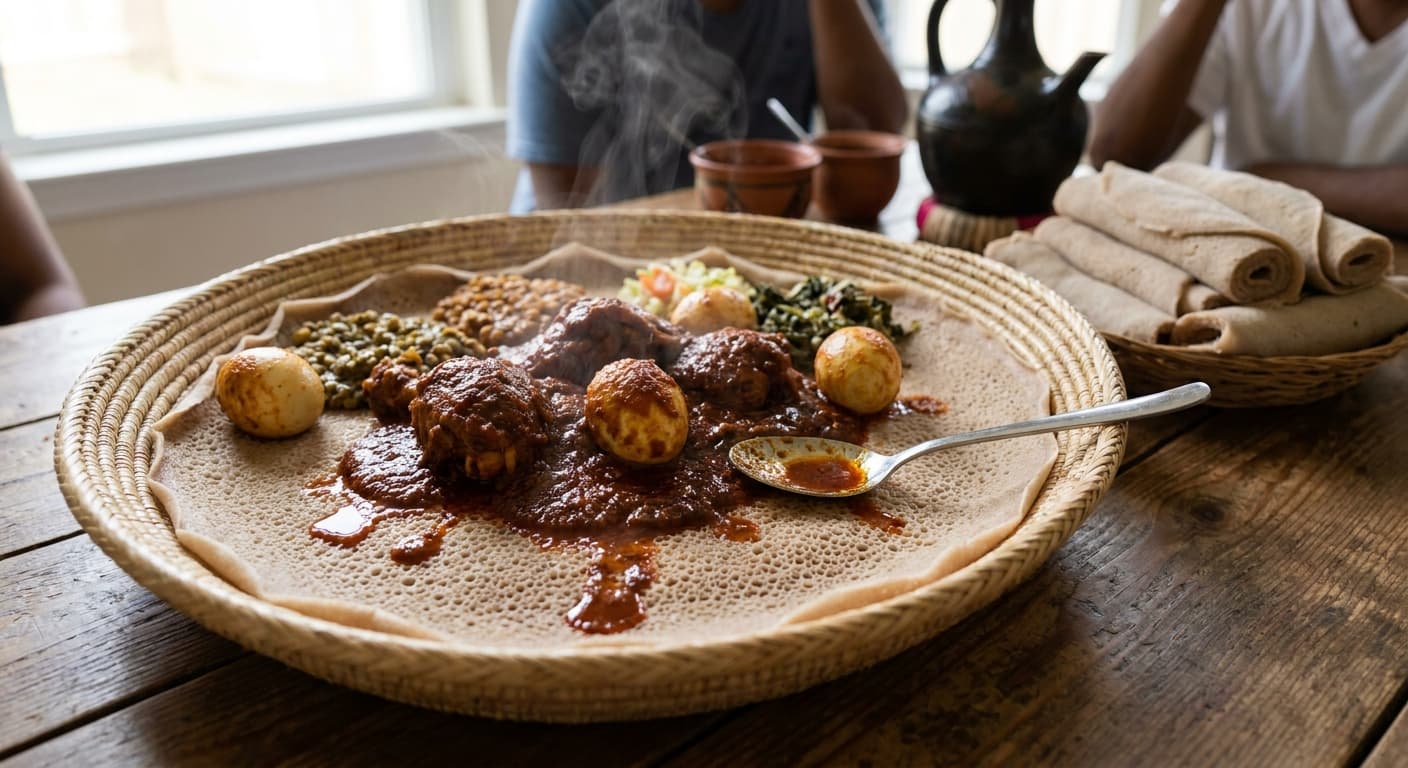
Doro wat is Ethiopia’s celebrated chicken stew, built from slowly cooked onions, berbere, niter kibbeh, and hard-boiled eggs. It is a festive centerpiece for family tables, especially with injera.
Printable Recipe Card
Servings: 6 · Total: 130 min · Difficulty: medium
Ingredients (quick list)
- 1 whole whole chicken (about 1.8 kg, skin removed and cut into 12 bone-in pieces; use halal chicken if needed)
- 45 ml fresh lemon juice
- 6 g fine sea salt (for rubbing the chicken before rinsing)
- 6 large eggs
- 900 g red onions (very finely chopped or pulsed, not pureed)
- 120 ml niter kibbeh (Ethiopian spiced clarified butter)
- 30 ml neutral oil
- 8 clove garlic (finely grated)
- 2 inch fresh ginger (peeled and finely grated)
- 45 g berbere spice blend
- 2 tsp sweet paprika (helps deepen color without adding extra heat)
- 1 tsp black pepper (freshly ground)
+ 2 more in the full ingredients section below.
Steps (summary)
- Rub the chicken pieces with 45 ml lemon juice and 6 g salt, then let them stand for 15 minutes. Rinse the chicken briefly under…
- Place the eggs in a saucepan, cover with water by 2.5 cm, and bring to a full boil. Cover the pan, turn off the heat, let the e…
- Put the finely chopped onions in a heavy Dutch oven over medium-low heat with no fat. Cook for 25 to 30 minutes, stirring every…
- Add the niter kibbeh and neutral oil to the onions and stir until the fat is fully melted and absorbed. Continue cooking for 10…
- Stir in the garlic and ginger and cook for 3 minutes, keeping the heat moderate so they soften without scorching. Add the berbe…
- Add 240 ml of the chicken stock and stir until the spice paste loosens into a smooth sauce. Simmer for 8 minutes, scraping the…
+ 4 more steps in the full instructions section below.
Cultural Background
Doro wat is one of Ethiopia’s most honored stews, traditionally prepared for major Christian holidays and family celebrations. Its slow onion base, berbere heat, and eggs make it a sign of care and abundance.
Equipment
💡 Tips
- The long dry-cooking of the onions is essential; rushing this stage leaves the stew sharp and watery.
- Use a fresh, fragrant berbere blend, because stale berbere tastes dusty and can make the sauce harsh.
- Keep the simmer gentle after the chicken is added so the meat stays tender and the sauce reduces evenly.
⚠️ Common Mistakes
❌ Adding fat to the onions too early.
✅ Fix: Cook the onions dry first until their moisture reduces and their raw edge disappears, then add niter kibbeh.
❌ Burning the berbere in the spice paste.
✅ Fix: Keep the heat at medium or medium-low and stir constantly after the berbere is added.
❌ Making the sauce thin and soupy.
✅ Fix: Simmer uncovered near the end until the sauce clings to the chicken and a little fat rises at the edges.
🧊 How to Store
Cool leftovers within 2 hours and refrigerate in an airtight container for up to 4 days. Reheat gently in a covered saucepan with 30 ml water per serving, stirring often so the berbere sauce does not stick.
📅 Make Ahead
Cook the onion and berbere base 1 day ahead, cool it, and refrigerate it. Add chicken and eggs on the serving day, then simmer until tender so the meat stays juicy.
🍽️ Pairs Well With
- Injera
- ayib
- gomen
- misir wat
- timatim salad.
Regional Variations
- Some households use more niter kibbeh for a richer holiday version.
- In parts of Ethiopia, cooks add a small amount of tej or dry white wine, but this recipe keeps the stew alcohol-free.
- Heat level varies widely depending on the berbere blend and the family’s preferred chile intensity.
Ingredients
- 1 wholewhole chicken (about 1.8 kg, skin removed and cut into 12 bone-in pieces; use halal chicken if needed)
- 45 mlfresh lemon juice
- 6 gfine sea salt (for rubbing the chicken before rinsing)
- 6large eggs
- 900 gred onions (very finely chopped or pulsed, not pureed)
- 120 mlniter kibbeh (Ethiopian spiced clarified butter)
- 30 mlneutral oil
- 8 clovegarlic (finely grated)
- 2 inchfresh ginger (peeled and finely grated)
- 45 gberbere spice blend
- 2 tspsweet paprika (helps deepen color without adding extra heat)
- 1 tspblack pepper (freshly ground)
- 480 mlchicken stock (unsalted)
- 2 tspmekelesha spice blend (Ethiopian finishing spice blend)
🔄 Substitutions
- niter kibbeh→ unsalted clarified butter with 0.5 tsp ground cardamom, 0.5 tsp ground fenugreek, and 0.25 tsp ground cinnamon
- whole chicken→ 1.5 kg bone-in chicken thighs and drumsticks
- mekelesha spice blend→ 0.5 tsp ground cardamom, 0.25 tsp ground cloves, and 0.25 tsp ground cinnamon
Instructions
- 1
Rub the chicken pieces with 45 ml lemon juice and 6 g salt, then let them stand for 15 minutes. Rinse the chicken briefly under cold water and pat it very dry with paper towels so the stew does not become watery.
- 2
Place the eggs in a saucepan, cover with water by 2.5 cm, and bring to a full boil. Cover the pan, turn off the heat, let the eggs stand for 10 minutes, then chill them in cold water, peel them, and pierce each egg 4 times with a fork so the sauce can season them.
- 3
Put the finely chopped onions in a heavy Dutch oven over medium-low heat with no fat. Cook for 25 to 30 minutes, stirring every 2 to 3 minutes, until the onions lose their raw smell, give off moisture, and reduce into a thick pale paste without browning hard.
- 4
Add the niter kibbeh and neutral oil to the onions and stir until the fat is fully melted and absorbed. Continue cooking for 10 minutes, stirring often, until the onion base turns glossy and begins to smell sweet and deeply savory.
- 5
Stir in the garlic and ginger and cook for 3 minutes, keeping the heat moderate so they soften without scorching. Add the berbere, paprika, 12 g salt, and black pepper, then cook for 5 minutes while stirring constantly to bloom the spices in the fat.
- 6
Add 240 ml of the chicken stock and stir until the spice paste loosens into a smooth sauce. Simmer for 8 minutes, scraping the bottom of the pot frequently, until the berbere darkens slightly and the fat begins to glisten at the edges.
- 7
Add the chicken pieces and turn them several times to coat every surface with the sauce. Pour in the remaining 240 ml chicken stock, cover partially, and simmer gently for 35 to 40 minutes until the chicken is tender and fully cooked.
- 8
Add the peeled, pierced eggs to the pot and spoon sauce over them carefully. Simmer uncovered for 10 to 12 minutes, turning the eggs once, until the sauce is thick enough to cling to the chicken and the eggs are stained red-orange.
- 9
Stir in the mekelesha during the final 2 minutes of cooking to preserve its aroma. Rest the doro wat off the heat for 10 minutes before serving, because the sauce thickens and the berbere heat rounds out as it settles.
- 10
Serve the stew hot on a large platter lined with injera, placing the chicken pieces and eggs over the sauce. Tear extra injera by hand and use it to scoop the wat, making sure each serving receives chicken, sauce, and 1 egg.
🪪 Recipe Passport
Cultural Background
Doro wat is one of Ethiopia’s most honored stews, traditionally prepared for major Christian holidays and family celebrations. Its slow onion base, berbere heat, and eggs make it a sign of care and abundance.
Regional Variations
Researched from multiple sources and validated by the Zaffaron editorial team. Every recipe is tested for accuracy, measurements, and cultural authenticity.
📚 Sources & Cultural References
- Yohanis Gebreyesus — Ethiopia: Recipes and Traditions from the Horn of Africa — (2018)
- Alan Davidson — The Oxford Companion to Food — (2014)
Sources cited by the Zaffaron editorial team during recipe research. Cultural and culinary references supporting authenticity claims.
Nutrition per serving
Pairs well with
If you enjoyed this recipe, here are a few related Zaffaron recipes to try next.
Does your family make this differently?
Every family has their own version. Maybe your grandmother adds a secret ingredient, or your aunt has a completely different technique. Preserve your family's version — with their name on it, forever.
You Might Also Like
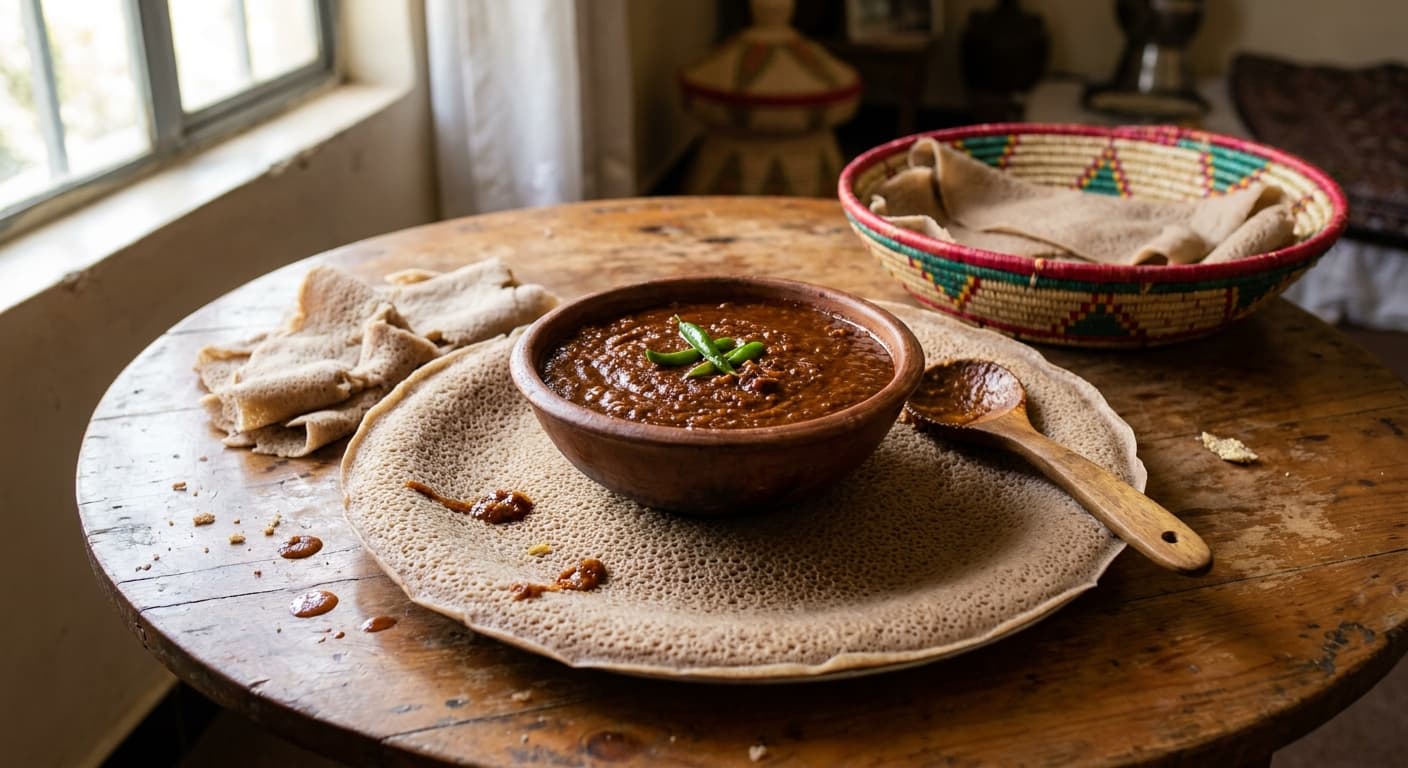
Ethiopian Red Lentil Stew (ምስር ወጥ) — Berbere-Spiced Fasting Wot
Ethiopian · Stews · 60 min
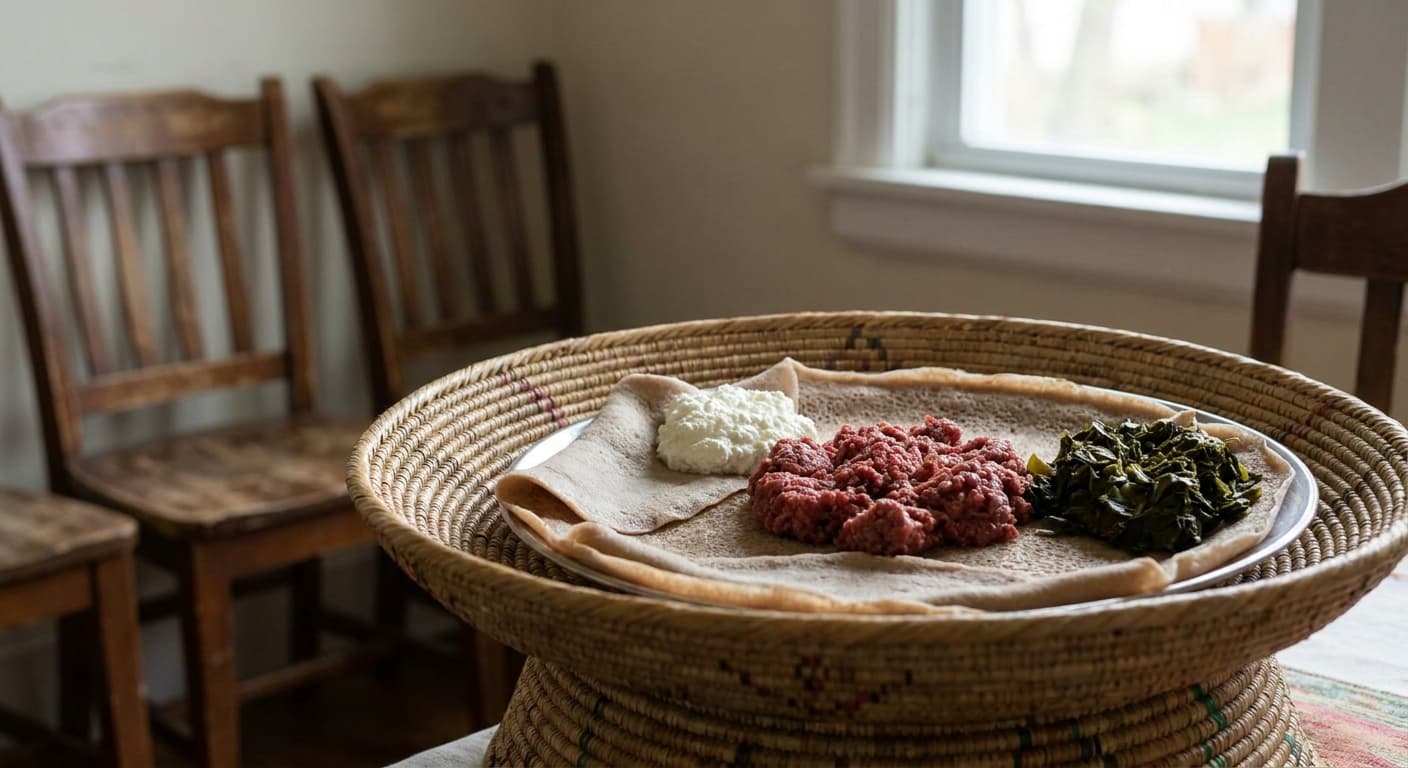
Kitfo (ክትፎ) — Ethiopian Spiced Minced Beef with Niter Kibbeh
Ethiopian · Main Courses · 35 min
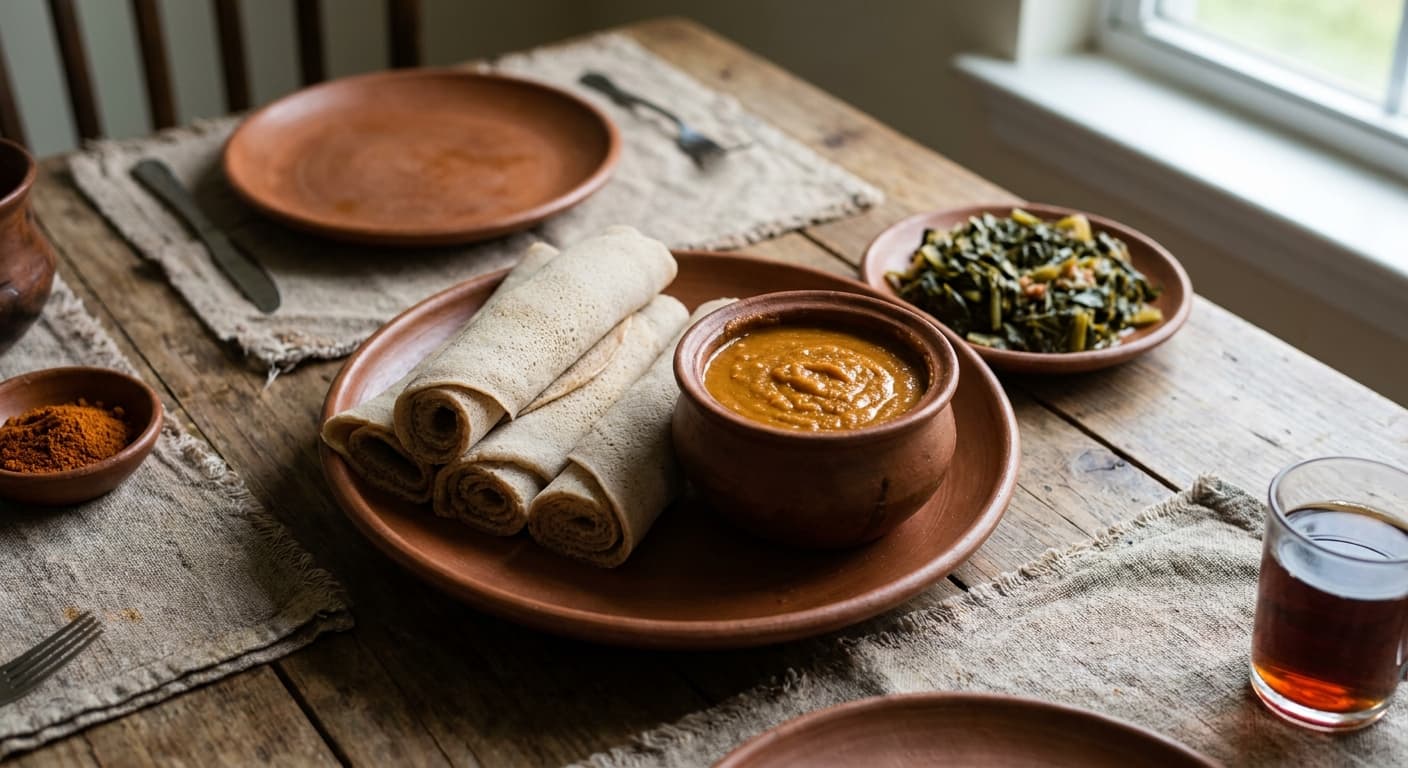
Injera (እንጀራ) — Fermented Ethiopian Teff Flatbread
Ethiopian · Breads · 70 min
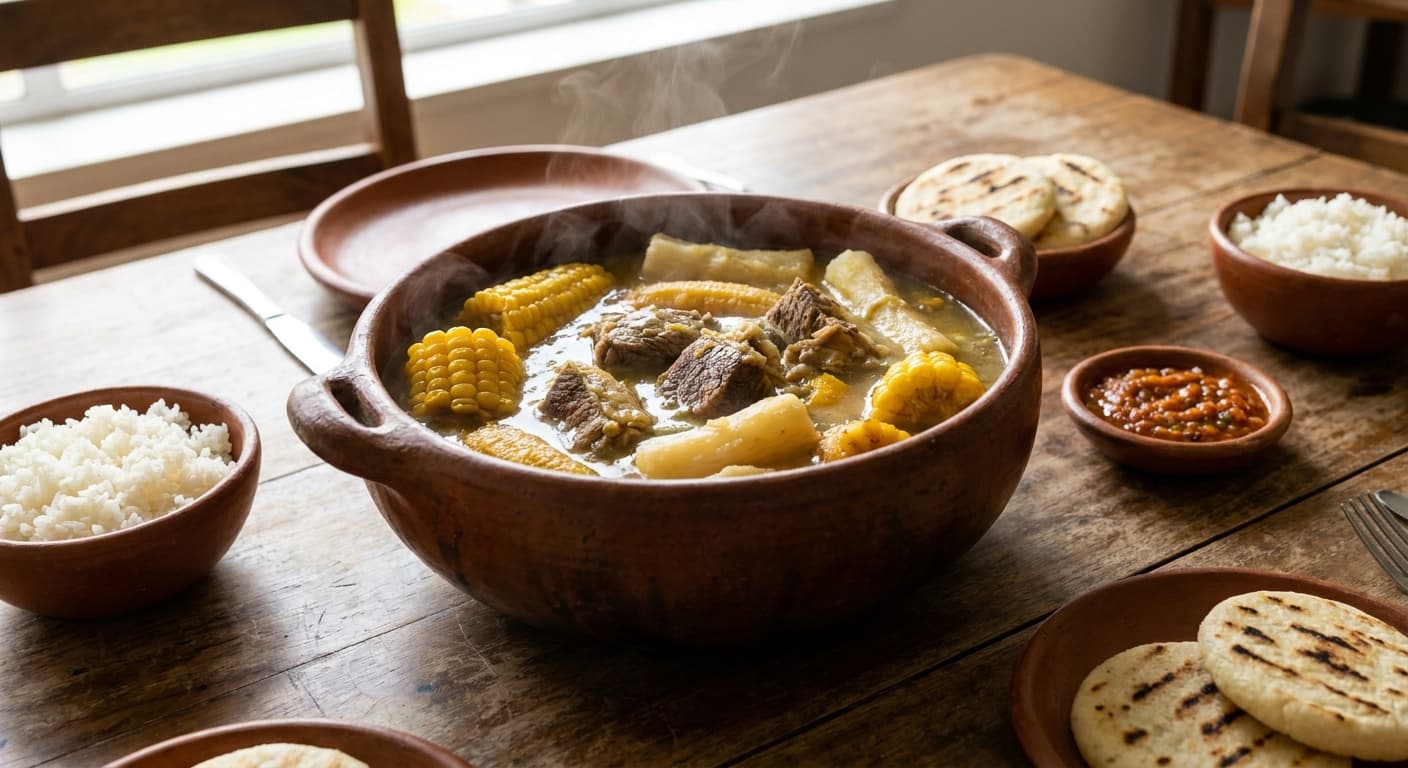
Colombian Sancocho (Sancocho Colombiano) — Hearty Three-Meat Root Vegetable Stew
Colombian · Stews · 170 min
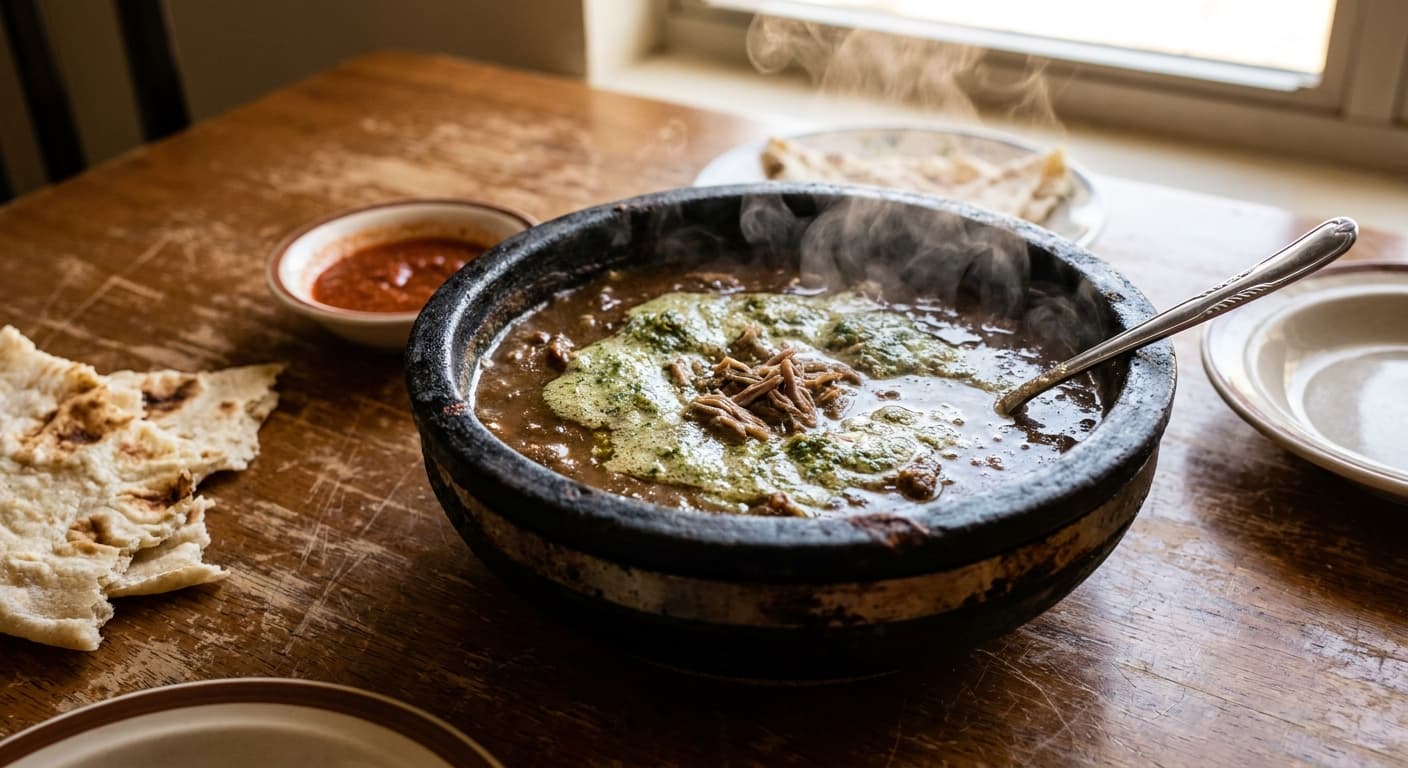
Fahsa (فحسة) — Bubbling Yemeni Shredded Lamb Stew
Yemeni · Stews · 140 min
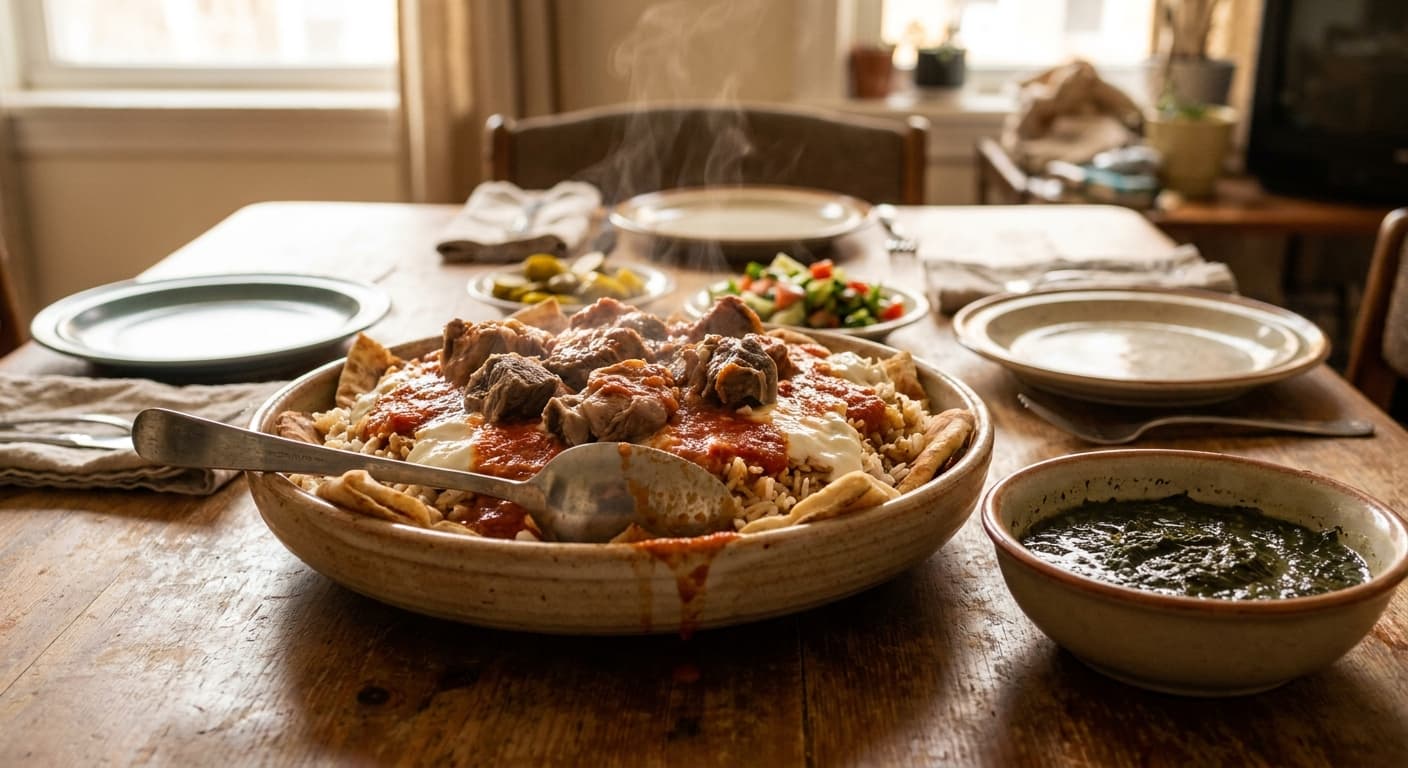
Egyptian Fatta (فتة) — Layered Meat, Rice, and Crisp Bread
Egyptian · Main Courses · 145 min
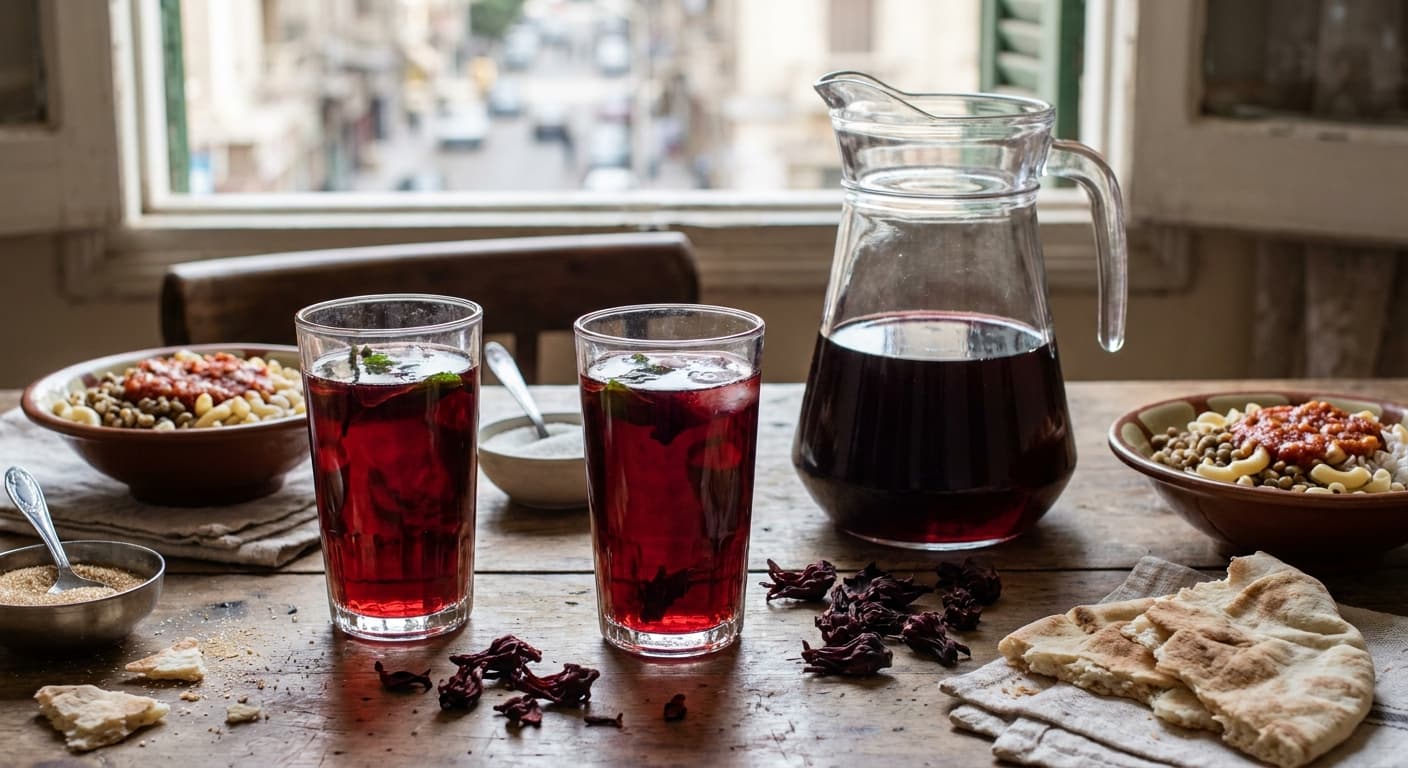
Egyptian Karkadeh (كركديه) — Chilled Hibiscus Tea
Egyptian · Drinks · 18 min
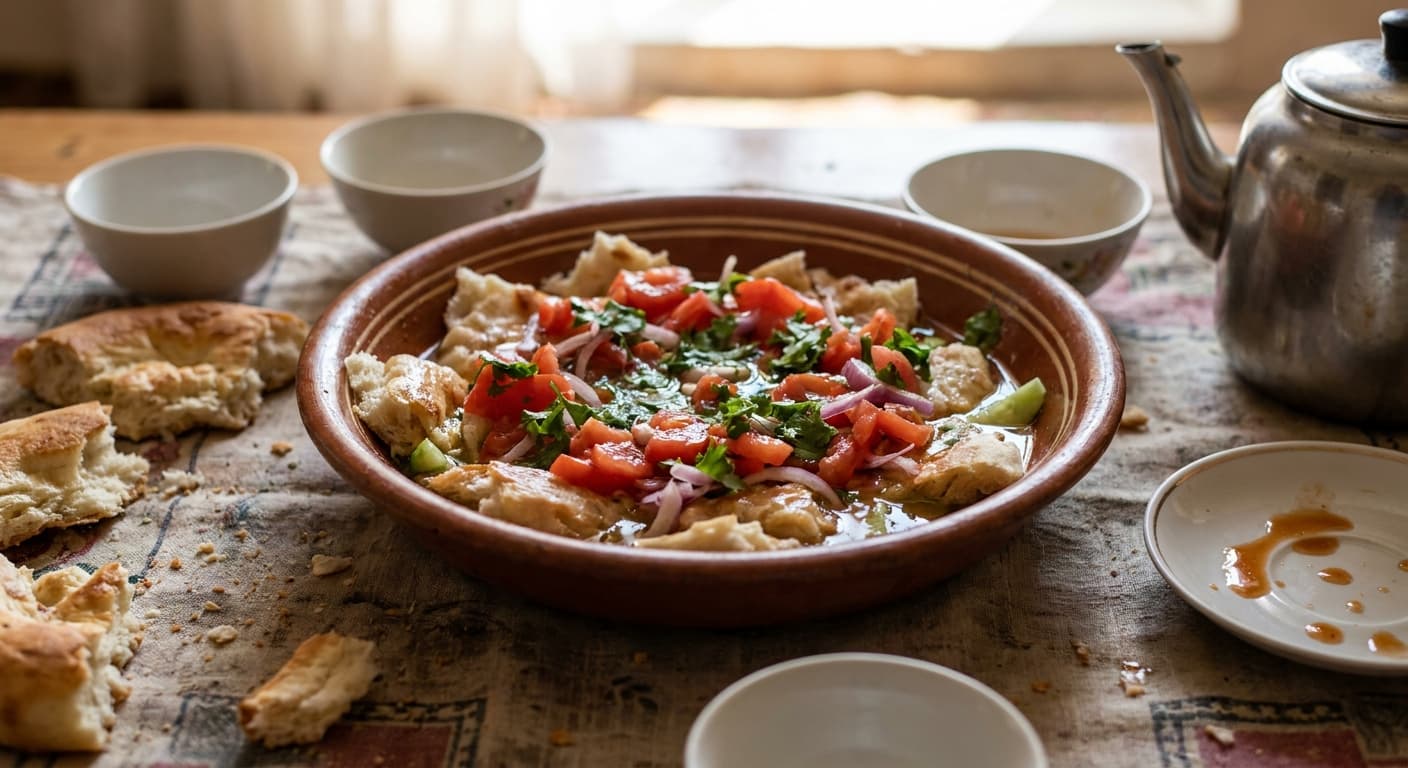
Shakarob (Шакароб) — Tajik Tomato-Onion Bread Salad
Tajik · Salads · 25 min
Reviews
Cooked this recipe?
Tap the stars to rate it — that's all it takes. A few words are welcome but optional.
No ratings yet. Cooked this one? Be the first to rate it — it takes one tap.